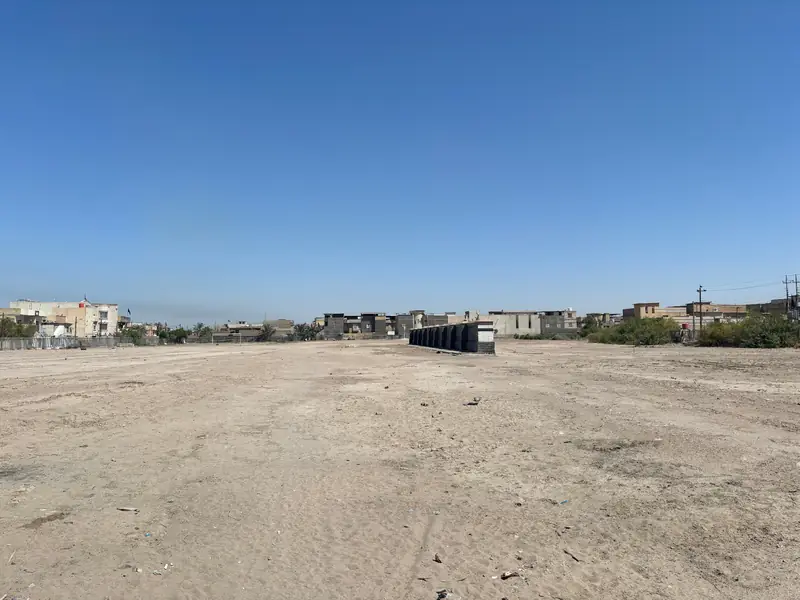
Documenting Commonwealth War Graves in Iraq 1914-1945
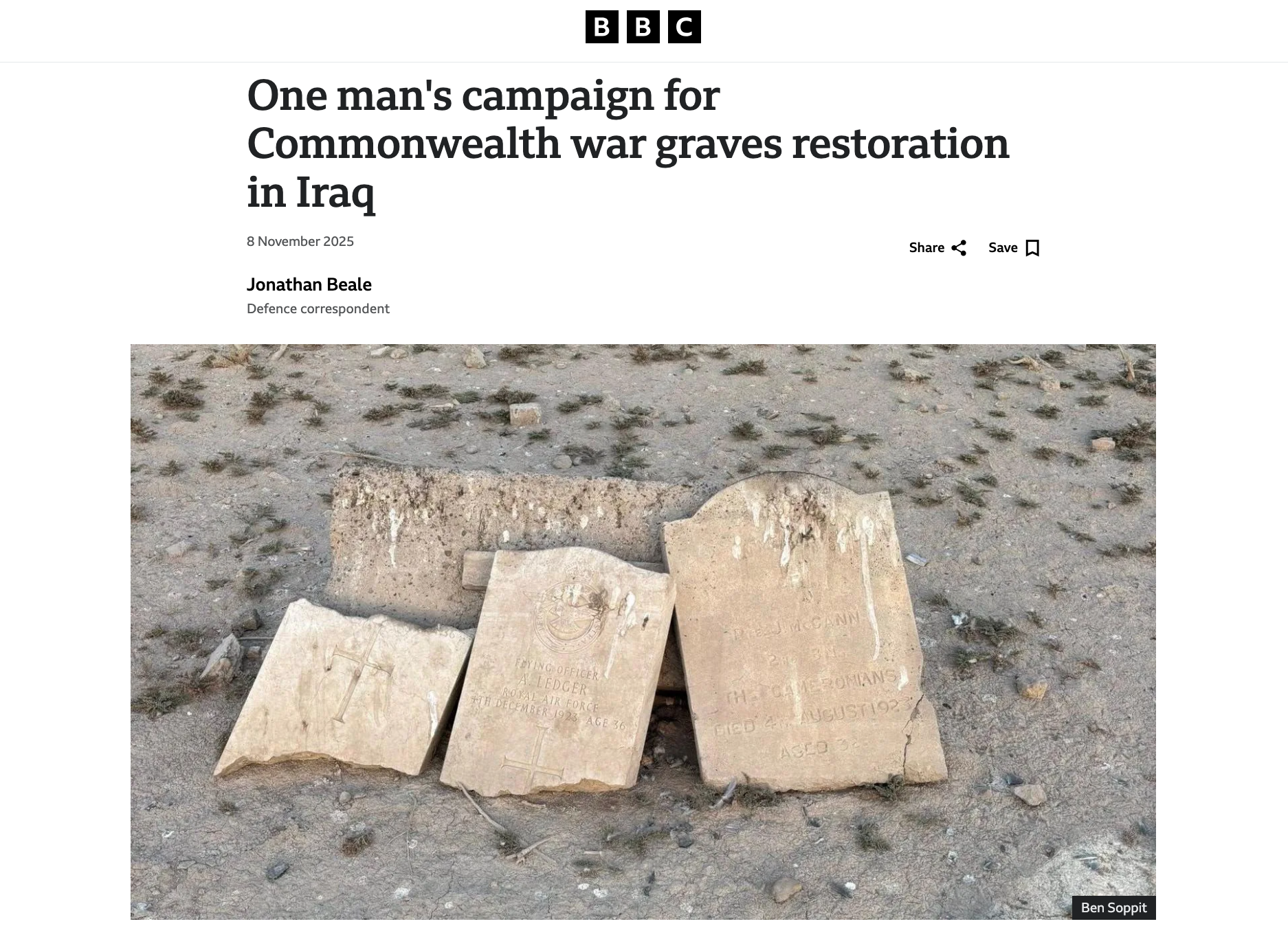
Over 56,000 Commonwealth service members lost their lives in Iraq during WWI and WWII. These conflicts are largely forgotten, graves neglected or lost. We're changing that through modern documentation and community research to honor their memory.
Basra War Cemetery
Jan 2026
Courtesy of Shane Potaka
Commonwealth cemeteries and memorials in Iraq
This project documents every known Commonwealth cemetery and memorial in Iraq, including Basra War Cemetery, the Basra Memorial to the Missing, Basra Indian Forces Cemetery, Amara War Cemetery, Kut War Cemetery, Baghdad North Gate War Cemetery, Habbaniya War Cemetery and Mosul War Cemetery. Each site has its own page with history, casualty figures, notable graves and independent field reporting on its condition today, alongside photographs, films and 360° panoramas recorded on the ground.
Update! July 2026
The Destruction of Basra War Cemetery by the British Army
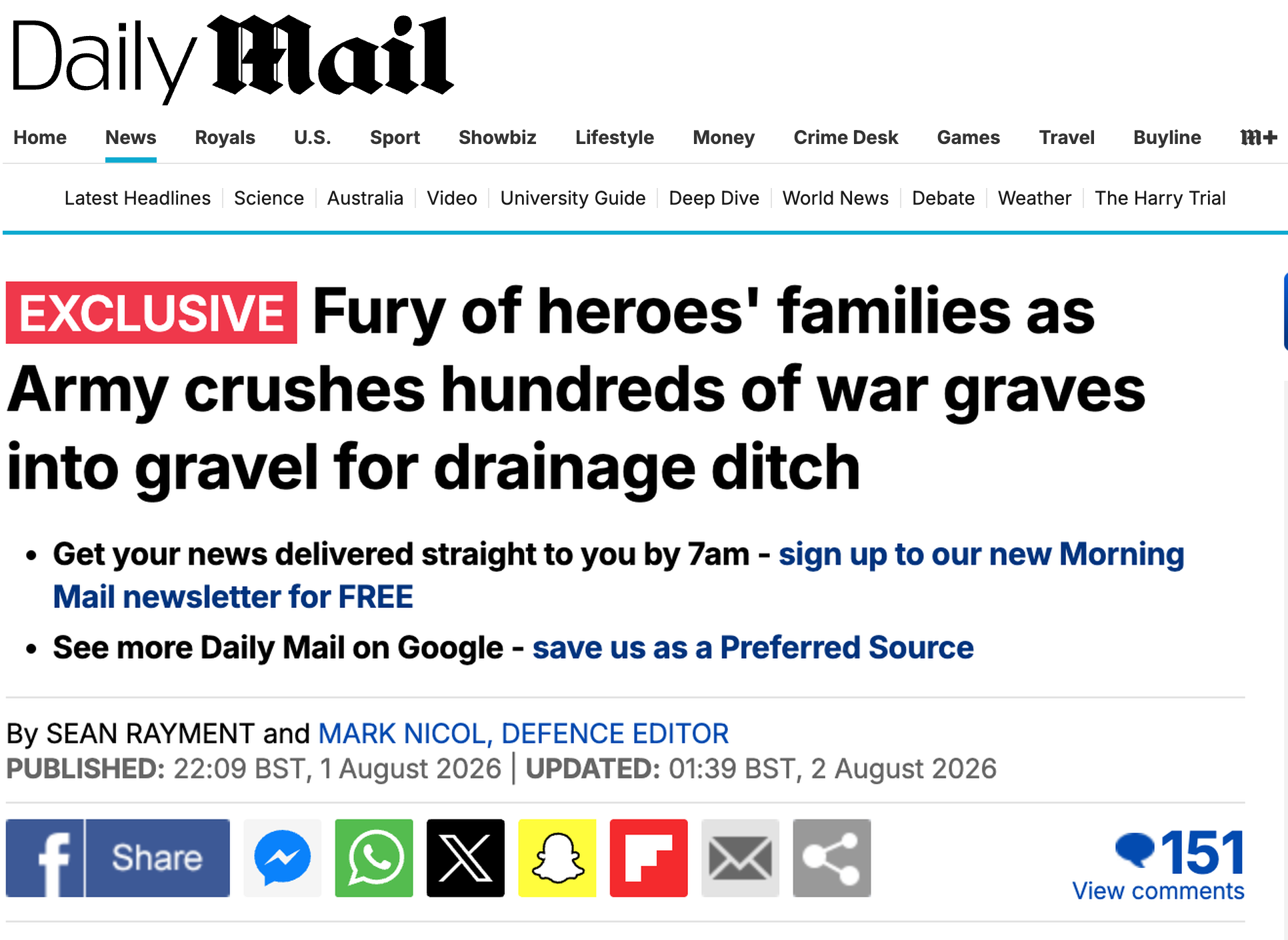
Following a Freedom of Information request we finally know what happened to the memorial panels and gravestones removed by the British Army in 2003 for "safekeeping". What appears to have been a small clean up project initiated by an Army Padre that got carried away in the early months of the British Army occupation of Basra and 50 pallets of material were removed from the cemetery. Without any proper planning or process behind the project the Army had no idea what to do with the material. The CWGC had had no capacity in Iraq since its withdrawal in 1990. The material was crushed less than 18 months after removal and used as infill for a ditch at Shaiba base. The MOD refuses to accept any responsibility or accountability for its actions in the destruction of a British Military Cemetery.
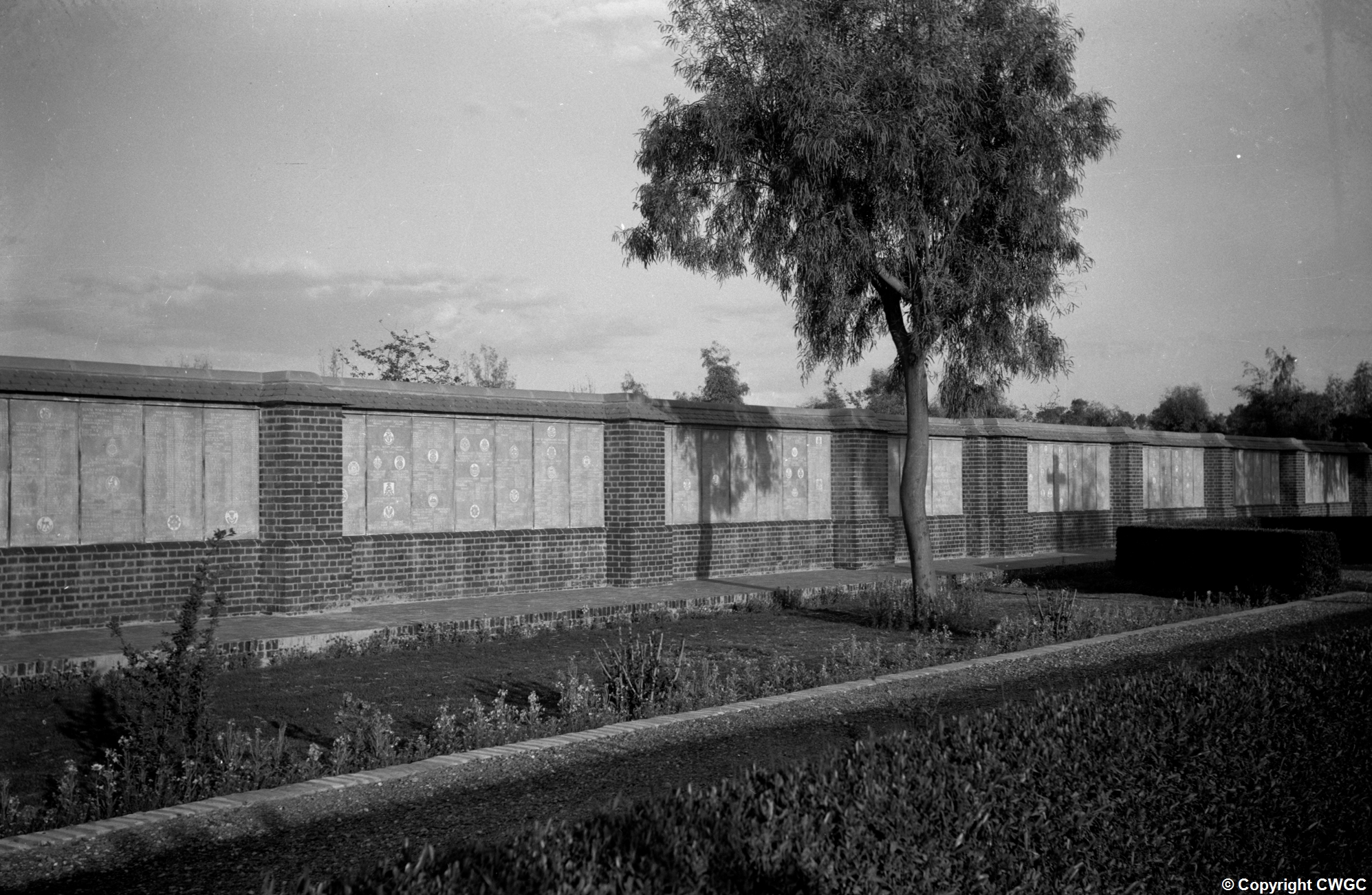
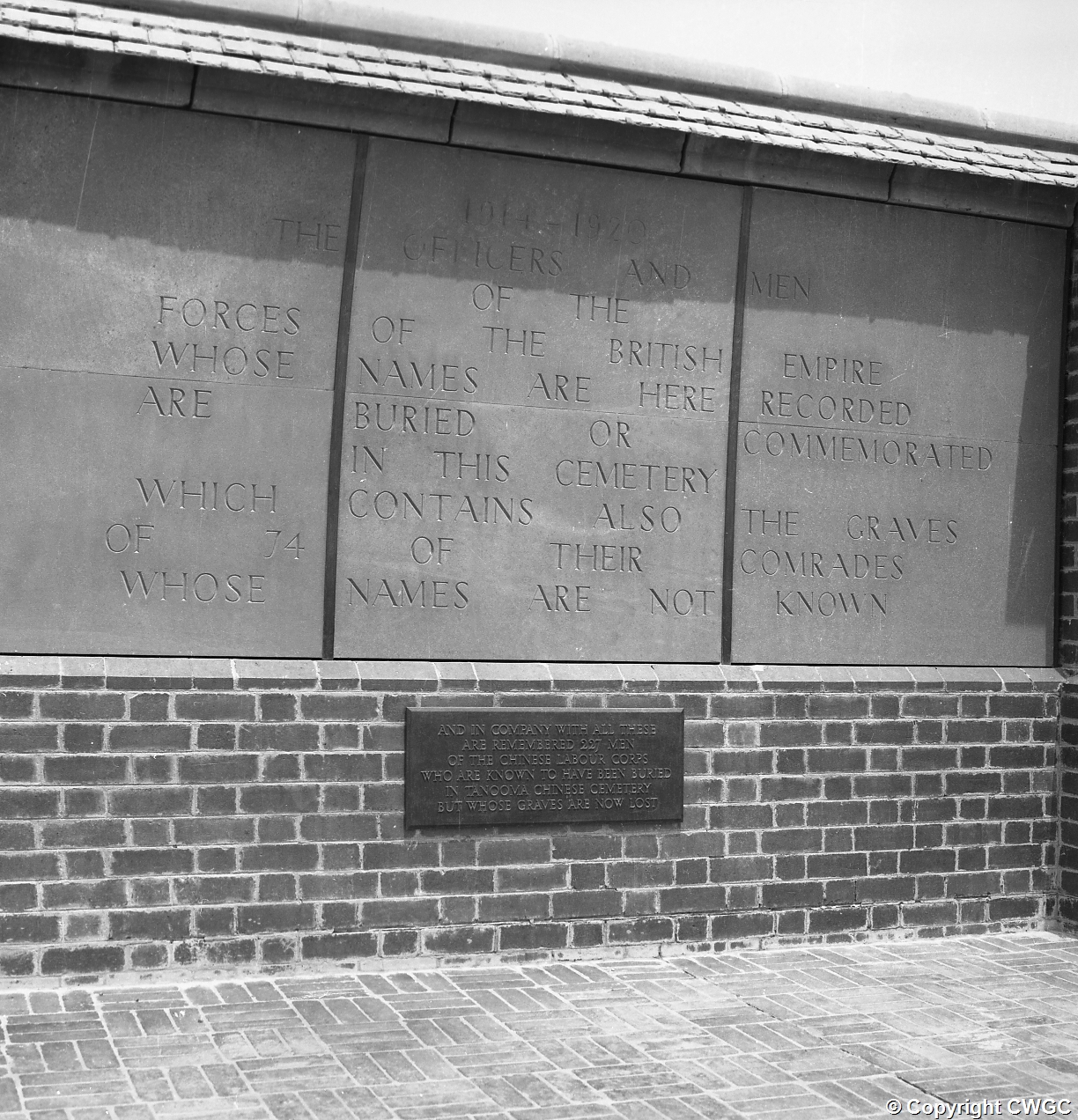
Basra Memorial Panel Wall 1950's
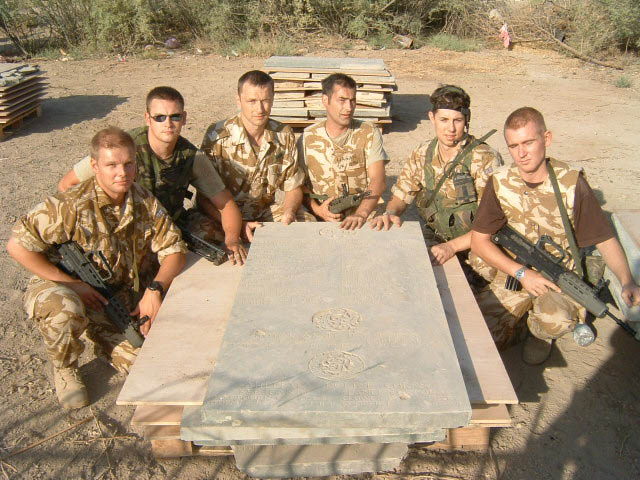
British Army Operation 2003
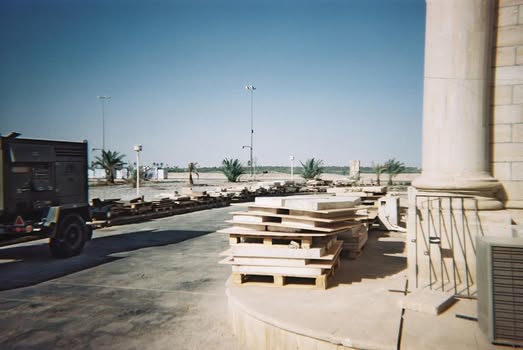
Storage at Basra Palace 2003
Read the full story of the destruction of Basra War Cemetery
2025 Field Report
The first comprehensive, independent on-the-ground assessment of Commonwealth War Graves Commission sites in Iraq. Based on fieldwork across every CWGC cemetery and memorial, this report documents severe deterioration, systemic neglect, and persistent inequalities—particularly affecting Indian casualties.
Remembrance
The Remembrance Service at Basra War Cemetery
For the first time in decades, a service of remembrance was held at Basra War Cemetery, bringing together religious leaders, local families and the wider Basra community to honour the more than 3,000 men and women buried there. Photographs, tributes and an account of the day are gathered on the dedicated page.
See the Remembrance Service at Basra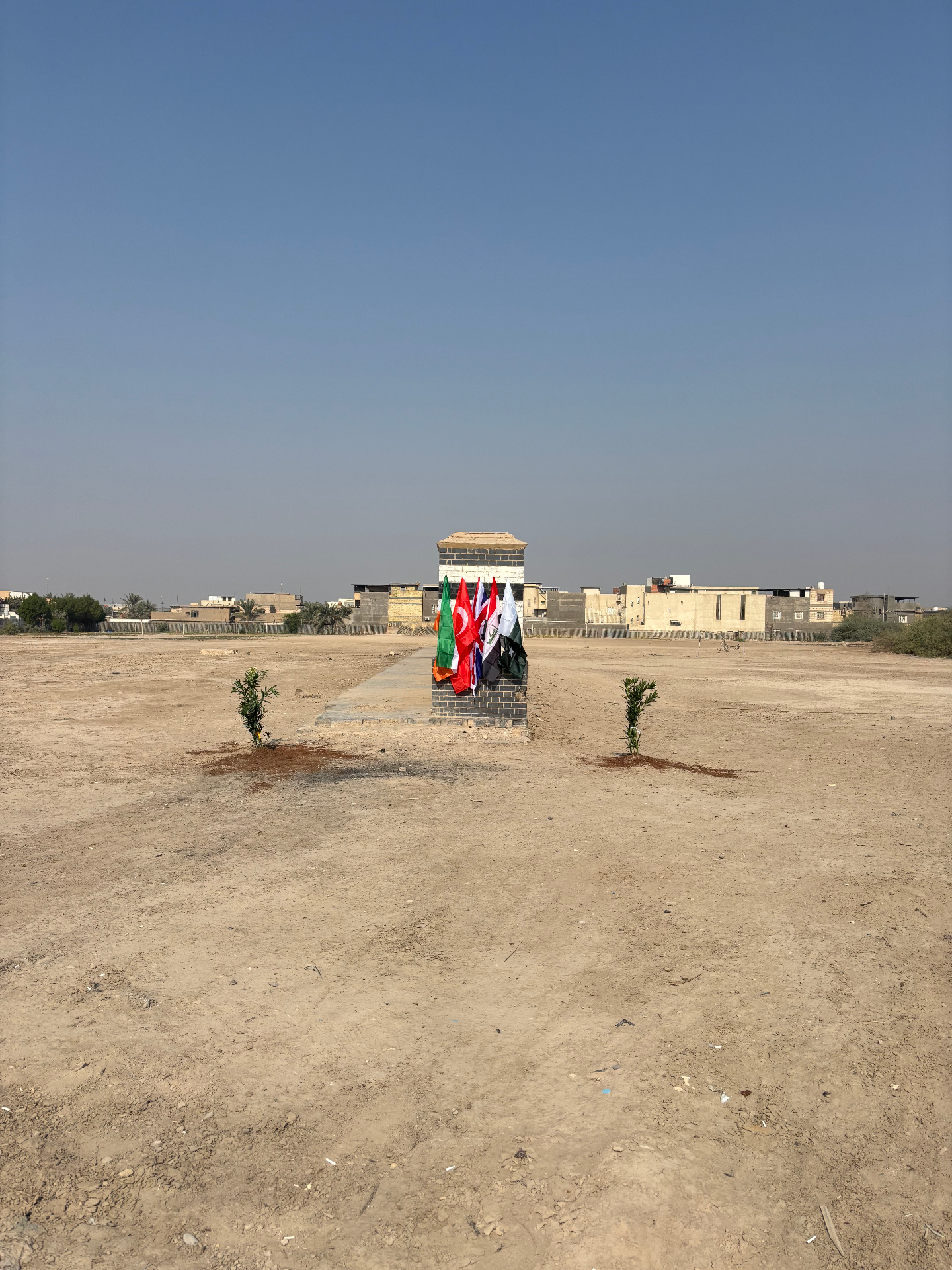
Newly Launched
The CWGC Basra Digital Memorial
The Commonwealth War Graves Commission has launched a digital memorial recording the names of over 33,000 Indian Army NCOs and other ranks excluded from the physical Basra Memorial under the IWGC’s 1920s policy of “numerical commemoration”.
A welcome step, but not a substitute for properly commemorating the physical graves and memorials in country.
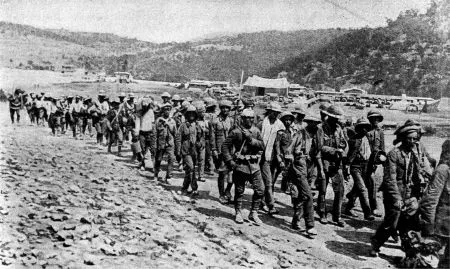
Historical Inquiry · 1917
The Mesopotamia Commission Report
Established by Act of Parliament in August 1916 after the surrender of some 13,000 British and Indian troops at Kut-al-Amara, and chaired by Lord George Cave, the Commission’s 1917 report to Parliament remains a foundational account of the campaign that filled the cemeteries and memorials we record here.
Read about the ReportIn the Press
Media Coverage
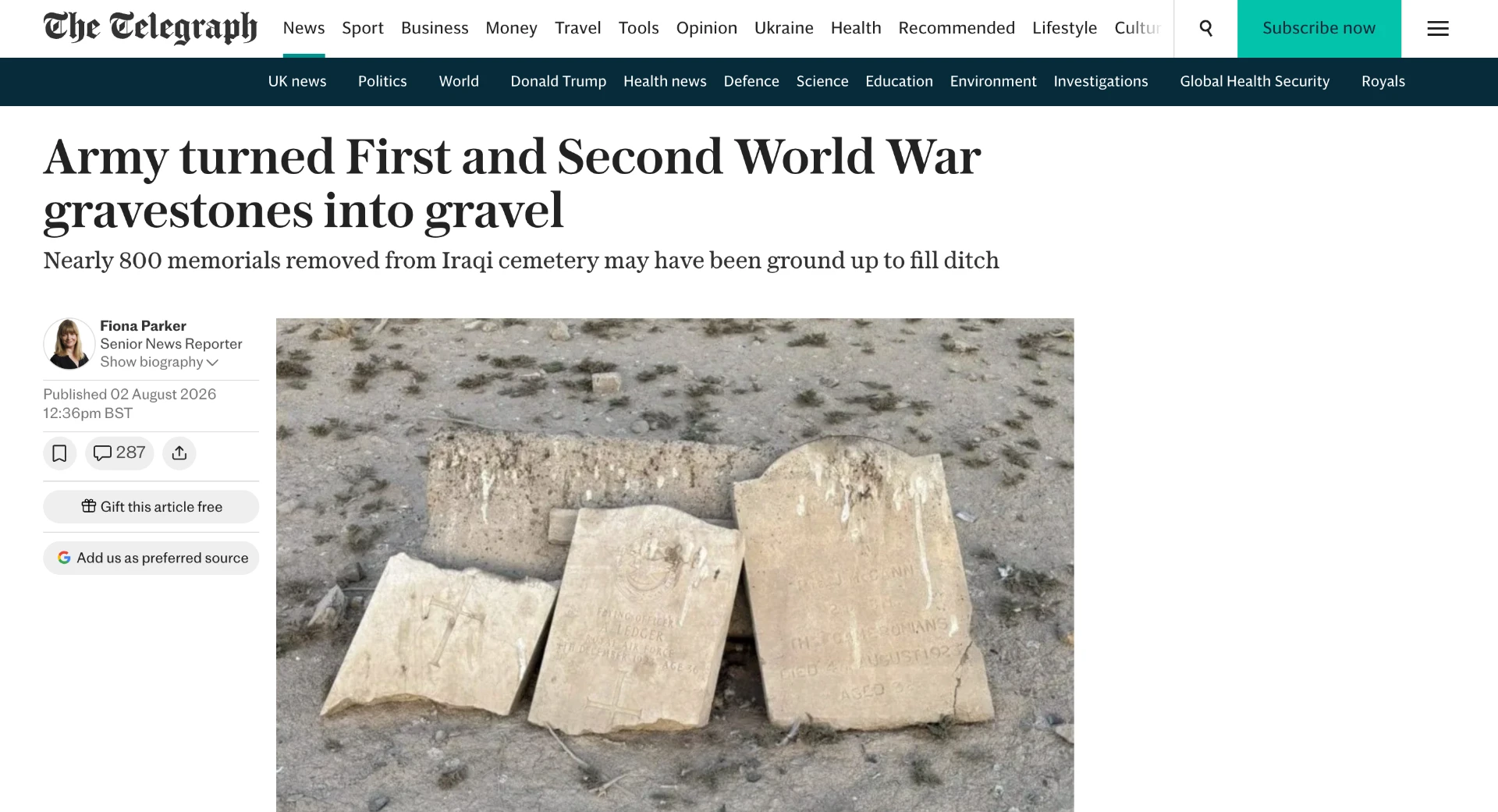
The Mail on Sunday
Charlotte Rampling furious after discovering headstone of war hero grandfather was one of 800 crushed into gravel
The actress described the desecration at Basra War Cemetery as 'utterly shameful'. Her grandfather, Horace Johnson Rampling, died in 1917 and now lies in an unmarked grave.
The Forgotten Dead of Forgotten Wars
Documented
Few realize the scale of Commonwealth War casualties in Iraq with more than fifty-four thousand recorded casualties —the exact number is unknown as many who served in the British Indian Army were not properly recorded. Iraq constitutes three percent of all total casualties under the CWGC's care and the 5th largest country by volume of graves/memorialized casualties worldwide. In sheer numbers, Iraq ranks among the most highly significant places of remembrance for the Commonwealth and with the highest proportion of un-commemorated deaths. The remaining graves and memorials are deteriorating, forgotten, or lost. We document them before they're gone forever.
Video and Photographic Archives
Aerial, 360 interactive and ground level walk through images and videos - a unique dynamic visual record.
Dignity & Remembrance
These men and women deserve to be remembered. Where official maintenance has failed, we provide a digital memorial accessible to families and researchers worldwide.
Community Driven
Built by relatives of casualties, researchers, historians and local Iraqis who care. Open to all, for free, a public resource for anyone curious about this forgotten chapter of British Iraqi history.
Take a Virtual Reality Tour
Walk through the cemeteries from anywhere in the world. Best viewed in the YouTube app on a mobile device with a VR headset, or drag to look around in your browser.
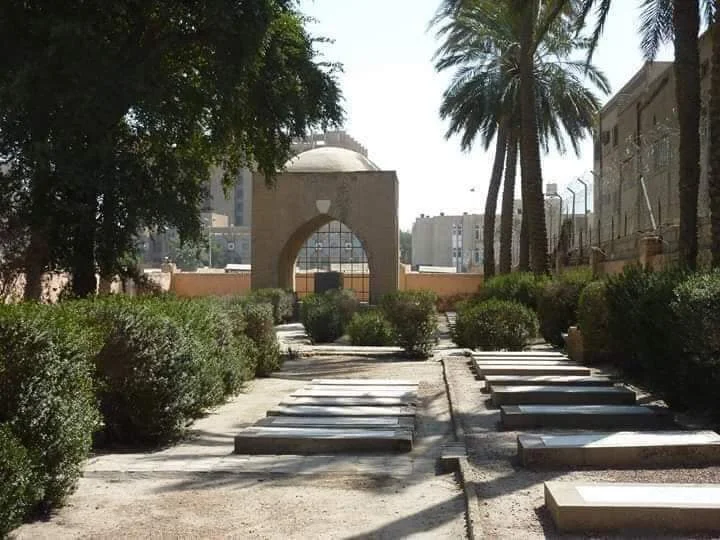
Baghdad Northgate Cemetery, East Side Walkthrough.
"At the going down of the sun and in the morning, we will remember them."
The commitment to remembrance is fundamentally broken when the means to access and share knowledge about war graves are lost, as is the case for sites in Iraq. The official abandonment of these locations renders the solemn promise, "Their name liveth for evermore," particularly poignant and hollow. Without active preservation and accessibility, these forgotten men and women are denied the perpetual commemoration they were promised, fading instead into silence.
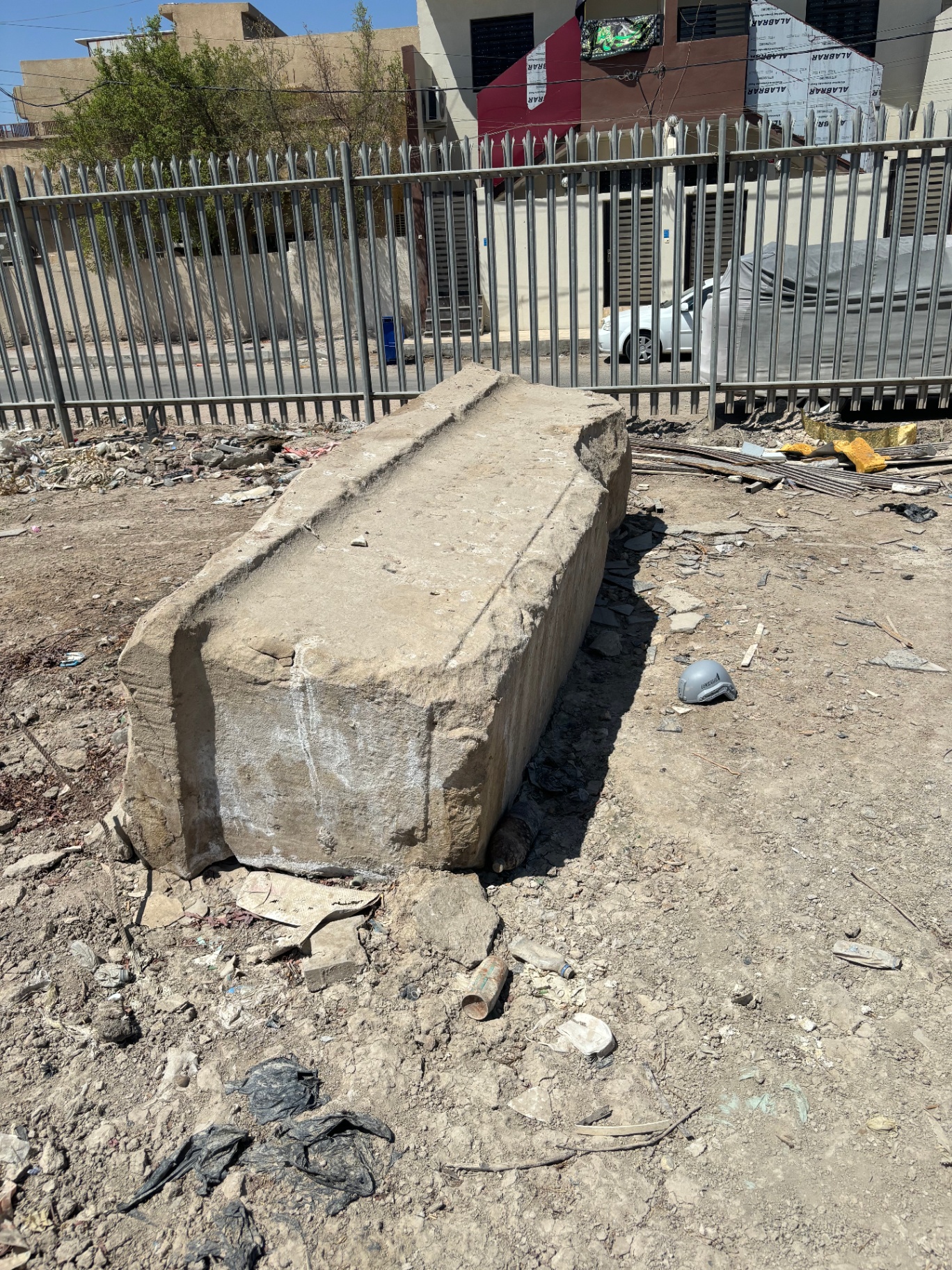
War Stone, Basra War Cemetery
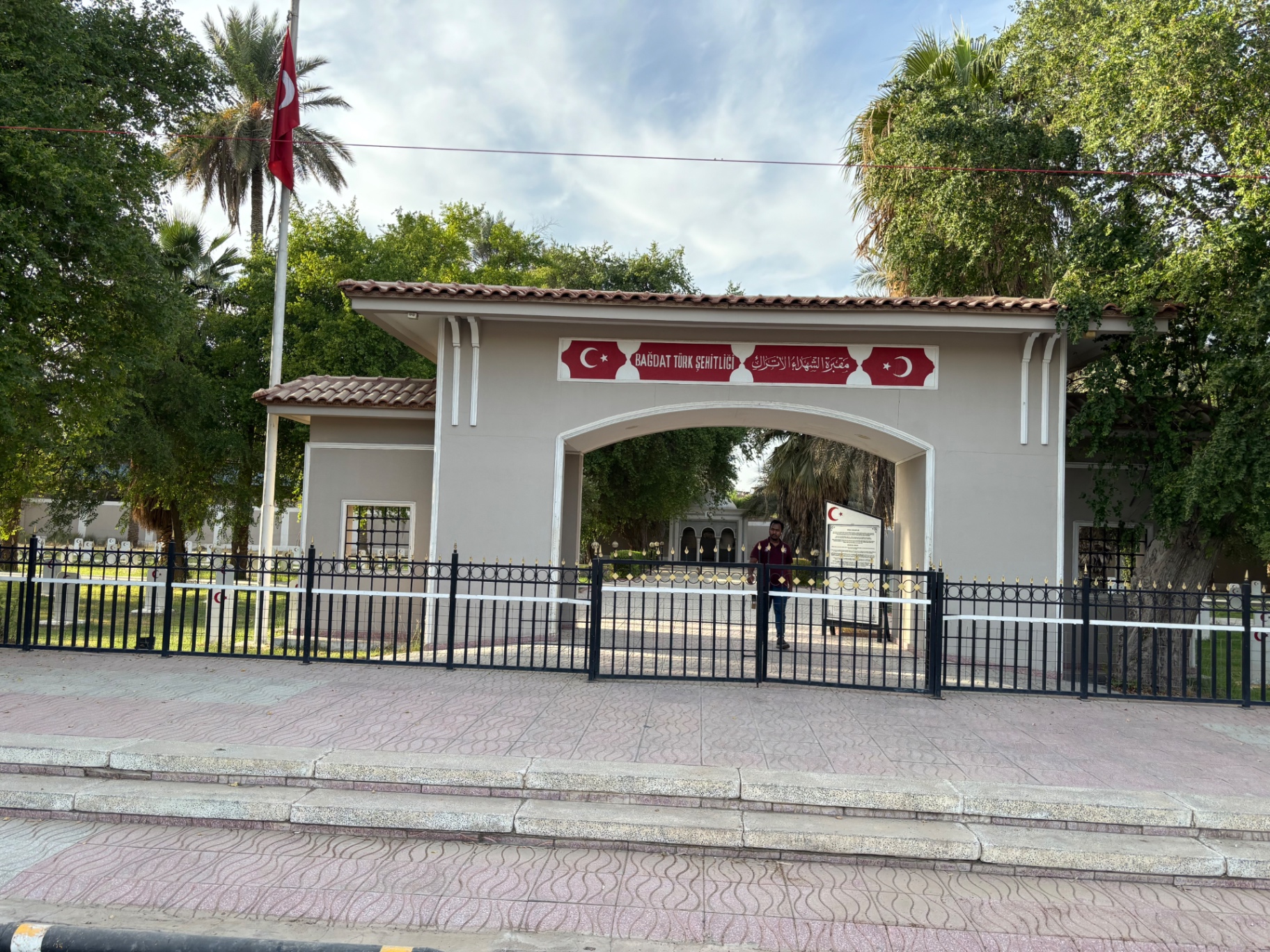
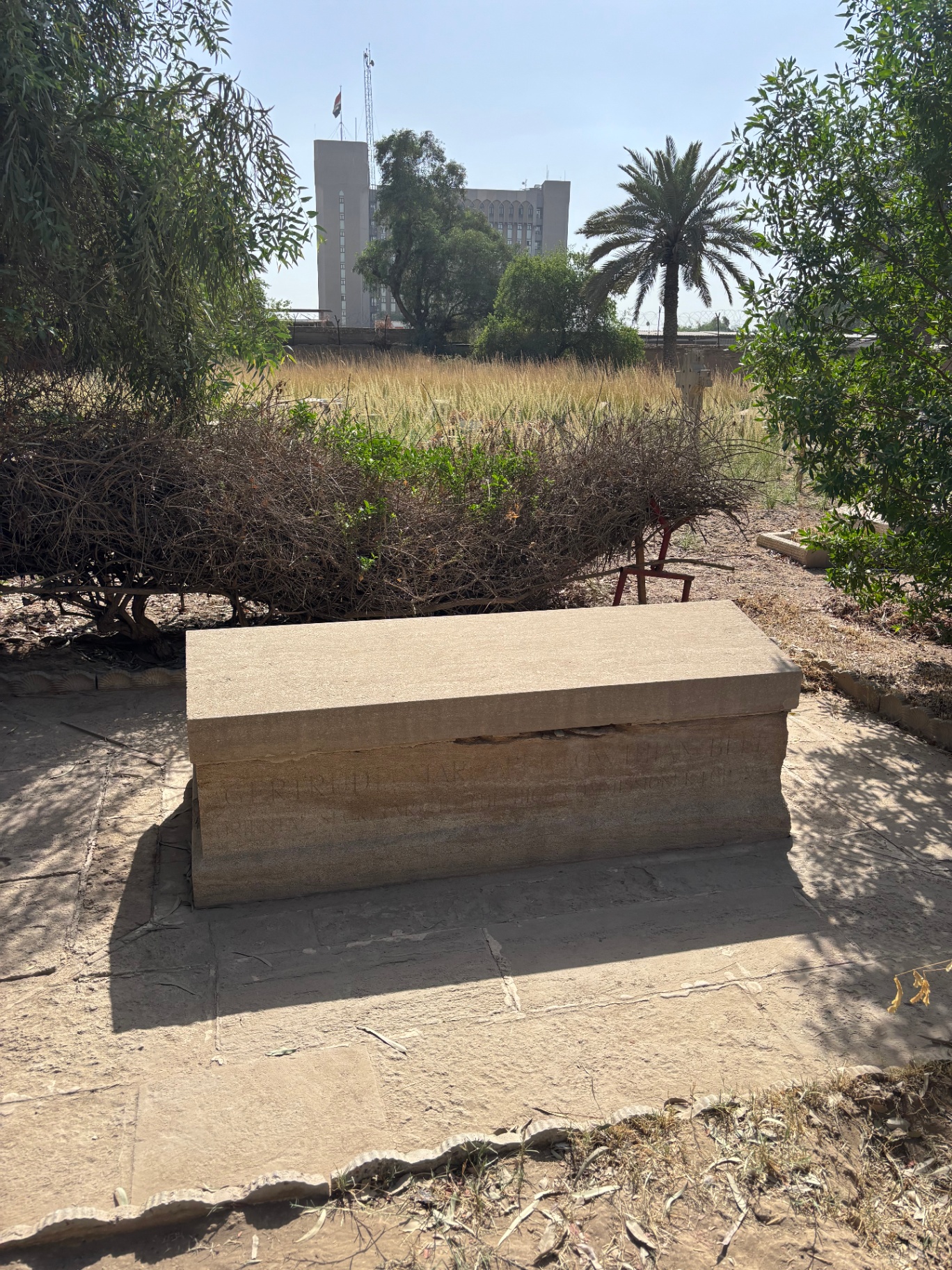
Cemetery and Memorial Sites In Iraq
Explore each known Commonwealth, Ottoman and German Military Cemeteries and Memorials in Iraq
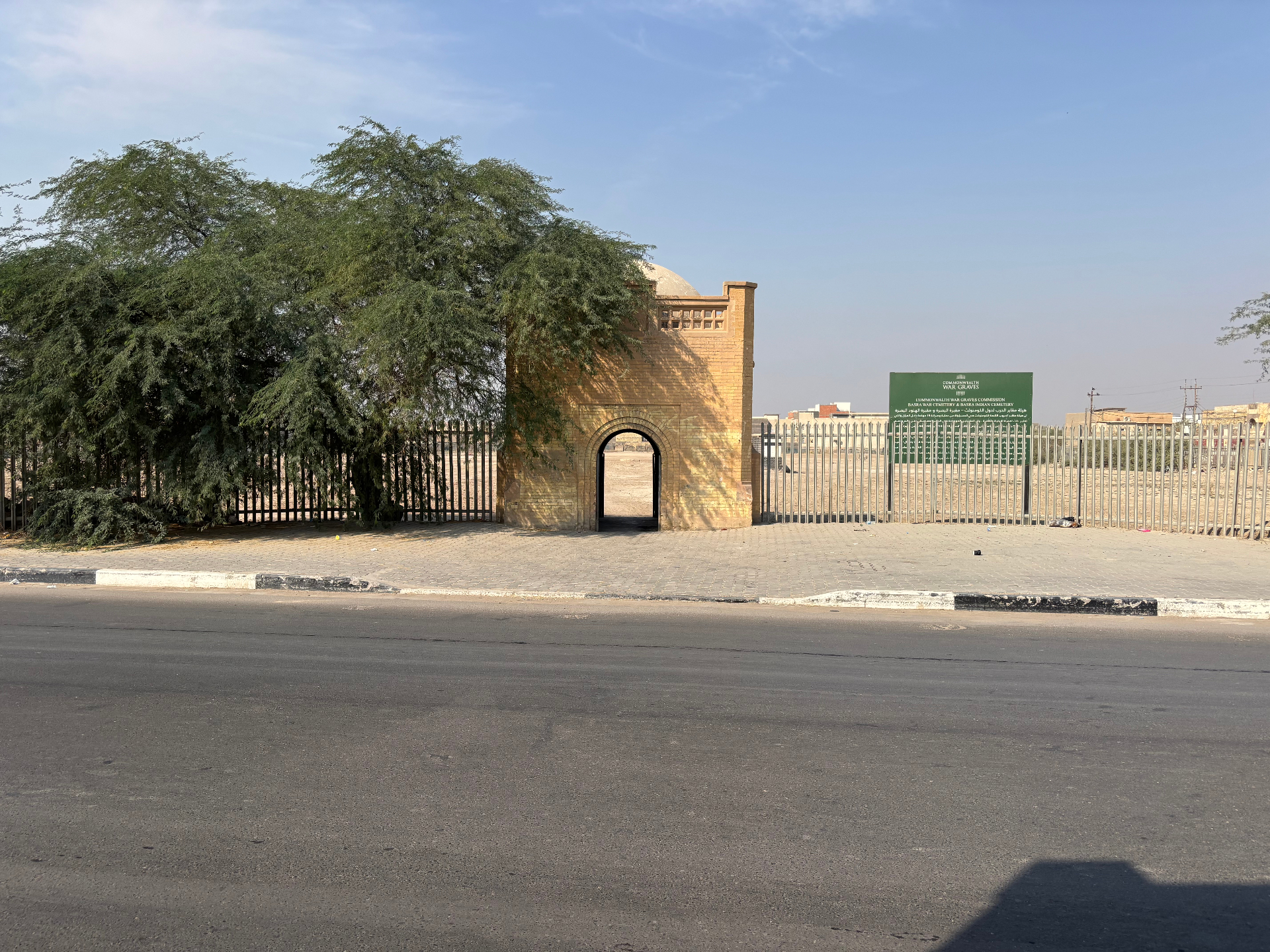
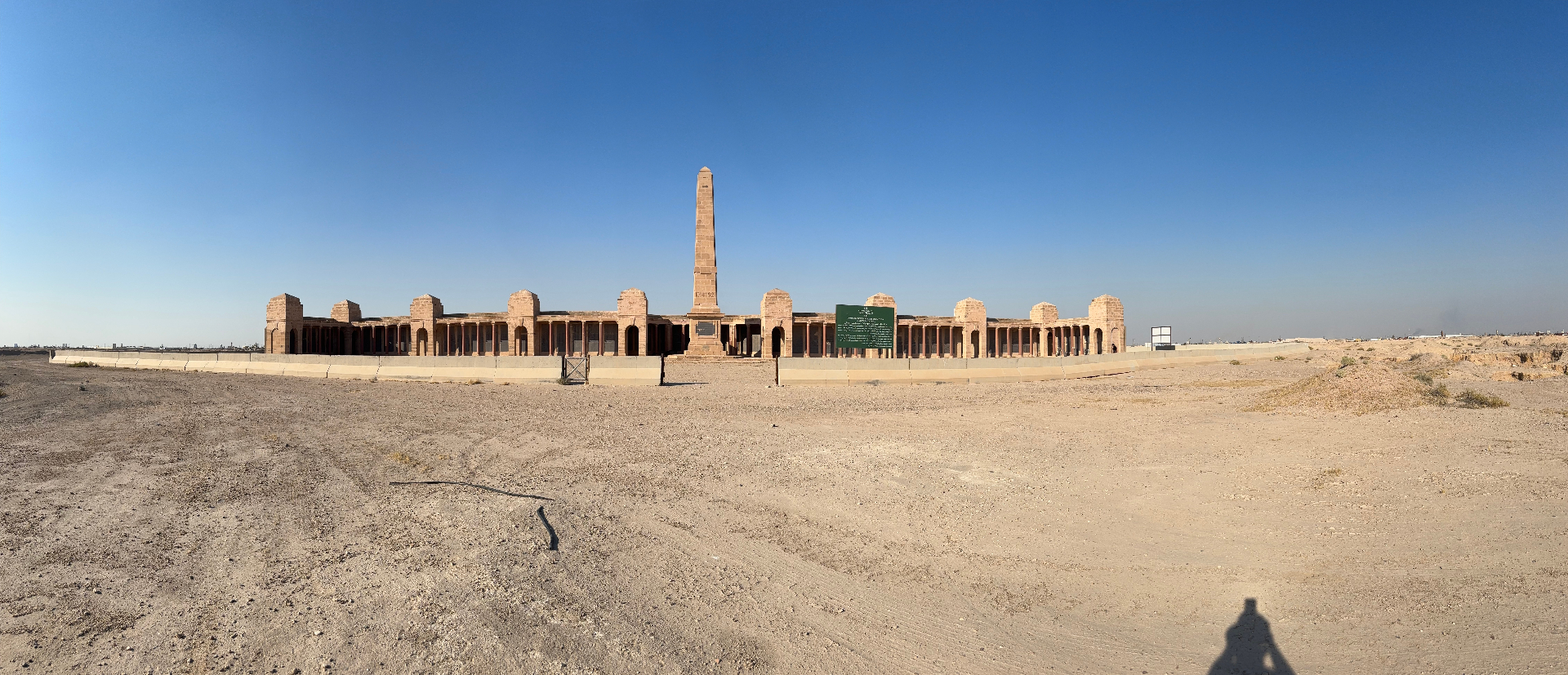
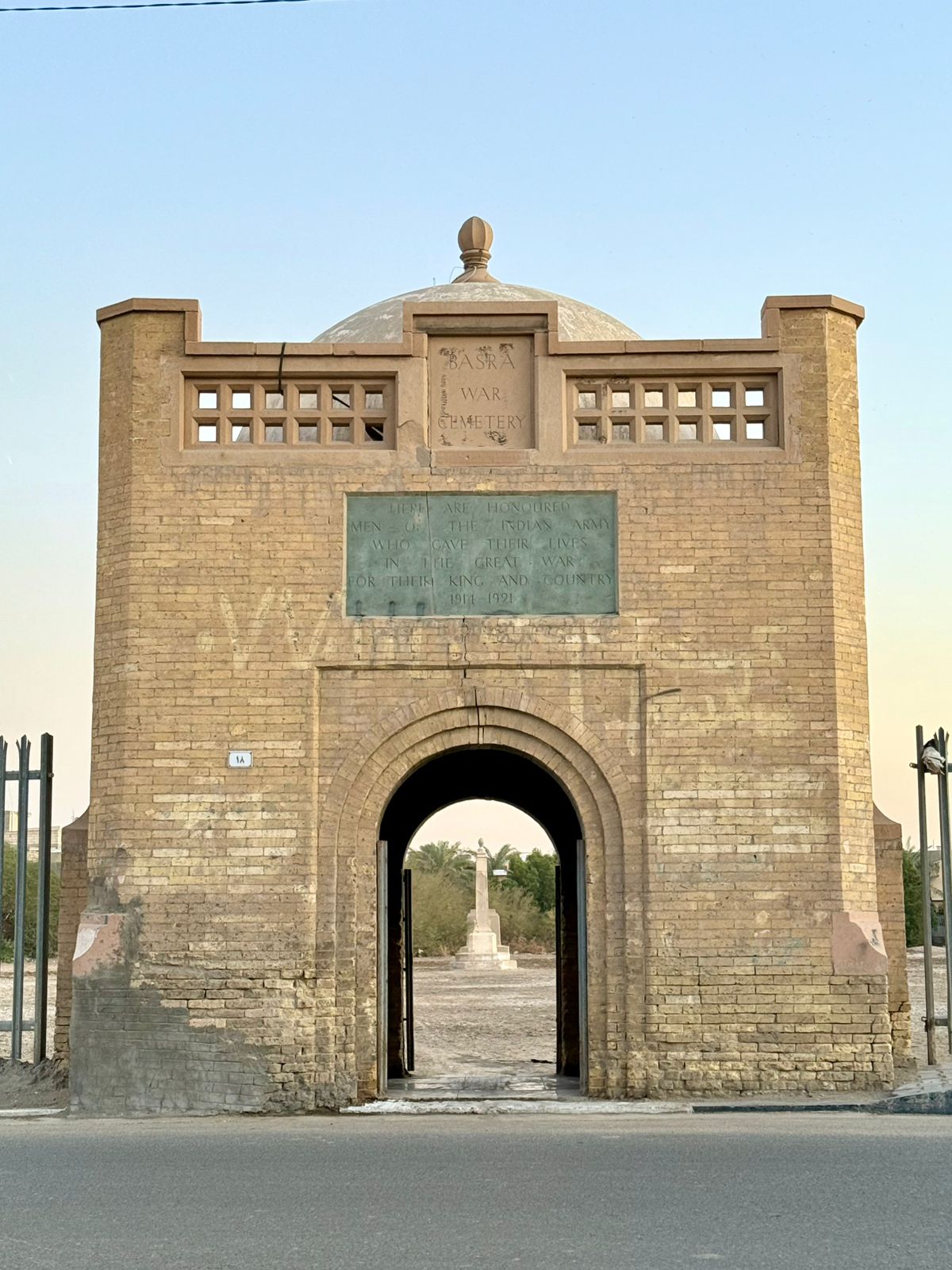
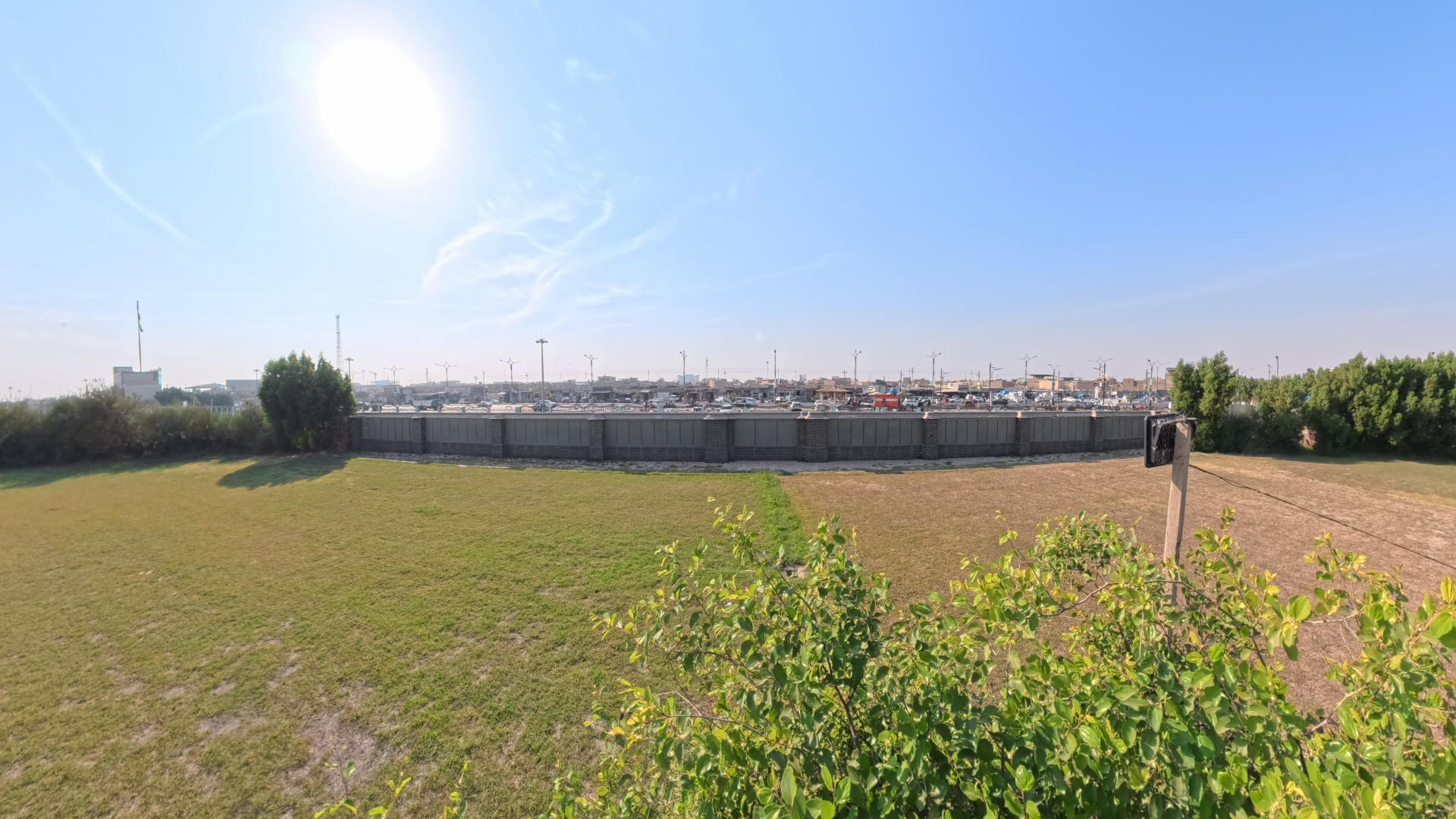
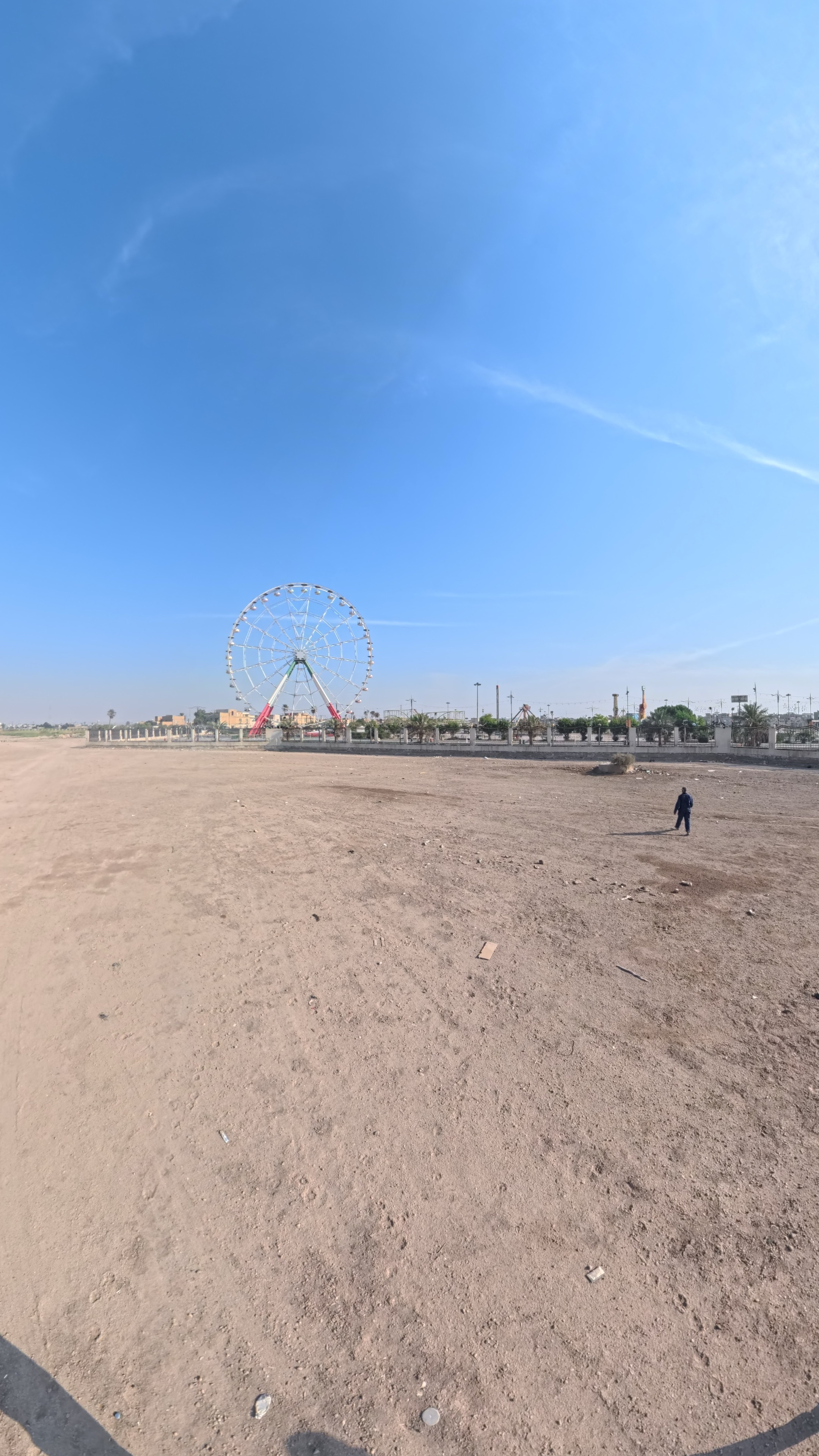
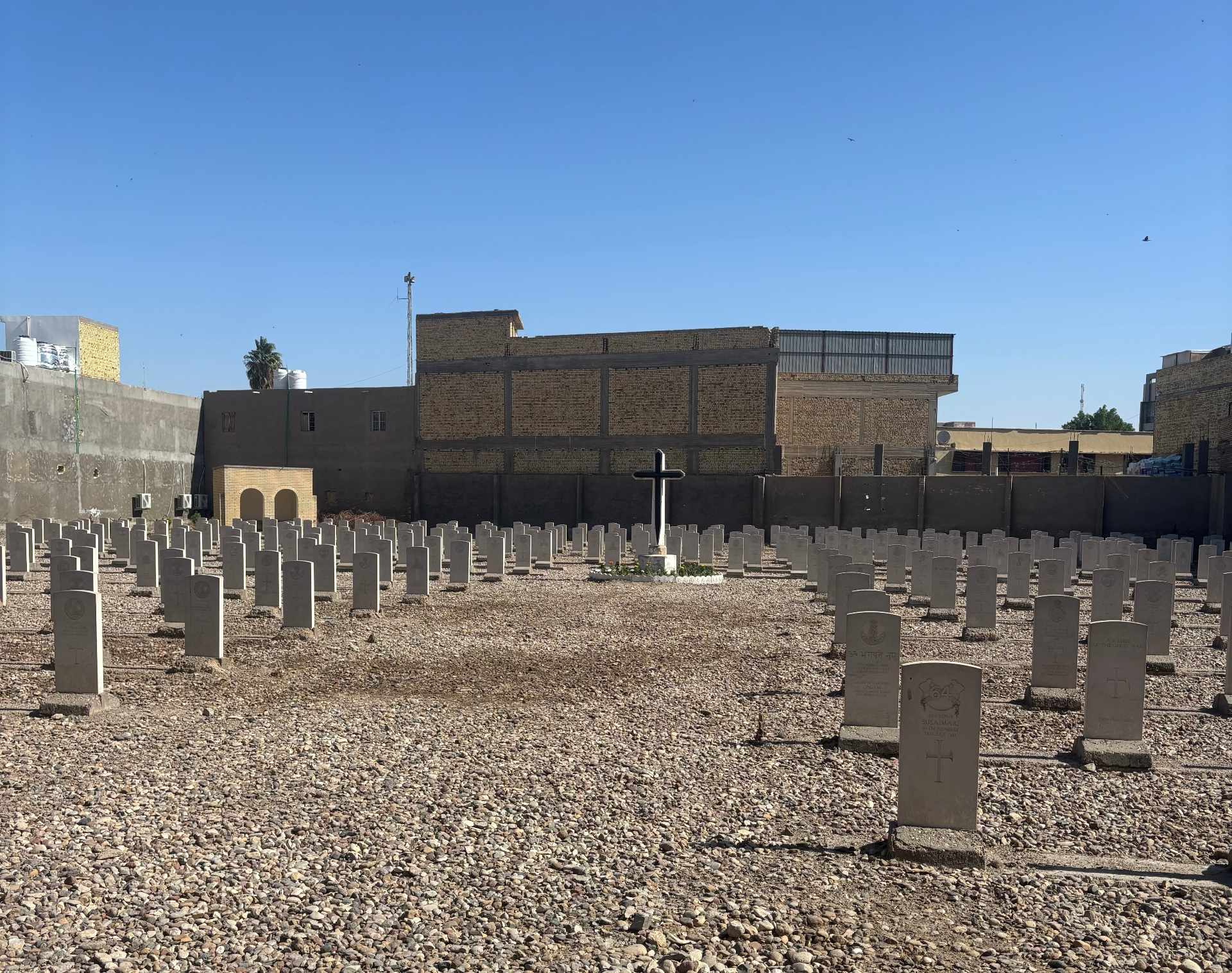
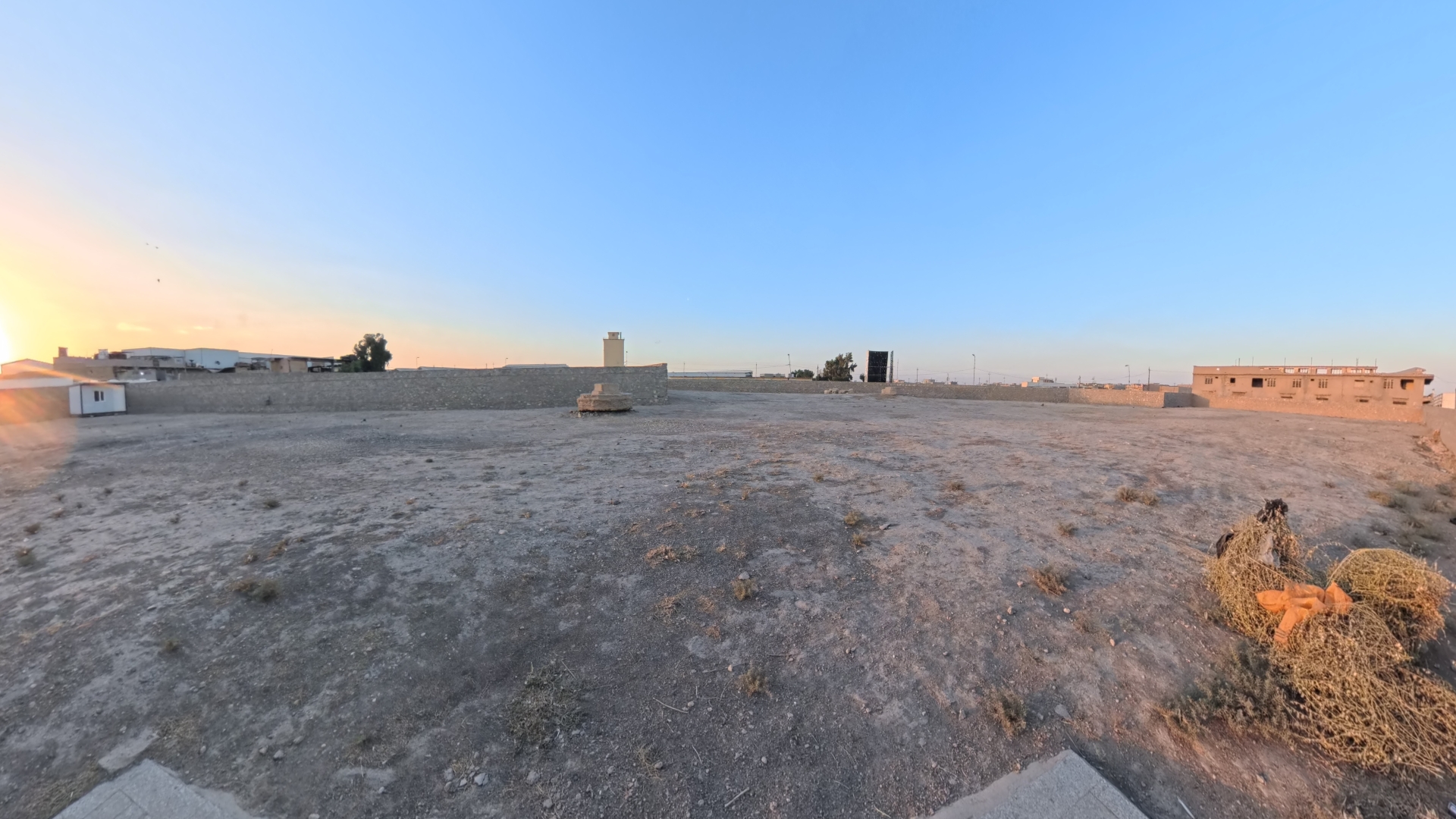
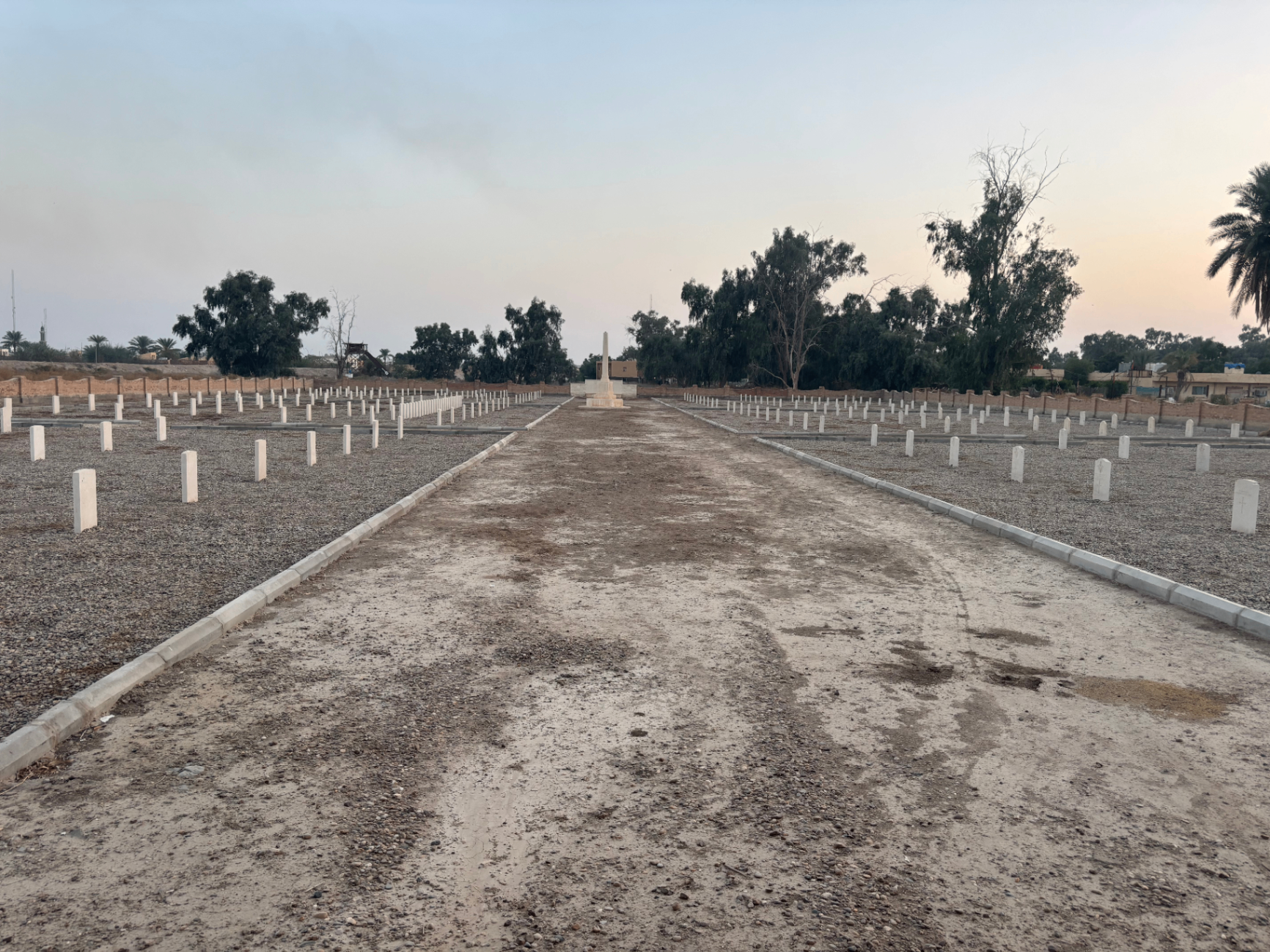
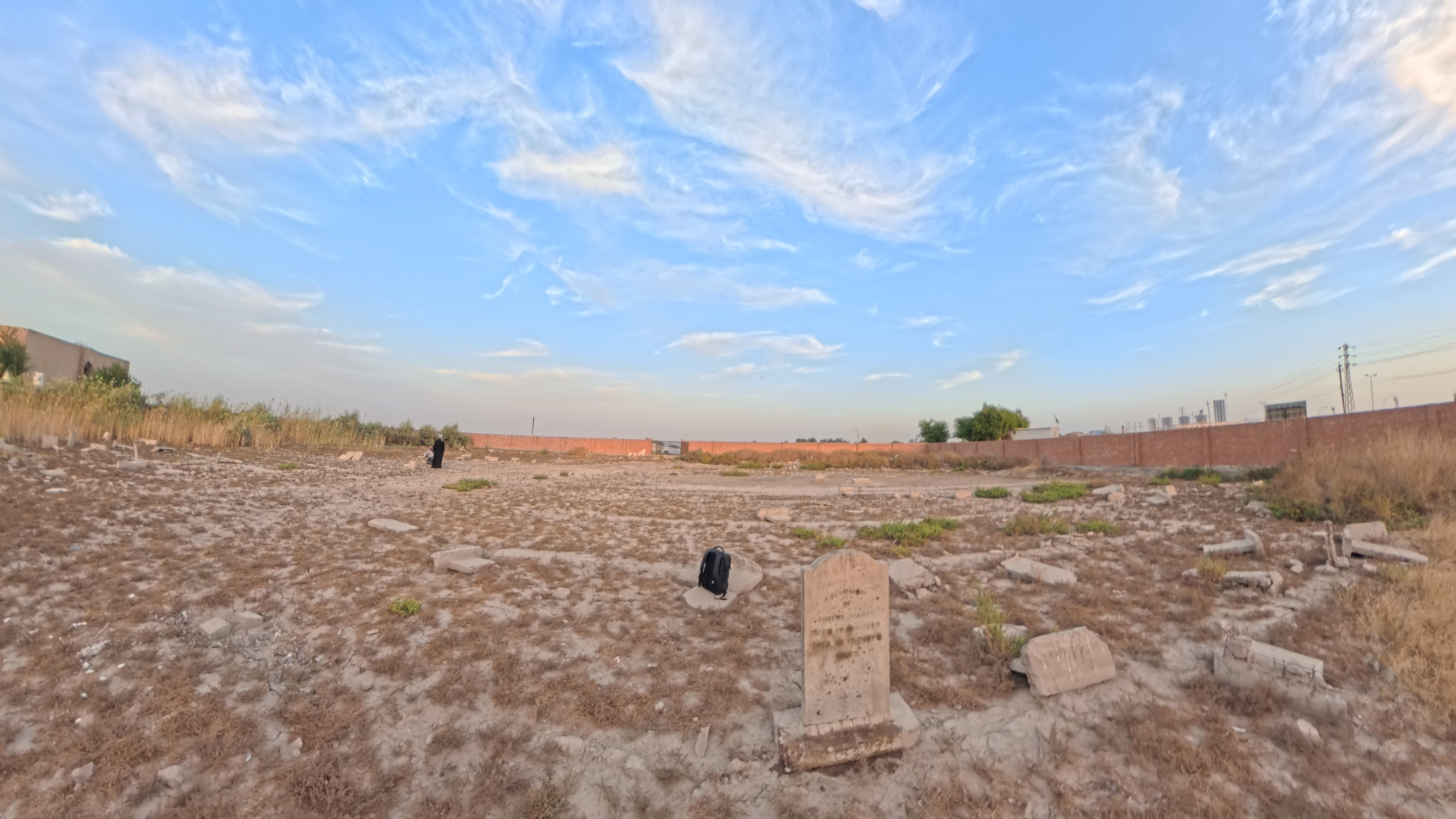
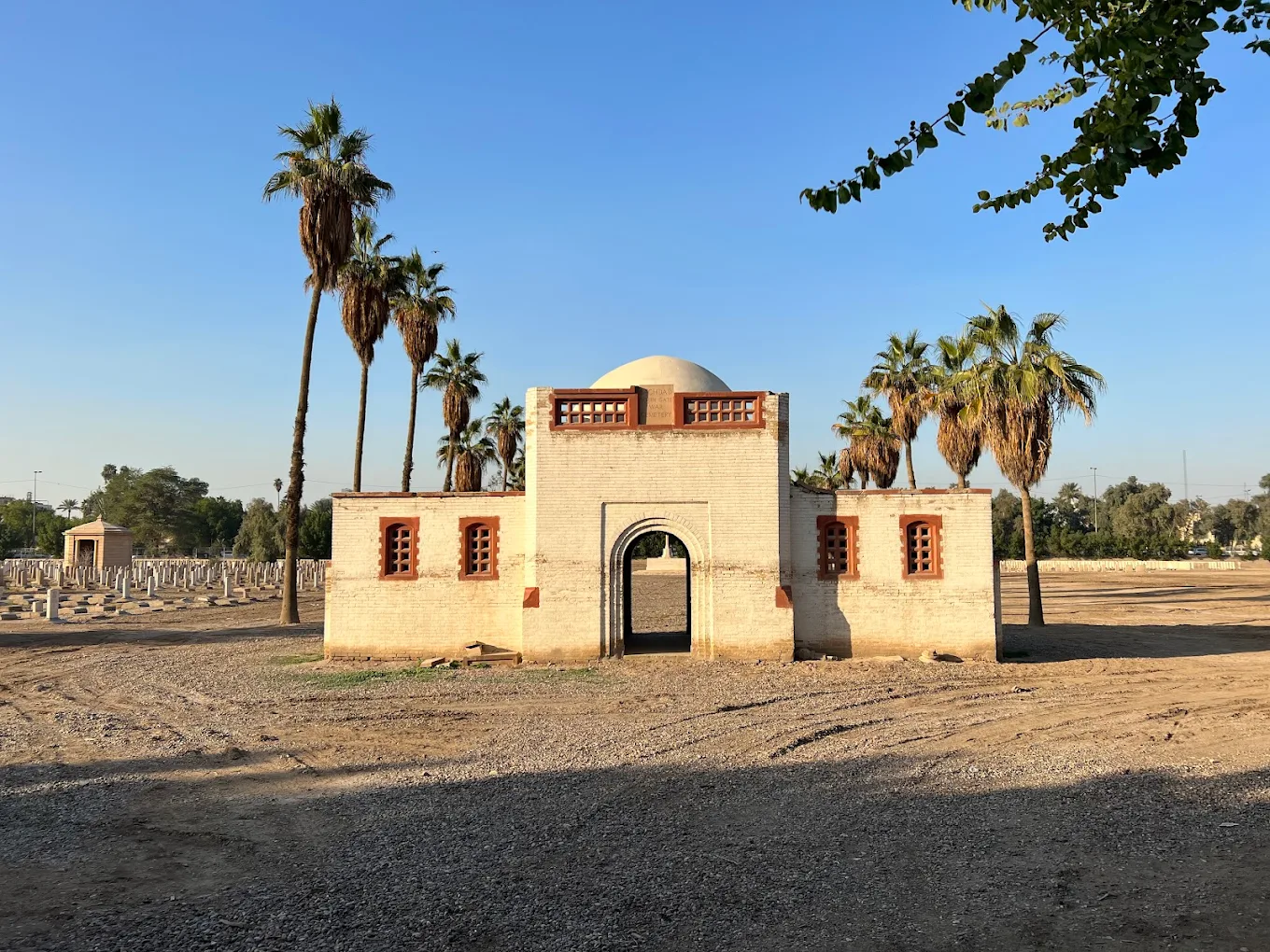
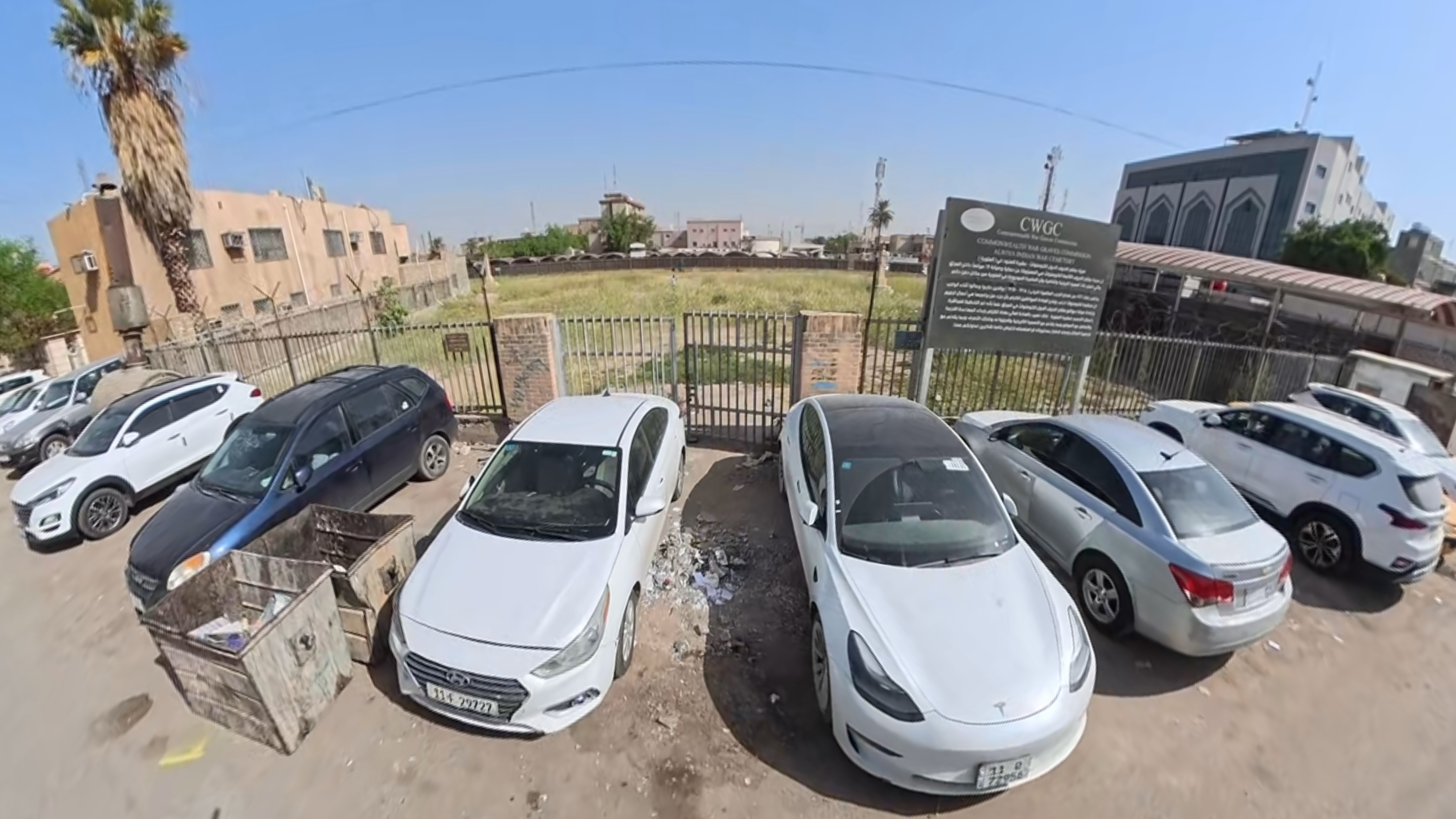
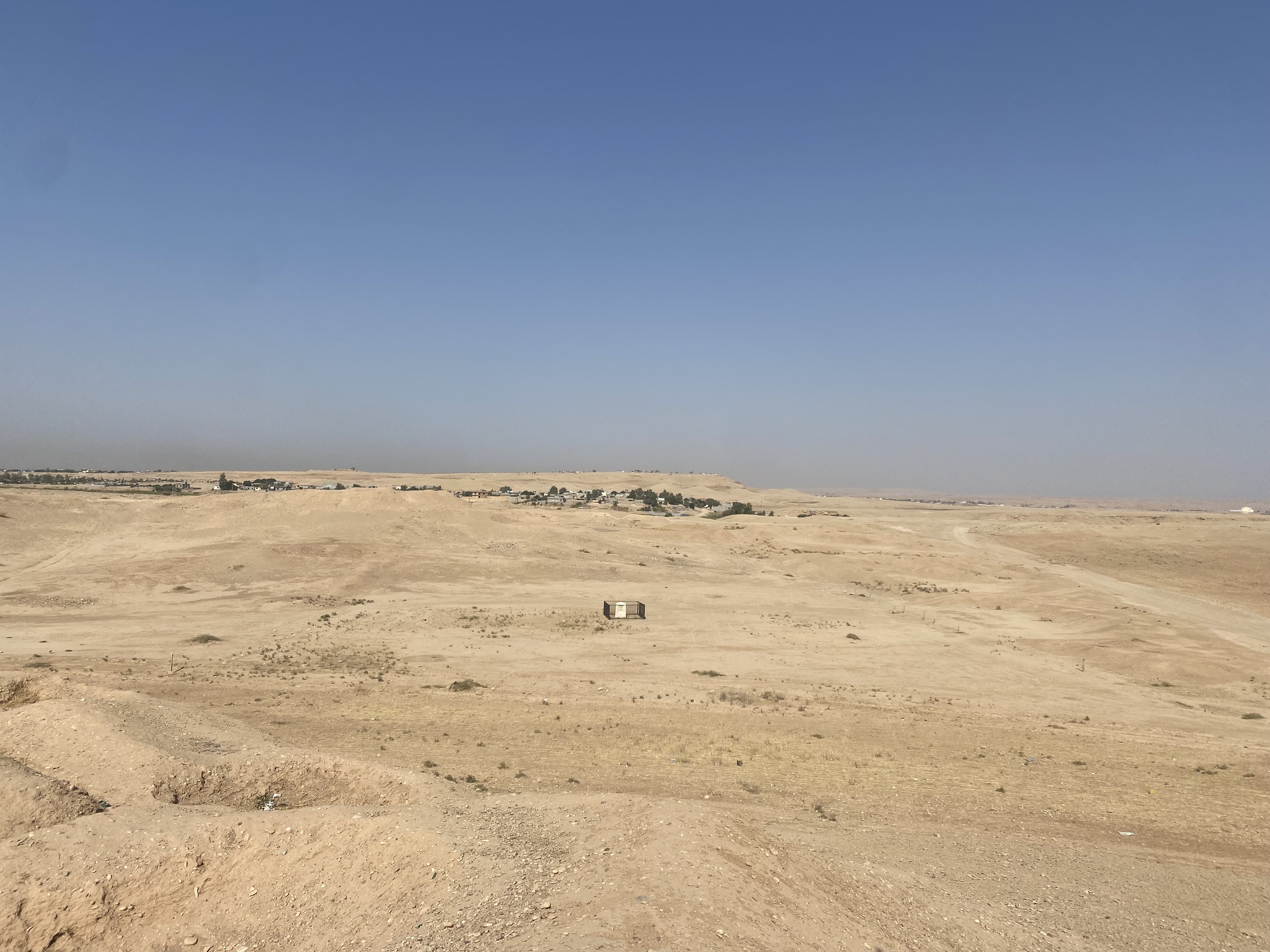
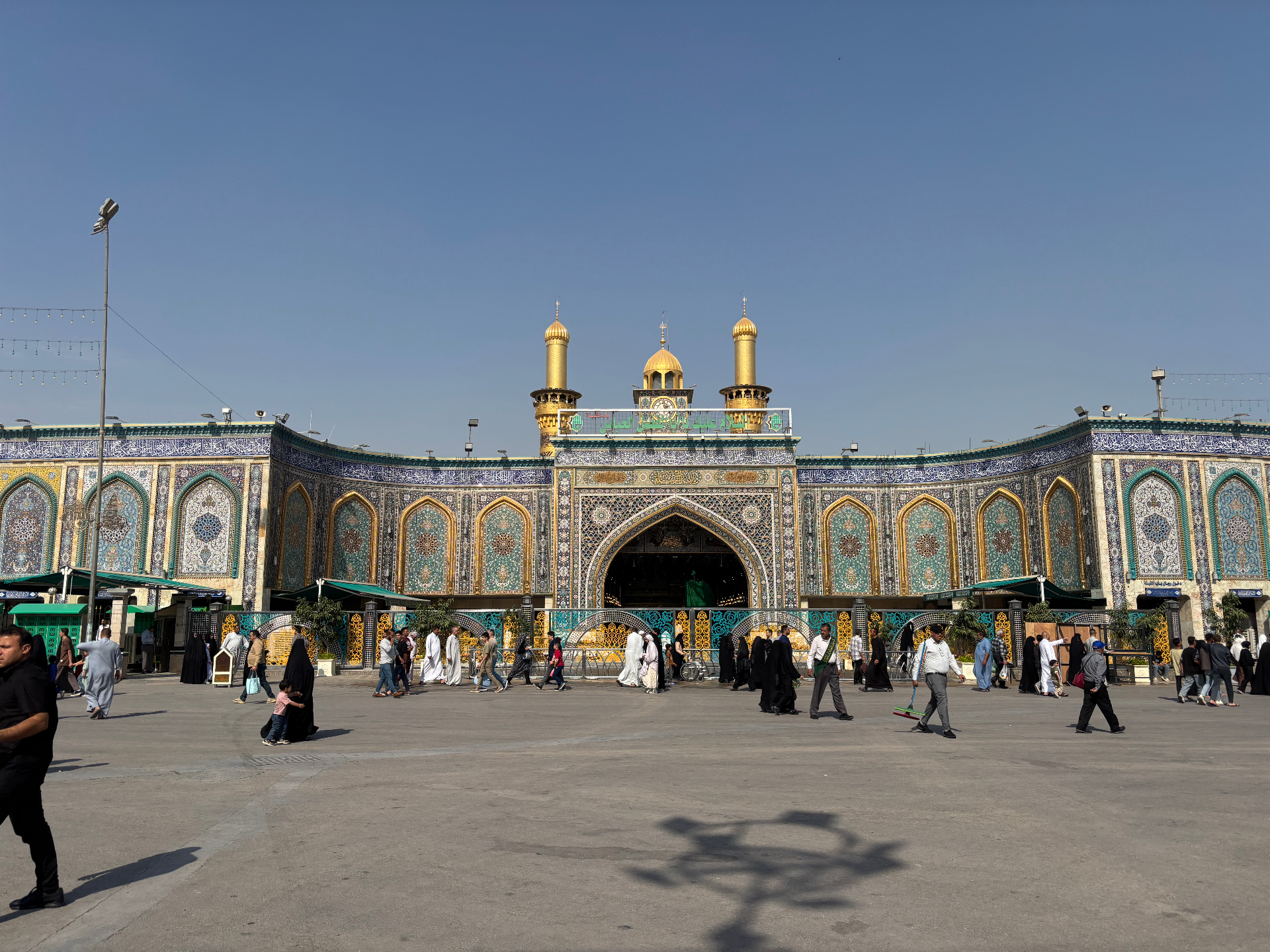
Interactive Map of Sites
Explore all documented Commonwealth war cemeteries and memorials across Iraq
Modern Iraq: Beyond Stereotypes
Many in the West still view Iraq through the narrow lens of wartime imagery, terrorism, and social collapse—images tied to the U.S. invasions of 1991 and 2003, the rise and fall of ISIS, and years of conflict in the media spotlight. But more than two decades have passed since the First Gulf War, and Iraq today is a very different place. International travelers are increasingly discovering its quieter side: a country rich in history, culture, and resilient communities. Every year, more visitors come to walk the ruins of Babylon and Hatra, wander the streets of Erbil's citadel, explore the archaeology of Ctesiphon, or experience the living heritage in modern Iraqi cities.
Iraq's tourism revival is gaining momentum, even the Daily Mail has been covering the "mini-boom" in tourism that it is enjoying, along with accounts of British solo travelers visiting Iraq. Many Facebook groups and other social media platforms have Iraq tourism information including Iraq Travel Community, Iraq Travel Tips, Iraqi Travellers Cafe, Travel and Tourism in Iraq, Travel around Iraq and Iraqi Kurdistan Travellers Cafe. These and other similar sites across social media show the reality of international tourists visiting Iraq and can help you research your visit, plan your itinerary and find services including guides and car hire.
Join the Community
Connect with researchers, veterans, families, and anyone passionate about preserving this history. Share discoveries, ask questions, contribute media—all ages welcome.
Open to Everyone
Not just military historians—students, educators, descendants, and curious minds
Active Research
Ongoing site visits, video documentation, and casualty research
Share Your Content
Photos, videos, documents—help build the archive