Khanaqin War Cemetery
Take a Video Tour
Short video walkthroughs of the abandoned Khanaqin War Cemetery and its remaining memorial.
Khanaqin, on the Diyala River near the Persian (Iran) frontier, became a key wartime camp and transit hub in 1942 when the Polish Anders' Army arrived from the Soviet Union via Persia. The cemetery reflects this Polish presence, alongside British/Indian garrison burials and several graves connected to the Arab Legion during the 1941 Anglo-Iraqi War.
Quick Information
Khanaqin, near the Iran-Iraq border
Commemorated
542 commemorated
WWI: 102 • WWII: 440
WW1 102 Indian burials. WW2 3 Arab Legion and 437 Polish Army
Status
Last Updated
25 October 2025
The casualties from Khanaqin War Cemetery are now commemorated on the Khanaqin Memorial at Baghdad North Gate Cemetery, where the CWGC erected a panel listing the names of those buried at this abandoned site.
Located about 160–180 km north-east of Baghdad, close to the Iranian border and the Persian Corridor lines of communication, Khanaqin War Cemetery expanded rapidly in 1942 when it hosted reception and transit camps for Polish forces and civilians evacuated from the USSR. The site features predominantly 1942–43 Polish military and civilian graves, with British/Indian forces interred across the same period, alongside occasional earlier graves associated with frontier policing and medical detachments.
Current Condition
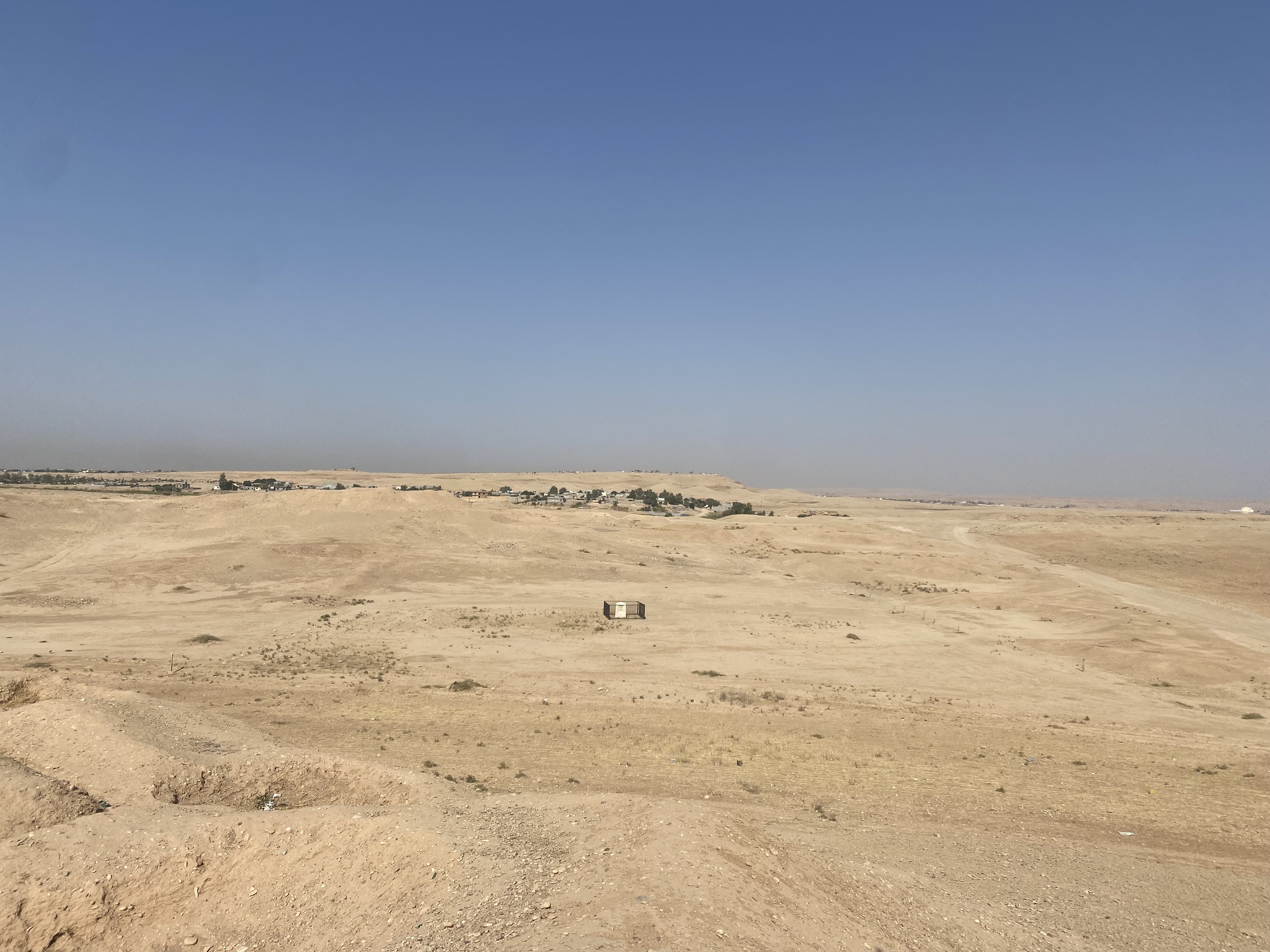
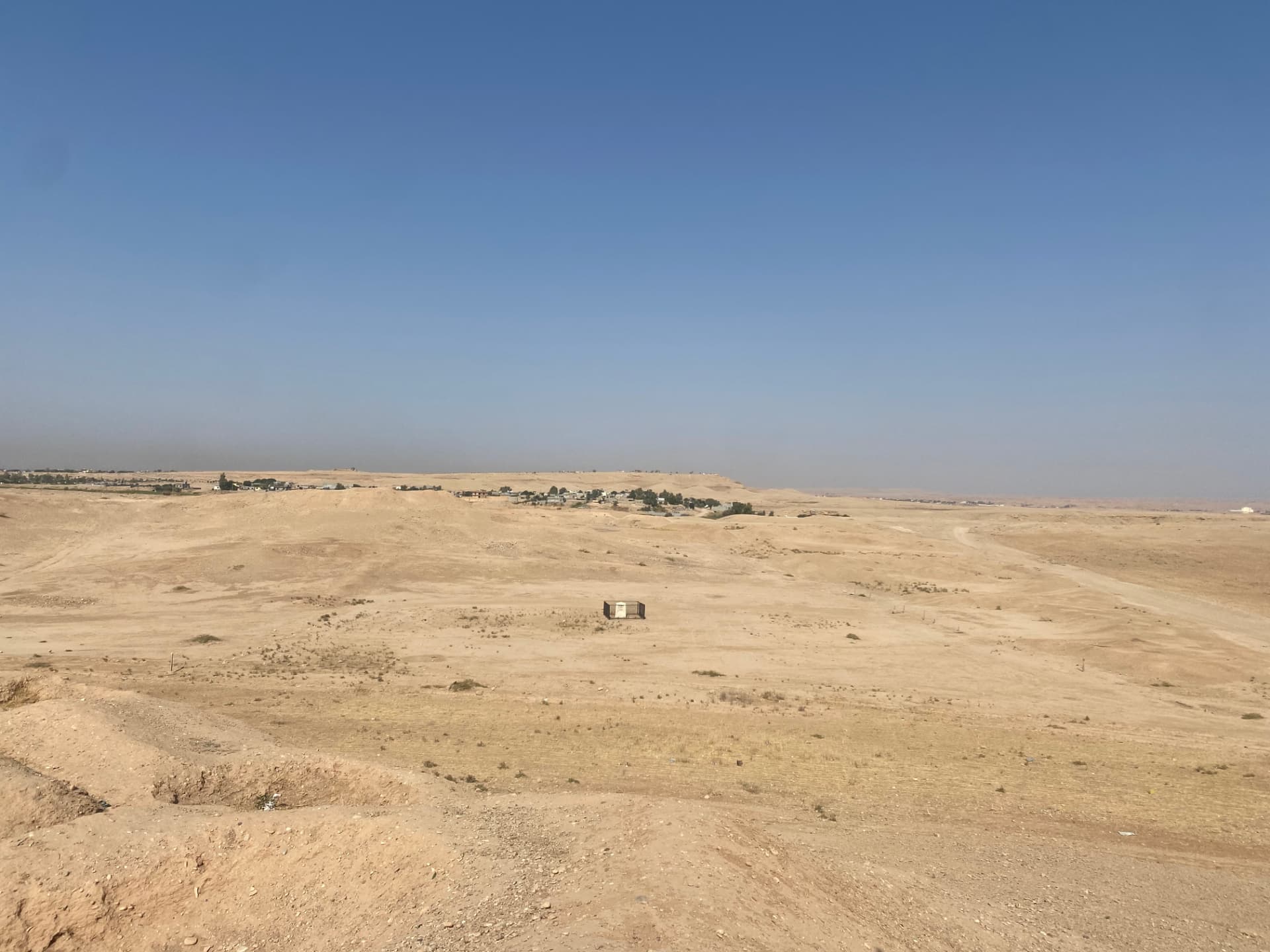
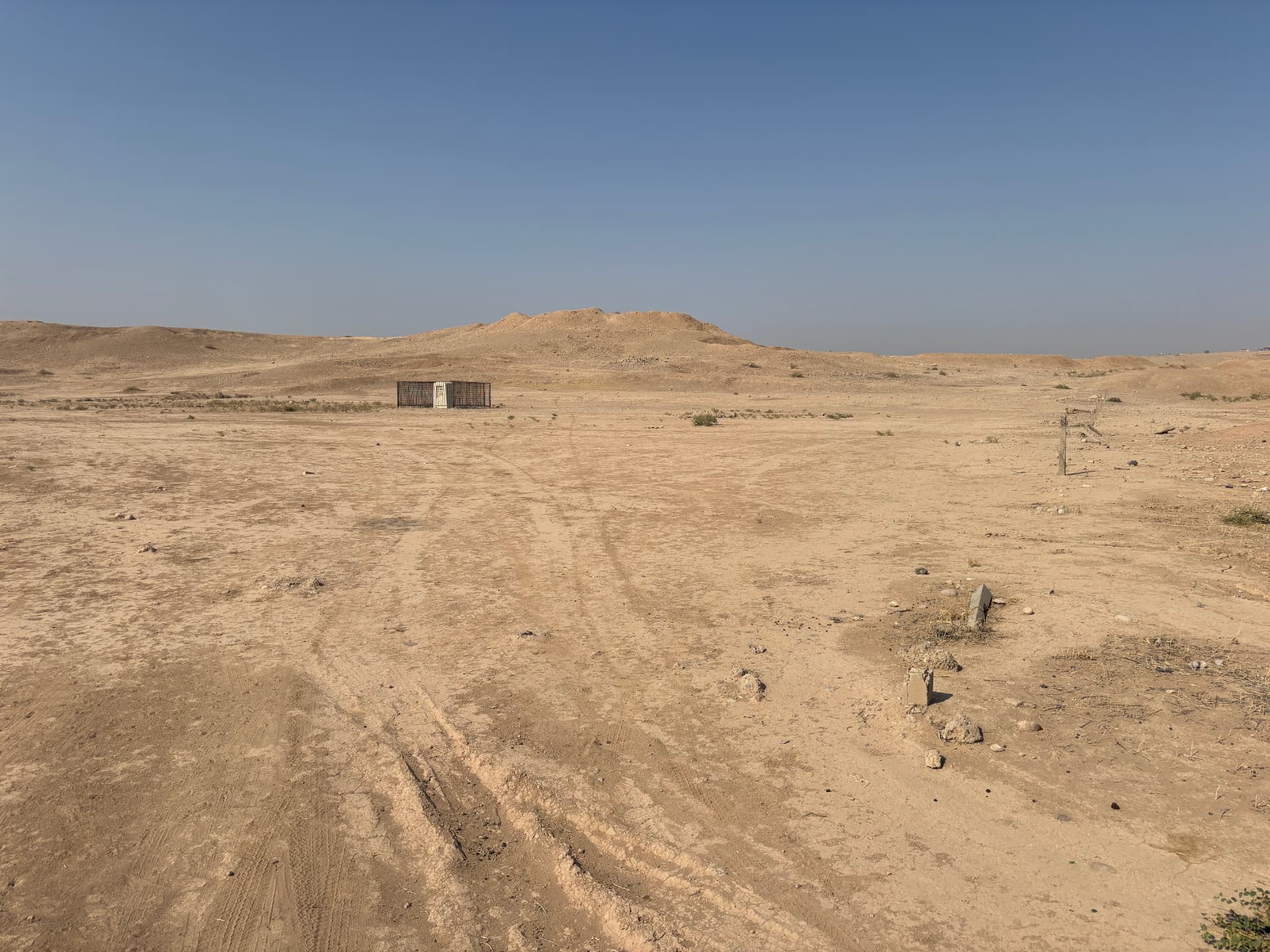
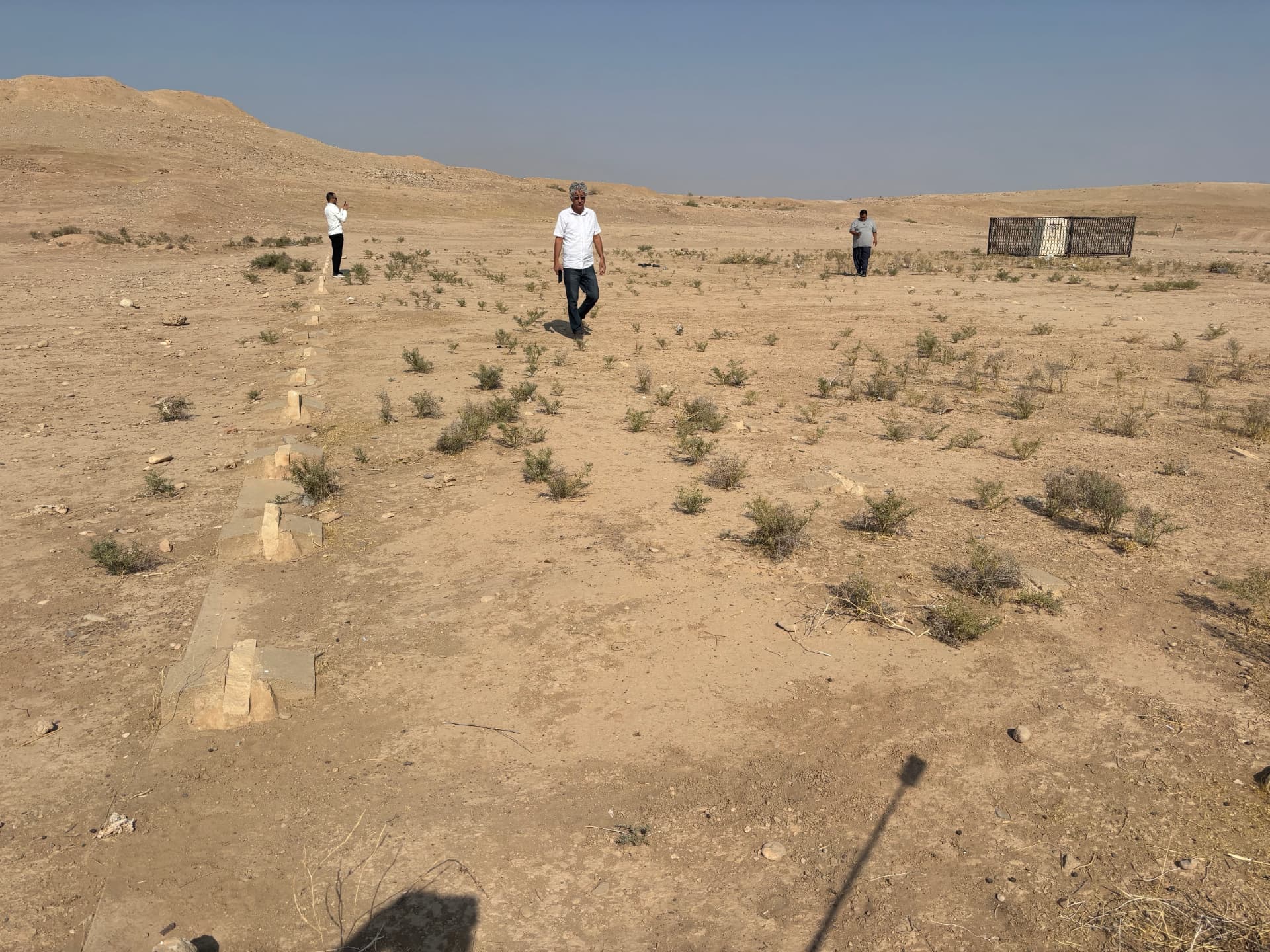
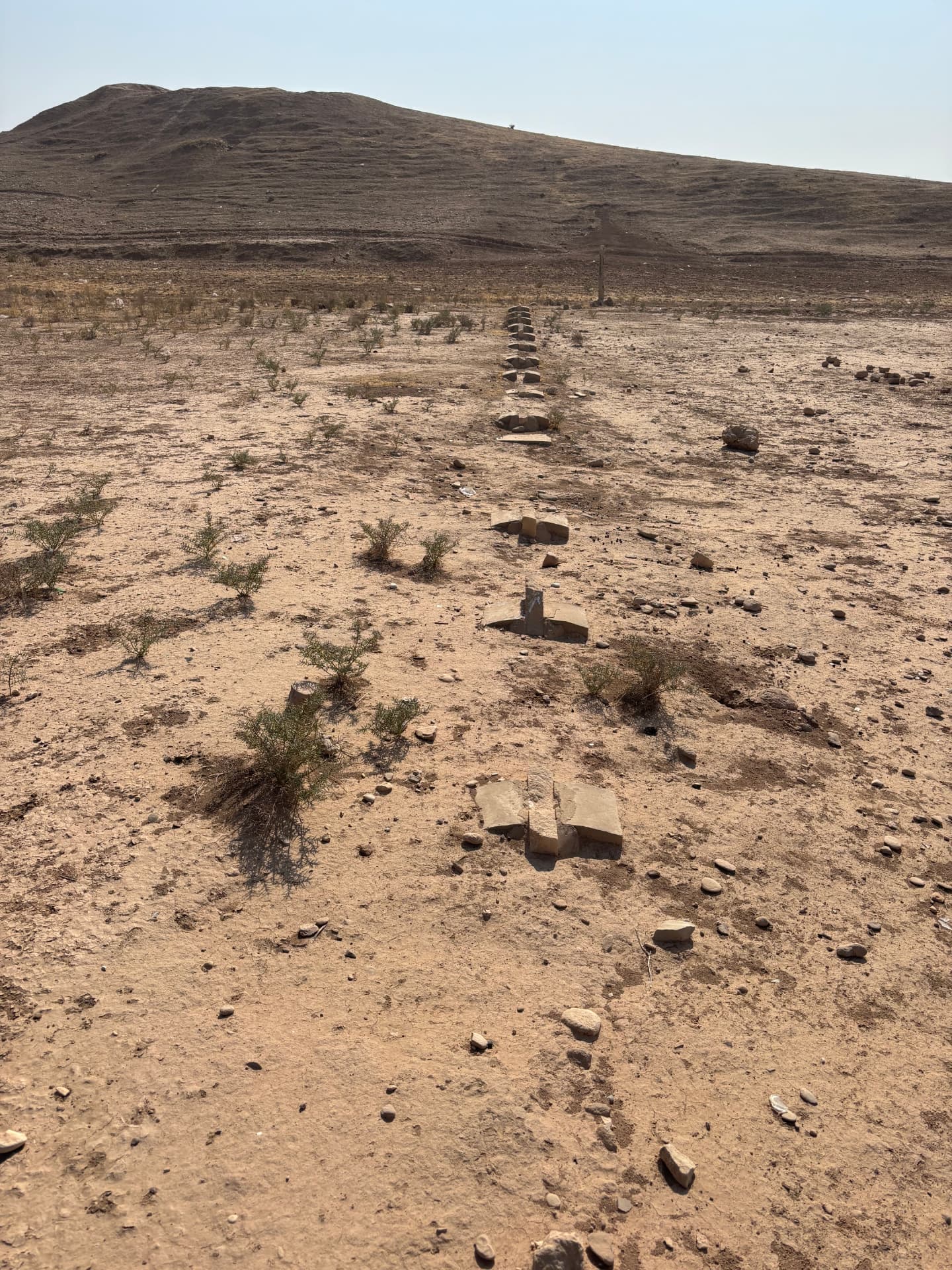
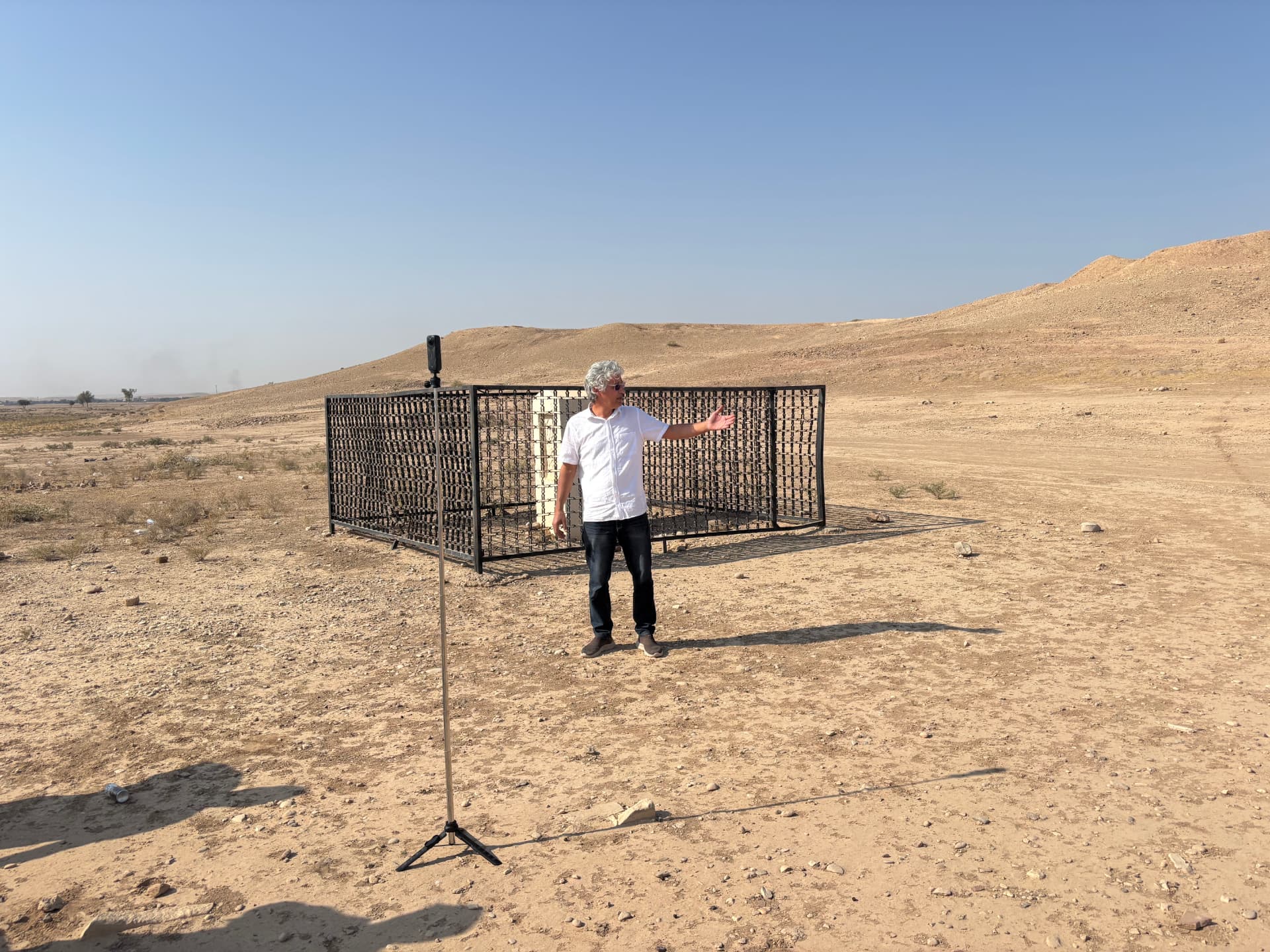
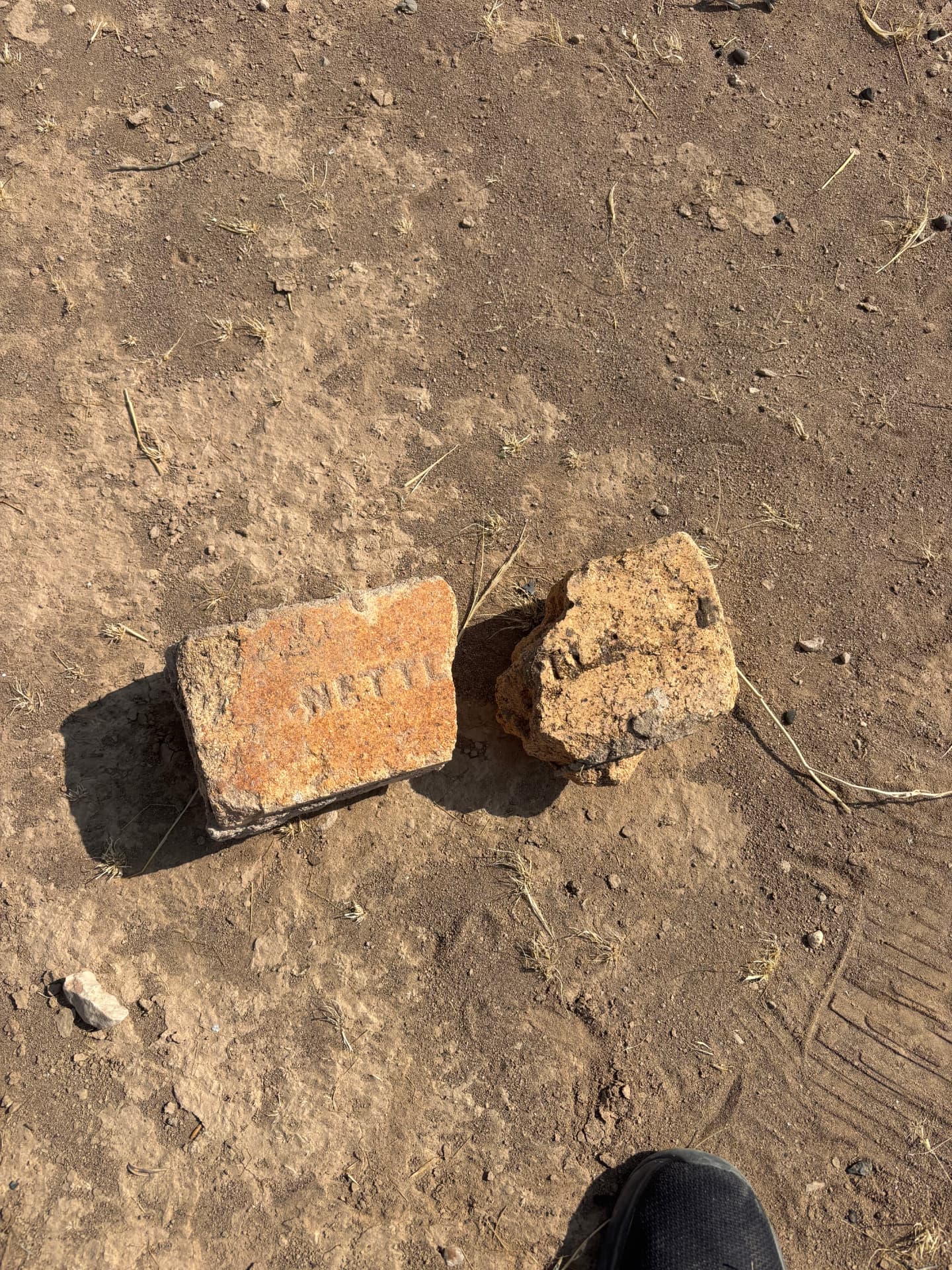
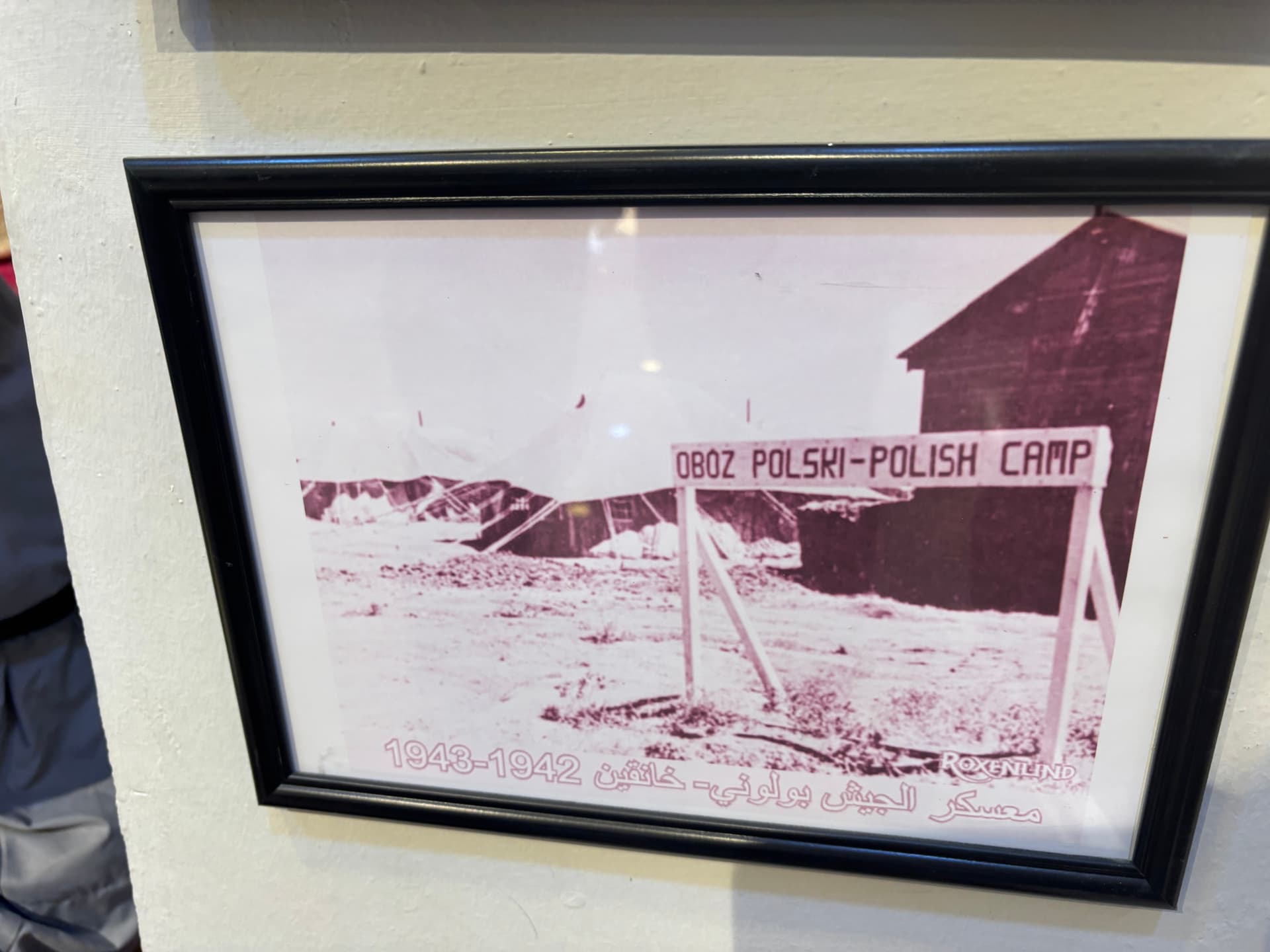
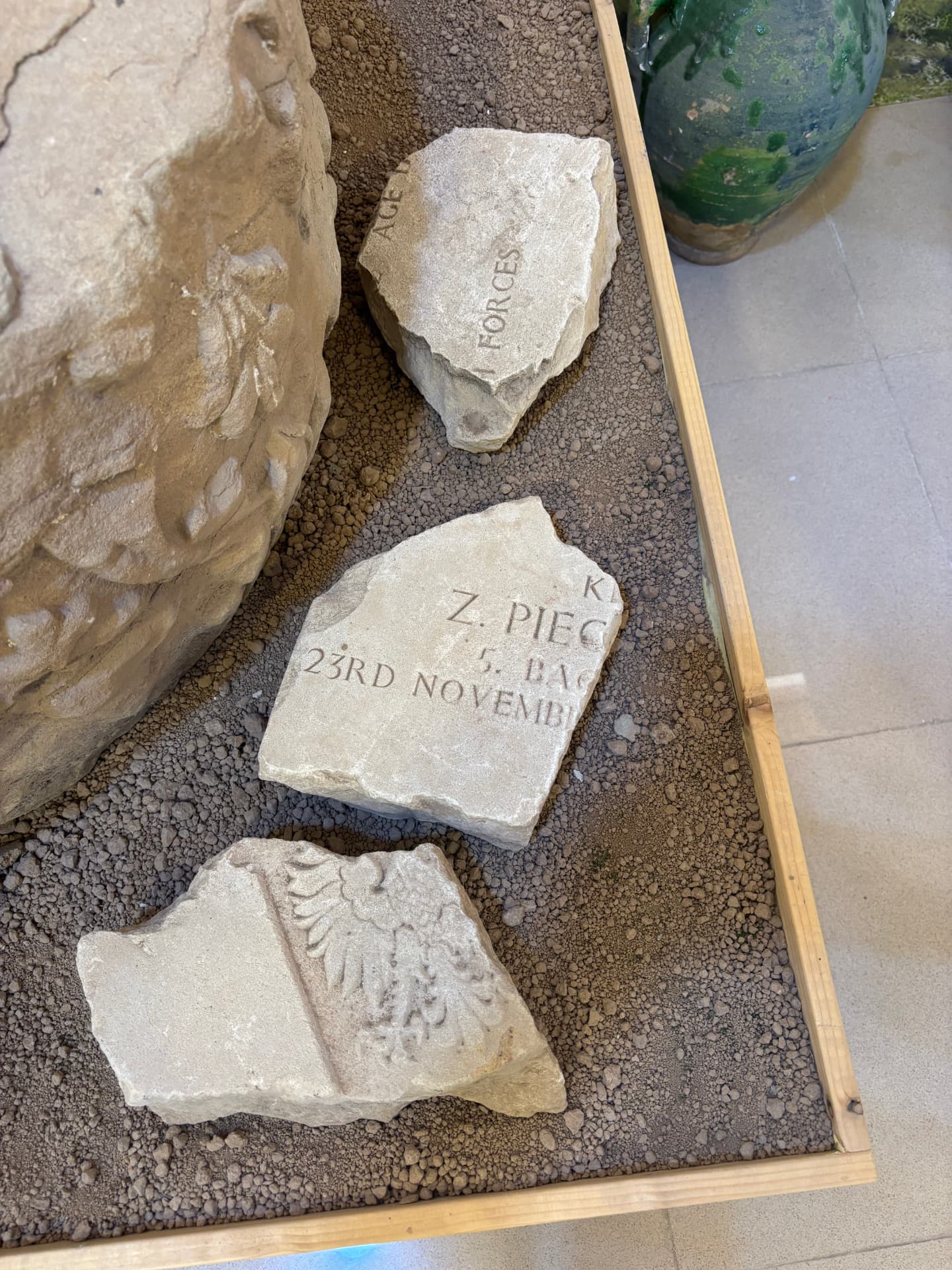
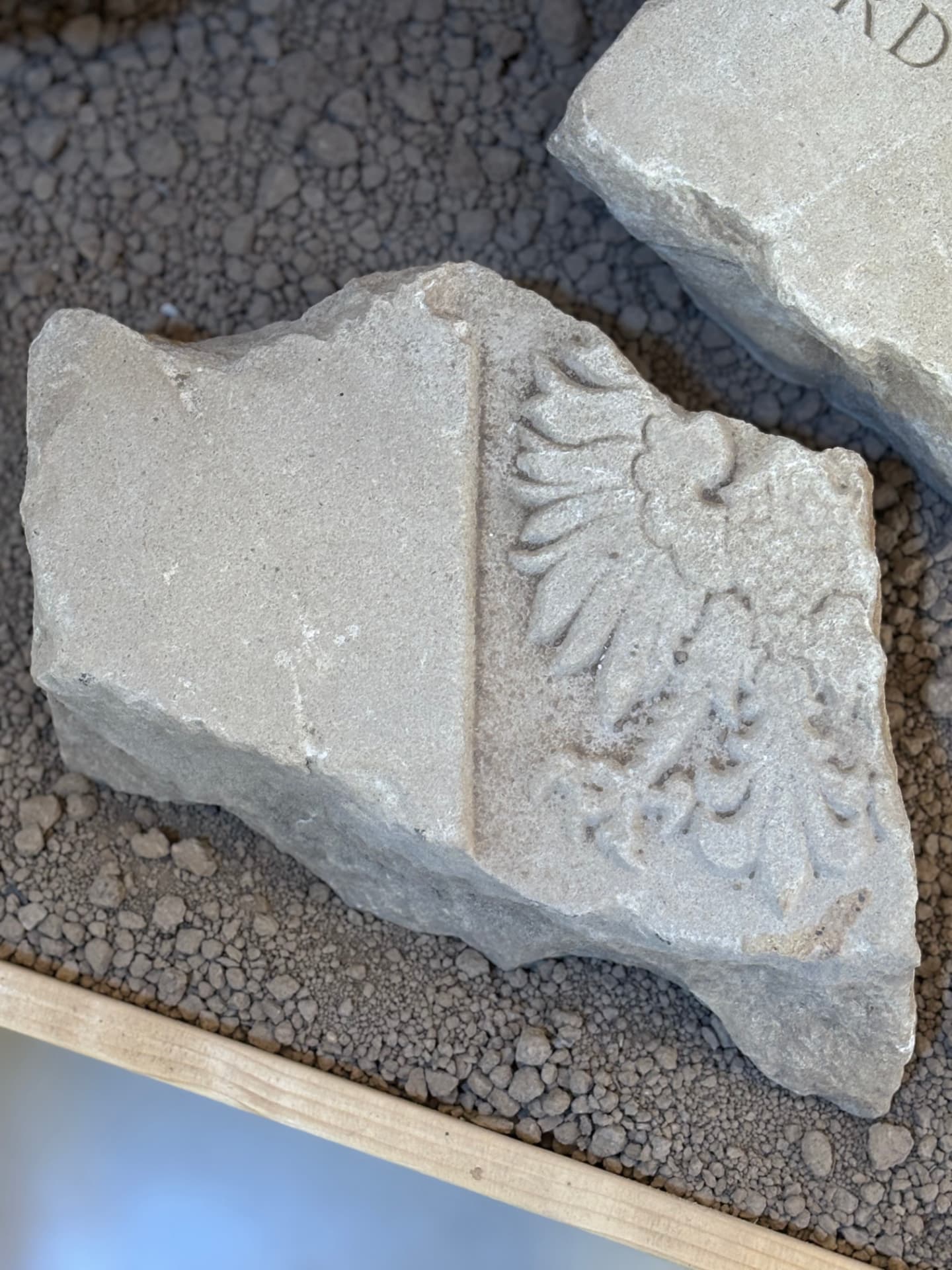
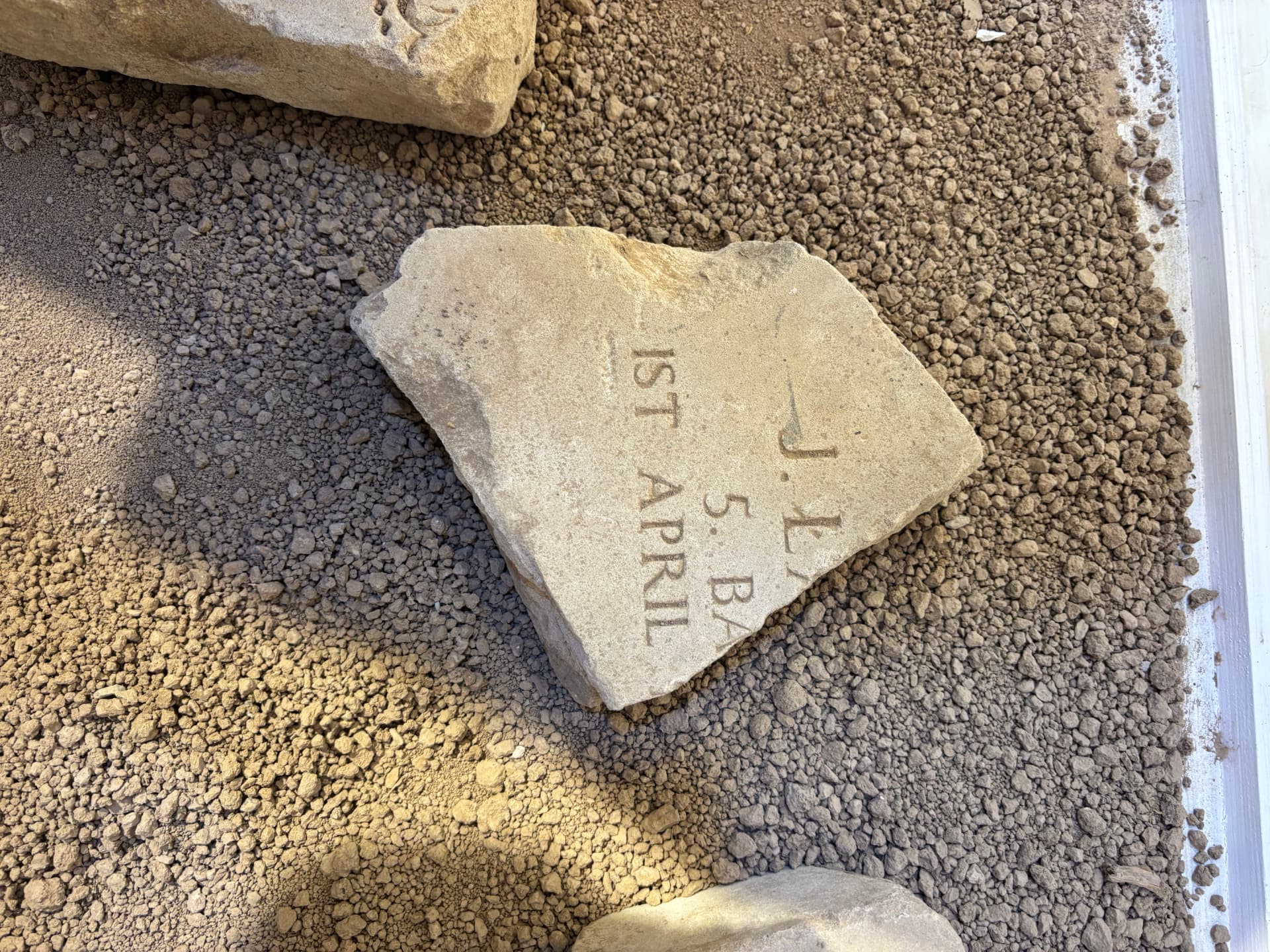
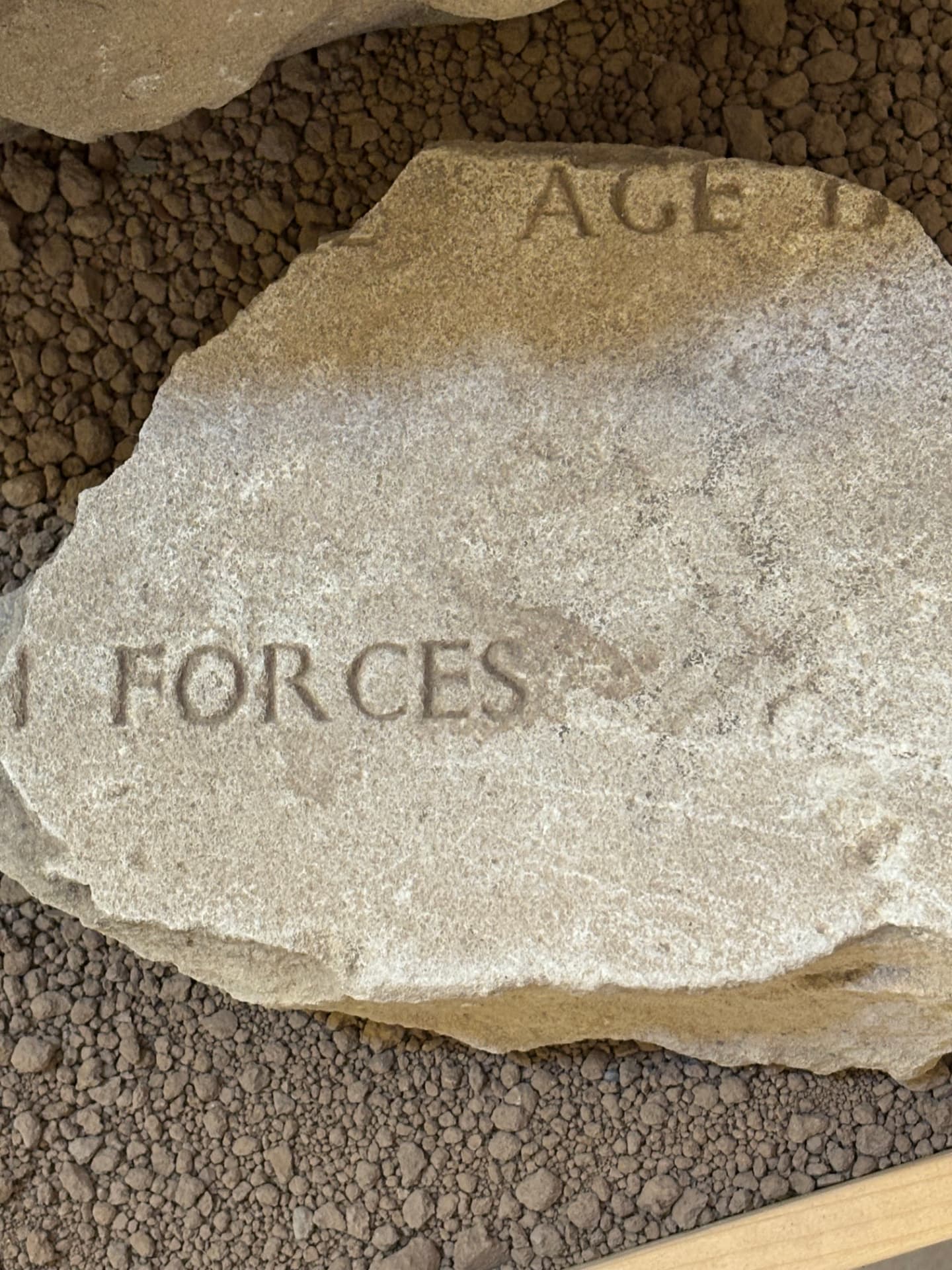
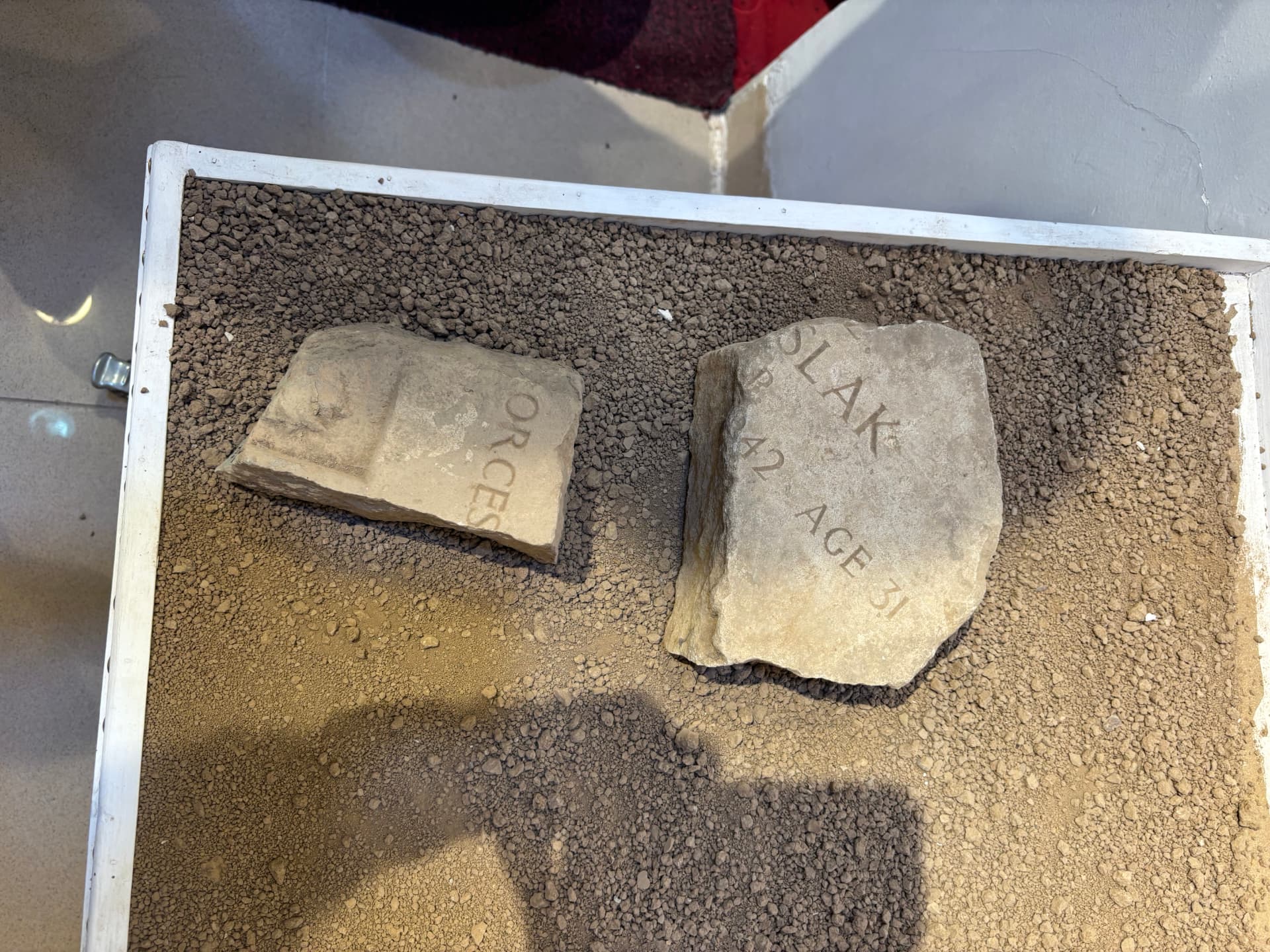
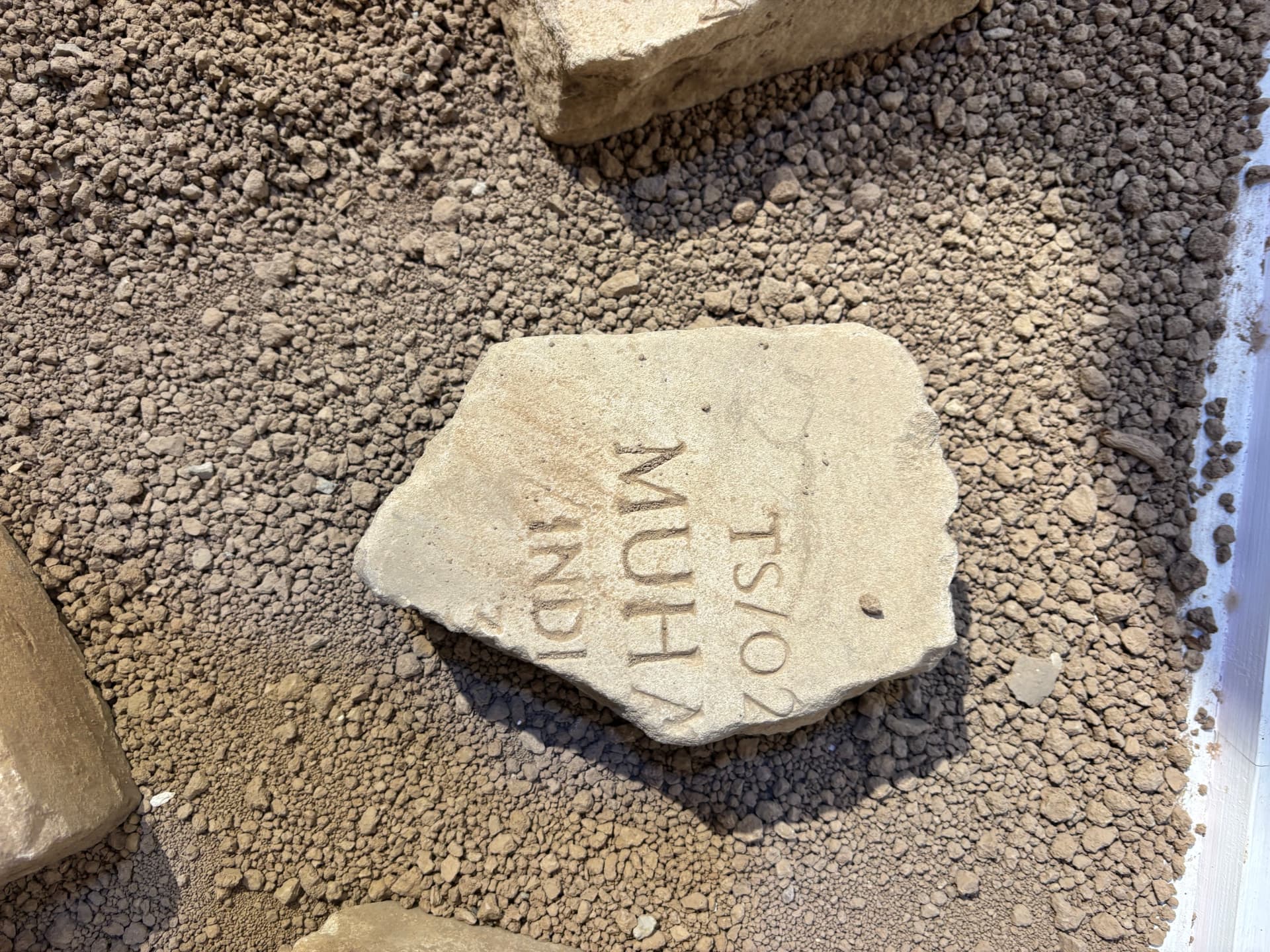
Current condition (November 2025): The CWGC abandoned the site in 1965 and erected a memorial at Baghdad (North Gate). There is no boundary fence and no signage. The grave stones have been removed but the sub-bases and grave lines are clearly visible. The site, along with the former town next to it, was heavily damaged during the Iran-Iraq war. The memorial in the centre of the cemetery still stands, with a fence around it although it has a gap, and the inserts in the memorial are gone. The local museum holds some grave stone fragments in its collection, together with historical pictures of the camp. A relief of a Polish eagle made by soldiers stationed there can be seen on a rock face by the old camp, a few kilometres from the cemetery. No map of the cemetery is on the CWGC site.
Visual Documentation
Admin upload portal for panoramas, videos and photos.
Video Photography
Video Documentation Coming Soon
Comprehensive video documentation of the memorial is being prepared and will be added shortly.
360° Panoramic Views
360° Panoramas Coming Soon
We’re preparing immersive 360° views. Once your panoramic files are ready, we’ll publish them here.
Photographic Record
Photographs taken at Khanaqin War Cemetery in November 2025, recording the abandoned burial ground, the stripped central memorial and the Polish carvings at the old camp nearby.
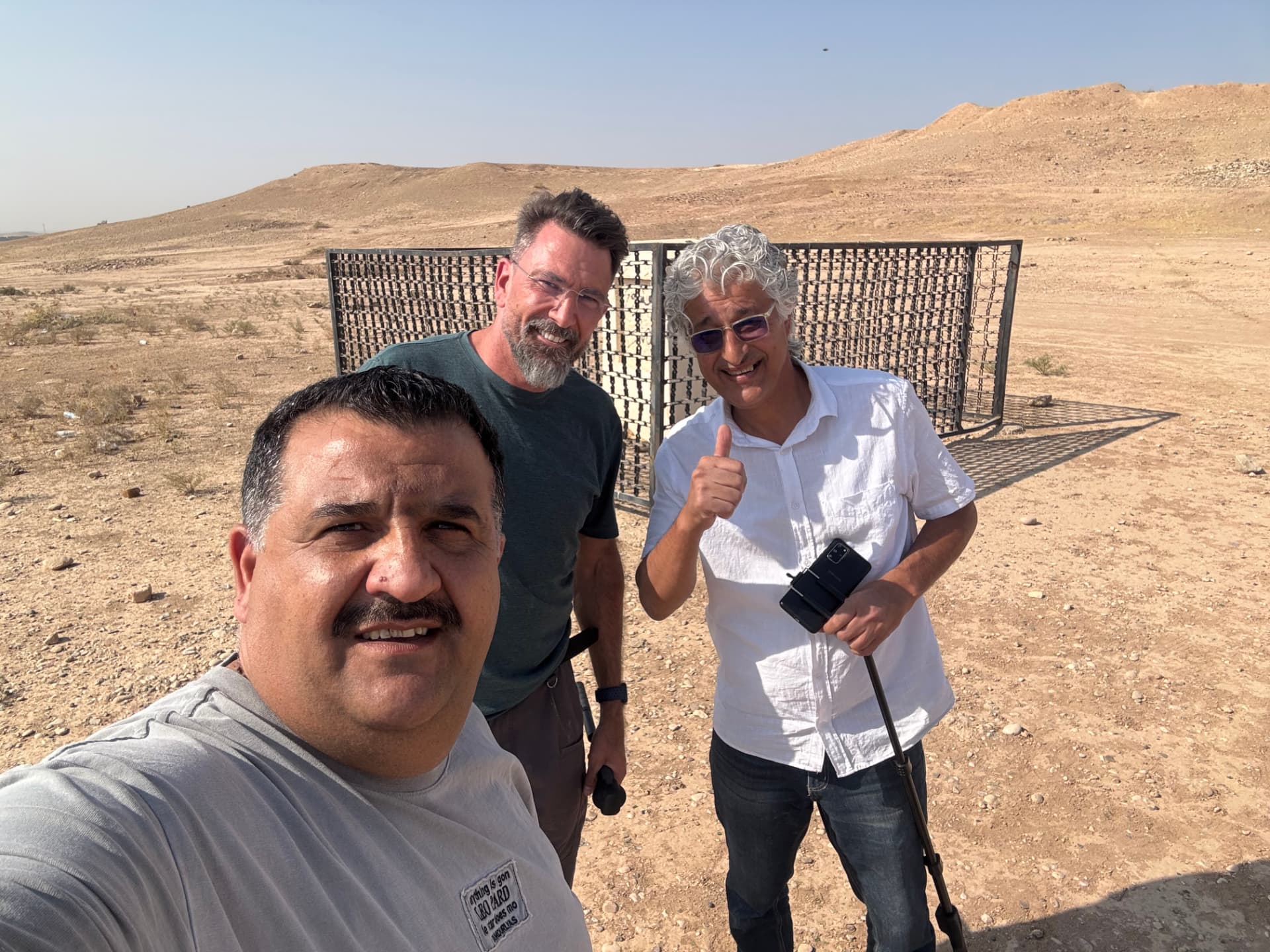
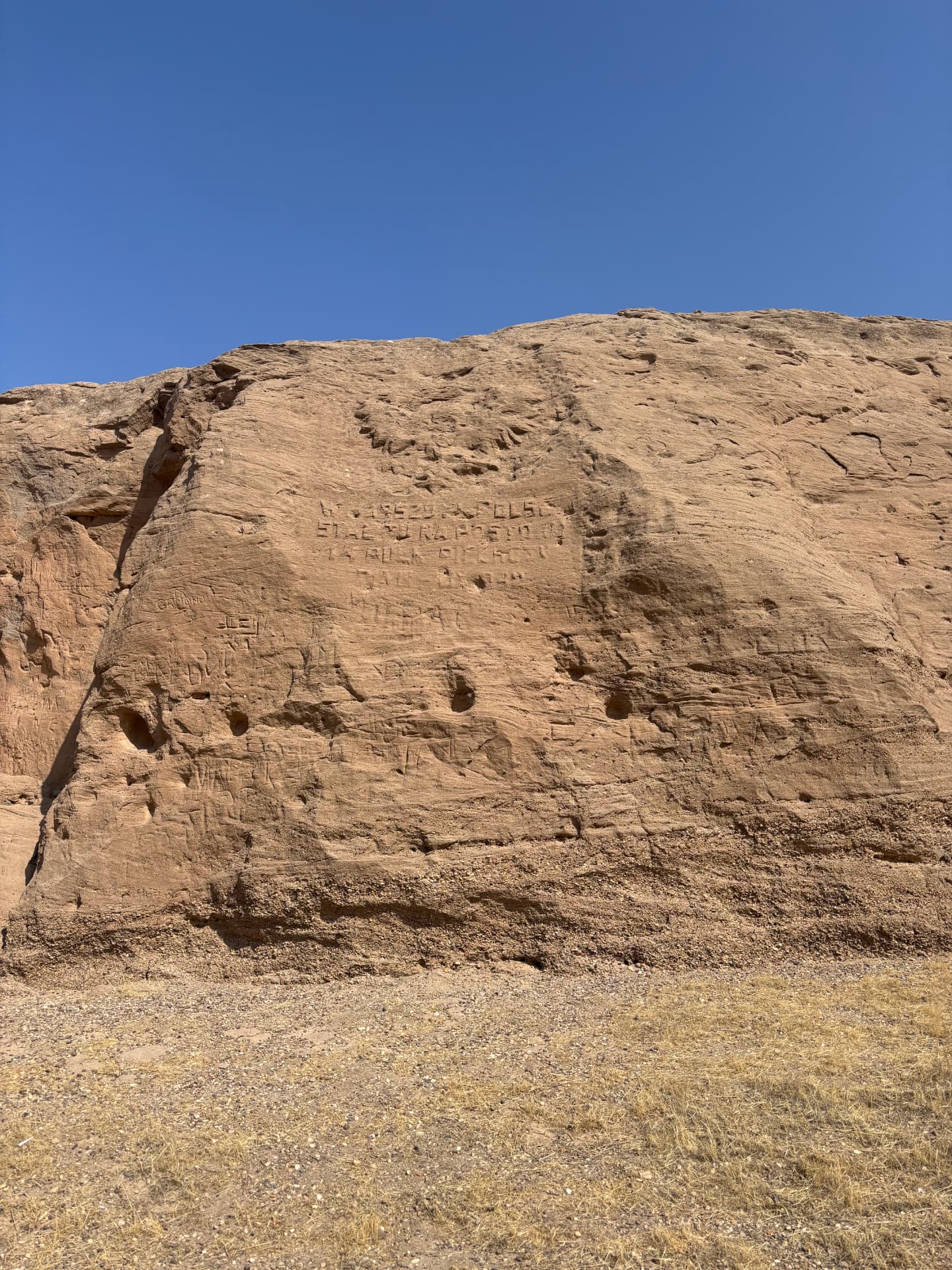
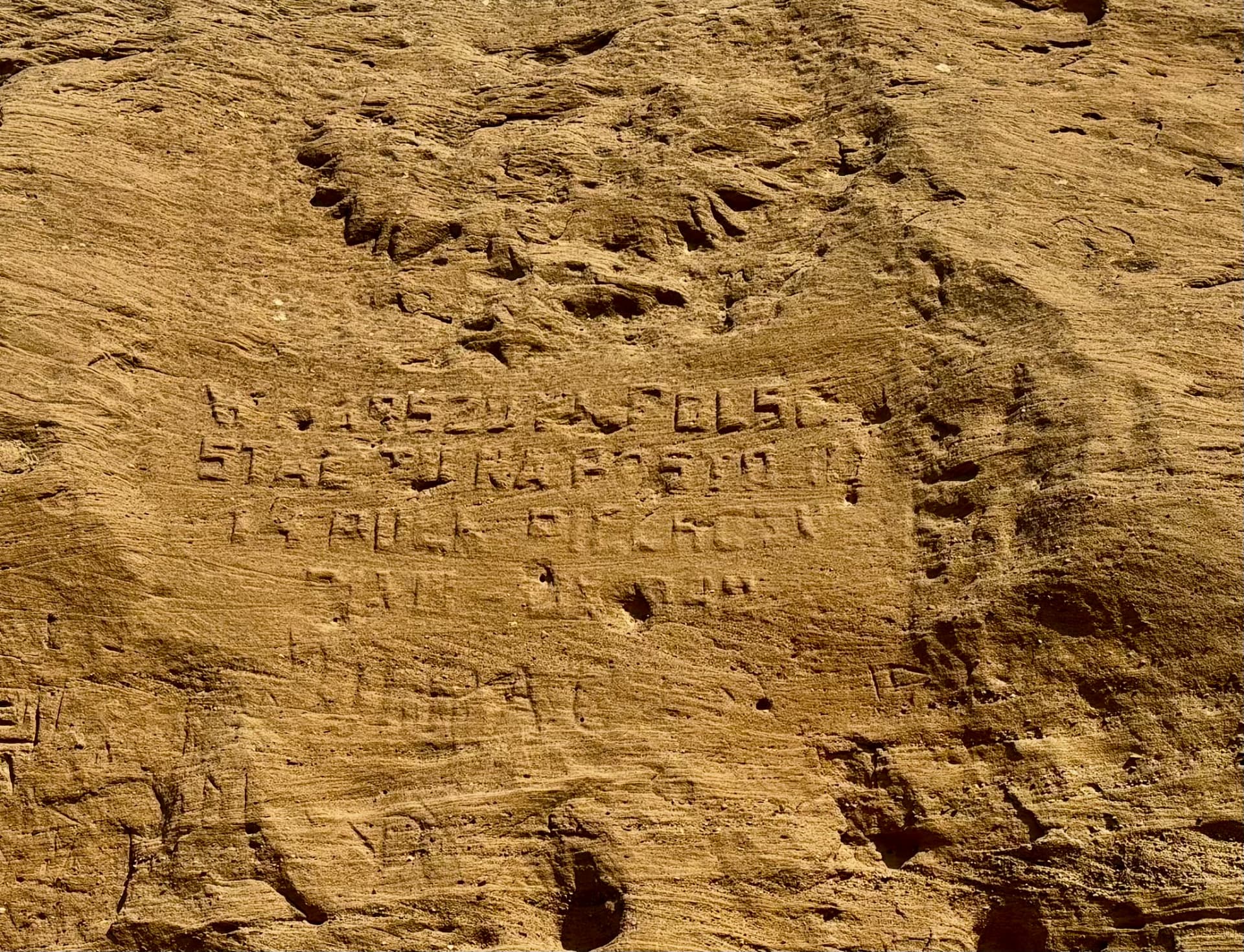
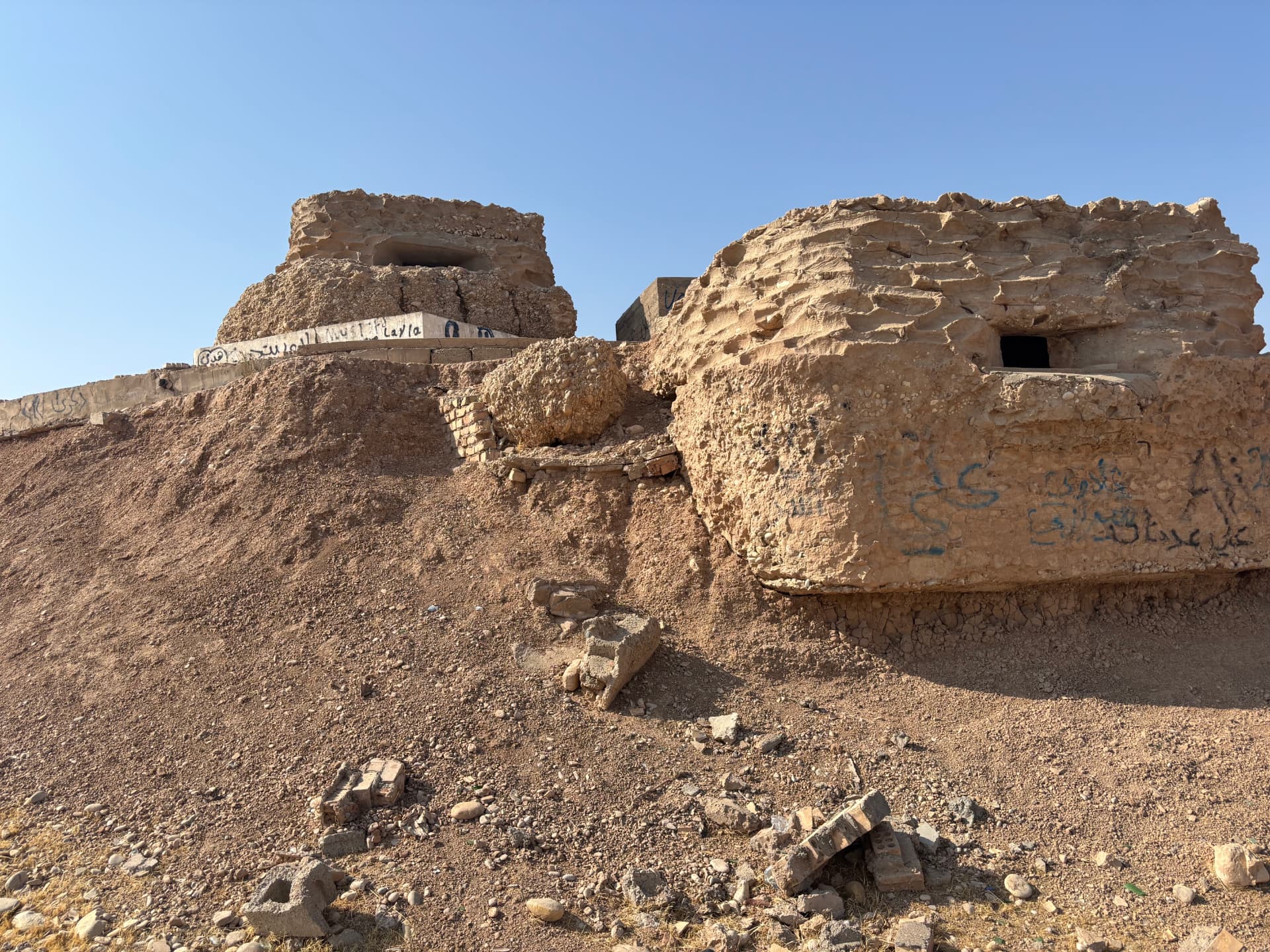
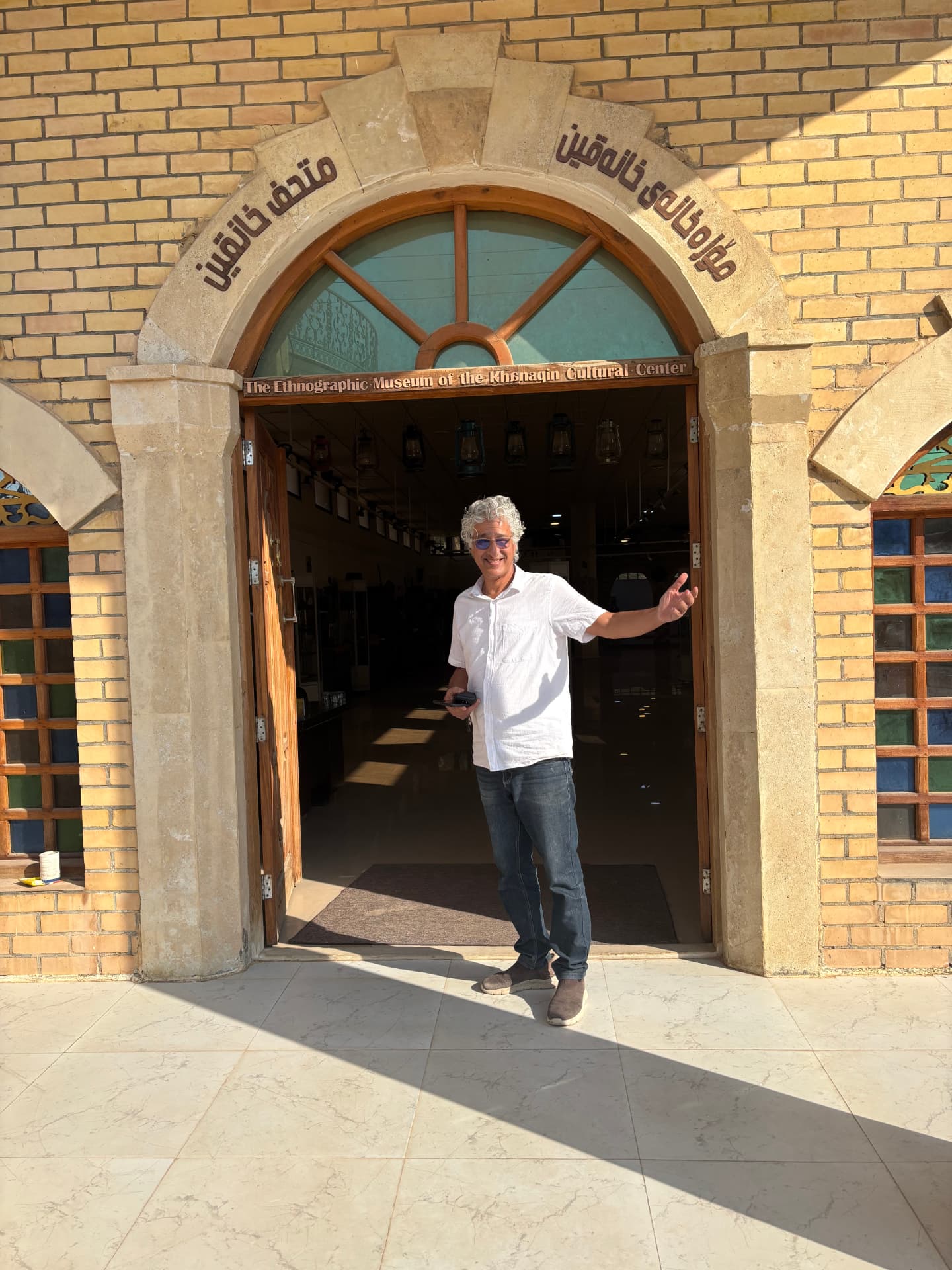
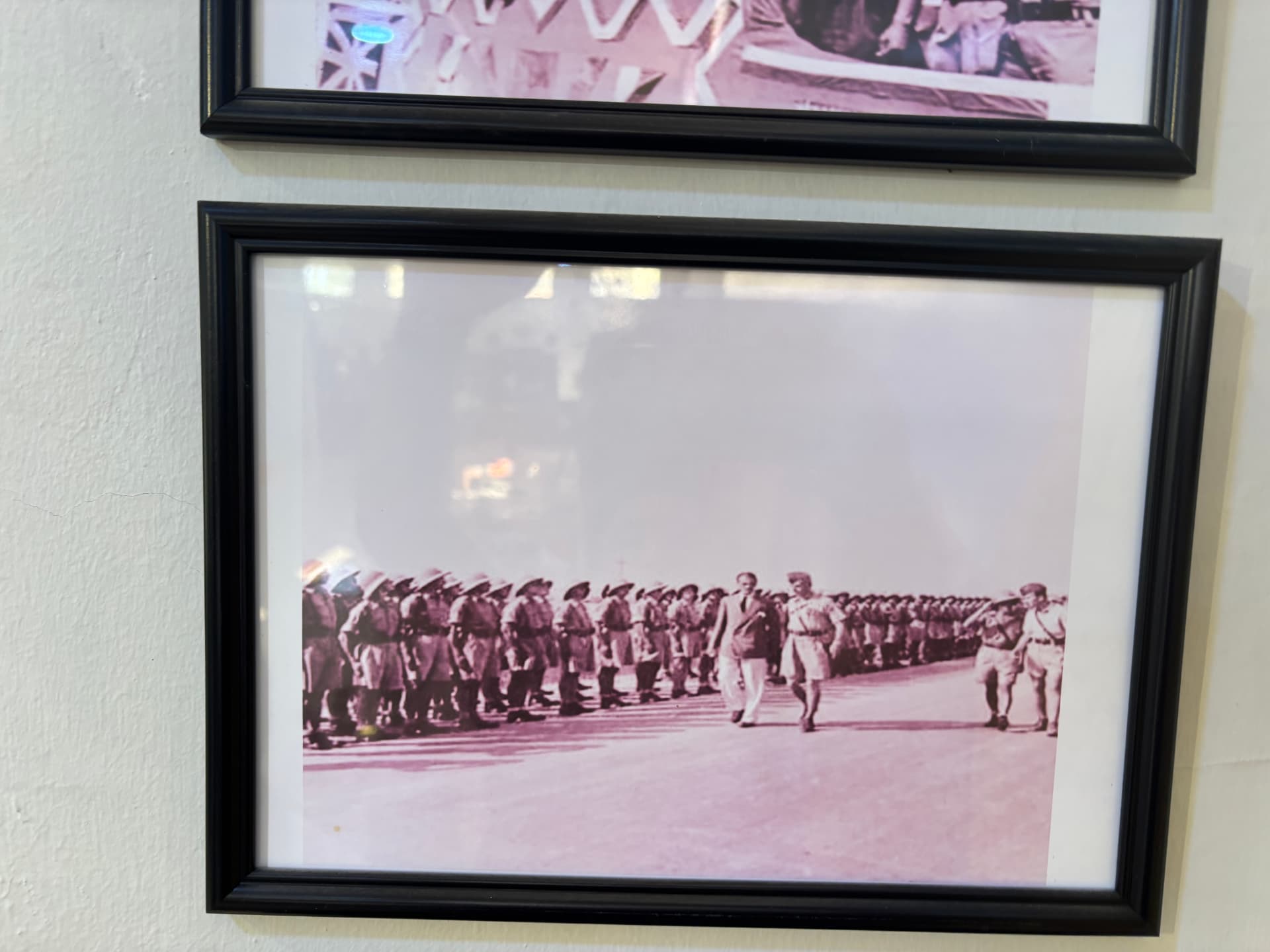
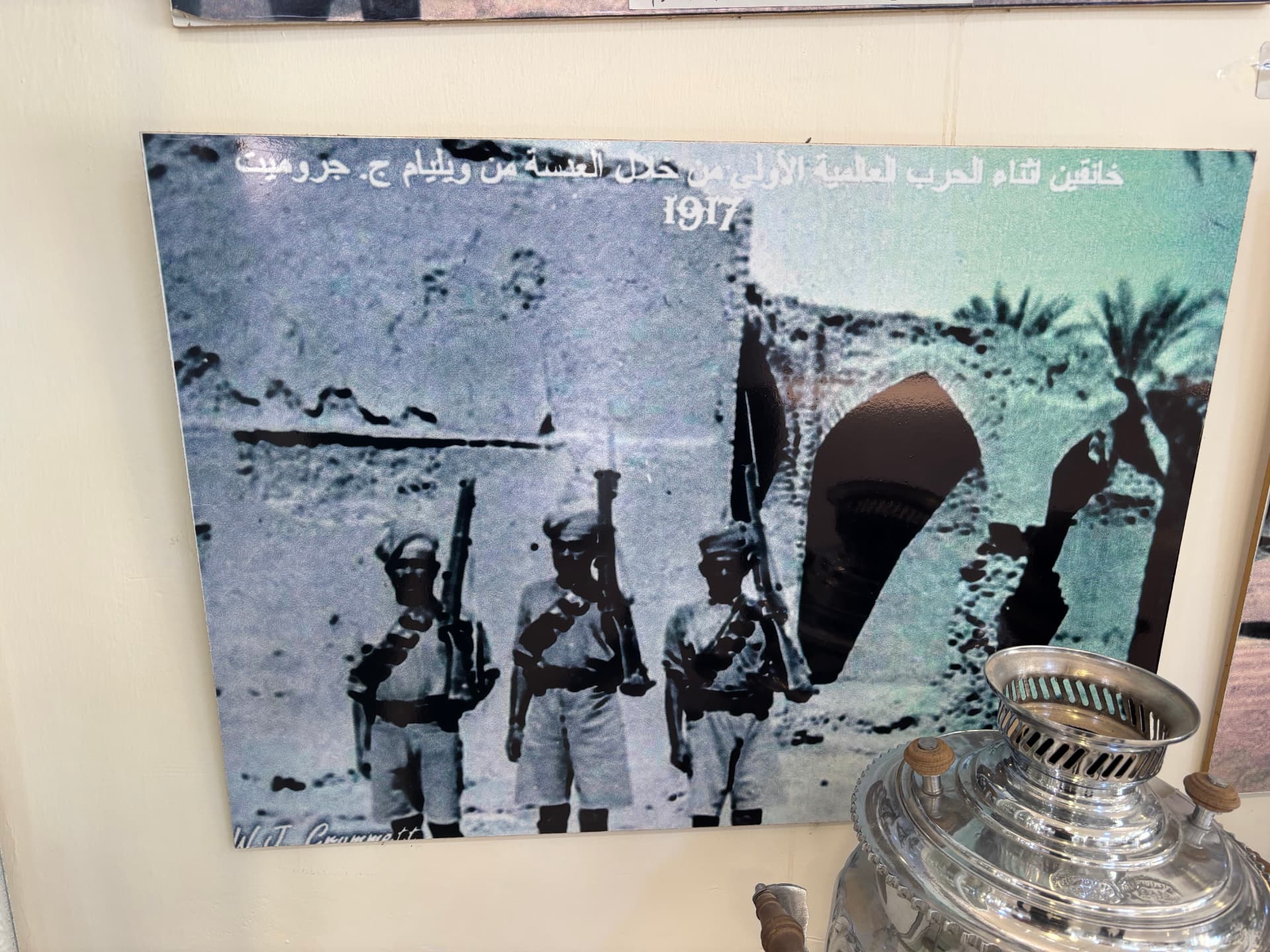
Khanaqin Museum and Director Majid Shalyar preserving the remains of Khanaqin War Cemetery and the Polish Army
The Ethnographic Museum of the Khanaqin Cultural Centre holds the surviving fragments of grave stones from Khanaqin War Cemetery, together with historical photographs of the Polish camp. Director Majid Shalyar has gathered and displayed this material, and it is now the only physical record of the headstones removed from the cemetery.
Watch the films from this site
Each film recorded at this location has its own page with the full footage, background notes and links to the surrounding cemeteries.


Related Articles & Content
The Polish Cemetery in Khanaqin: A Forgotten Memorial
VisitThis article recounts the story of the Polish cemetery in Khanaqin, Iraq, which dates back to World War II and contains around 438 Polish graves along with some Indian and Arab burials. It explains how Polish soldiers and civilians—many who died of disease—were laid to rest there during wartime in 1942, under British control of the region. The article laments the cemetery's deterioration and damage, attributing it to neglect, instability, and attacks by extremist groups since 2003. It notes that although efforts by Iraqi authorities and Polish archaeologists to restore the site have been made, they have so far failed to fully preserve or renovate the graves. Finally, it discusses the deeper integration of the Polish community in Khanaqin's social fabric and the urgency of protecting this historical memorial.
Source: KirkukNow
Planning a visit: quick answers
- Can you visit Commonwealth war cemeteries in Iraq?
- Yes. Basra War Cemetery, the Basra Memorial to the Missing, Amara War Cemetery and Baghdad North Gate War Cemetery can all be visited, but access varies by site and usually needs advance arrangement, a local guide and, in some cases, permission from the authorities.
- Do I need a visa or permits to visit?
- Most visitors now travel on a visa on arrival or an e-visa, and some sites sit inside restricted or military-controlled areas where a separate permit or escort is required.
- Are the cemeteries maintained?
- Condition varies considerably. Some sites are cared for by local gardeners, while others remain damaged or overgrown, as documented in our field reporting.