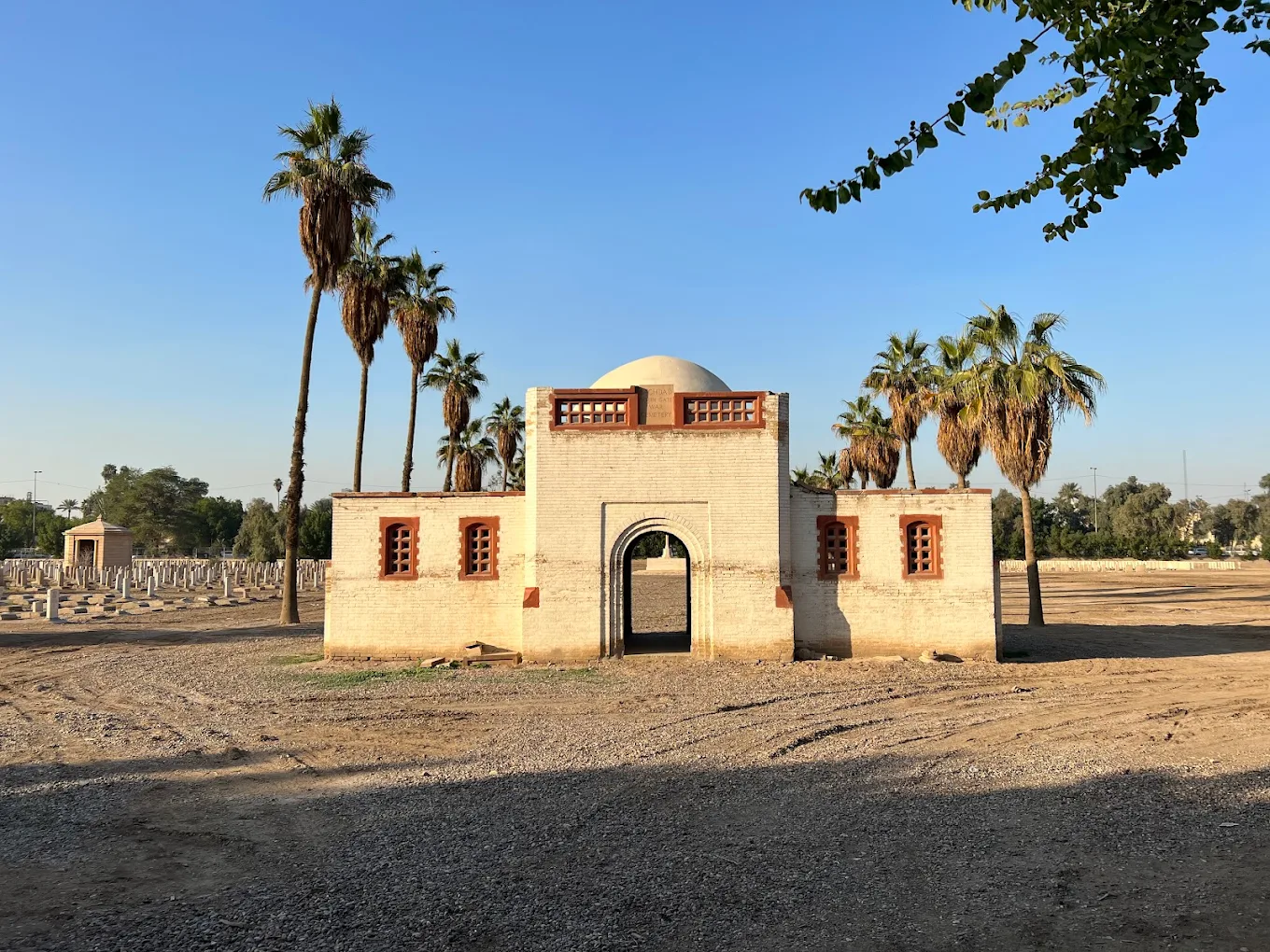
Baghdad Northgate Cemetery
Take a Virtual Reality Tour
Best viewed in the YouTube app on a mobile device with a VR headset (e.g. Google Cardboard). Drag to look around in your browser.
Baghdad Northgate cemetery is located in the centre of Baghdad, near the bank of the Tigris river and only about 20 minutes drive from the British Embassy. This is the final resting place of General Maude who led the victorious British counter-offensive after the fall of Kut, and whose tomb remains in almost perfect condition untouched by everything that the city has endured since his death from typhus.
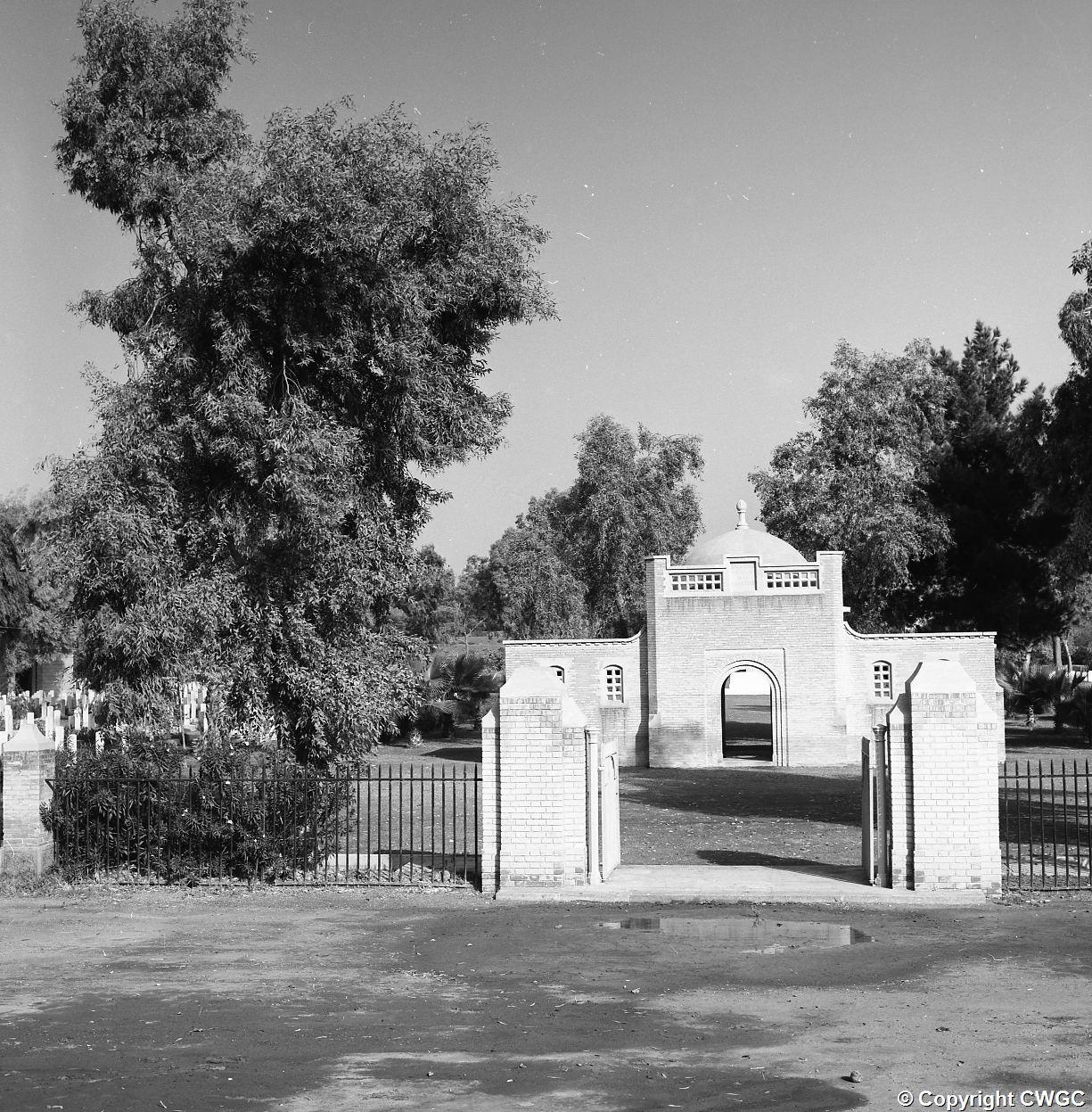
The cemetery is unique in Iraq as it most closely resembles a traditional Commonwealth cemetery, with standard CWGC graves having been retained rather than replaced with a memorial wall as at Amara and Basra, and the traditional architectural features such as the Cross (mostly intact although without the cross bar at the top) and Remembrance Stone. The gatehouse remains and is in relatively good condition.
Quick Information
Location
North of Baghdad, near the North Gate (Bab Al-Mu'adham) of the old city. Approximately 5 km from the city centre
Commemorated
Over 7,853 estimated casualties are buried or memorialised at Baghdad Northgate.
WWI: 7,016 (including Khanaqin WW1 Indian Forces) • WWII/Interwar and other casualties: 964 (including Polish Forces on Khanaqin Memorial)
Status
The site is locked but easily accessible through gaps in the fence line or by climbing over it. There is a guardian who lives onsite and many of the local community take strong pride in protecting the cemetery. If you visit expect to be approached by them and asked what you are doing. There was a report during the recent Iran conflict (as of March 2025) that Iraqi security police were keeping visitors out of the site due its proximity to a number of government and diplomatic buildings in the area. A high proportion of the graves and monuments are in disrepair or missing entirely and with little obvious signs of active maintenance. CWGC contractors installed 511 replacement headstones in 2012 but this was done poorly and the concrete has already failed in most of these. There are many inaccuracies in the official record of burials vs the physical headstone locations.
Last Updated
1 April 2025
WWI: After the capture of Baghdad (11 March 1917), the city became the base for the Mesopotamian Expeditionary Force. Casualties from the continued operations north towards Samarra, Tikrit, and Mosul, as well as hospital deaths in Baghdad, were buried here.
Interwar: The cemetery received burials from the permanent garrison and RAF detachments. Deaths reflect disease, accidents, and the unstable political climate of the 1920 Iraqi revolt and its aftermath.
WWII: During the Anglo-Iraqi War, Baghdad saw intense fighting and air raids. The cemetery received burials from these actions, as well as from garrison and hospital deaths in the following years.
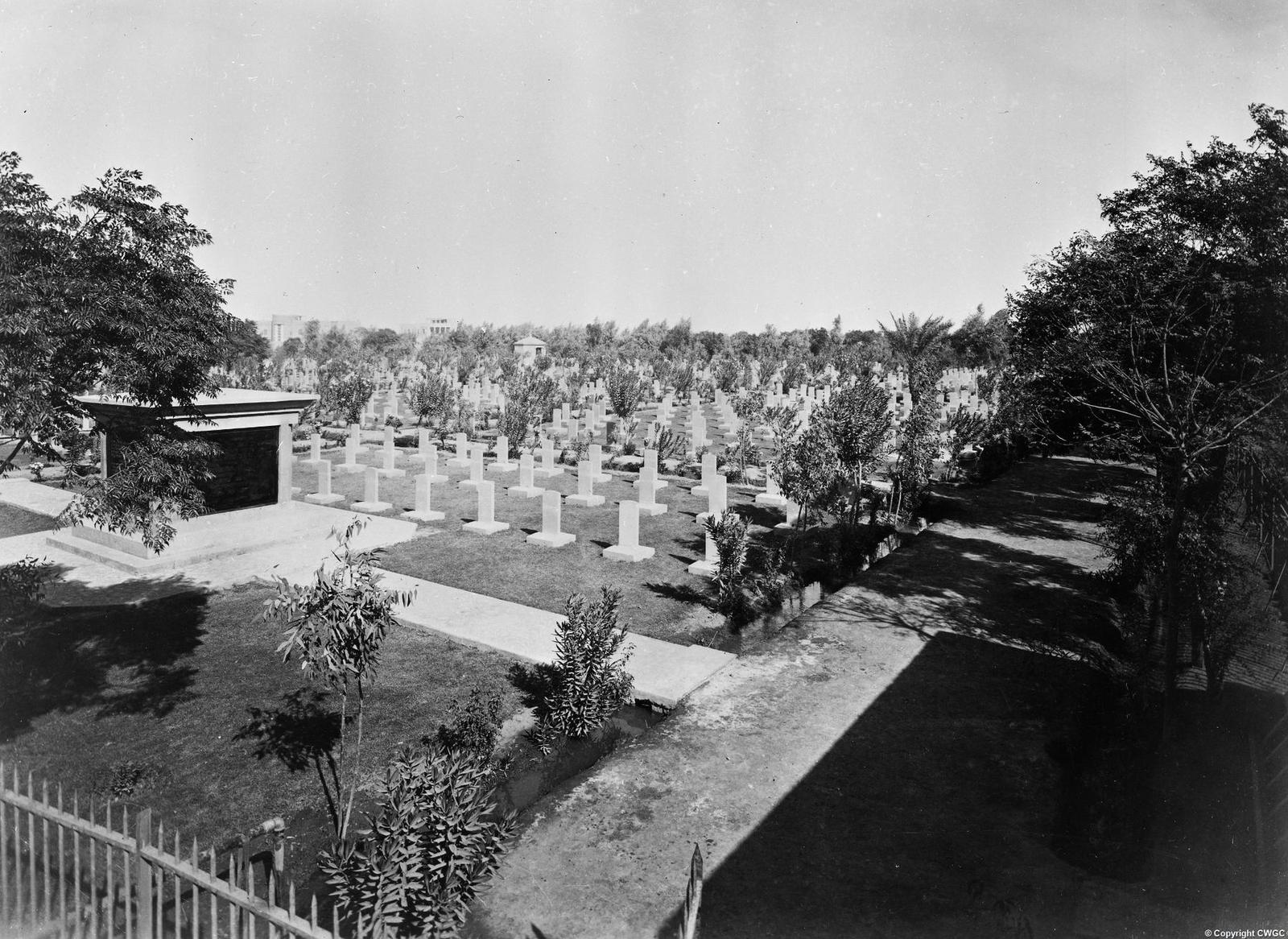
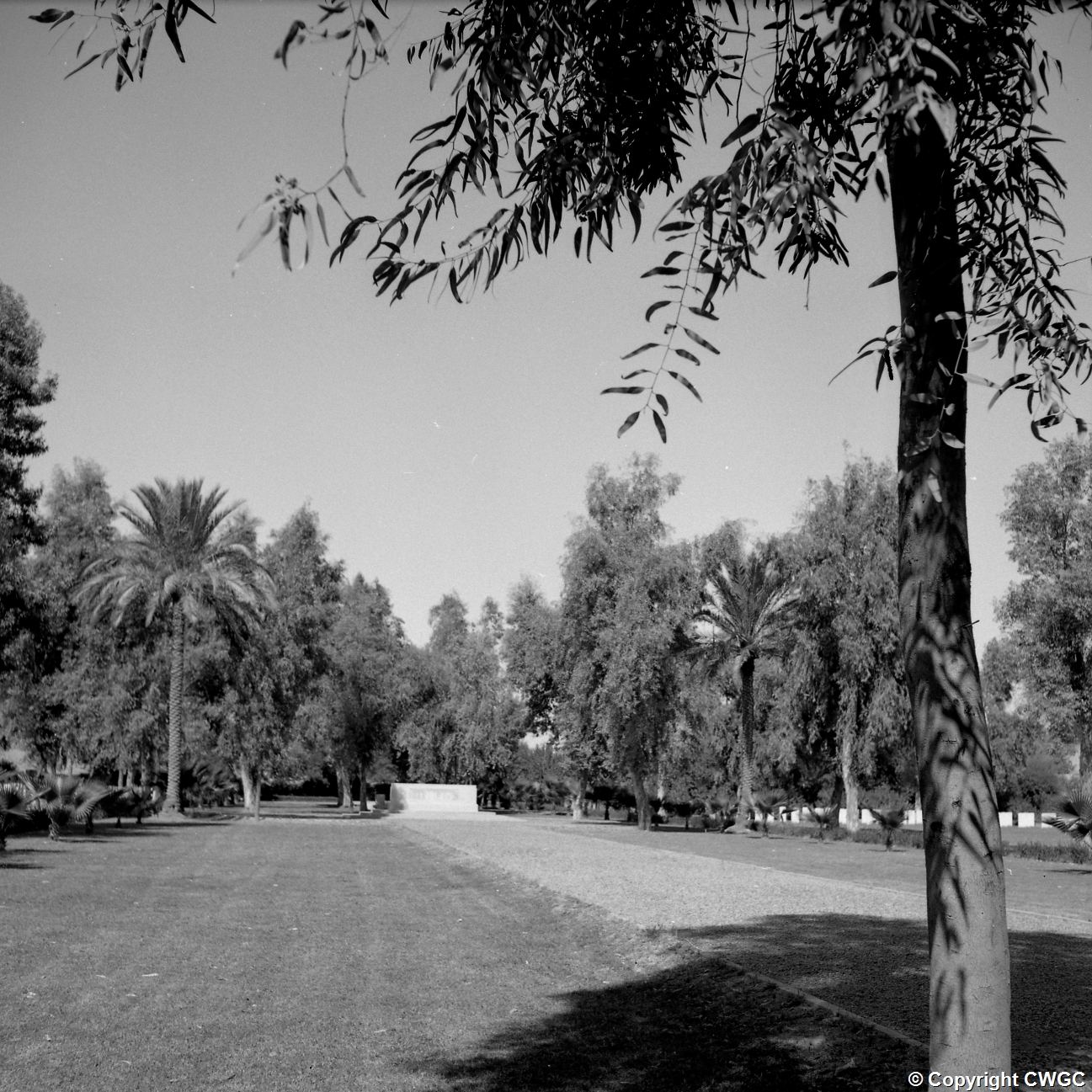
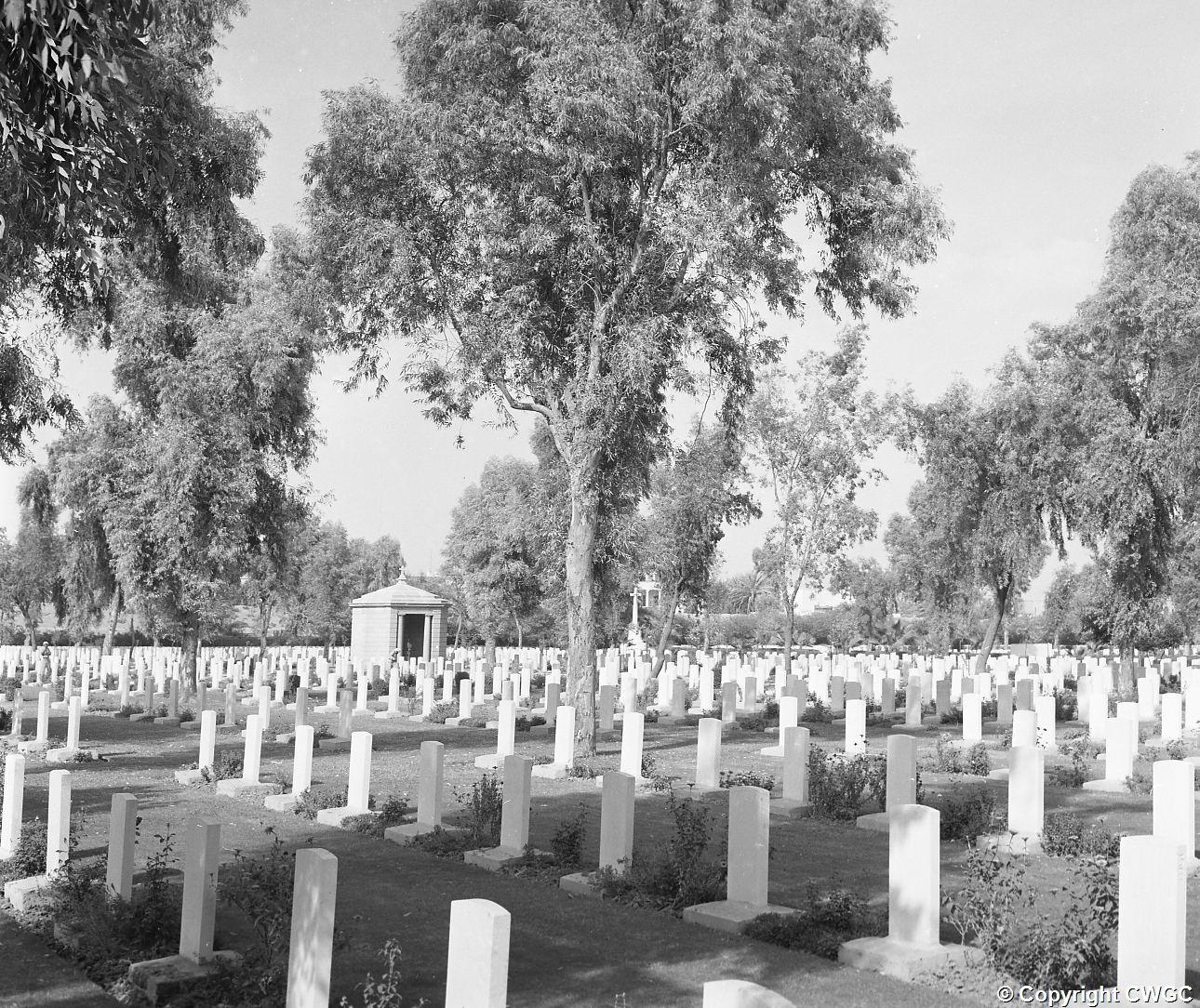
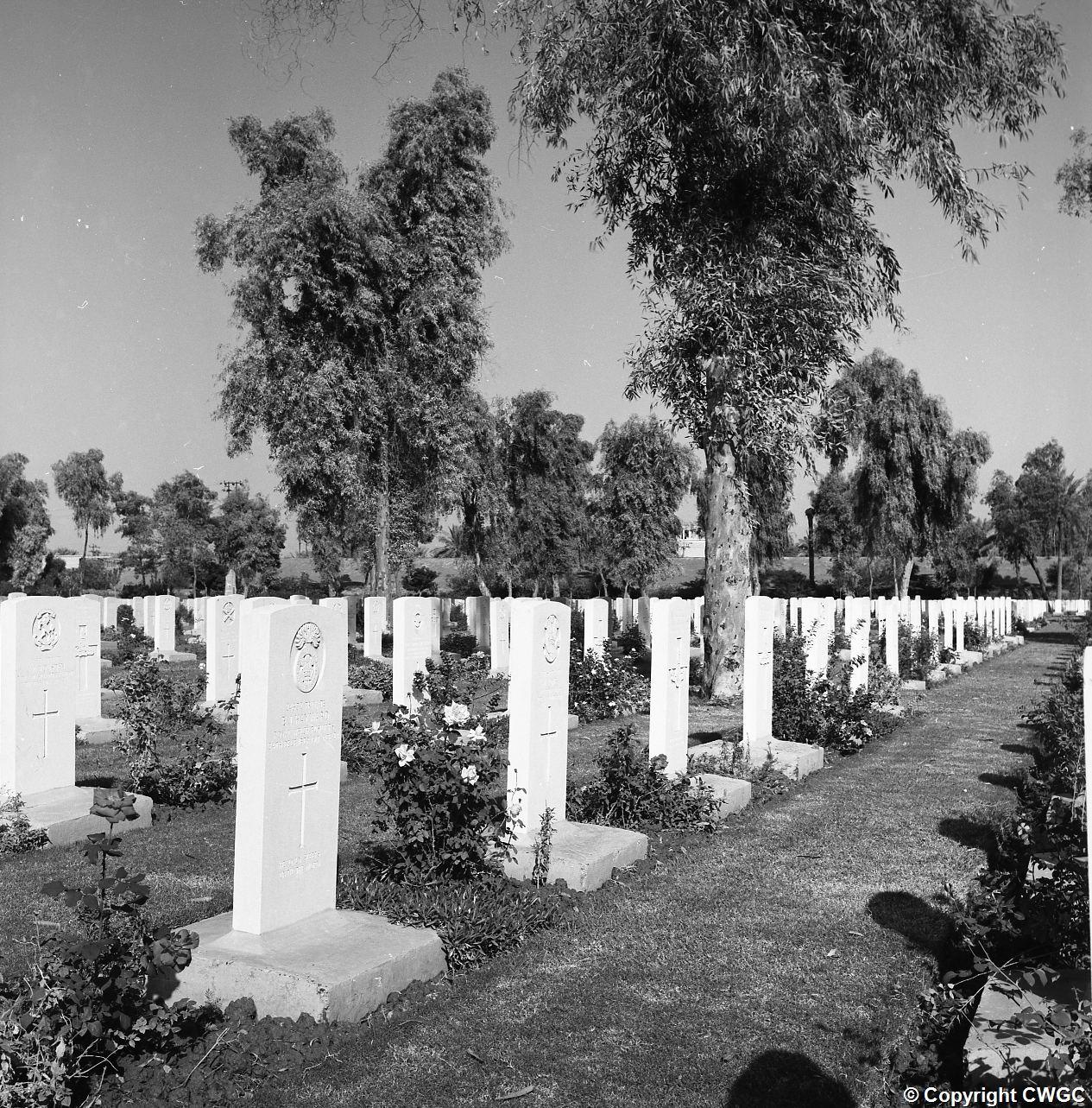
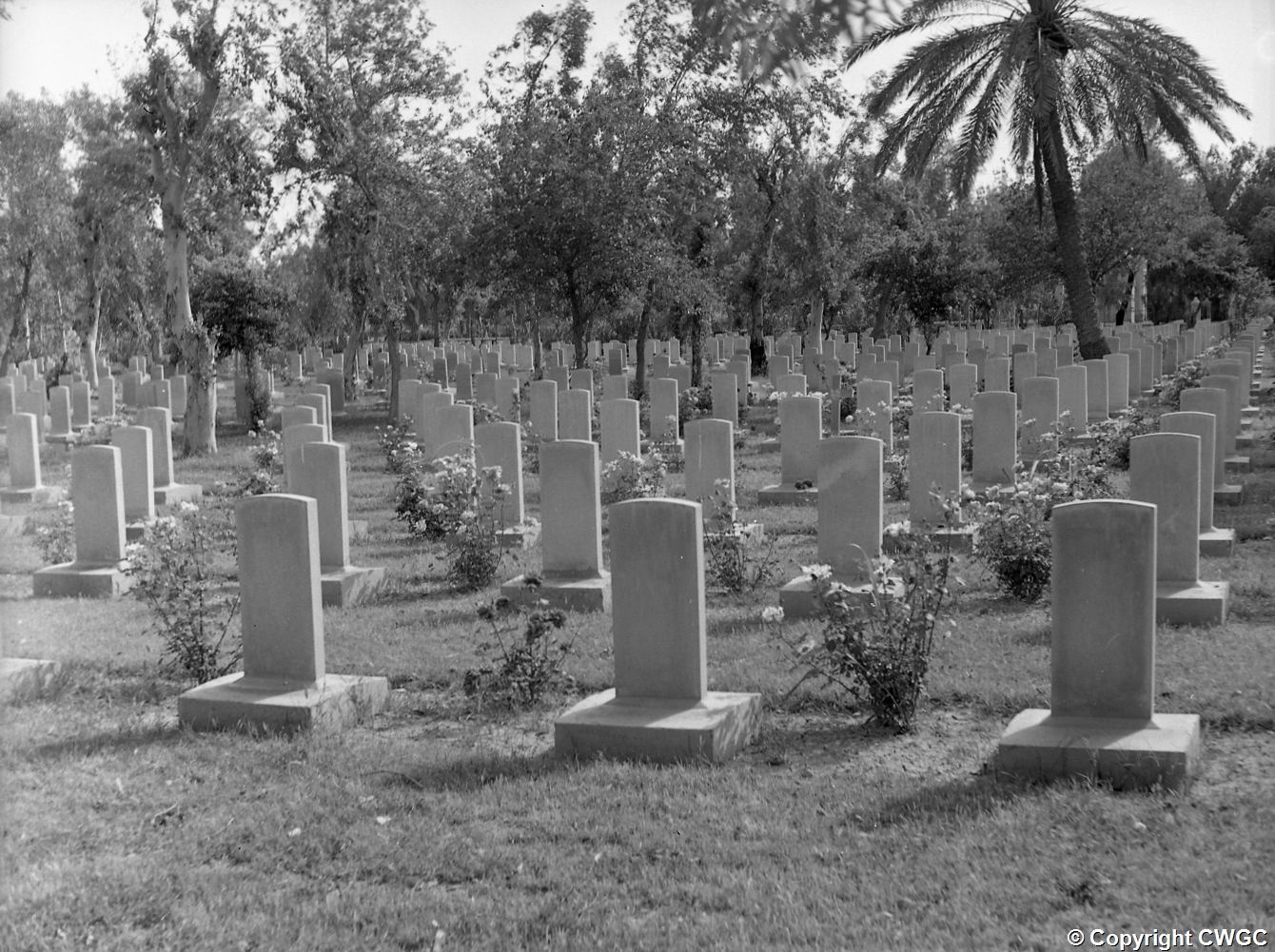
The cemetery was once a verdant garden but is today largely bare of the trees and plants it once supported with only a few poor remnants remaining.
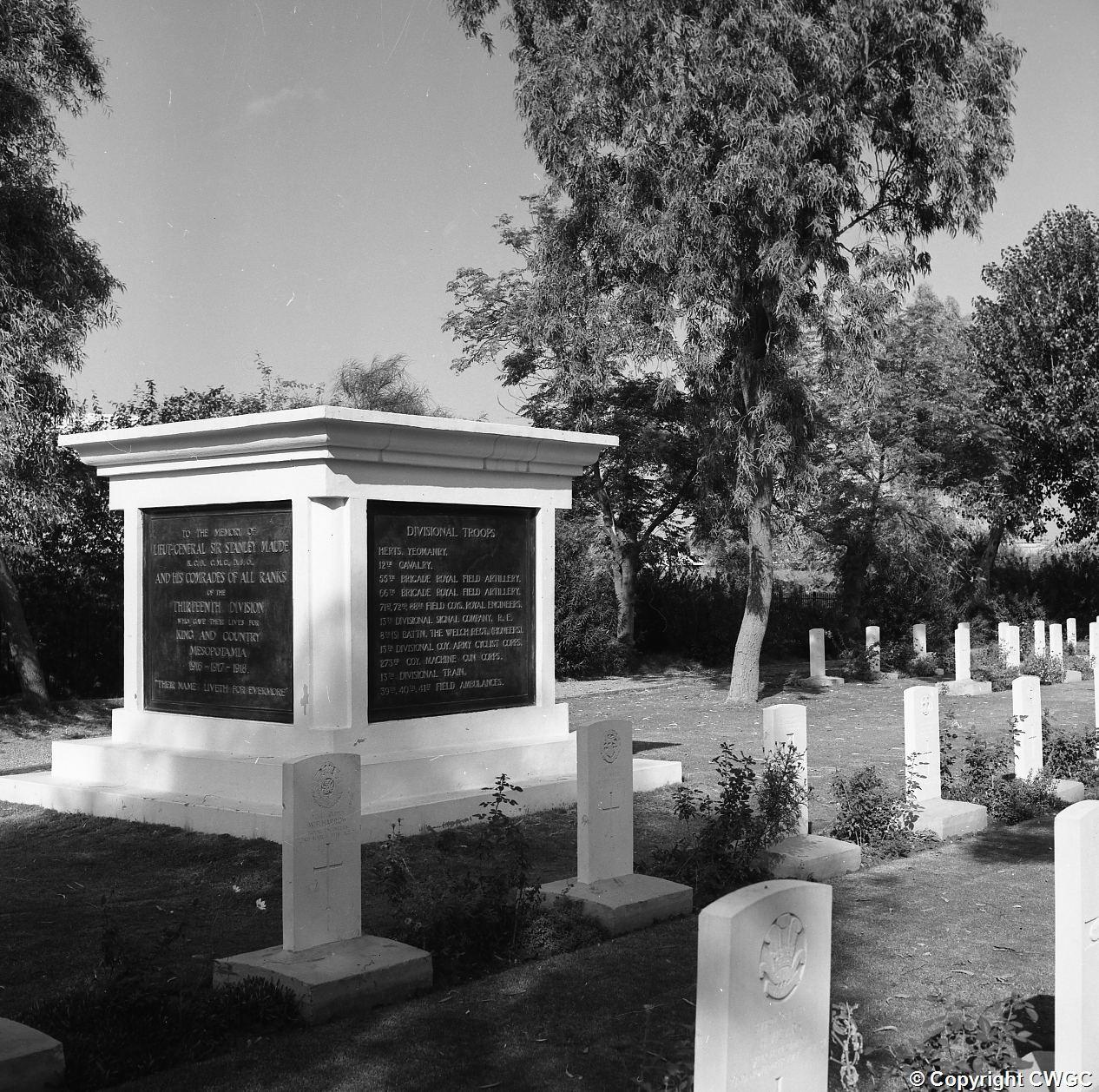
Baghdad Northgate circa. 1950s
Historical photographs from the cemetery's earlier years, when its grounds were planted with trees, palms, lawns and flower beds. Images © CWGC.
Baghdad Northgate today
Recent photographs of the cemetery as it stands now, with bare ground where lawns and flower beds once grew.
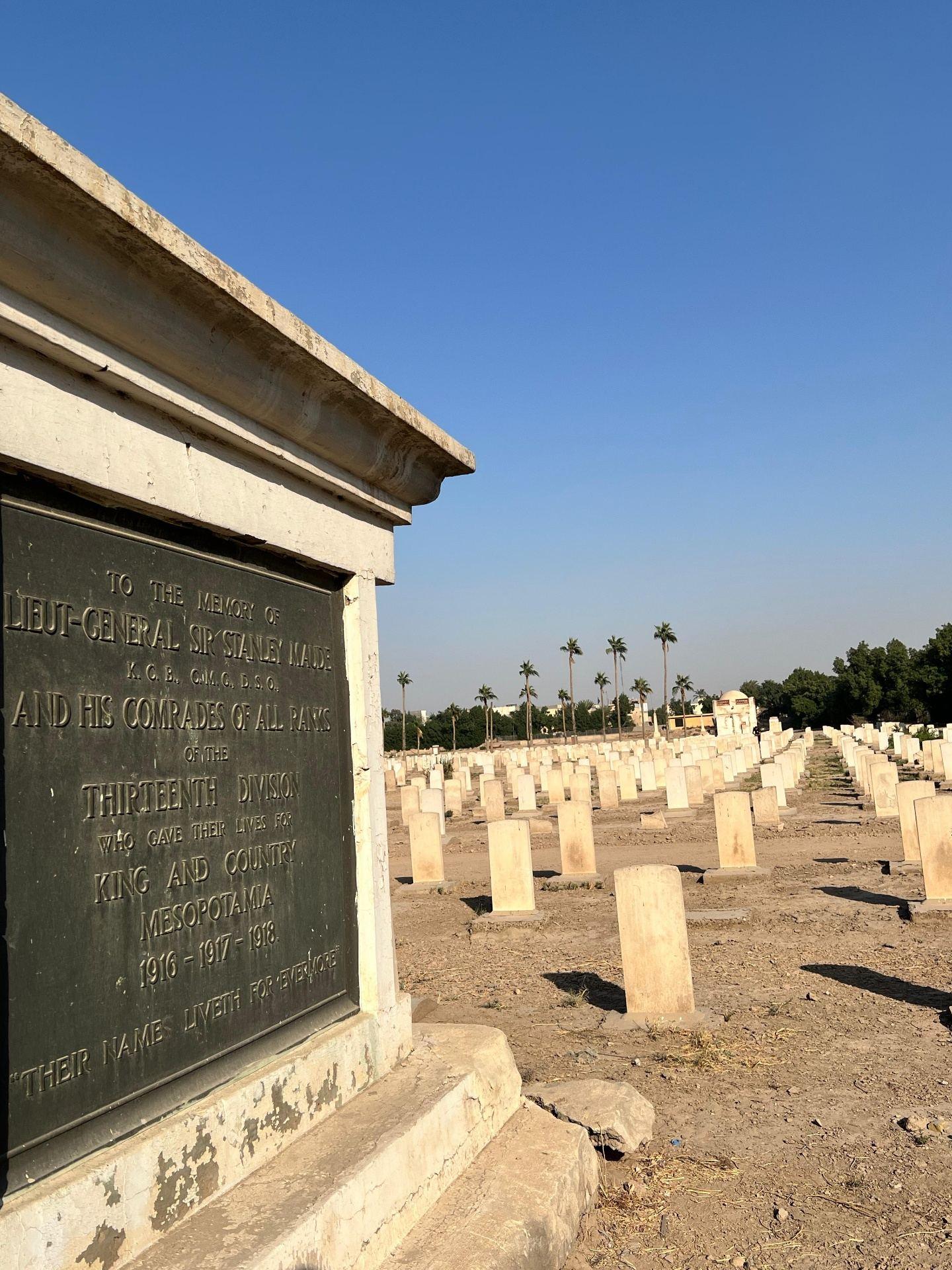
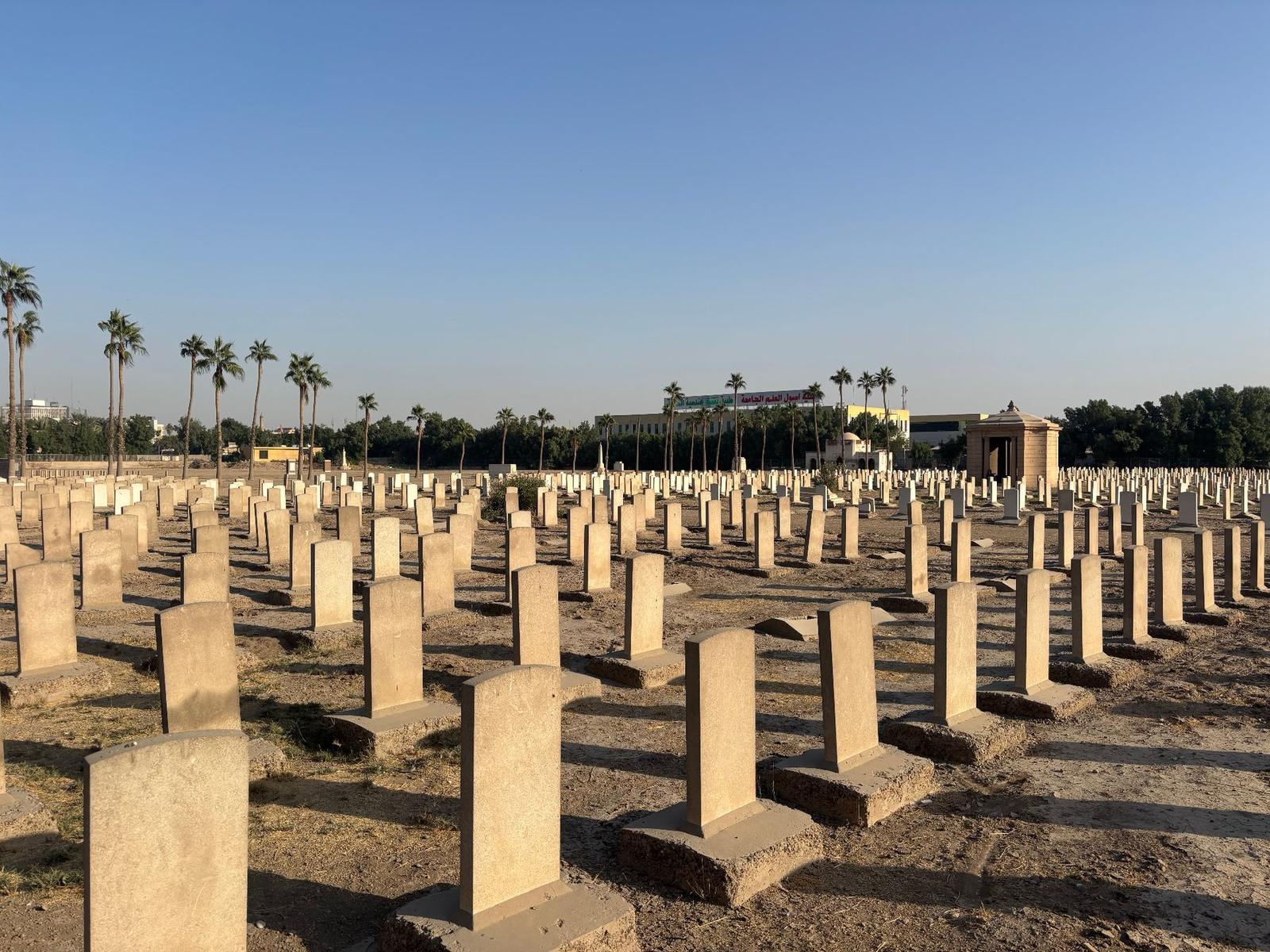
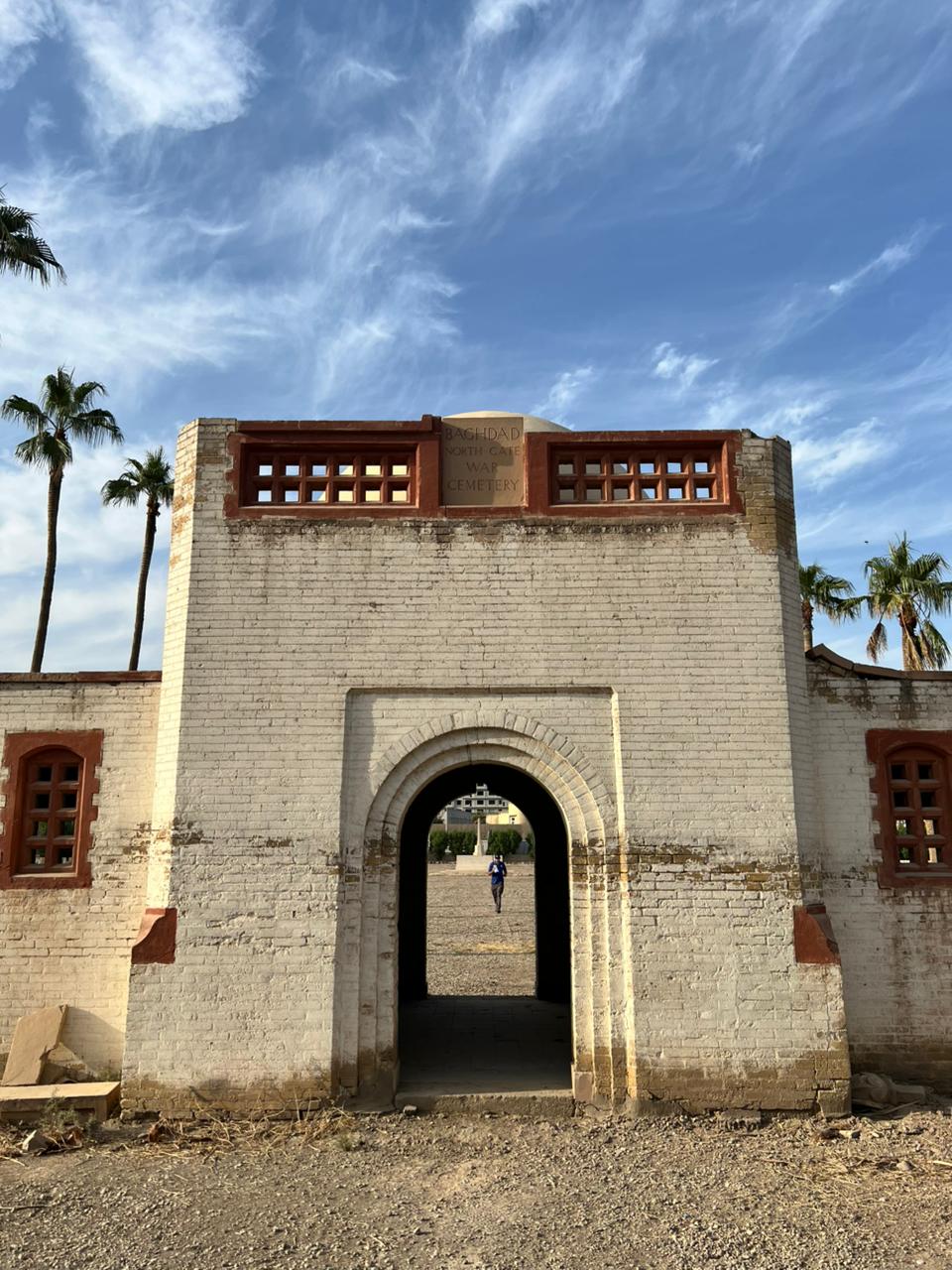
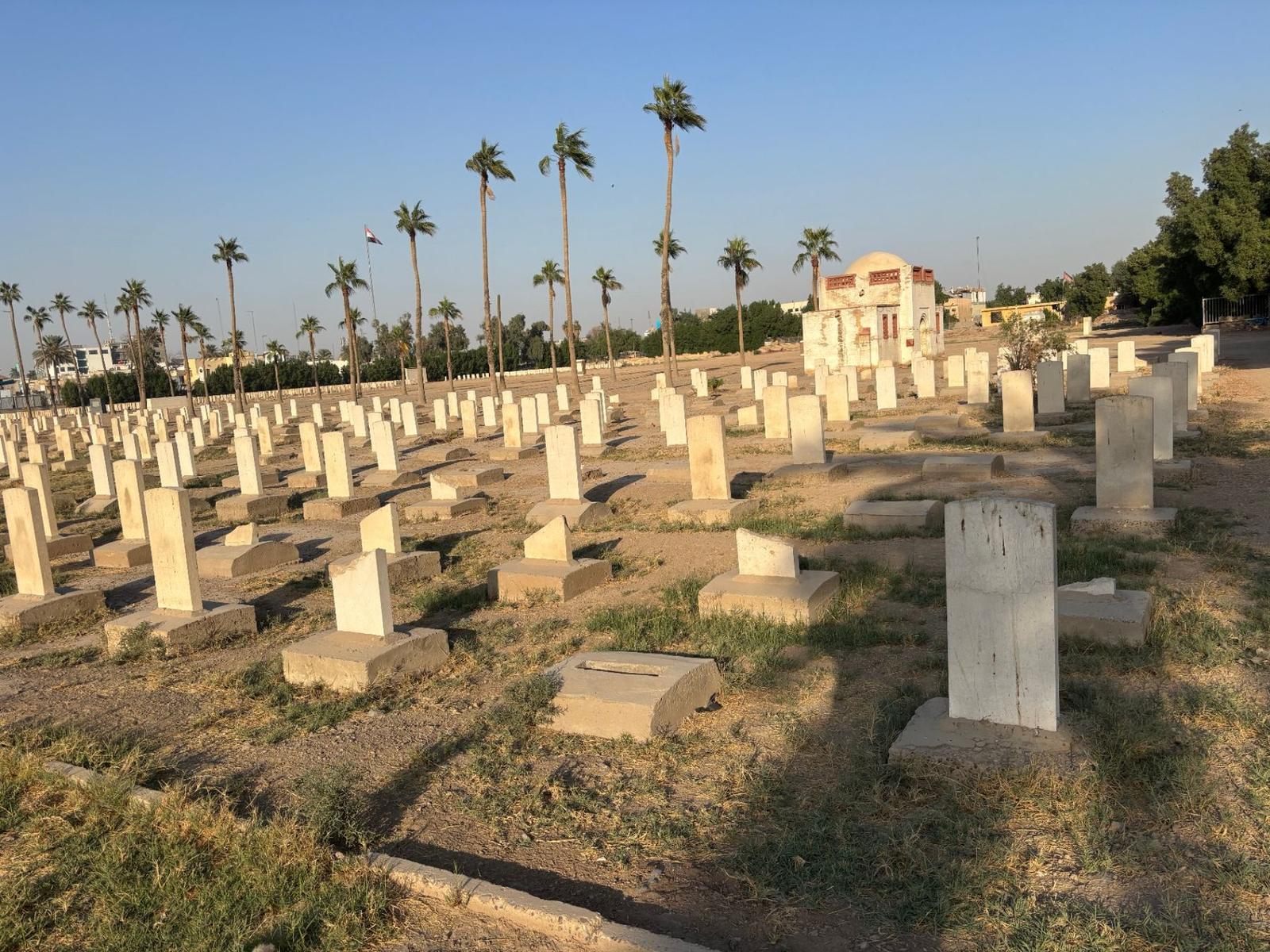
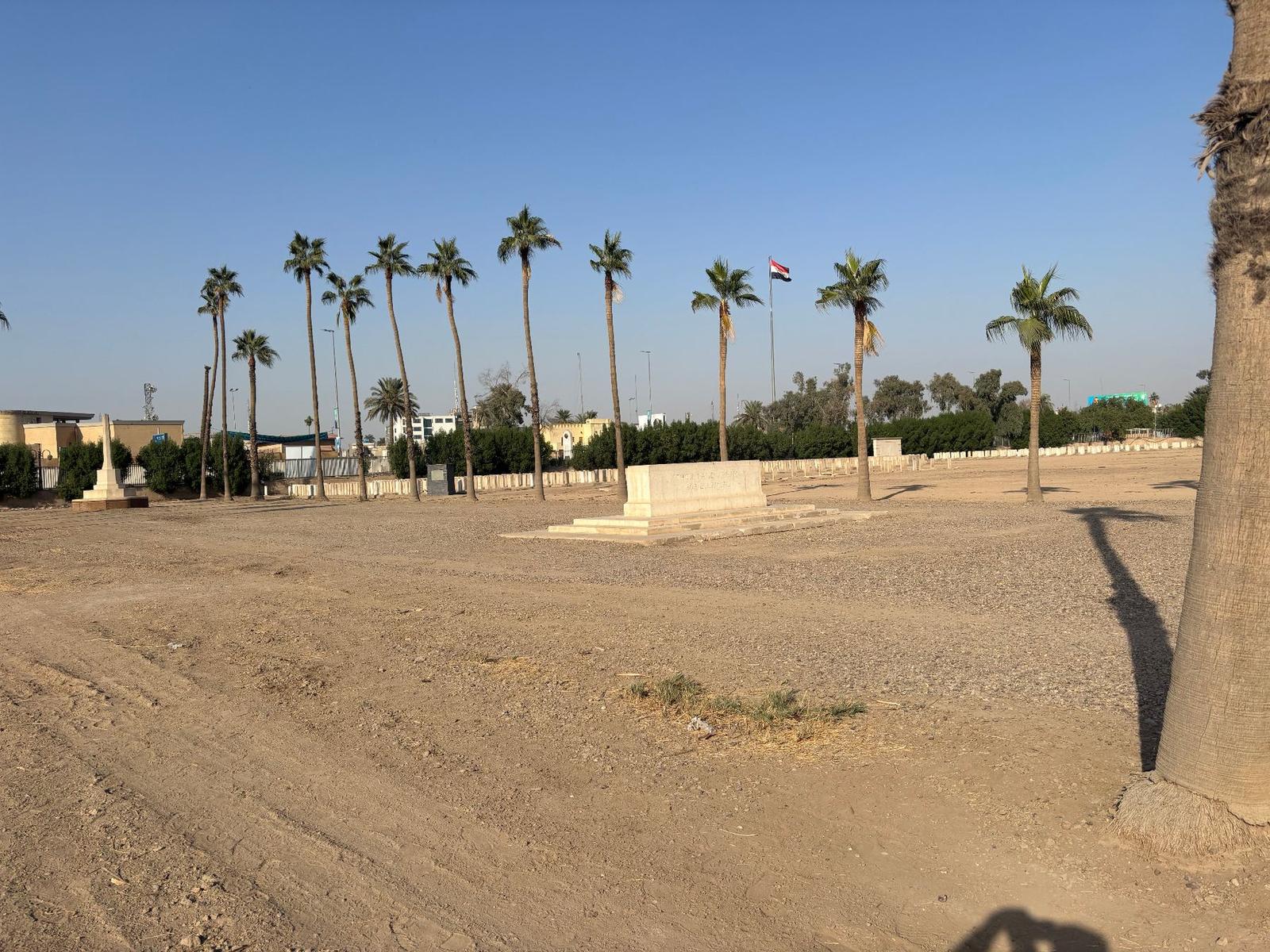
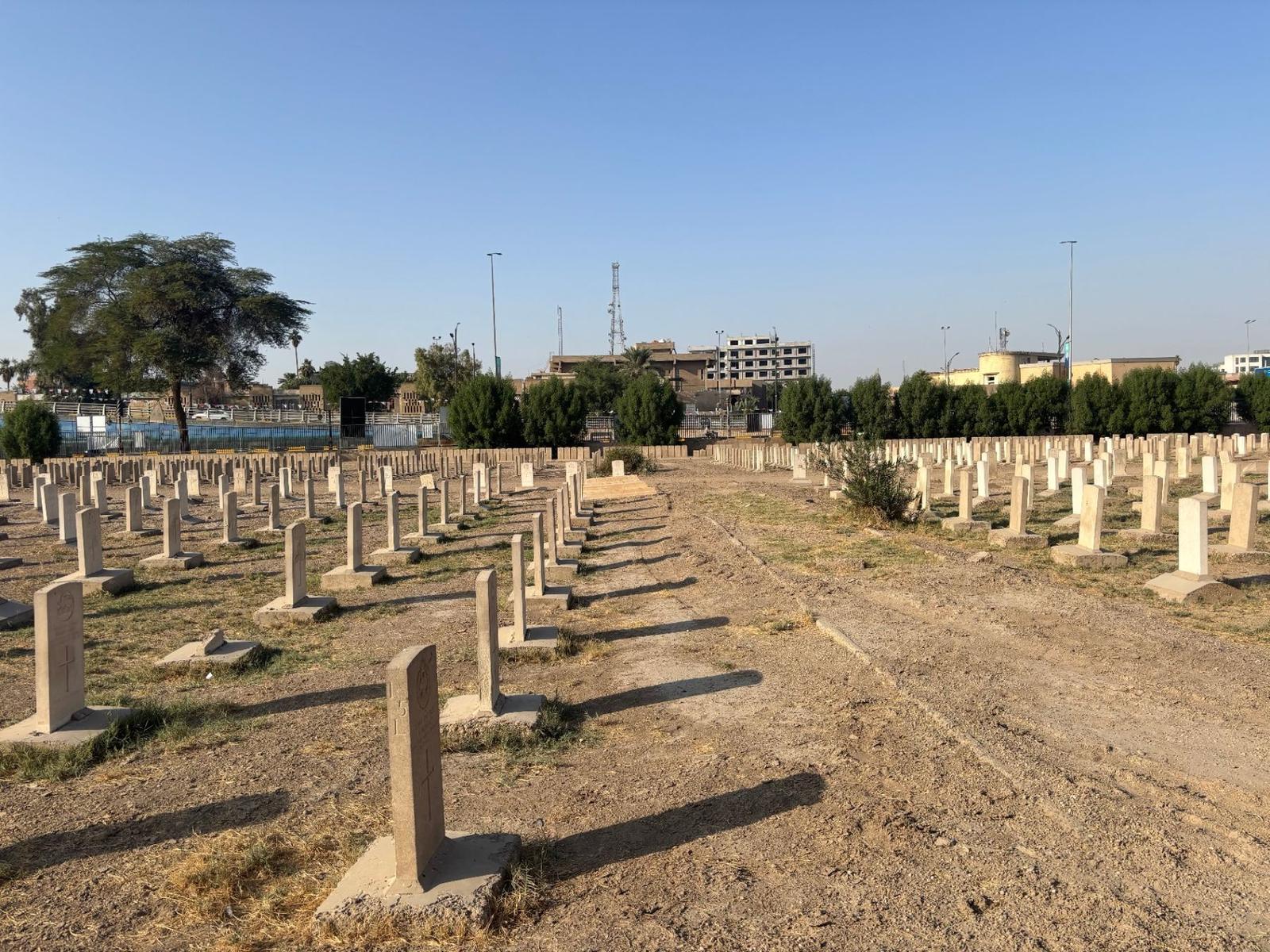
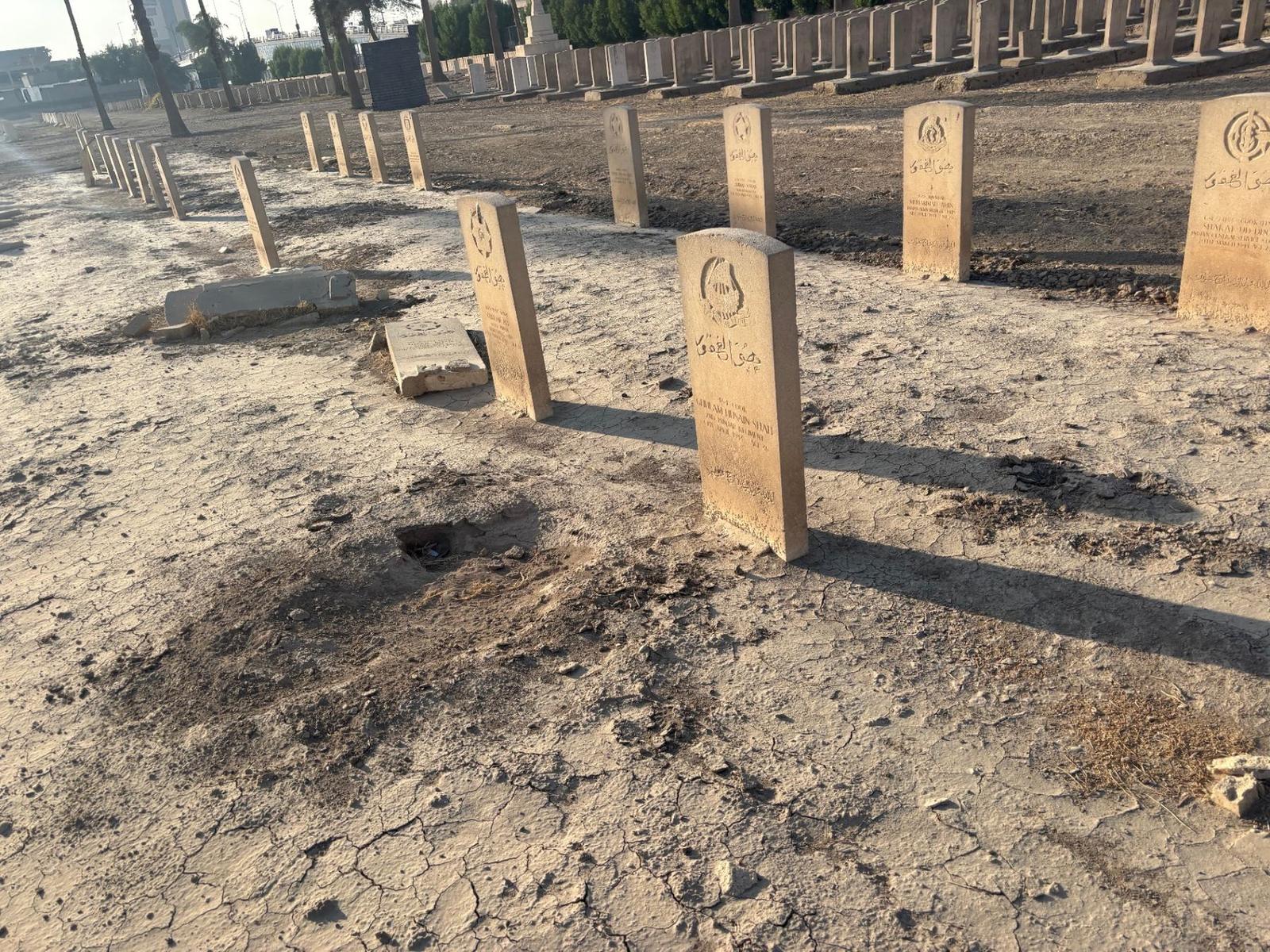
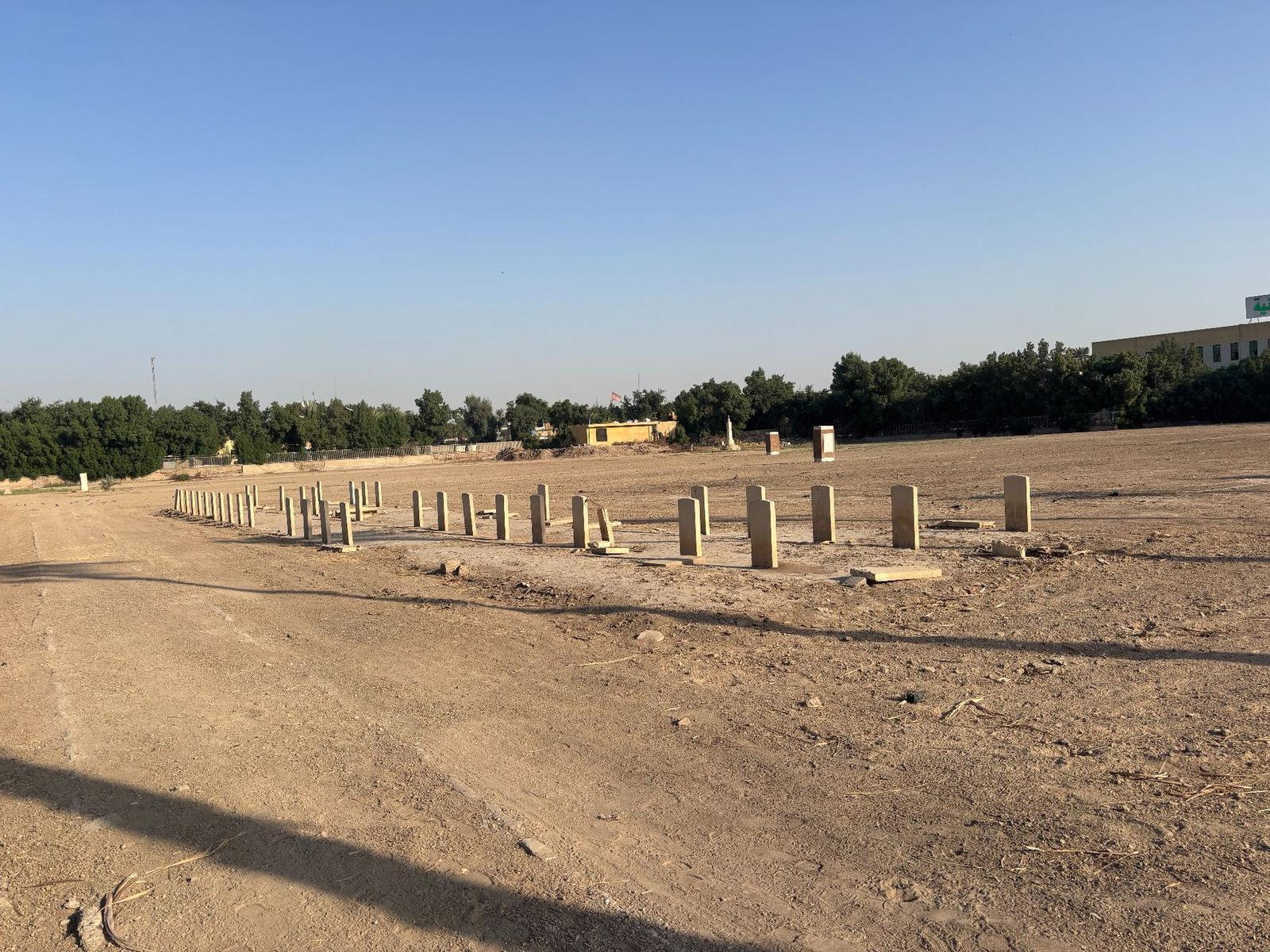
There are an estimated over 7,853 casualties buried or commemorated at Northgate making it the single largest CWGC site in Iraq. The numbers are only estimated as the CWGC’s own data is often inconsistent and for Iraq at least often not accurate, this is compounded by the lack of equality in how Indian Army casualties were treated vs their European counterparts with inadequate record keeping and the use of mass graves rather than individual burials. The UK maintained an almost constant military presence in Iraq from 1914 to 1955 but the CWGC also often do not count interwar and post war casualties some of which are found in the cemetery which further complicates things. Baghdad Northgate was also the site where burials and memorials from all over Iraq as well as Iran and Turkey were concentrated after the wars, many of these do not appear on the CWGC cemetery map and it’s unclear to the extent they are included in the count.
The figure of 7,853 is calculated from the available information on the CWGC website which gives 4,160 Commonwealth casualties of the First World War are commemorated by name in the cemetery, many of them on dedicated memorials. Unidentified burials from this period number 2,729 primarily Indian Army. An additional 296 Commonwealth servicemen of the Second World War buried in the cemetery died of illness or by accident when serving with PAIFORCE. Within the cemetery is the Baghdad (North Gate) (Khanaqin) Memorial, commemorating 104 Commonwealth servicemen, 437 Polish soldiers and three soldiers of the Arab Legion of the Second World War buried in Khanaqin War Cemetery.
The North Gate Cemetery also contains 127 war graves of other nationalities from both wars, 100 of them Turkish, and 41 non-war graves.
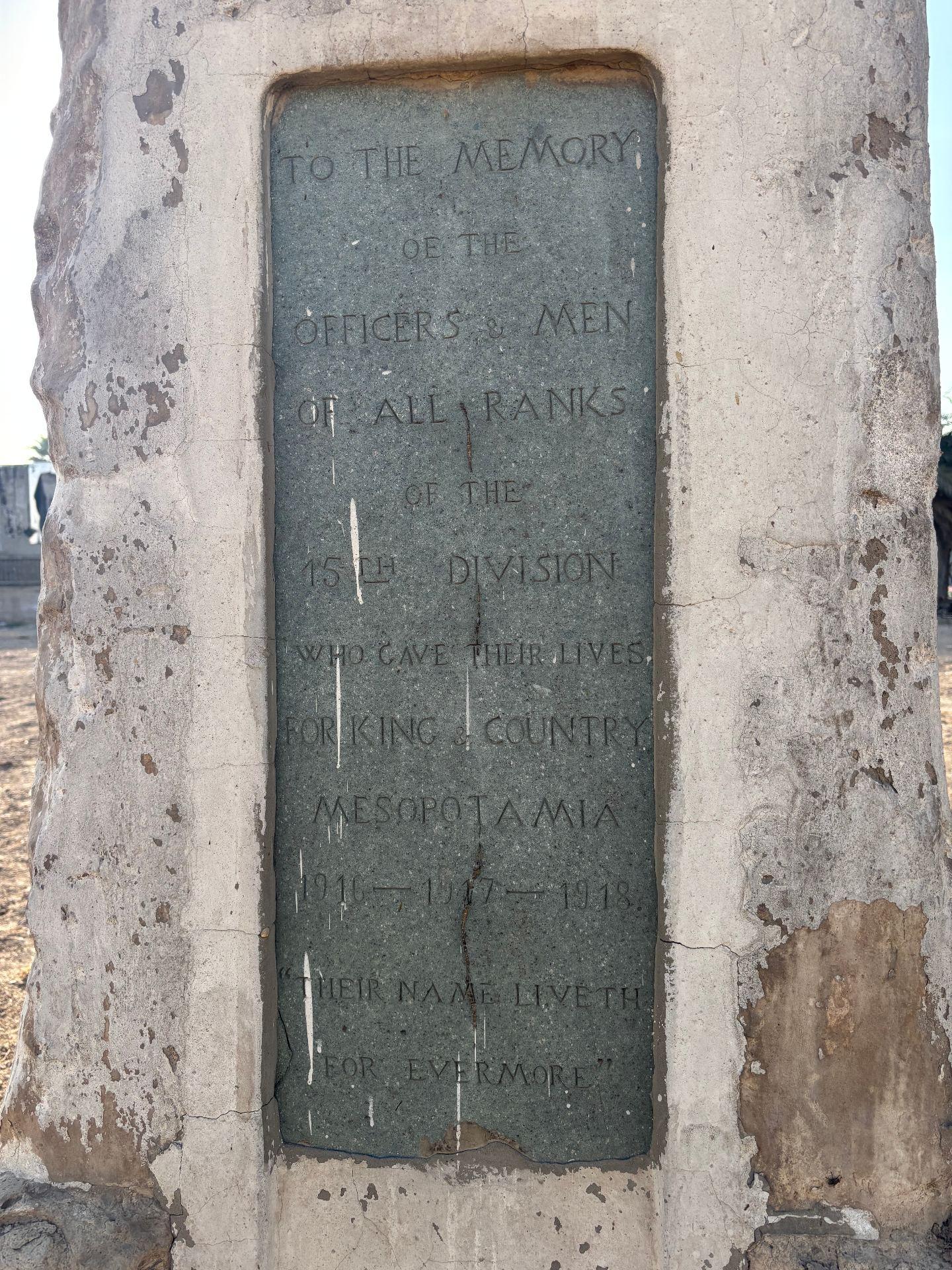
There was once a memorial to 29 officers and men killed in action by insurgent tribal forces at Samawah Station, during the Iraqi revolt in 1920, it was located behind the 15th Division unit memorial in the North East corner.
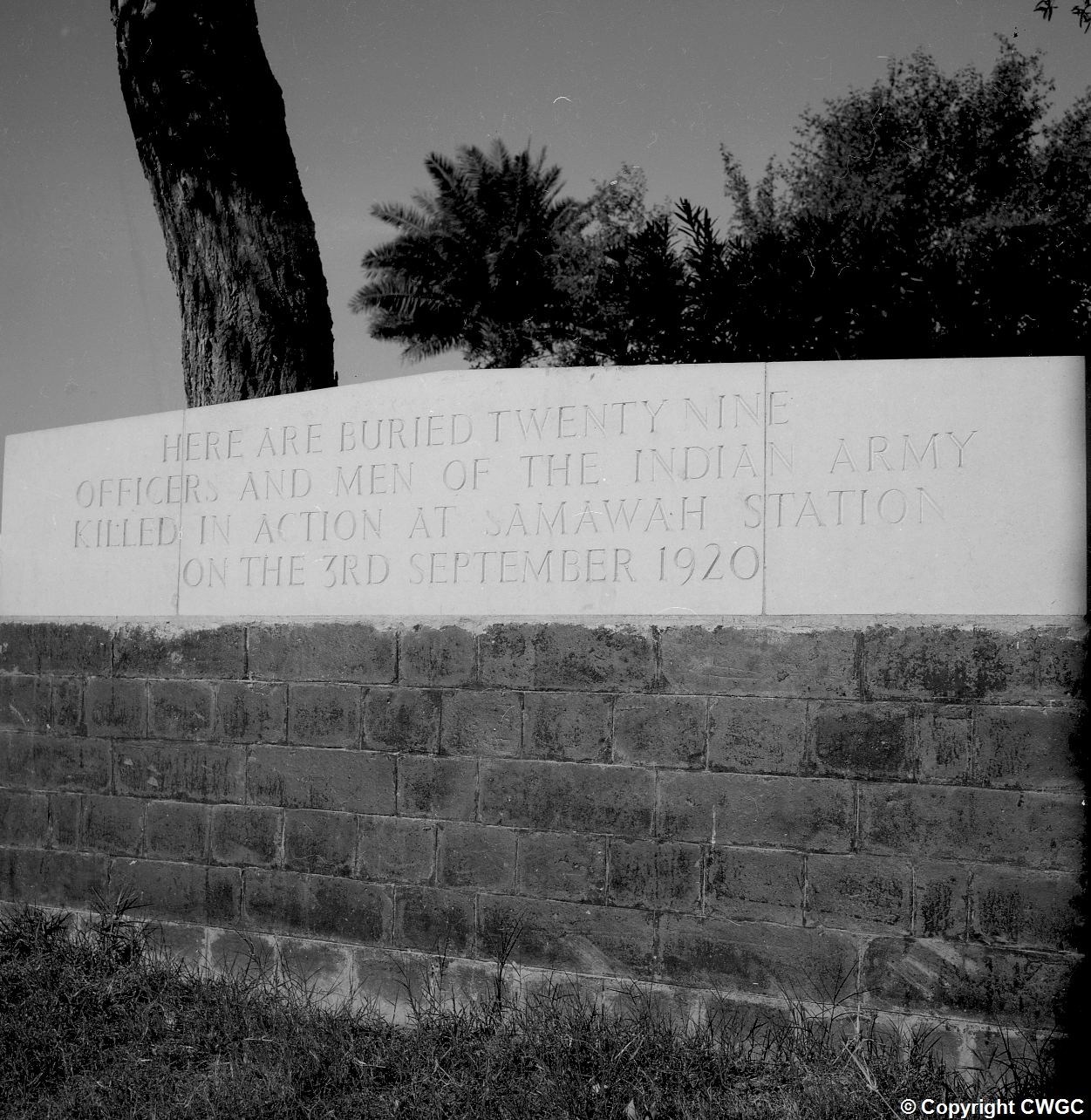
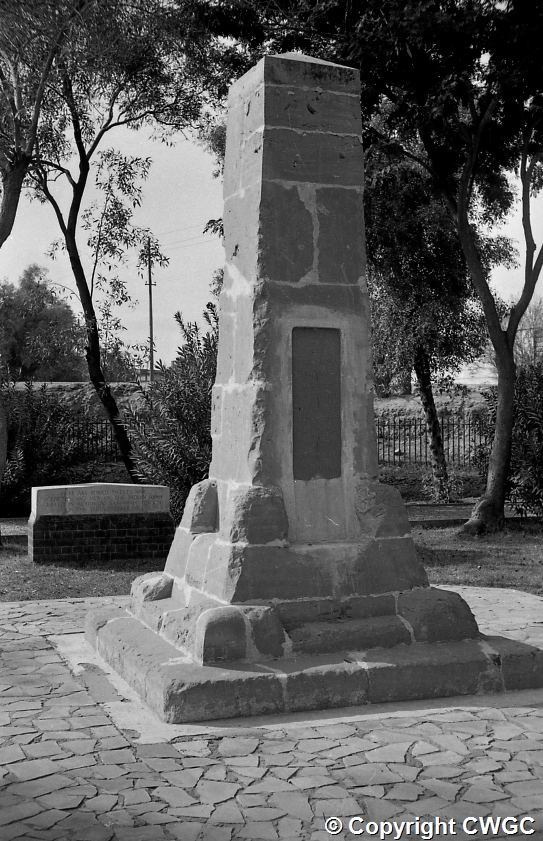
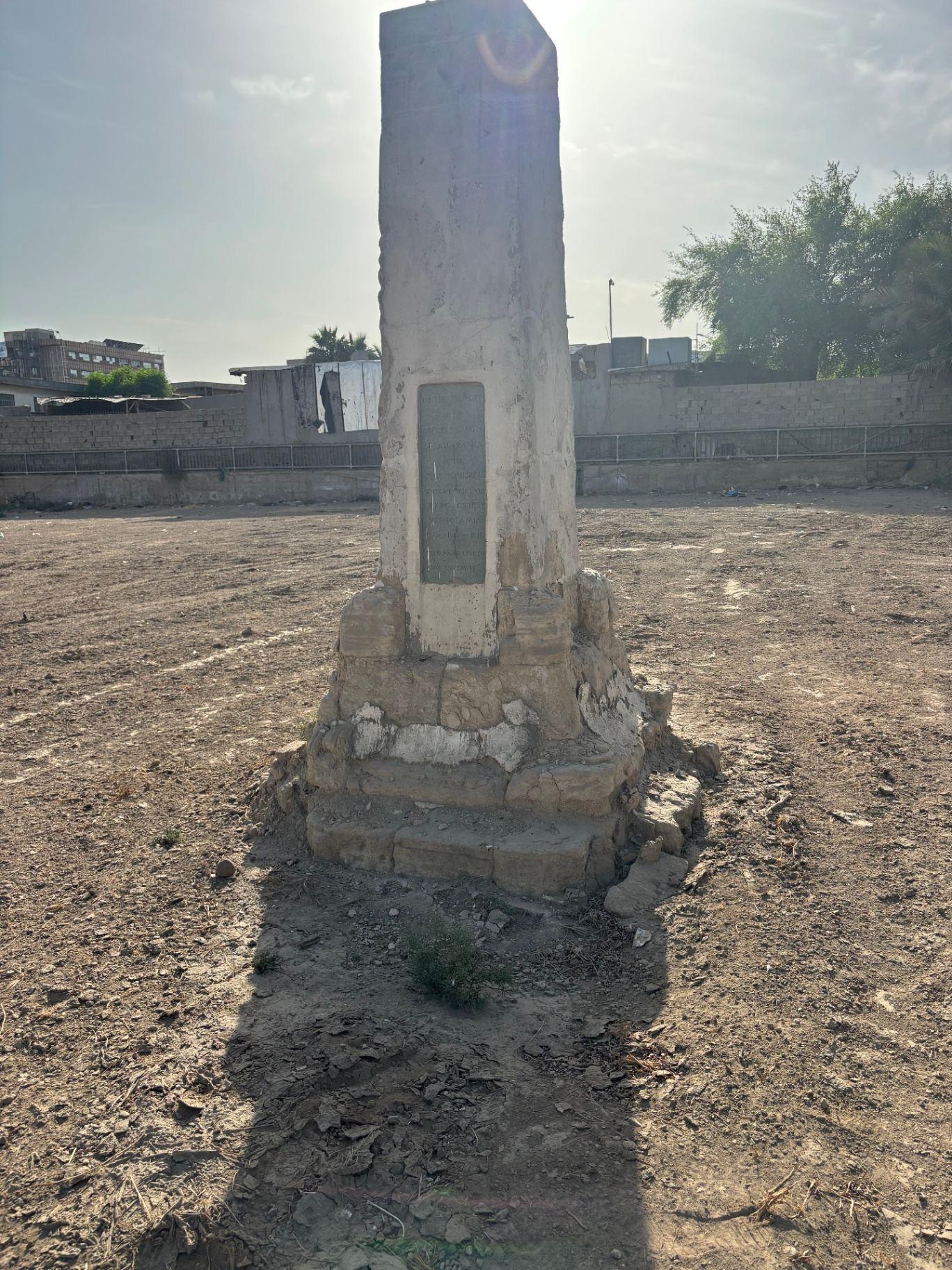
Samawah was a key railway station on the line midway between Baghdad and Basra. During the 1920 rebellion, British garrisons, including those in the Samarra area, were under pressure, and reinforcements were actively moving to secure communication lines. The 1920 revolt resulted in roughly 6,000 Iraqi deaths and around 500 British and Indian soldiers killed, with the rebellion being largely subdued by the end of October 1920. The exact nature of the action on the 3rd September is as yet unknown but likely some more, deeper research would discover it. What happened to this monument is unknown but of it there is no sign today.
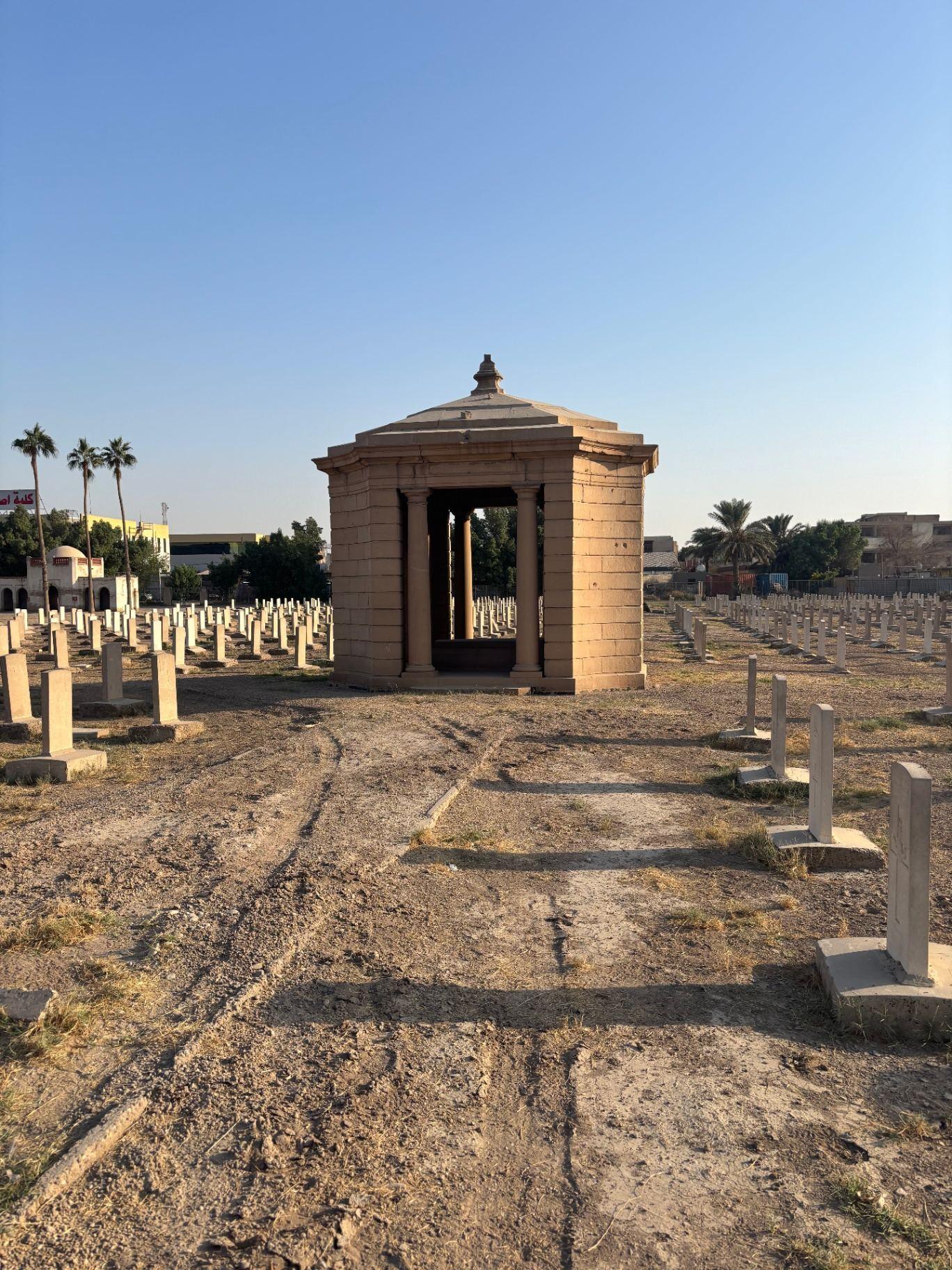
The cemetery is laid out in a rough rectangle east to west with the entrance on the south side. The east side is a mass of individual grave stones with many missing and broken and with Maude’s Tomb in the middle. The east boundary is where many of the unit memorials are placed. The west side is predominantly Indian Army and is bare earth with only memorials to the men buried there. WW2 Indian Army burials did receive a grave stone and these are in a very poor state of repair.
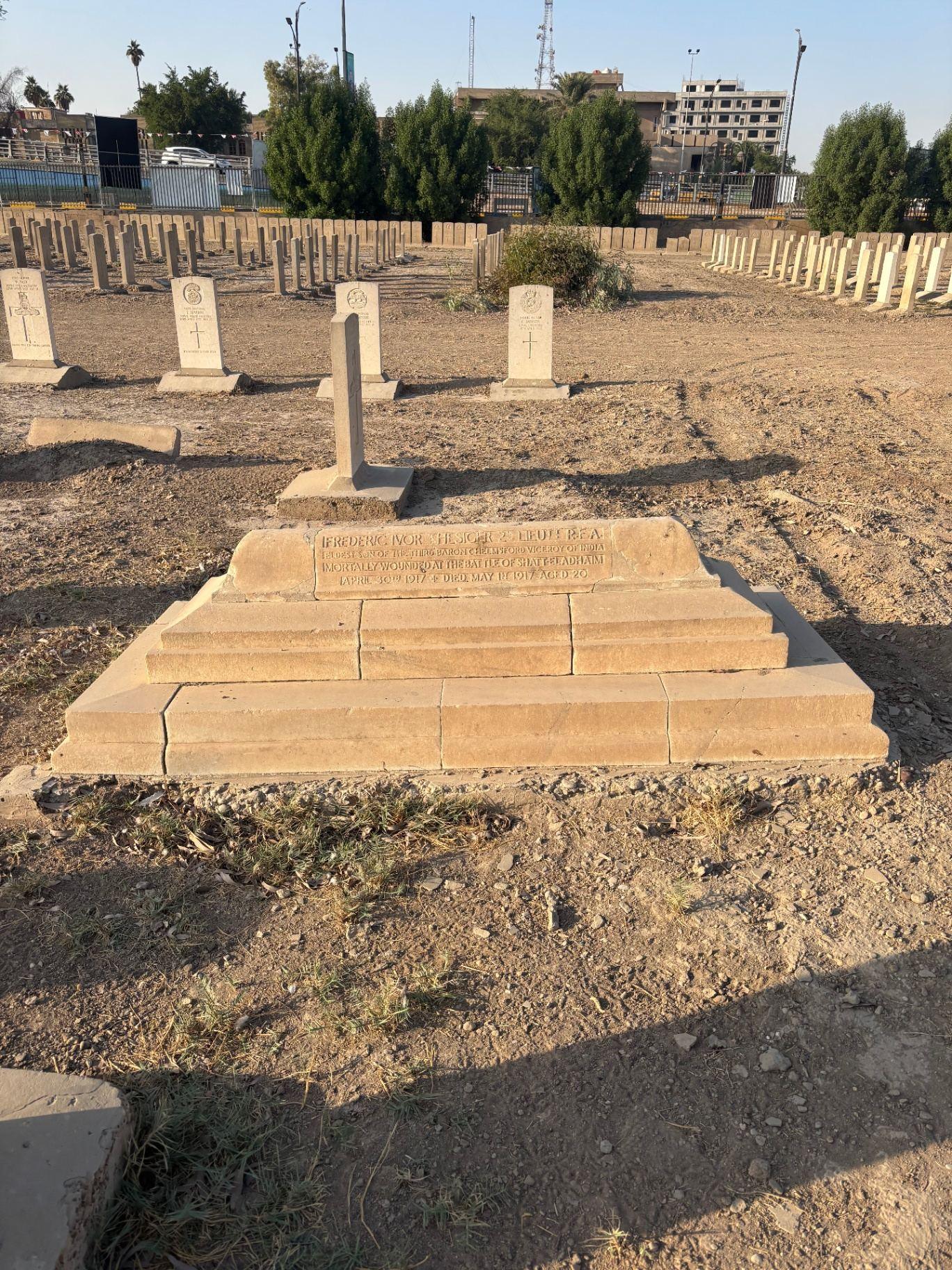
One unique grave is that of 2nd Lt. Frederick Ivor Thesiger (related to the explorer Wilfred Thesiger) which is not a standard CWGC grave but a privately-funded one. Generally, such graves were routinely replaced by standard graves but Thesiger’s family insisted it remain. Given he was the eldest son of Lord Chelmsford, Viceroy of India from 1916 to 1921, his family came with sufficient influence to have their wishes fulfilled, as they are to this day.
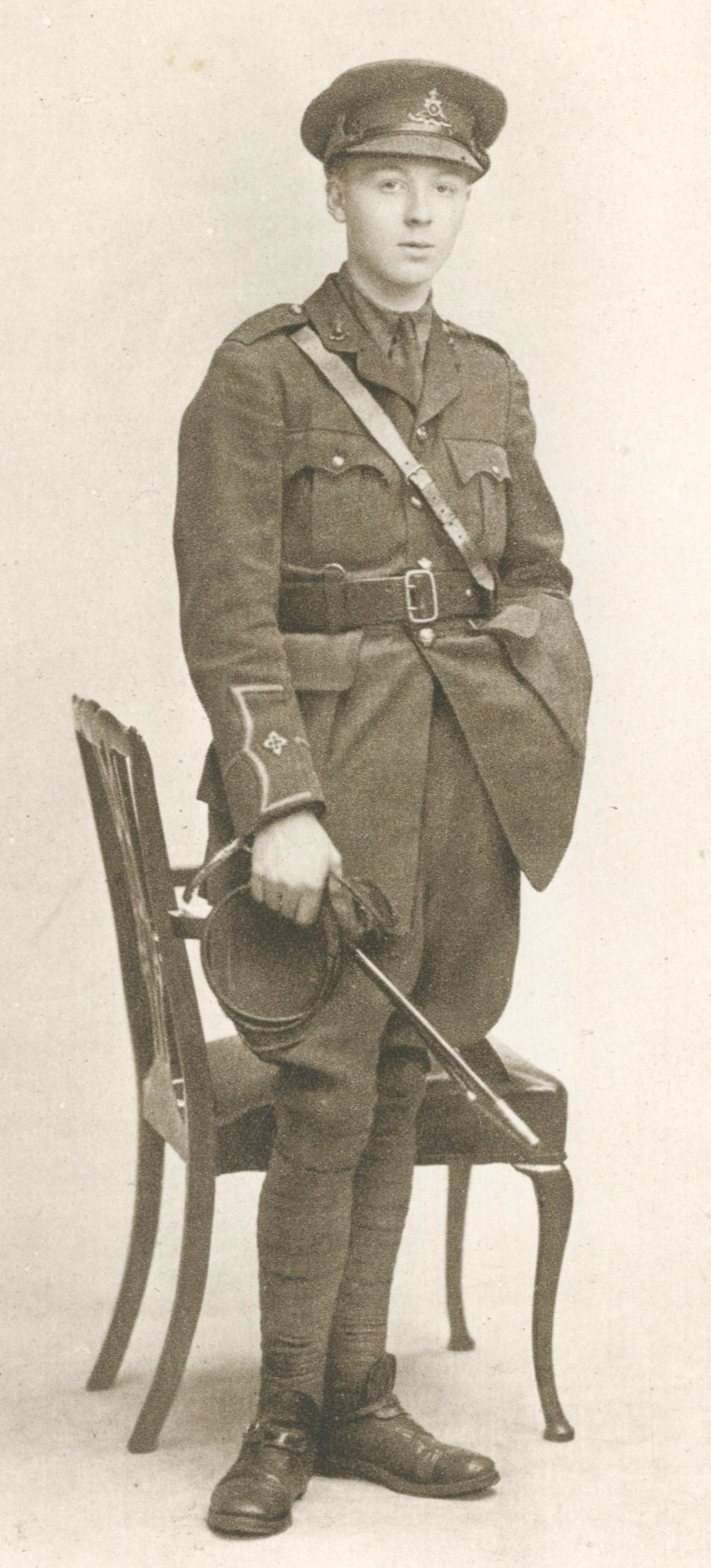
The casualties in the cemetery cover a very wide and diverse theatre of operations, with many extraordinary stories and a few mysteries.
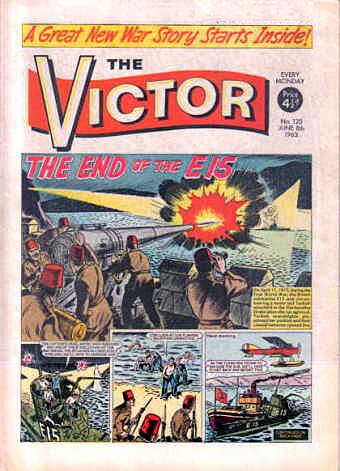
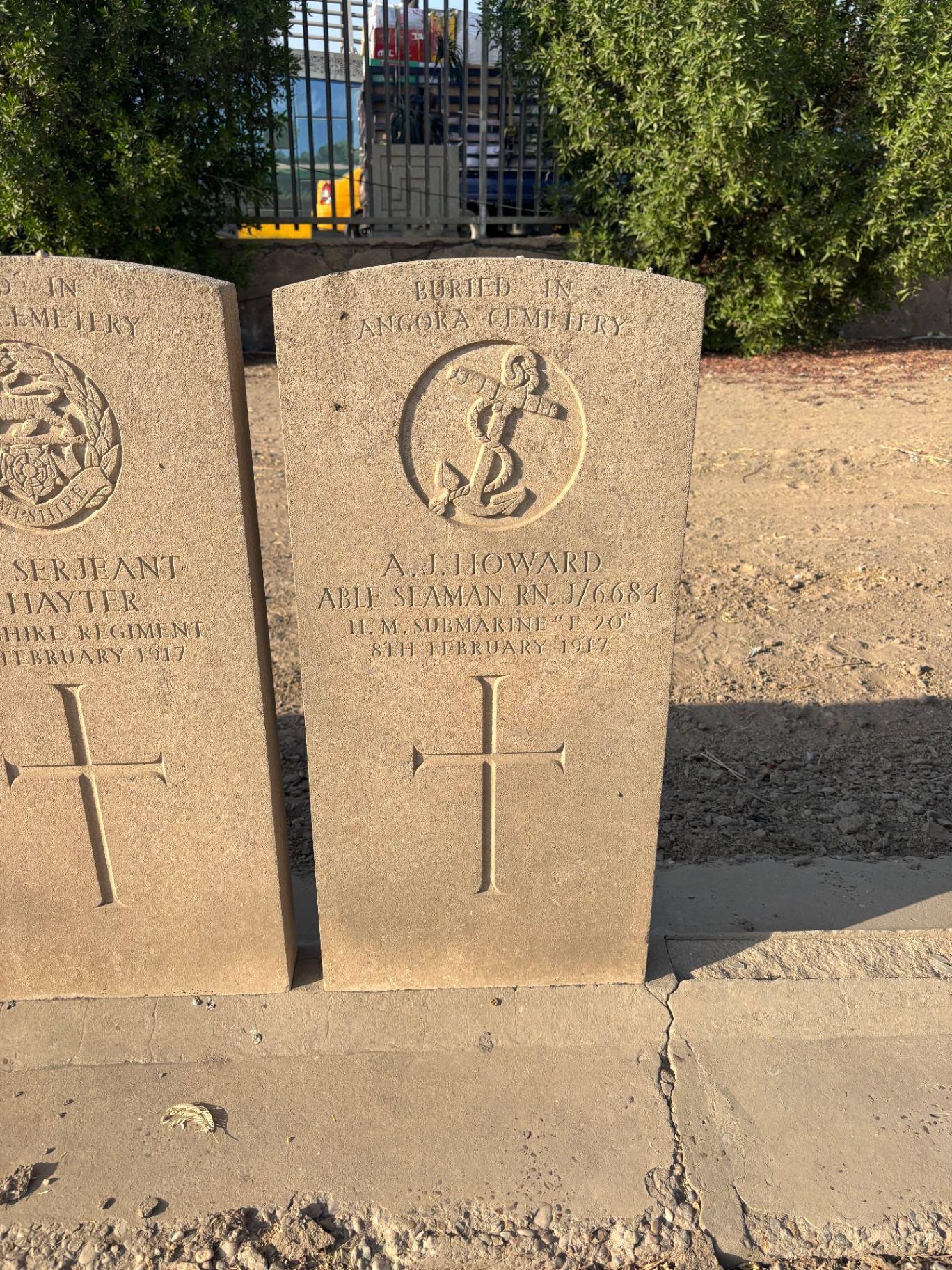
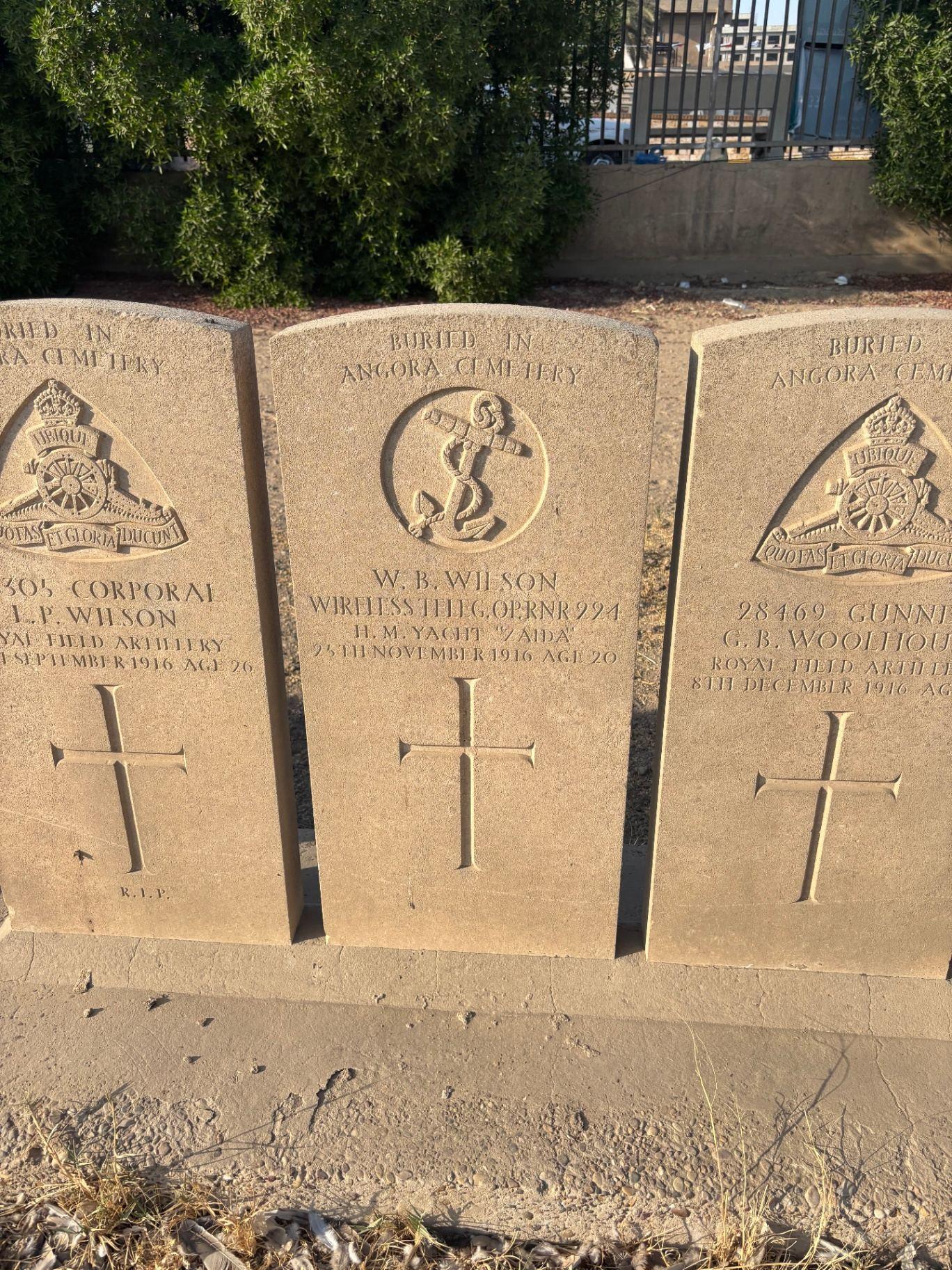
Casualties include submariners from E17, E20, E15 and I7, and sailors from HM Yacht Zaida of which there are conflicting accounts of her fate in 1916. The loss of E15 was sensationalised in The Victor comic.
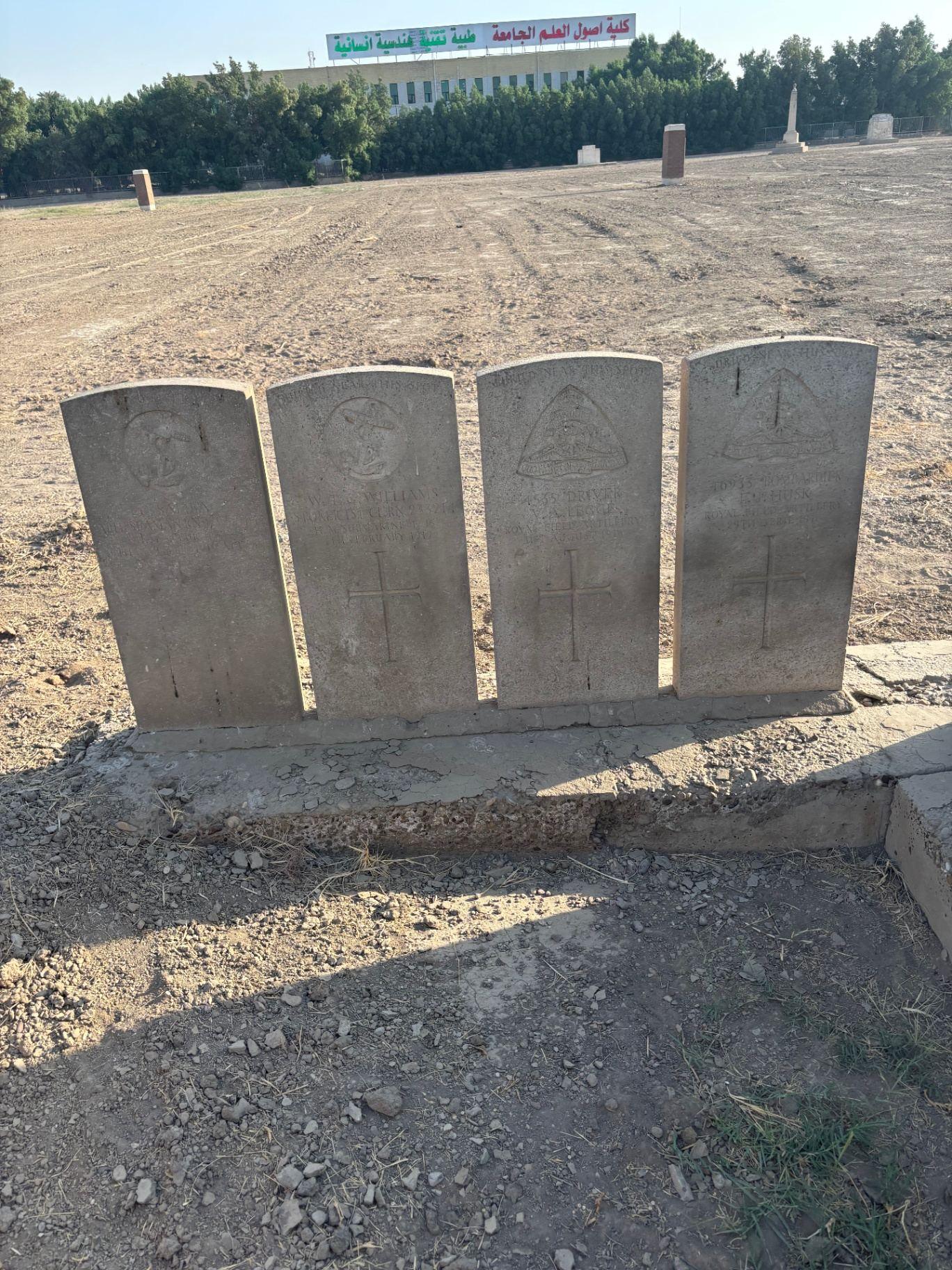
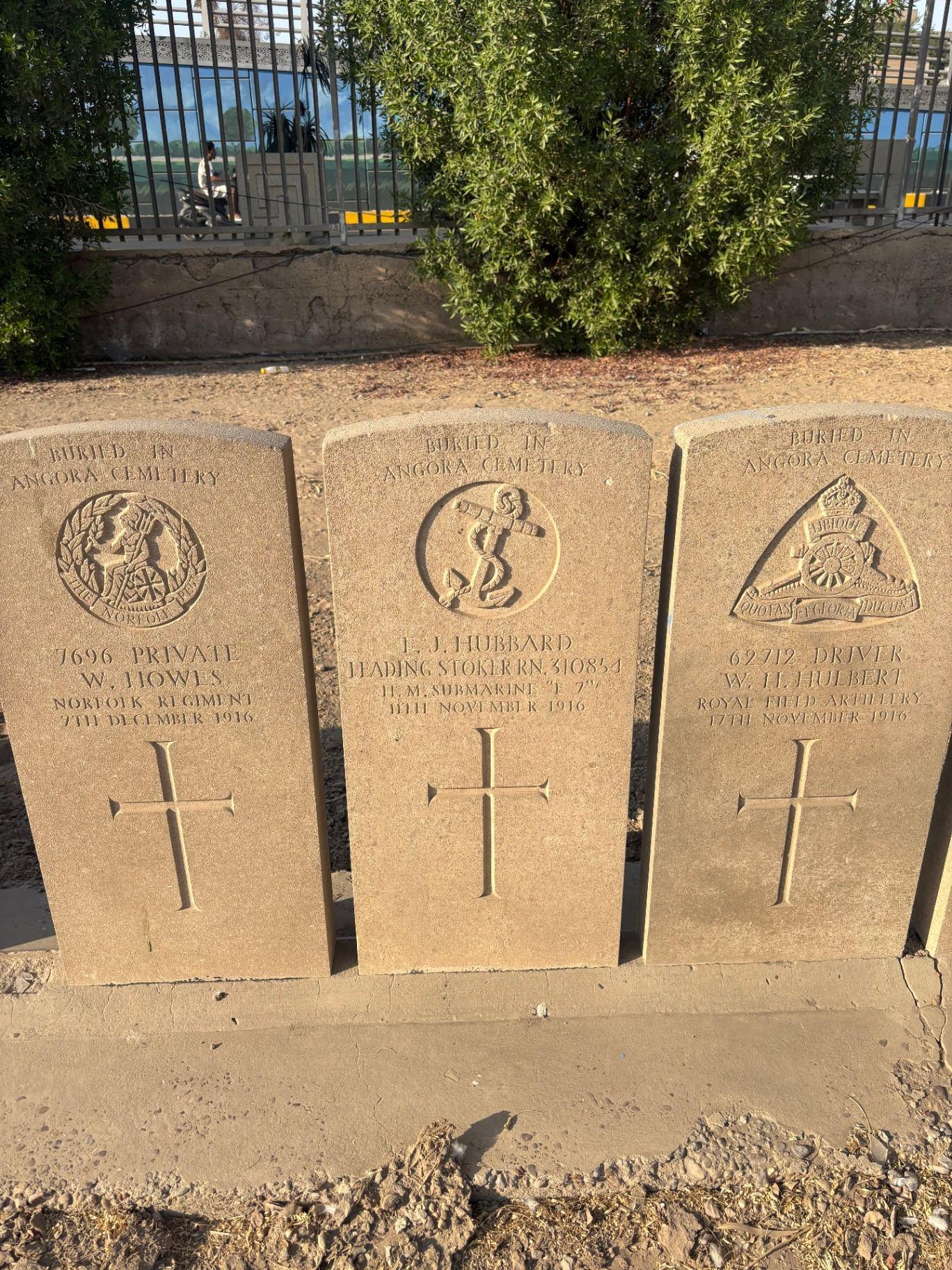
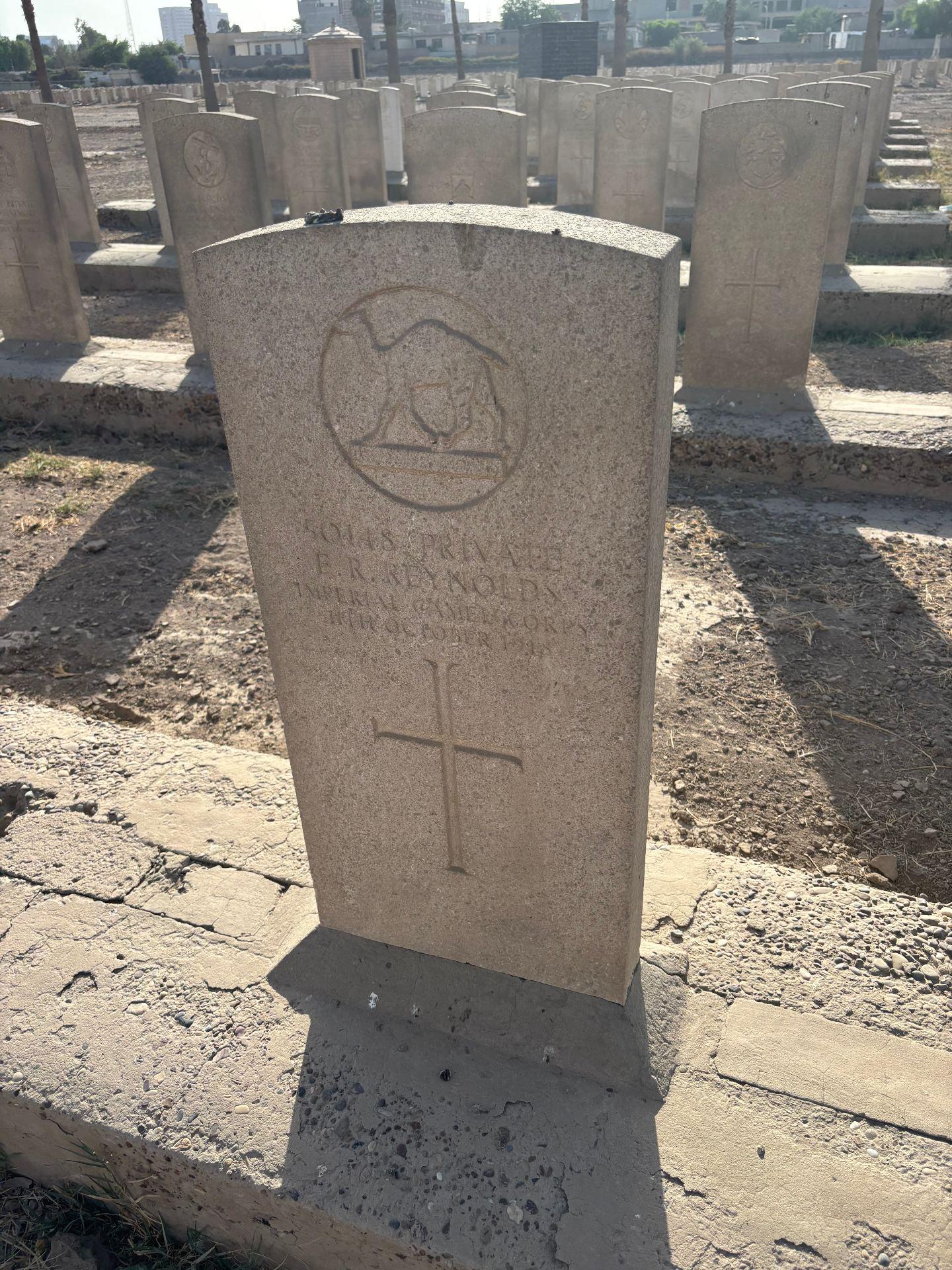
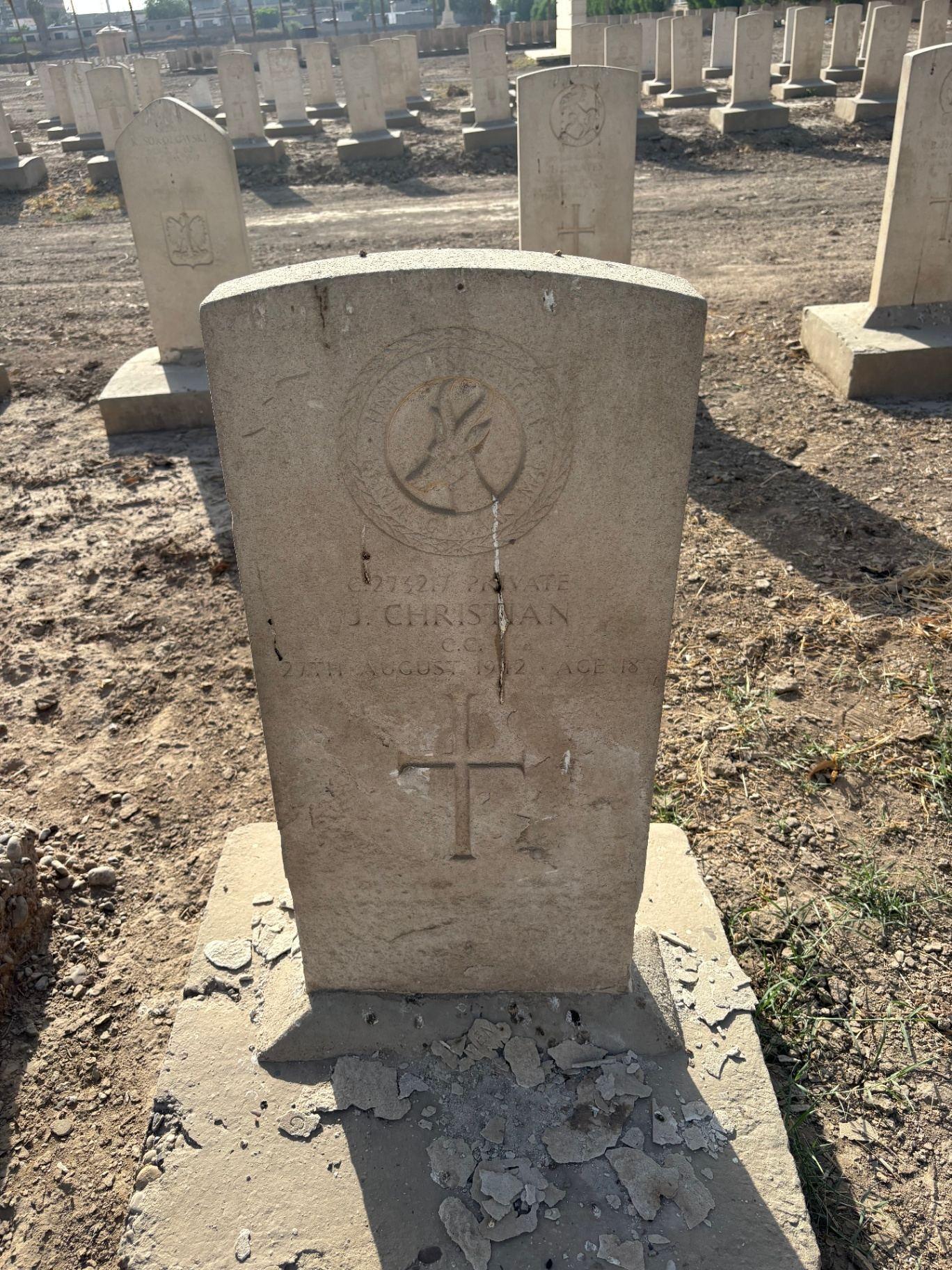
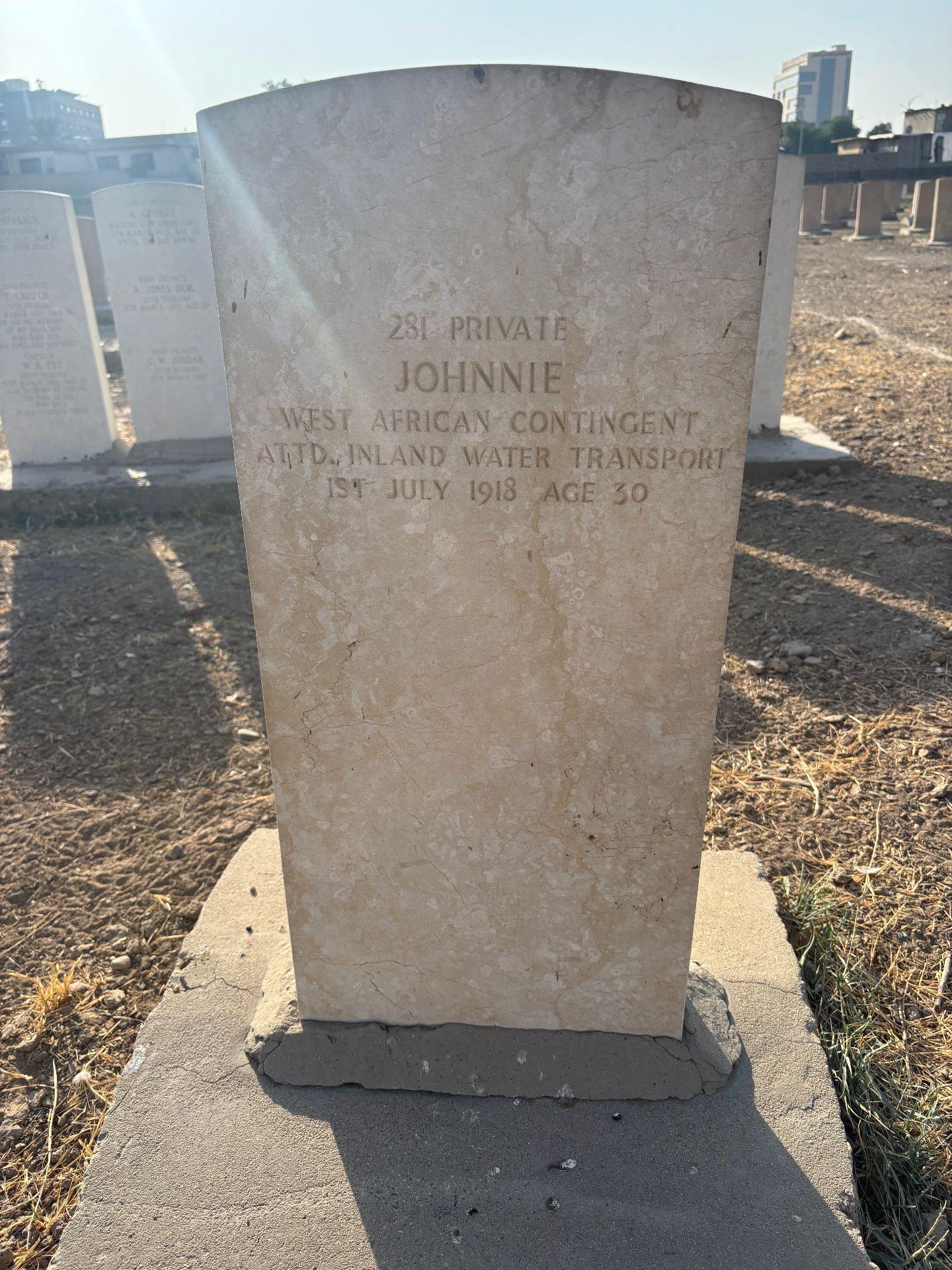
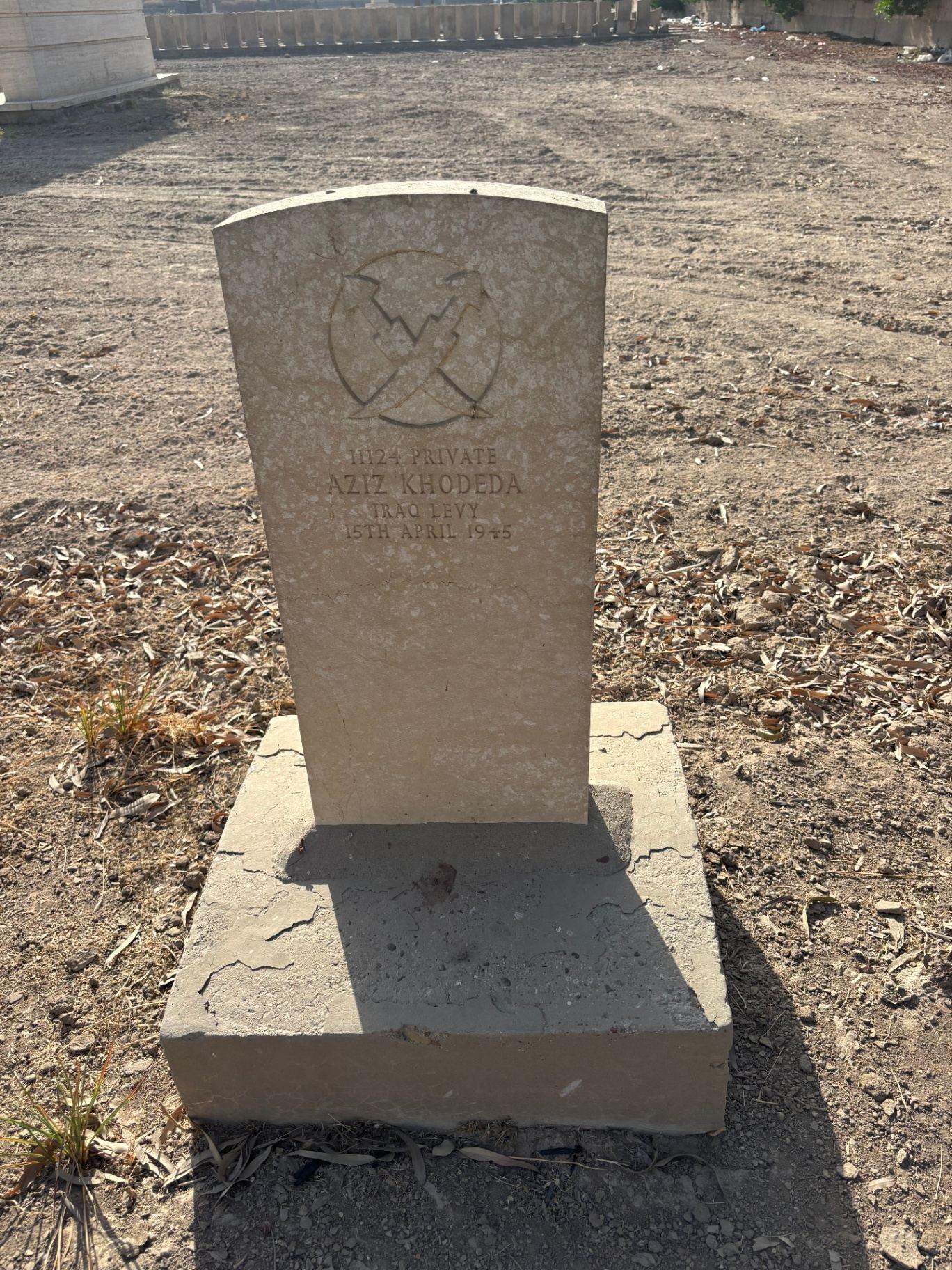
There is one grave from a casualty from West Africa (likely Nigeria), a Cape Corps (South Africa) grave, another from Burma, and a single Camel Corps grave, a unit never deployed to Mesopotamia, Private E R Reynolds was a PoW, captured in Palestine. He was originally buried in Smyrna, now Izmir, in Turkey. His body was disinterred and reburied in Baghdad.
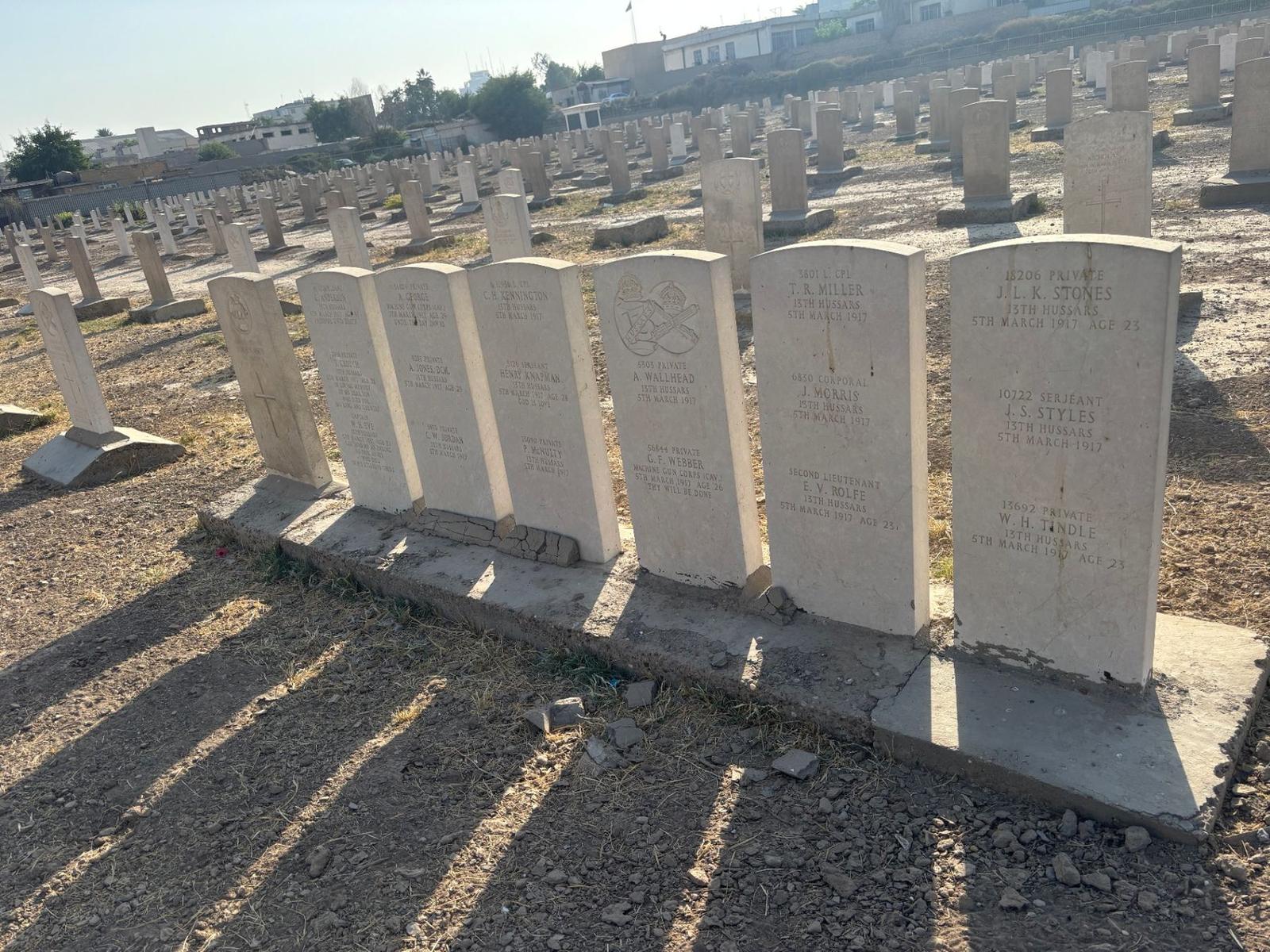
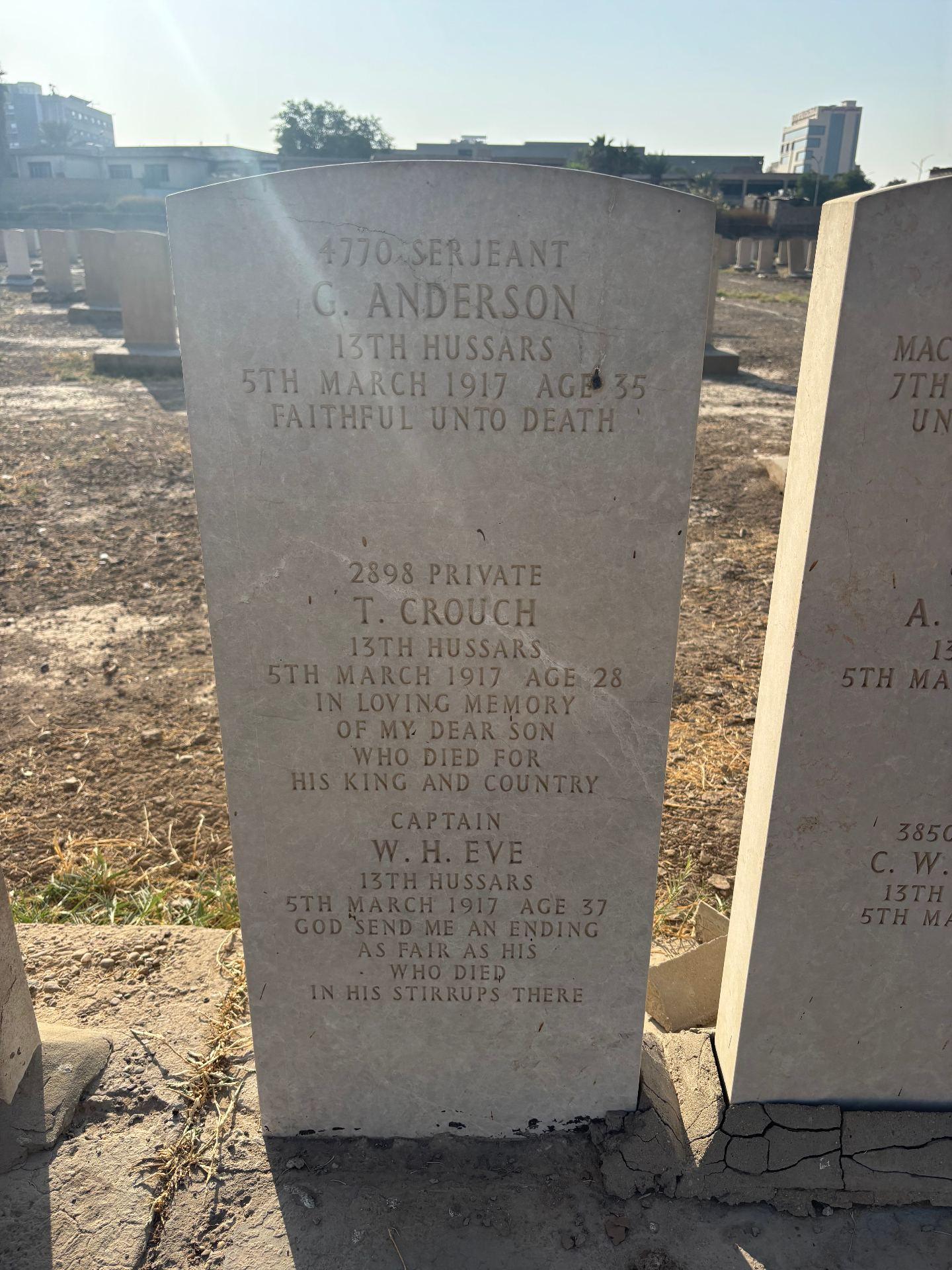
There are also a cluster of graves with shared burials suggesting commingled remains. These are all from a single action on March 5, 1917, the Battle of Lajj. The 13th Hussars, as part of the 7th Indian Cavalry Brigade, advanced toward Lajj where they encountered entrenched Turkish forces. Misinformed by a captured officer, they expected to collect prisoners but, instead, were met with heavy rifle fire. After an initial dismounted advance and a charge, the regiment became bogged down by the strength of the Turkish position. The Hussars were forced to dismount and fight on foot until the 6th Brigade was able to outflank the Turks, leading to their retreat. The regiment suffered heavy casualties at the Battle of Lajj, with nine officers and 77 other ranks killed.
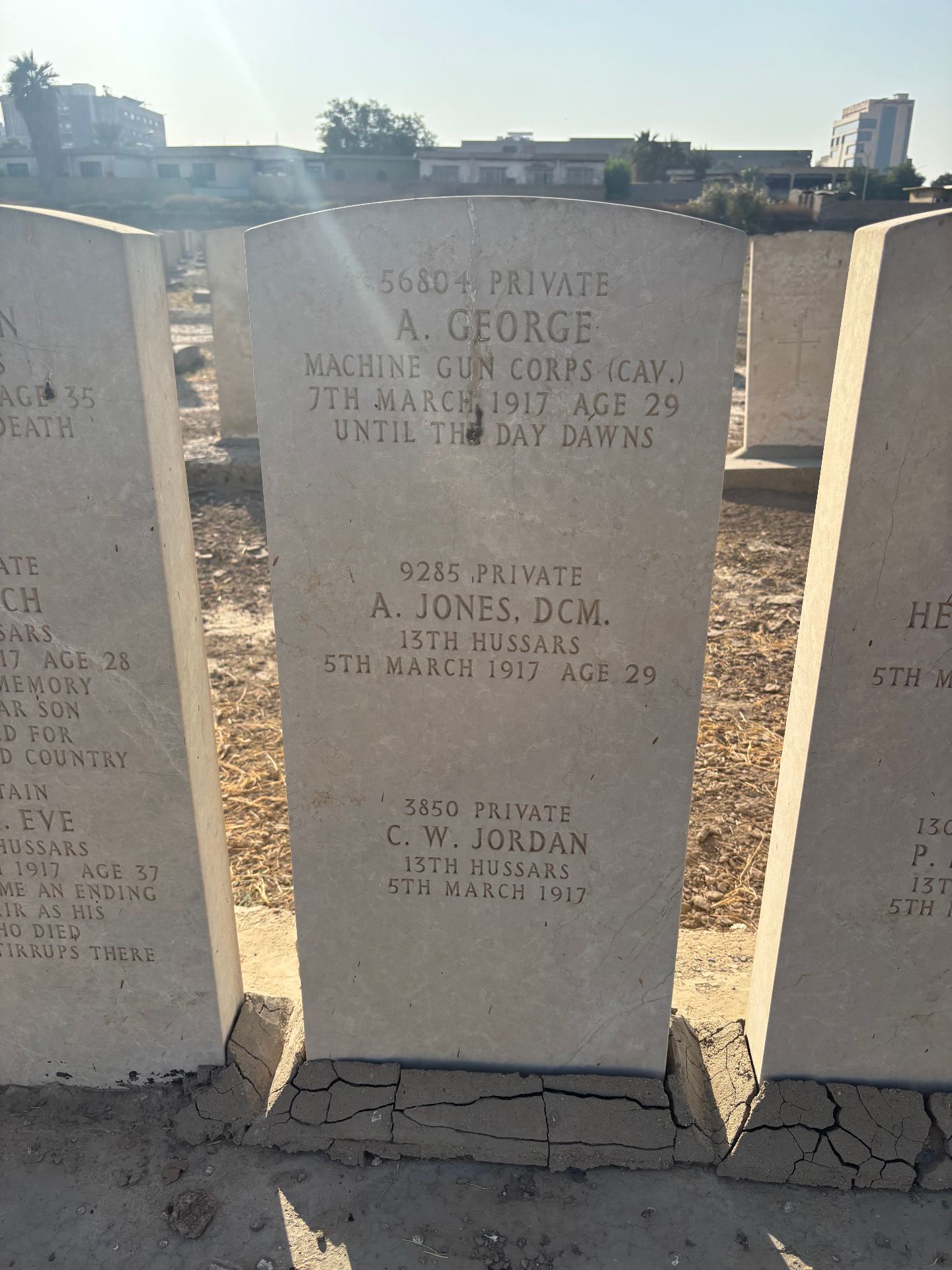
The First World War Indian Army deaths were not recorded or marked individually but the standard Hindu/Sikh and Muhammad memorials were erected in their stead. The remaining Indian Army Second World War graves are in a state of disrepair.
Notable Casualties
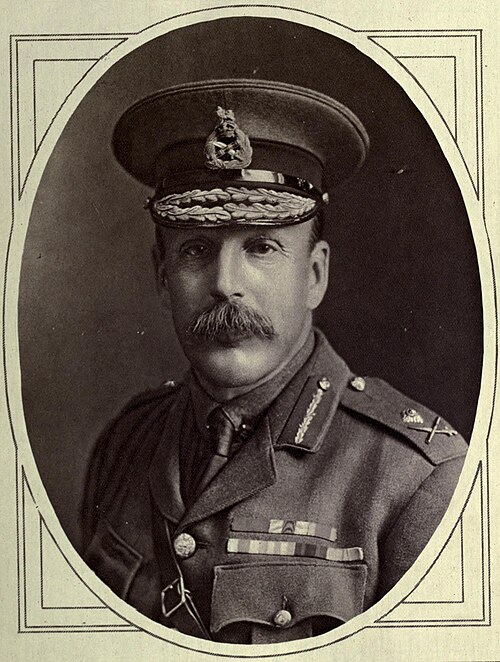
Lt-Gen Sir Frederick Stanley Maude
Lieutenant-General, Commander-in-Chief, Mesopotamian Expeditionary Force
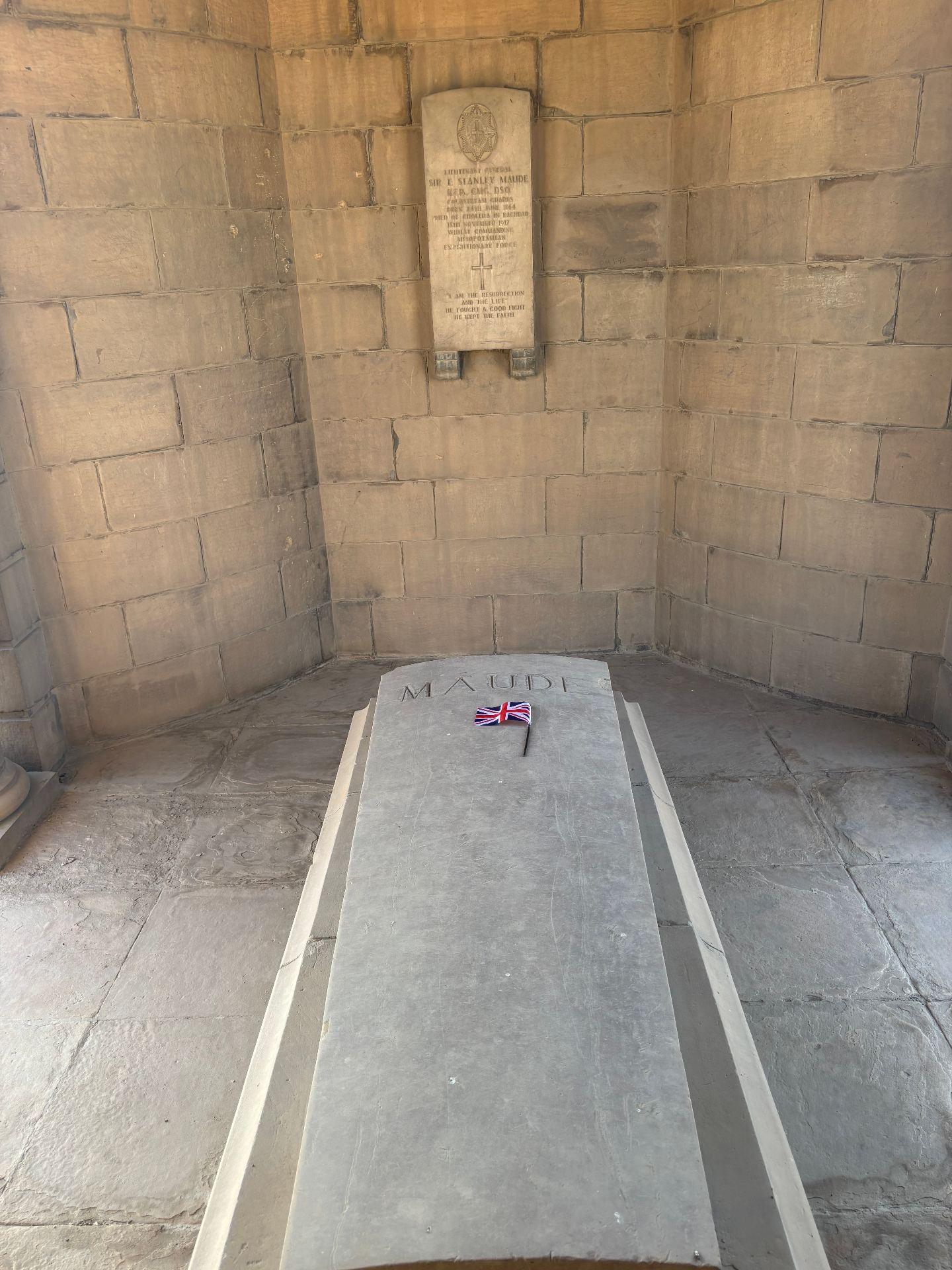
Commander-in-Chief of the Mesopotamian Expeditionary Force who led the successful capture of Baghdad in March 1917. Died of cholera eight months later.
Died of cholera, 18 November 1917
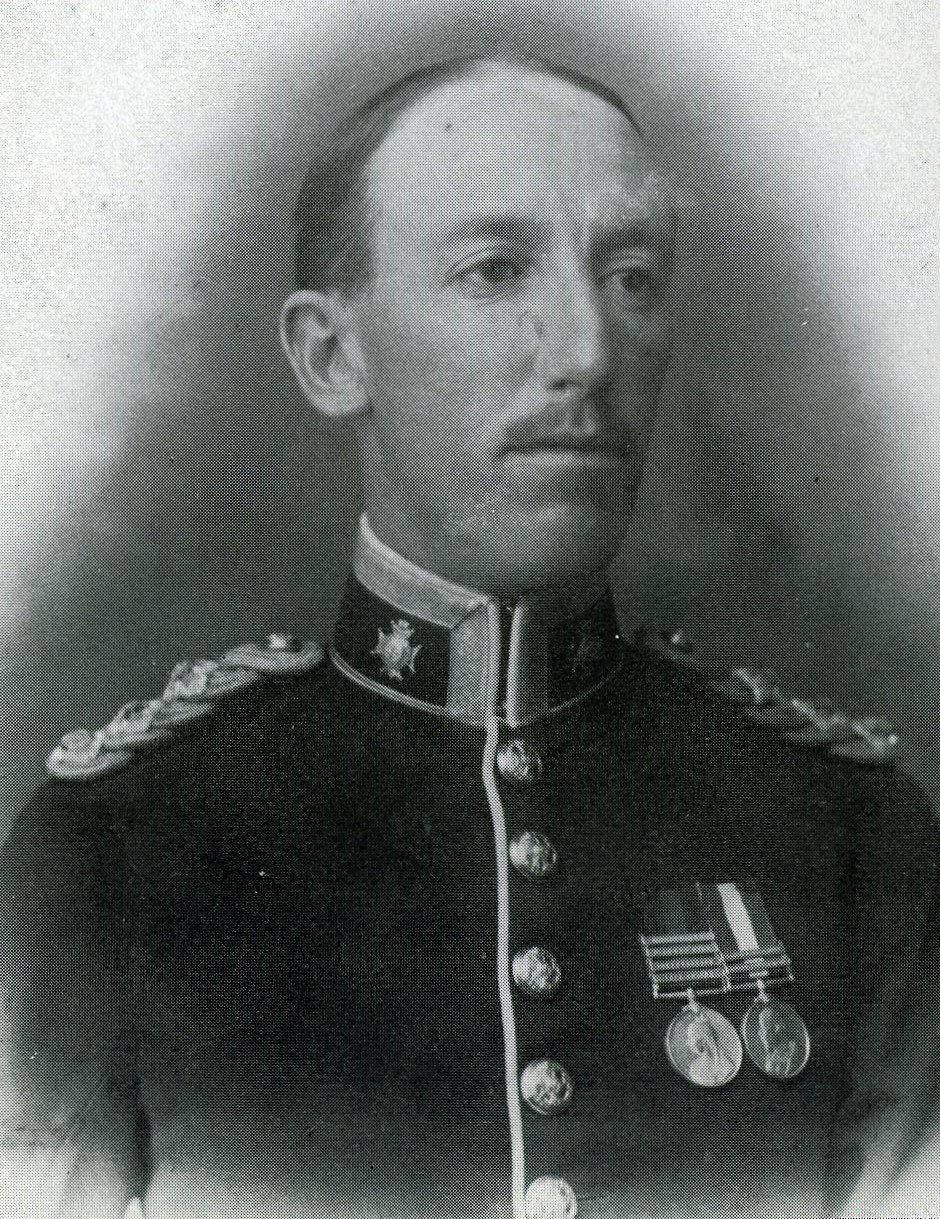
Lt-Col Gerard Evelyn Leachman
Lieutenant-Colonel, Royal Sussex Regiment (Political Officer)
Distinguished Political Officer killed during the 1920 Iraqi Revolt. Leachman was a legendary figure in the region, known for his deep knowledge of Arab tribes and culture.
Killed during the 1920 Iraqi Revolt, 12 August 1920
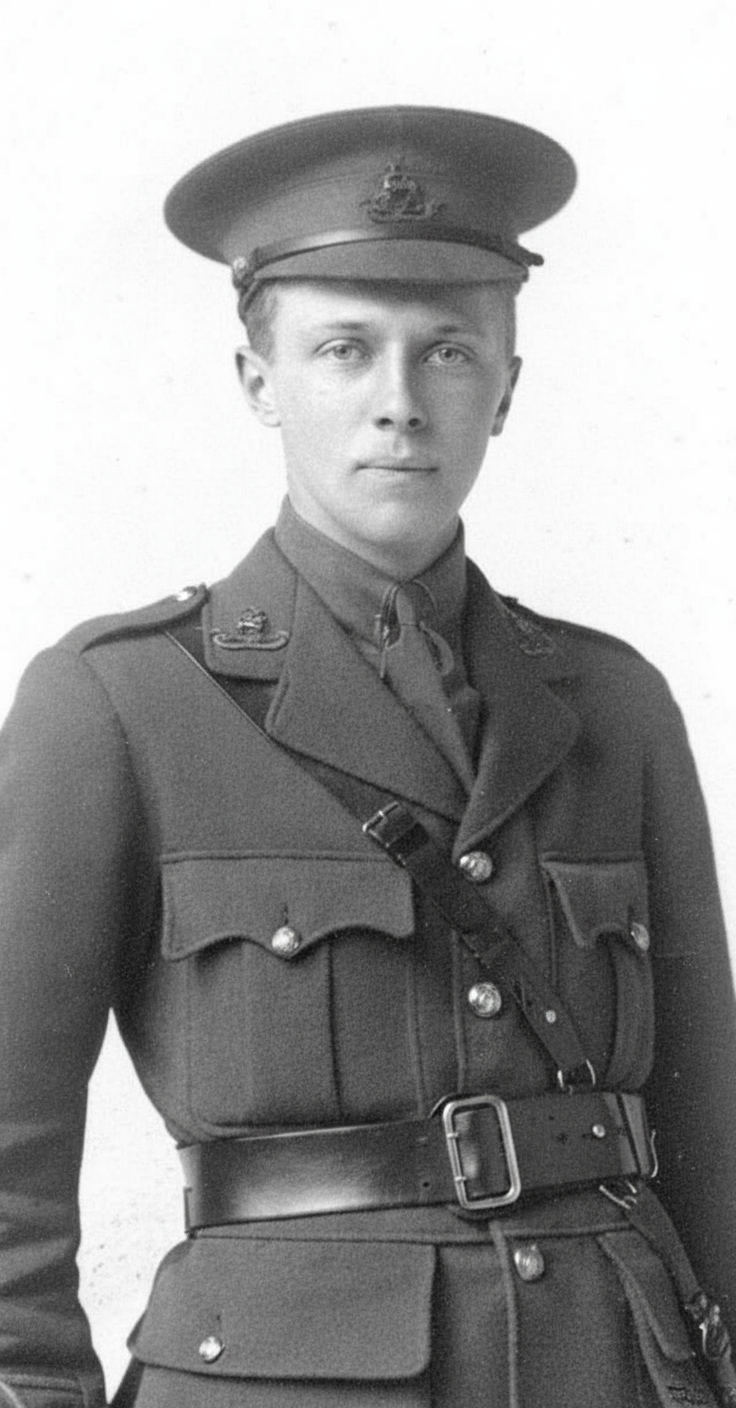
Capt Alfred Christopher Pearson
Captain, 9th Royal Warwickshire Regiment (Assistant Political Officer, Zakho)
Assistant Political Officer serving in Zakho who was killed in the aftermath of WWI during the turbulent transition period.
Killed 4 April 1919
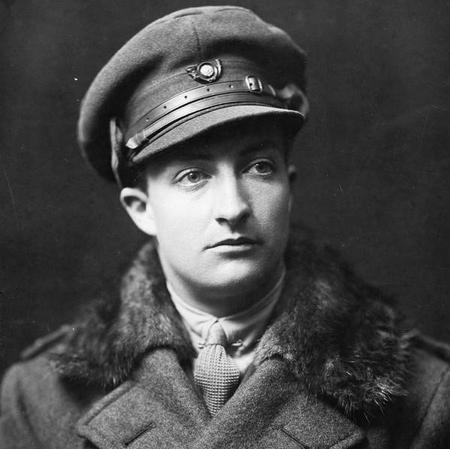
Flt Lt Edmund Roger Tempest
Flight Lieutenant, No. 216 Squadron RAF
WWI ace with 17 victories
Decorated RAF ace with 17 aerial victories during WWI. Died from injuries sustained when his Airco DH.10 crashed on take-off at West Baghdad while serving with No. 216 Squadron RAF.
Died 17 December 1921 from crash injuries
Memorials
The cemetery features a number of memorials, including those that were moved there from other locations and also representing reburials from other cemeteries or those buried elsewhere. These are not listed on the cemetery map on the CWGC website, which has not been updated for some considerable time. Memorials located there include:
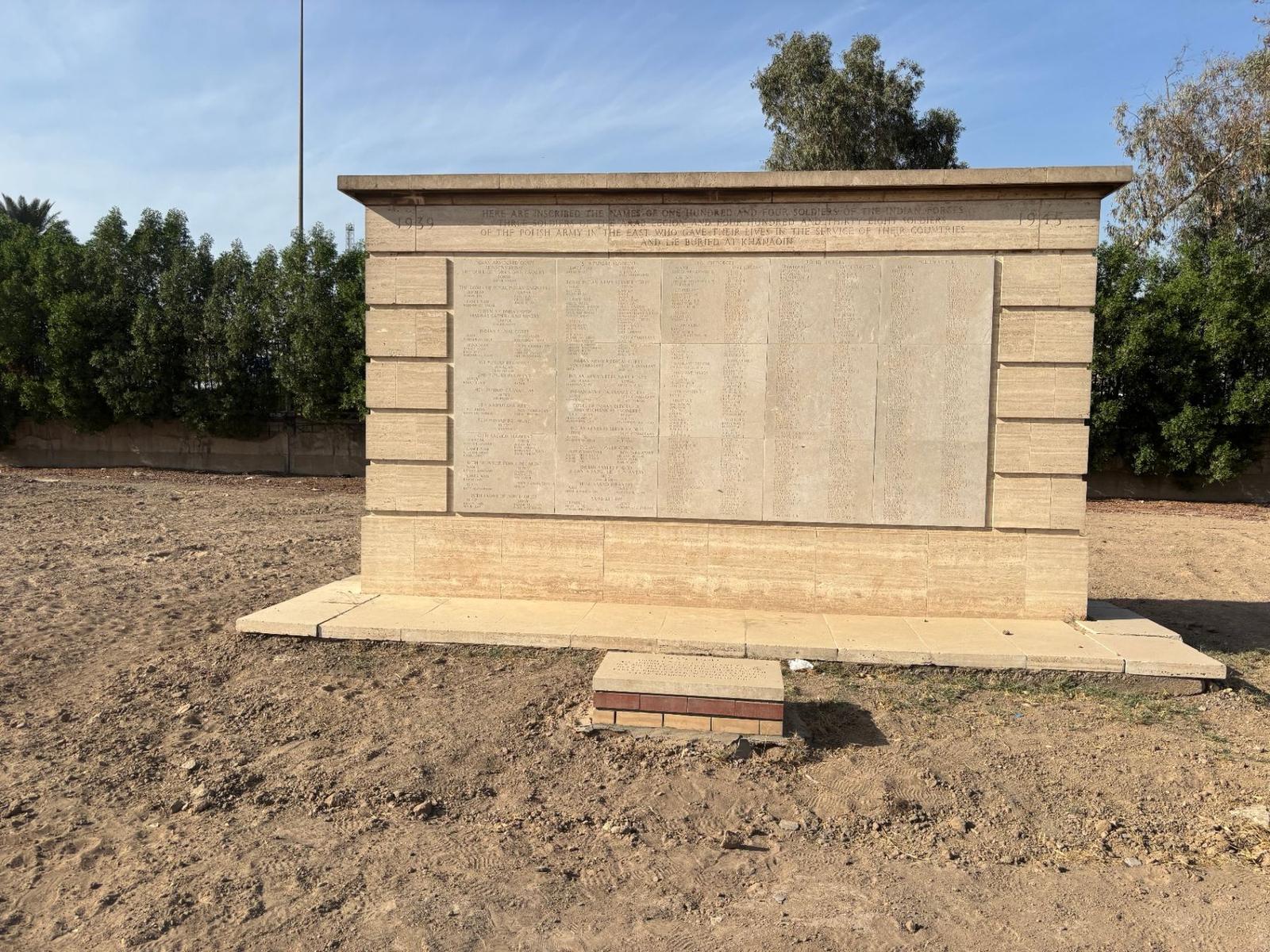
Khanaqin Memorial
With the names of those buried in Khanaqin War Cemetery (abandoned in the 1960s).
View Khanaqin War Cemetery page →
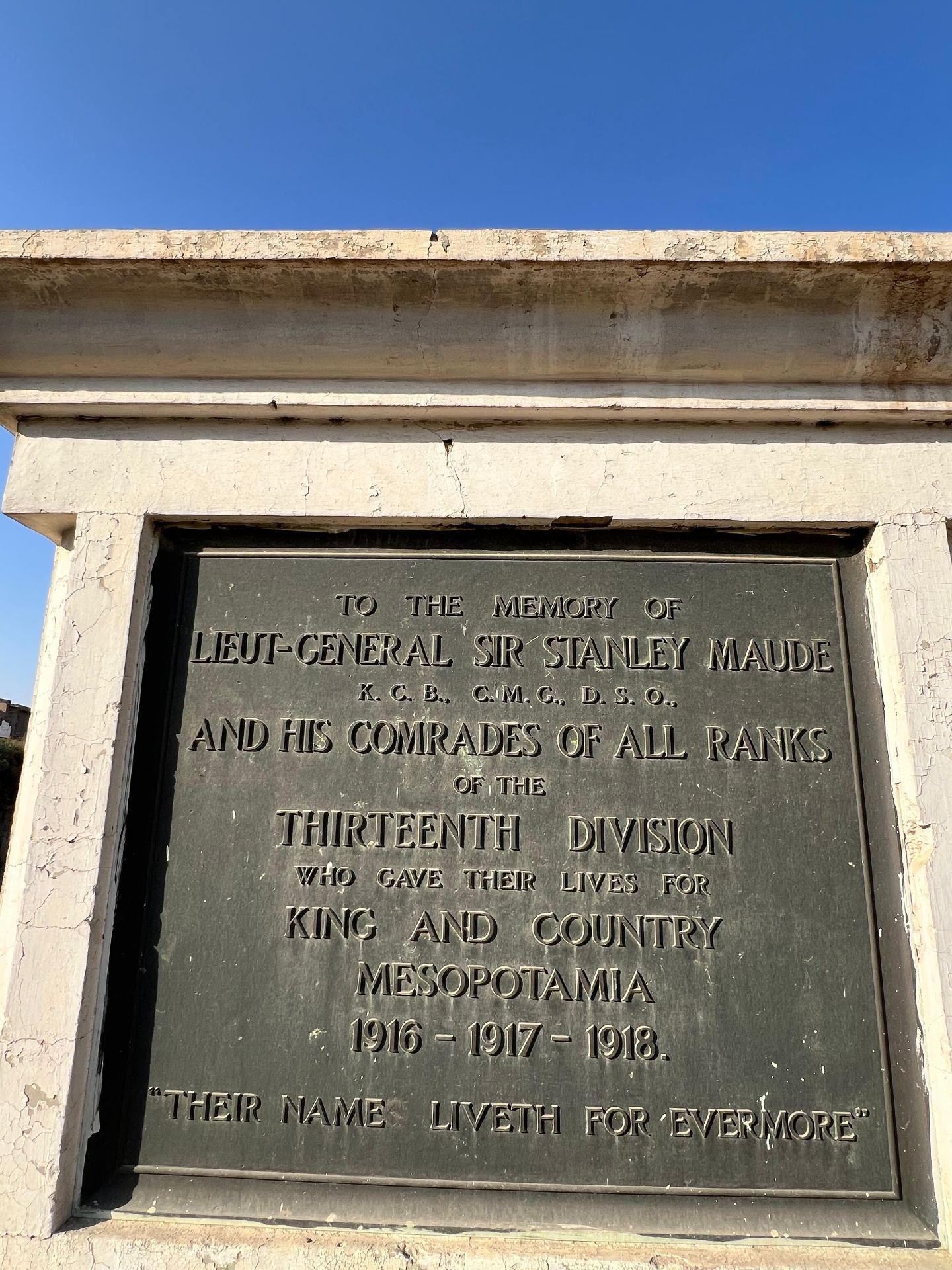
13th Division Memorial
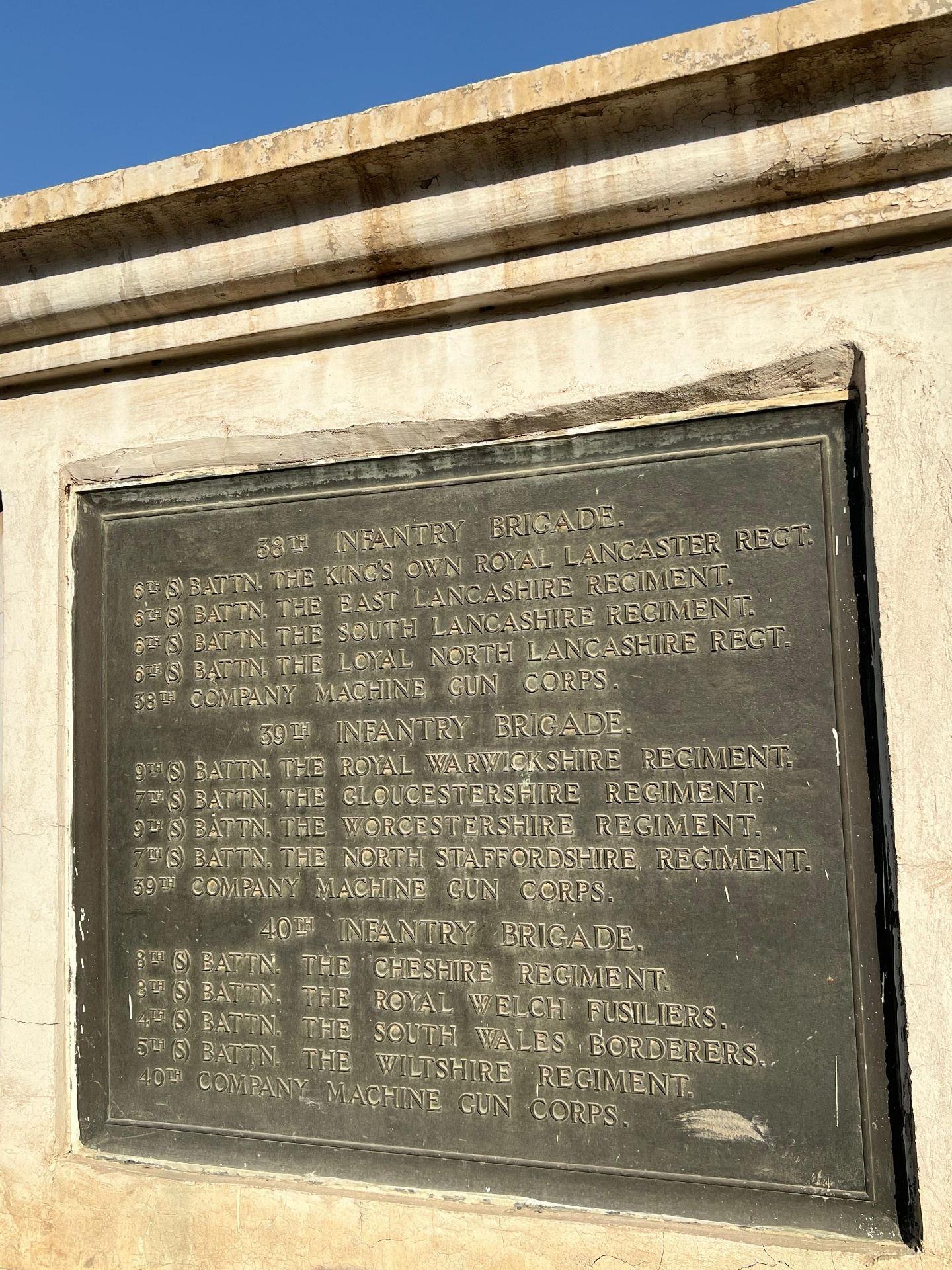
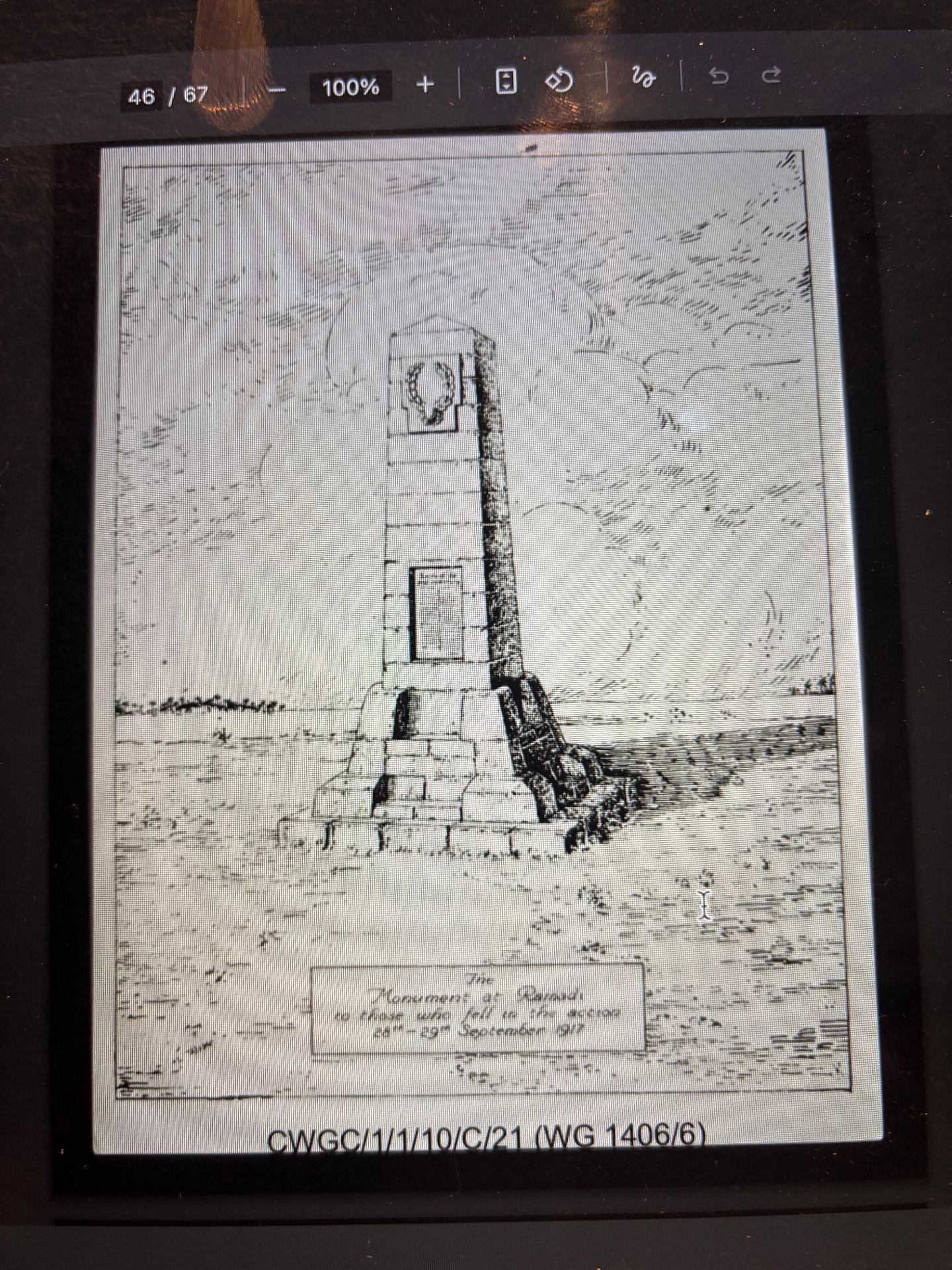
15th Division Memorial
Unit memorial.
General Maude's Tomb
The grave of Lieut-General Sir Frederick Stanley Maude, commander of the Mesopotamian Expeditionary Force, who captured Baghdad in March 1917 and died of cholera in the city on 18 November 1917. He is buried at Baghdad Northgate.
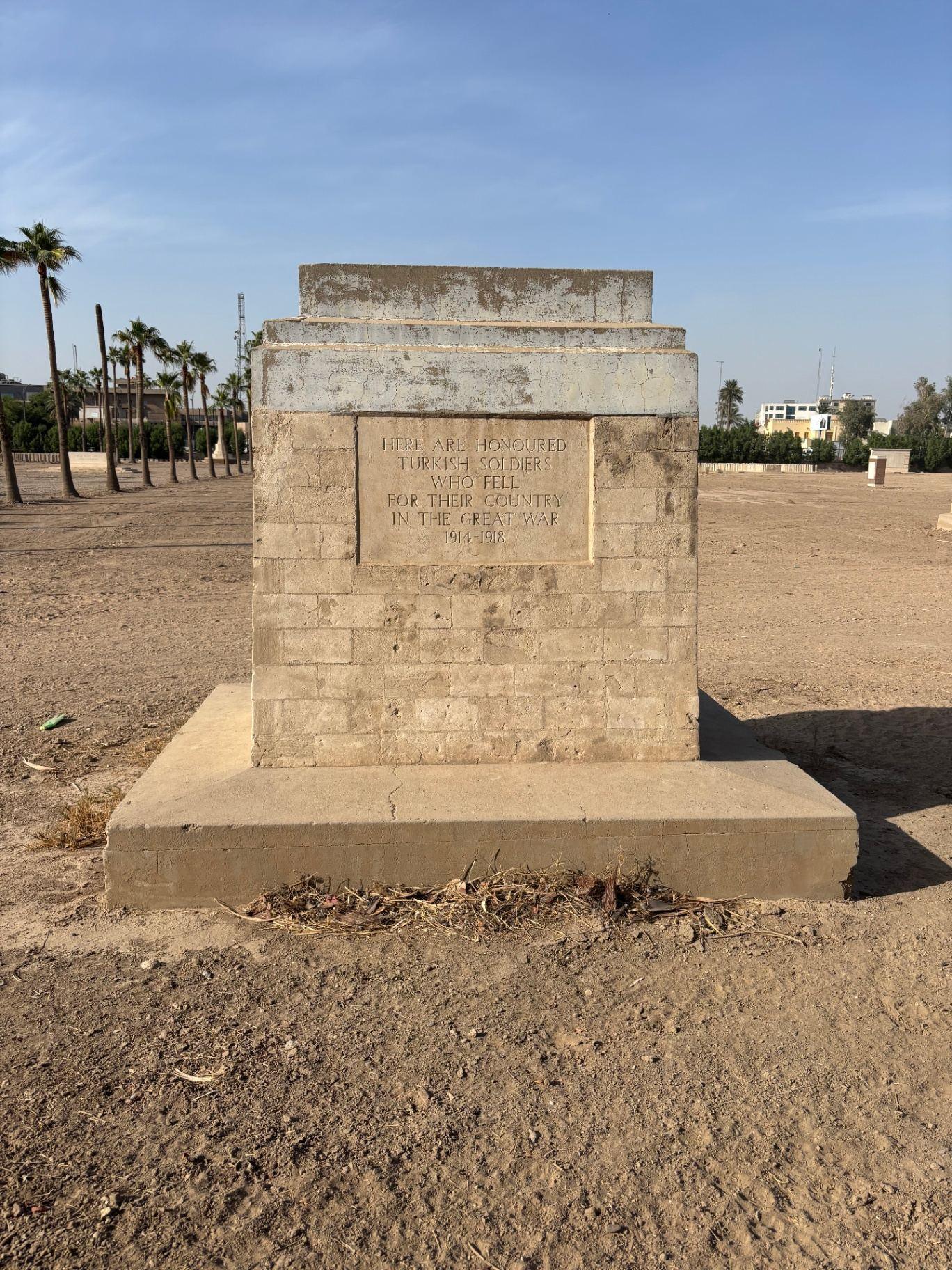
Turkish POW Memorial
Memorial to Turkish prisoners of war.
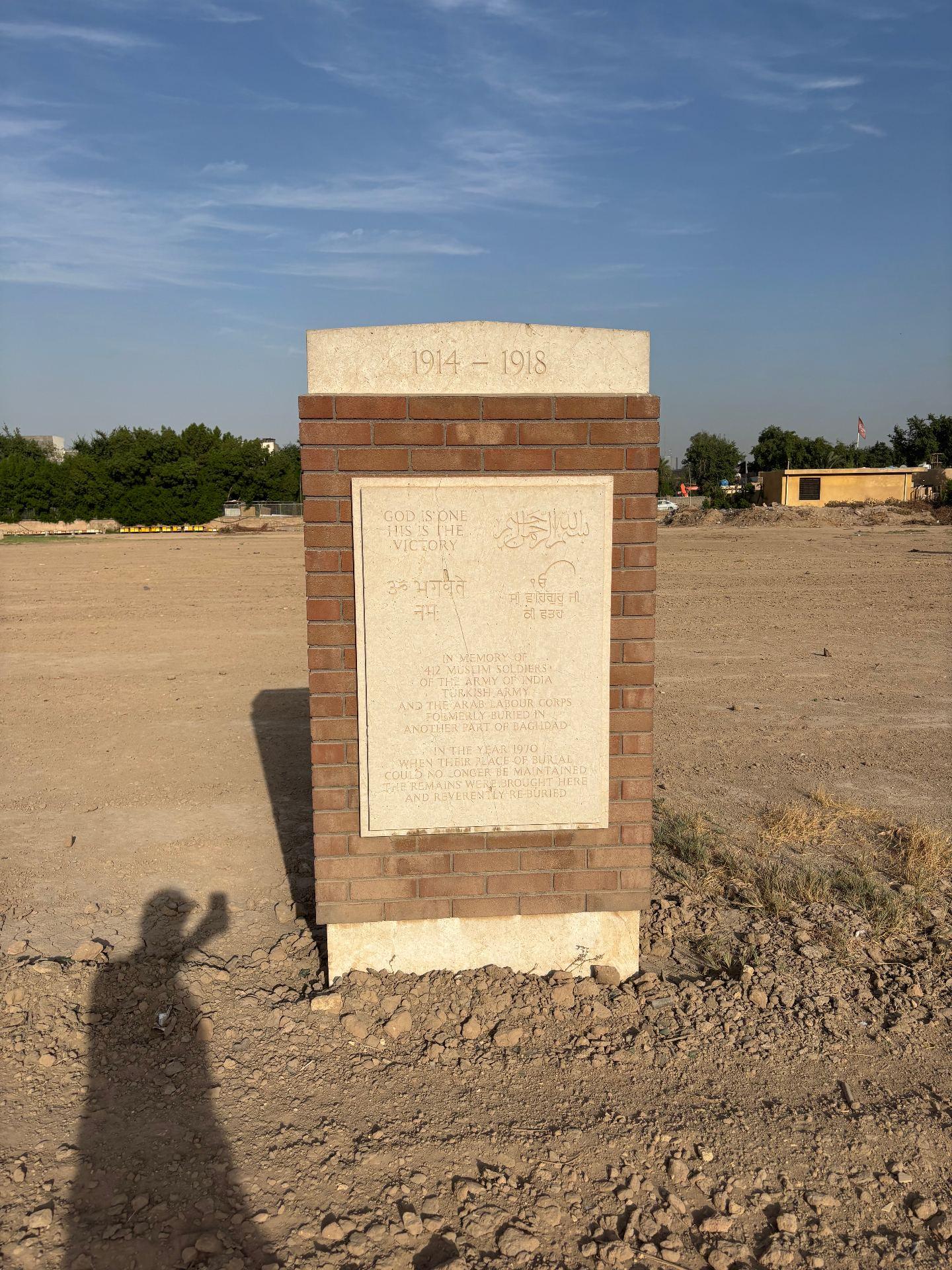
Memorial to 412 Muslim Indian Army, Turkish and Arab Labour Corps casualties
Their remains were moved to Northgate in 1970.
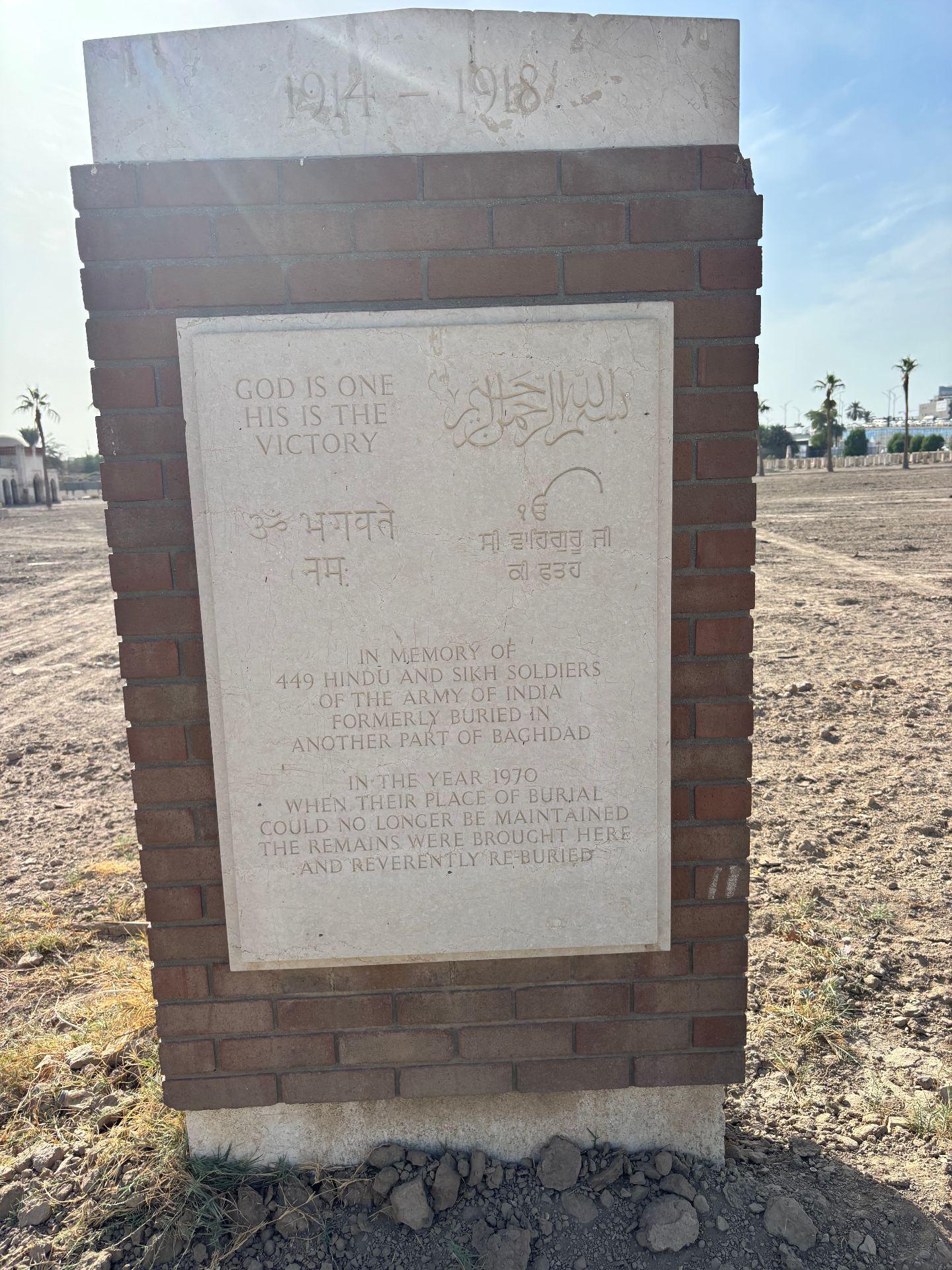
Memorial to 449 Hindu and Sikh soldiers of the Indian Army
Their remains were moved to Northgate from another cemetery in Baghdad in 1970.
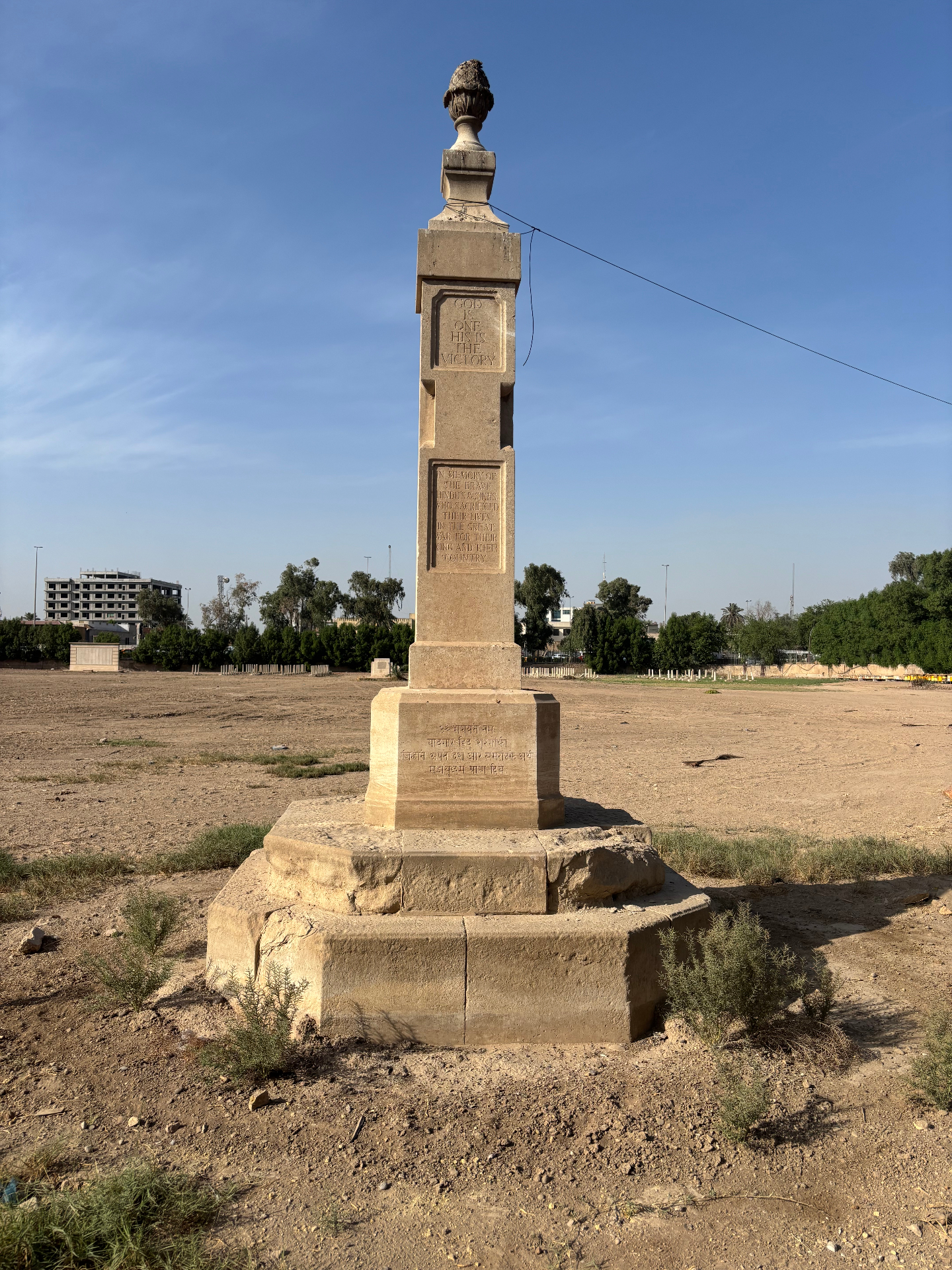
Standard Muslim and Hindu/Sikh Memorials
This same design was used in Amara (now gone), Basra Indian Army War Cemetery, Alwiya, and Mosul War Cemetery (still there but disassembled and lying in a pile), and mark the mass graves of Indian Army casualties who were not afforded individual graves.
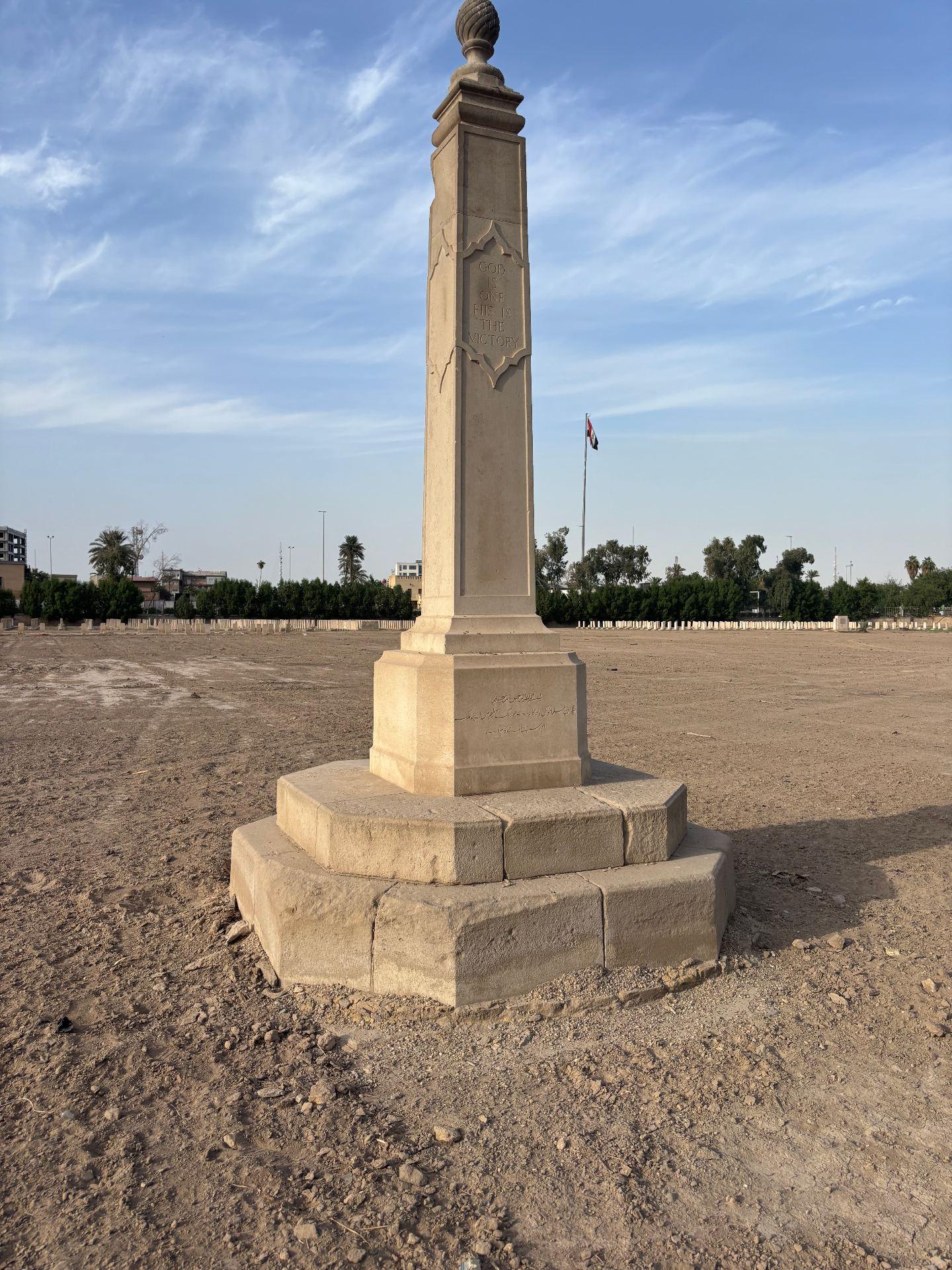
Memorial to British Officers and men captured at Kut
Interred at Northgate; men who died on the way to Turkish POW camps or whilst there.
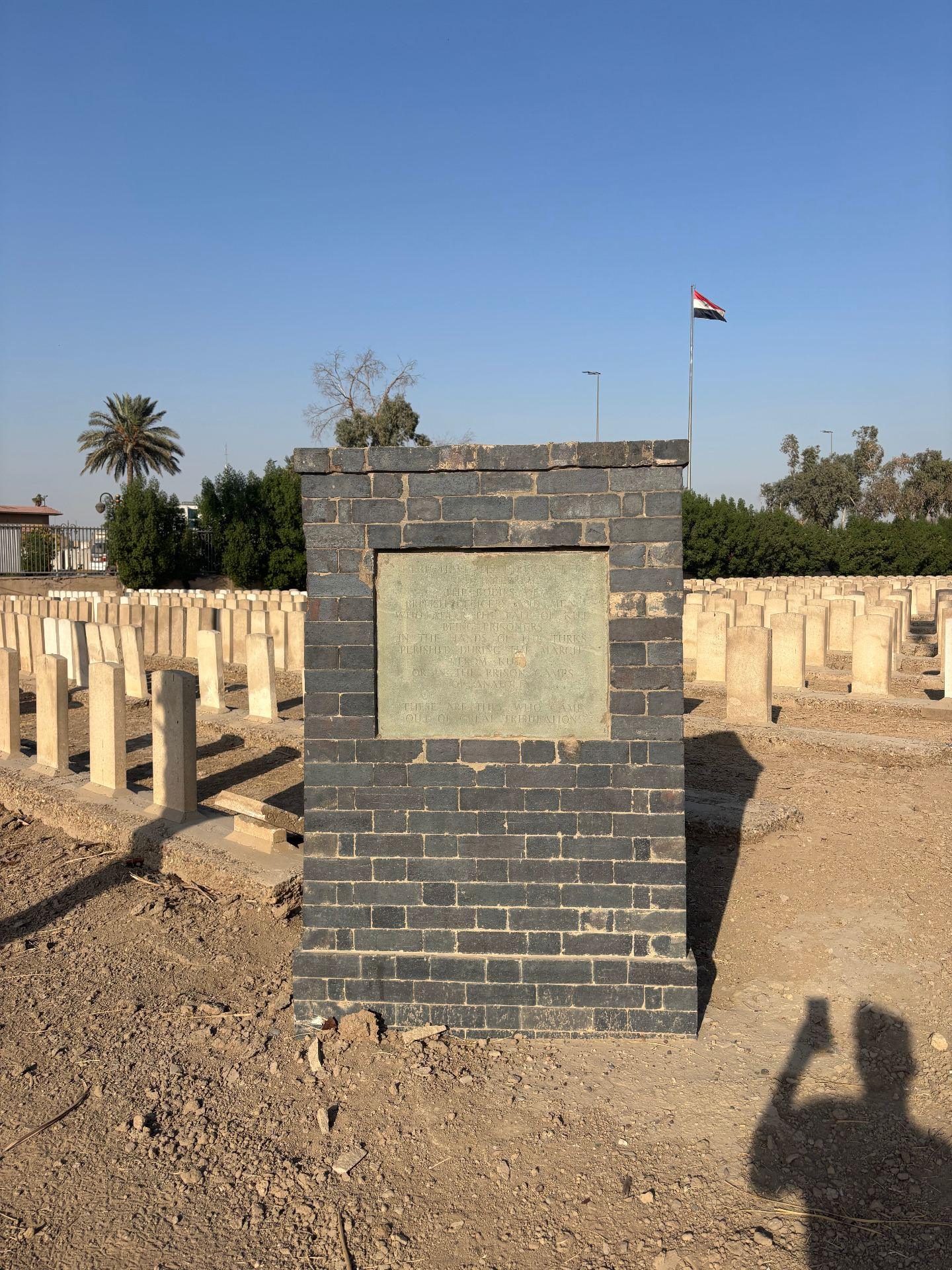
Memorial to Indian Army soldiers from Samara War Cemetery
Erected in 1955.
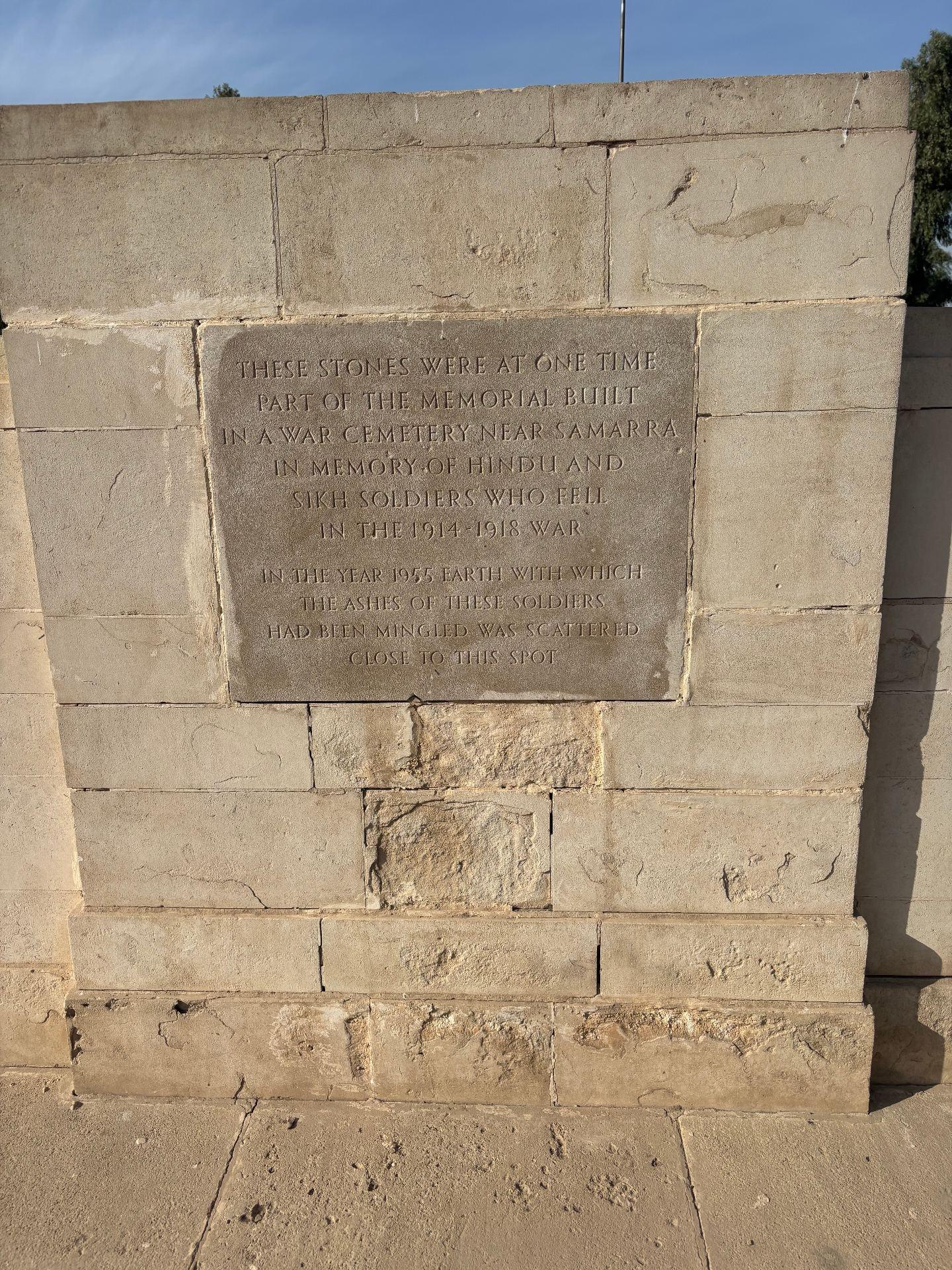
Memorial to Muslim soldiers from Samara War Cemetery
Reburied in Northgate, erected in 1955.
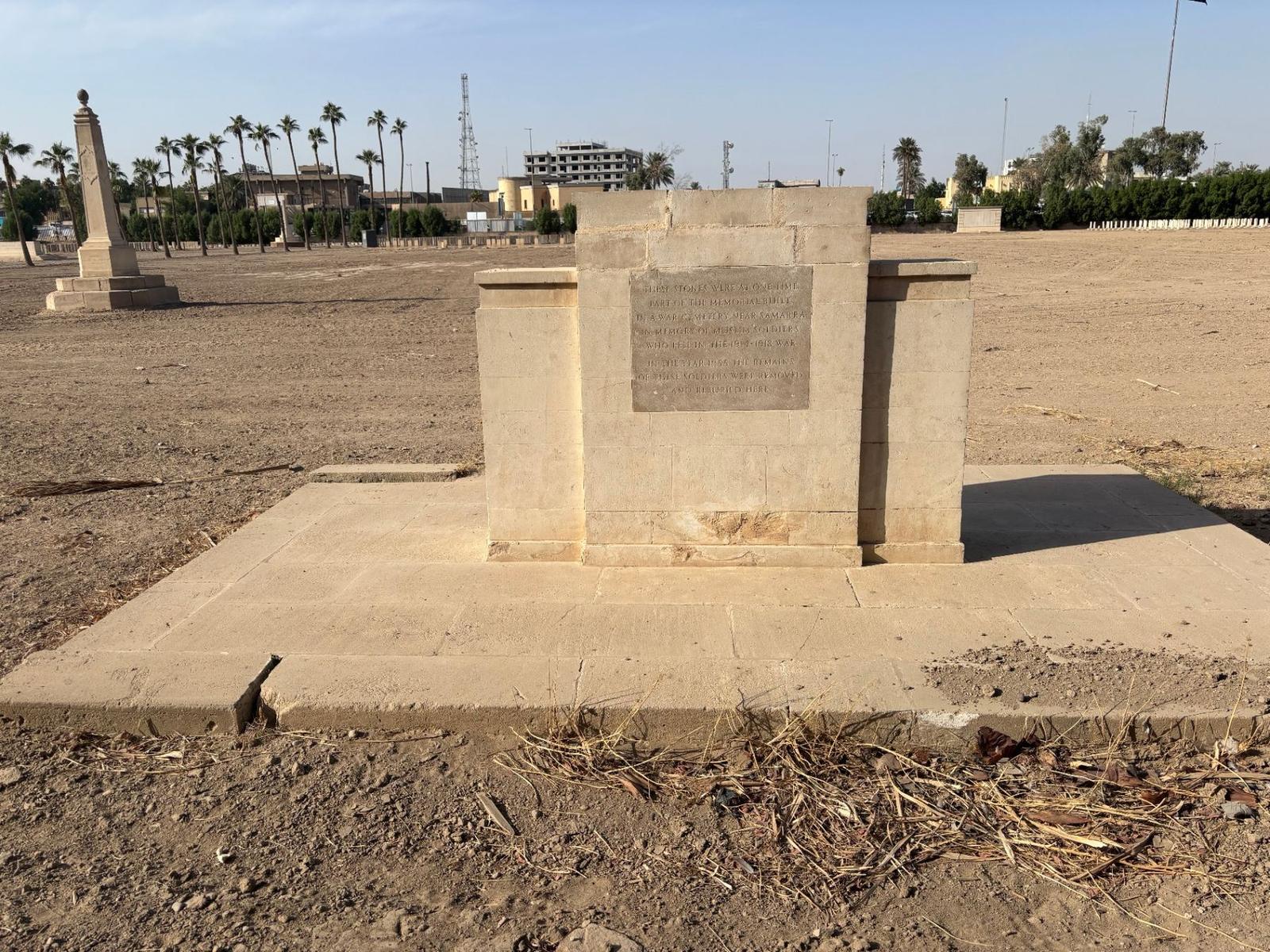
Memorial to the 6th Battalion Loyal North Lancashire Regiment
Fell attacking Ottoman forces on the Diyala River during March 8-12th 1917; brought into the cemetery from the banks of the Diyala River in 1947 (unit memorial).
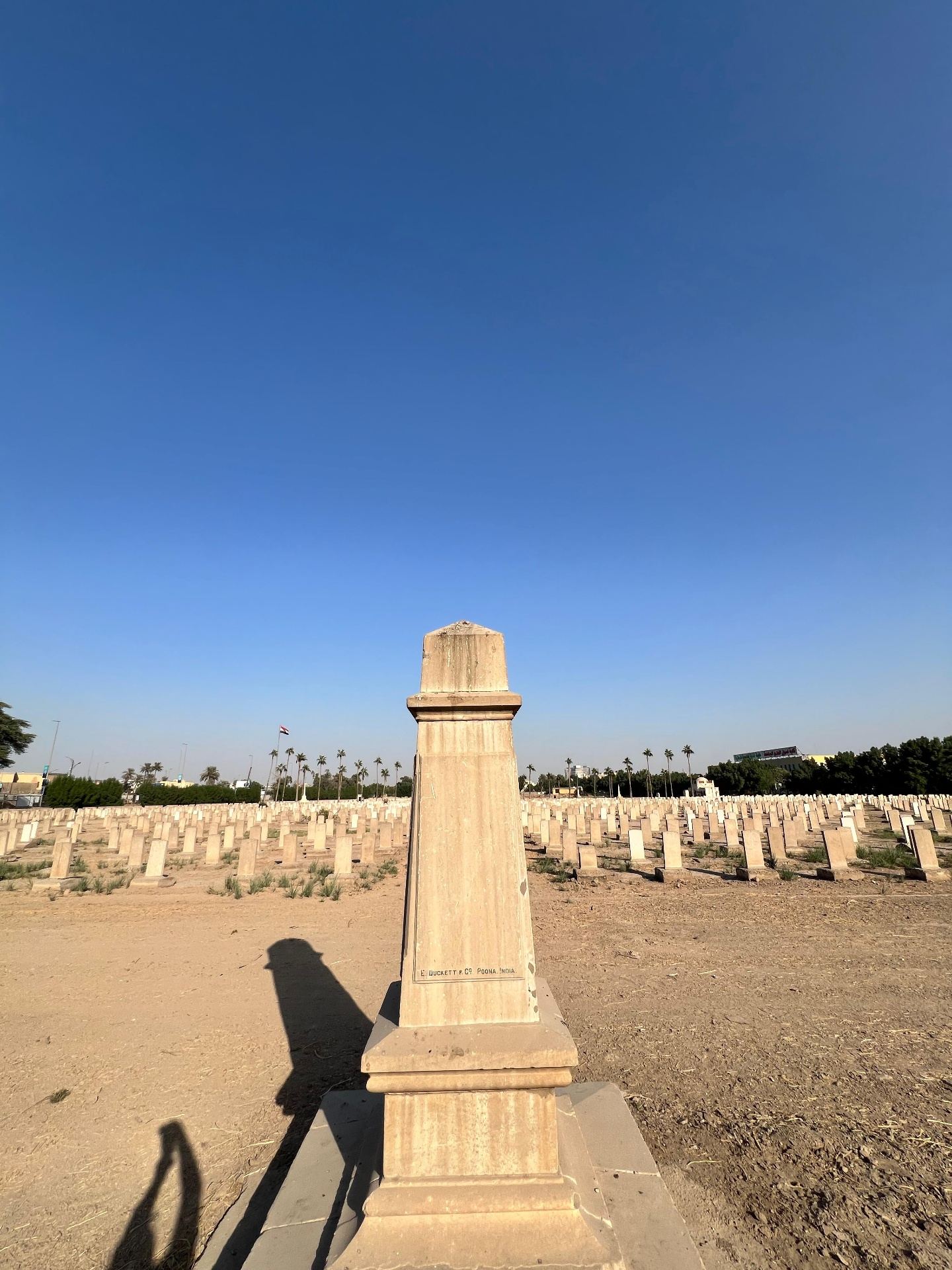
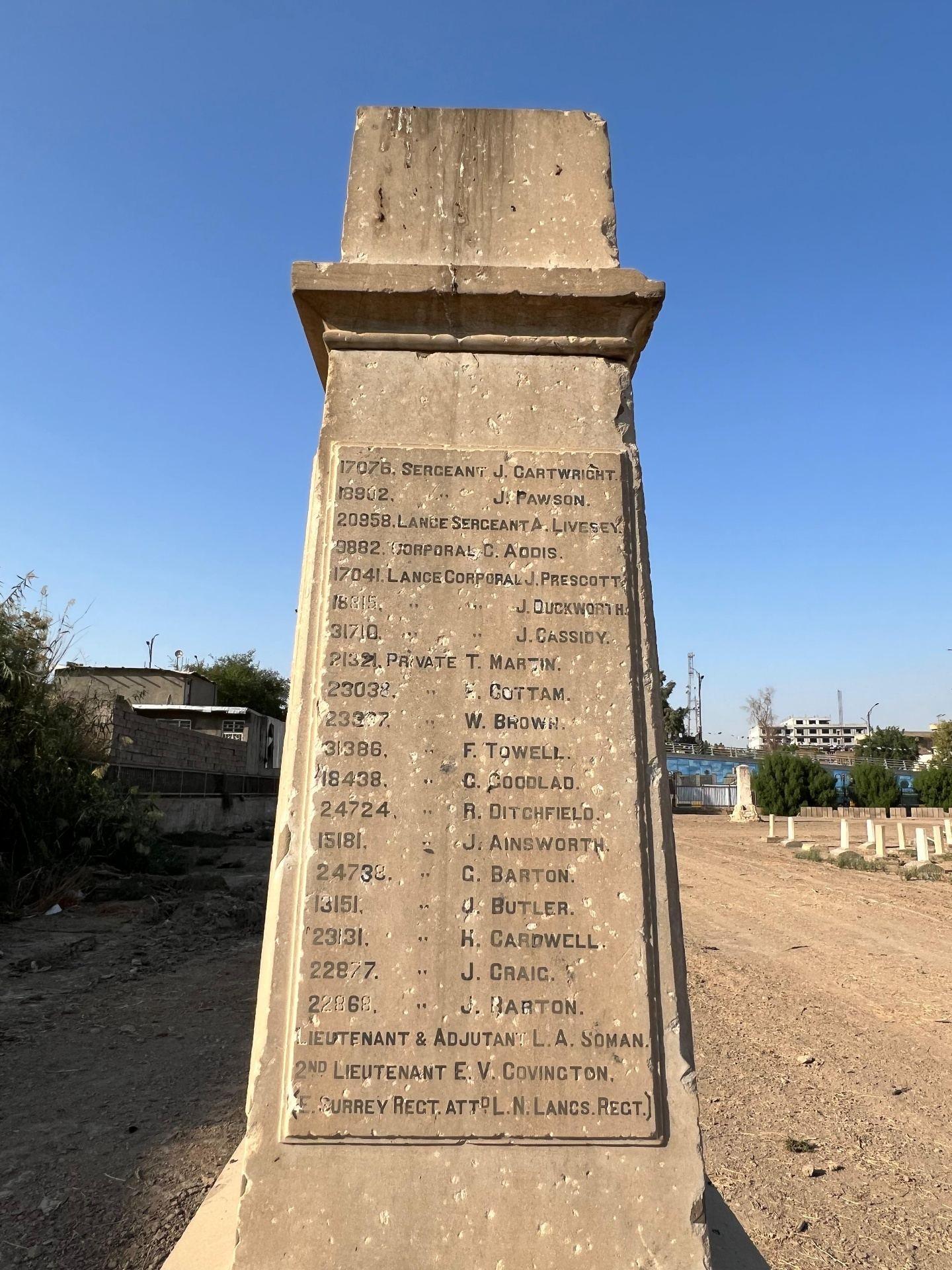
Memorial to 29 Officers and men of the Indian Army killed at Samawah Station 1920
Killed during the Iraqi Revolt; originally placed behind the 13th Division Memorial but now gone.
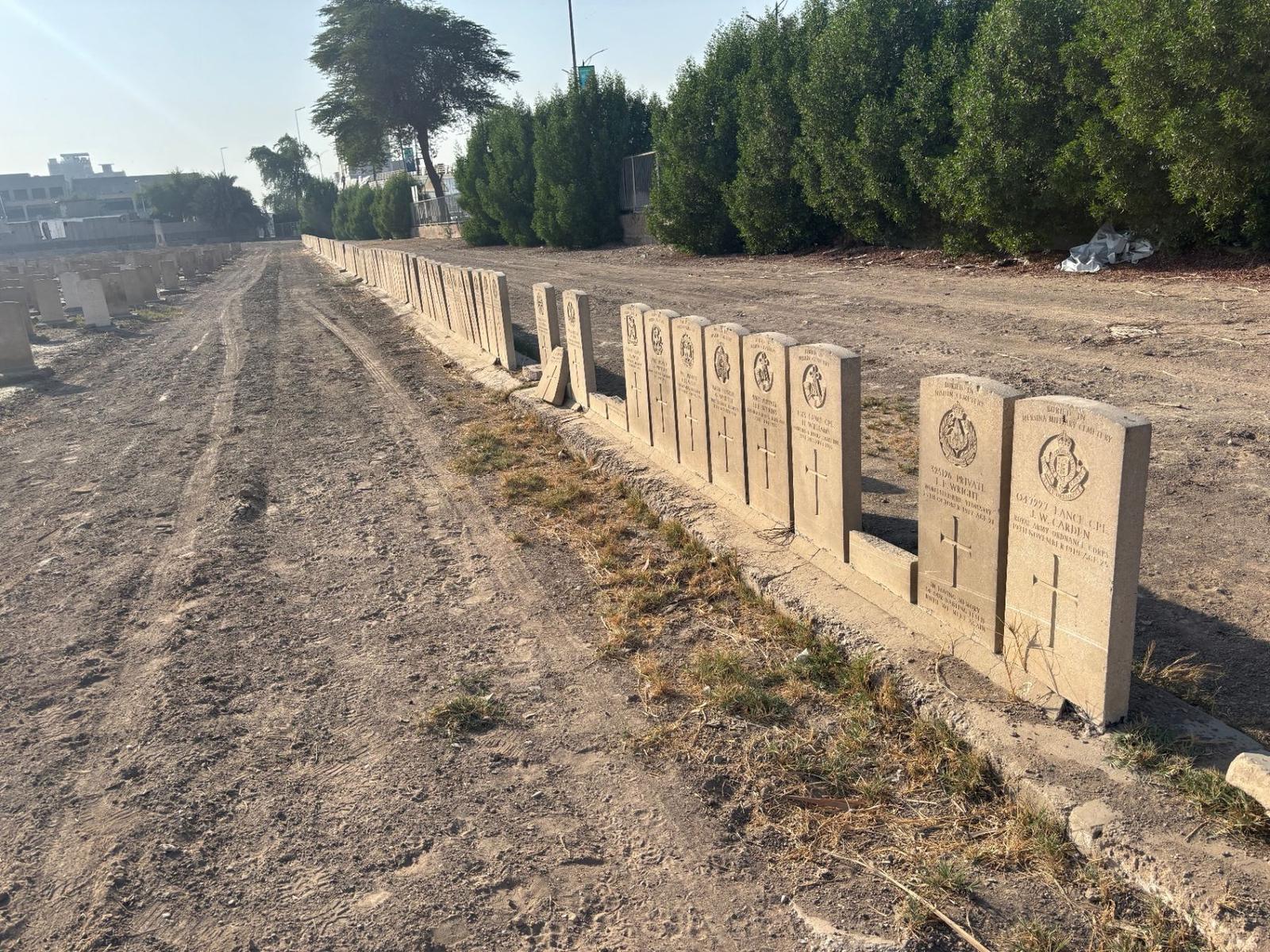
Row of memorials to men who died in POW camps in Turkey
Each is identified as being buried at one of Angora (today Ankara), Nisibin (Nusaybin) (then in the Vilayet of Diyarbekir), Mersina (Mersin), Bozanti (Bosantii/Pozantı) and Islahie Cemeteries.
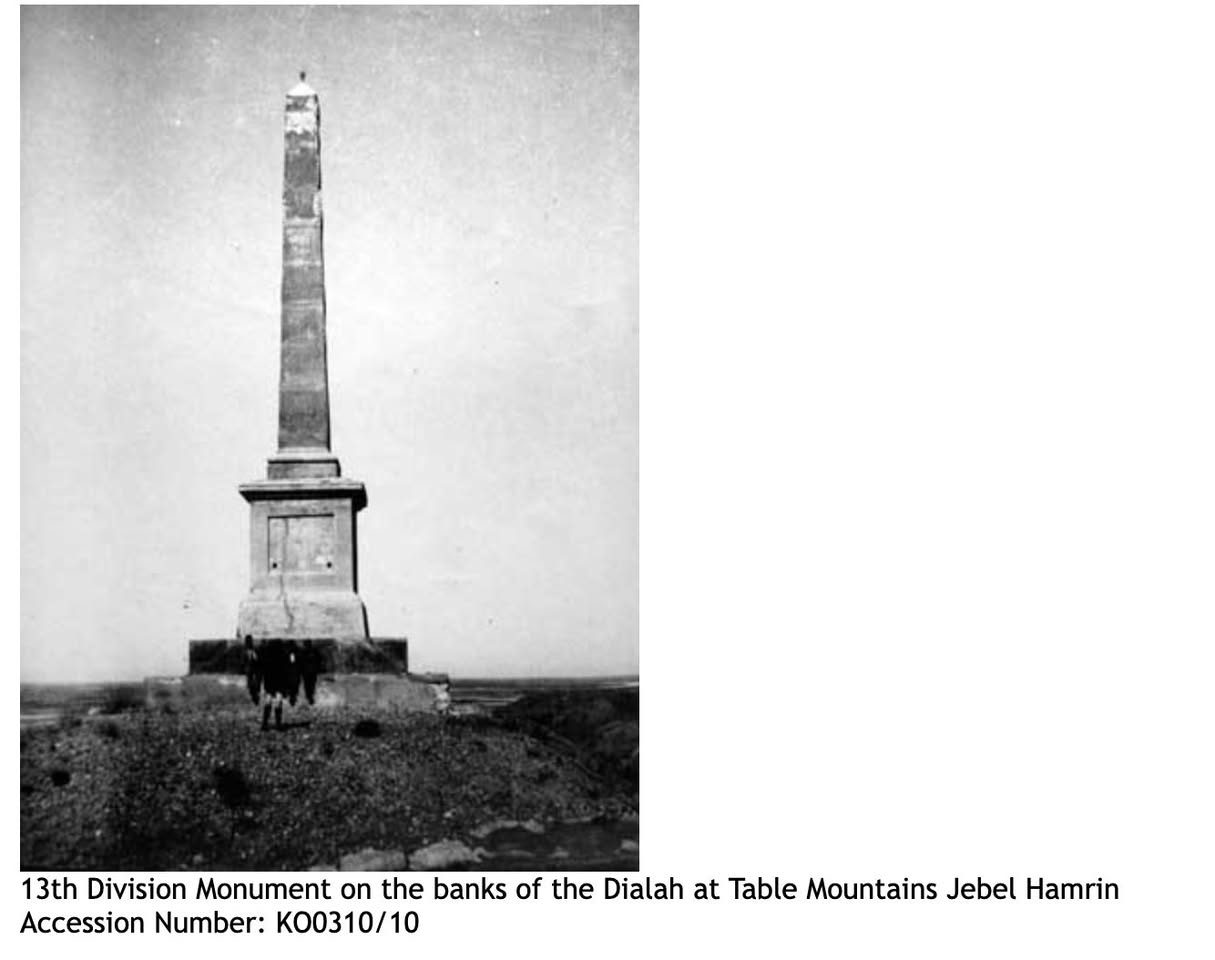
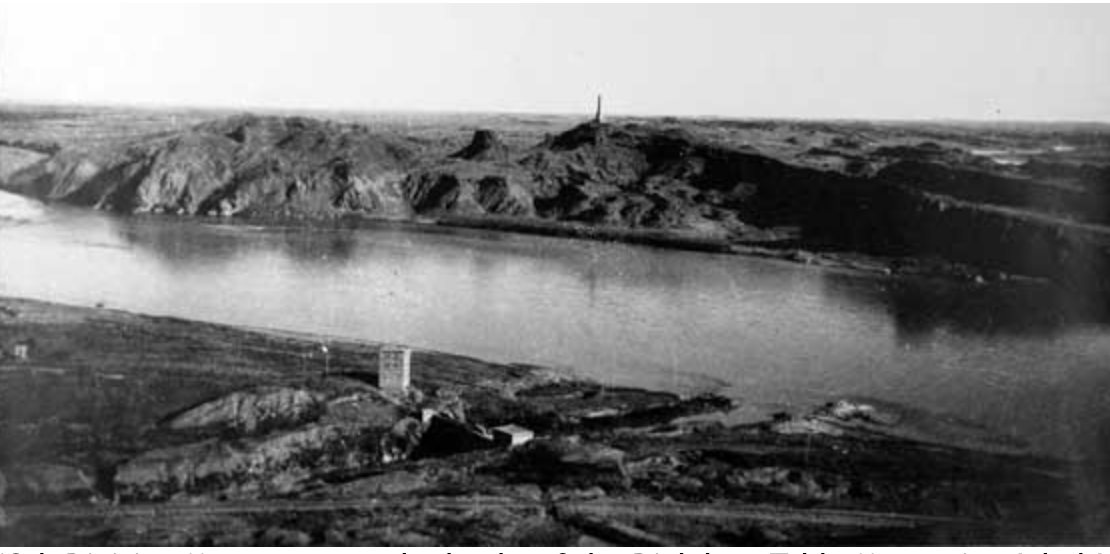
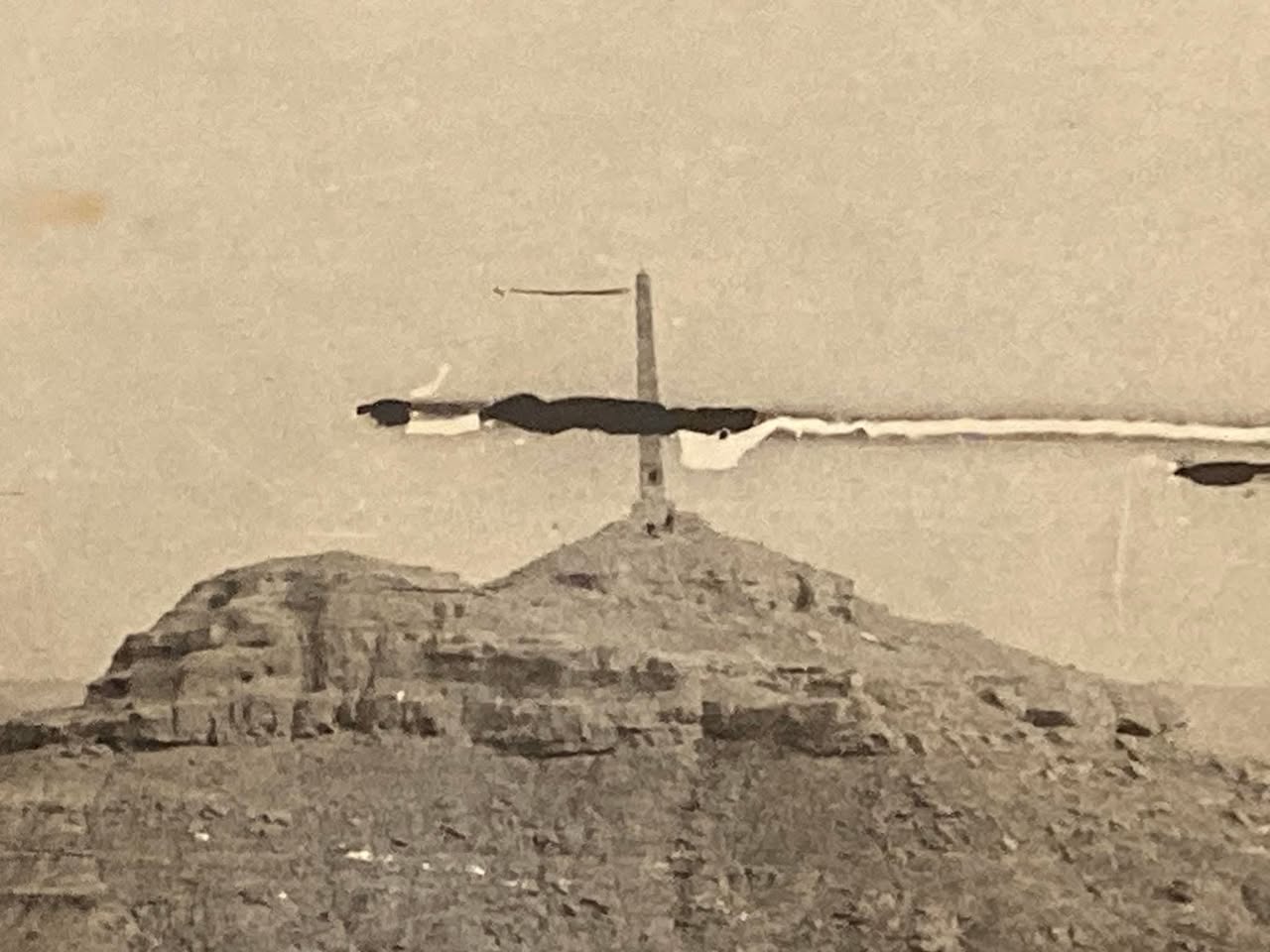
The lost memorial to the 13th Division on the Diyala River
There were once two monuments on the Diyala River, one for the British and the other for the Ottomans. They stood opposite each other. In the 1980s, one of Saddam Hussein's commanders, Ali Hassan al-Majid, visited the site. He saw the monument and asked what it was. They told him it belonged to the British, so he ordered it demolished. Now only the base remains. The fate of the Ottoman one is unknown.
Visual Documentation
Admin upload portal for panoramas, videos and photos.
360° Panoramic Views
360° Panoramas Coming Soon
We’re preparing immersive 360° views. Once your panoramic files are ready, we’ll publish them here.
Cemetery Plan
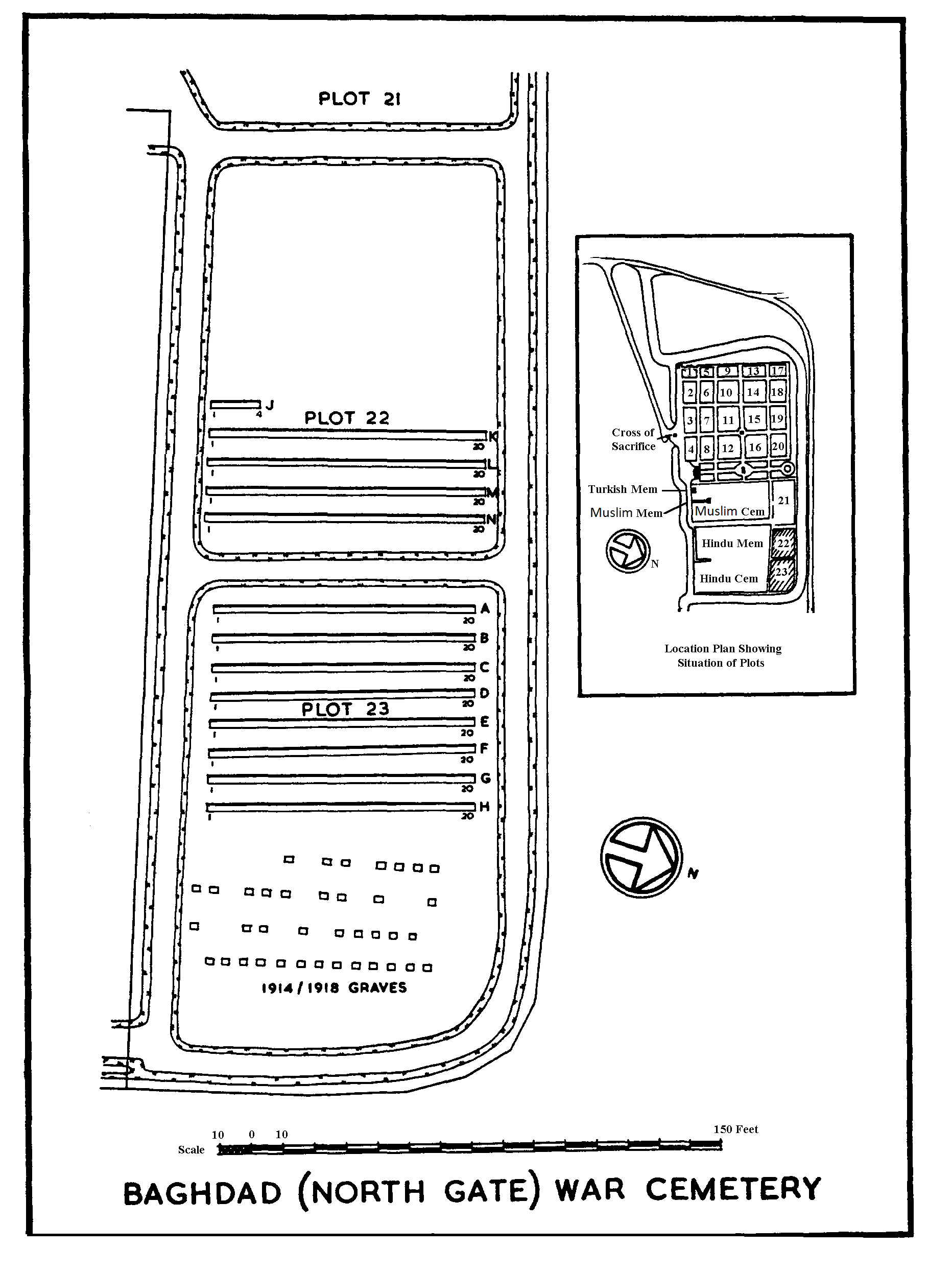
Historical cemetery plan showing the layout of Baghdad North Gate War Cemetery, including Plots 21, 22, and 23, the 1914/1918 graves section, and the locations of the Cross of Sacrifice, Turkish Memorial, Muslim Memorial, Hindu Memorial, and Hindu Cremation area.
Watch the films from this site
Each film recorded at this location has its own page with the full footage, background notes and links to the surrounding cemeteries.
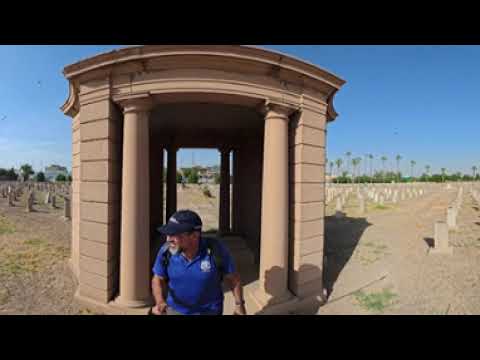 Baghdad Northgate Cemetery, East Side Walkthrough7:53 film
 Baghdad Northgate Cemetery, West Side Walkthrough4:54 film
 Baghdad Northgate Cemetery, western side walkthrough7:53 film
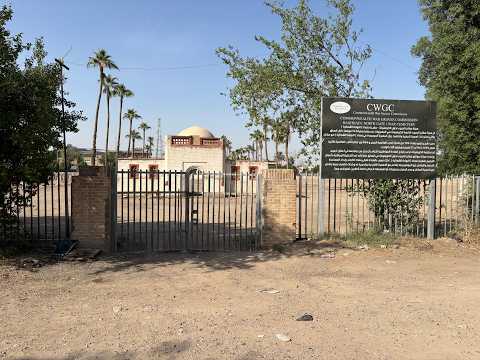 Baghdad Northgate Cemetery, eastern side film4:54 film
 Baghdad Northgate Cemetery and the Khanaqin Memorial1:52 film
 Baghdad Northgate War Cemetery, Plots 22 and 234:55 film
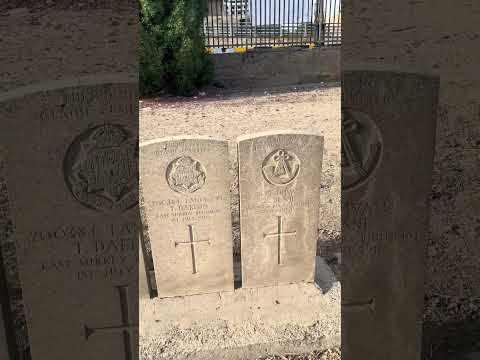 Baghdad Northgate, the row of prisoner of war memorials1:55 film
Planning a visit: quick answers
- Can you visit Commonwealth war cemeteries in Iraq?
- Yes. Basra War Cemetery, the Basra Memorial to the Missing, Amara War Cemetery and Baghdad North Gate War Cemetery can all be visited, but access varies by site and usually needs advance arrangement, a local guide and, in some cases, permission from the authorities.
- Do I need a visa or permits to visit?
- Most visitors now travel on a visa on arrival or an e-visa, and some sites sit inside restricted or military-controlled areas where a separate permit or escort is required.
- Are the cemeteries maintained?
- Condition varies considerably. Some sites are cared for by local gardeners, while others remain damaged or overgrown, as documented in our field reporting.