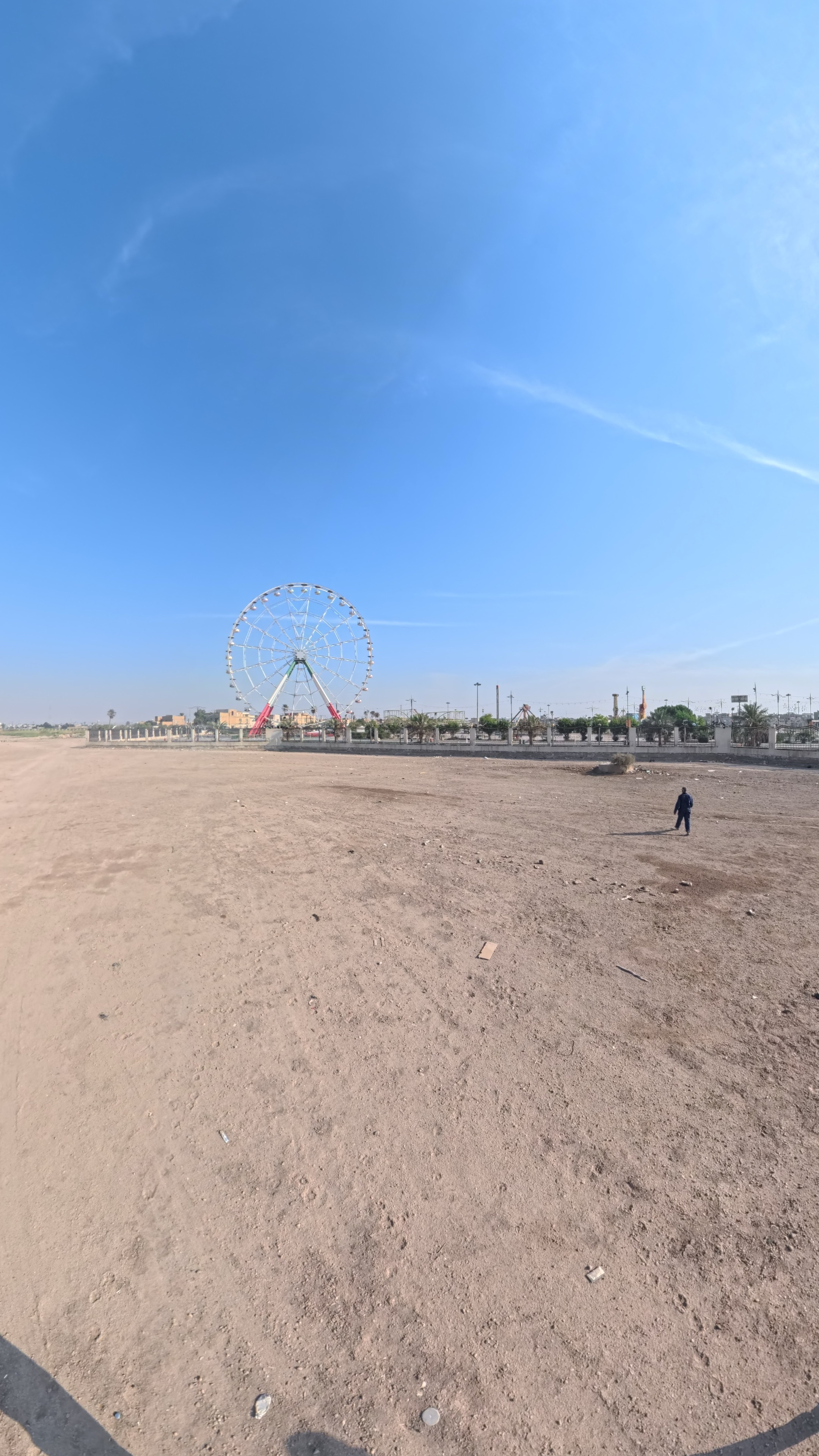
Amara (Left Bank) Indian War Cemetery
Adjacent to the British cemetery, this was the principal burial ground for Indian Army personnel during WWI and is believed to hold over 5,000 burials, making it the largest specifically Indian Forces Cemeteries under the responsibility of the CWGC. This cemetery however has fared very differently to the well kept British side. Due to inequalities in the way casualties from the Indian Army were treated, the casualties and their graves were not properly reported nor were Indian casualties afforded individual burials but instead interred in mass graves. The area once occupied by the cemetery is a small fraction of the British side and barely appears at all on the CWGC cemetery map. The actual number of burials and who they are is unknown due to lack of proper record keeping and potentially the loss of registration information that is mentioned in the CWGC archives due to a fire in India. The cemetery is all but gone with a local amusement park build on about a third of it, no boundary wall, no CWGC signage and only the two pedestals of the Indian Forces memorials remaining.
Quick Information
Amarah, left bank of the Tigris River
Commemorated
5,000 commemorated
WWI: 5,000 • WWII: 0
Believed to hold over 5,000 burials, making it the largest Indian Forces Cemetery in Iraq. Actual number and identities unknown due to inadequate record-keeping of Indian Army casualties. Hindu/Sikh cremations commemorated on panels.
Status
A third of the site is already lost to encroachment from the neighbouring Amusement Park, significant threat of total loss. No boundary or CWGC signage, site is derelict land.
Last Updated
1 April 2025
Key Takeaways
- • Site at extreme risk of total loss - approximately 30% already lost to local fun fair
- • No boundary fence or signage - protected only by the goodwill of the local museum
- • Only two pedestals of memorials remain - gatehouse and memorials destroyed in 2006
- • One of the largest Indian Army burial sites in the world with over 5,000 burials
- • Majority of casualties unrecorded and non-commemorated - original burial records sent to Simla HQ in 1919 and lost/destroyed
- • Urgent action required to prevent total loss of the site
Amara Indian Forces Cemetery, historical photographs
Early views of the Indian Forces Memorial set among avenues of date palms, before its destruction by militants in 2004. Images © CWGC.
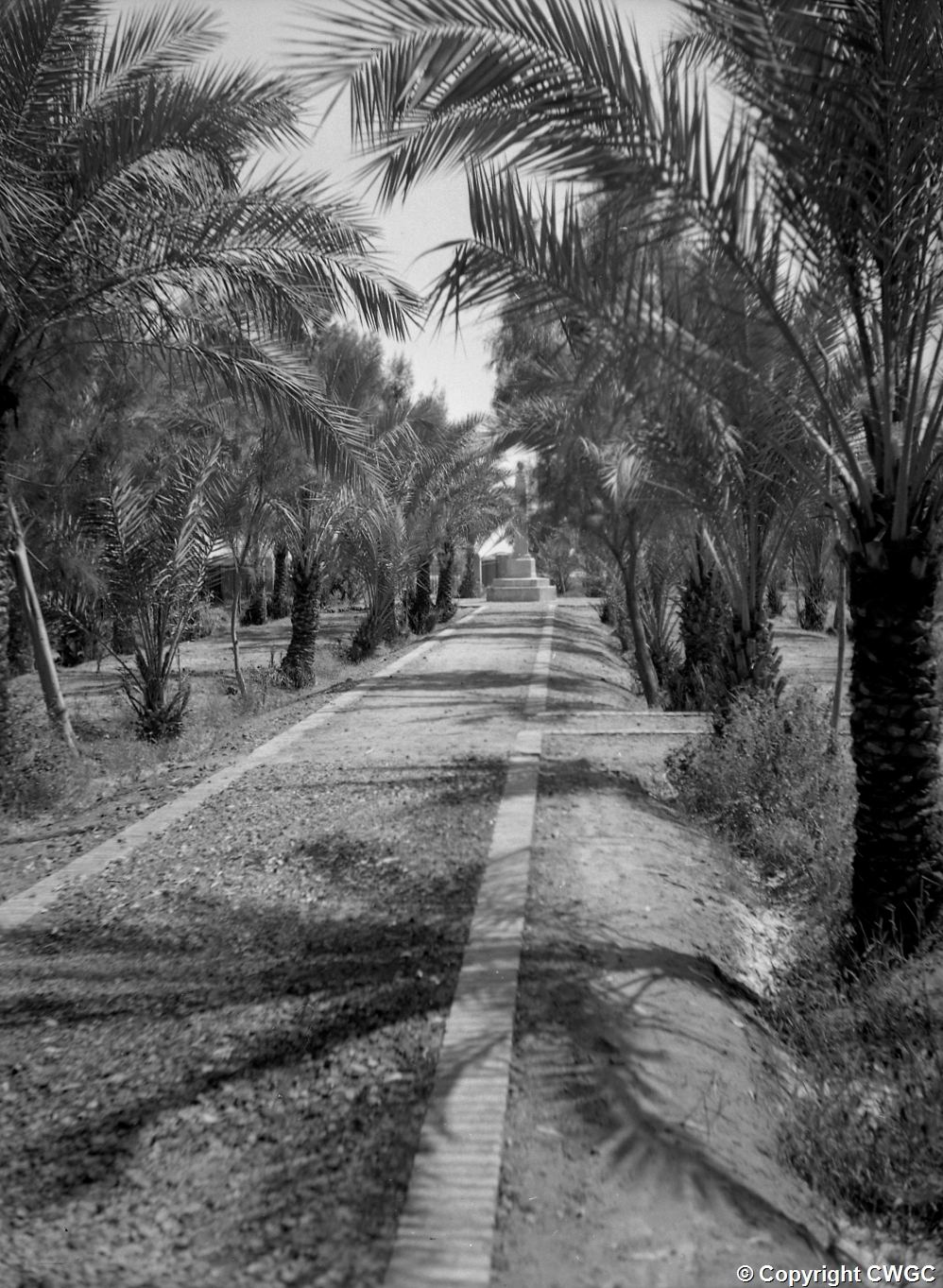
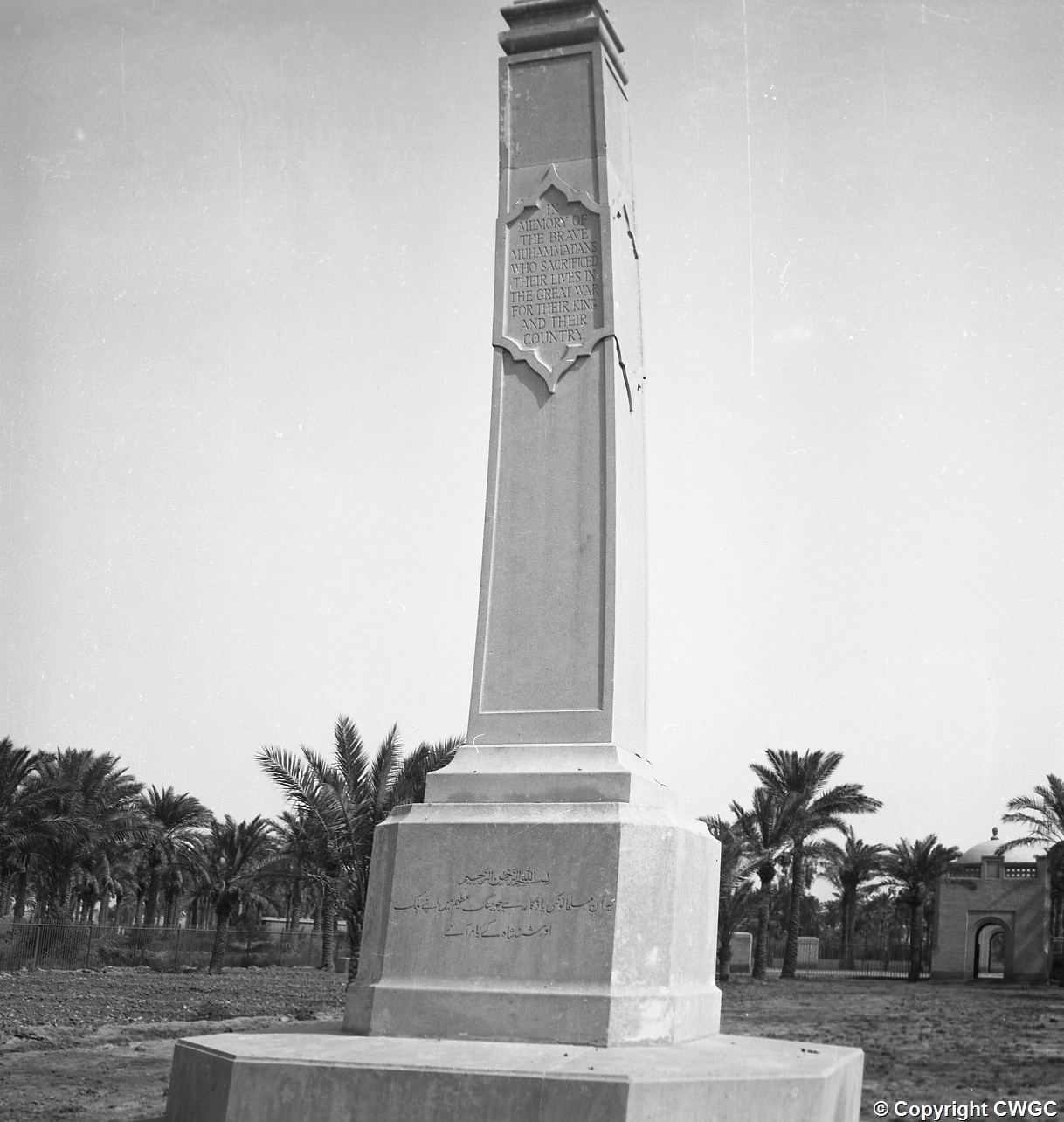
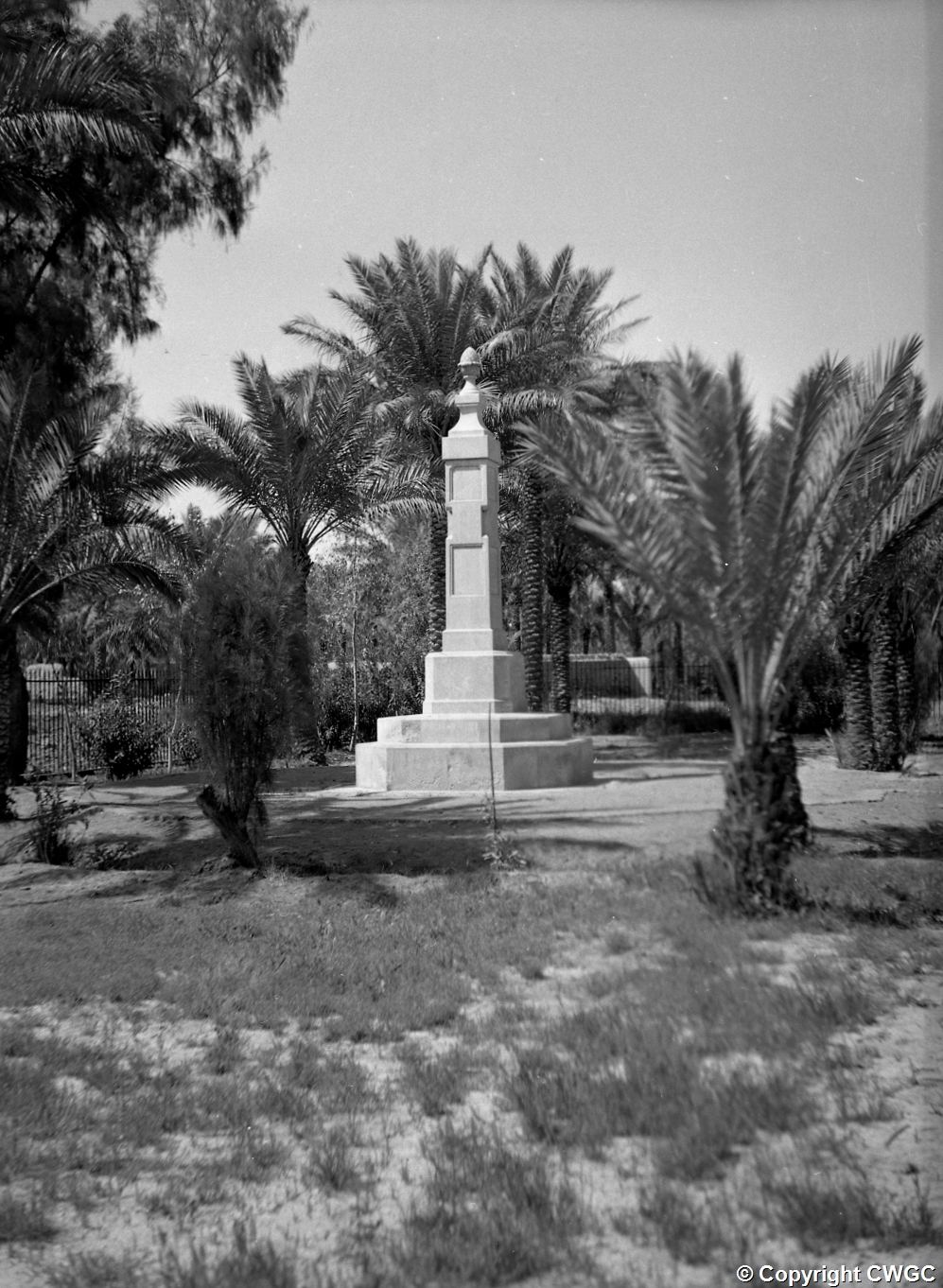
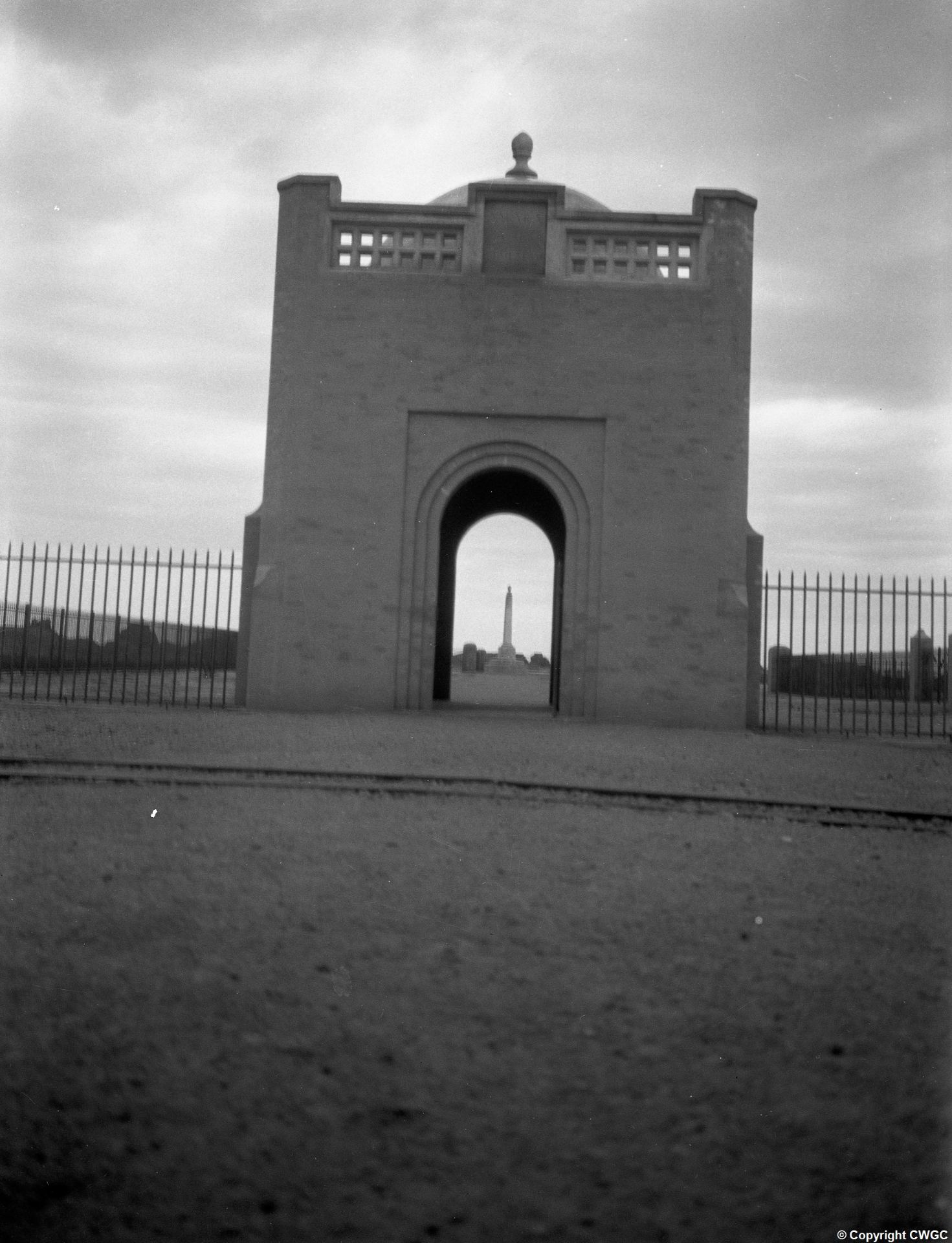
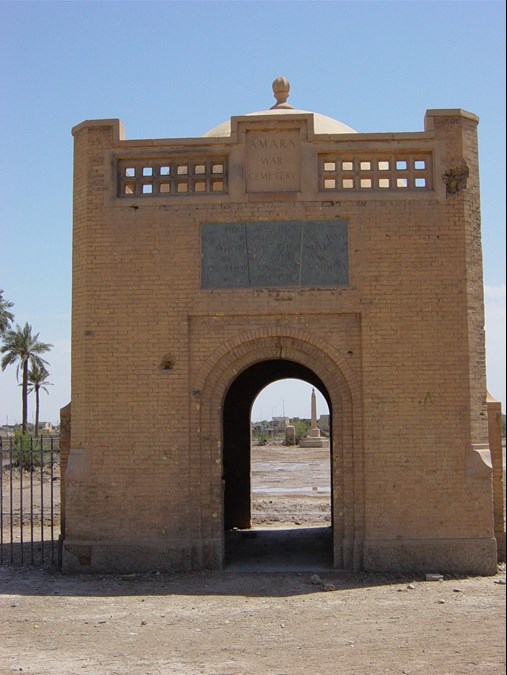
The Amara Indian Forces Cemetery gatehouse and Memorial, 1920s, 2003 and 2025
The same scene photographed across a century, showing the gatehouse and Indian Forces Memorial as built, surviving in 2003, and the site as it appears today after the destruction of both structures by militants in 2004.
Amara Indian Forces Cemetery today
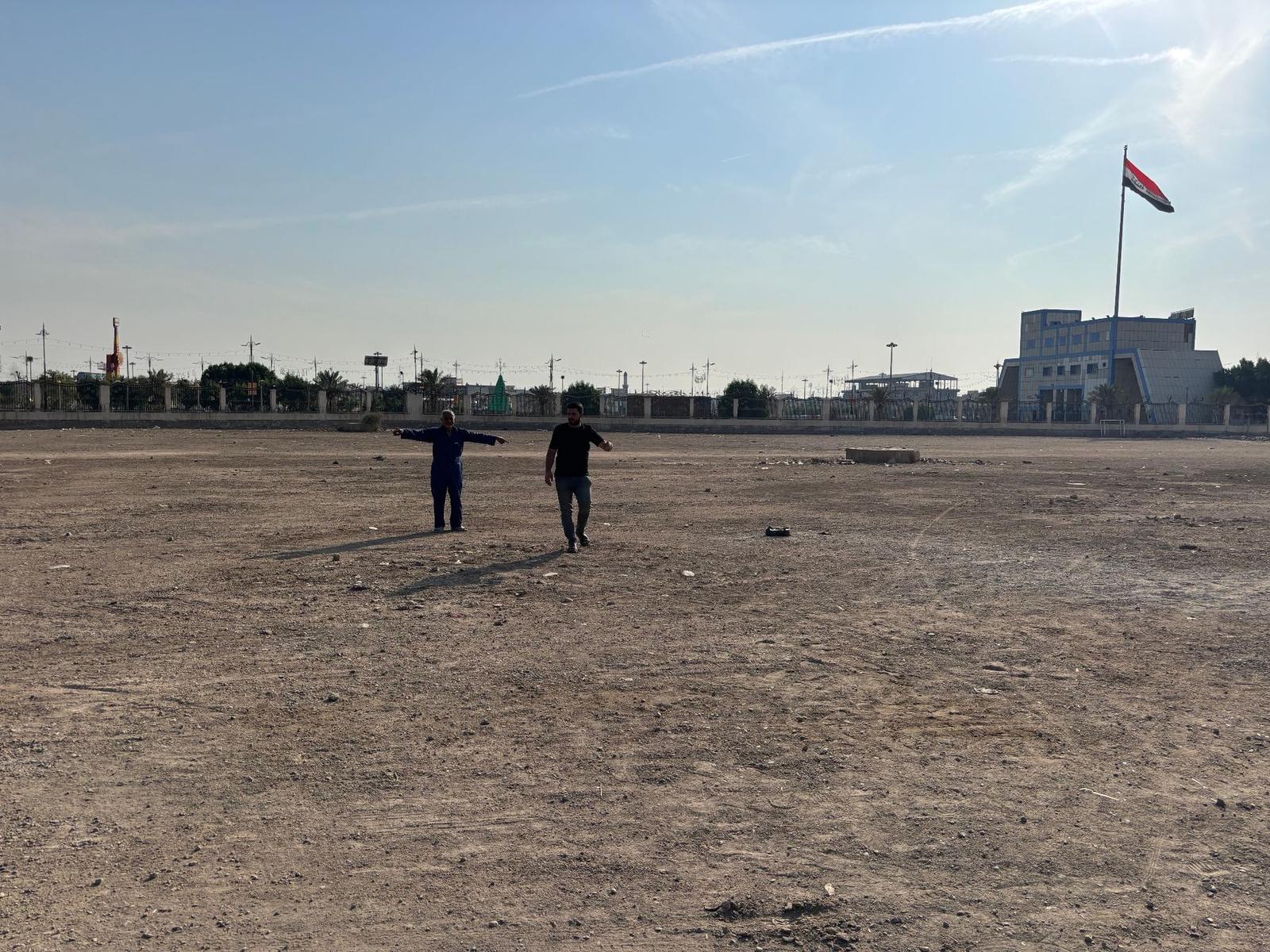
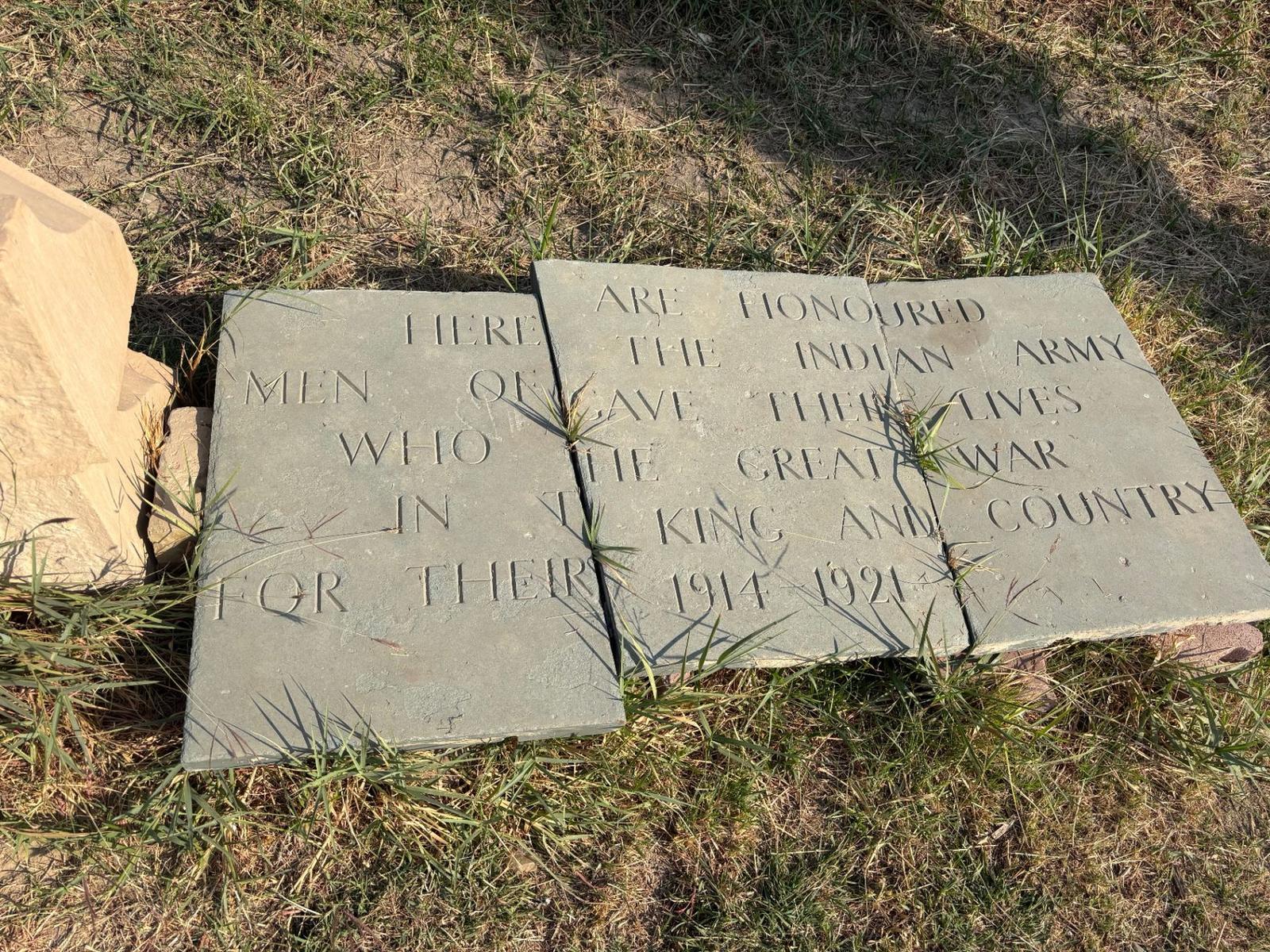
Photographs from recent visits to the site, showing the cemetery grounds as they appear today.
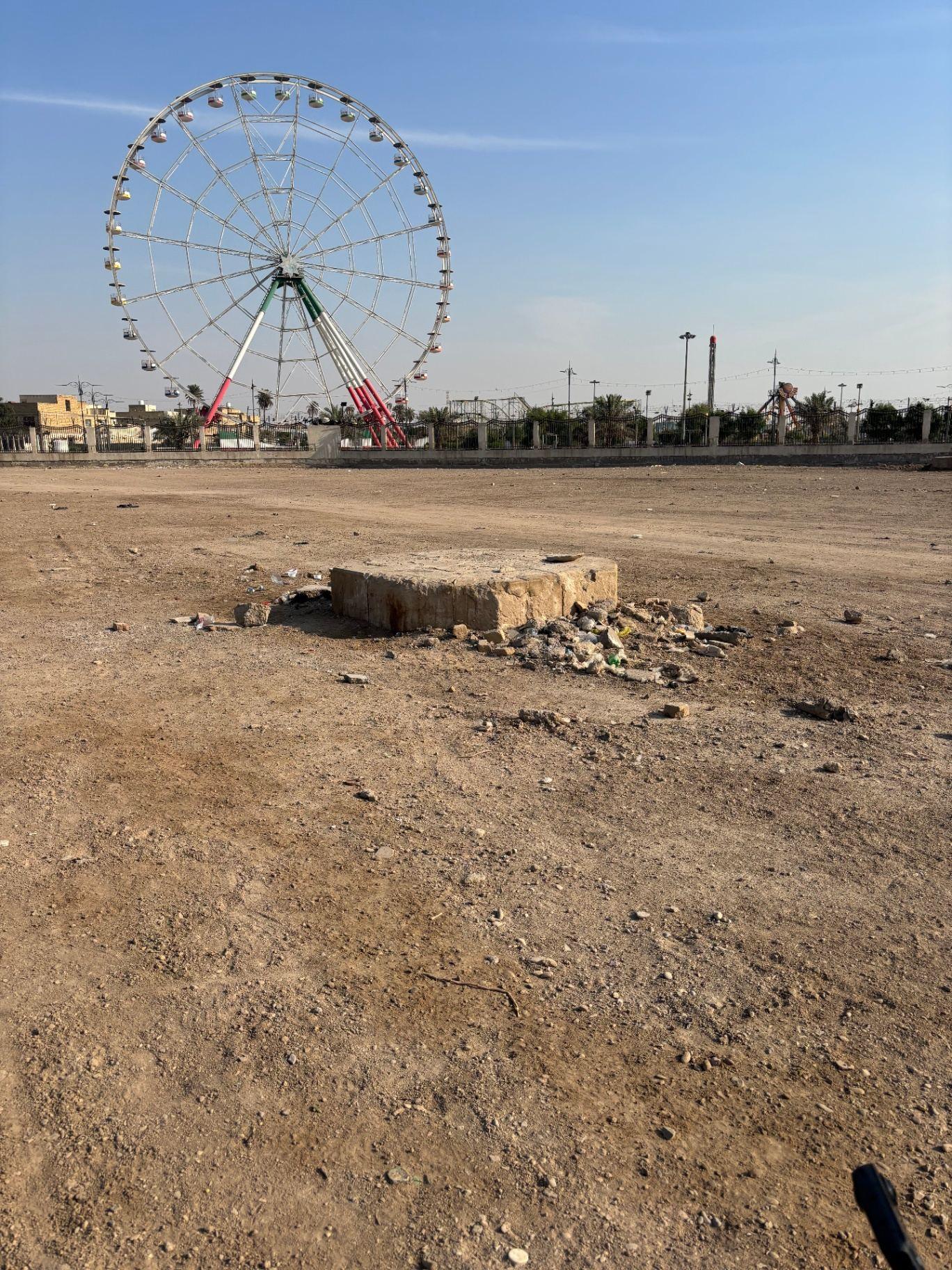
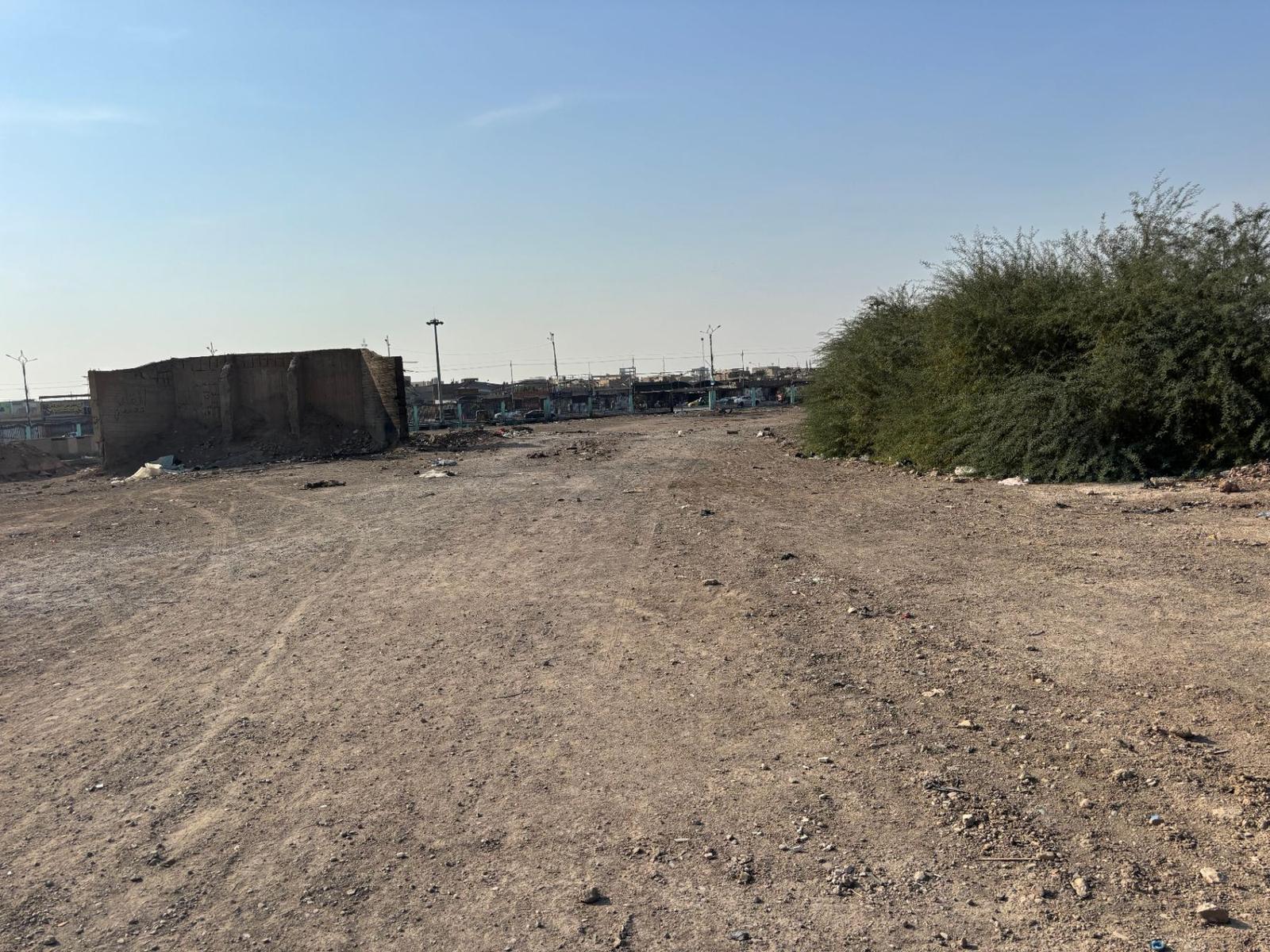
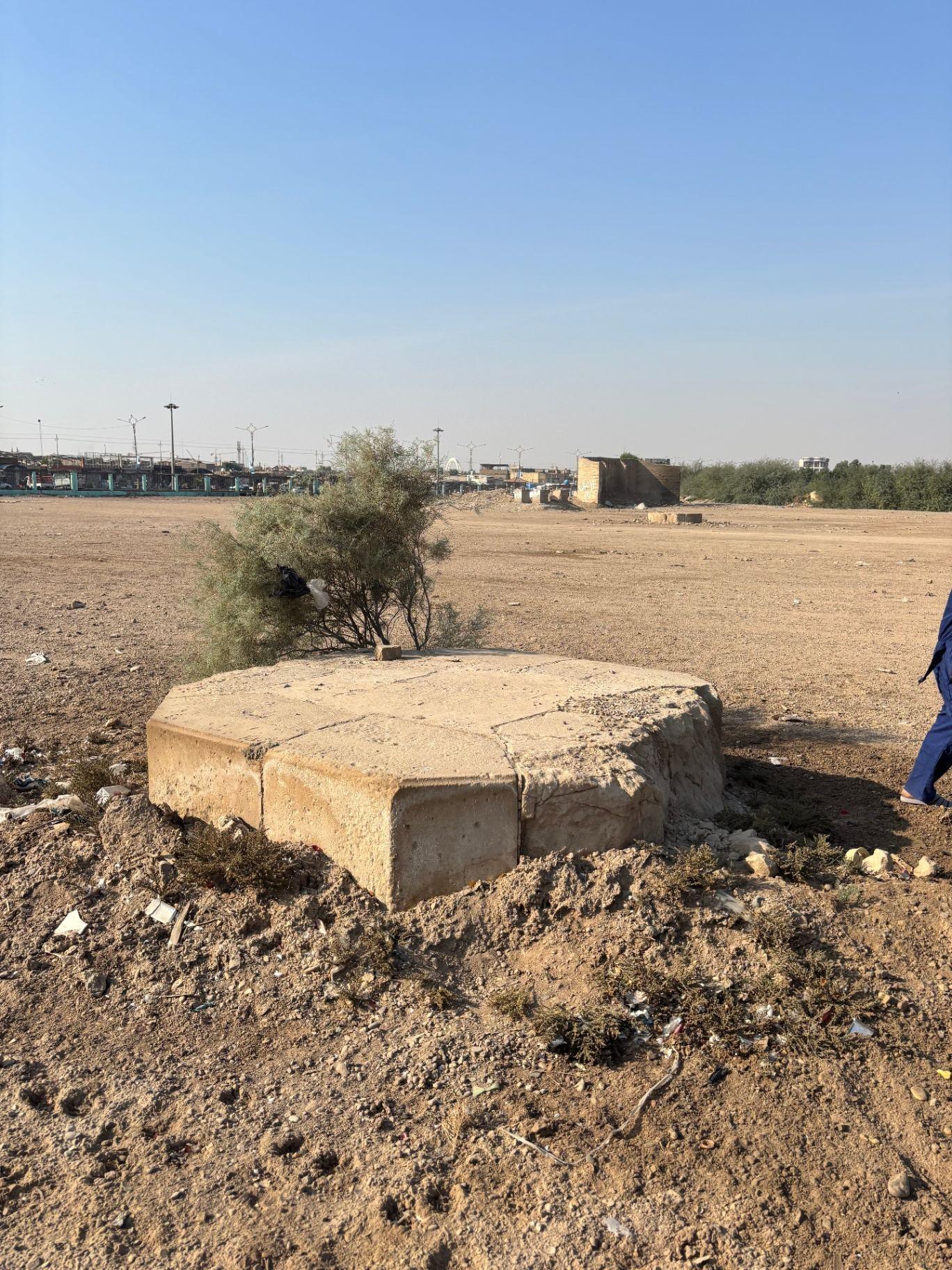
This cemetery served Indian military hospitals established on the left bank of the Tigris during WWI. It is believed to contain over 5,000 Indian Army burials, though the exact number and identities remain unknown. The separation of British and Indian medical facilities reflected colonial military organization, but the failure to properly record Indian casualties represents one of the great injustices of the Mesopotamian Campaign.
Current Condition
November 2025 Assessment: In complete contrast to the British Cemetery the Indian Cemetery is a wasteland similar to Basra but without any physical boundary. Even the map of Amara Cemetery relegates the Indian side to a mere blank fragment to the side of the very detailed British side without even showing the two memorials that were once there.
Approximately 30% of the site has been fenced off and built on by a fun fair. The remainder of the site is unmarked, without any signage and only the remains of two pedestals from memorials remain. Of the two memorials (Hindu/Sikh and Muslim) only the pedestals remain.
The gatehouse and Memorials were present in 2004 but were destroyed apparently by militants in 2006 with some remnants saved by the guardian Mr. Hasan.
If urgent action is not made it is likely that Amara Indian Cemetery will be lost forever. CWGC must research and assert its land ownership immediately and secure the boundary before coming up with a longer term plan.
Visual Documentation
Admin upload portal for panoramas, videos and photos.
360° Panoramic Views
360° Panoramas Coming Soon
We’re preparing immersive 360° views. Once your panoramic files are ready, we’ll publish them here.
Watch the films from this site
Each film recorded at this location has its own page with the full footage, background notes and links to the surrounding cemeteries.

Planning a visit: quick answers
- Can you visit Commonwealth war cemeteries in Iraq?
- Yes. Basra War Cemetery, the Basra Memorial to the Missing, Amara War Cemetery and Baghdad North Gate War Cemetery can all be visited, but access varies by site and usually needs advance arrangement, a local guide and, in some cases, permission from the authorities.
- Do I need a visa or permits to visit?
- Most visitors now travel on a visa on arrival or an e-visa, and some sites sit inside restricted or military-controlled areas where a separate permit or escort is required.
- Are the cemeteries maintained?
- Condition varies considerably. Some sites are cared for by local gardeners, while others remain damaged or overgrown, as documented in our field reporting.