Mosul War Cemetery
Take a Virtual Reality Tour
Best viewed in the YouTube app on a mobile device with a VR headset (e.g. Google Cardboard). Drag to look around in your browser.
Mosul War Cemetery is the northernmost Commonwealth burial ground in Iraq, roughly 350 to 400 km north of Baghdad at 36.3350°N, 43.1189°E, hemmed in today by a major new highway and a ring of small workshops and truck garages.
It holds 336 recorded burials: approximately 191 from the First World War and approximately 145 from the Second World War, with casualties from Australia, Canada, India and the United Kingdom, together with a number of non war burials from the garrison years. The Second World War graves include both RAF and Army personnel. Many Indian other ranks here are unrecorded by name, reflecting the incomplete documentation of Indian Army casualties across the Mesopotamian Campaign.
The cemetery was established in the closing stages of the First World War, after the 1918 operations around Mosul that followed the capture of Baghdad, and remained in use through the interwar years and the Second World War PAIFORCE period. A CWGC contractor cleared the site to below grade in 2002. In 2023 the CWGC instructed the Erbil based Naqaa Al-Tabiaa Company to build a boundary wall, fit a gate and remove debris.
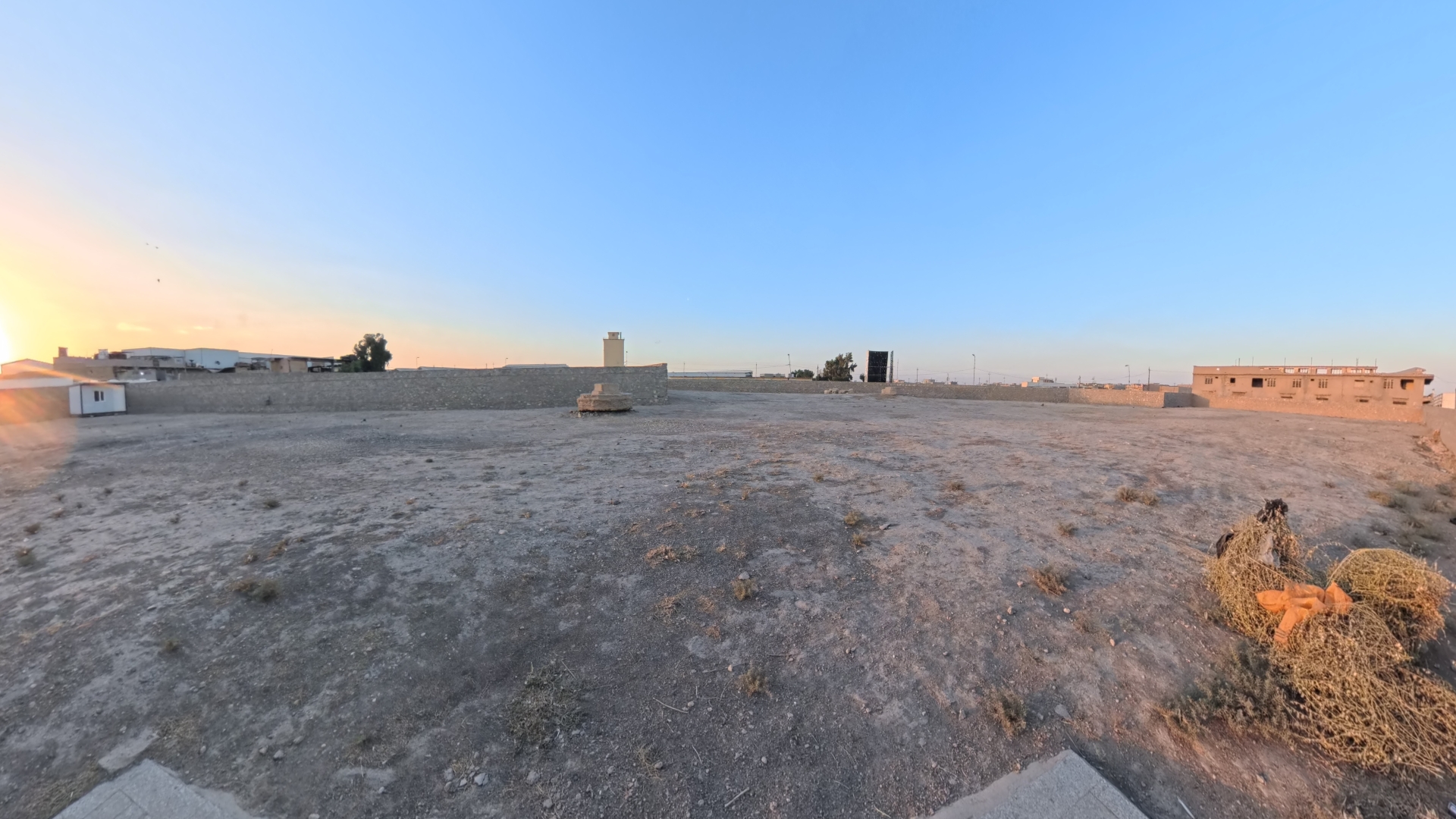
The October 2025 field survey recorded the outcome of that work. The ground had been cut down approximately 1.5 to 2 feet below its original level, exposing the pedestal of the Cross of Sacrifice beneath its foundation. Every grave marker and sub base had been removed, so individual graves will now have to be relocated with ground penetrating radar before any restoration. A plastic tool hut had been erected over Second World War graves in Plot 1, the Muslim, Sikh and Hindu memorials lay dismantled in the dirt, and a single broken headstone fragment survived on the site. The CWGC has not visited Iraq since 2018.
Quick Information
Mosul (~350–400 km north of Baghdad), bordered by a major new highway and surrounded by small workshops and truck garages
Commemorated
336 commemorated
WWI: 191 • WWII: 145
WWI ≈191, WWII ≈145 (Australia, Canada, India, UK), plus some non-war burials. Many Indian other ranks are unrecorded by name. Includes RAF and Army WWII personnel.
Status
Last Updated
1 August 2026
Key Takeaways
- • Clearing work commissioned by the CWGC in 2023 using a local oil and gas service company with no experience of archaeological or sensitive sites has effectively destroyed the site, with soil removed to two feet in places.
- • All grave markers and sub bases were removed, meaning individual graves will need to be identified using ground penetrating radar before any renovation.
- • A plastic work hut has been installed over WW2 graves at Plot 1, and only one grave fragment survives.
Mosul War Cemetery, located approximately 350–400 km north of Baghdad, serves as the northernmost Commonwealth burial ground in Iraq. The cemetery contains burials from both World Wars, reflecting the city's strategic importance during the final WWI operations around Mosul after the capture of Baghdad, as well as garrison casualties from the WWII PAIFORCE period.
Mosul War Cemetery, historical photographs
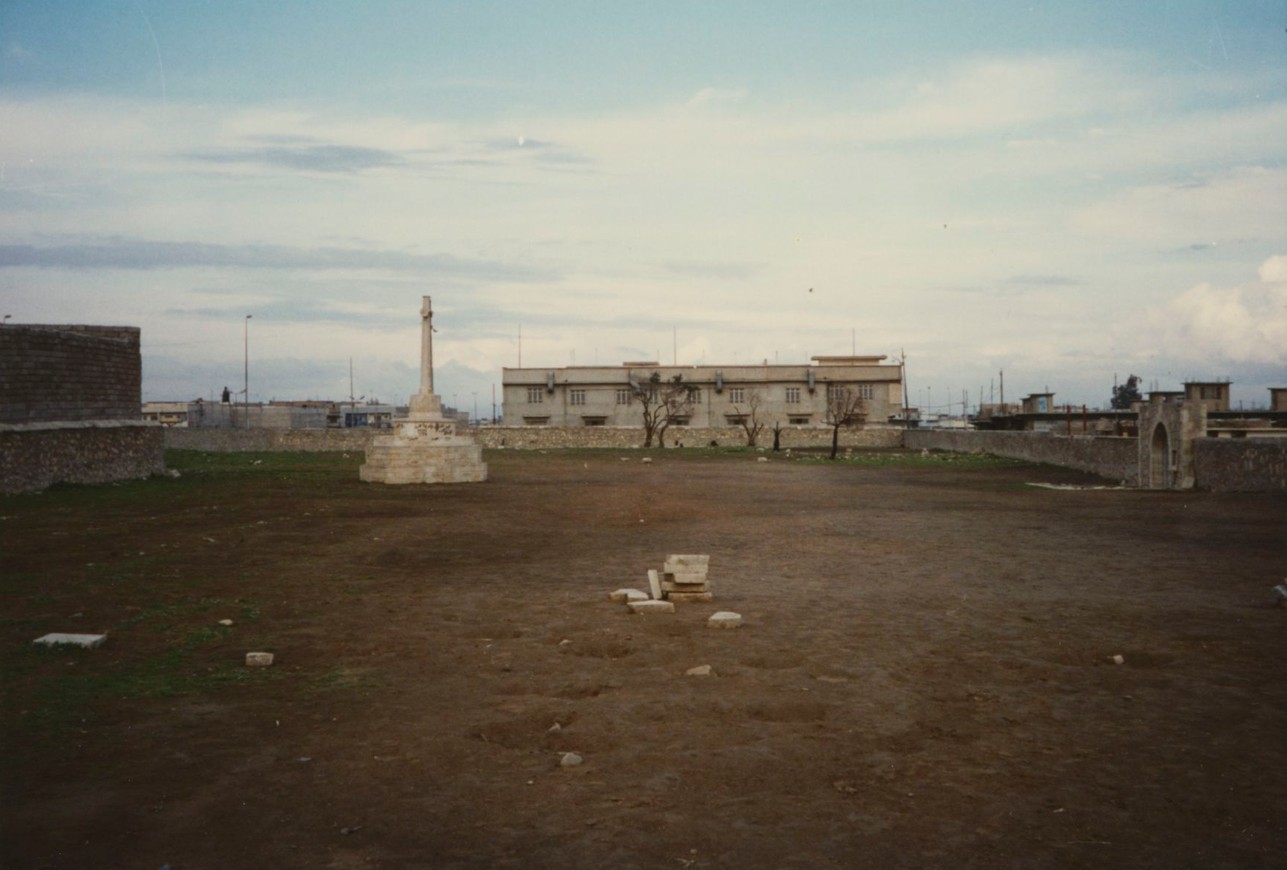
Archive photographs of Mosul War Cemetery when it was still fully maintained, together with a view of the site in 1987. Images © CWGC unless otherwise stated.
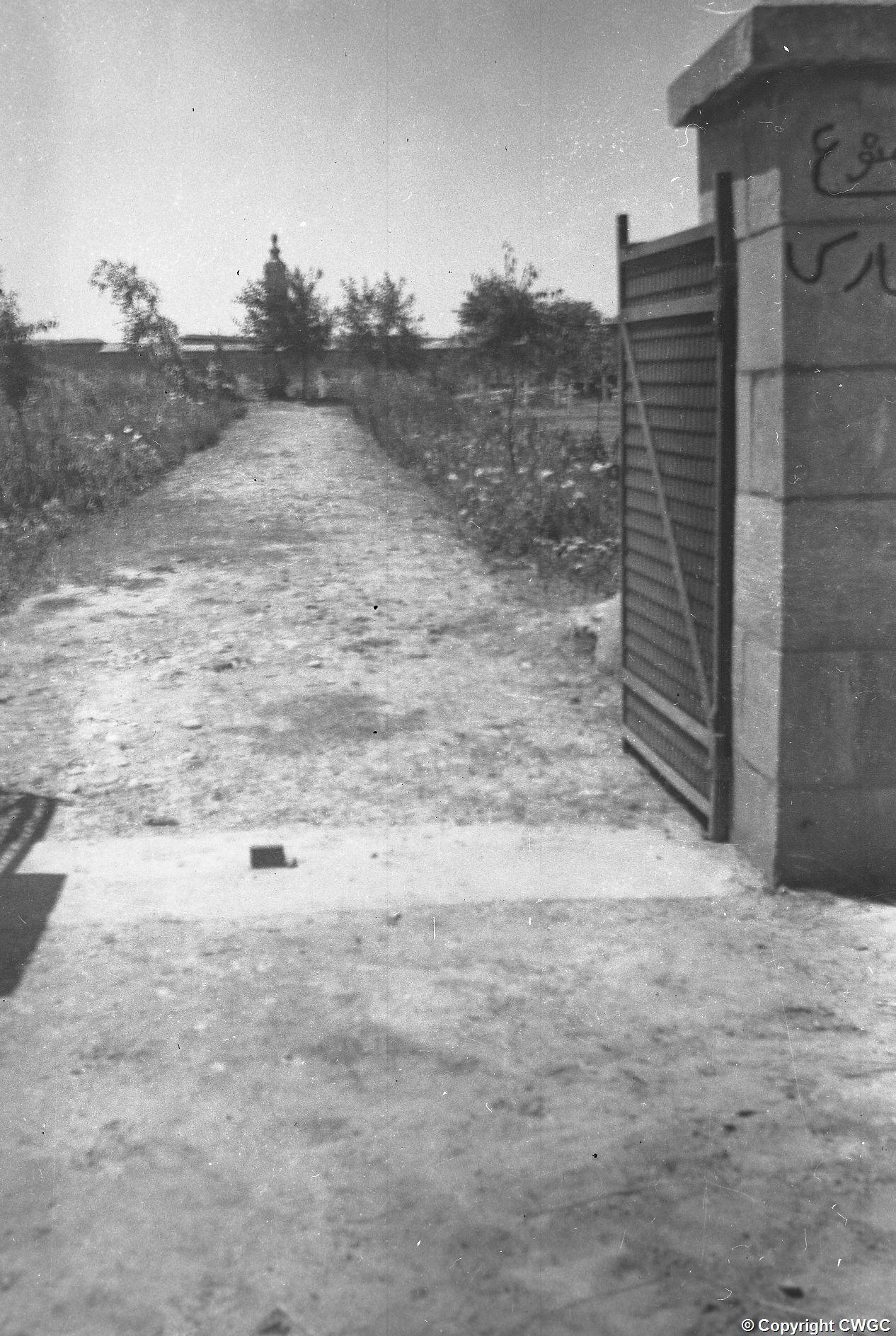
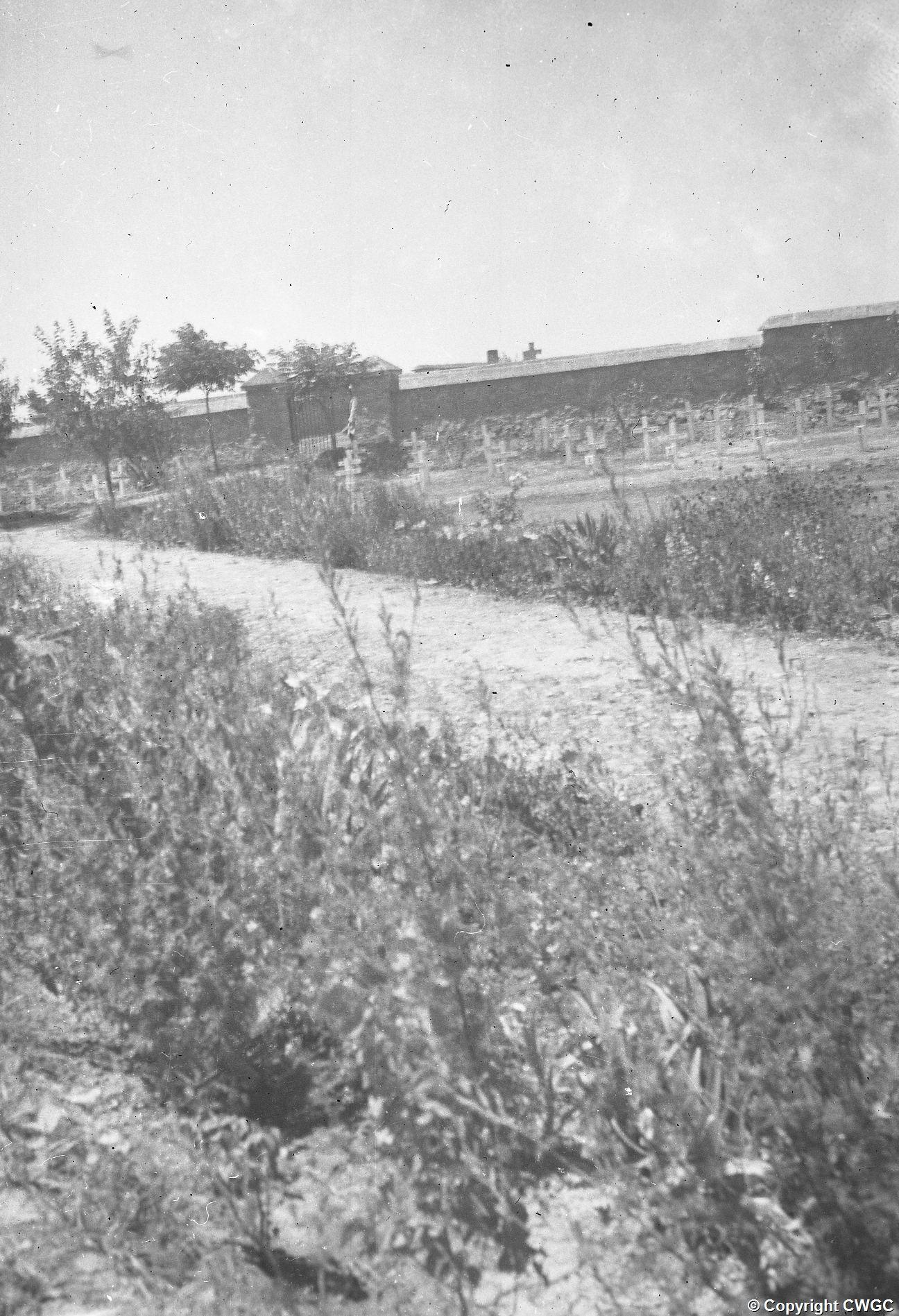
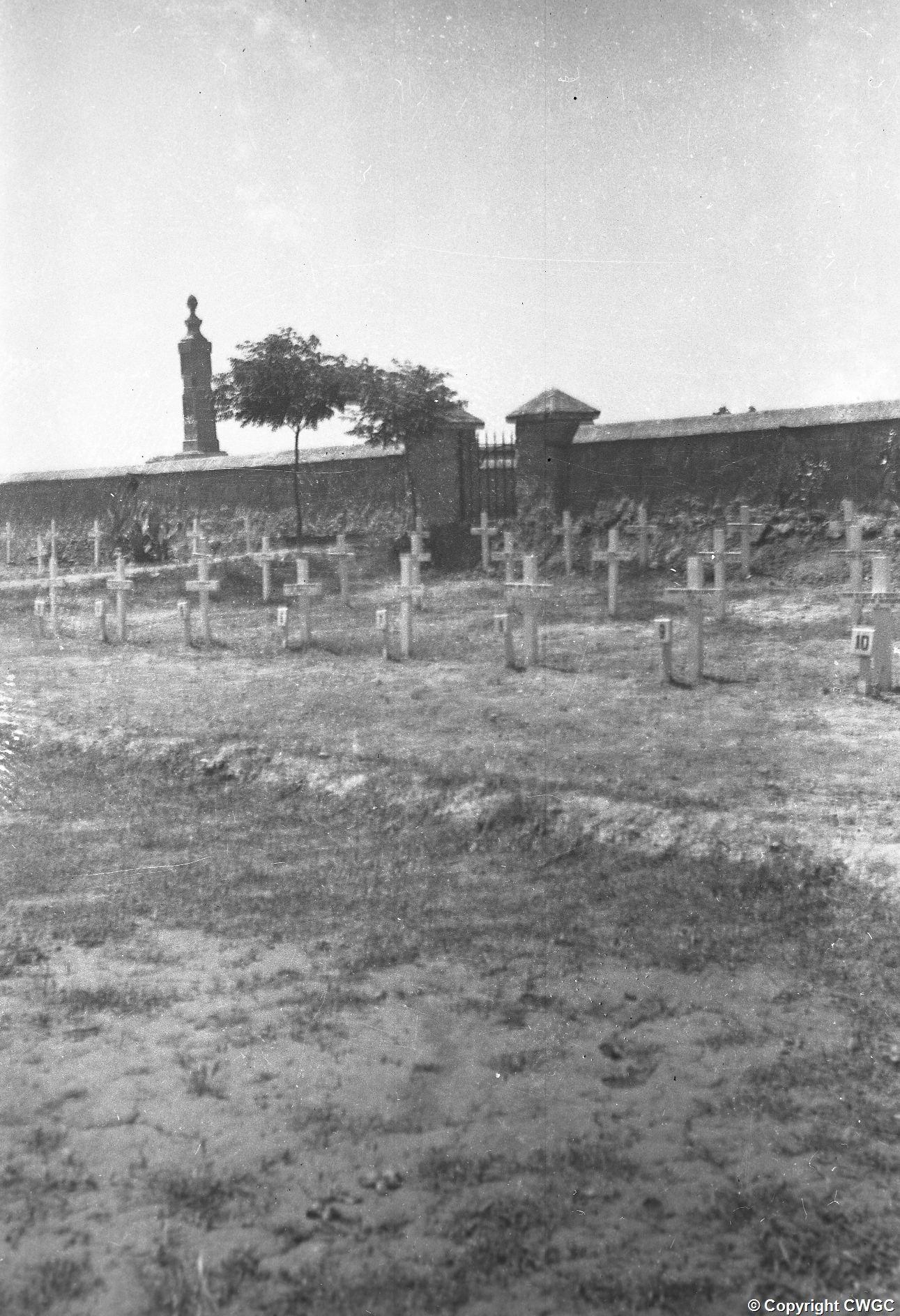
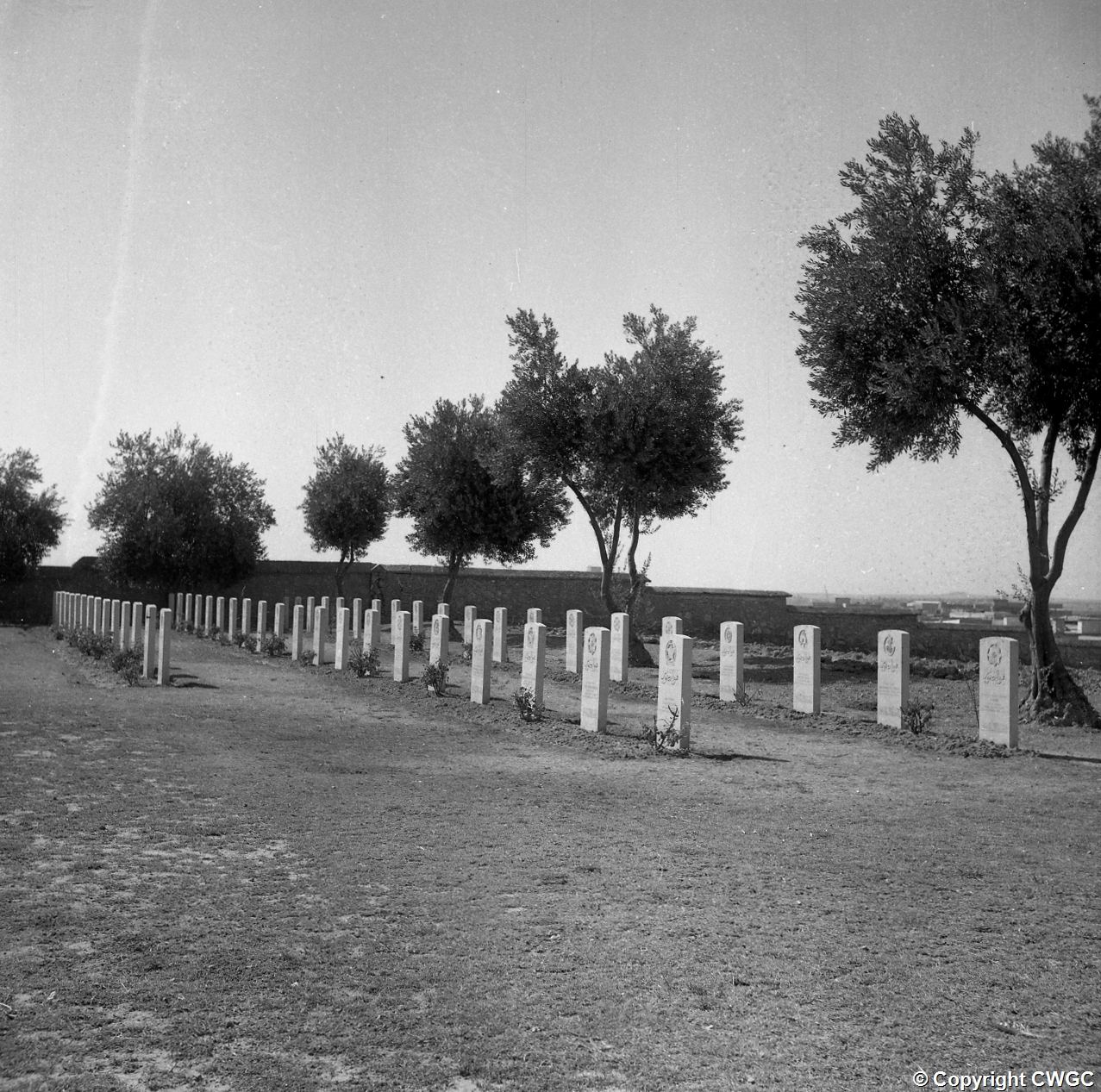
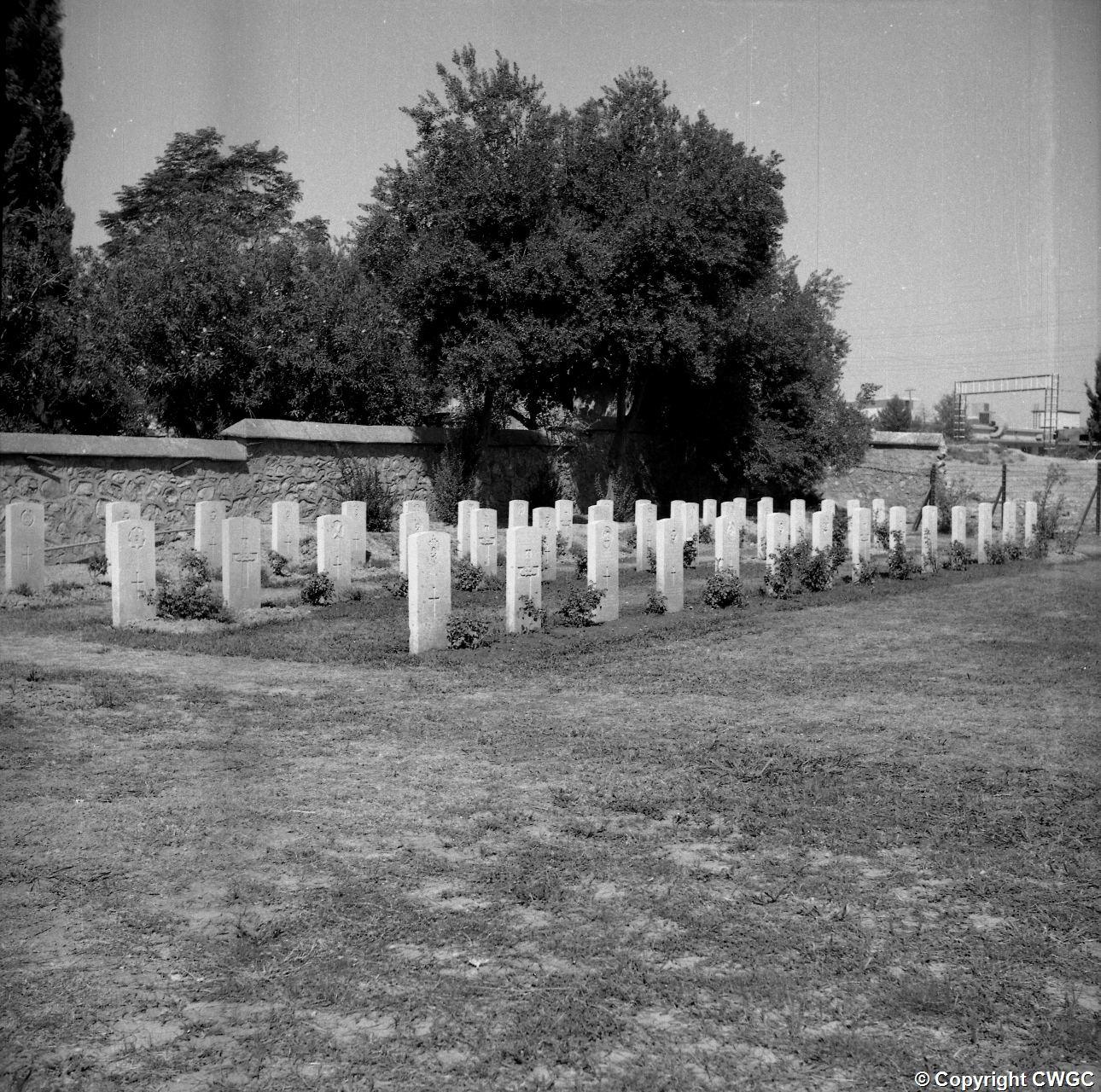
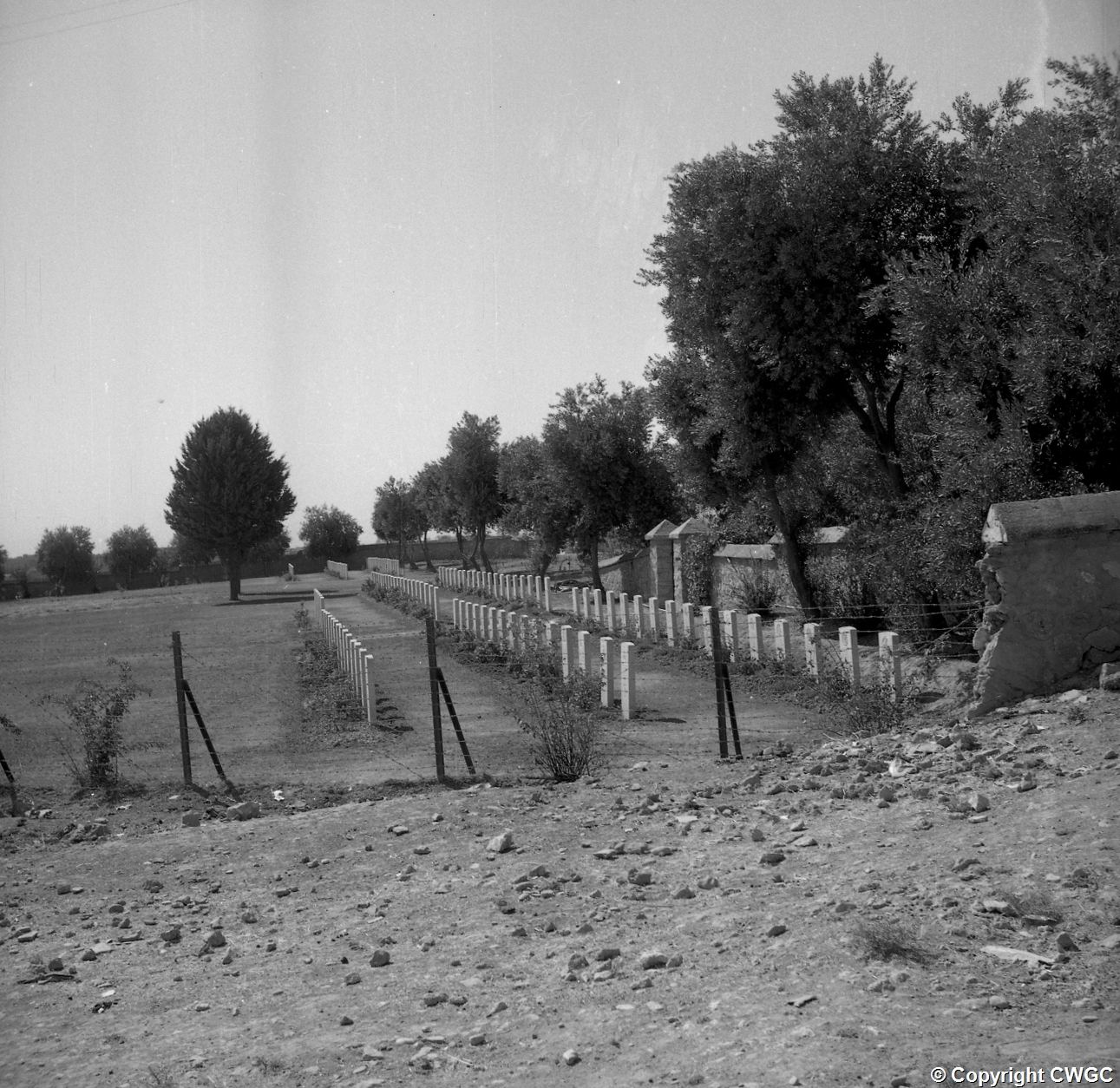
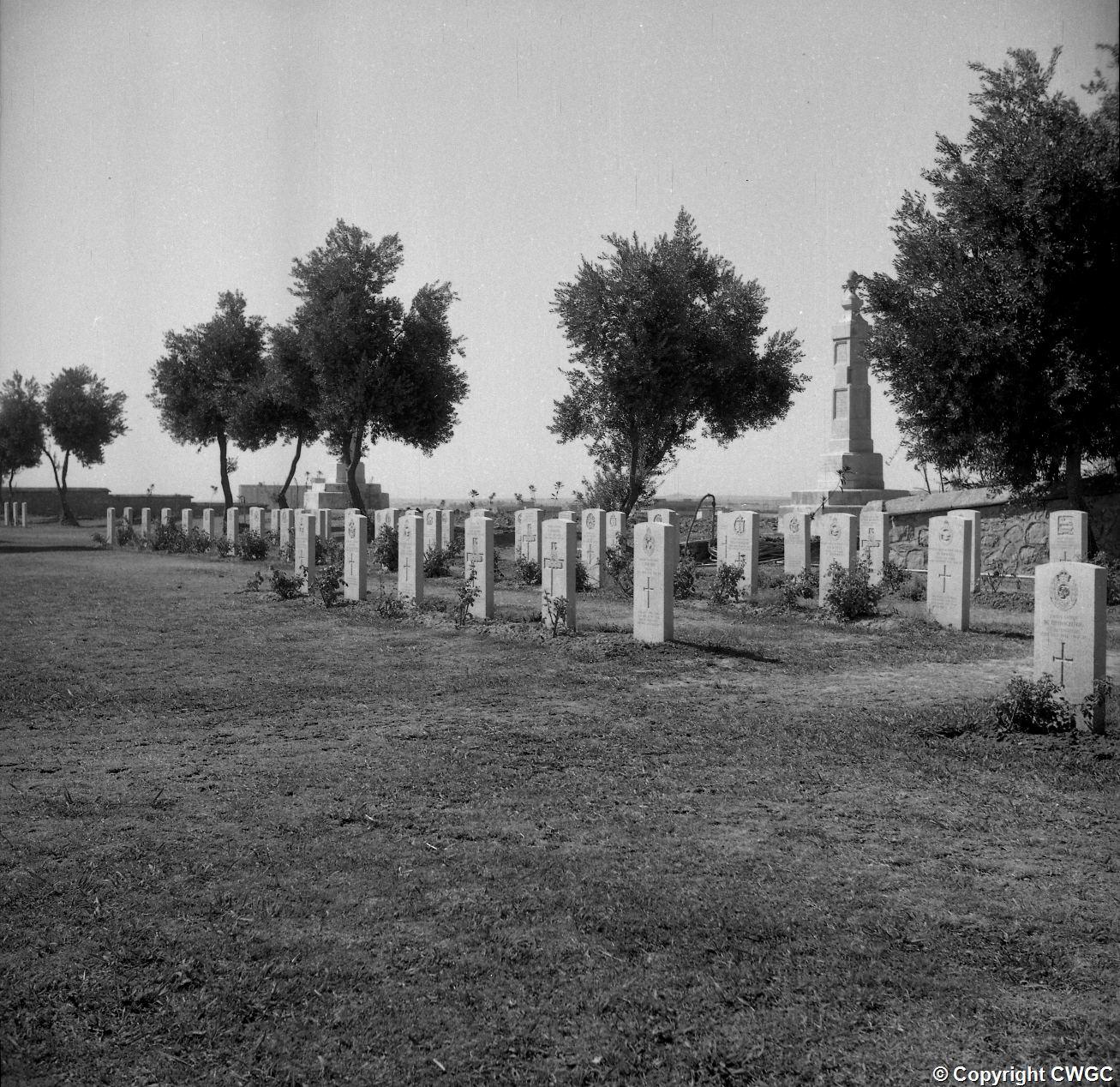
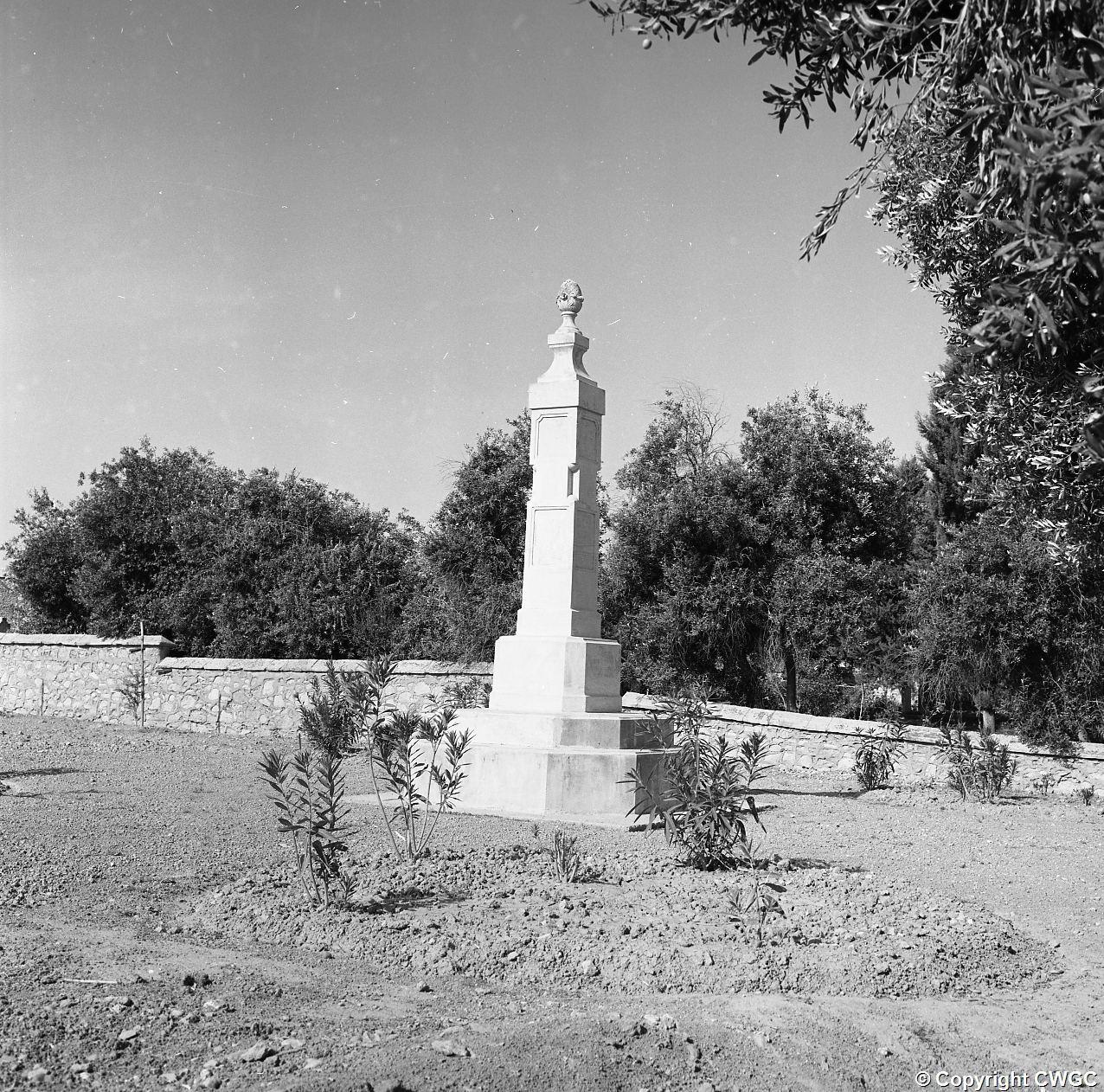
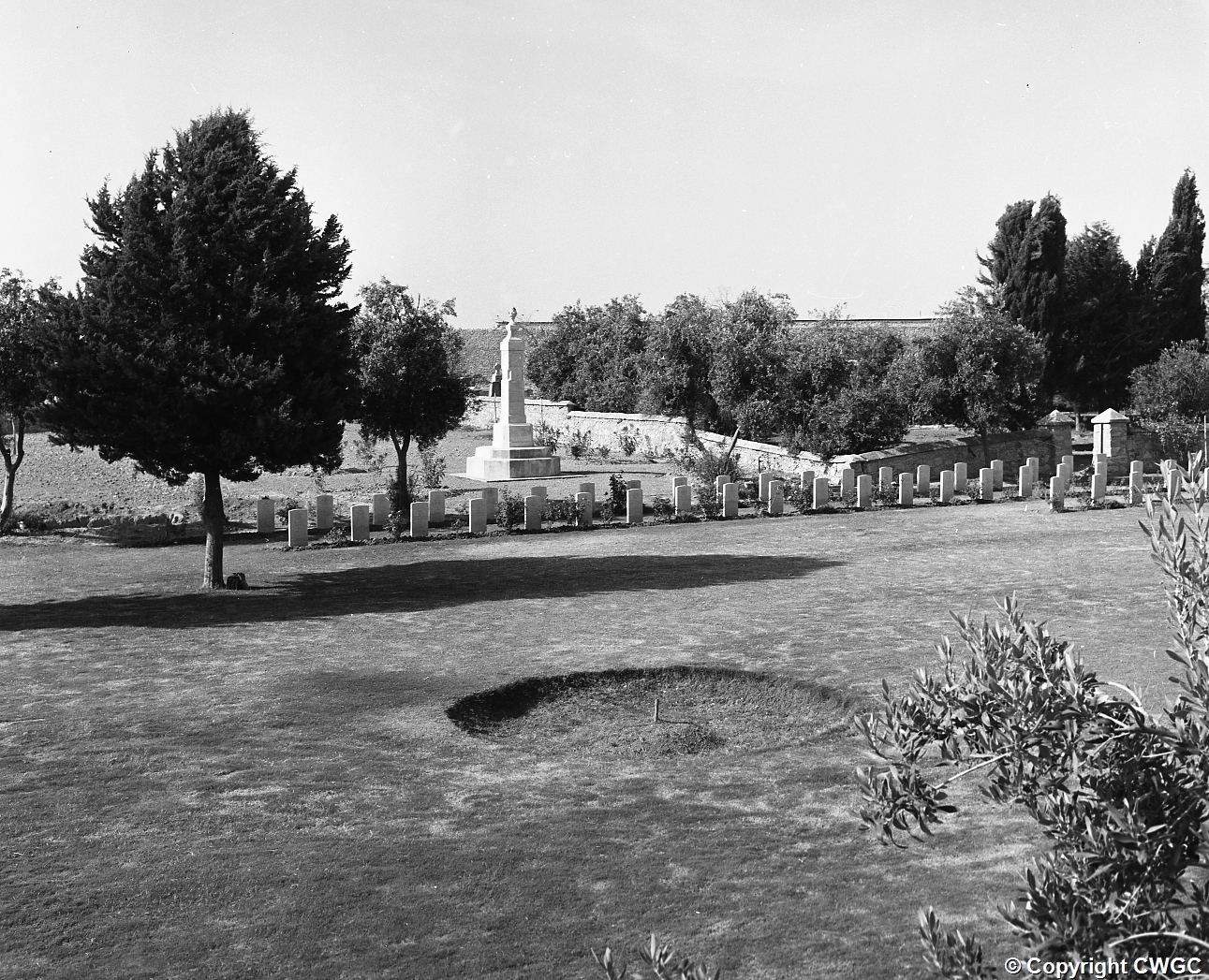
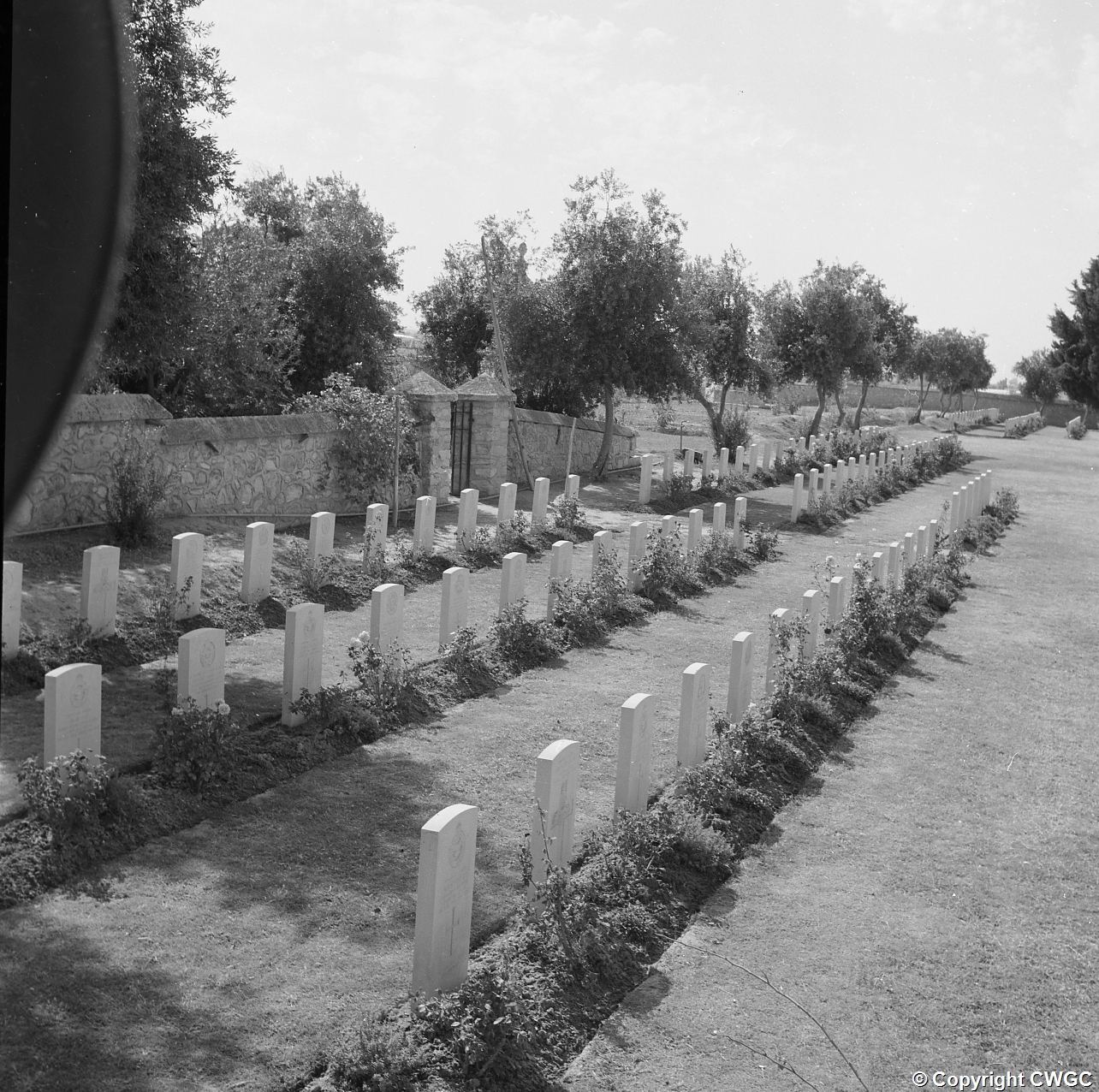
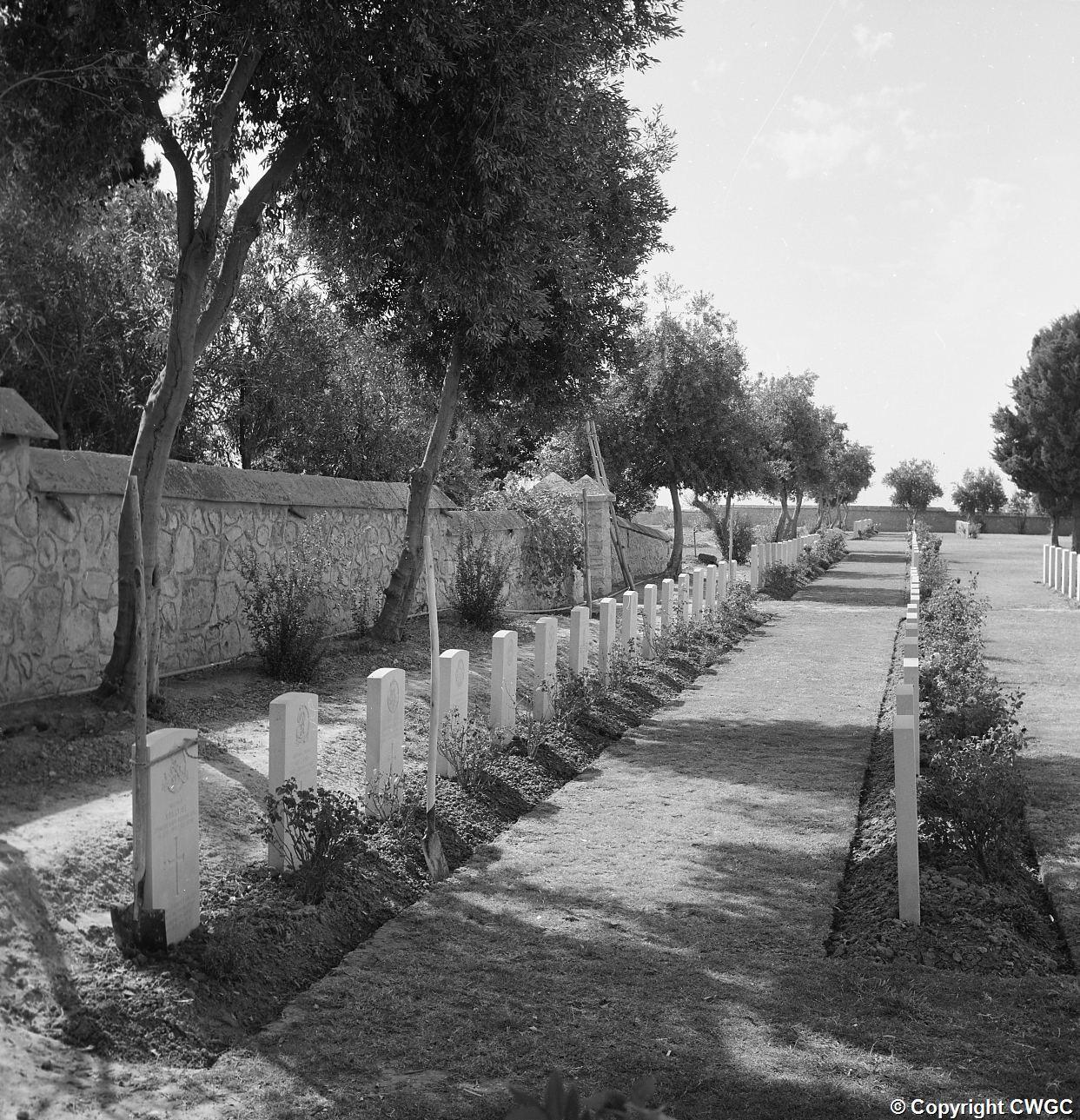
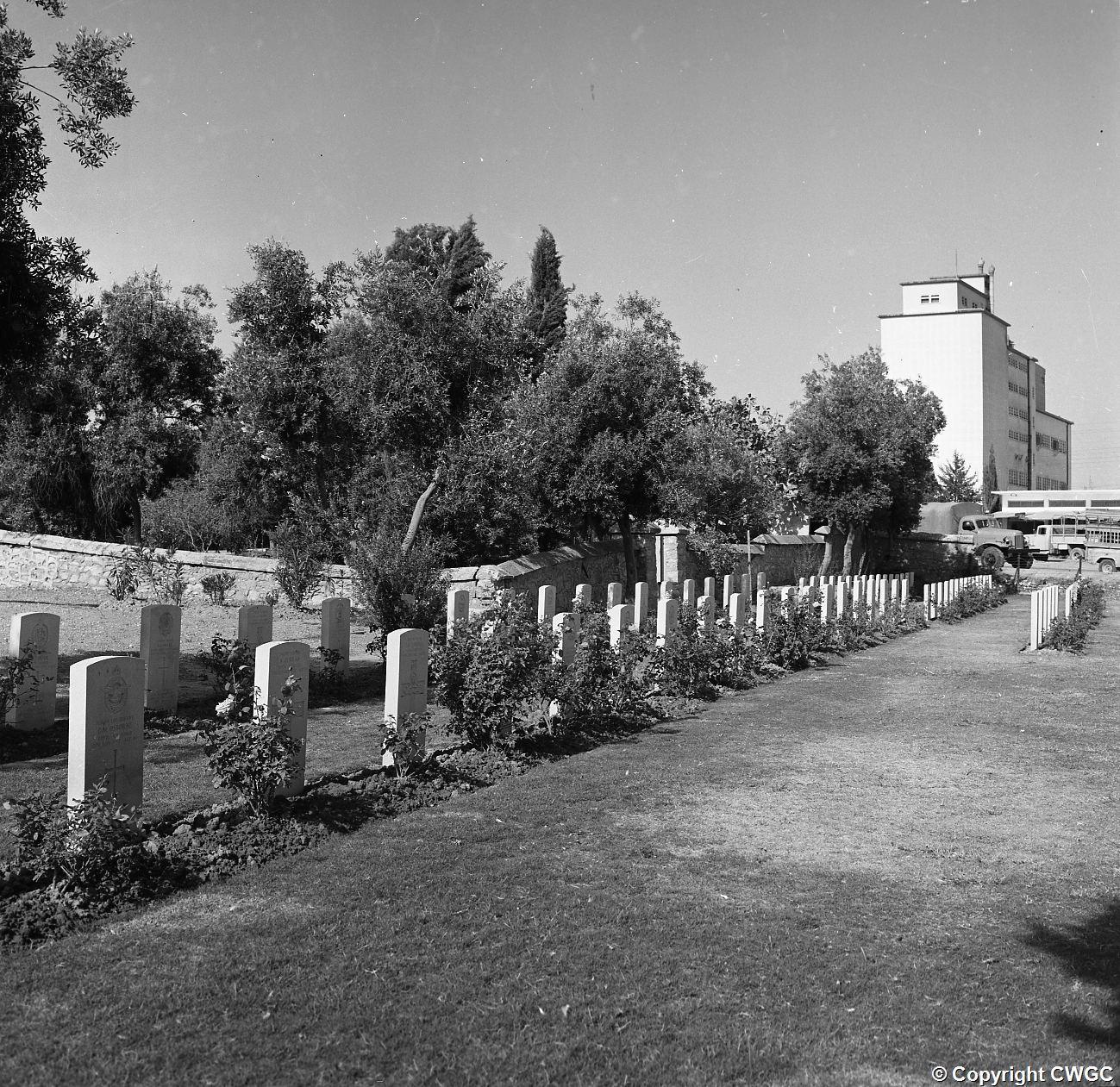
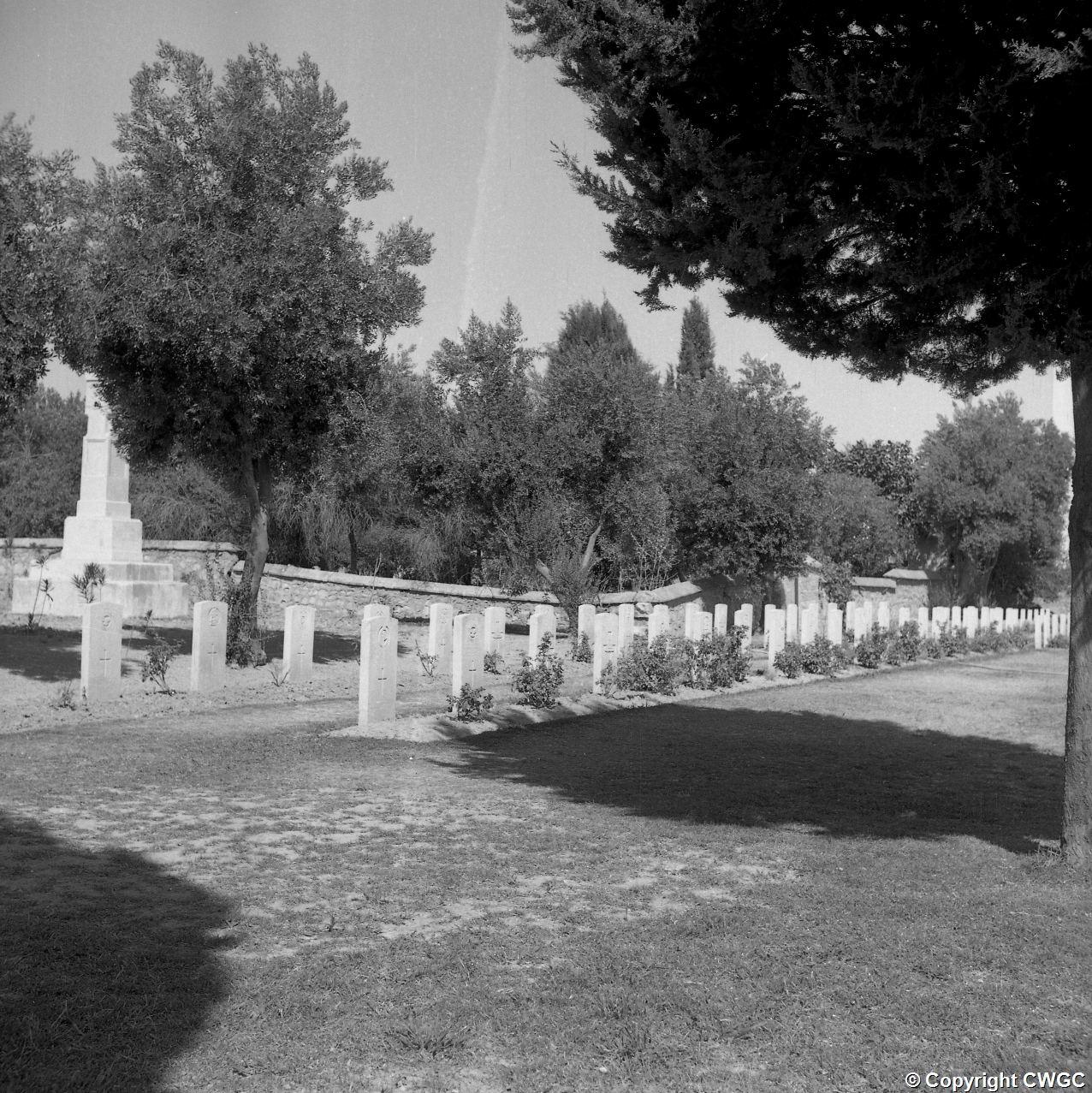
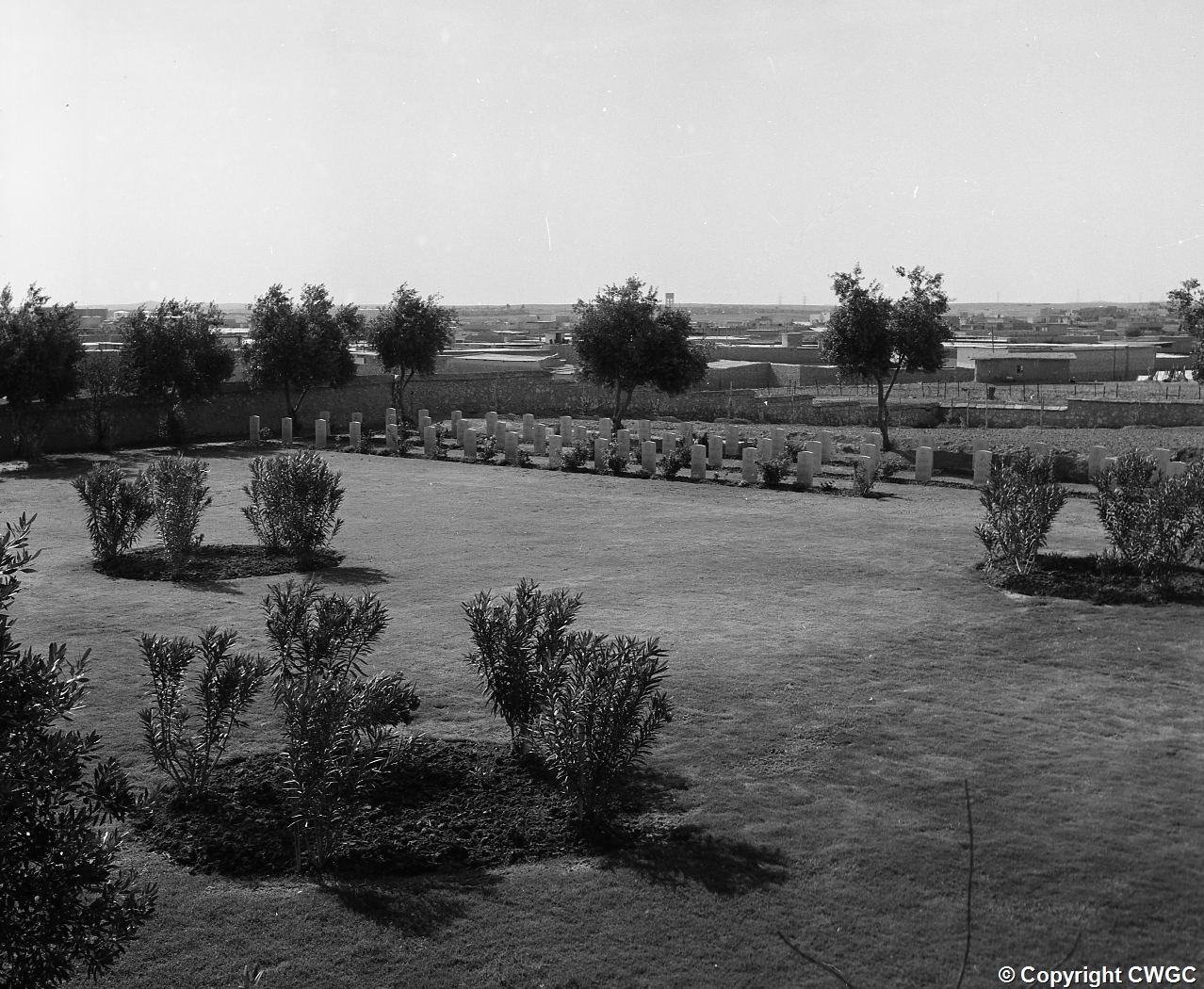
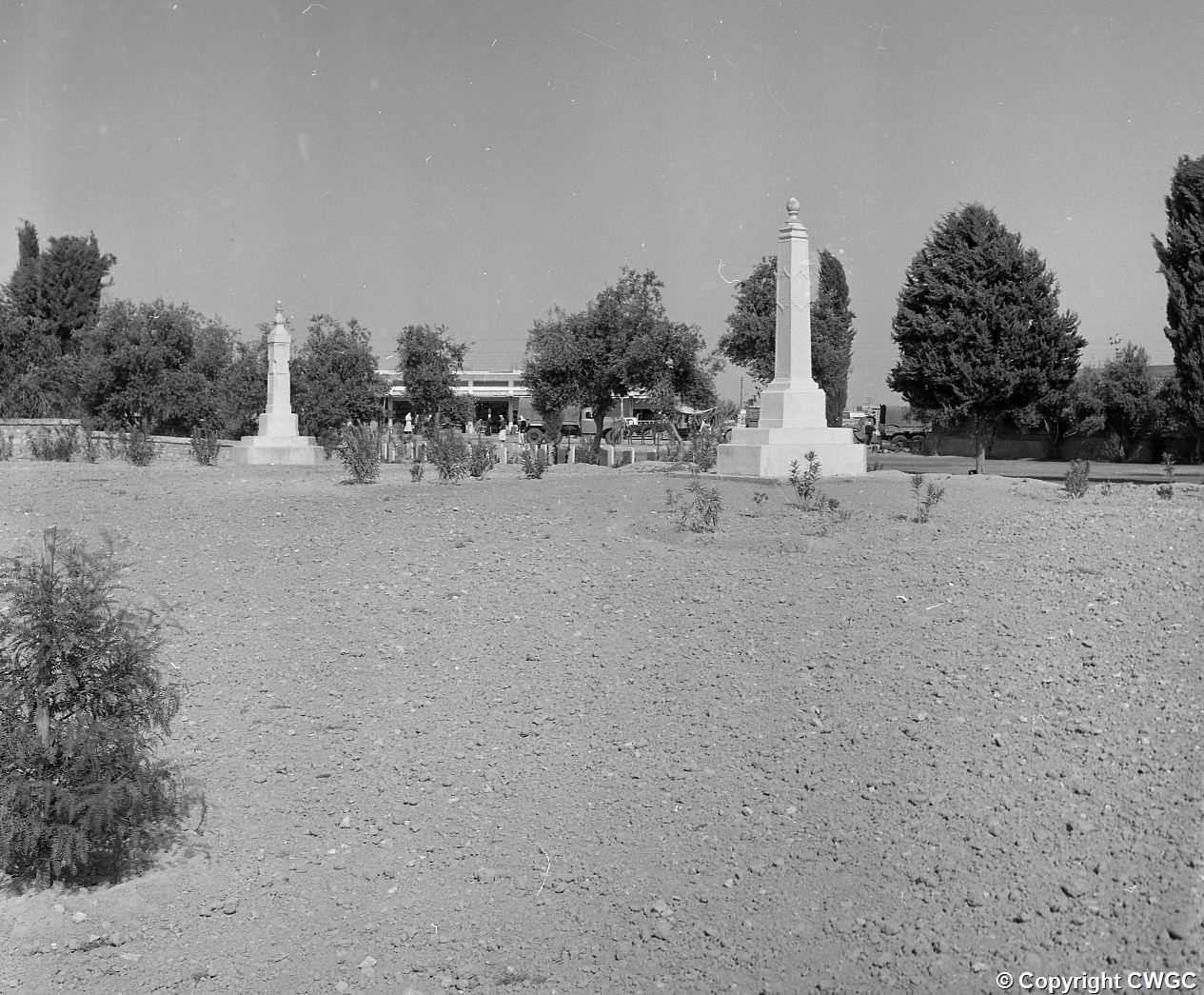
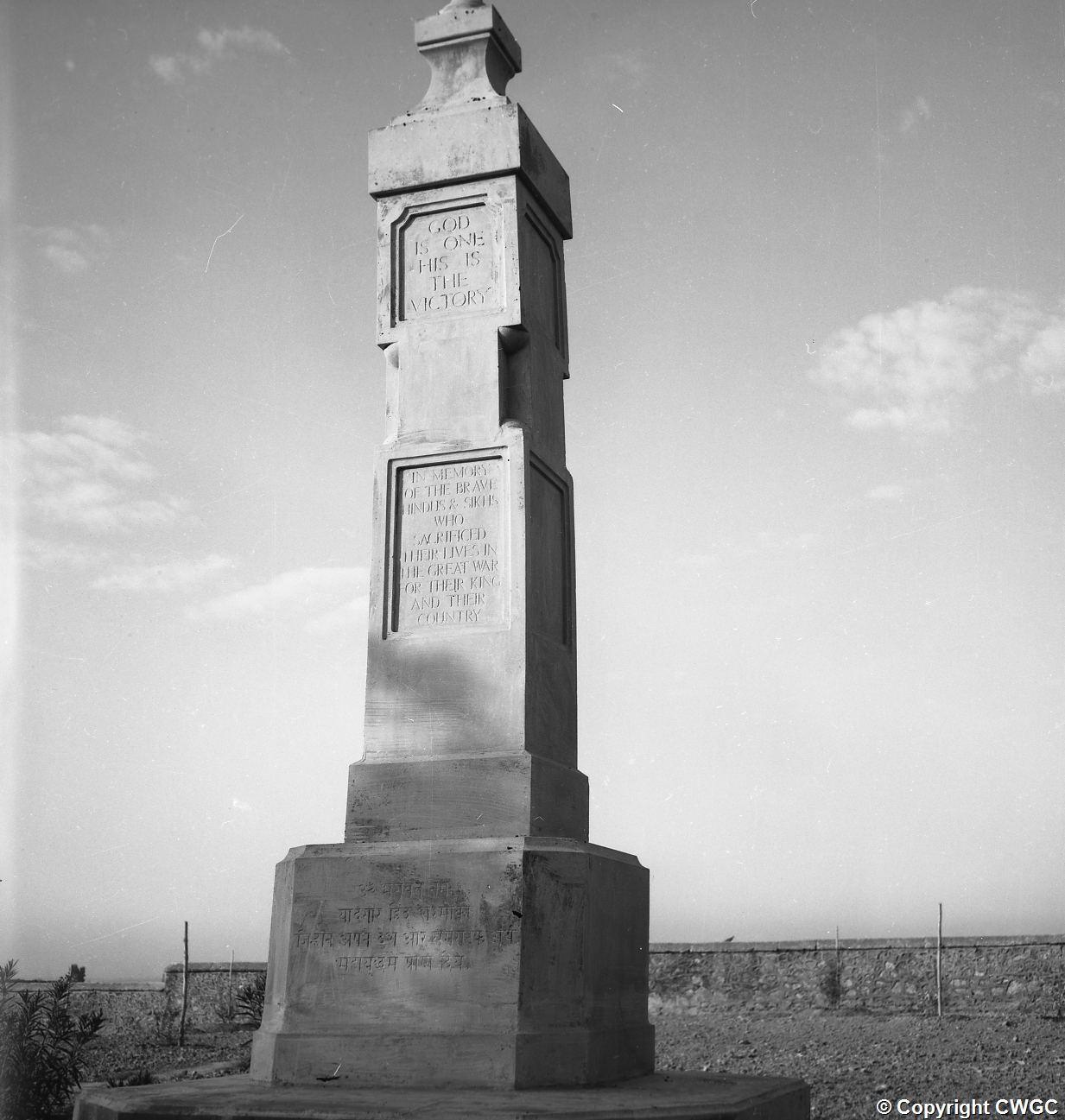
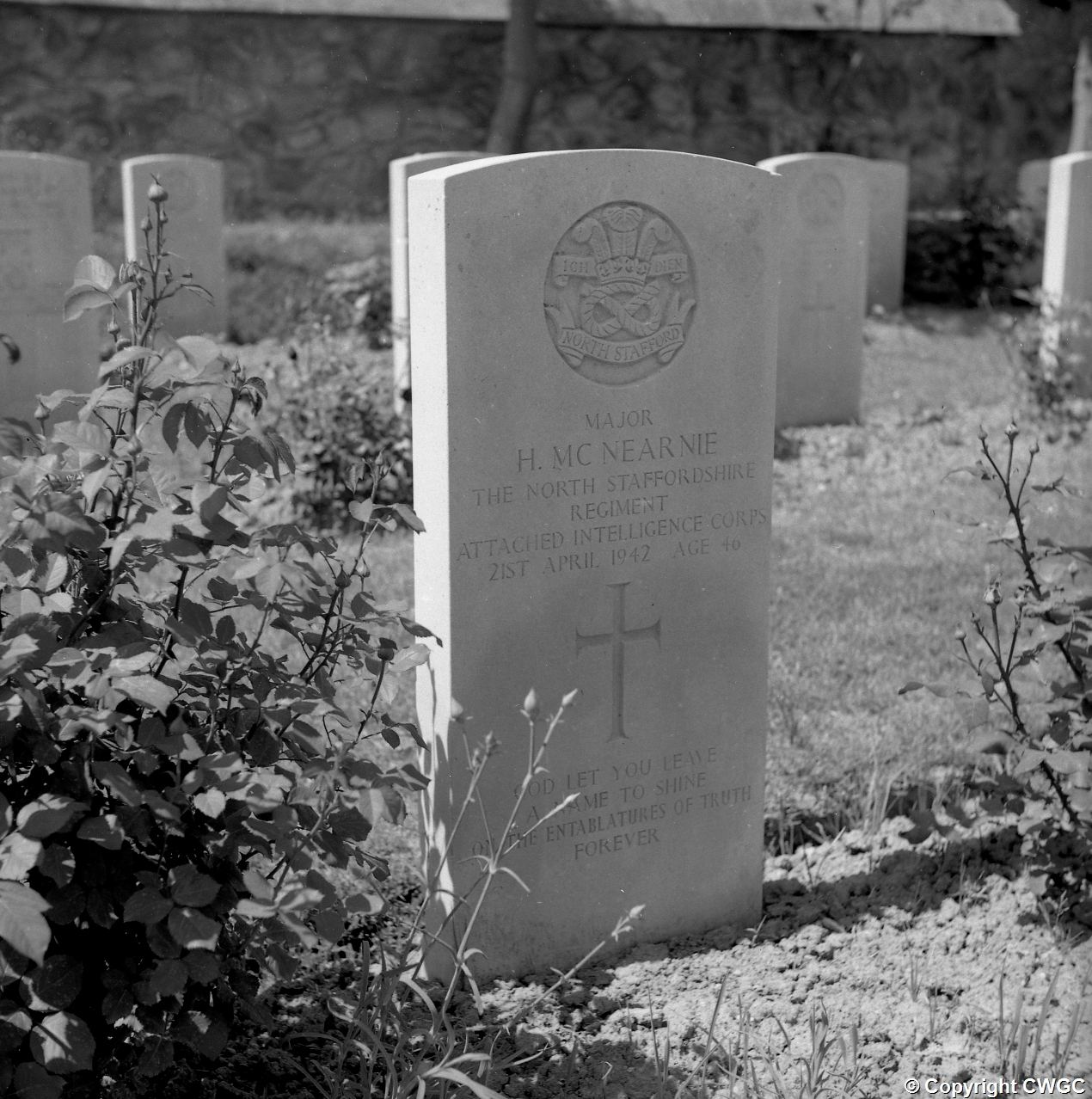
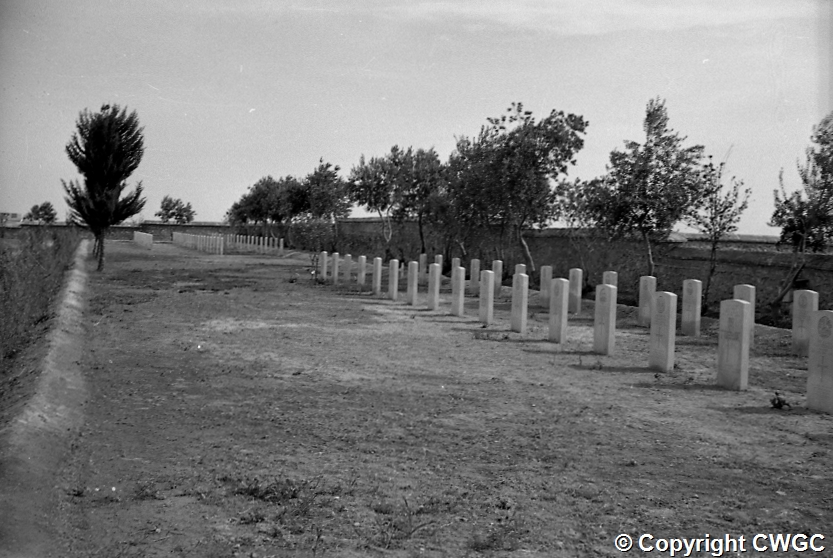
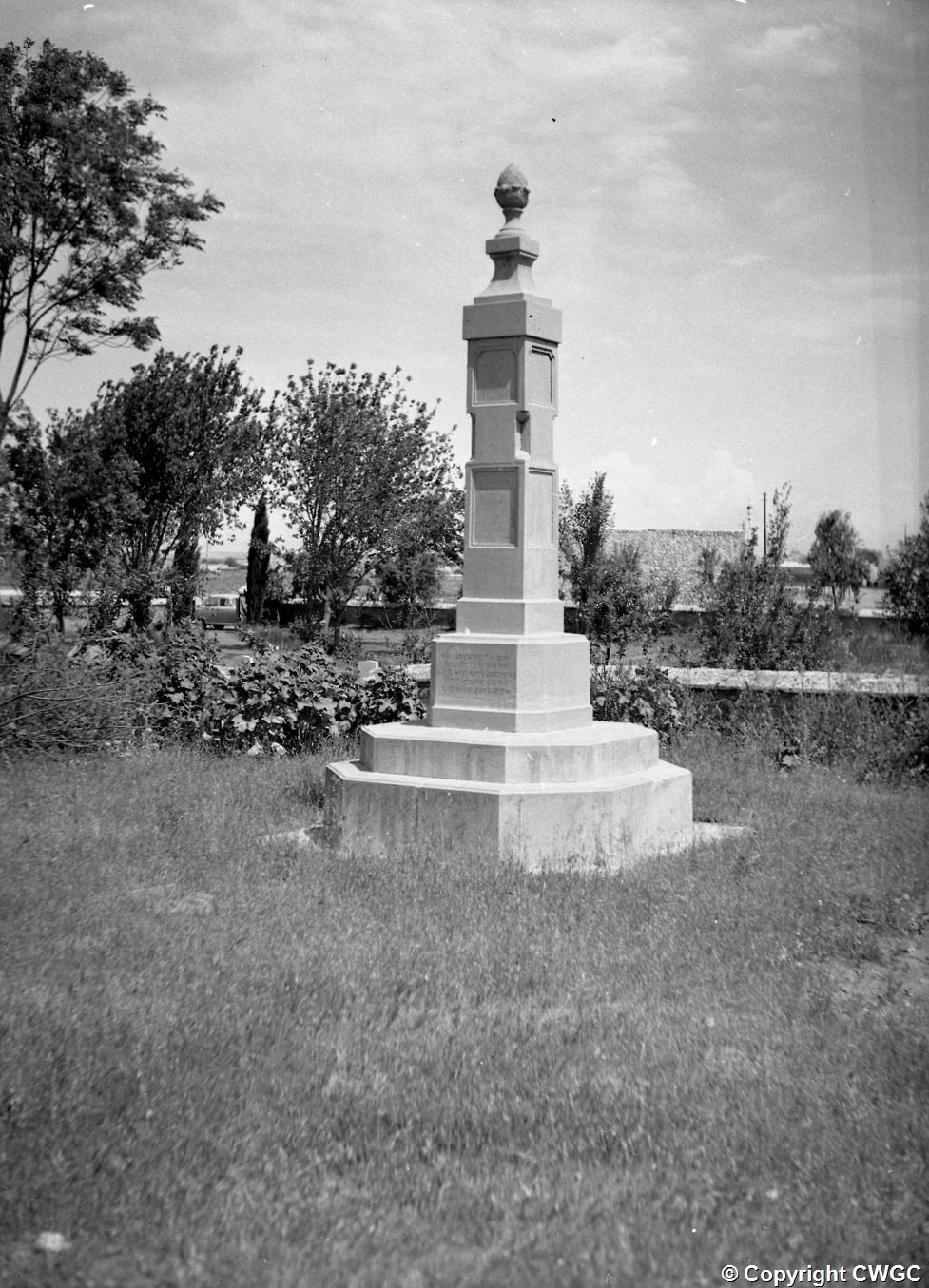
Current condition (October 2025): In 2023 the CWGC instructed their local contractor Naqaa Al-Tabiaa Company, "NT Company", based in Erbil, to construct a wall around the site and install a gate as well as to "remove debris". NT Company is an unusual choice to work on a cemetery given its core business is working for oil and gas companies with explosive protection systems, how and why this qualified them to work on a site of this sensitivity remains an open question for the CWGC.
The "debris removal" by NT Company has left Mosul cemetery in a shocking condition, tantamount to the desecration of the site and criminal damage. I do not blame the company, the CWGC were not on site to manage them, having not visited Iraq since 2018, and they were doing what they do on any industrial site requiring clearing, they brought in a bulldozer and dug down deep enough so that nothing was left. This meant digging down 2-3 feet below grade in some places and exposing the pedestal of the Cross of Sacrifice to below the foundation.
The debris removal involved a bulldozer whose marks are still visible. The site was leveled to several feet below grade removing all grave markers and sub bases, something not even done at Basra where the subbases remain and only the grave markers themselves were removed. This makes any eventual renovation of the cemetery far harder as the individual graves will need to be identified using ground penetrating radar.
The cleared site, October 2025
Photographs taken during the October 2025 field visit to Mosul War Cemetery.
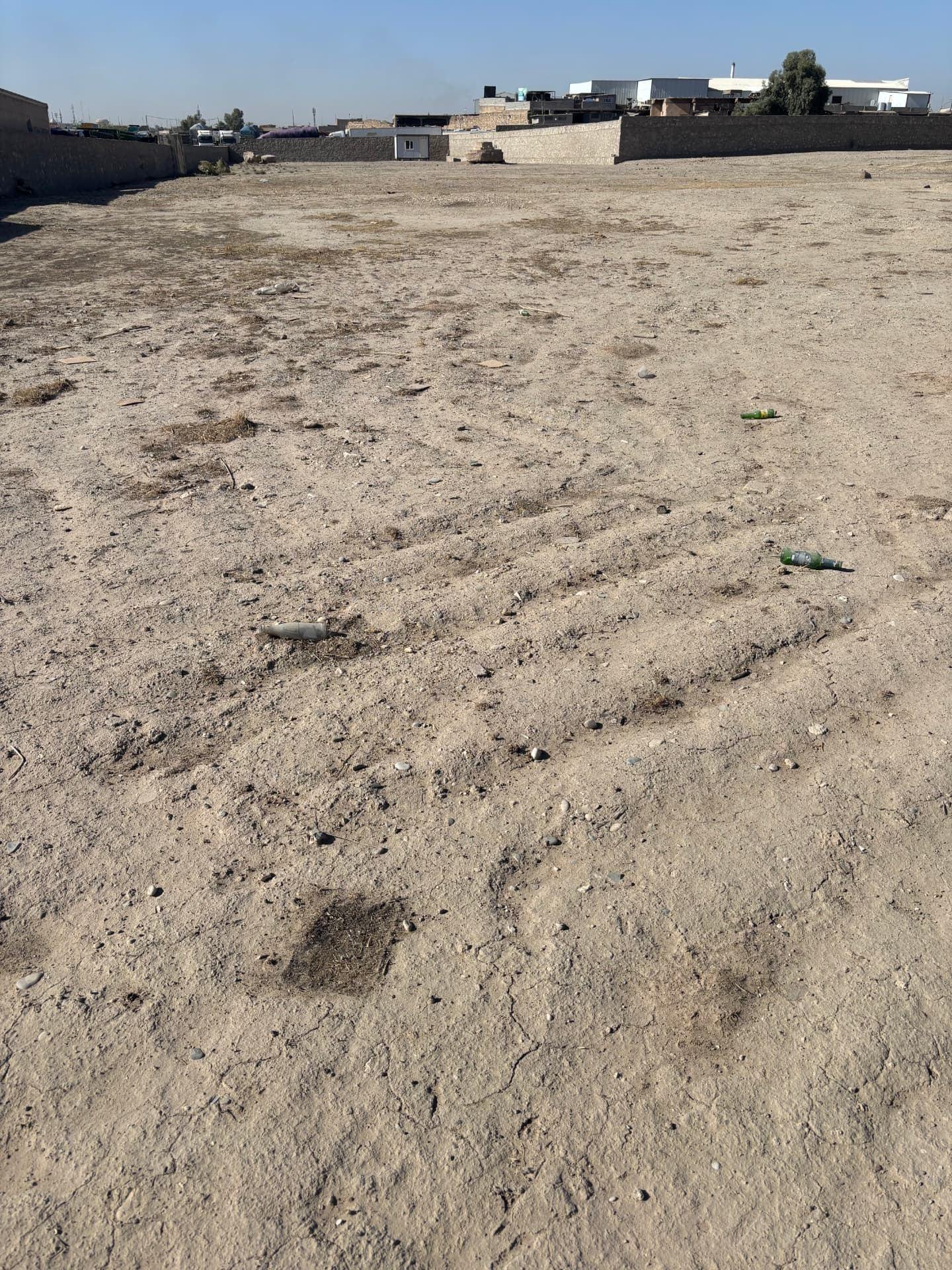
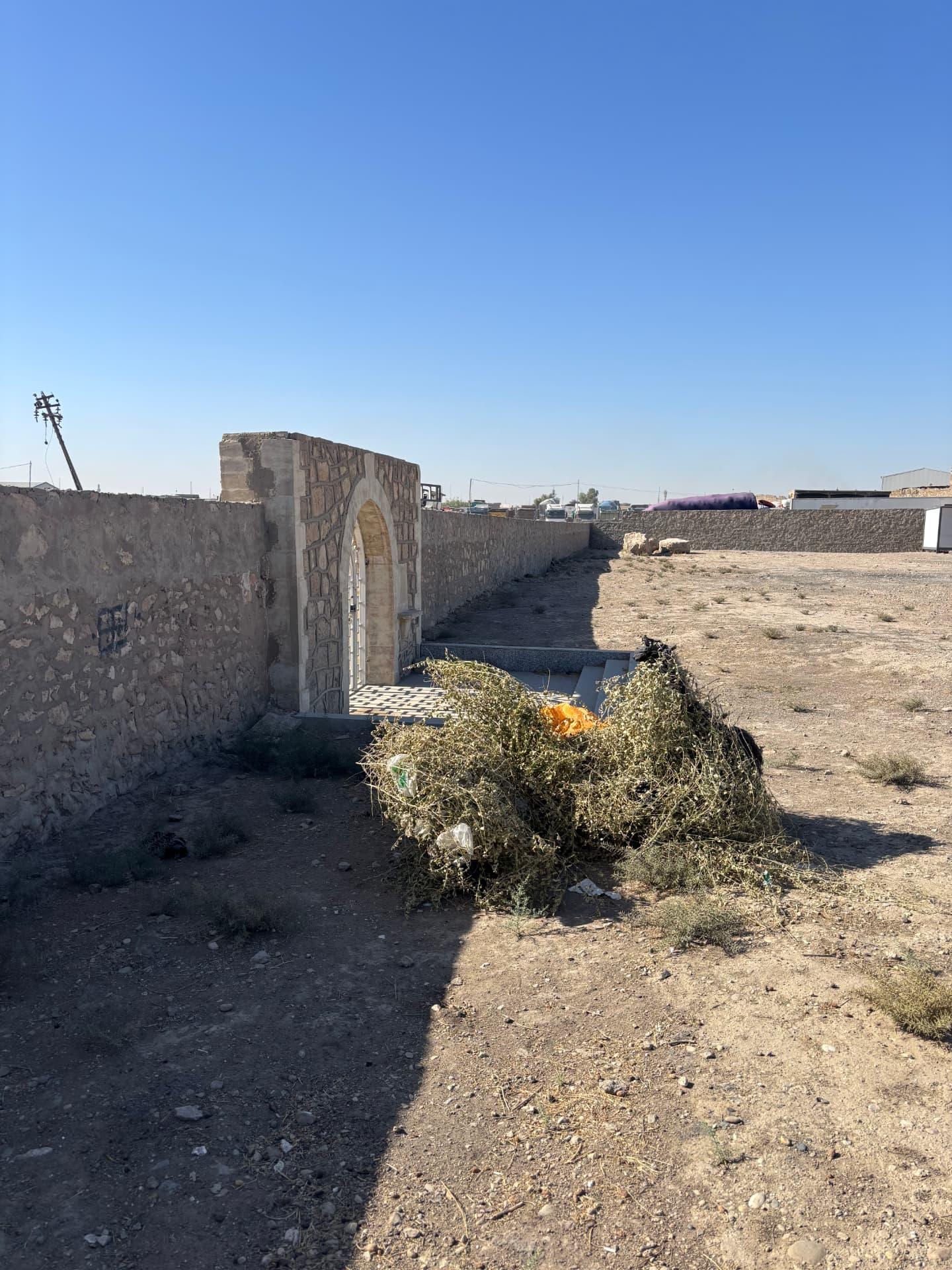
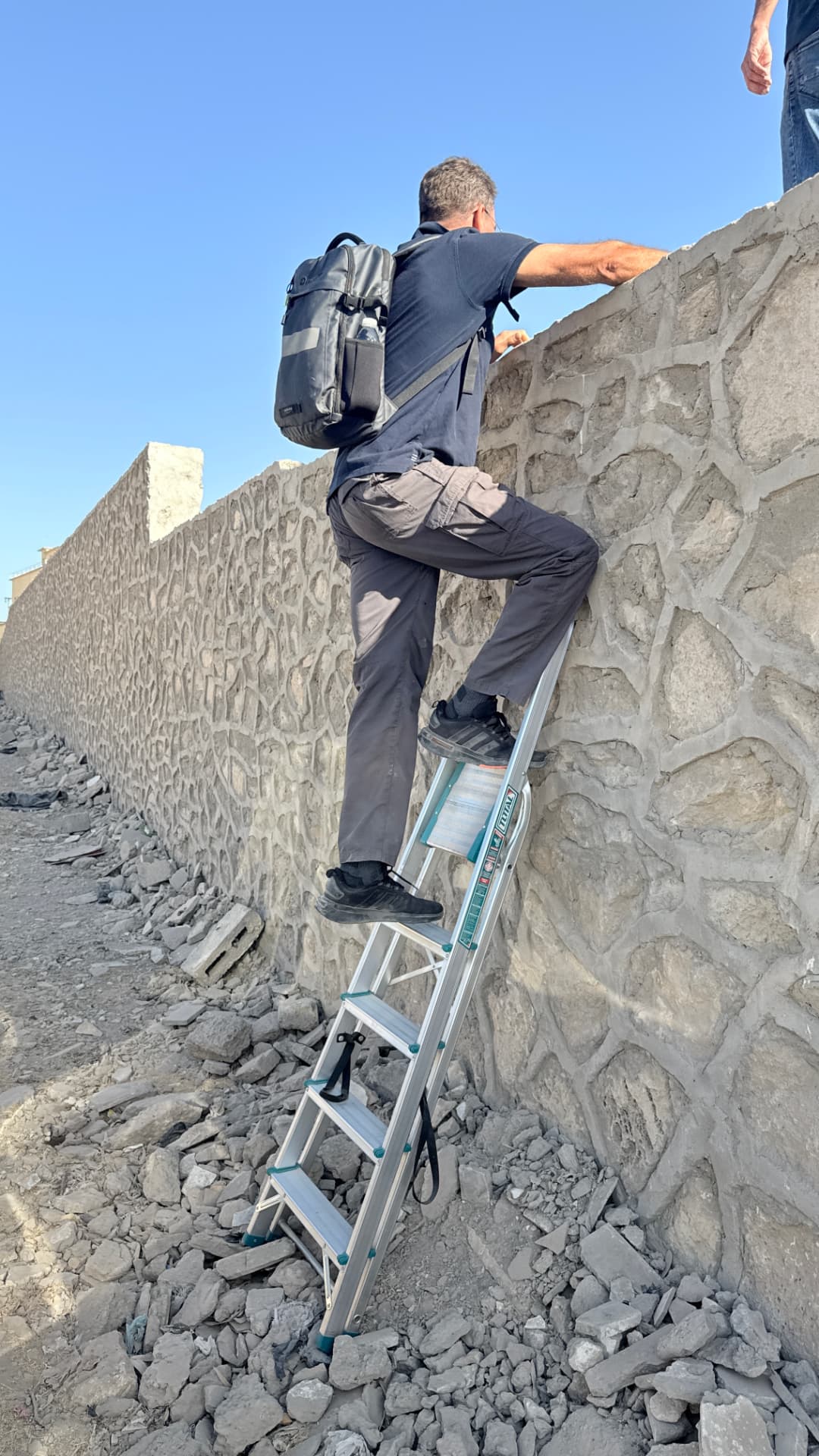
Using the approximate scale reference of the 6ft person in the picture below, the ground has been excavated to approximately 1.5-2 feet below the original level, exposing beneath the level of the foundation of the Cross of Sacrifice pedestal, an extraordinary amount of material to be removed.
The Cross of Sacrifice pedestal
The scale of the excavation is clearest at the Cross of Sacrifice, where the ground has been cut away beneath the foundation.
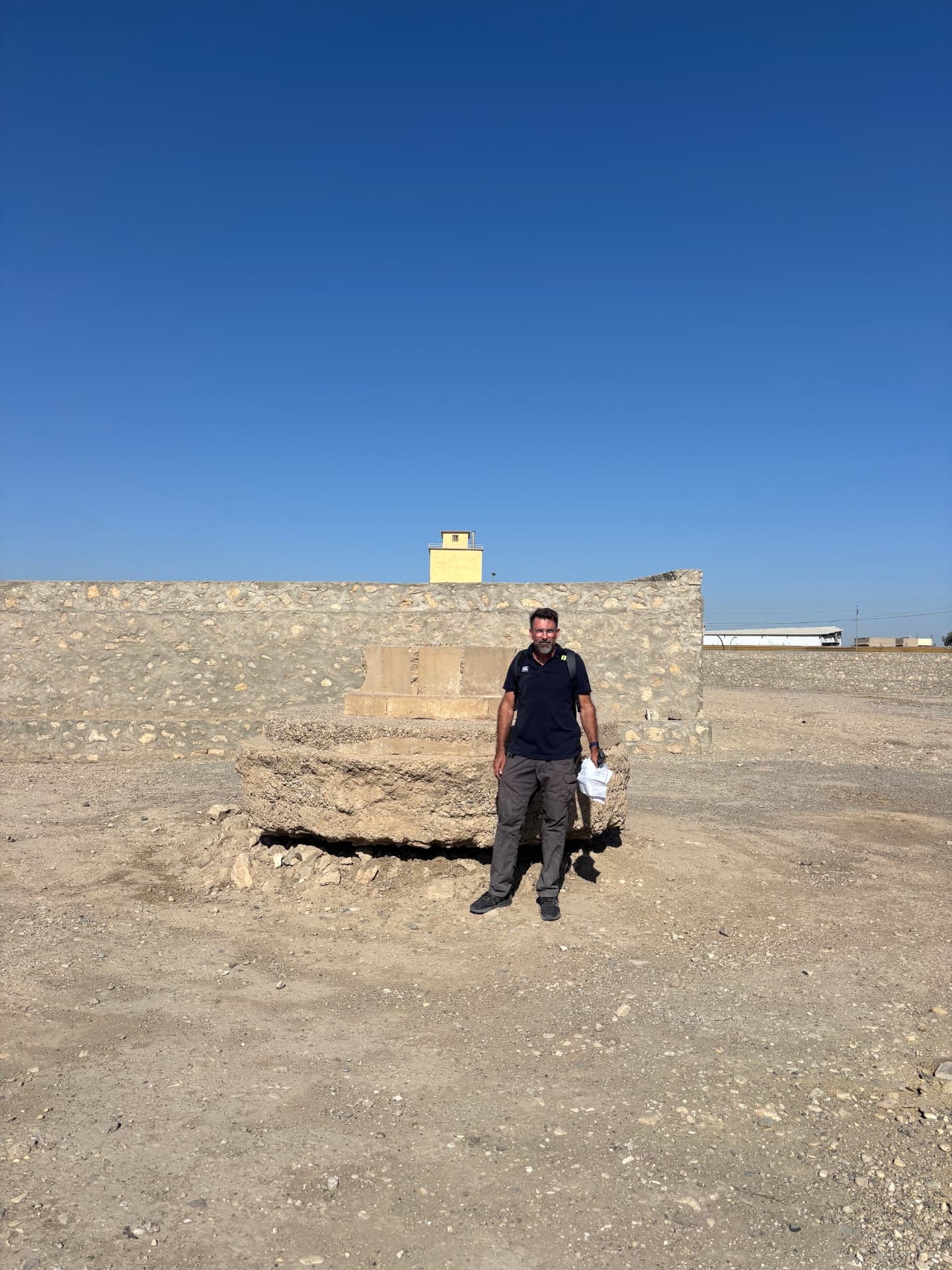
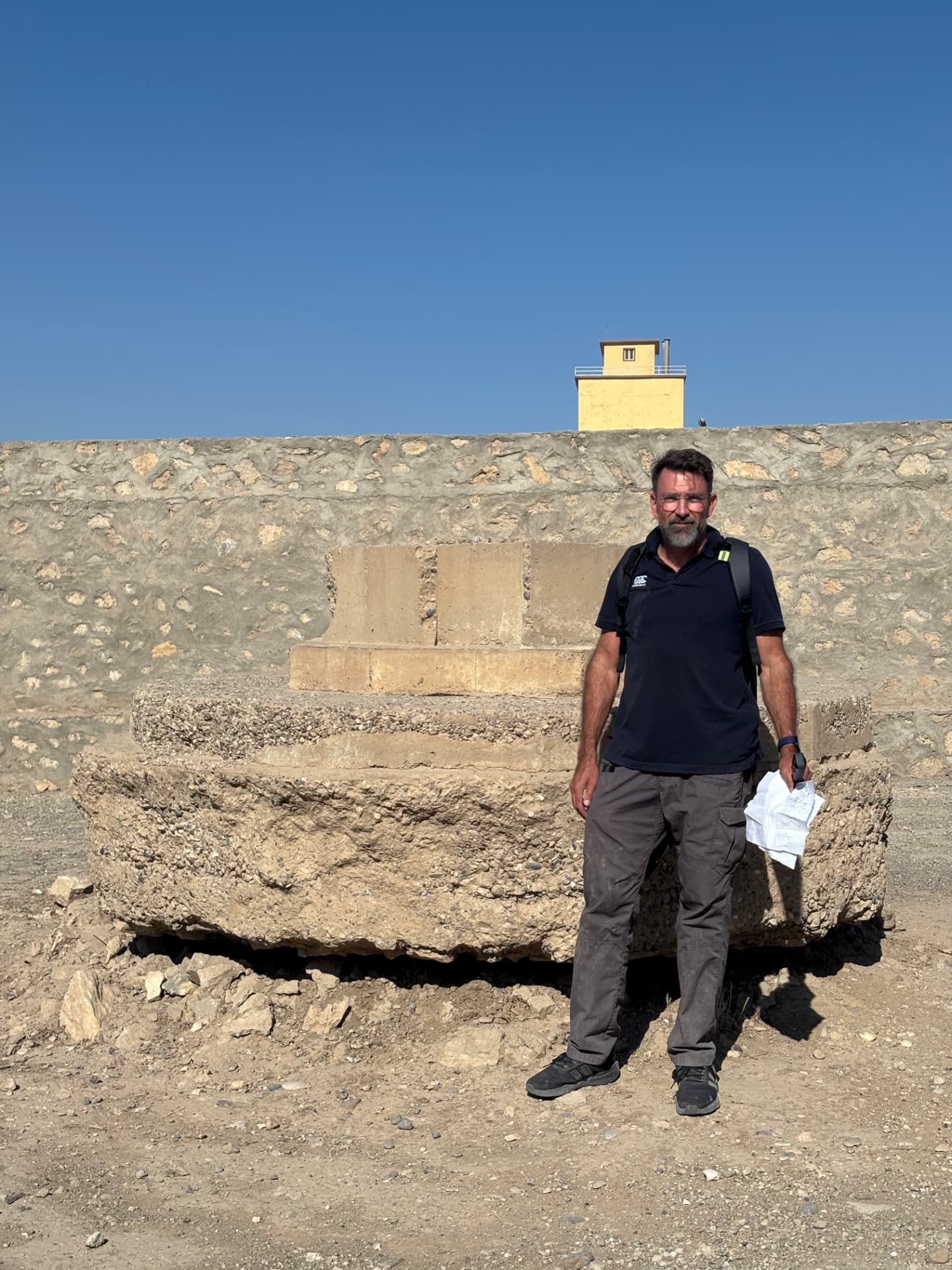
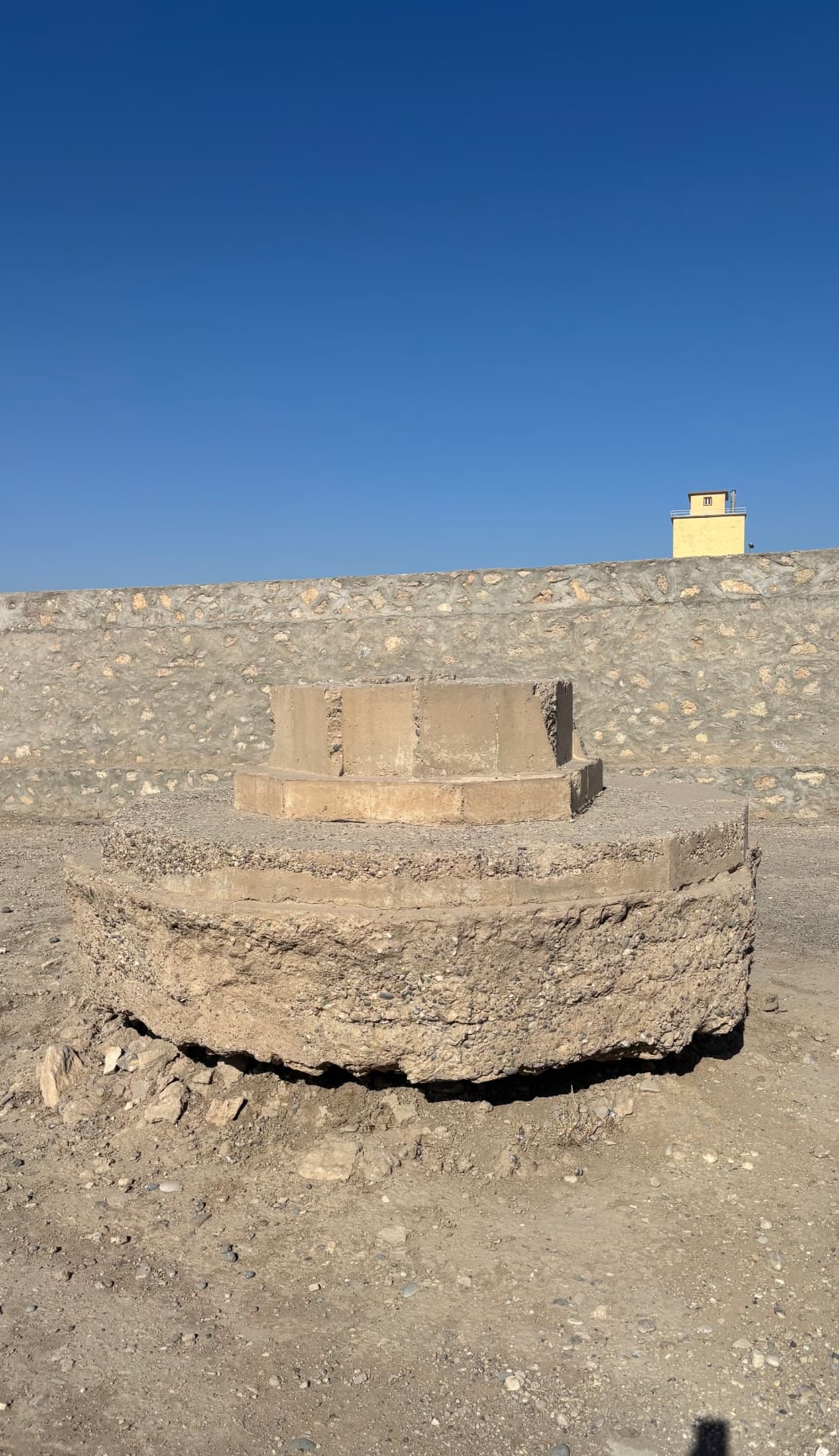
If this was not bad enough, a large plastic work hut containing a handful of spades and rakes has been installed over WW2 graves at Plot 1. As can be seen from the cemetery plan there is plenty of space without graves that could have been used for this, demonstrating the lack of sensitivity and oversight of the contractor.
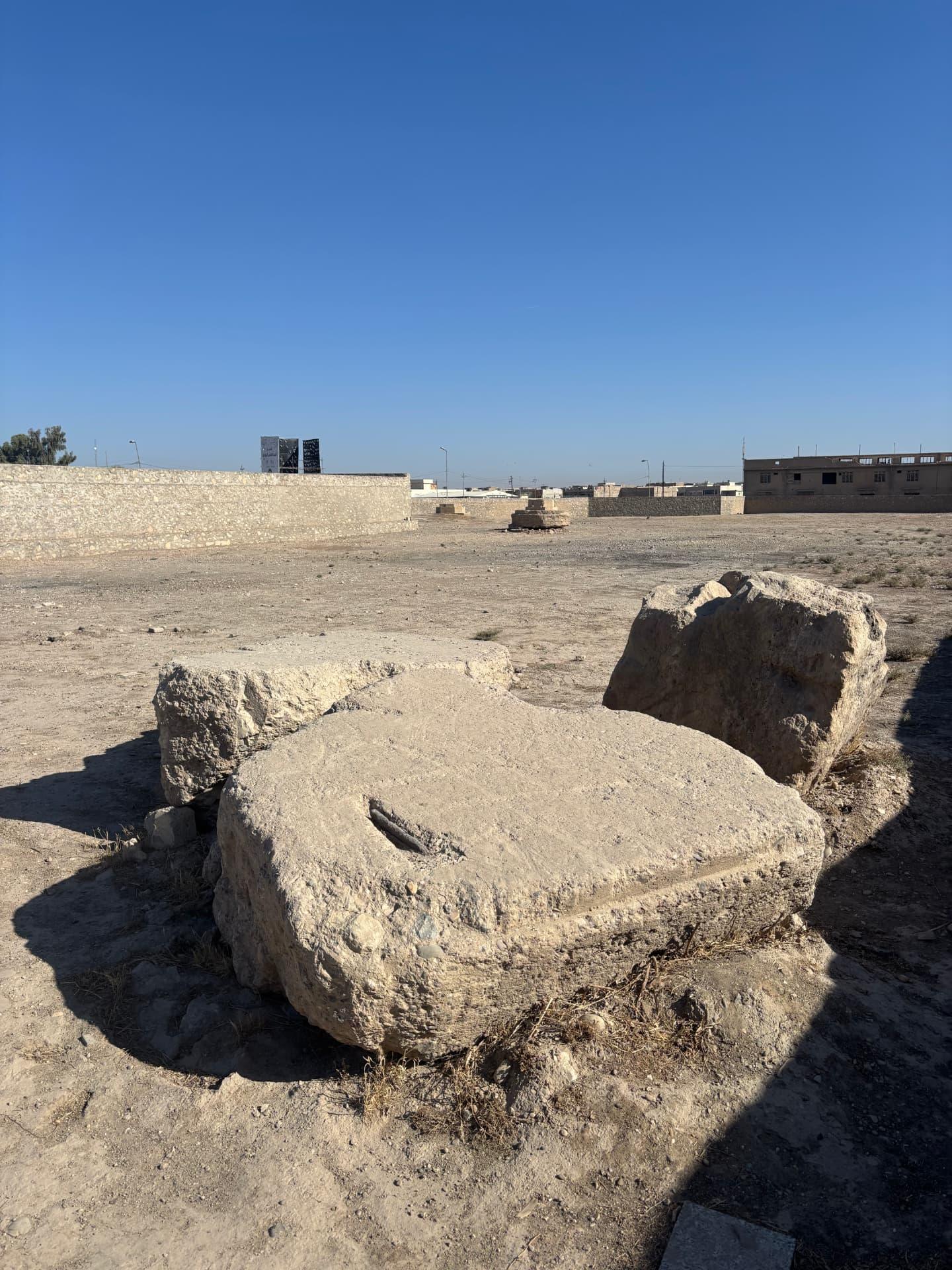
Whilst great effort was made to remove so much of the soil, no effort was made to rehabilitate the site in any way, with the memorials to the Muslim, Sikh and Hindu casualties left lying in pieces in the dirt. Some resources could, one assumes, have been directed to rebuild these to provide at least some degree of recognition of the site as a cemetery and the men buried or commemorated there.
The Muslim, Sikh and Hindu memorials
The memorials to the Muslim, Sikh and Hindu casualties were left dismantled in the dirt, their carved and inscribed blocks stacked and scattered on the bare ground.
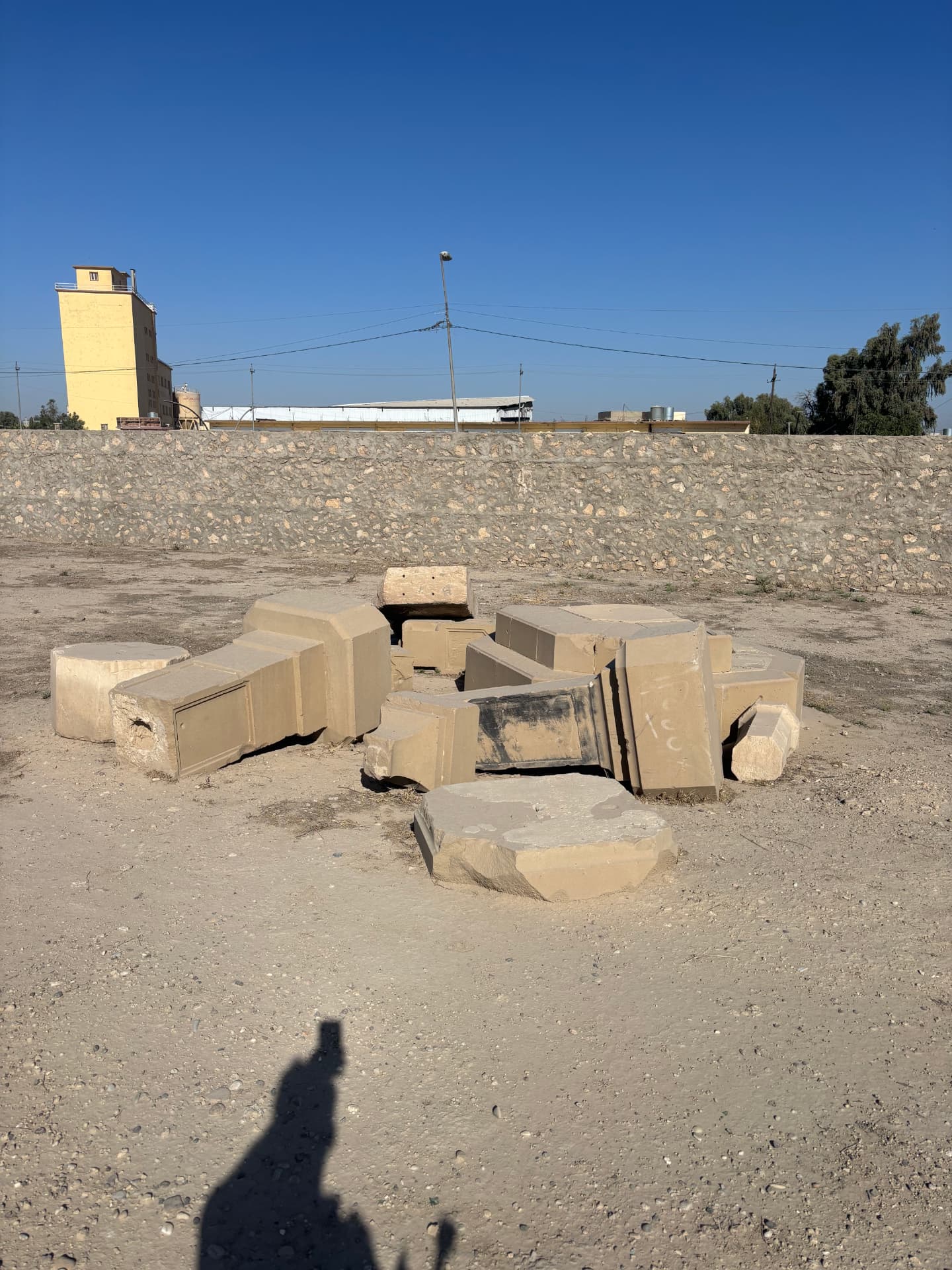
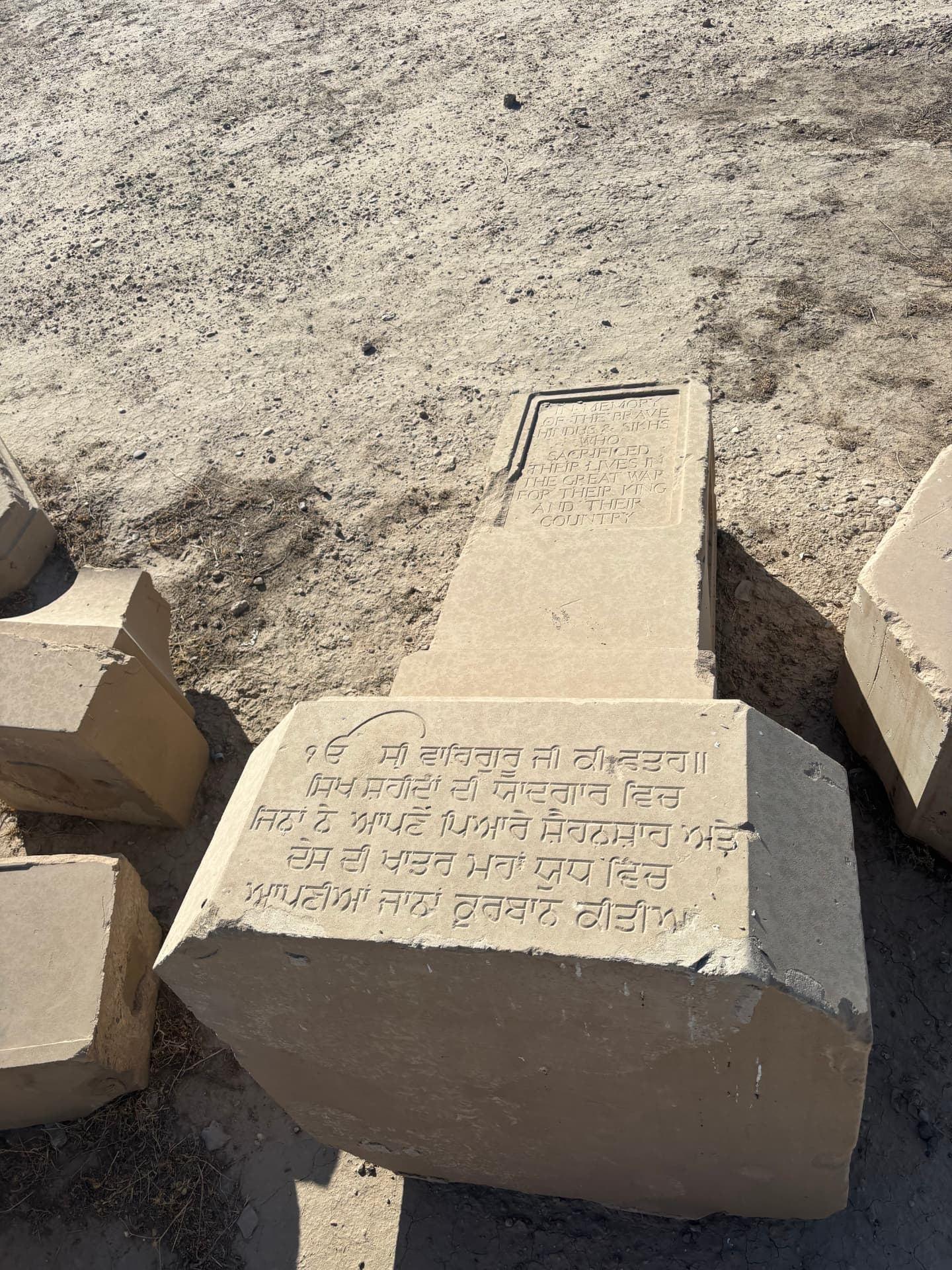
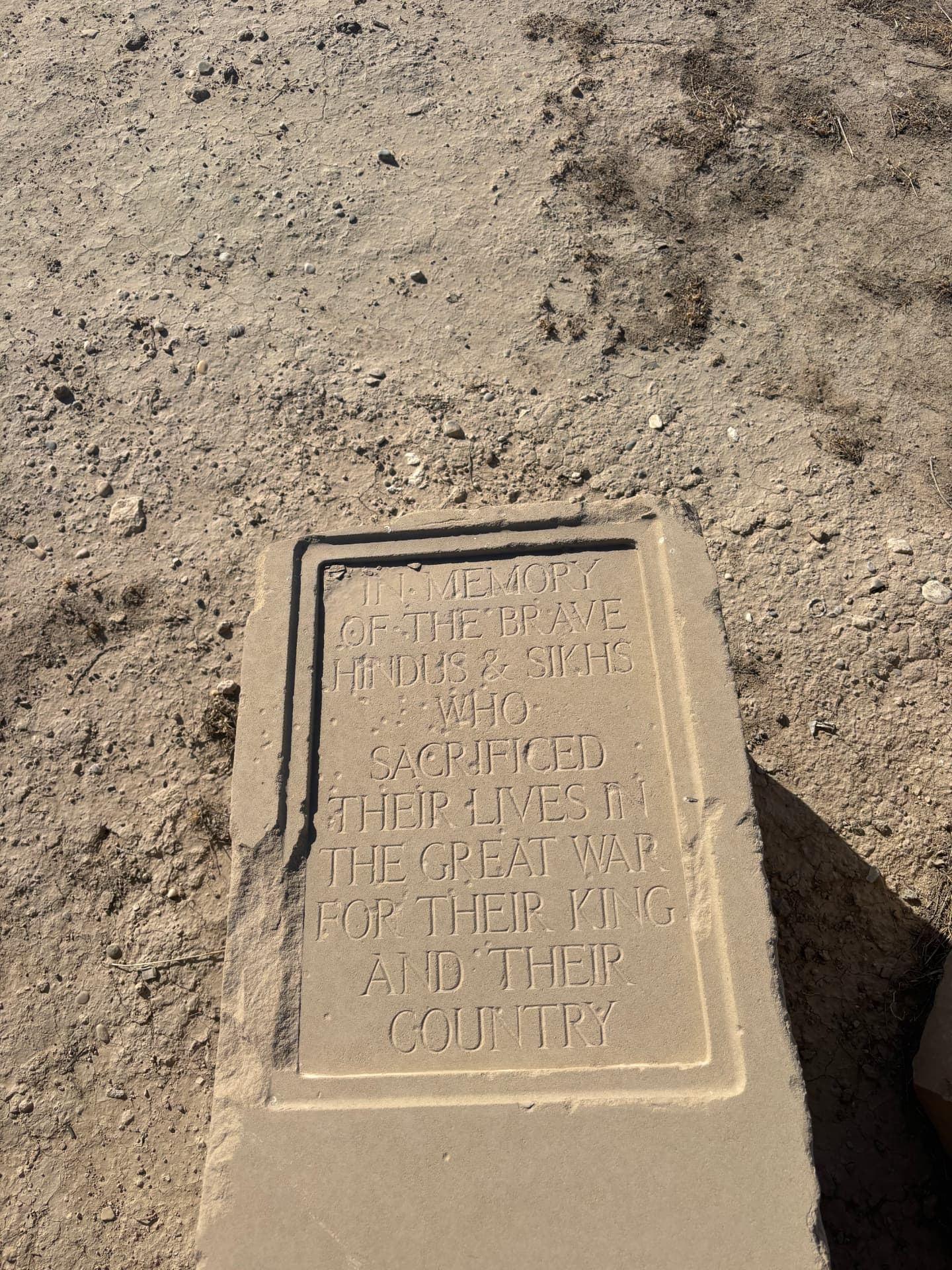
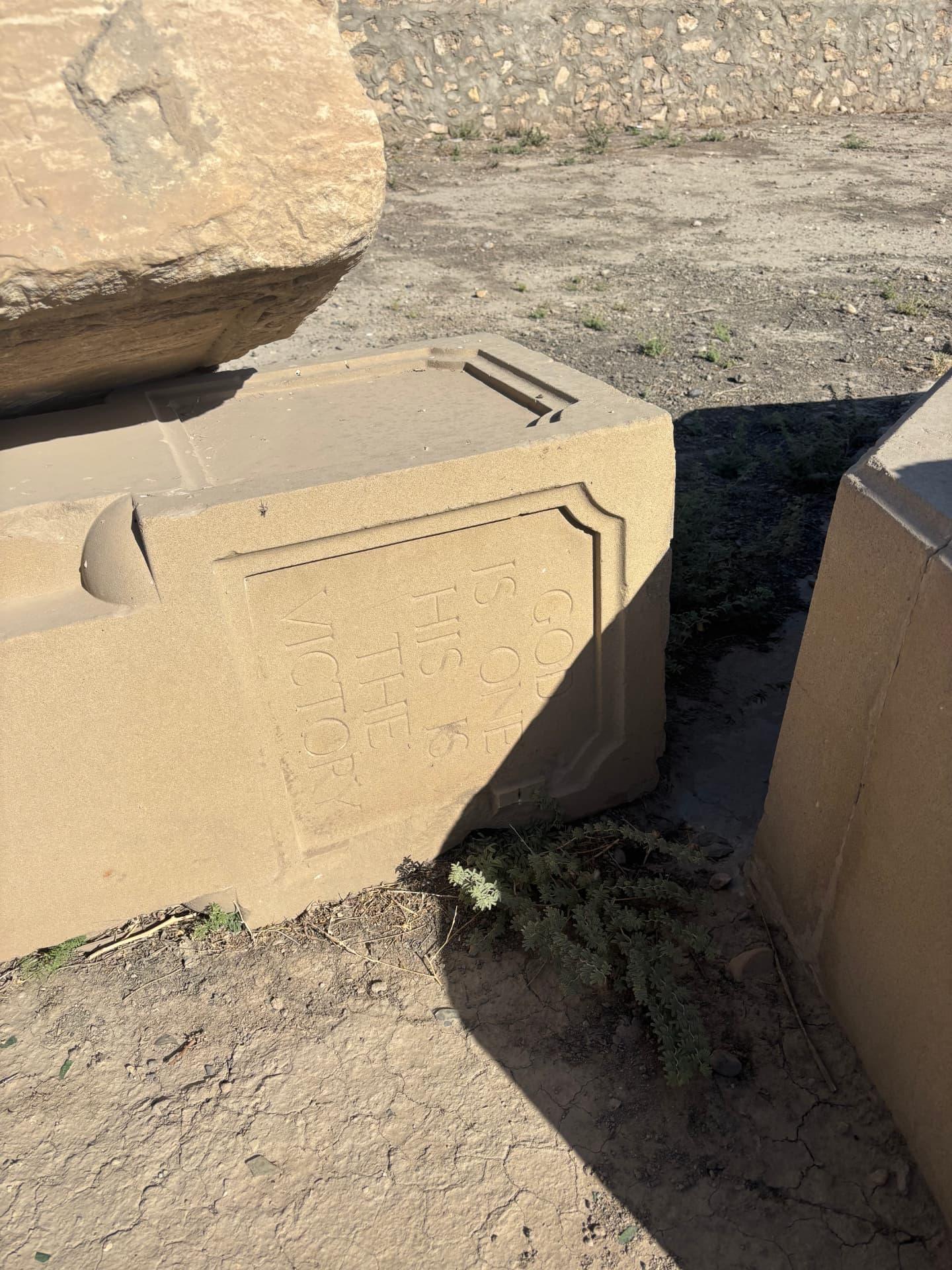
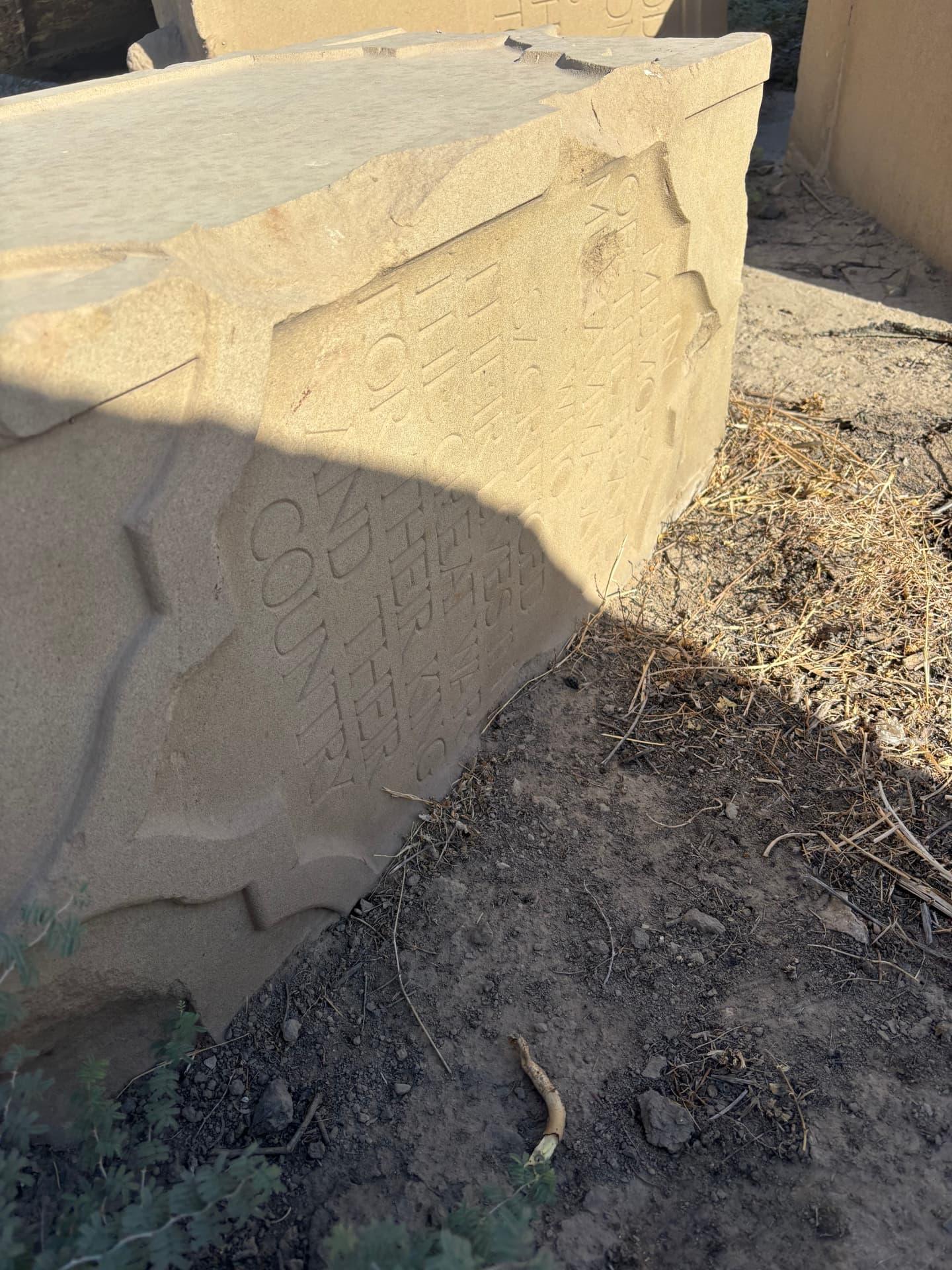
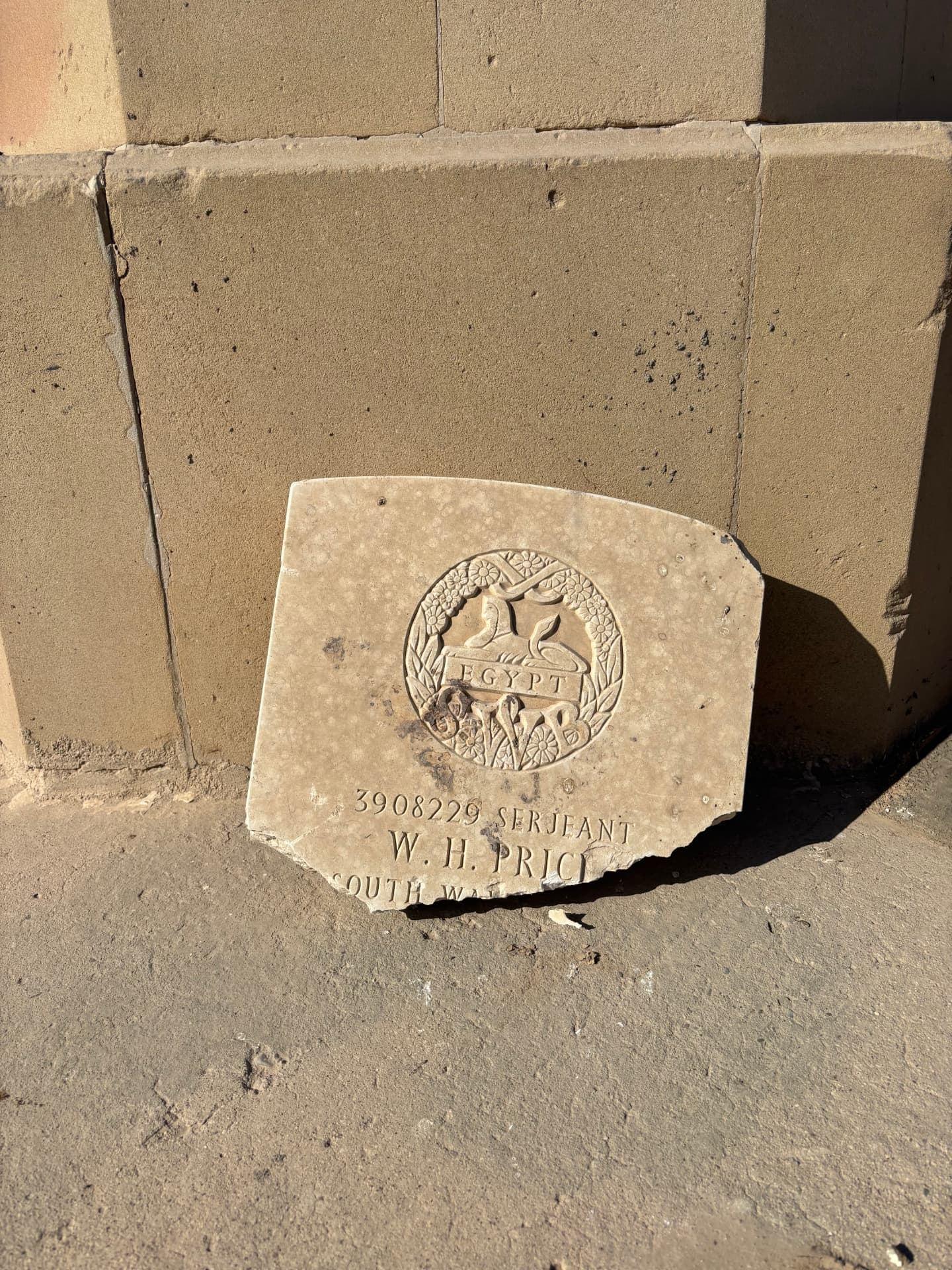
Only one sole fragment of grave remains. Sergeant Watkins body lies under the tool shed.
The only surviving grave fragment
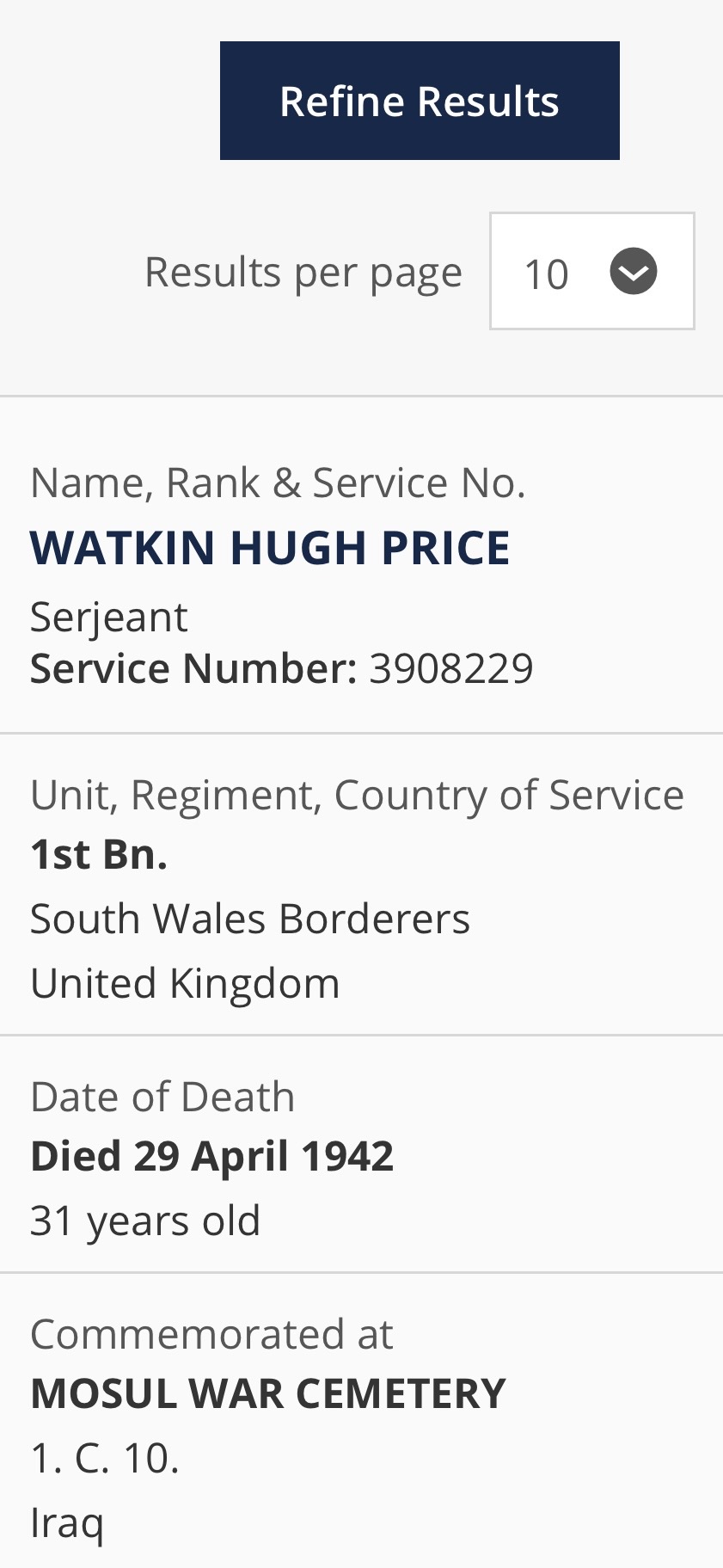
A single broken headstone fragment remains on the site, that of Serjeant W. H. Price of the South Wales Borderers, whose body lies beneath the tool shed installed during the clearance work.
The contractor also left "debris" unrelated to the cemetery they were paid to remove behind, with several large pieces of concrete left in a pile and the bases of some concrete buildings also left in place.
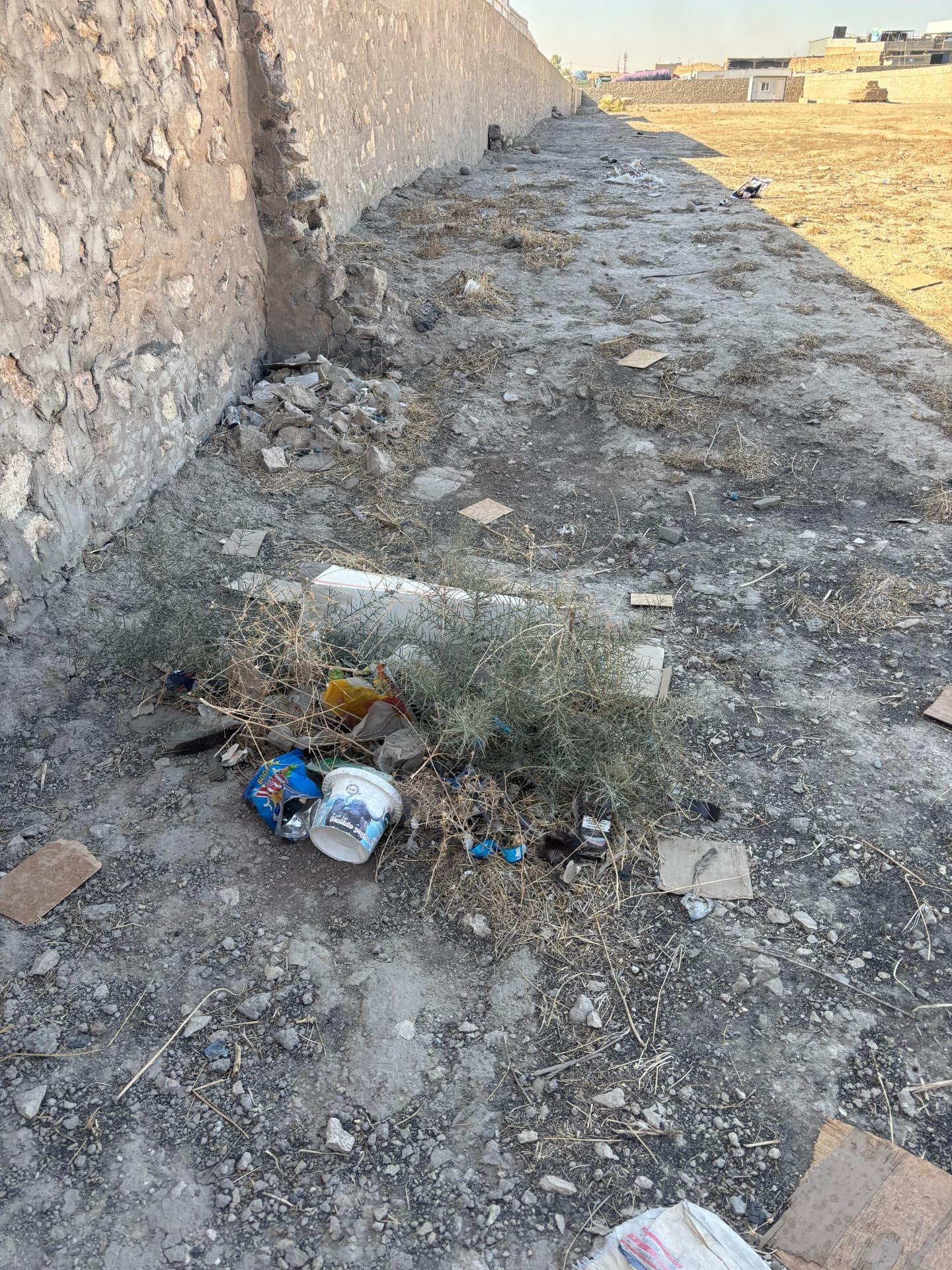
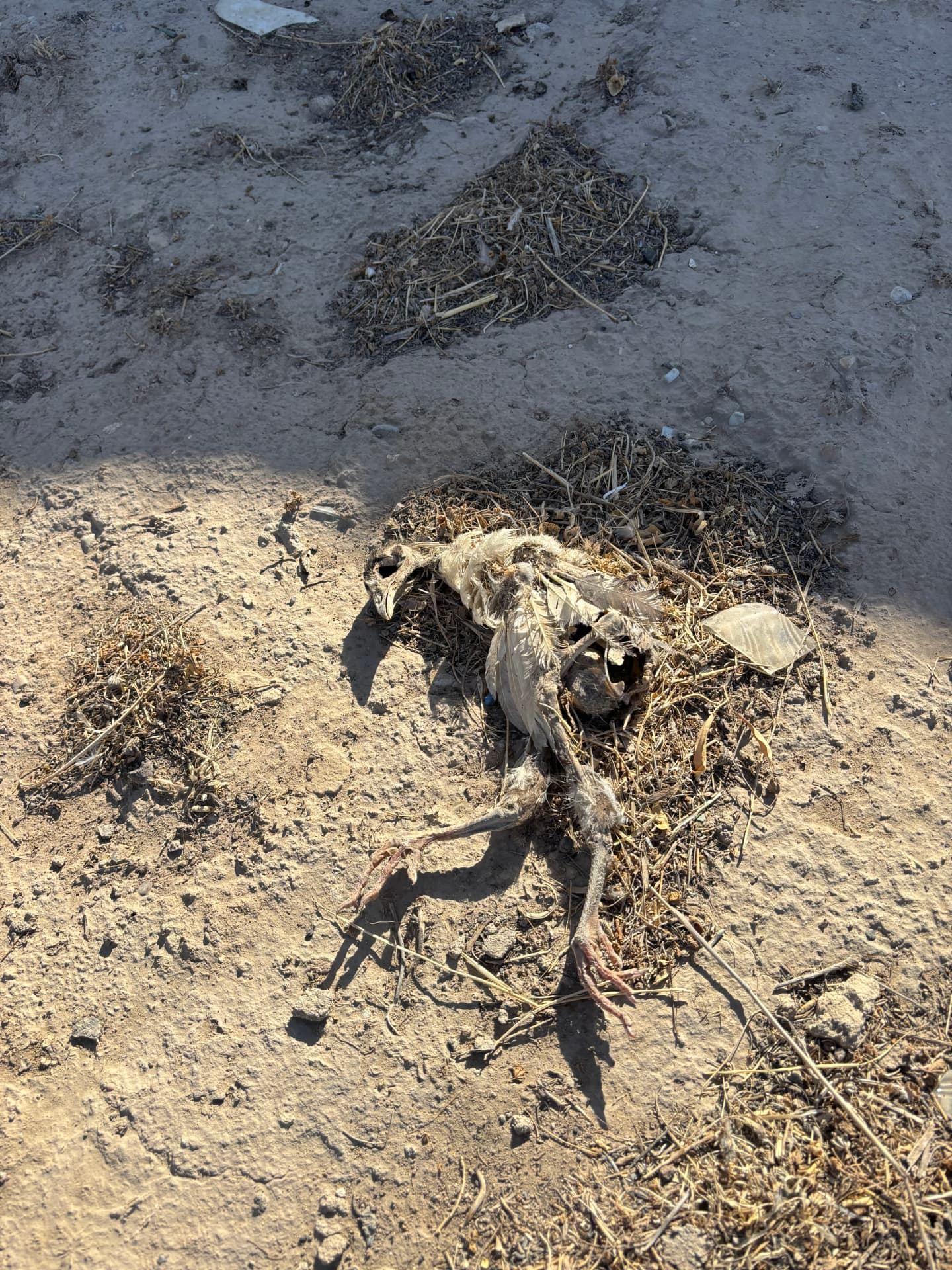
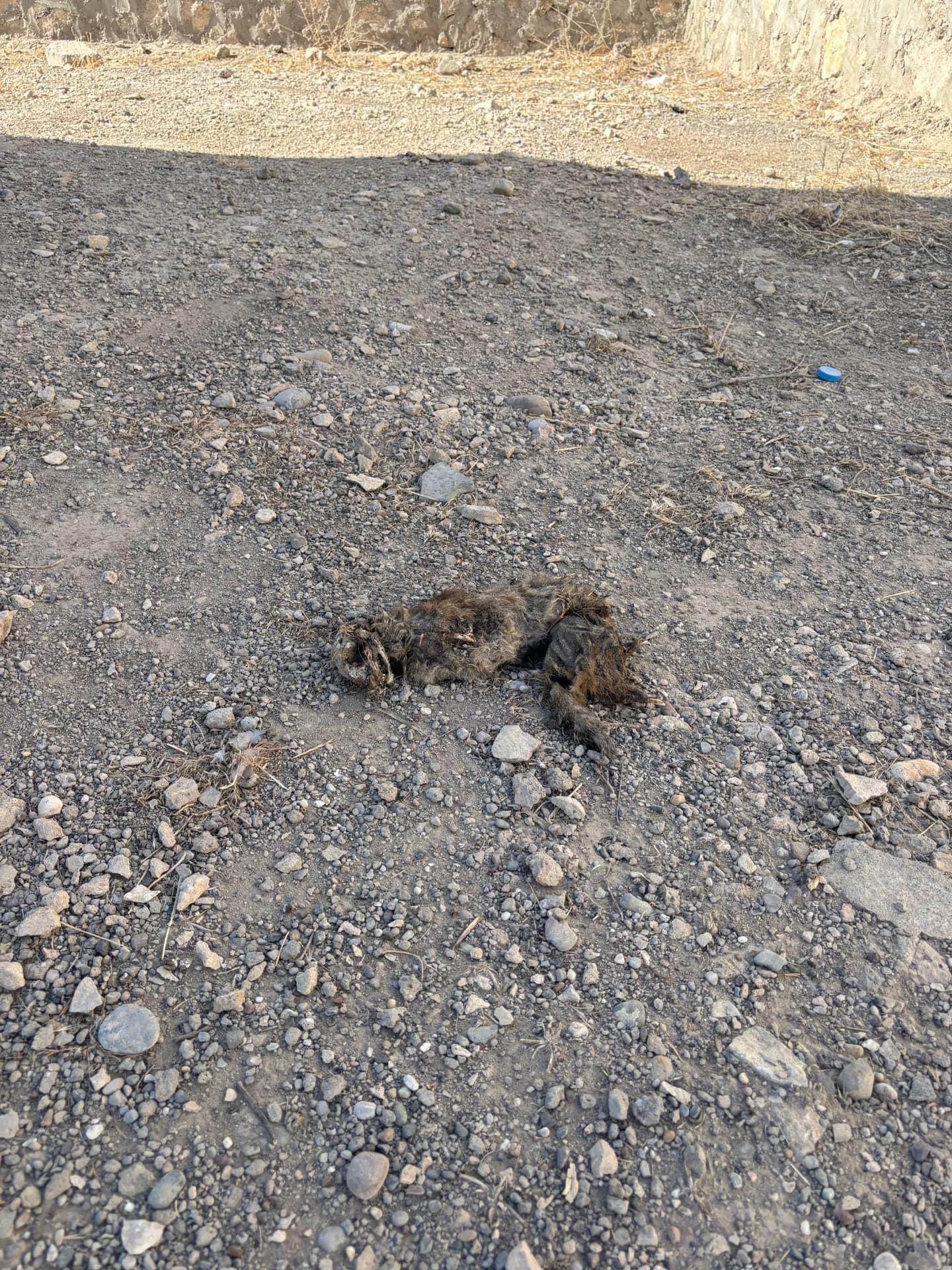
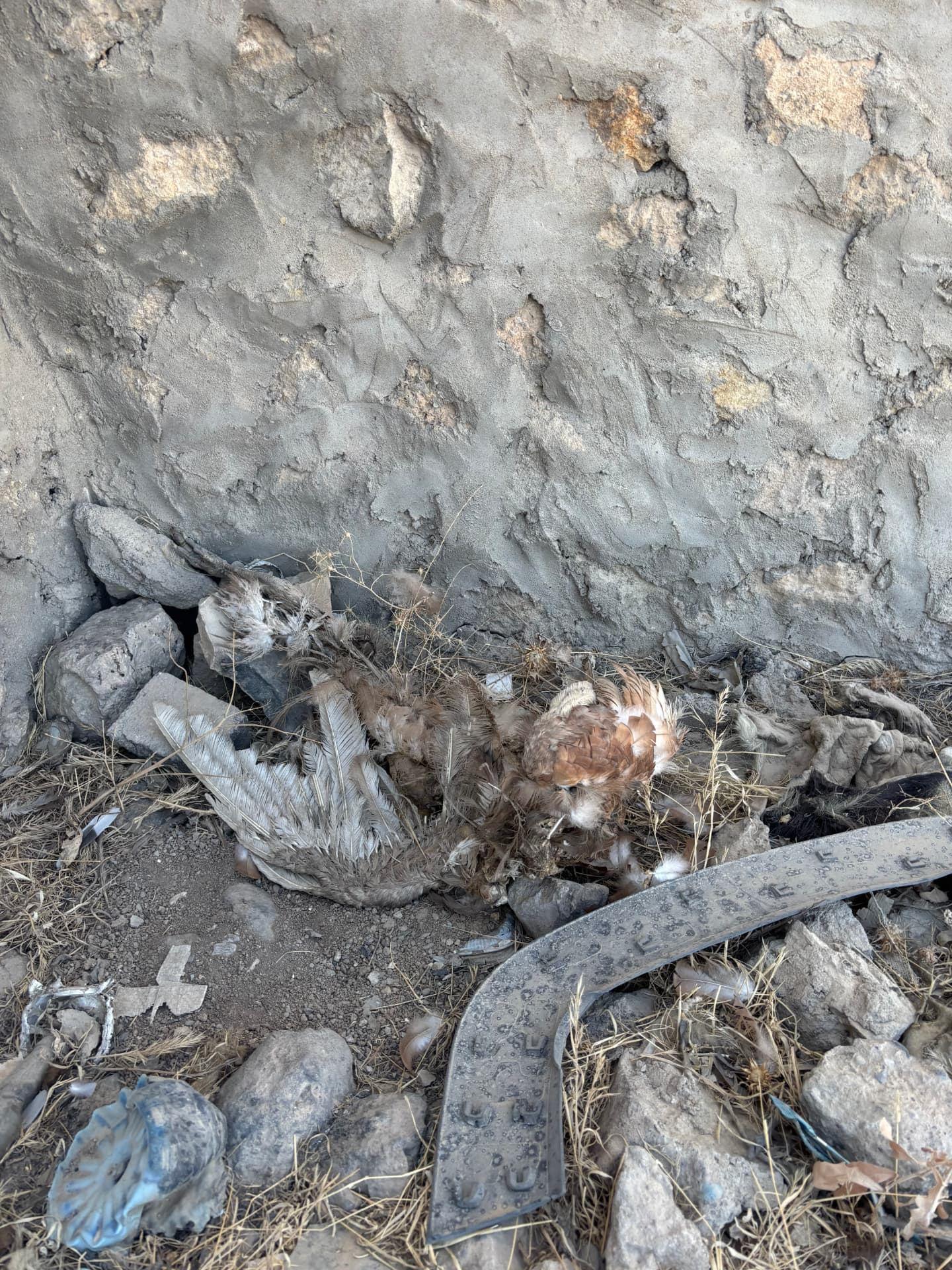
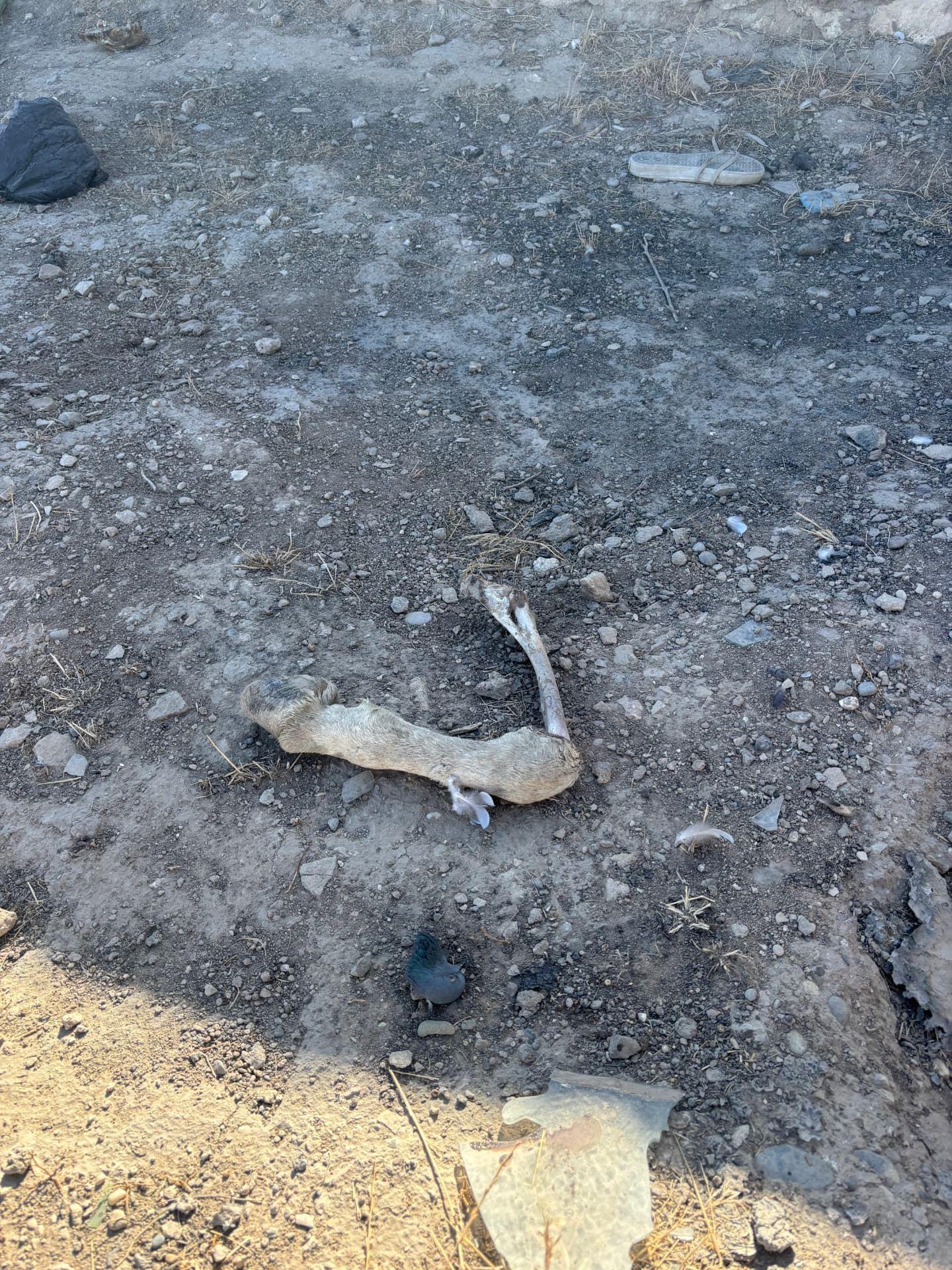
The site has not been maintained and is gradually filling up with dead animals and detritus blown in.
Neglect since the clearance
No maintenance regime has followed the clearance work.
Current Condition
Current condition (October 2025): In 2023 the CWGC instructed their local contractor Naqaa Al-Tabiaa Company, "NT Company", based in Erbil, to construct a wall around the site and install a gate as well as to "remove debris". NT Company is an unusual choice to work on a cemetery given its core business is working for oil and gas companies with explosive protection systems, how and why this qualified them to work on a site of this sensitivity remains an open question for the CWGC.
The "debris removal" by NT Company has left Mosul cemetery in a shocking condition, tantamount to the desecration of the site and criminal damage. I do not blame the company, the CWGC were not on site to manage them, having not visited Iraq since 2018, and they were doing what they do on any industrial site requiring clearing, they brought in a bulldozer and dug down deep enough so that nothing was left. This meant digging down 2-3 feet below grade in some places and exposing the pedestal of the Cross of Sacrifice to below the foundation.
The debris removal involved a bulldozer whose marks are still visible. The site was leveled to several feet below grade removing all grave markers and sub bases, something not even done at Basra where the subbases remain and only the grave markers themselves were removed. This makes any eventual renovation of the cemetery far harder as the individual graves will need to be identified using ground penetrating radar.
Using the approximate scale reference of the 6ft person in the picture below, the ground has been excavated to approximately 1.5-2 feet below the original level, exposing beneath the level of the foundation of the Cross of Sacrifice pedestal, an extraordinary amount of material to be removed.
If this was not bad enough, a large plastic work hut containing a handful of spades and rakes has been installed over WW2 graves at Plot 1. As can be seen from the cemetery plan there is plenty of space without graves that could have been used for this, demonstrating the lack of sensitivity and oversight of the contractor.
Whilst great effort was made to remove so much of the soil, no effort was made to rehabilitate the site in any way, with the memorials to the Muslim, Sikh and Hindu casualties left lying in pieces in the dirt. Some resources could, one assumes, have been directed to rebuild these to provide at least some degree of recognition of the site as a cemetery and the men buried or commemorated there.
Only one sole fragment of grave remains. Sergeant Watkins body lies under the tool shed.
The contractor also left "debris" unrelated to the cemetery they were paid to remove behind, with several large pieces of concrete left in a pile and the bases of some concrete buildings also left in place.
The site has not been maintained and is gradually filling up with dead animals and detritus blown in.
Notable Casualties
George Evelyn Arthur Cheyne Monck-Mason
British Consul at Mosul, Iraq. On 4 April 1939, amid anti-British riots following King Ghazi's death, a mob stormed the British Consulate. Monck-Mason was killed in a brutal attack—contemporaneous press reports state he was felled with a pick-axe on the consulate balcony. Following the murder, the British Prime Minister announced a public funeral at Mosul with full honours, and martial law was declared in the city. He is buried in the "British Consul's Graves" section of Mosul War Cemetery.
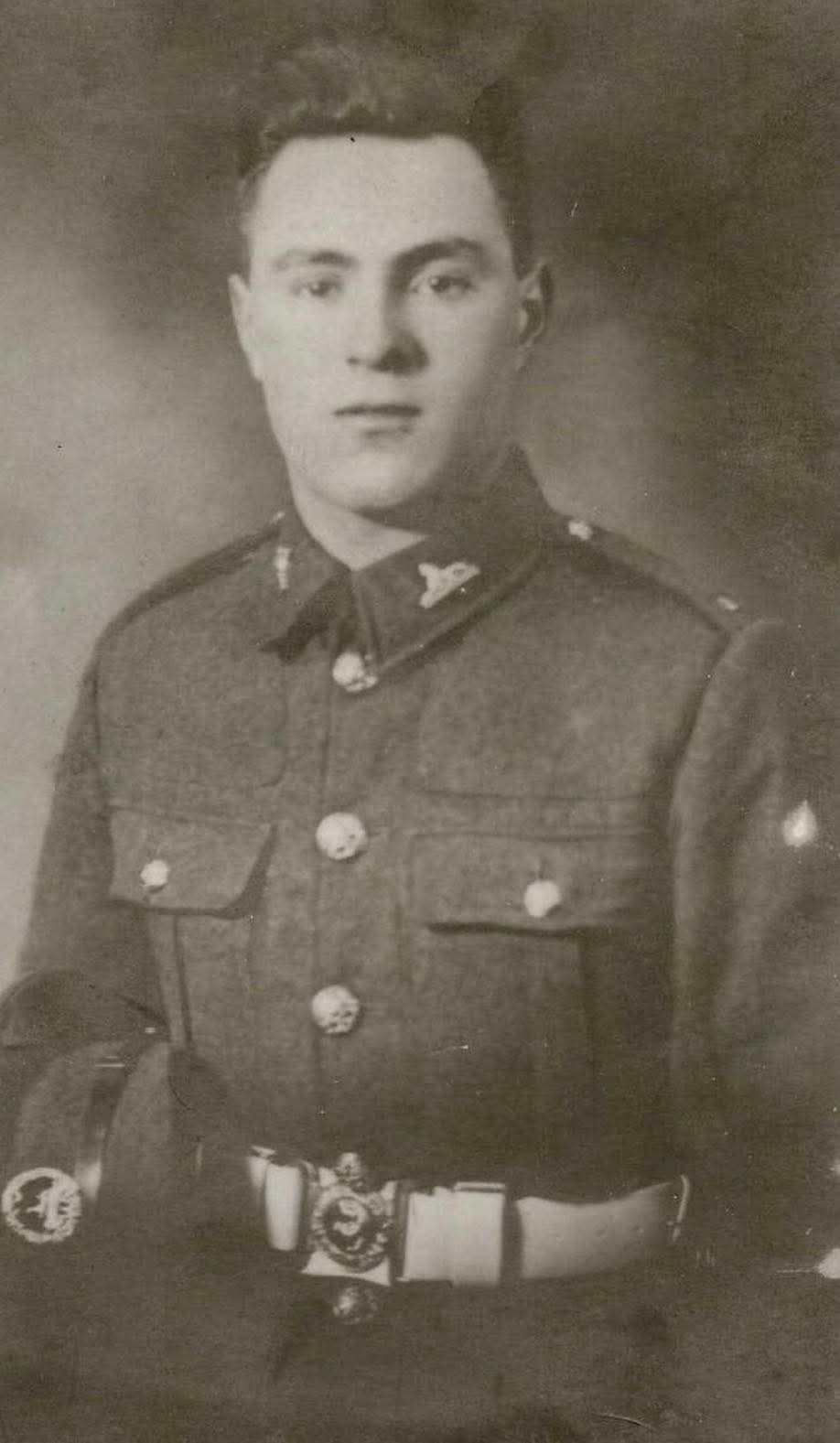
Watkins Hugh Price
Sergeant, South Wales Borderers
The only surviving grave fragment at Mosul War Cemetery. Sergeant Price's body lies beneath the tool shed installed by the contractor during the 2023 clearance works.
Visual Documentation
Admin upload portal for panoramas, videos and photos.
360° Panoramic Views
360° Panoramas Coming Soon
We’re preparing immersive 360° views. Once your panoramic files are ready, we’ll publish them here.
Cemetery Plan
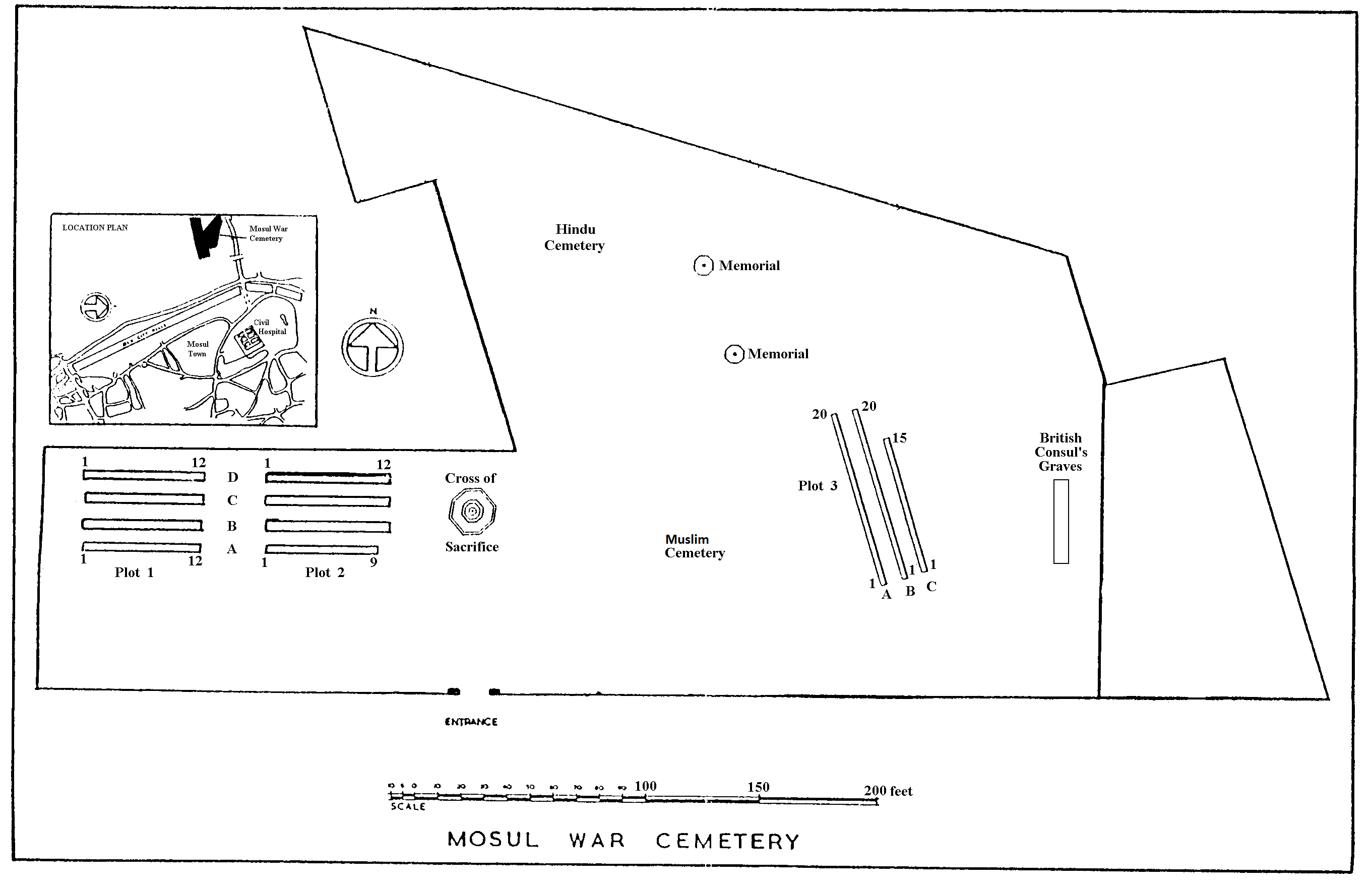
Historical cemetery plan showing the layout of Mosul War Cemetery in northern Iraq.
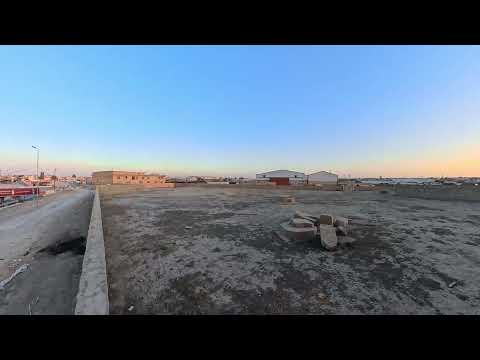
Watch the films from this site
Each film recorded at this location has its own page with the full footage, background notes and links to the surrounding cemeteries.


Sources and archives
The records below are the primary published and archival sources for this cemetery and for the campaigns that produced its burials. All open on external sites.
- CWGC cemetery record for Mosul War Cemetery, the Commission's own entry, with the official burial totals, location description and casualty register for the site.
- CWGC casualty register for Mosul War Cemetery, the full downloadable list of every person recorded as buried or commemorated at Mosul.
- CWGC news release on the clearance of Mosul War Cemetery, the Commission's published account of the United Nations assisted clearance of the site after the battle for Mosul.
- The National Archives, Discovery catalogue, War Office, Air Ministry and Foreign Office files covering the Mesopotamia campaign, the occupation of Mosul and the later Iraq Levies.
- Imperial War Museums collections, photographs, private papers and unit records relating to Mosul and the Mesopotamian theatre.
- National Army Museum, the Mesopotamia campaign, background on the British and Indian Army formations whose dead are buried in northern Iraq.
- Historic Hansard, parliamentary debates on the Mesopotamia Commission and the post war care of graves in Iraq.
Related Articles & Content
The Mesopotamian Campaign - Final Operations
VisitOverview of the British campaign in Mesopotamia, including the final operations around Mosul in 1918 after the capture of Baghdad. Details the strategic importance of northern Iraq and the sustained British military presence through both World Wars.
Source: The Long, Long Trail
Planning a visit: quick answers
- Can you visit Commonwealth war cemeteries in Iraq?
- Yes. Basra War Cemetery, the Basra Memorial to the Missing, Amara War Cemetery and Baghdad North Gate War Cemetery can all be visited, but access varies by site and usually needs advance arrangement, a local guide and, in some cases, permission from the authorities.
- Do I need a visa or permits to visit?
- Most visitors now travel on a visa on arrival or an e-visa, and some sites sit inside restricted or military-controlled areas where a separate permit or escort is required.
- Are the cemeteries maintained?
- Condition varies considerably. Some sites are cared for by local gardeners, while others remain damaged or overgrown, as documented in our field reporting.