Basra War Cemetery (British)
Take a Virtual Reality Tour
Best viewed in the YouTube app on a mobile device with a VR headset (e.g. Google Cardboard). Drag to look around in your browser.
Basra War Cemetery began as a small civil burial ground and was greatly enlarged during the First World War. It became one of the principal Commonwealth cemeteries in southern Iraq, reflecting evacuations from the Tigris–Euphrates fronts, base-hospital deaths in Basra, and later interwar/WWII burials including an RAF plot. Other burials include Turkish POWs, Soviet pilots and Russian refugees and Polish soldiers.
Quick Information
Makina district of Basra, ~8 km northwest of the city centre
Commemorated
Total casualties estimated >3,190
Periods: WW1, Interwar Period and WW2
WW1 & Interwar:
~2,560 WW1 casualties
WW2:
~364 casualties
RAF/Civilian Section:
71 total (46 RAF, 9 RN, 3 British Army, 5 Indian Army, 8 civilians)
Other:
~266 non-war burials, some Ottoman POW graves
Status
Last Updated
1 April 2025
Key Takeaways
- • The contractor paid to do regular cleaning of the site is not carrying out this work effectively if at all
- • The site is not secure at night leading to its habitual criminal use and creating a danger to the local community
- • Removal of many gravestones and panels in 2003 by British Army are now lost
- • All WW1 grave markers were cleared in the 1930s and replaced with panels on the memorial wall
- • The relationship between the CWGC contractor and local football players is highly antagonistic - an unproductive and unsustainable situation
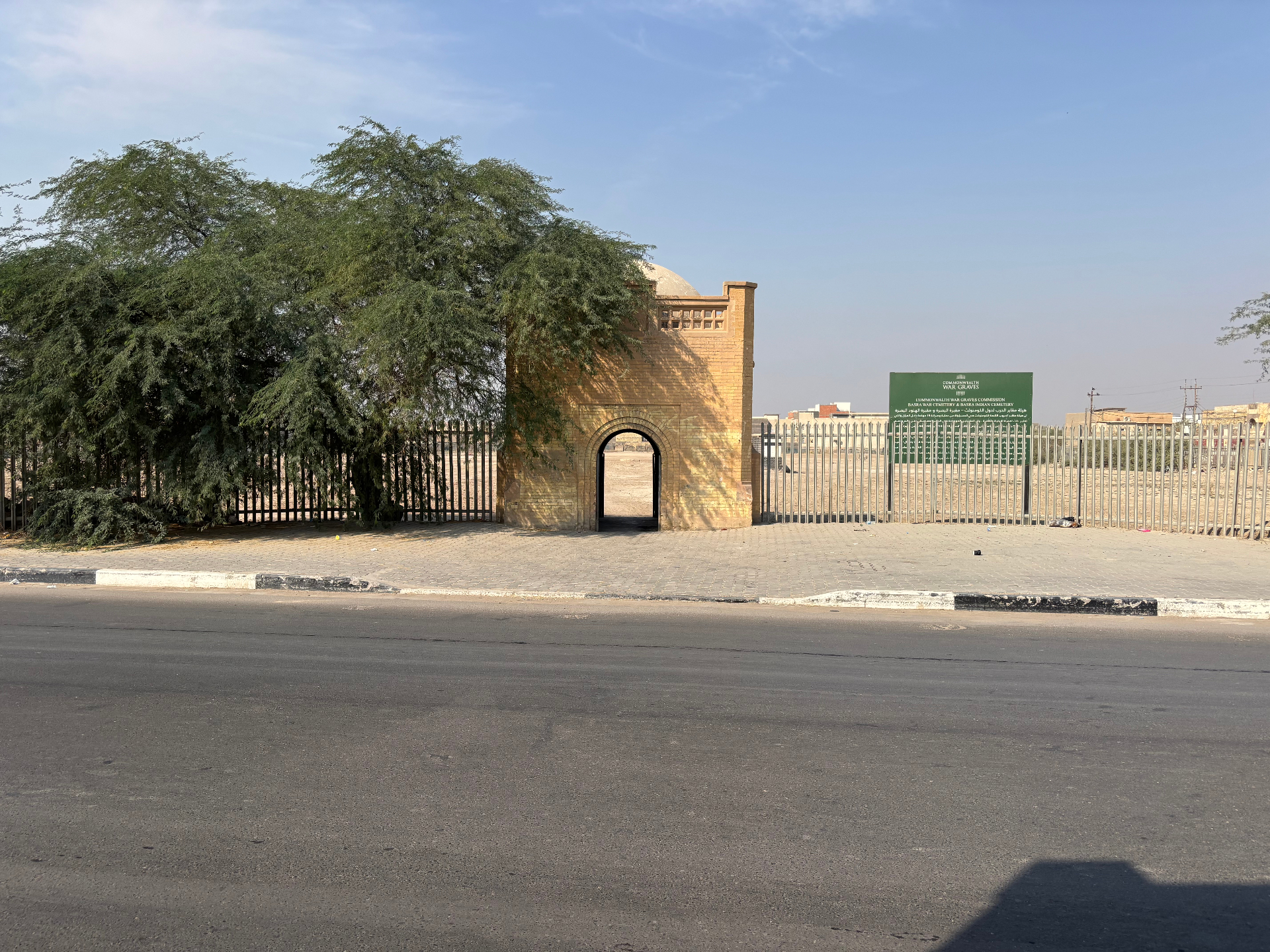
Basra War Cemetery is located near the Shatt-Al-Arab river in the middle of a small, quiet, residential neighbourhood called Al Hakameia. It comprises both an Indian and a British Cemetery, situated across the road from each other with matching gatehouses, the same as was originally at Amara.
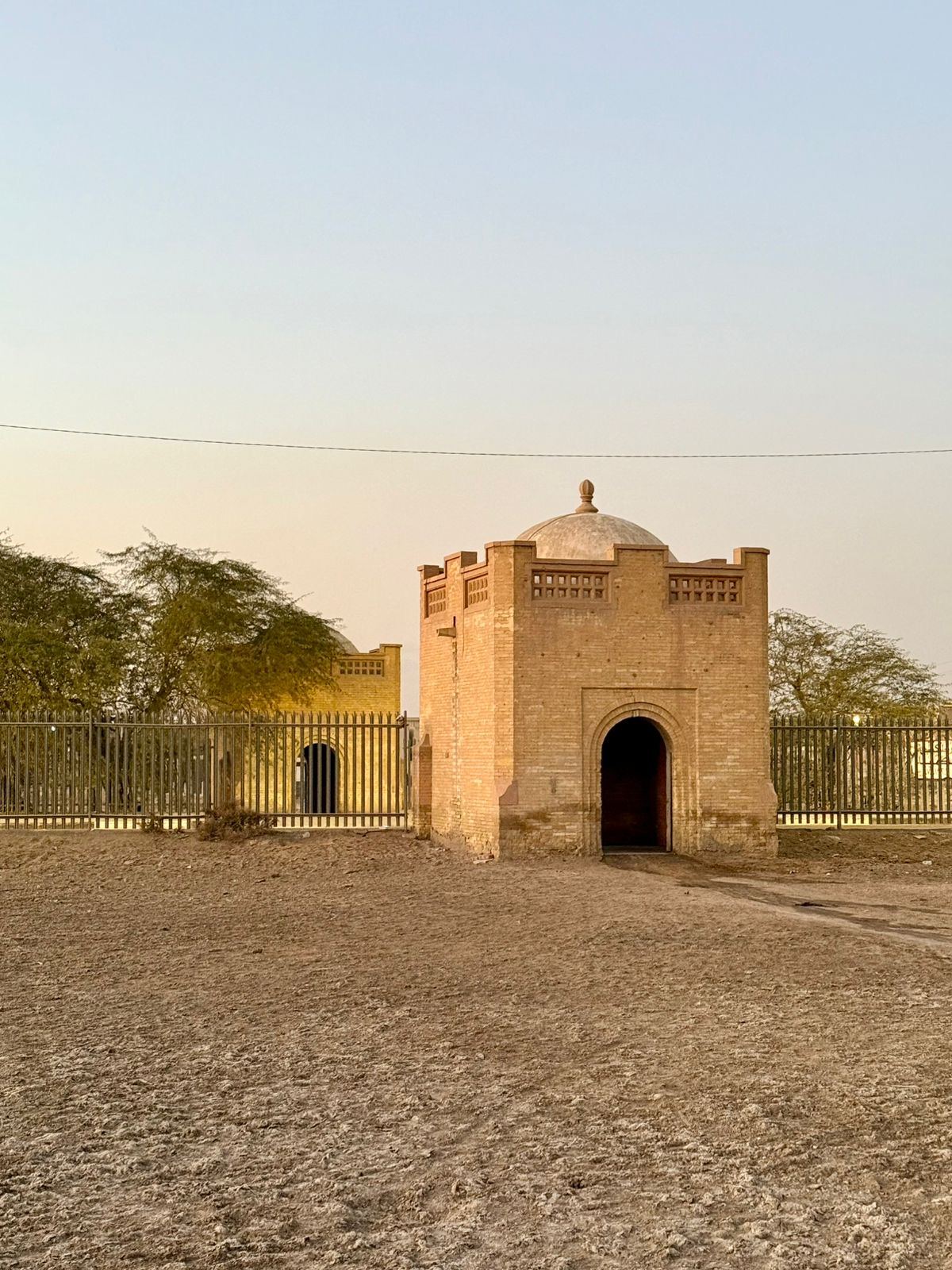
The cemetery contains both First World War and later interwar and Second World War burials, including an RAF and civilian plot. With its strategic position on the banks of the Shatt-al-Arab river and the Persian Gulf by the border with Iran, it was the main entry point and logistical base for the Mesopotamia campaign, the allied invasion and occupation of World War Two, and the second gulf war.
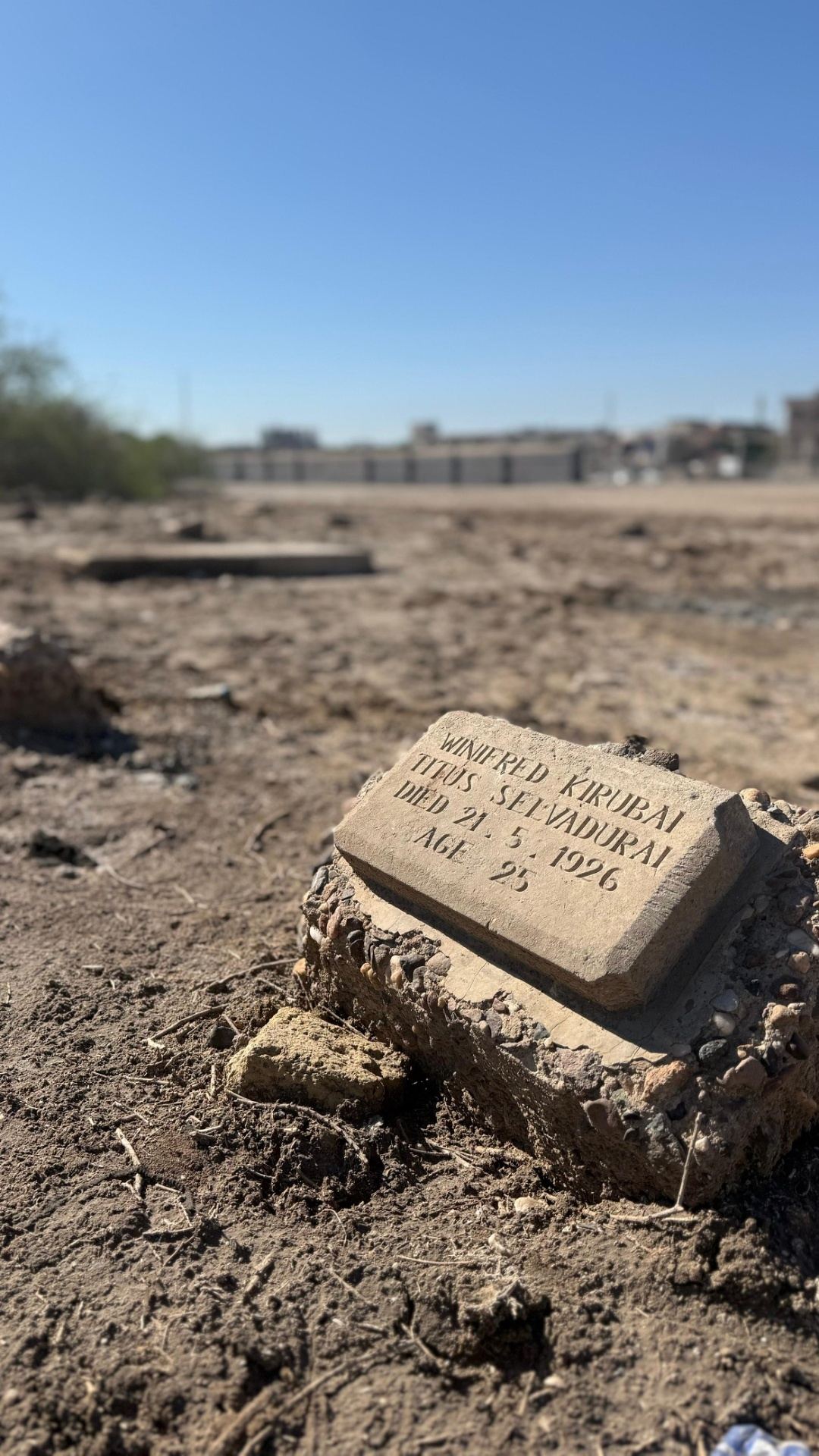
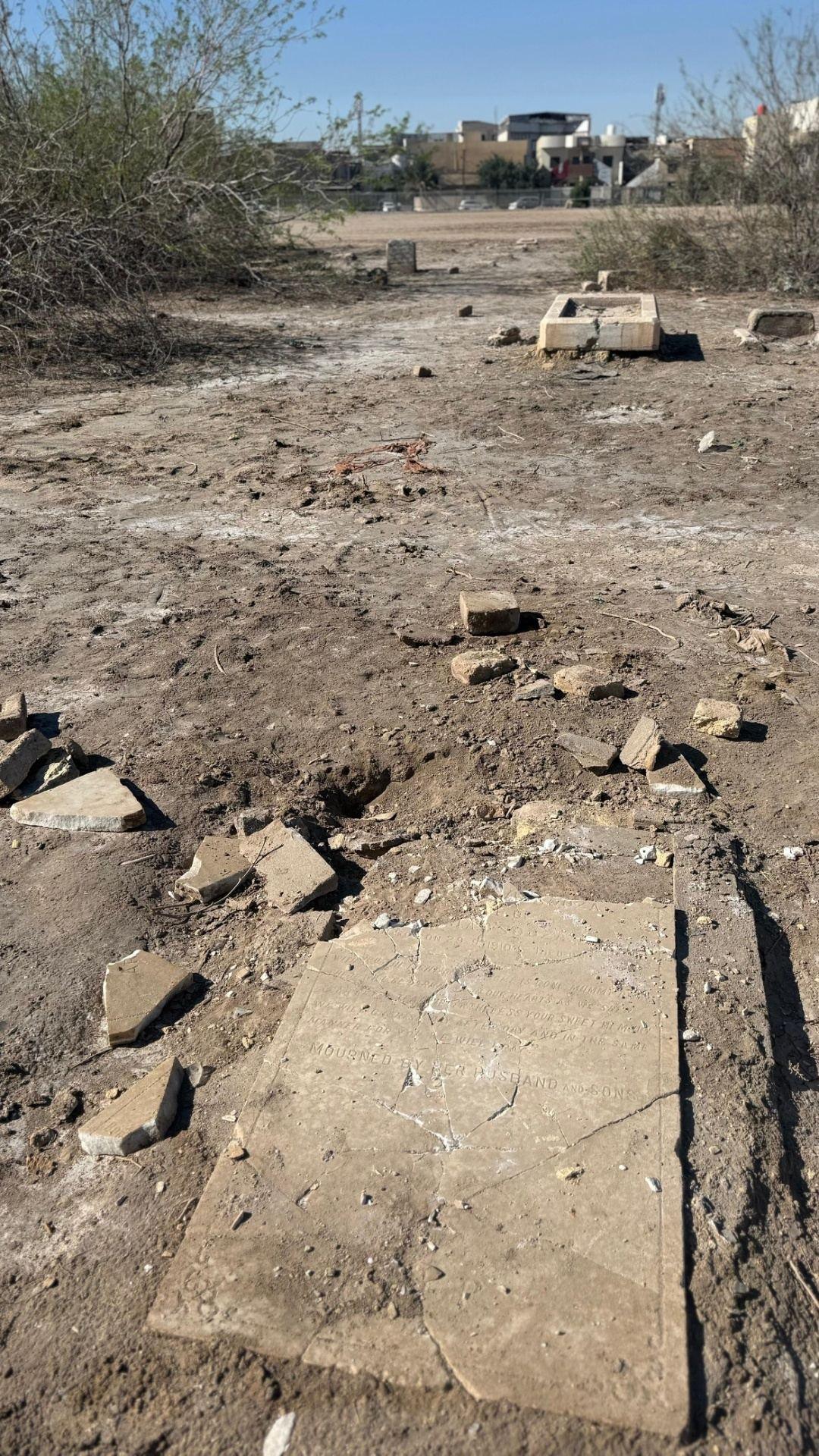
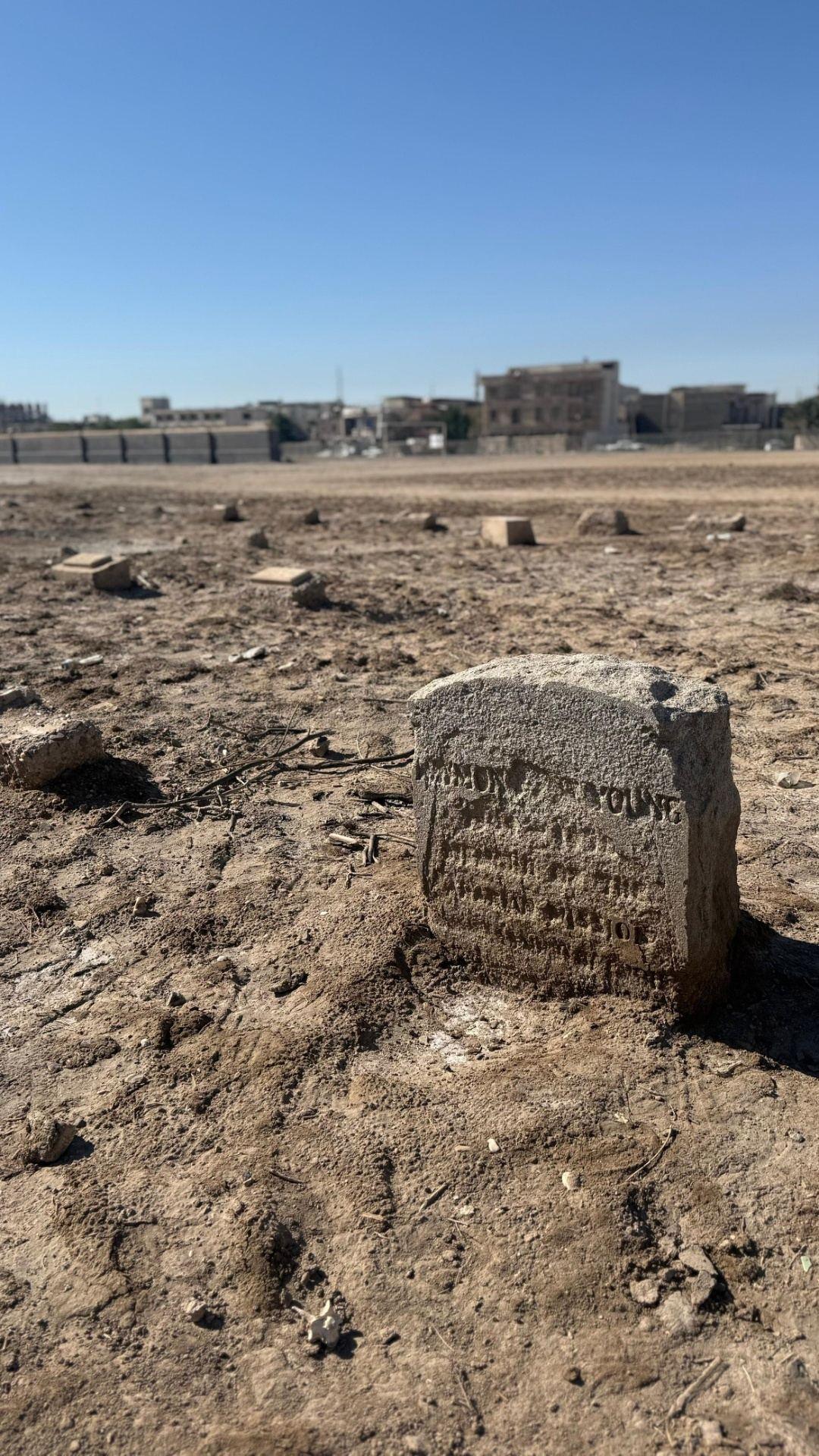
The RAF Peace cemetery (72 interwar deaths, forty-six graves are for Royal Air Force personnel, nine graves for men of the Royal Navy, three from the British Army, five from the Indian Army and eight civilians. For a definitive analysis of the RAF cemetery at Basra see Steve Buster Johnsons website). Also included is the main extension for the First World War burials and around 300 Second World War deaths (including my grandfather, an AA gunner tasked with guarding Shaiba RAF base). Altogether, it holds together around 3,190 burials.
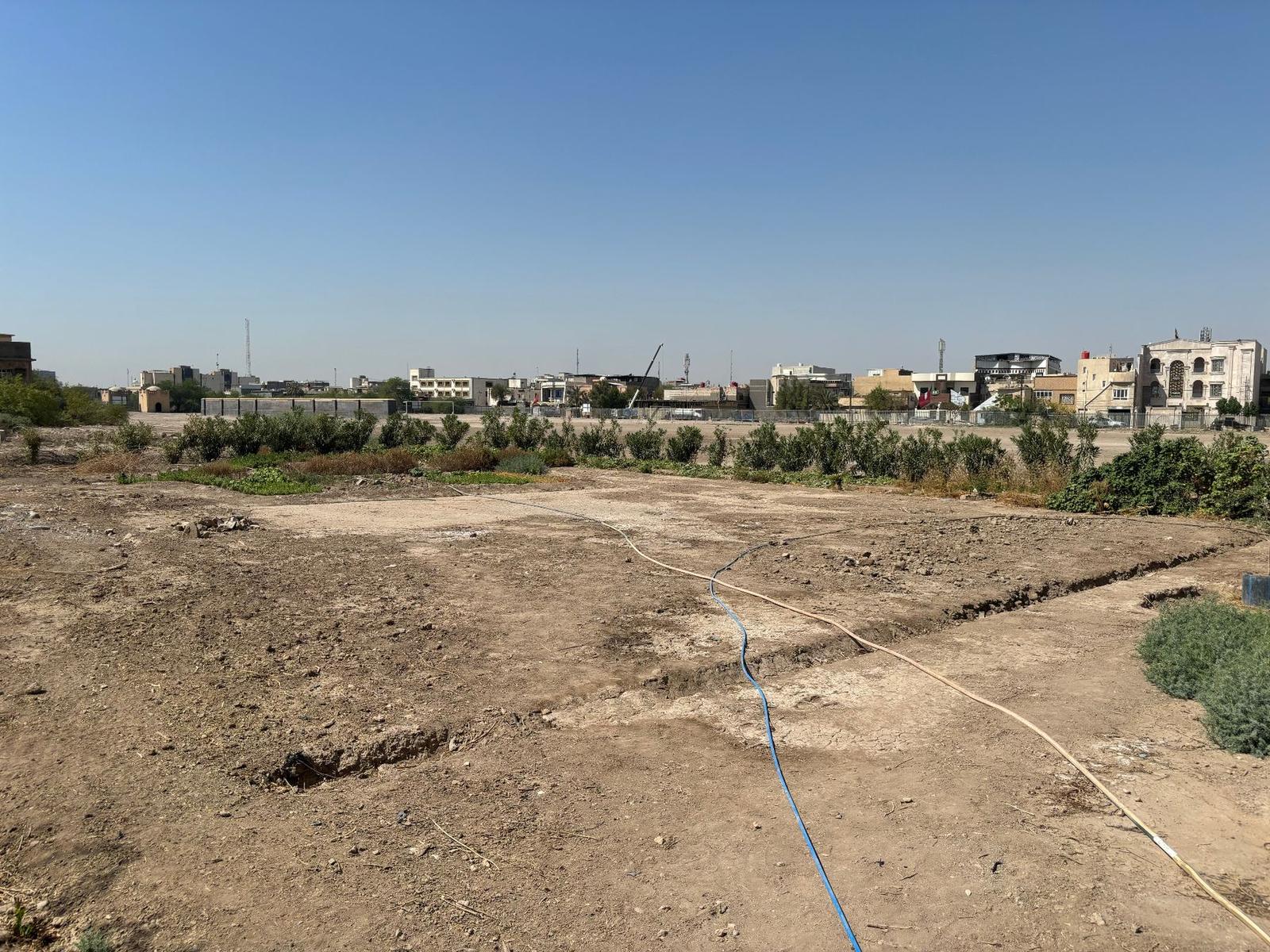
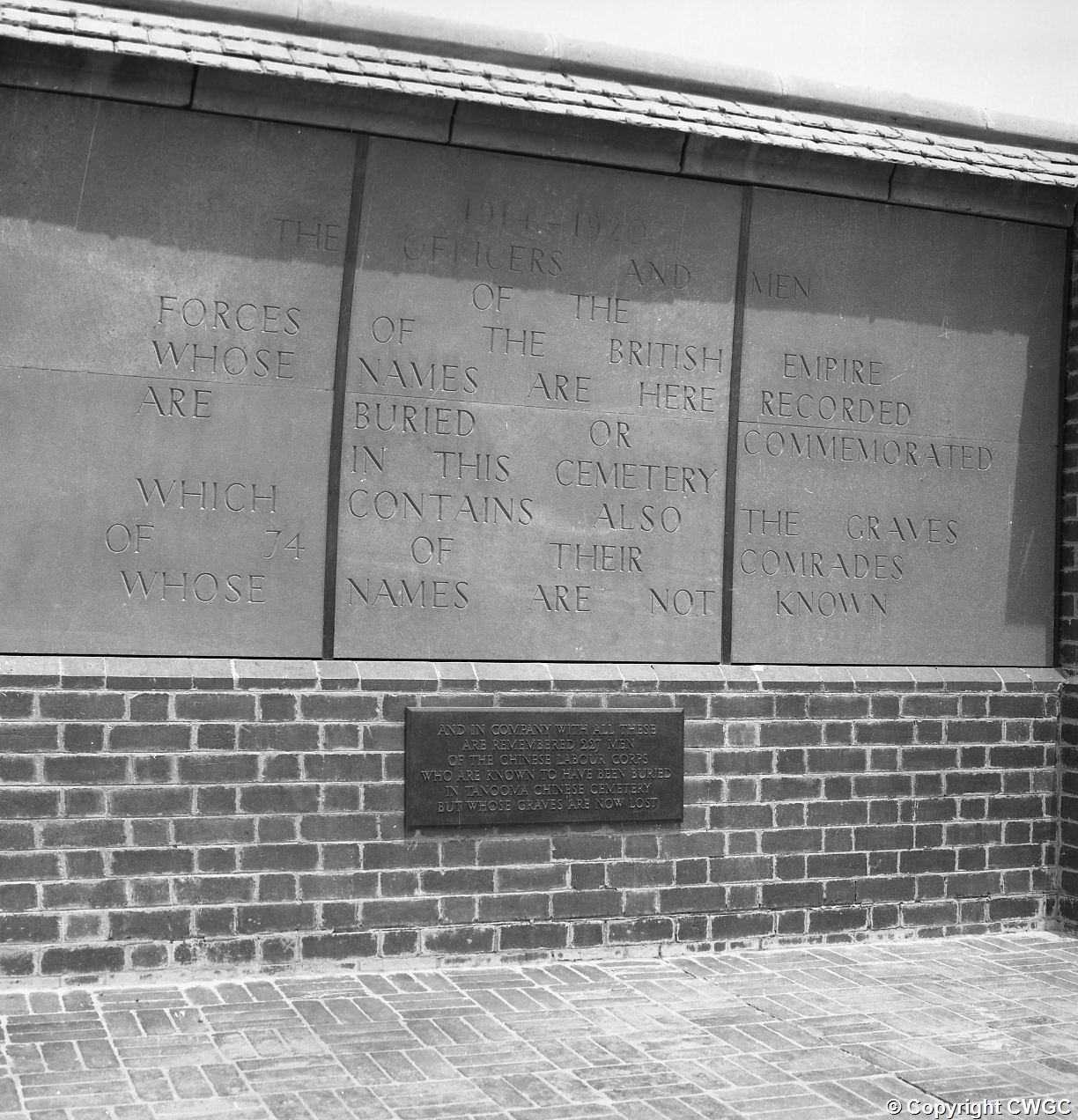
The site also once incorporated the Basra (Tanooma Chinese) Memorial commemorating 227 unidentified casualties of the Chinese Labour Corps who were attached to Inland Water Transport during World War I. The original cemetery was lost almost immediately after WW1 with the expansion of the Port. The Tanooma panel like all the other panels is now missing (see below).
Basra was the site of one of the largest offensives in the Iran/Iraq war with the Siege of Basra (Operation Karbala-5) January 8 to mid-April 1987. This followed a previous attempt two years earlier. It was a massive, bloody offensive by Iran to capture the Iraqi city, marking one of the largest battles of the war, ultimately resulting in an Iraqi defensive victory but at the cost of an estimated 80,000 deaths, and included heavy bombardment of Basra city by the Iranian Forces.
Those in the UK will be more familiar with the 2003-2009 invasion and occupation of Basra by the British Army and its Allies. This ramped up from a short initial fight with Iraqi Army troops ending April 2003, followed by a period of relative calm immediately afterwards, before the full counter-insurgency started. This peaked in 2007, when the Allied forces moved from their base in Saddam's former Palace on the Shatt Al Arab river to Shaiba Airbase. The fighting included artillery and air bombardment of the city itself to counter militant rocket attacks, with the Allied forces working closely with the Iraqi Army allies.
2003: British Army removal of memorial panels and gravestones from Basra War Cemetery
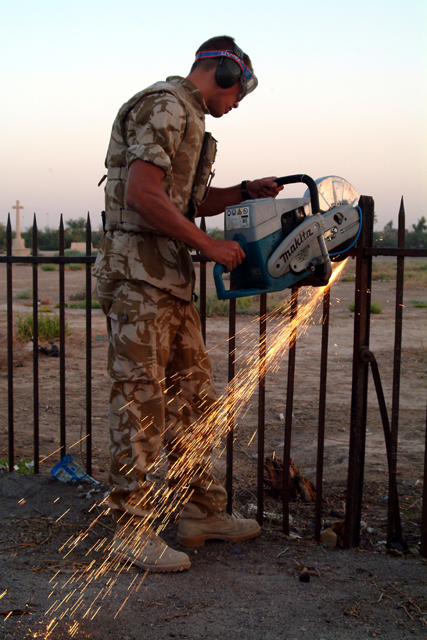
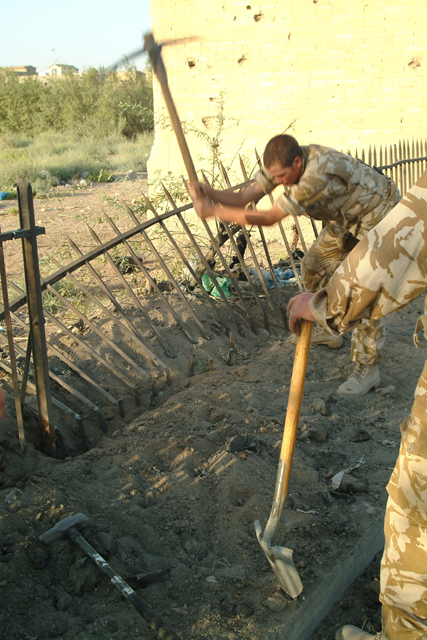
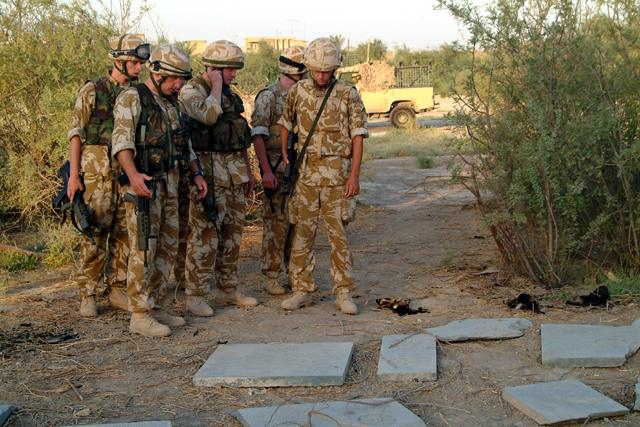
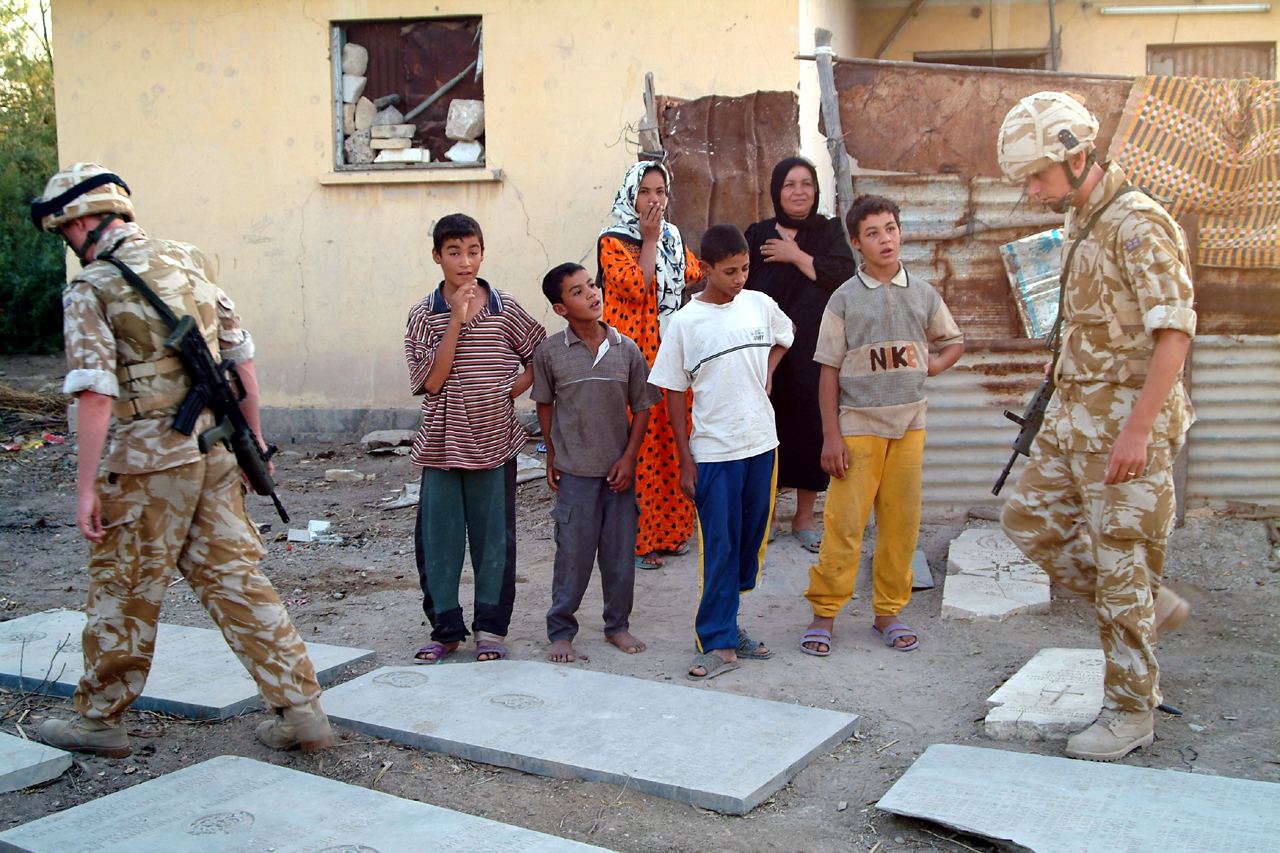
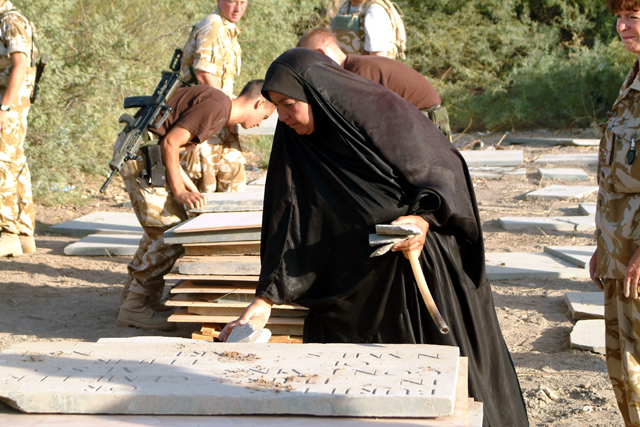
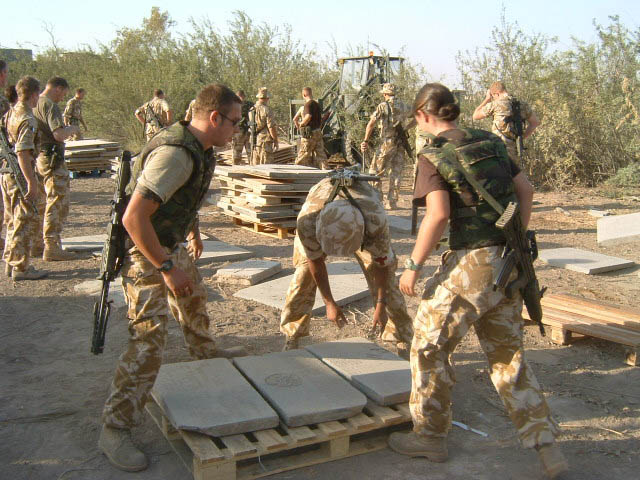
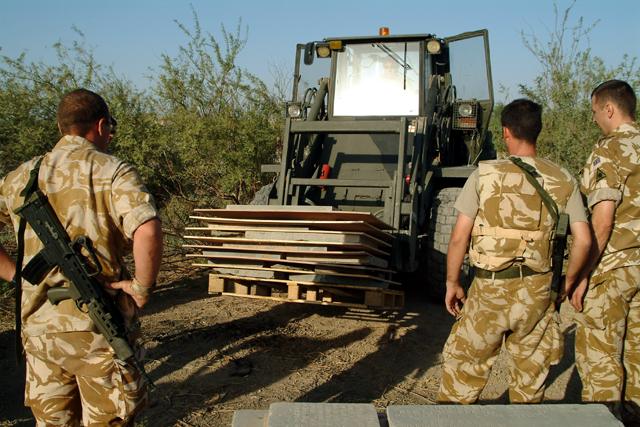
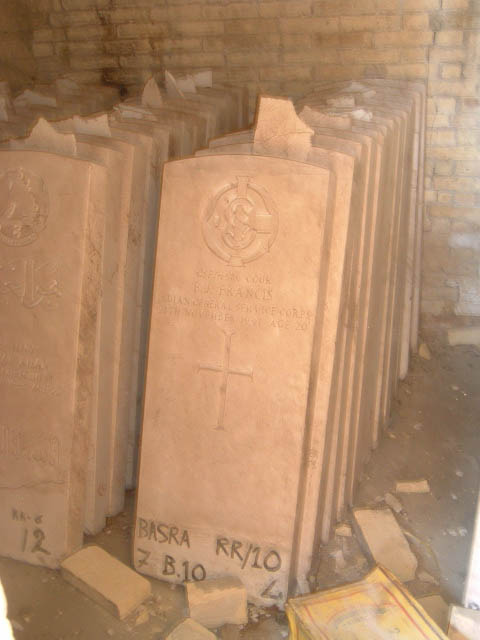
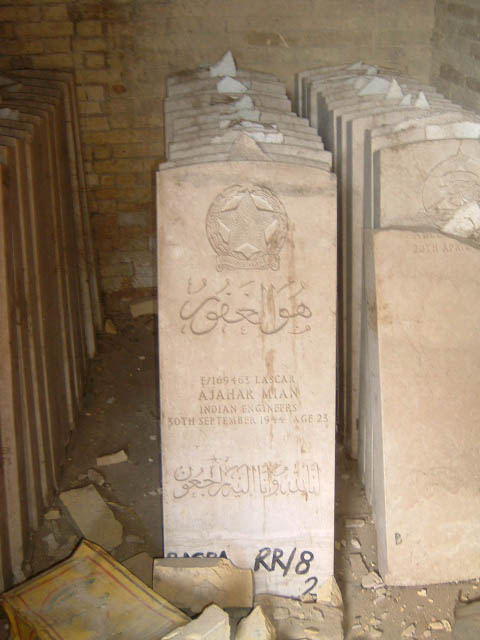
During the early phases of the occupation in September 2003 a project to clean up Basra War Cemetery was initiated. This ultimately led to 50 pallets of material including approximately 80 WW1 memorial panels, hundreds of WW2 gravestones (many damaged) and 280 brand new WW2 Indian Army gravestones stored on site and yet to be installed being removed to Basra Palace for "safekeeping". These were later moved to Shaiba and 18 months after their removal were crushed with the resulting rubble being used to infill a drainage ditch at Shaiba Base. The British Army thus destroyed a British Army military cemetery and hid the fact for over 20 years. For more information see The Destruction of Basra War Cemetery by the British Army.
Photographs of the British Army removing panels and gravestones from Basra War Cemetery, the cutting of the perimeter railings, the recovery of scattered headstones and panels, and the storage of the inscribed tablets in the gatehouse before their removal to Basra Palace.
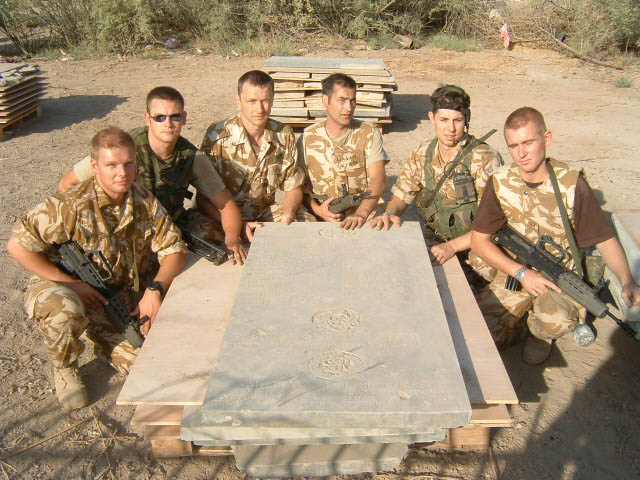
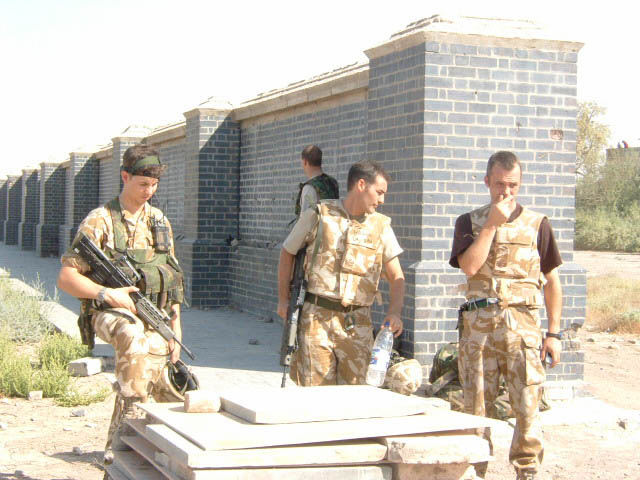
There are a handful of Turkish POW graves, some Russian/Soviet graves (Basra was a key stop in the Persian Corridor supplying the Soviet Union with US supplies during World War Two) and also Polish Second World War burials (Iraq was the route General Anders army took escaping from Soviet invasion on their way to the UK, many losing their lives in Operation Market Garden). Curiously, there are also two Dutch army burials there.
As with Amara, the original Great War individual headstones were removed in the 1930s and replaced with the memorial wall. The British Army cemetery in Basra is about half the size of Amara British Cemetery.
Basra War Cemetery has been used by the local community for many decades as a sports field primarily for football.
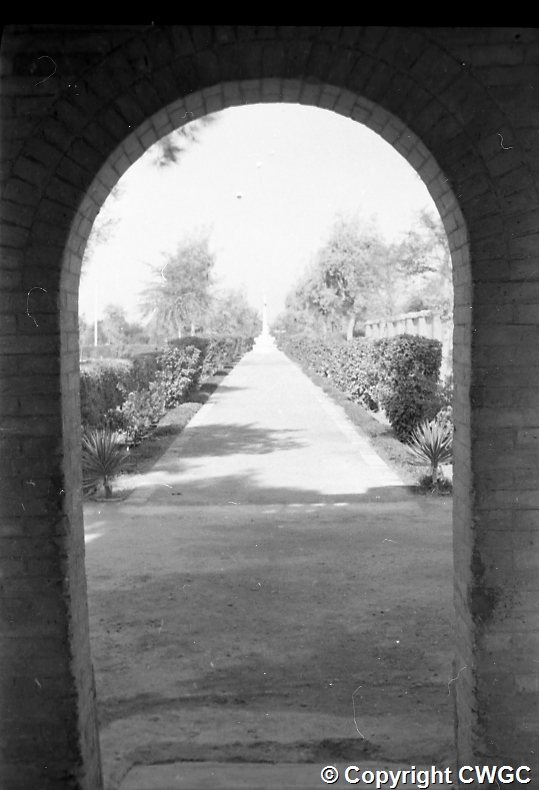
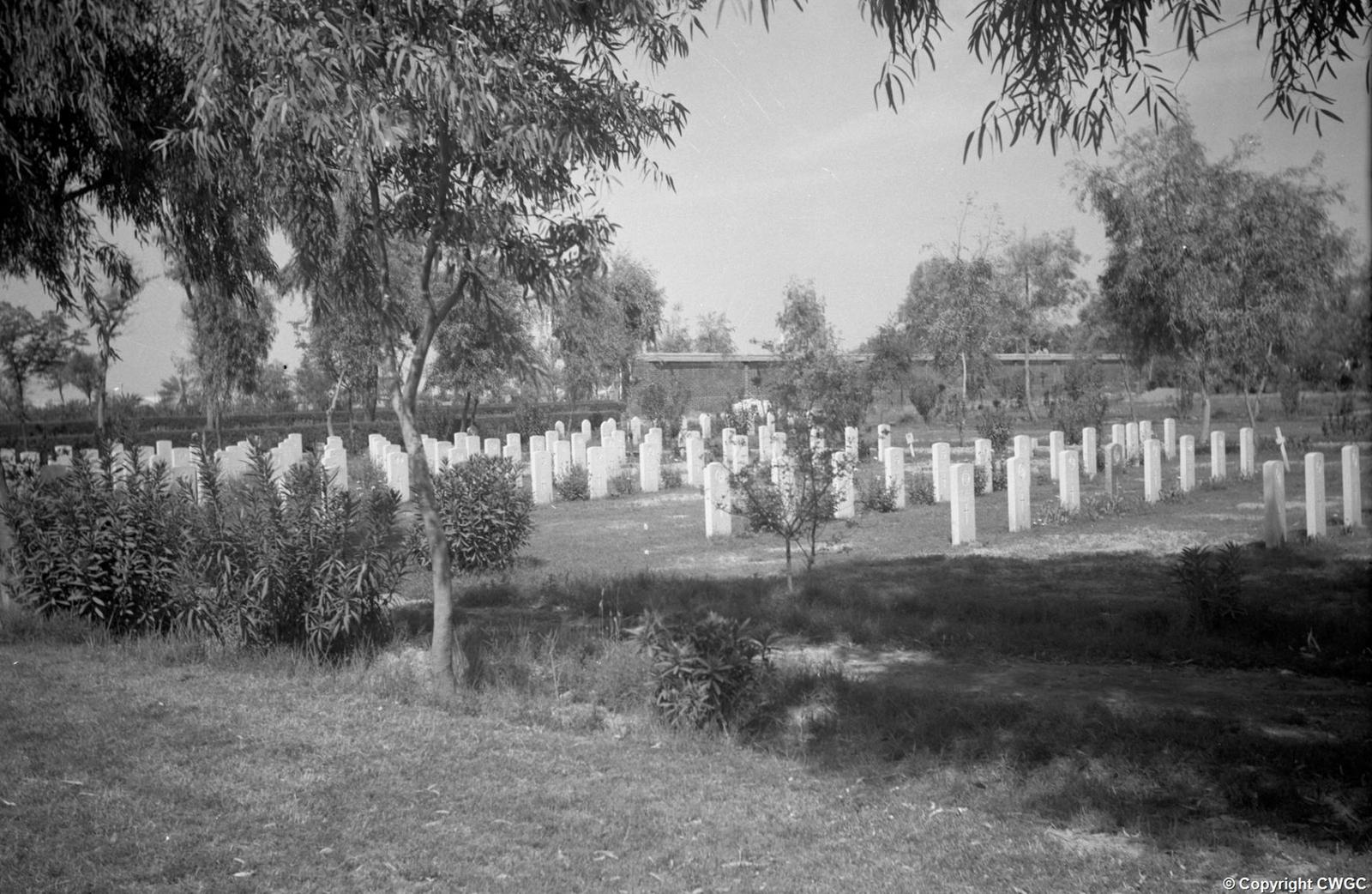
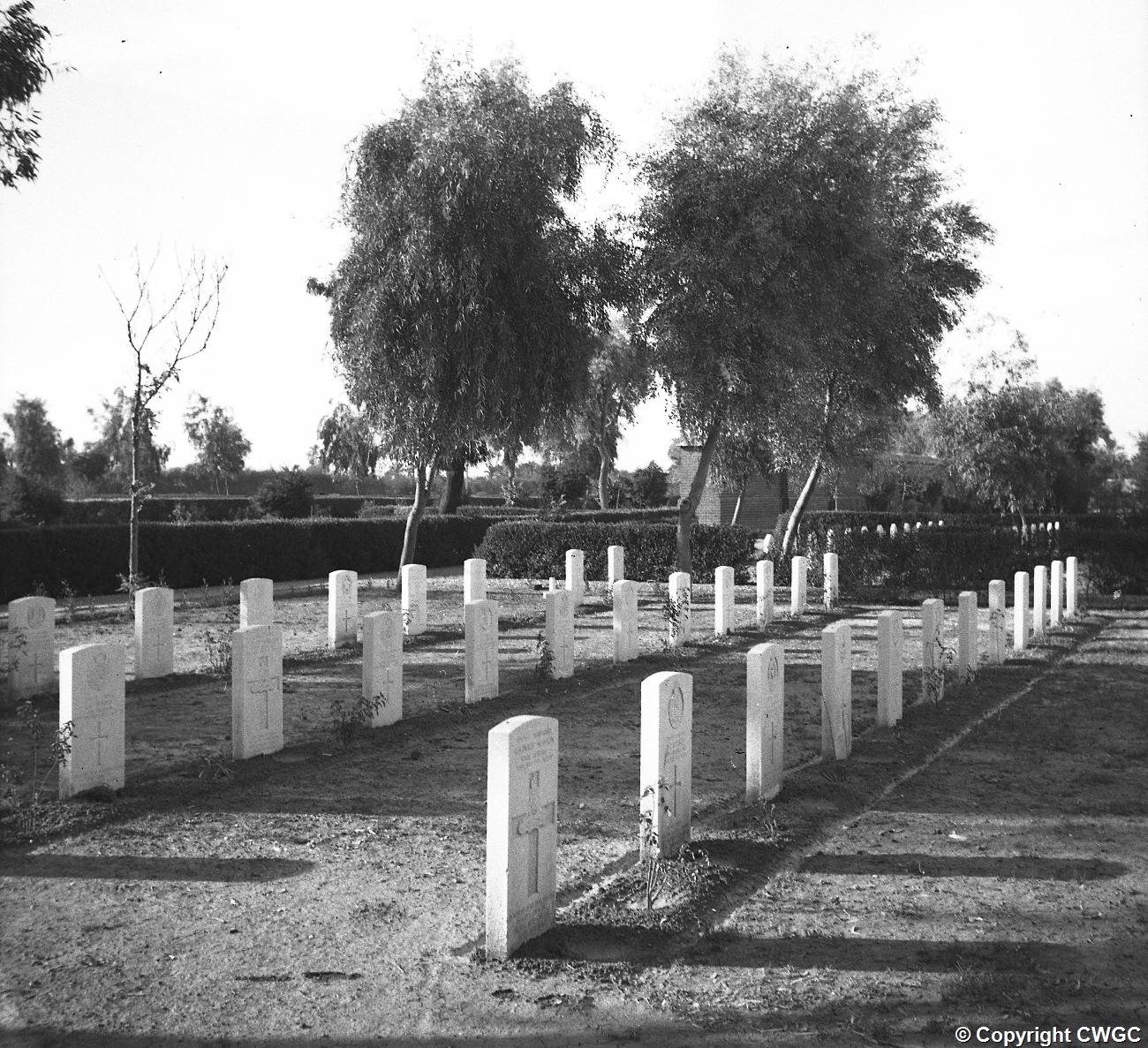
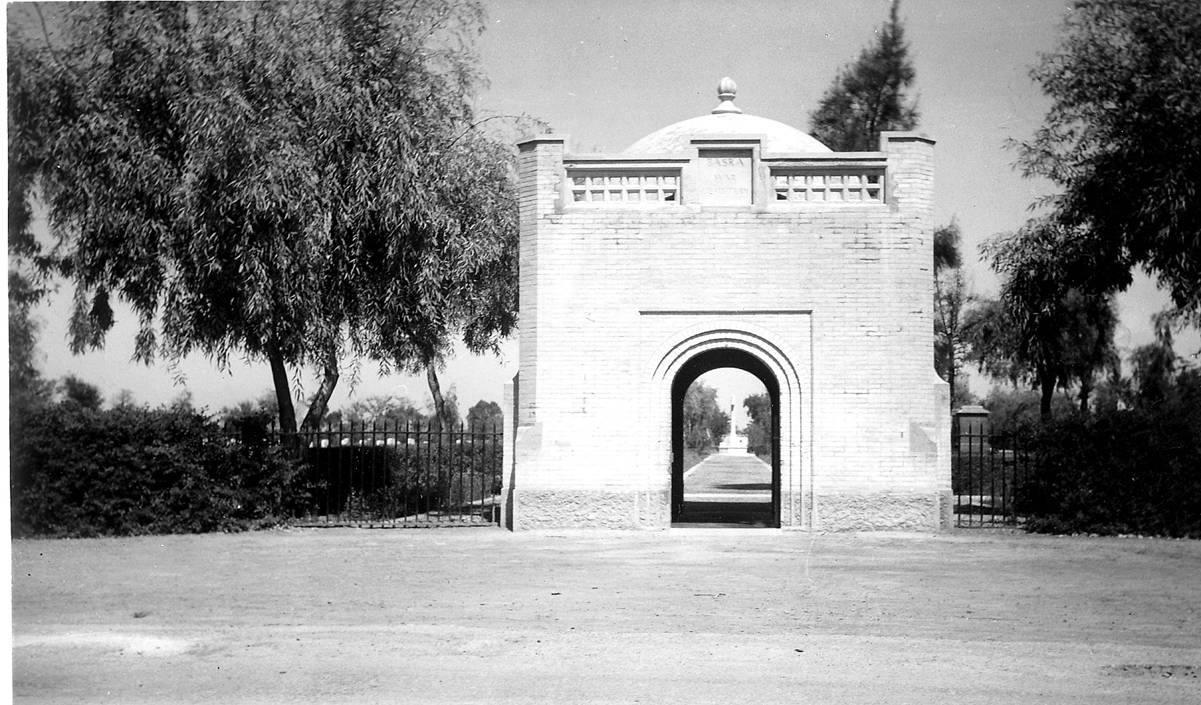
Basra War Cemetery, historical photographs
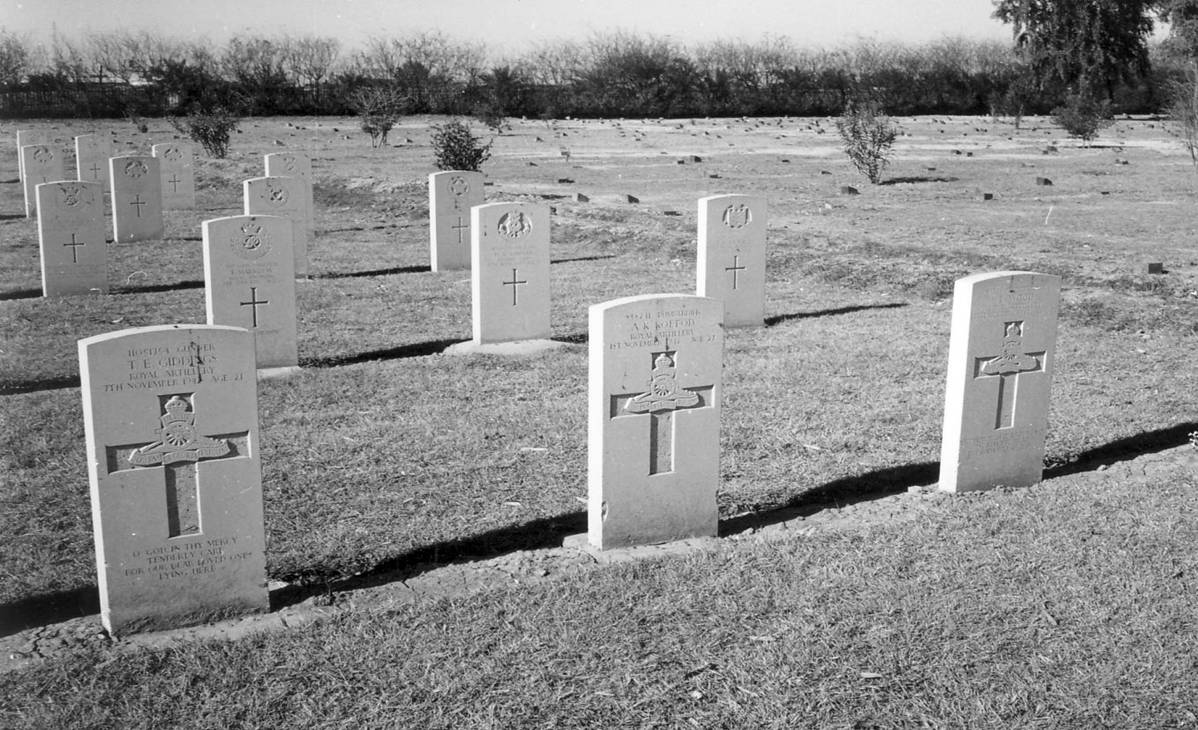
Historical photographs from the cemetery's earlier decades, when the Cross of Sacrifice still stood at the head of the principal avenue and the Memorial Wall panels were intact, the grounds tended as a garden of trees, hedges and flowering borders. Images © CWGC.
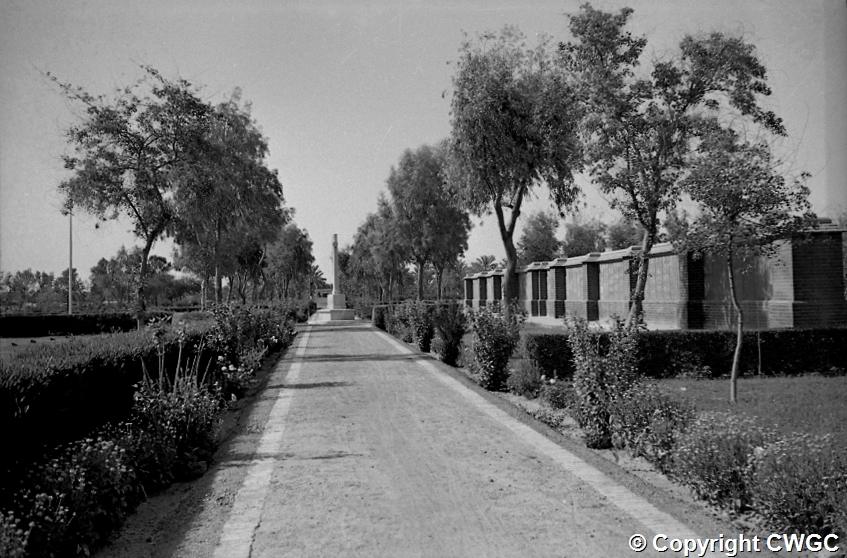
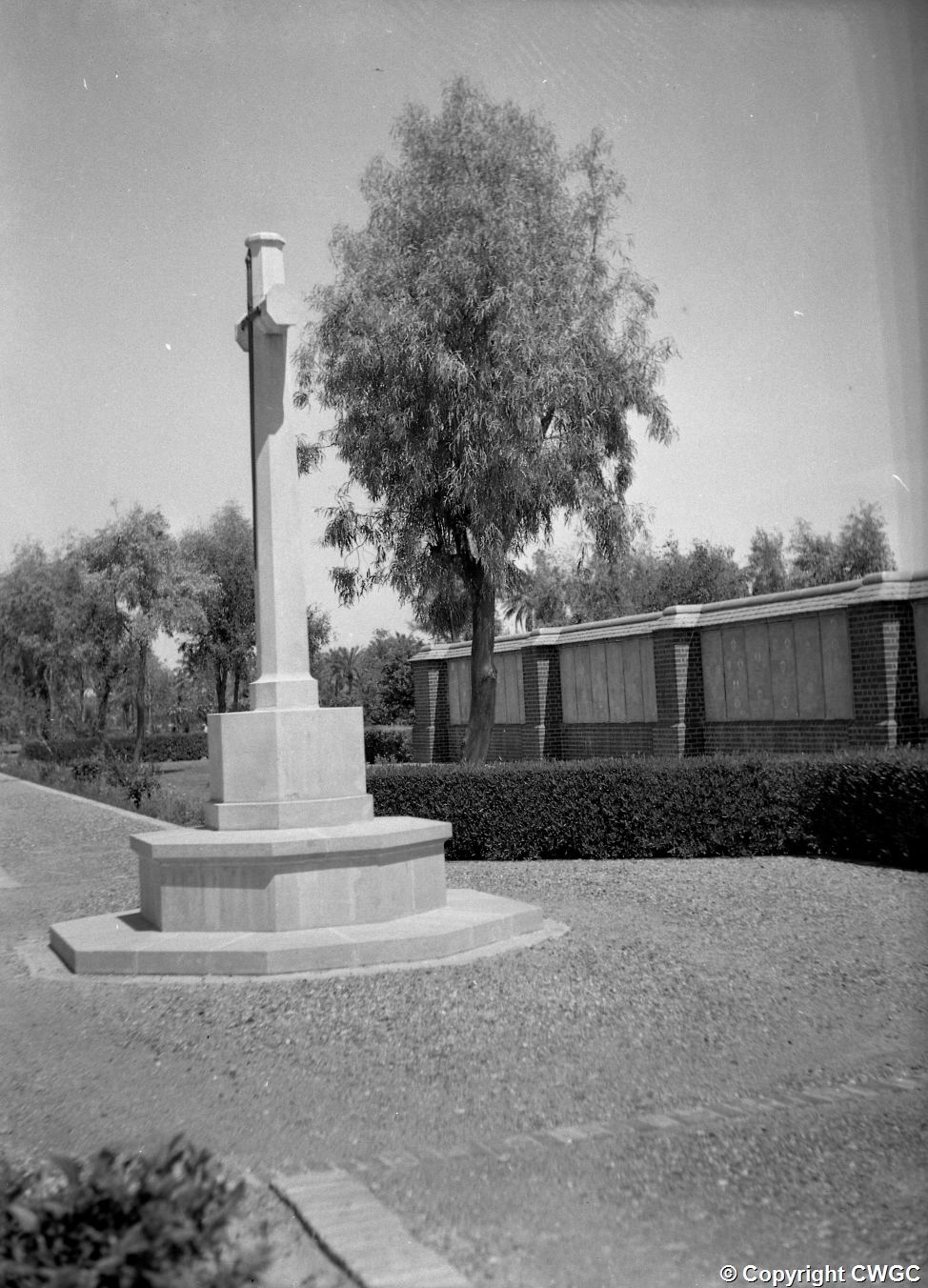
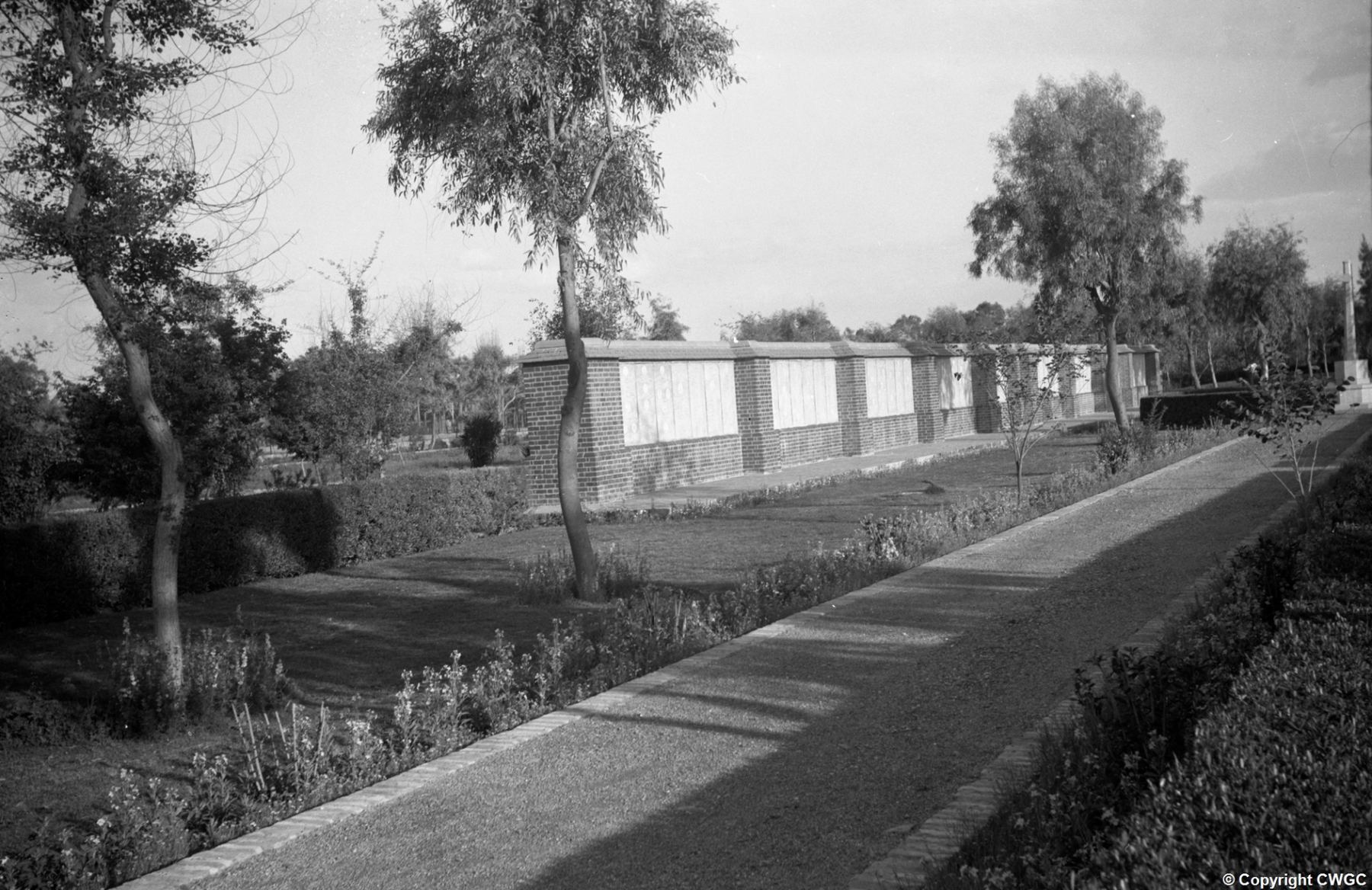
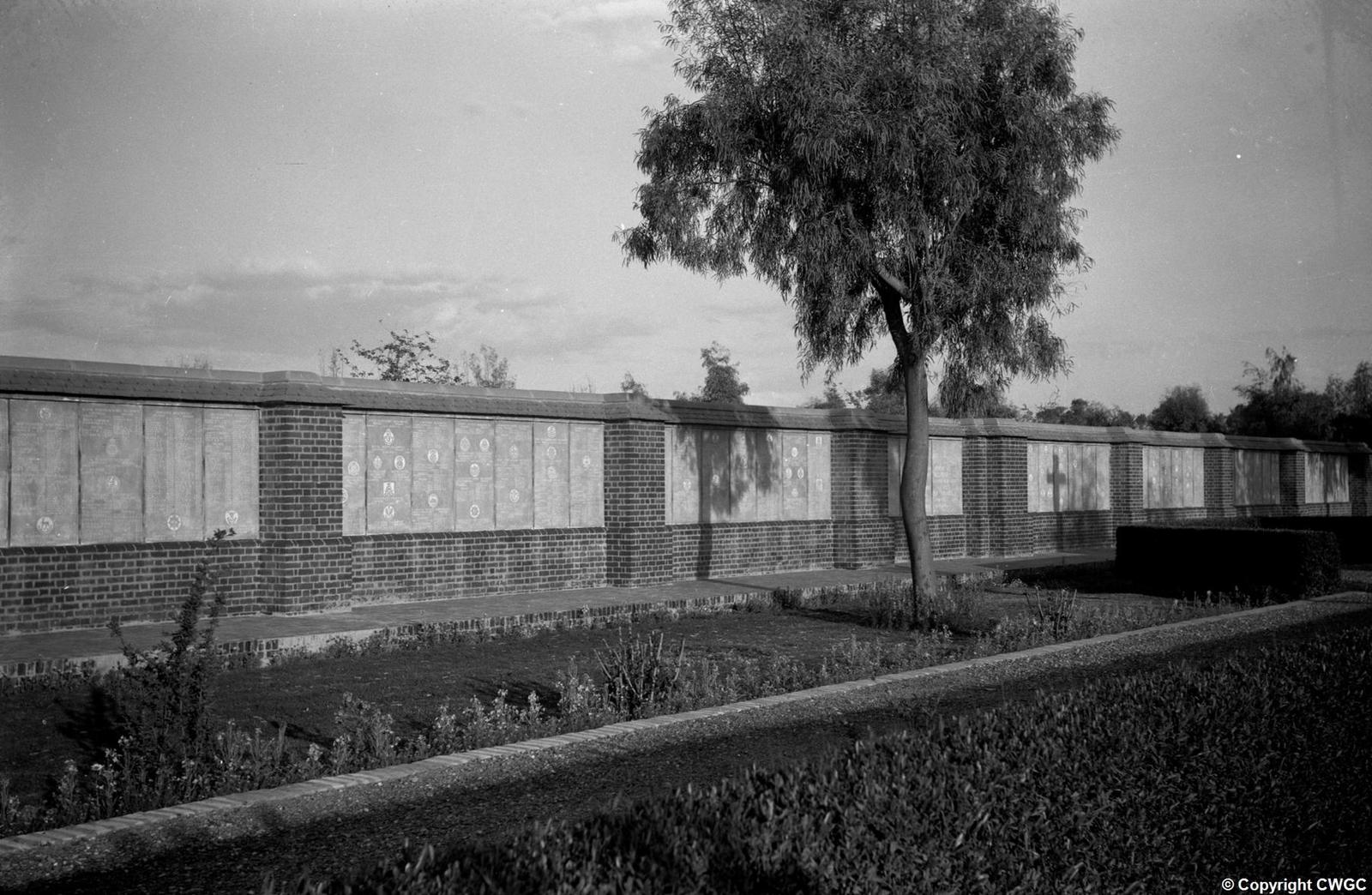
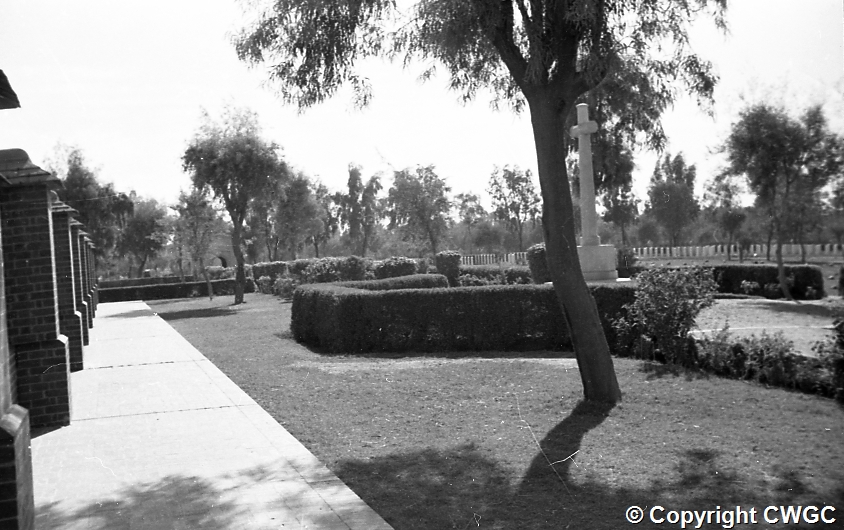
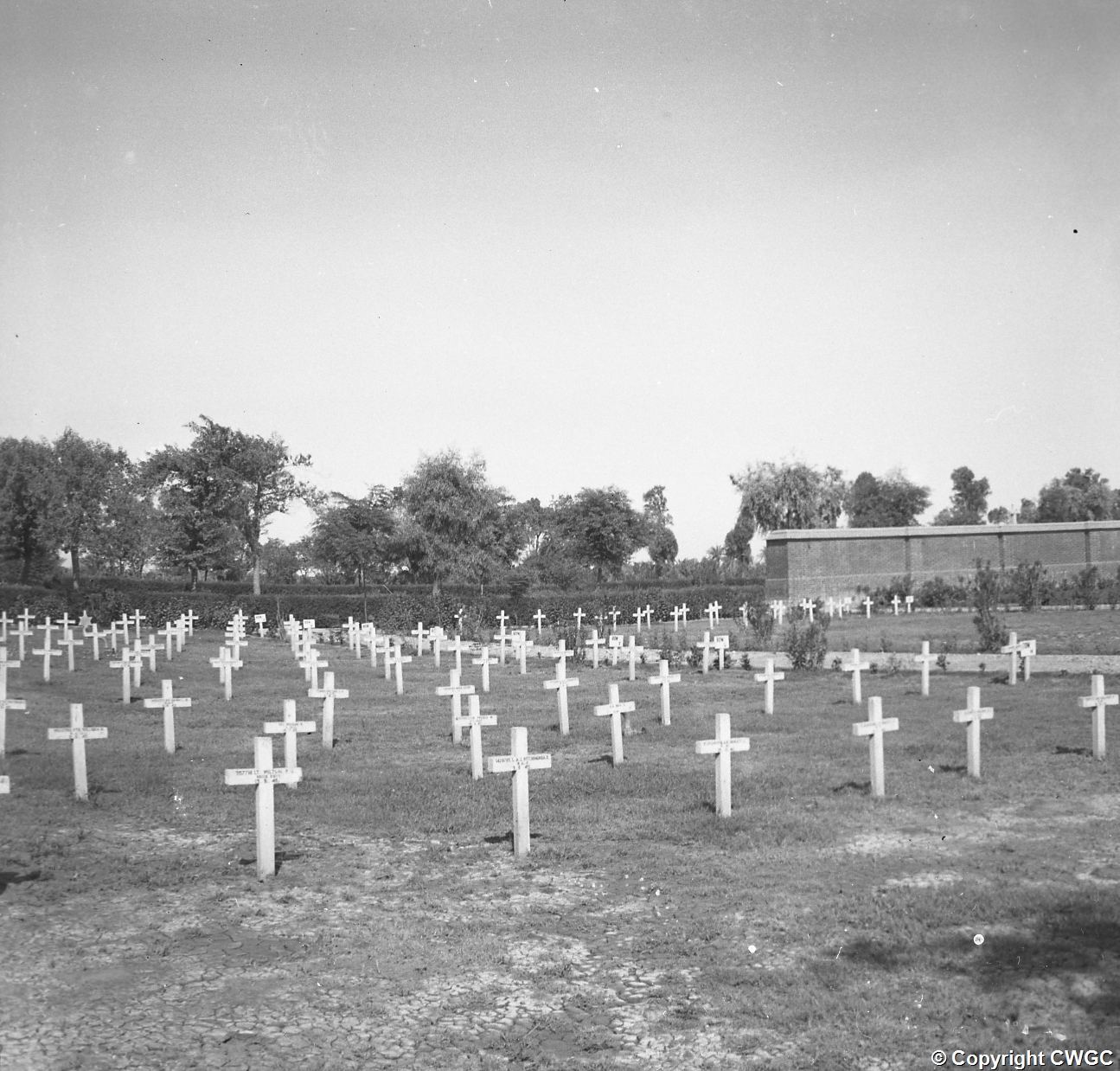
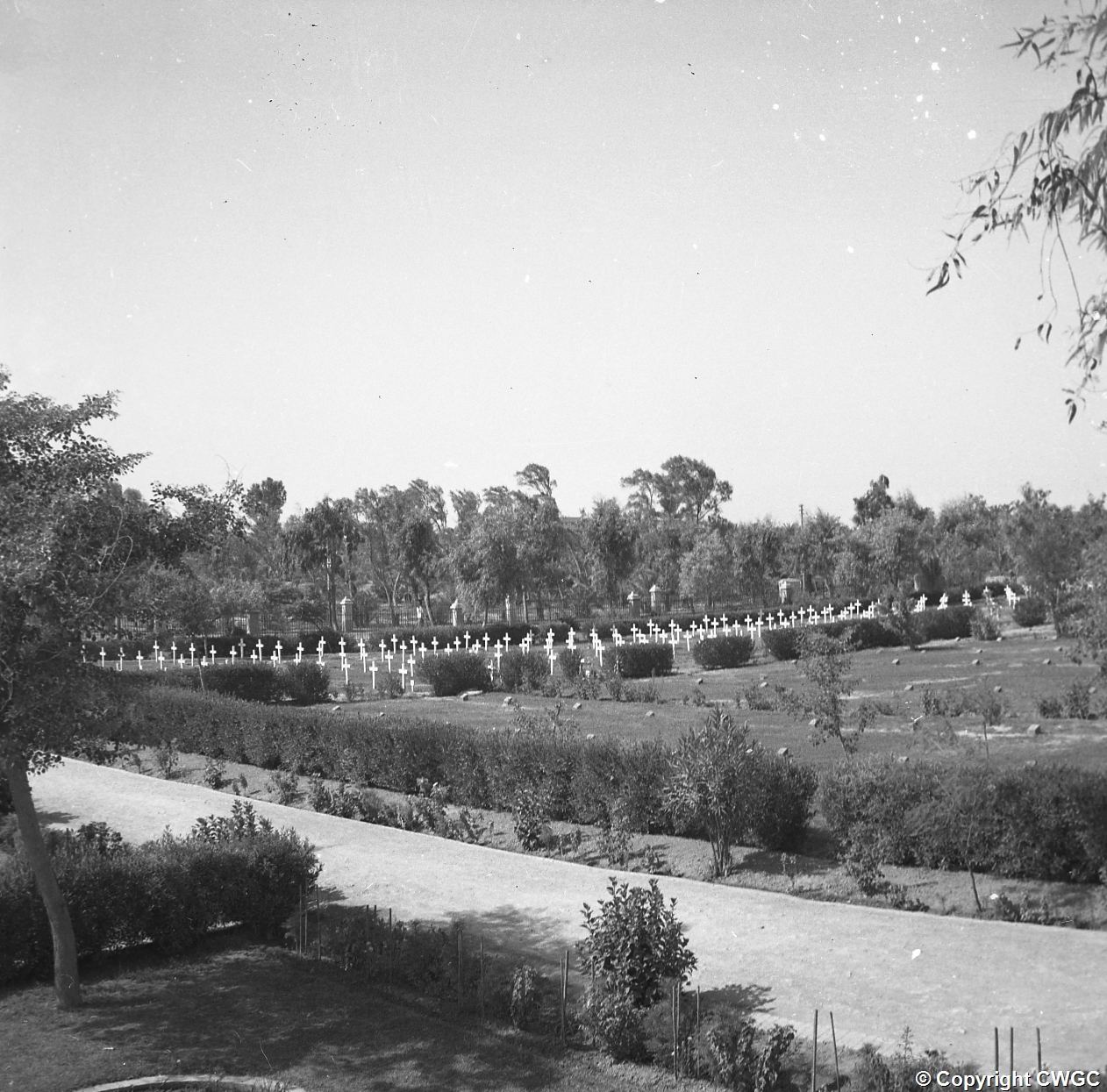
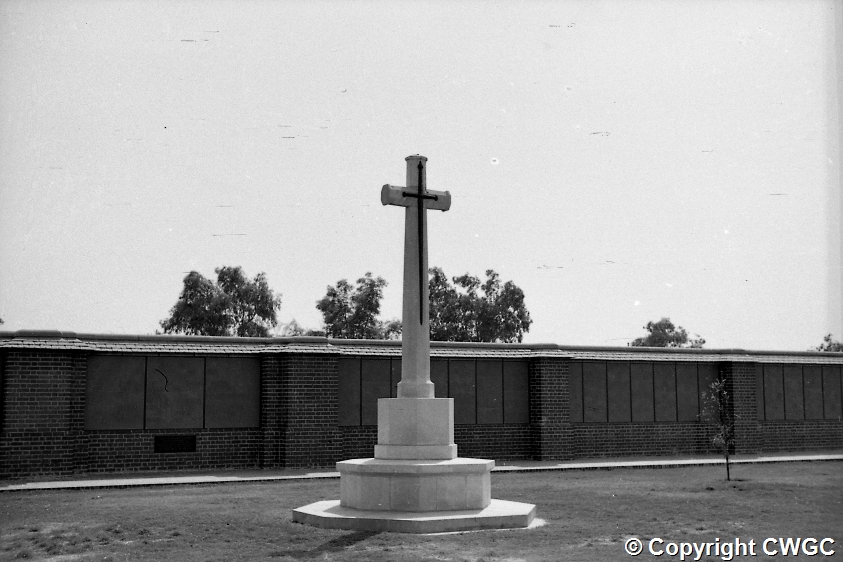
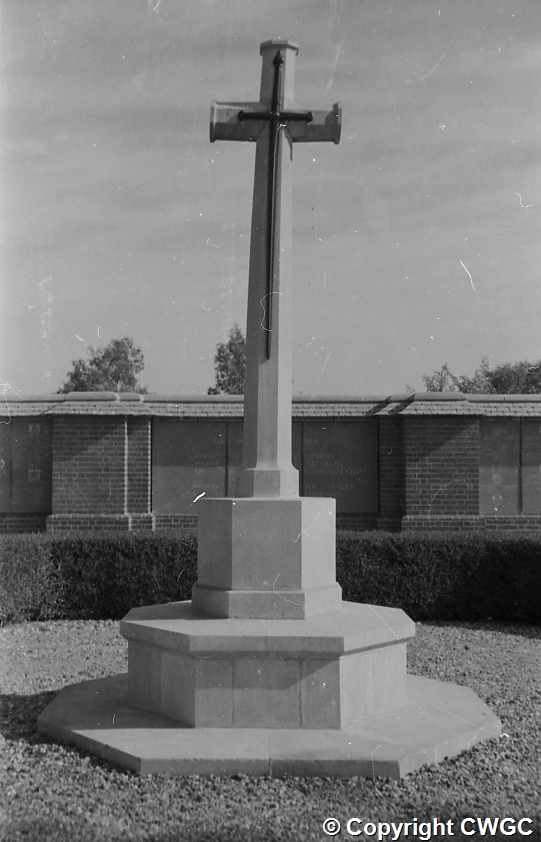
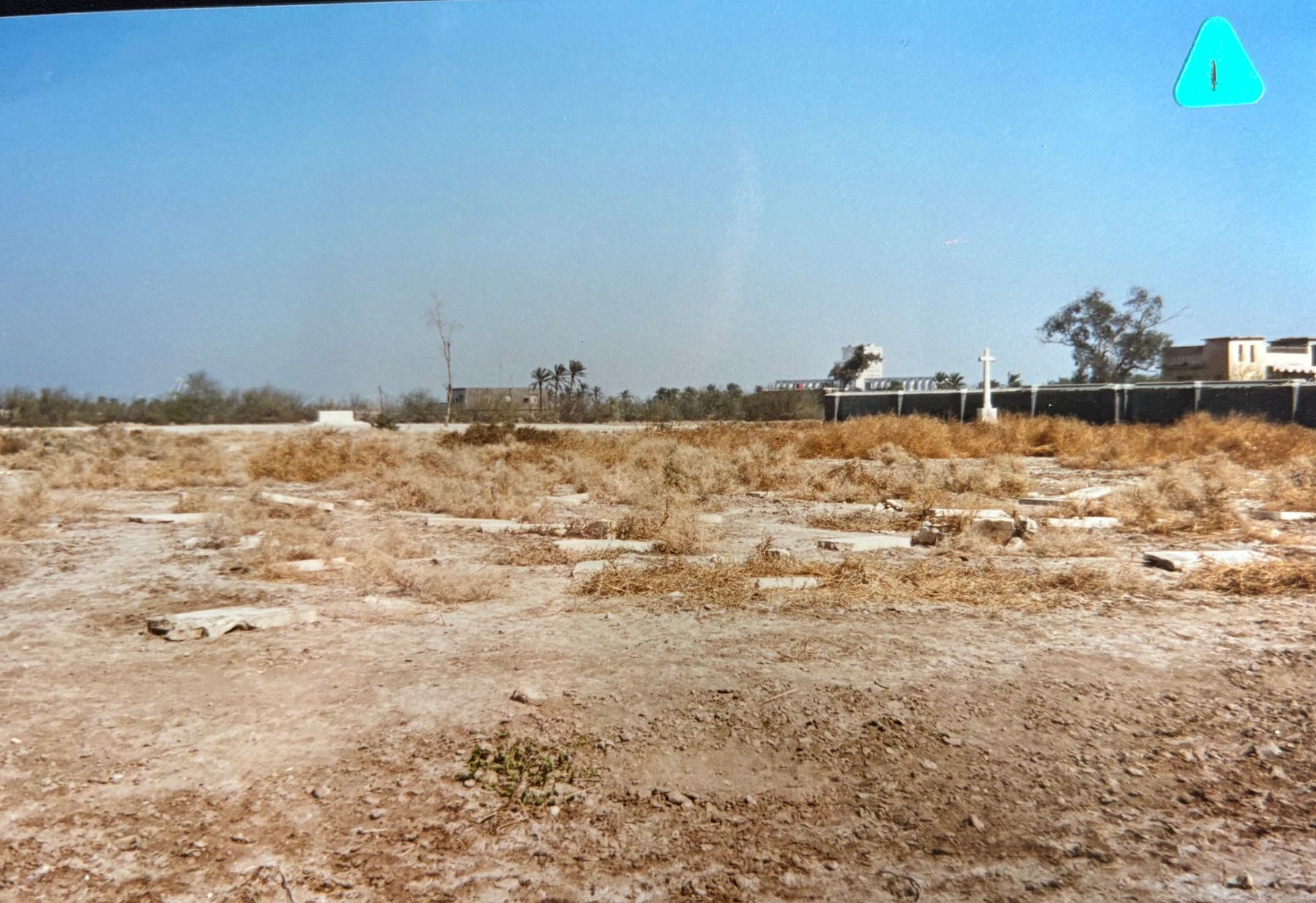
As of 1997 the site was already showing signs of dereliction due to lack of maintenance and care, the significant impact of the Iran/Iraq war and acts of local vandalism, the site having become without any form of security, a nighttime location for illegal drinking, drug taking and crime. However the memorial wall was largely intact, the headstones in place in rows although often on the ground having been kicked over.
1997: Decline and damage
Photographs from 1997 showing the cemetery after decades of conflict and neglect, the gardens reduced to bare ground and broken stonework scattered across the site. Images © CWGC.
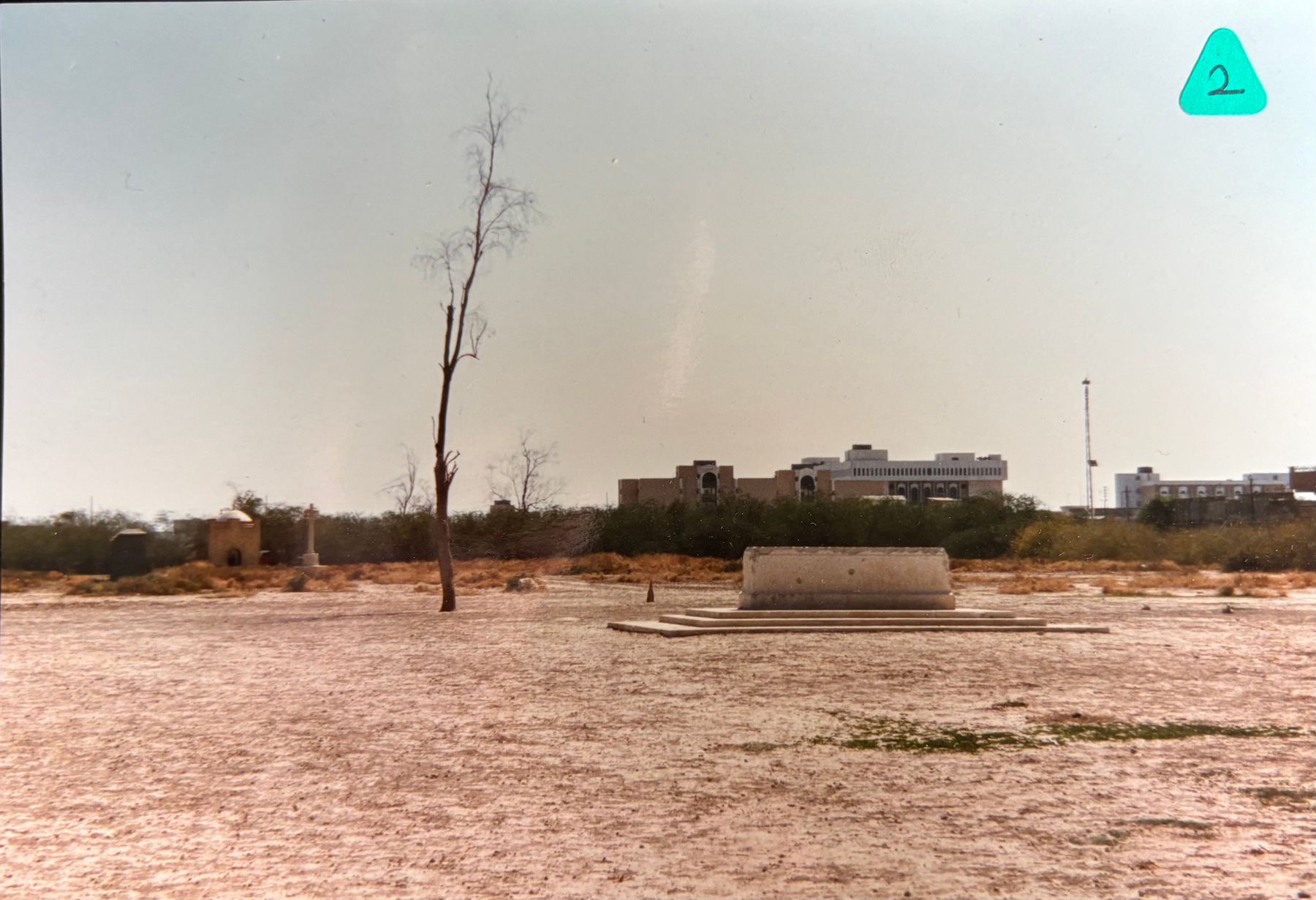
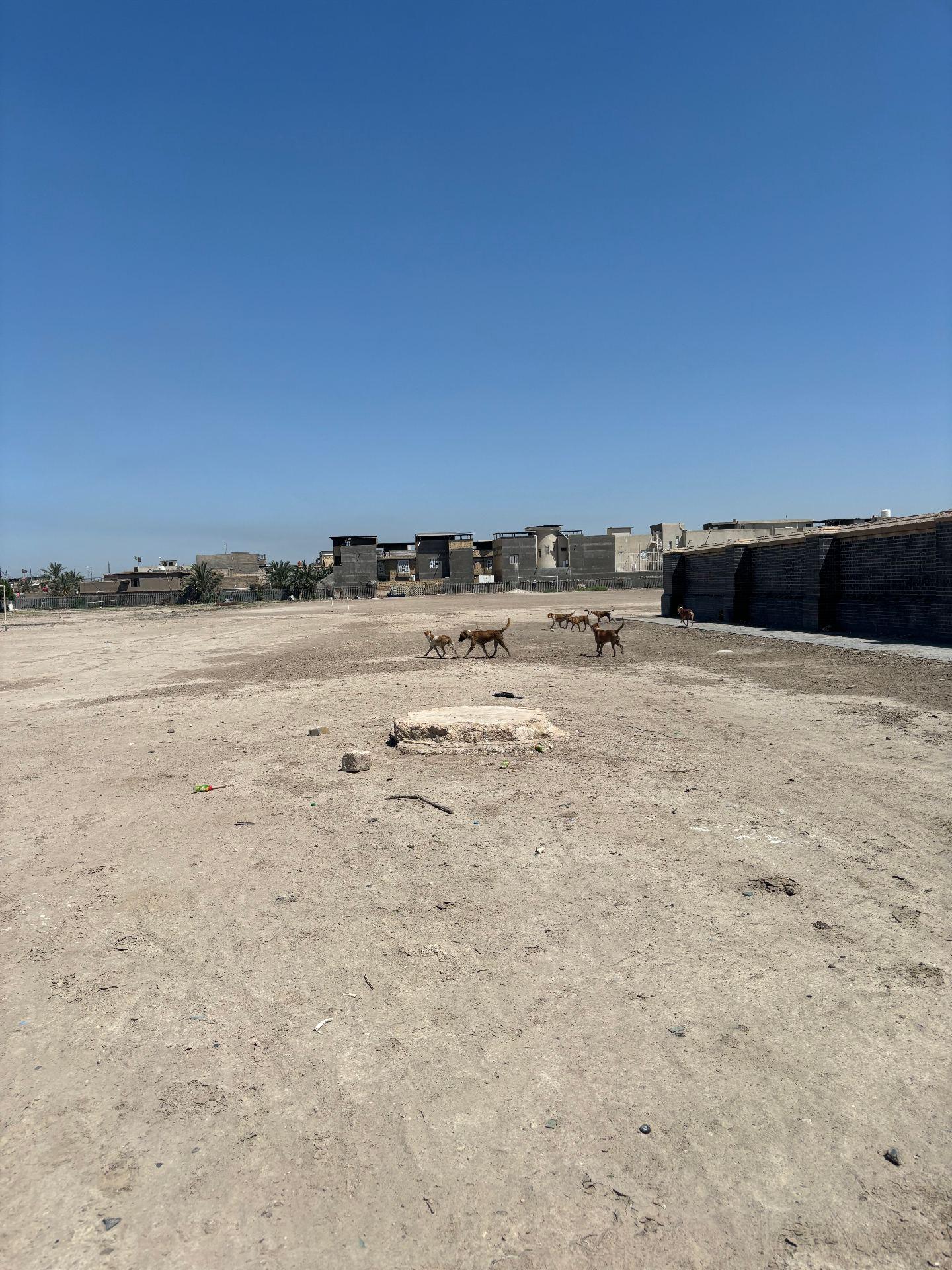
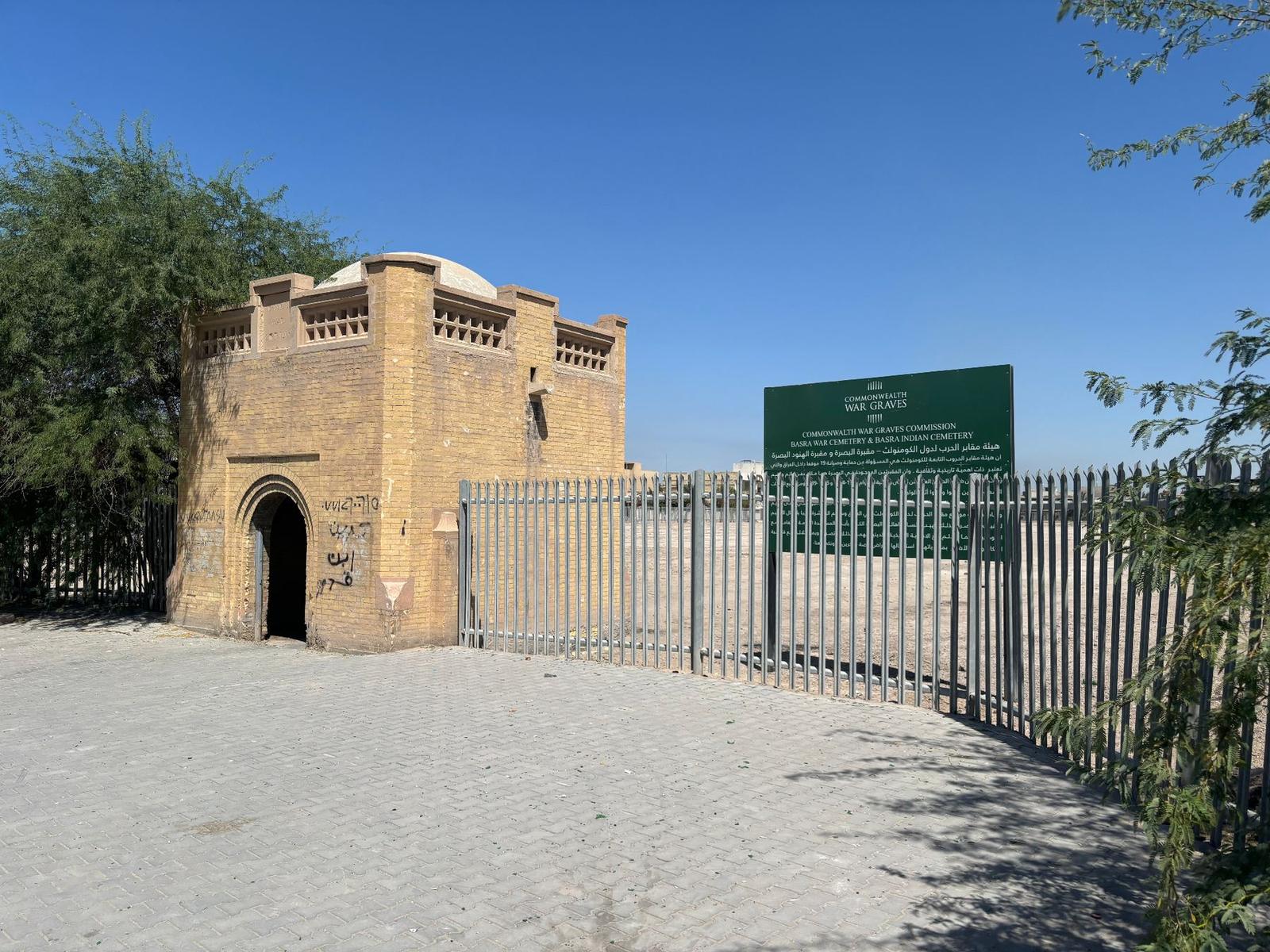
The Cross of Sacrifice is now gone and just the pedestal remains. The War Stone was pushed from its pedestal to the side of the cemetery where it lies on its side in a poor condition. The gatehouse is still the primary entrance to the site but used by passing motorists as a urinal.
The local community has been using the site for recreation for many decades, with generations of boys using it to play football. It is the only open area of land in a neighbourhood with no alternative facilities and none likely with the rapid development of Basra making unbuilt land increasingly at a premium.
In 2018, the site had a new fence erected by the CWGC to replace the one that the British Army started to demolish to gain access to the site which was needed for the heavy machinery to move the pallets of panels in 2003.
Current Condition
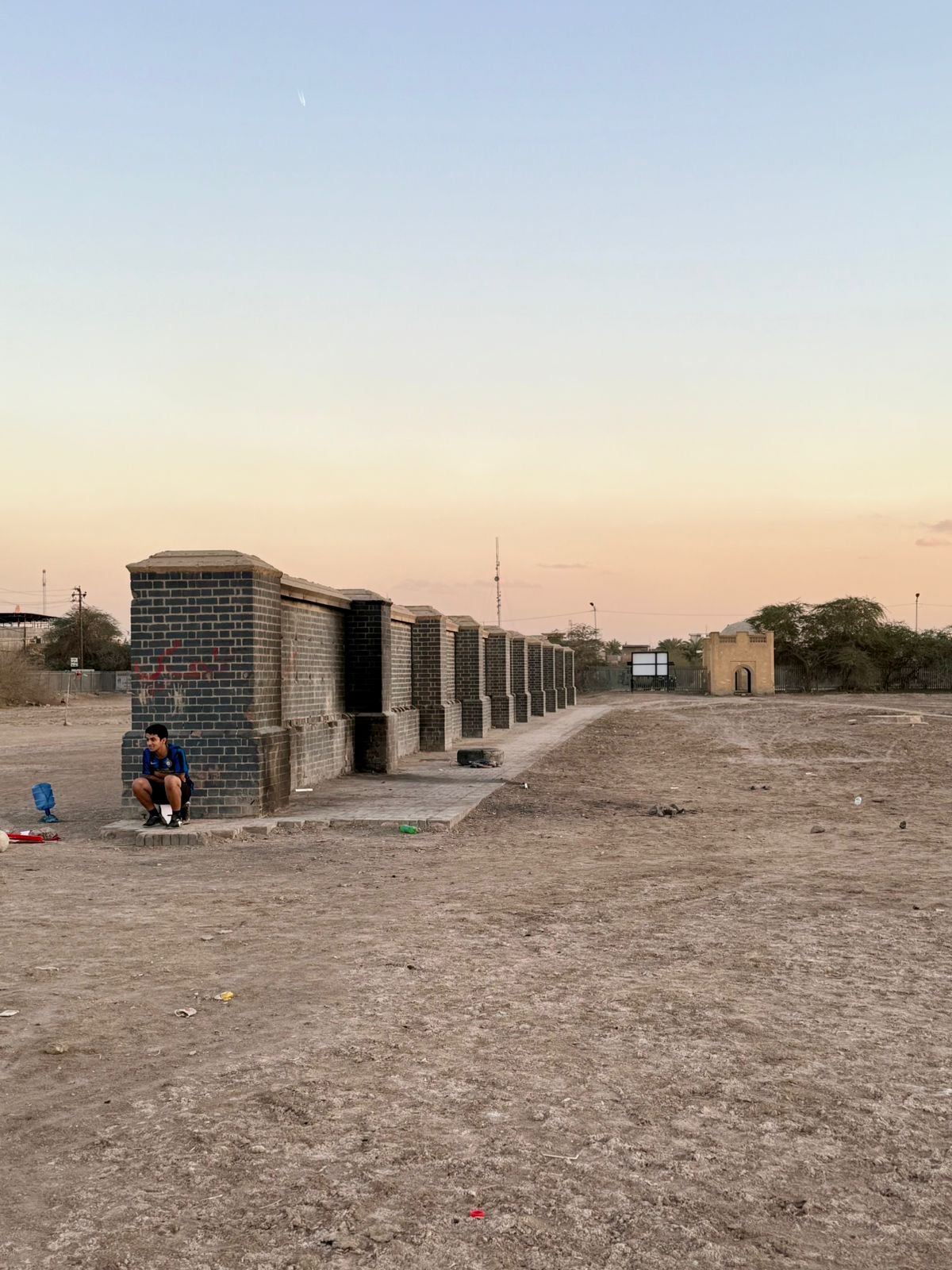
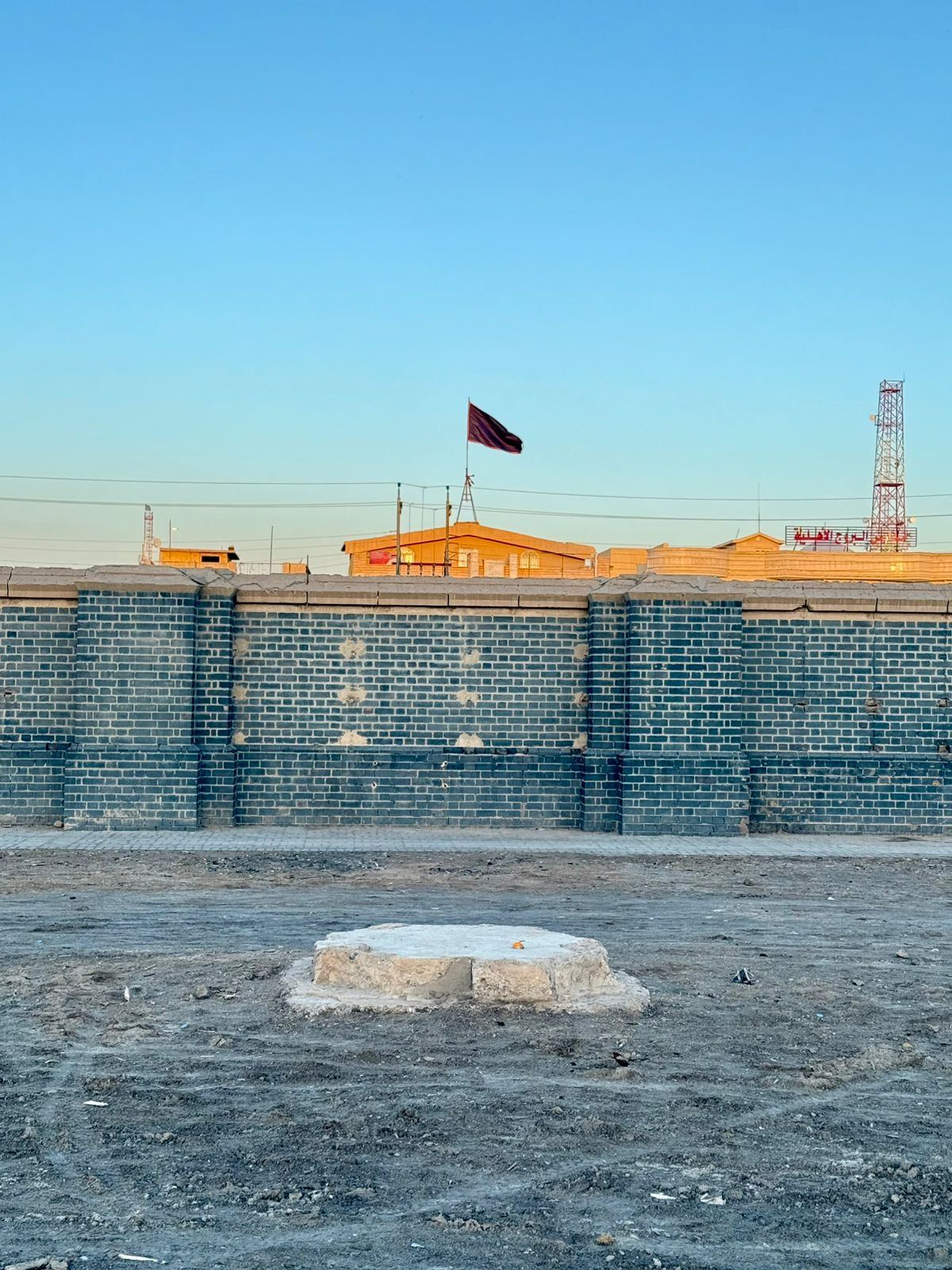
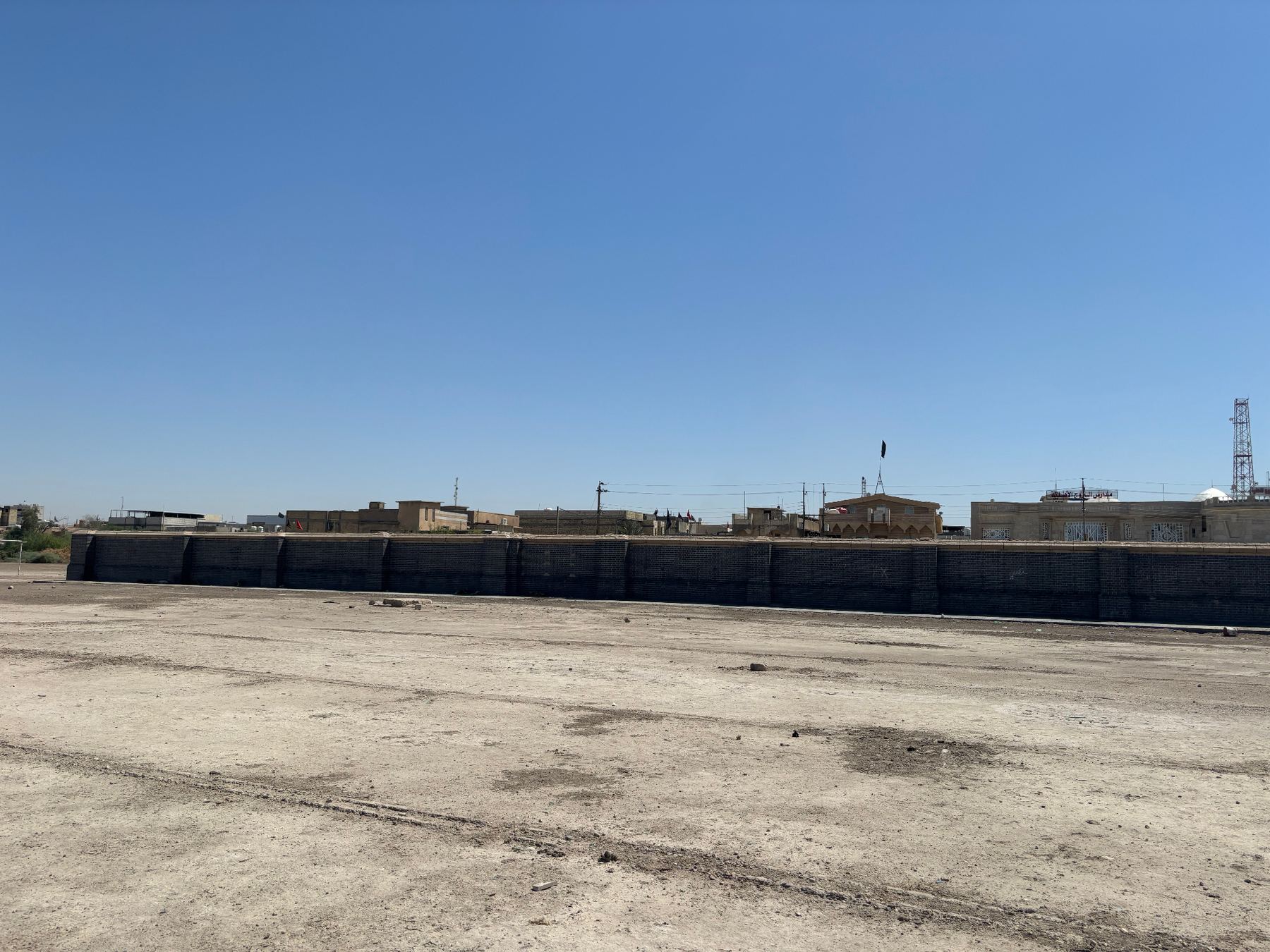
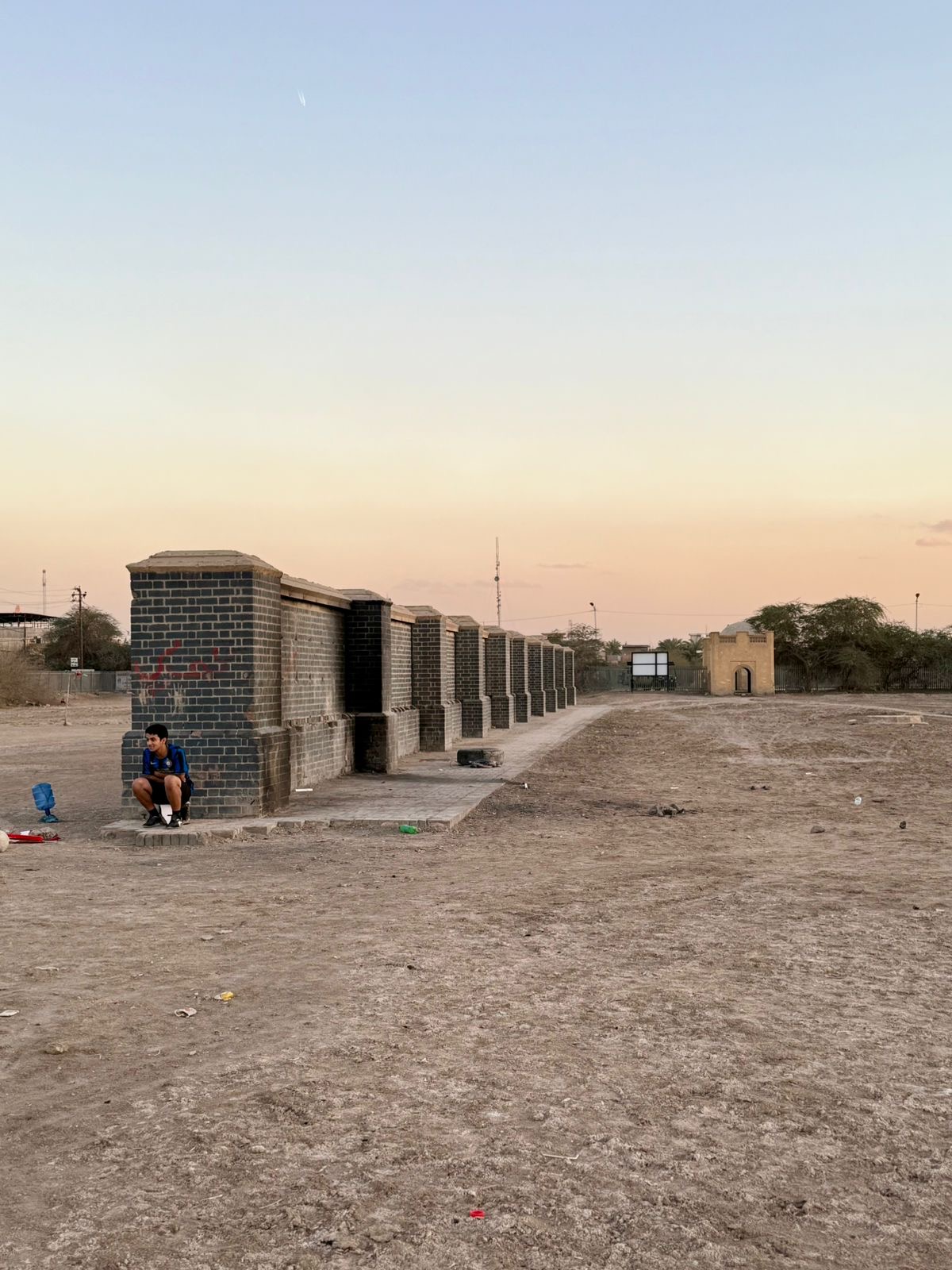
November 2025 Assessment: The site is now bare earth with the memorial wall largely intact. The Cross of Sacrifice was present in 2003 but now only the base of the pedestal remains. The War Stone, also in place in 2003, was pushed on its side and lies by the fence.
The subbases from both WW1 and WW2 graves are intact and clearly visible. The site is a waste ground, home to feral dogs and used for domestic dumping but also has been in regular and prolonged use as a recreation ground for local youths to play football.
Dog carcasses on the site and the general amount of accumulated waste and brush suggests that the regular cleaning and maintenance of the site that the local contractor is paid to perform is not happening at all or not done very thoroughly.
At night the site is used for illegal activities including drug and alcohol use; a woman's body was found recently in the corner of the site by the civil cemetery. The local residents reported that they are afraid to go into the site at night.
The RAF cemetery plot has been cleared of the vegetable garden that was present last year but there is still a large amount of overgrowth and rubble. Adjacent to that is the small civil cemetery which still has graves and grave fragments in place.
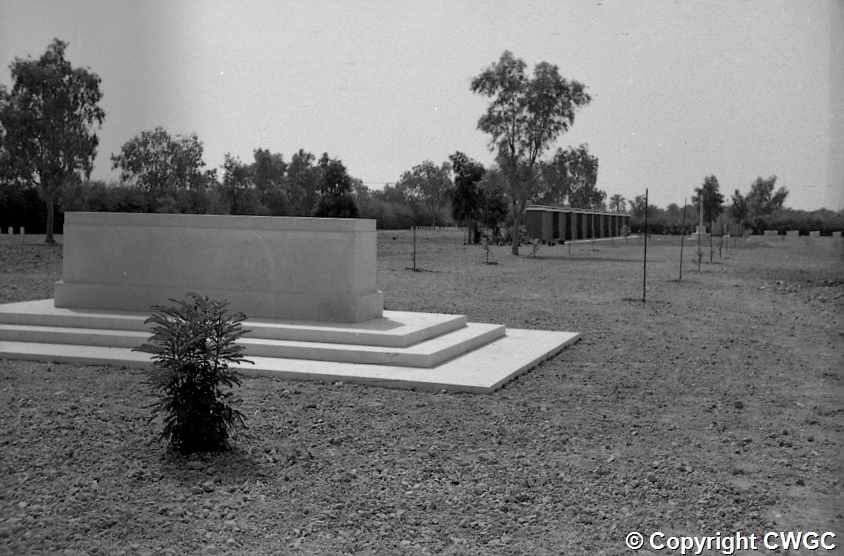
The Stone of Remembrance through time
A dated sequence showing the Stone of Remembrance at Basra War Cemetery from its original setting in the 1950s to its present condition.
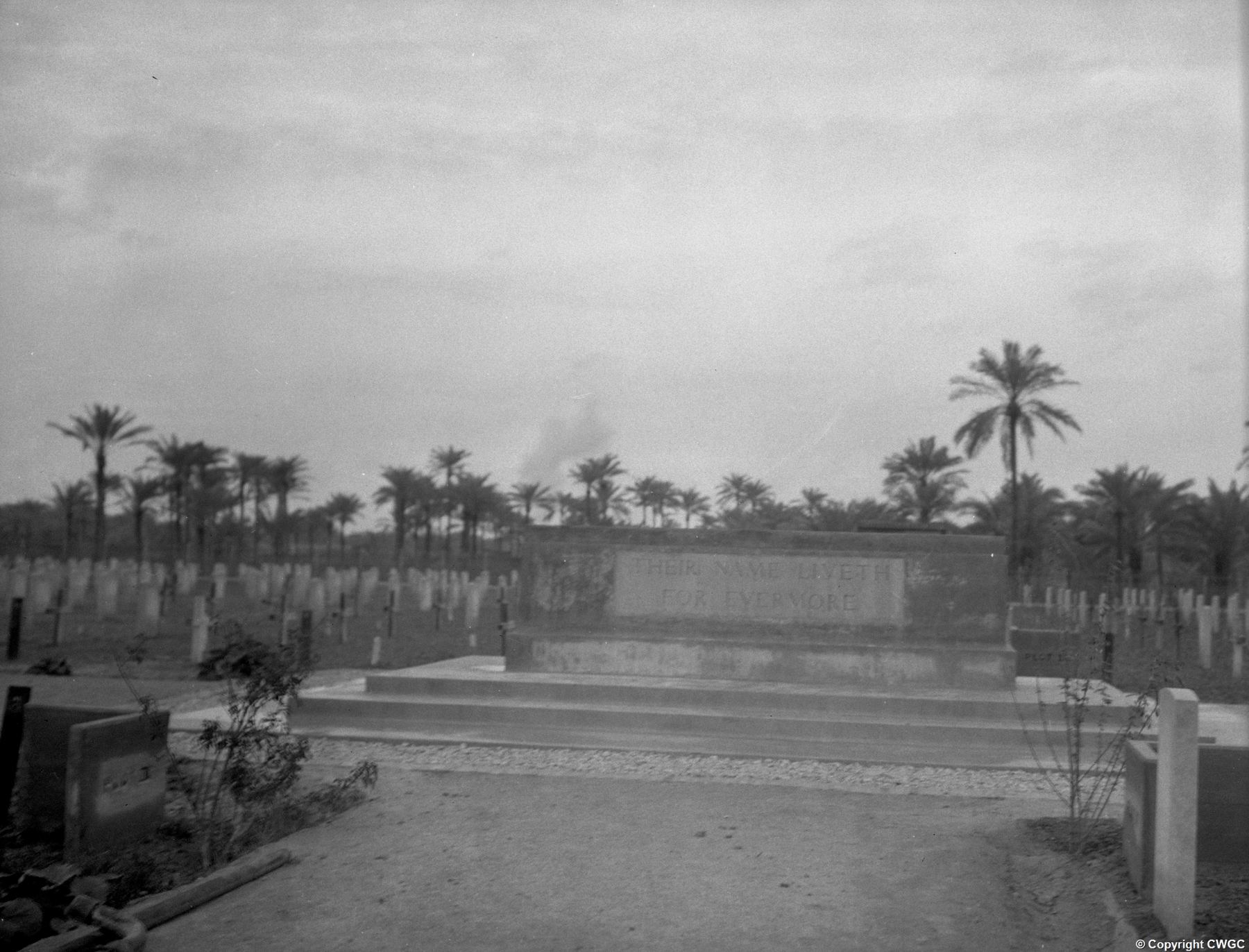
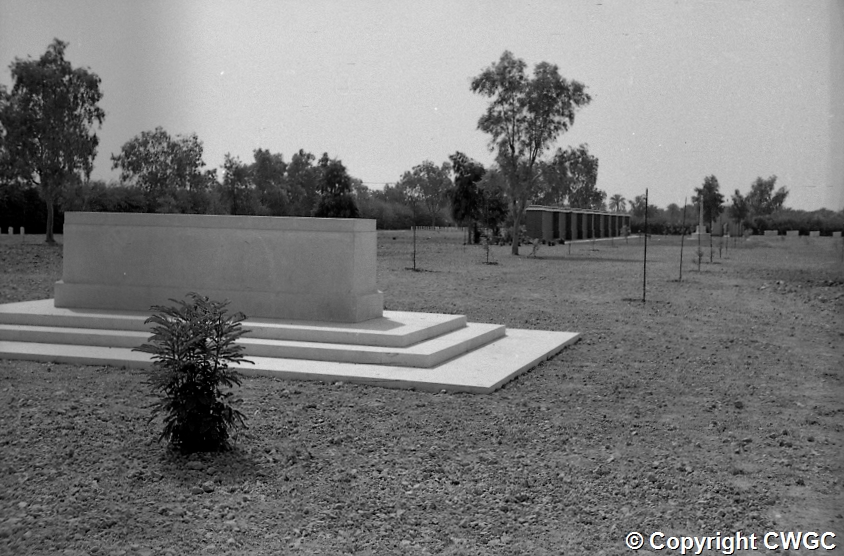
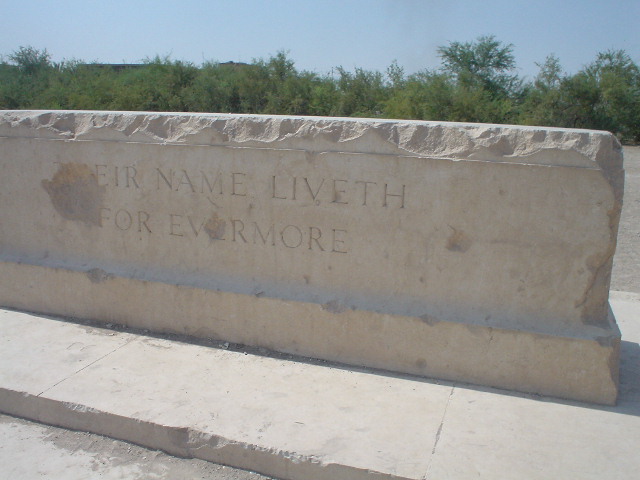
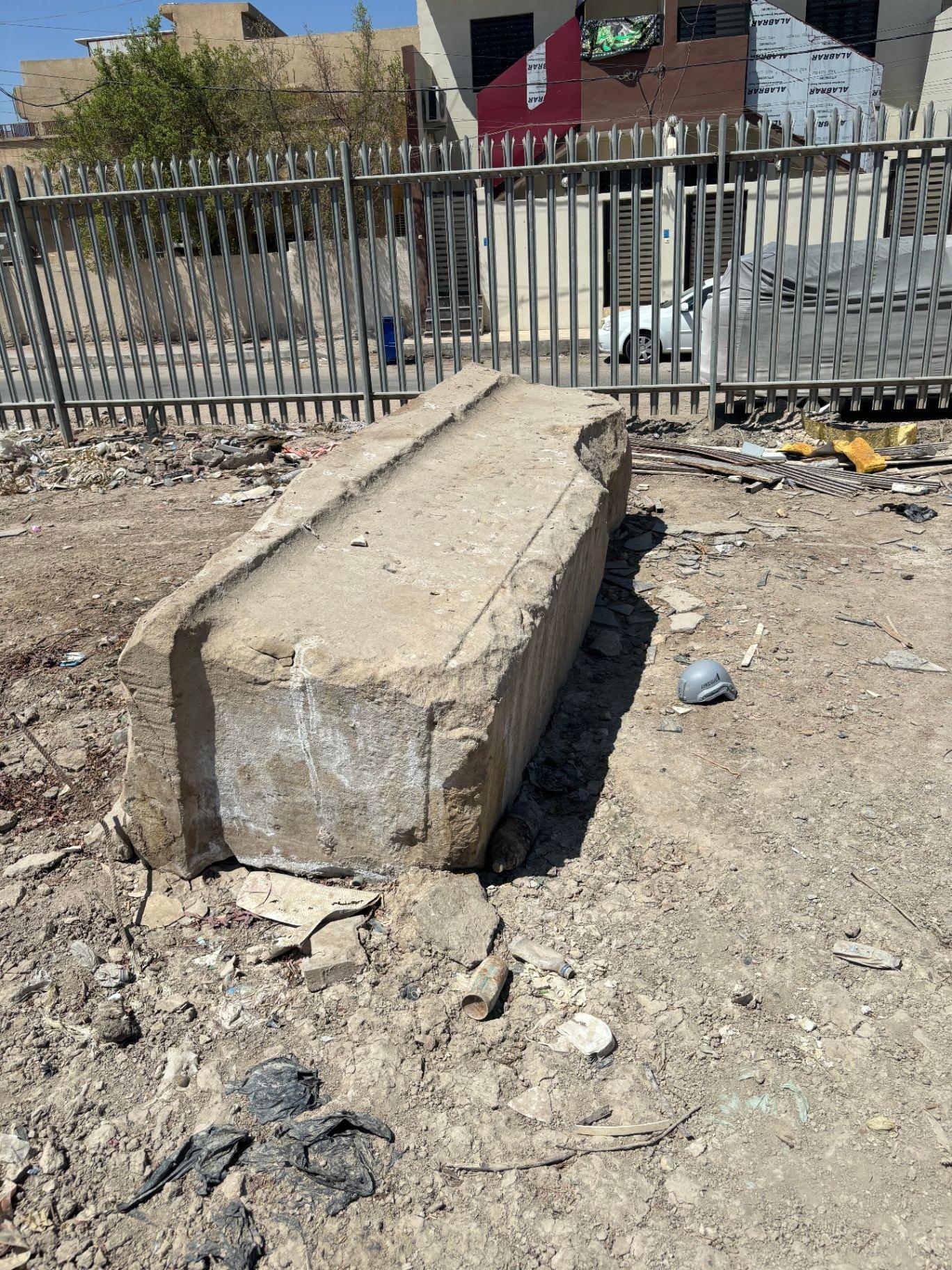
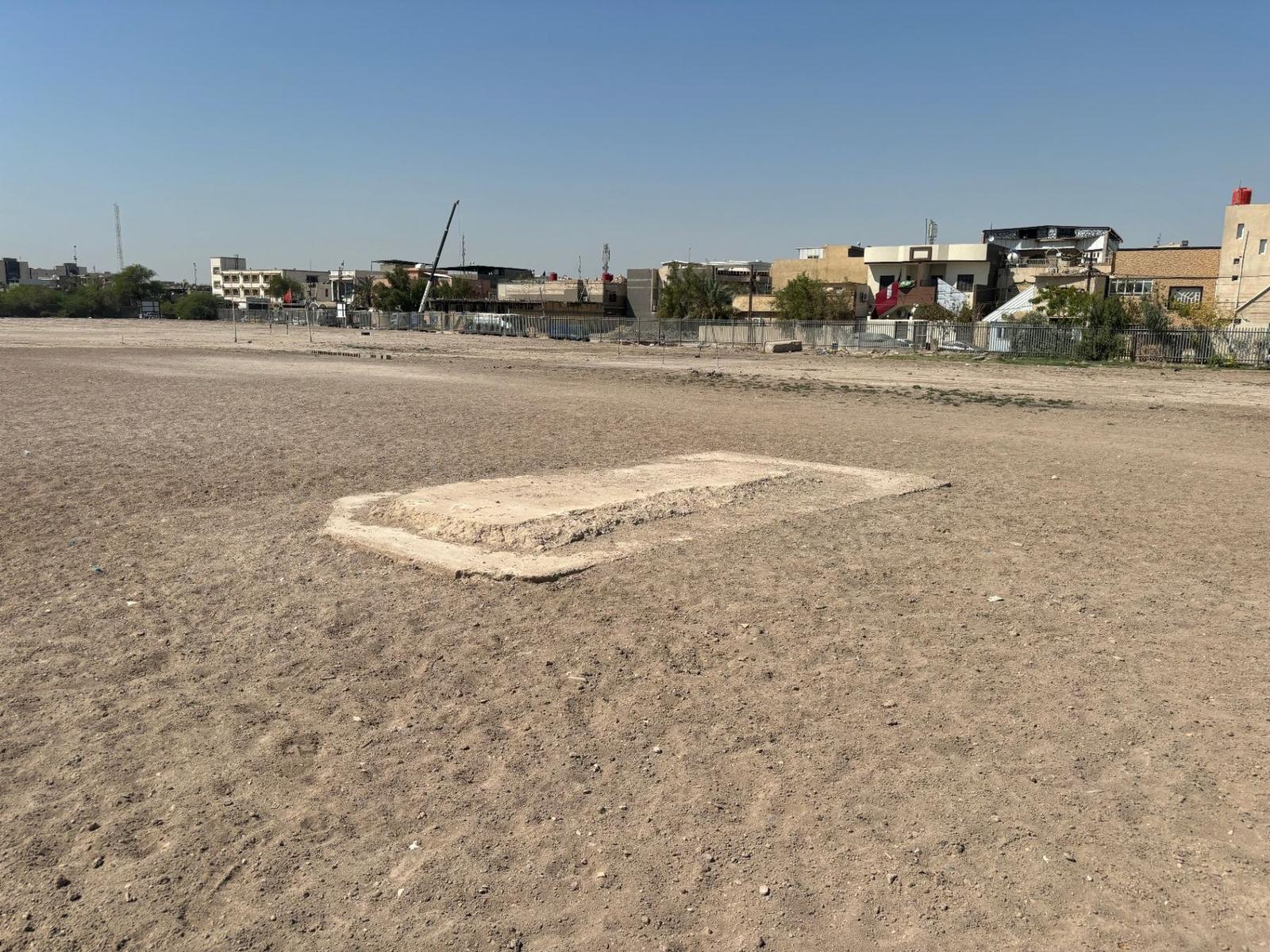
The Basra Stone of Remembrance is one of only two that survive relatively intact anywhere in Iraq. The Amara Stone of Remembrance was destroyed in 2004. The Stone at Baghdad North Gate War Cemetery is the only one still standing in its original position.
Basra War Cemetery today
Photographs from a recent visit to the cemetery, showing the gatehouse, grounds and stripped Memorial Wall as they appear today. Photographs by Shane Potaka.
Notable Casualties
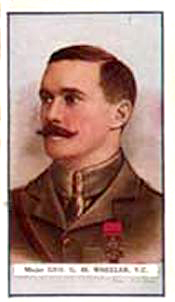
Major George Godfrey Massy Wheeler
Major, 7th Hariana Lancers
Killed in action at the Battle of Shaiba
Victoria Cross recipient for extraordinary bravery at Shaiba
Major Wheeler was killed during the Battle of Shaiba on 13 April 1915 while leading a cavalry charge against Turkish positions. He was posthumously awarded the Victoria Cross for his exceptional gallantry and leadership during the action.
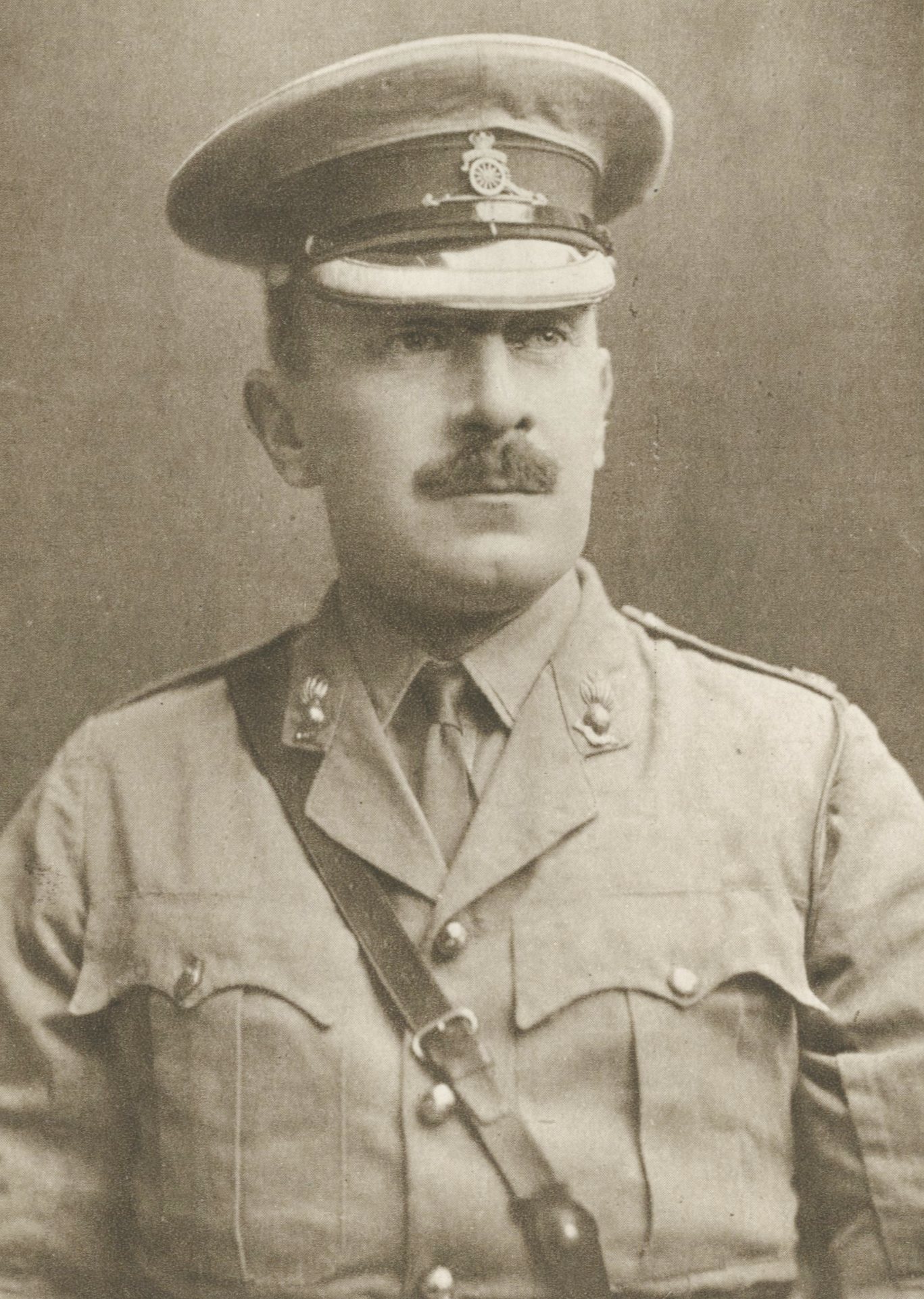
Major Henry Molyneux Paget Howard
Major, Wiltshire Battery, 3rd Wessex Brigade, Royal Field Artillery
Killed by shrapnel at the Battle of Istabulat while commanding a battery
Died of wounds through the heart while in command. 19th Earl of Suffolk and 11th Earl of Berkshire.
Major Howard, the 19th Earl of Suffolk, was struck by shrapnel through the heart while commanding his battery during the Battle of Istabulat on 21 April 1917. He died instantly while directing artillery fire against Turkish positions. As a member of the British nobility serving on the front lines, his death was widely mourned.
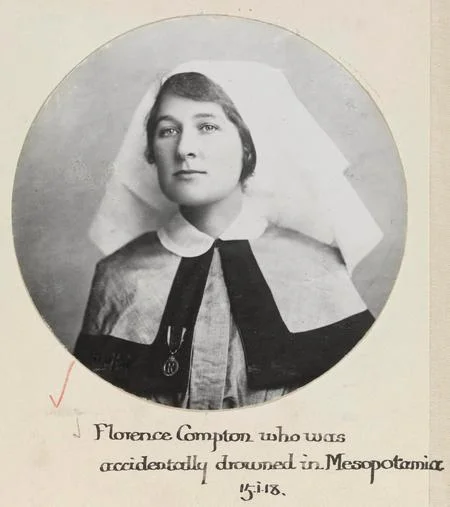
Sister Florence D'Oyly Compton
Sister, QAIMNSR
Died in Tigris launch collision
One of four nurses who died when their launch collided on the Tigris
Sister Compton drowned on 15 January 1918 when the motor launch carrying her and three fellow nurses collided with another vessel on the Tigris River. All four nurses perished in the accident, which occurred while they were being transported between hospitals.
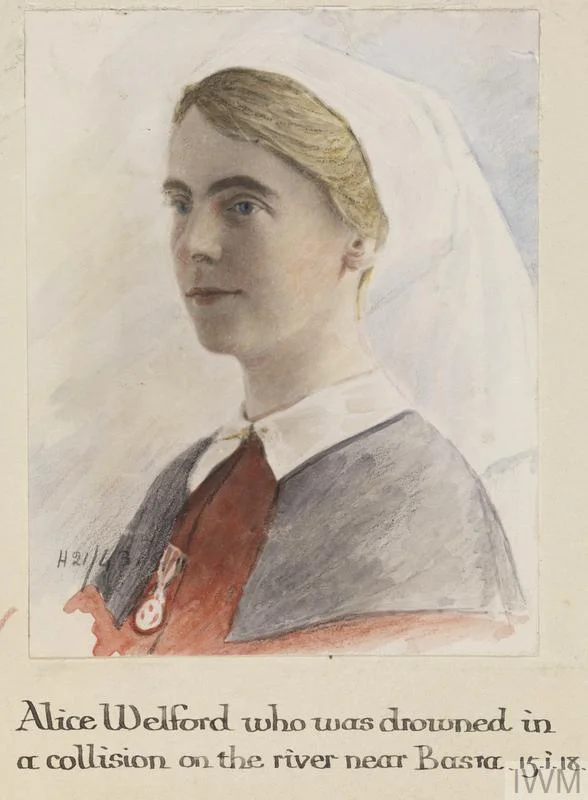
Sister Alice Welford
Sister, QAIMNSR
Died in Tigris launch collision
Died alongside three fellow nurses in the same tragic accident
Sister Welford drowned alongside Sisters Compton, Tindall, and VAD Faithfull when their motor launch collided on the Tigris. The four nurses are buried in adjacent plots, their graves serving as a memorial to the dangers faced by medical personnel in the campaign.
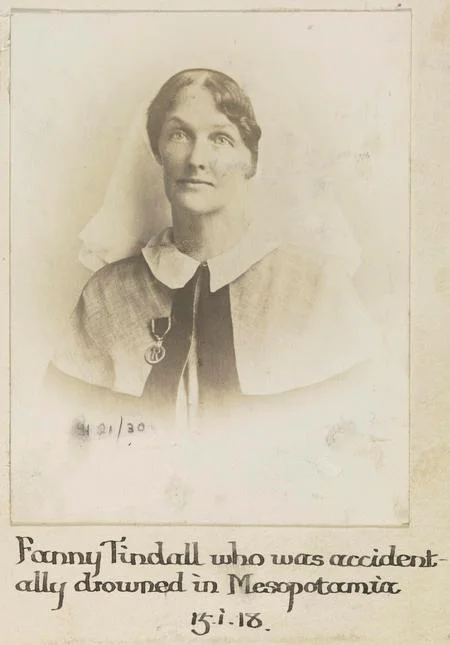
Sister Fanny Tindall
Sister, QAIMNS
Died in Tigris launch collision
Commemorated with her fellow nurses in adjacent plots
Sister Tindall perished in the motor launch collision on the Tigris River on 15 January 1918. She was one of four nurses who died together in the accident, highlighting the risks faced by medical staff serving in the Mesopotamian theatre.
VAD Florence Mary Faithfull
VAD, Voluntary Aid Detachment
Died in Tigris launch collision
Fourth nurse buried side-by-side with her colleagues
VAD Faithfull, a Voluntary Aid Detachment nurse, drowned in the Tigris launch collision on 15 January 1918. As the youngest of the four nurses who died, she was just 23 years old. Their four graves stand together as a poignant memorial to nursing service.
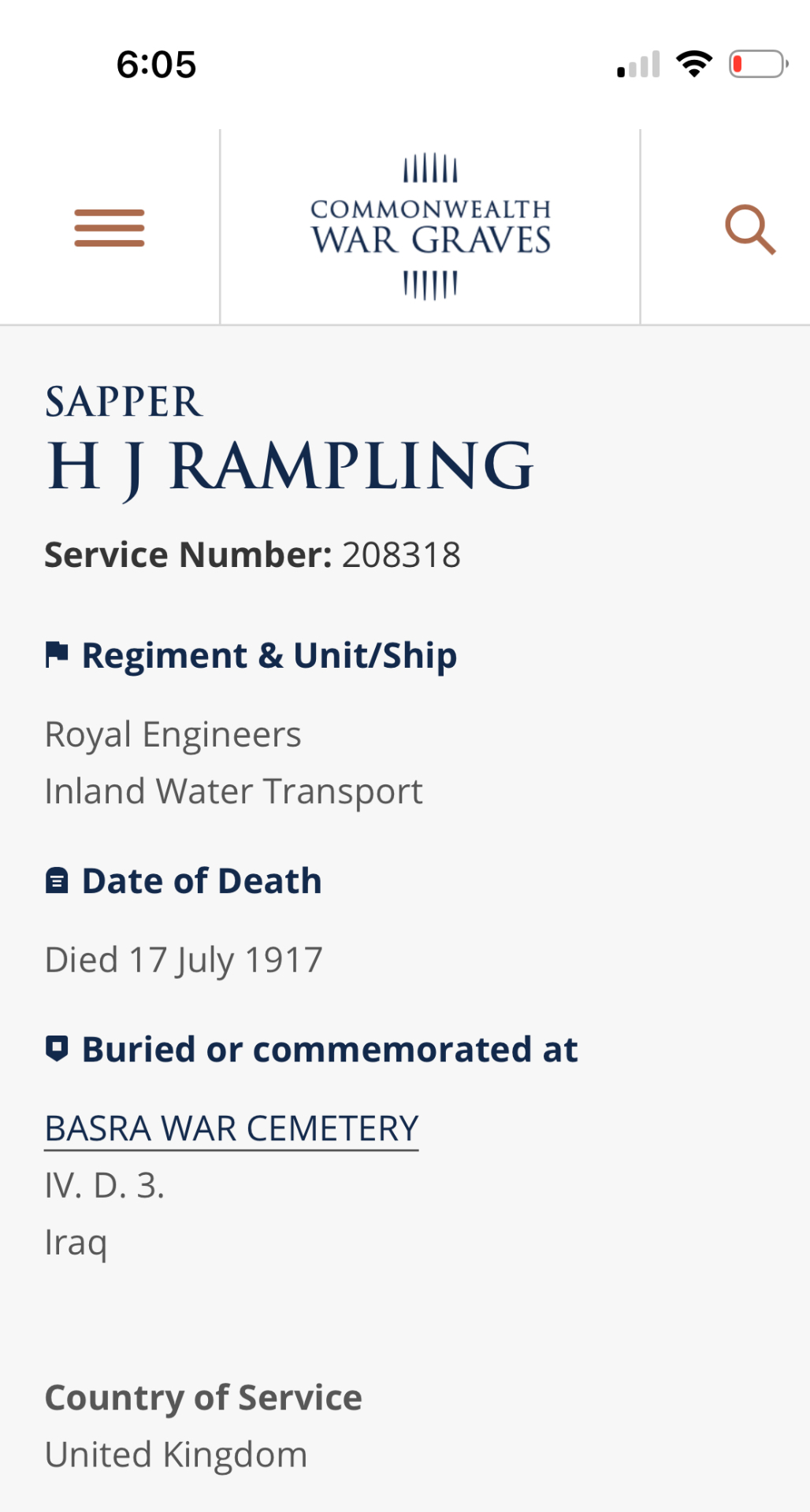
Sapper Horace Johnson Rampling
Sapper, Royal Engineers (Inland Water Transport)
English engineer and soldier, service number 208318. Born in Bishop's Stortford, Hertfordshire, he worked as a costumer and tradesman before enlisting. Father of Colonel Godfrey Rampling, Olympic gold medallist and British Army officer, and grandfather of actress Charlotte Rampling.
Sapper Rampling died of heatstroke while on active duty in Mesopotamia on 17 July 1917. He served with the Royal Engineers Inland Water Transport, which operated vital river transport along the Tigris and Euphrates rivers to supply British forces throughout the campaign.
Cemetery Plan
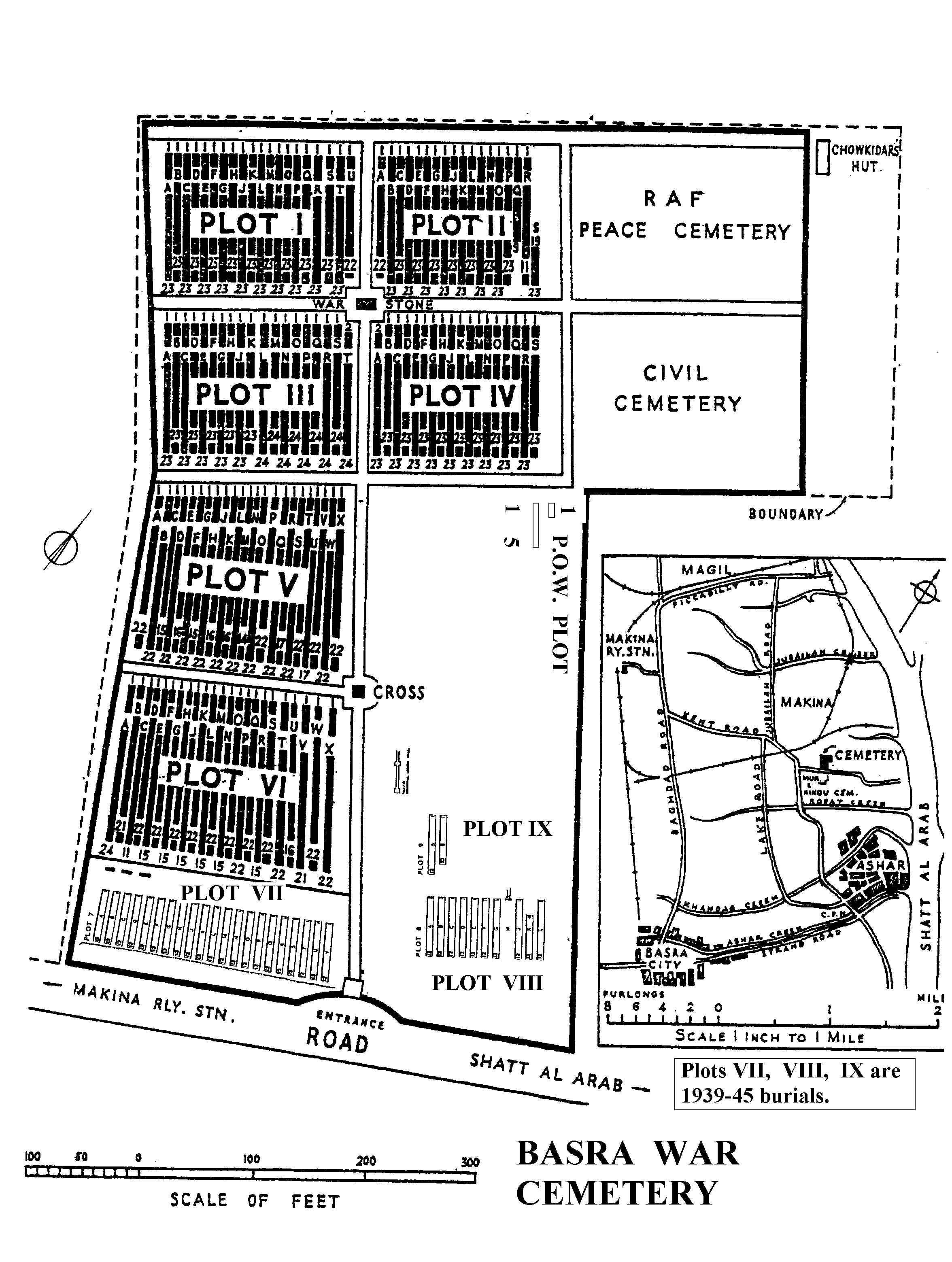
Historical cemetery plan showing the layout of Plots I-IX, including the RAF Peace Cemetery, Civil Cemetery, and the relative positions of different burial sections. The main entrance is on Makina Railway Station Road (Shatt Al Arab). Plots VII, VIII, and IX contain 1939-45 burials.
Watch the films from this site
Each film recorded at this location has its own page with the full footage, background notes and links to the surrounding cemeteries.
 Basra War Cemetery VR Walkthrough, Part 23:46 film
 WW2 Cremation Memorial, Basra War Cemetery3:47 film
 WW2 Cremation Memorial, Basra War Cemetery, short film0:42 film
 WW2 Cremation Memorial, Basra War Cemetery, second short film1:15 film
 Basra War Cemetery, cinematic walkthrough, Part 13:46 film
 Basra War Cemetery, cinematic walkthrough, Part 23:09 film
 Remembrance Day Service at Basra War Cemetery17:28 film
Related Articles & Content
Soviet and Russian Burials in Basra War Cemetery
VisitThis article explores the little-known story of Soviet and Russian burials within the British War Cemetery in Basra. It highlights five Soviet airmen who died during World War II—two in a 1942 plane crash—and eight earlier Russian refugees from 1920–1921. Their presence reflects Iraq's unexpected role in the Allied war effort through the Persian (Iraq–Persian) Corridor, a crucial supply route that moved millions of tons of Lend-Lease aid from Basra's ports through Iran into the Soviet Union. The article places these graves in the broader context of the Anglo-Iraqi and Anglo-Soviet campaigns of 1941, when control of Iraq and Iran secured vital oil fields, transport links, and ultimately the survival of the Eastern Front.
Source: Iraq War Graves
Basra RAF Peace Cemetery Documentation
VisitThe page describes the Basra RAF Peace Cemetery, a section in the north corner of the Basra War Cemetery in Iraq, which contains 63 servicemen and 8 civilians who died in the interwar period. It notes that, despite the name, the burials include personnel from RAF, Royal Navy, British Army, Indian Army, and civilians. The author provides detailed maps and a searchable database (with names, dates, units, graves, and causes of death) of the 71 burials.
Source: Steve Buster Johnson
The Forgotten Dead from a Forgotten War and a Very Modern Problem
VisitThe article highlights how Britain has invaded Iraq multiple times yet done little to properly commemorate those who died, especially in the WWI Mesopotamia campaign. The author draws attention to the neglected Basra War Cemetery, which holds thousands of anonymous Commonwealth war dead. He also recounts his personal mission to restore his grandfather's grave there—pointing to broader issues of remembrance, neglect, and the politics of memory in war's aftermath.
Source: Ben Soppitt (Medium)
Planning a visit: quick answers
- Can you visit Commonwealth war cemeteries in Iraq?
- Yes. Basra War Cemetery, the Basra Memorial to the Missing, Amara War Cemetery and Baghdad North Gate War Cemetery can all be visited, but access varies by site and usually needs advance arrangement, a local guide and, in some cases, permission from the authorities.
- Do I need a visa or permits to visit?
- Most visitors now travel on a visa on arrival or an e-visa, and some sites sit inside restricted or military-controlled areas where a separate permit or escort is required.
- Are the cemeteries maintained?
- Condition varies considerably. Some sites are cared for by local gardeners, while others remain damaged or overgrown, as documented in our field reporting.