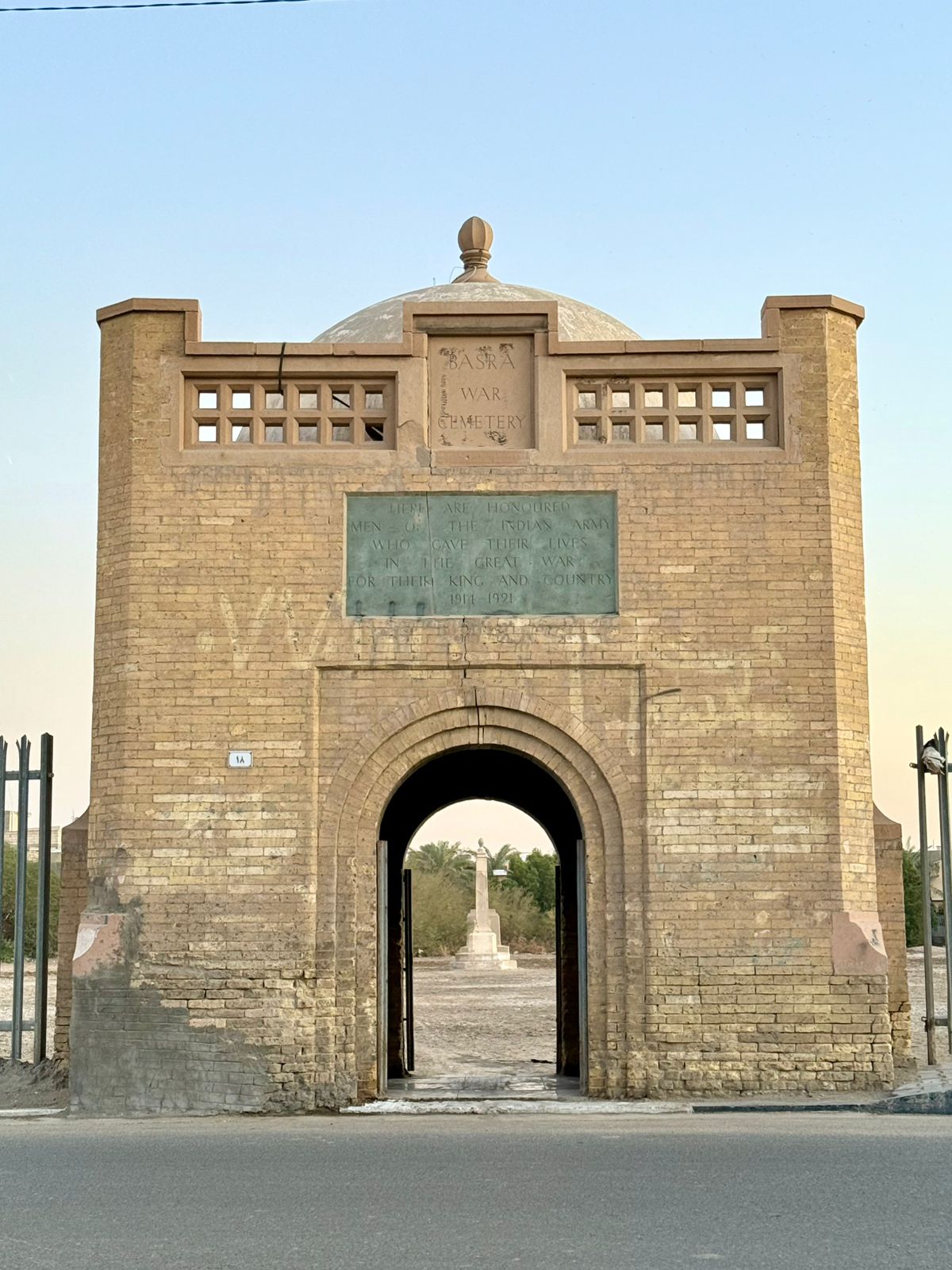
Basra Indian Forces Cemetery & Cremation Memorial
Take a Virtual Reality Tour
Best viewed in the YouTube app on a mobile device with a VR headset (e.g. Google Cardboard). Drag to look around in your browser.
This cemetery specifically commemorates Indian forces who served in Mesopotamia, recognizing the substantial contribution of the Indian Army to the campaign. It includes both burial grounds and a cremation memorial for Hindu and Sikh soldiers.
Quick Information
Makina district of Basra, adjacent to Basra War Cemetery
Commemorated
Unknown number of Indian Army WW1 burials. 75 Turkish prisoners of war burials included in the monument to 278 Turkish soldiers buried at Basra and elsewhere. 292 burials of the Second World War, 12 of which are unidentified. There are also 25 non war graves, 10 of them unidentified. Basra Cremation Memorial which commemorates 1,032 soldiers of the army of undivided India who died in Iraq in WW2.
Status
Last Updated
1 April 2026
Key Takeaways
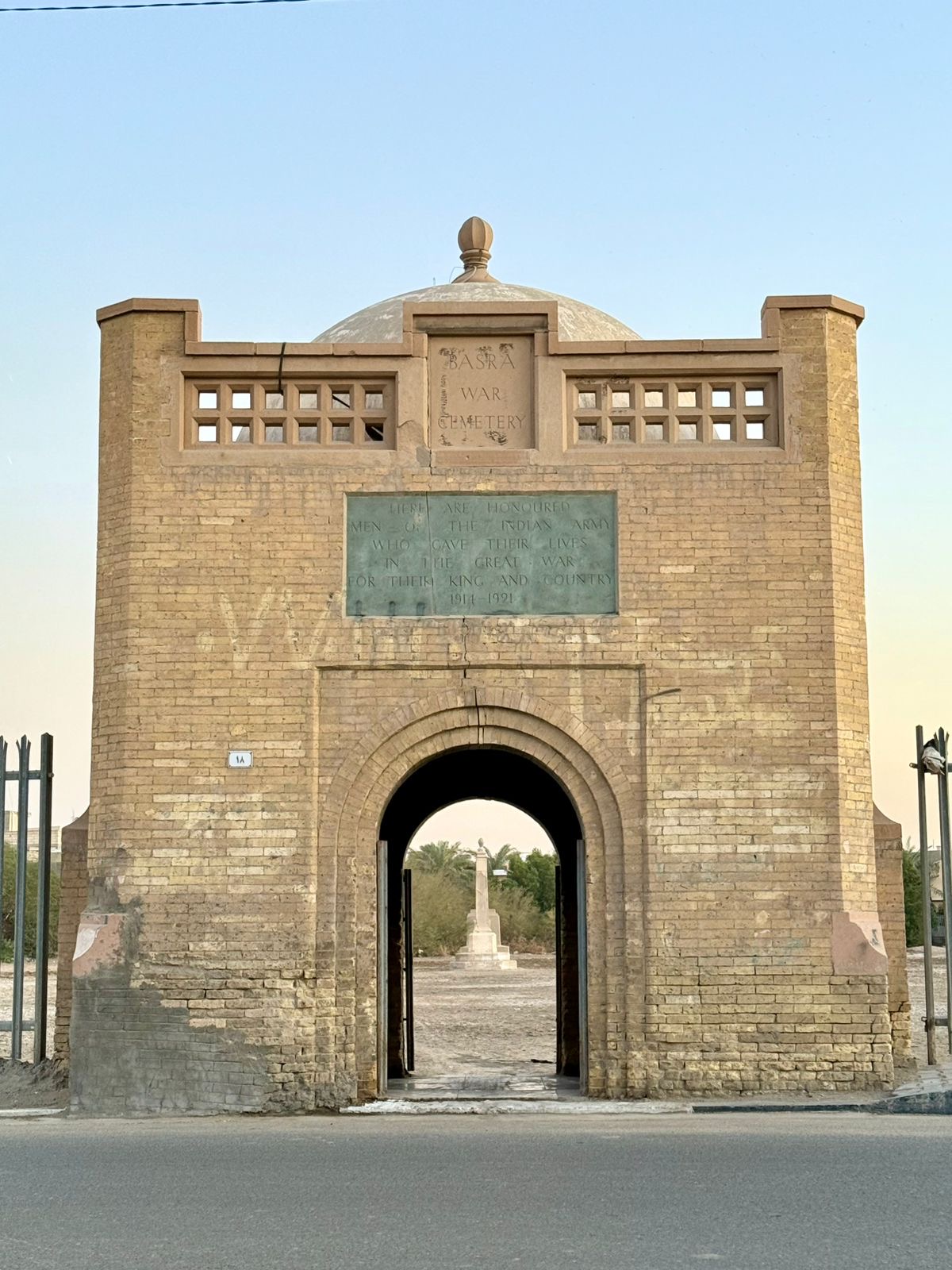
- • Two buildings (gatehouses) on site at risk of structural failure due to lack of maintenance
- • Contractor not effectively maintaining the site if at all
- • Boundary fence removed and local dwellings situated on the site
- • WW2 Hindu Cremation Memorial is in remarkably good repair - best preserved memorial to WW2 Indian Army casualties in Iraq
- • Two fragments from panels of the WW2 cremation monument currently survive in the gatehouse and should be stored safely
The Basra Indian Forces Cemetery acknowledges the critical role played by Indian soldiers in the Mesopotamian Campaign. Over 600,000 Indian troops served in Mesopotamia during WWI, forming the majority of British forces in the region.
The inequalities in the treatment of "colonial" troops extended into death, with Indian casualties buried in mass graves and with inadequate record keeping. Instead, memorials were erected to Hindu/Sikh and Muslim soldiers respectively. This means we will never know how many men are buried here from WW1.
Basra Indian Forces Cemetery, historical photographs
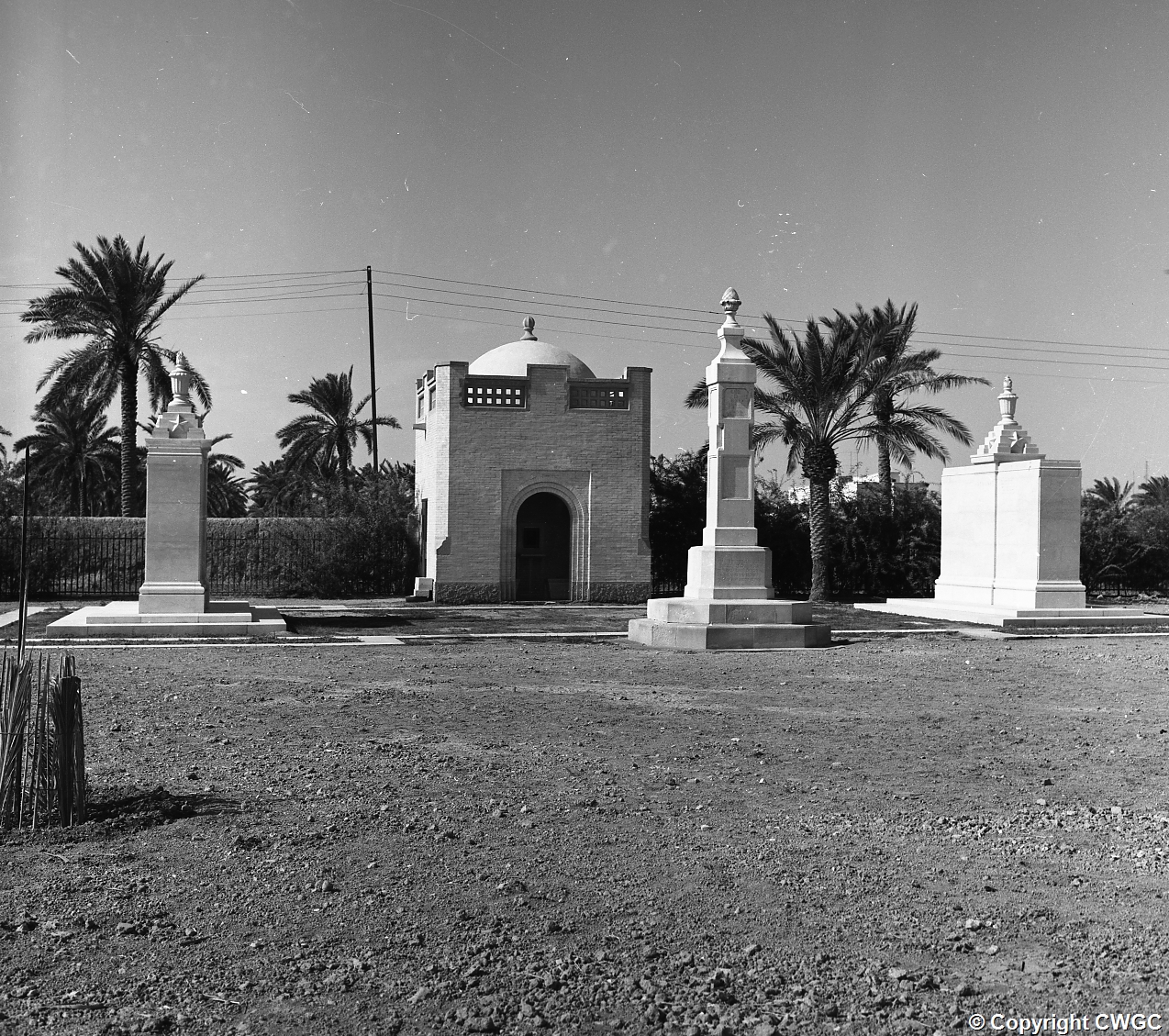
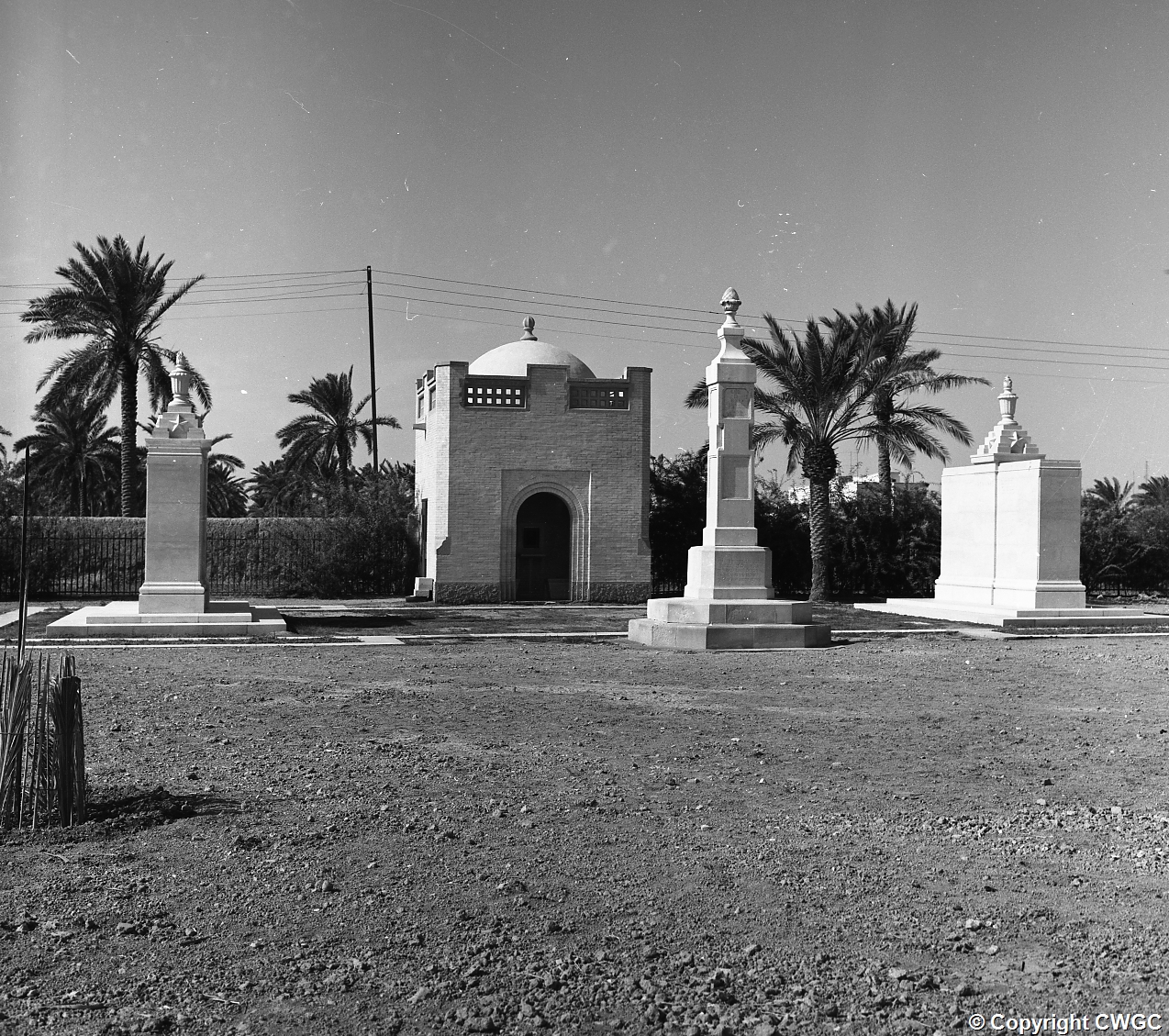
Historical photographs of the Indian Forces side of Basra War Cemetery, showing the obelisk, gatehouse and headstones in earlier decades. Images © CWGC.
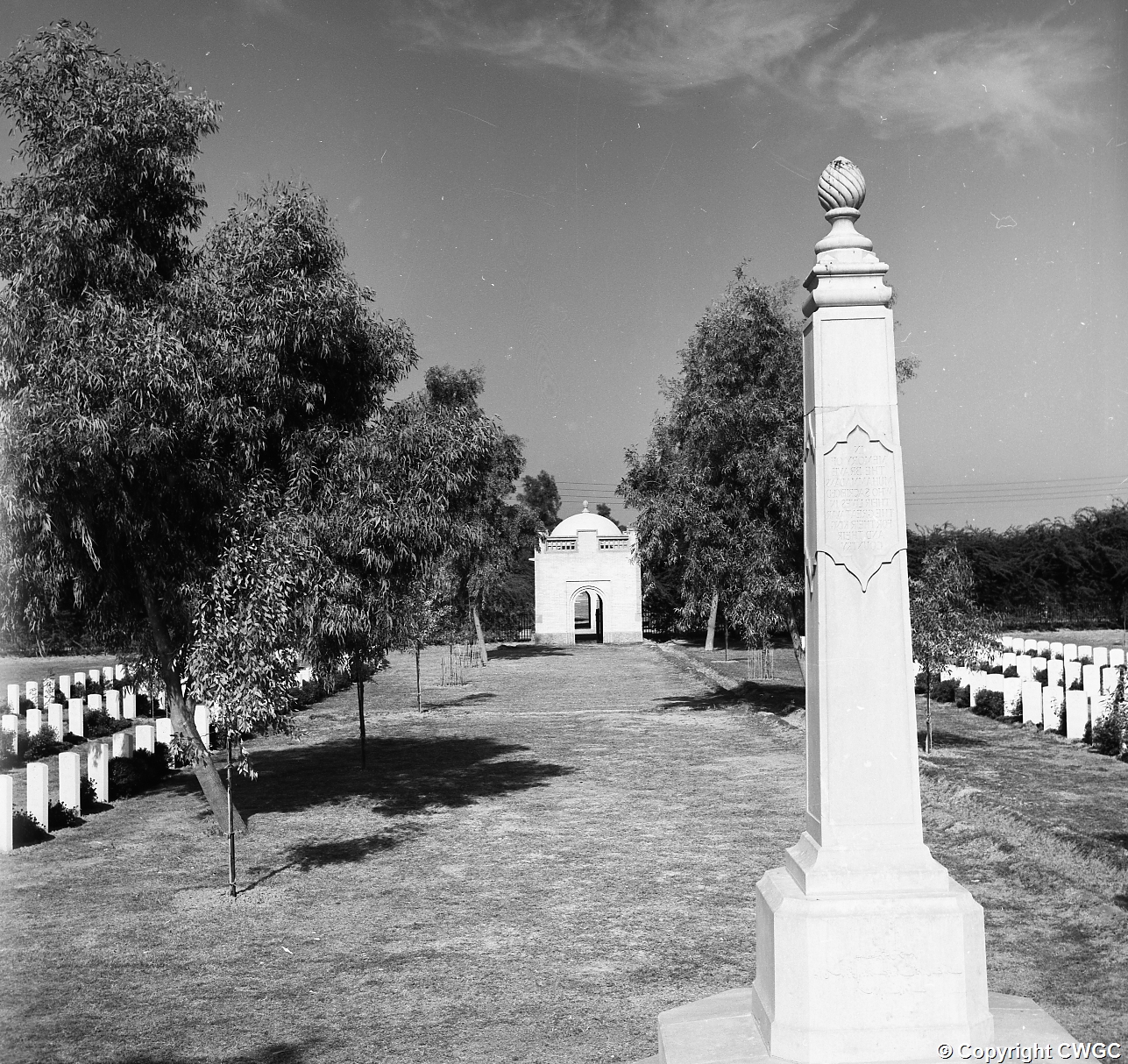
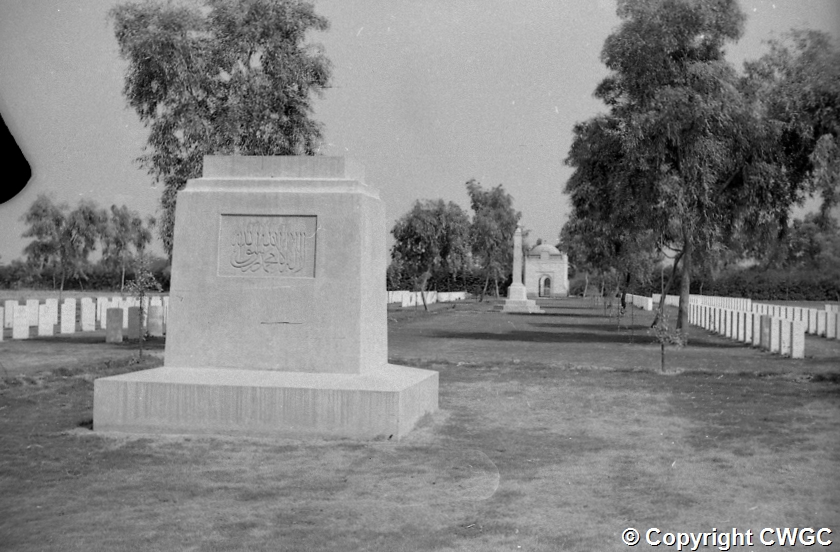
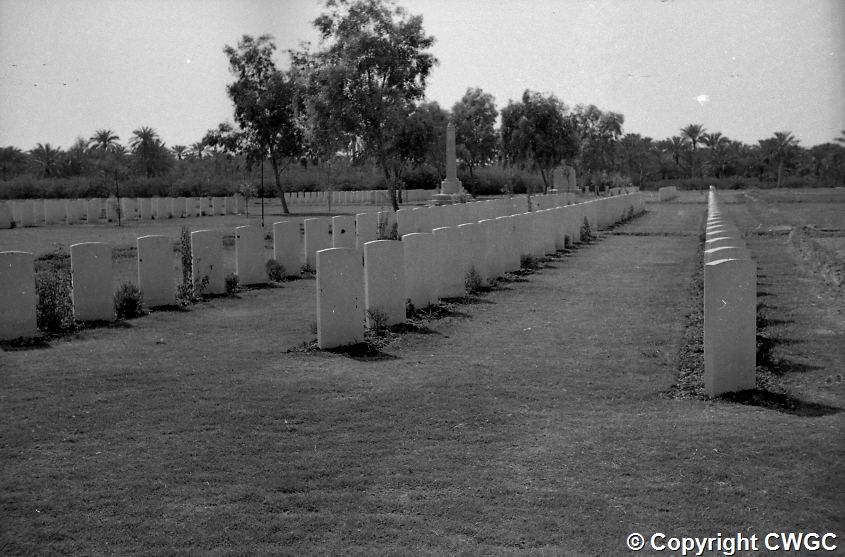
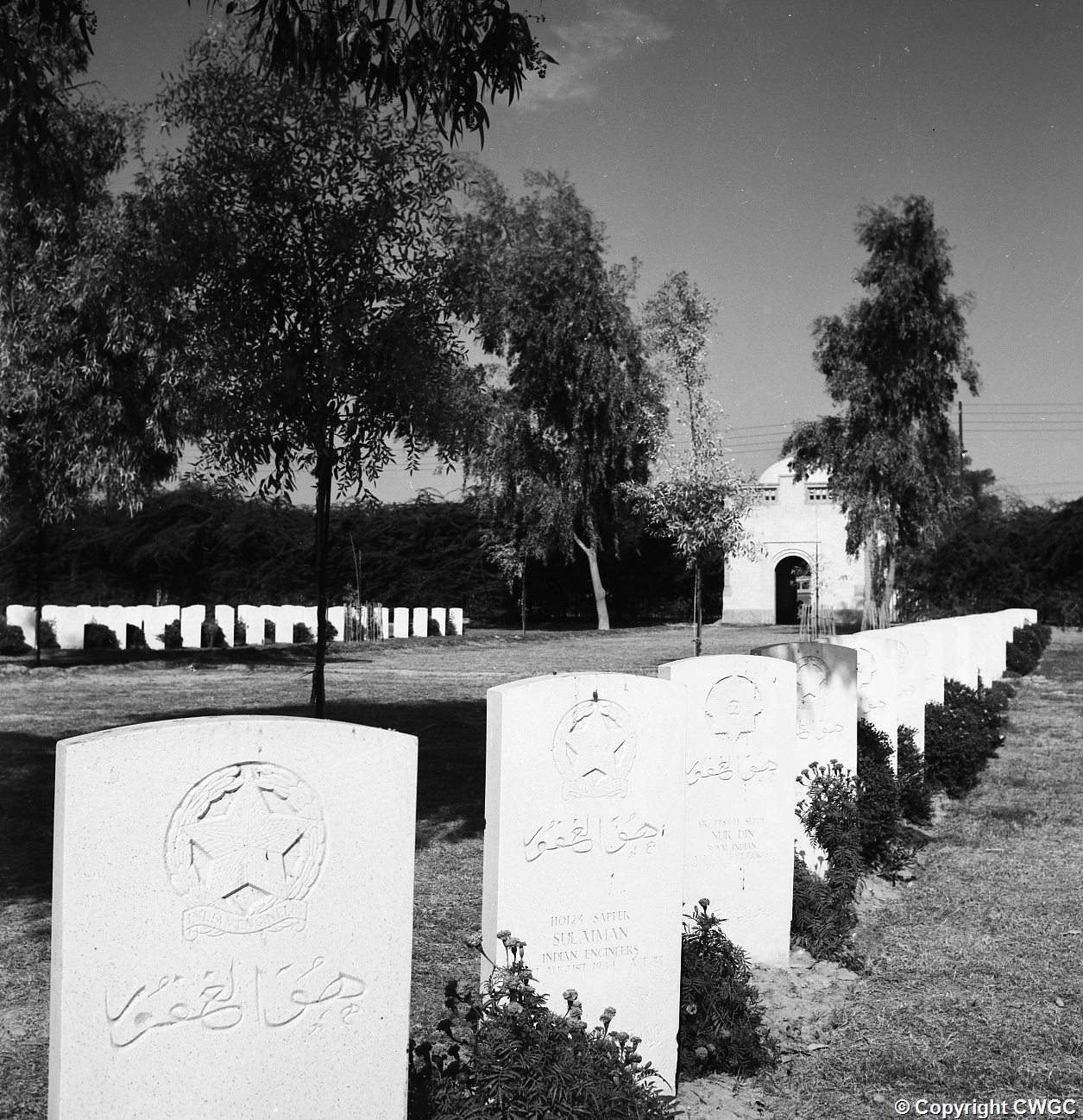
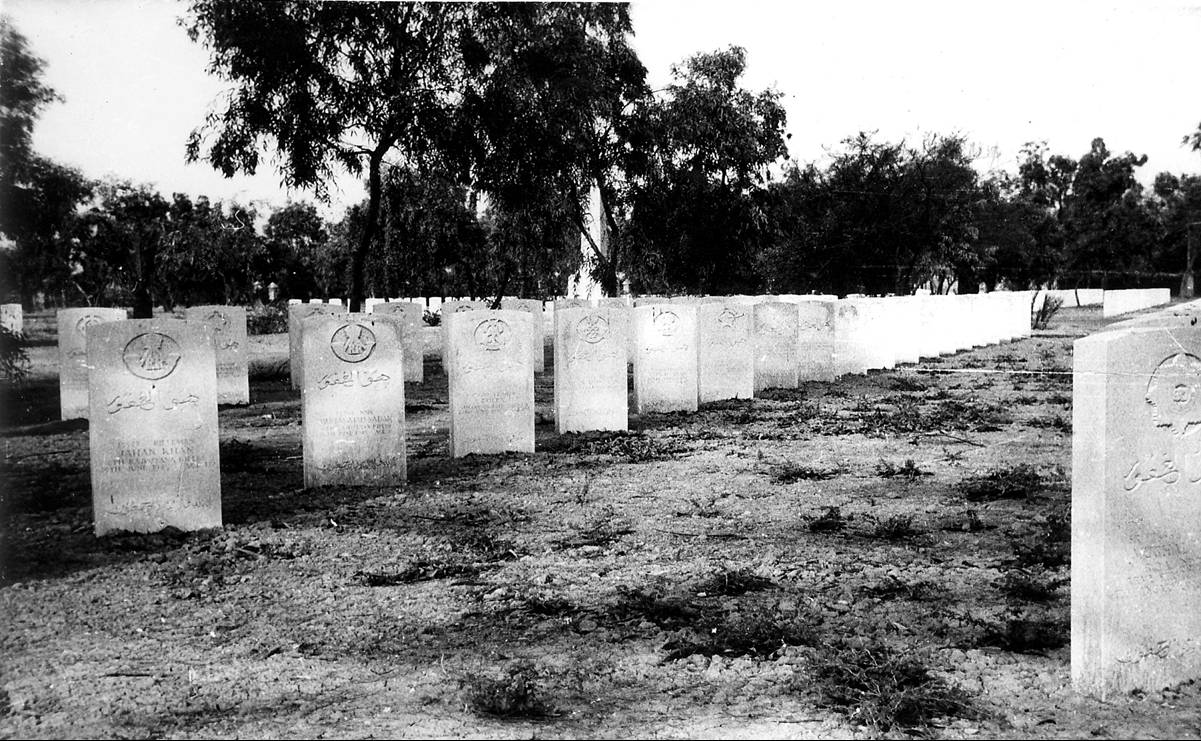
All of the Second World War graves within the cemetery were transferred by the CWGC to this burial ground in 1958 from Shaiba Indian Army War Cemetery, which was originally intended to be a permanent cemetery and into which the Army Graves Service had moved graves from Abadan (Iran), Ahwaz (Iran), Andimeshk (Iran), Kermanshah (Iran), Khurramshahr (Iran) and Basra in 1944. Shaiba was considered an isolated former military encampment, some distance from Basra and impossible to maintain. Ironically Shaiba became the base for the British Army occupation in 2007 having moved from Saddam's former Palace in Basra (now a museum). It is also where the material moved by the British Army in 2003 from Basra War Cemetery including the replacement graves is believed to have been abandoned.
WW2 casualties were afforded individual burials and gravestones, with 292 burials of the Second World War, 12 of which are unidentified. The gravestones were damaged over the course of time, subject to conflict and vandalism as the site had no maintenance, security or effective oversight since at least 1990. Replacement gravestones for the Indian WW2 graves were stored in the building by the Cremation memorial but removed by the British Army in 2003, whereabouts currently unknown (learn more about the 2003 removal).
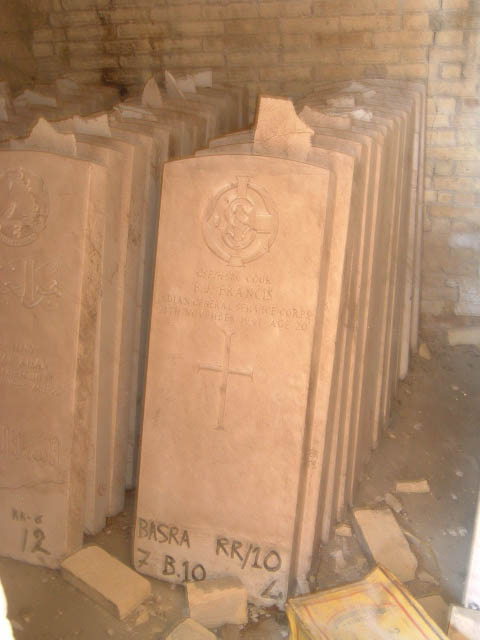
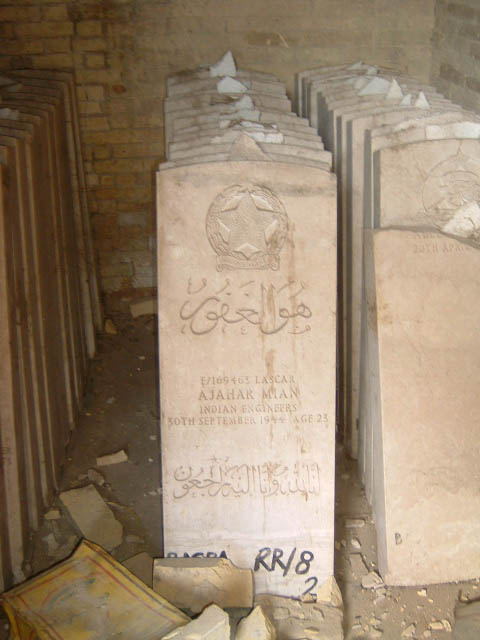
Basra Indian Forces Cemetery today
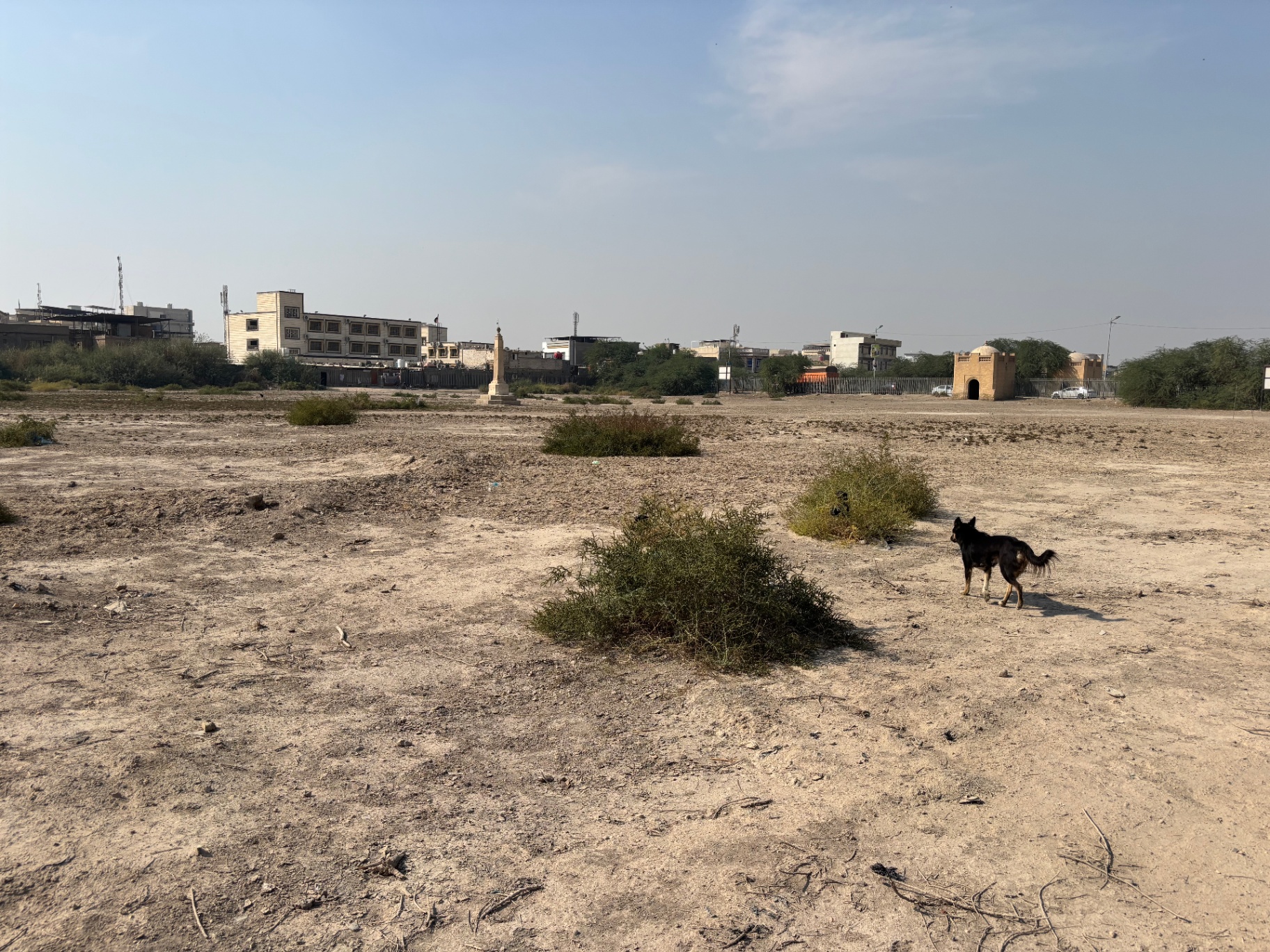
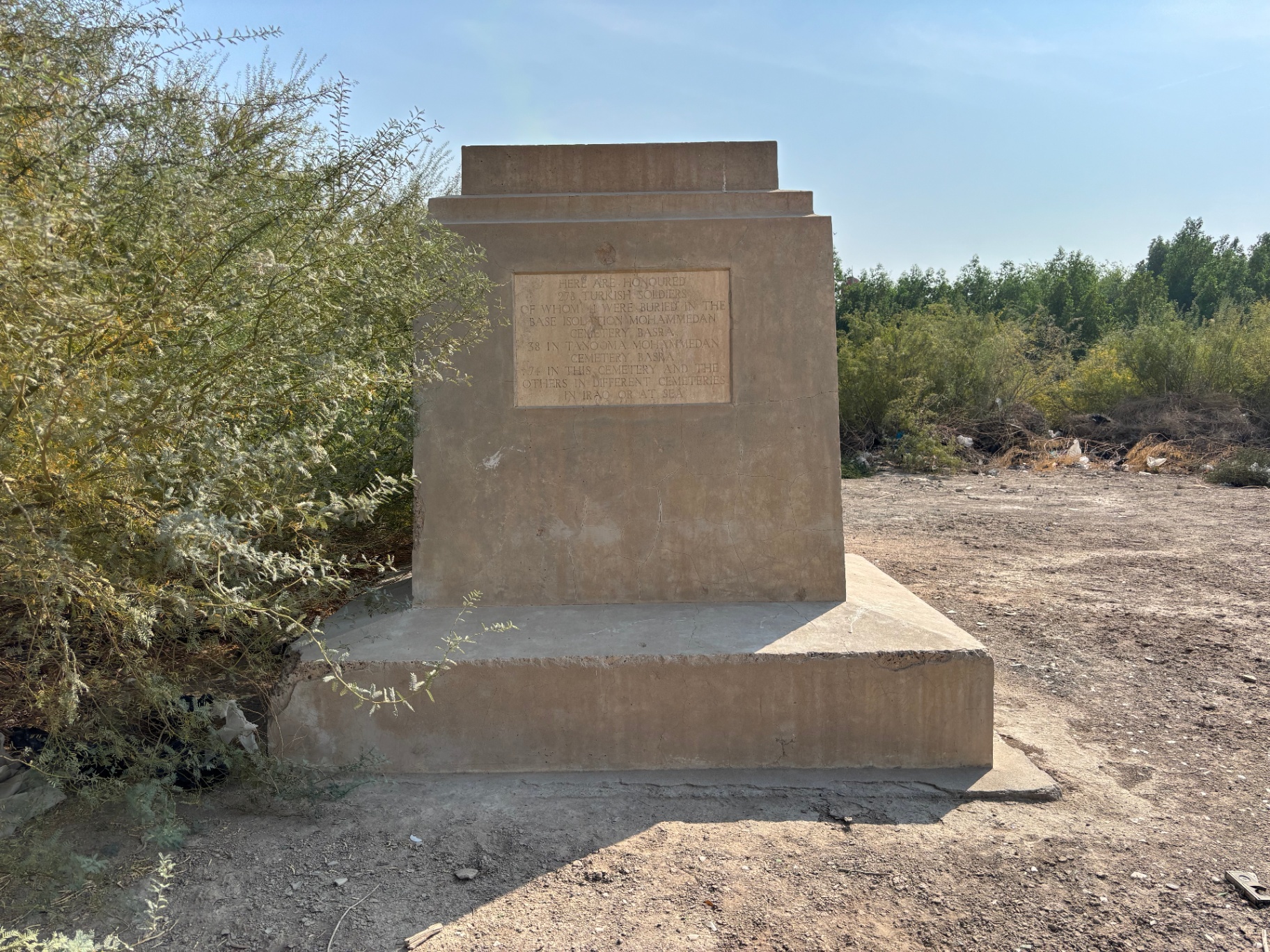
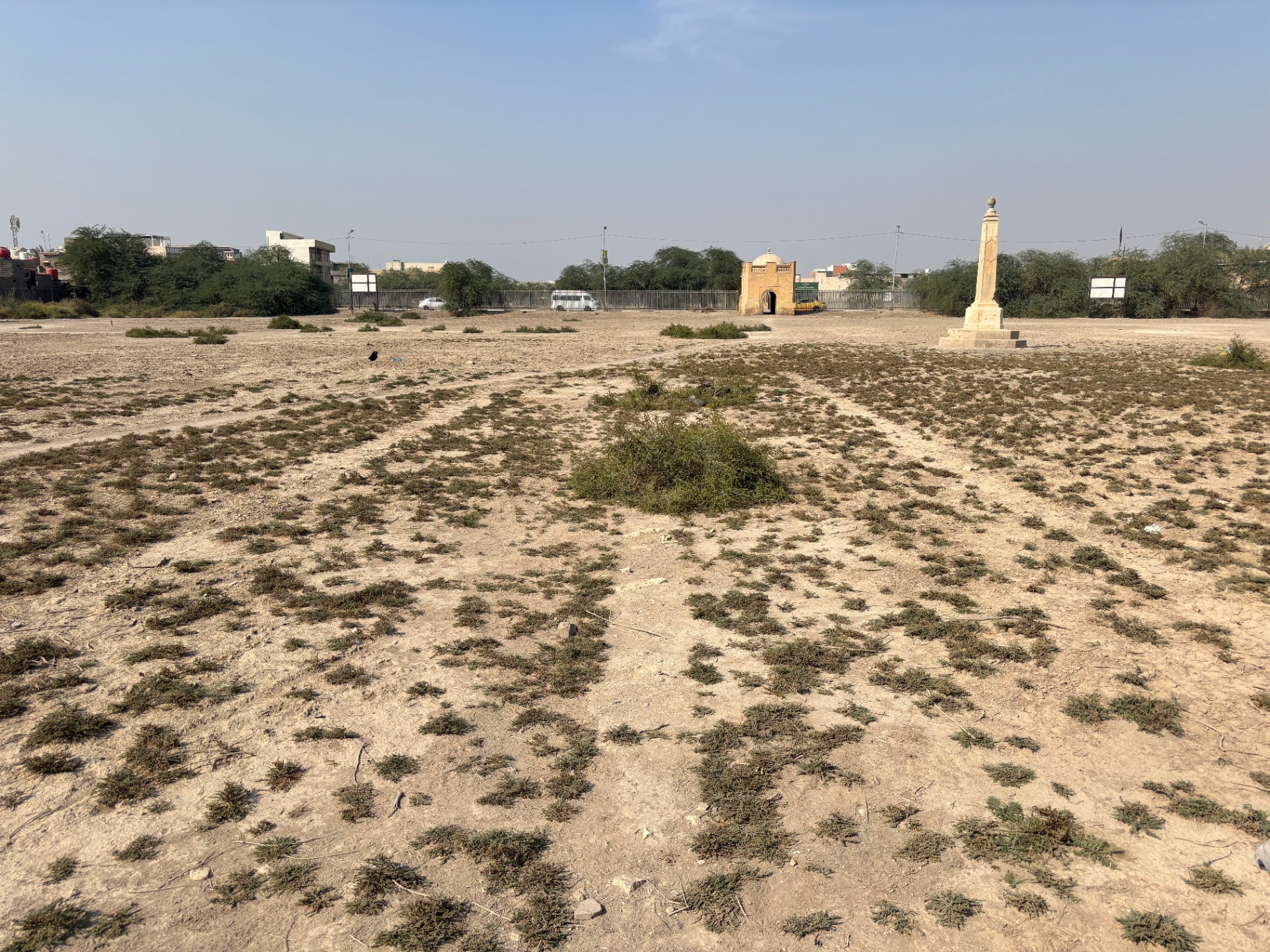
Photographs from a recent visit to the Indian Forces side of Basra War Cemetery, including the replacement WW2 headstones stored beside the Cremation Memorial.
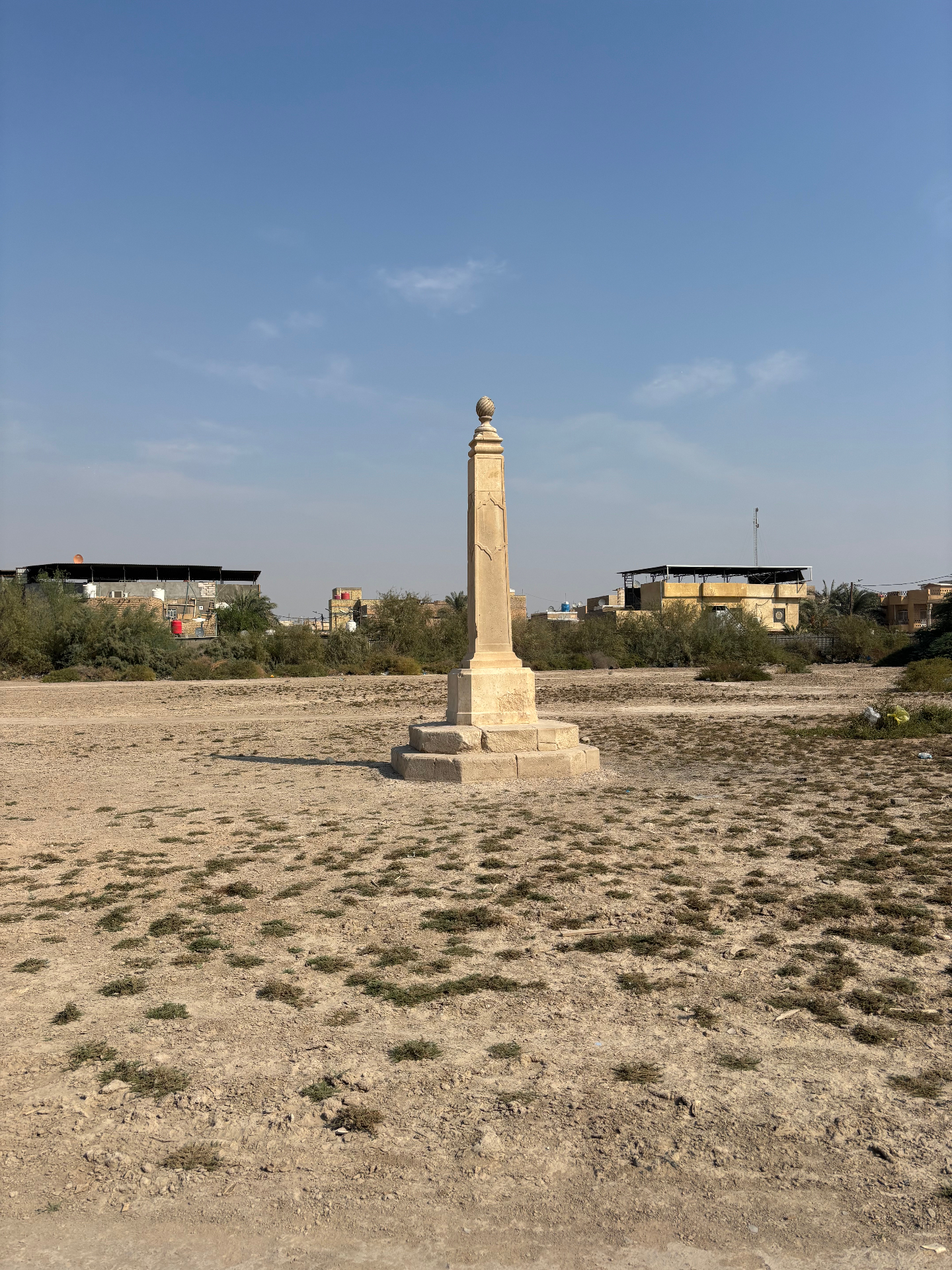
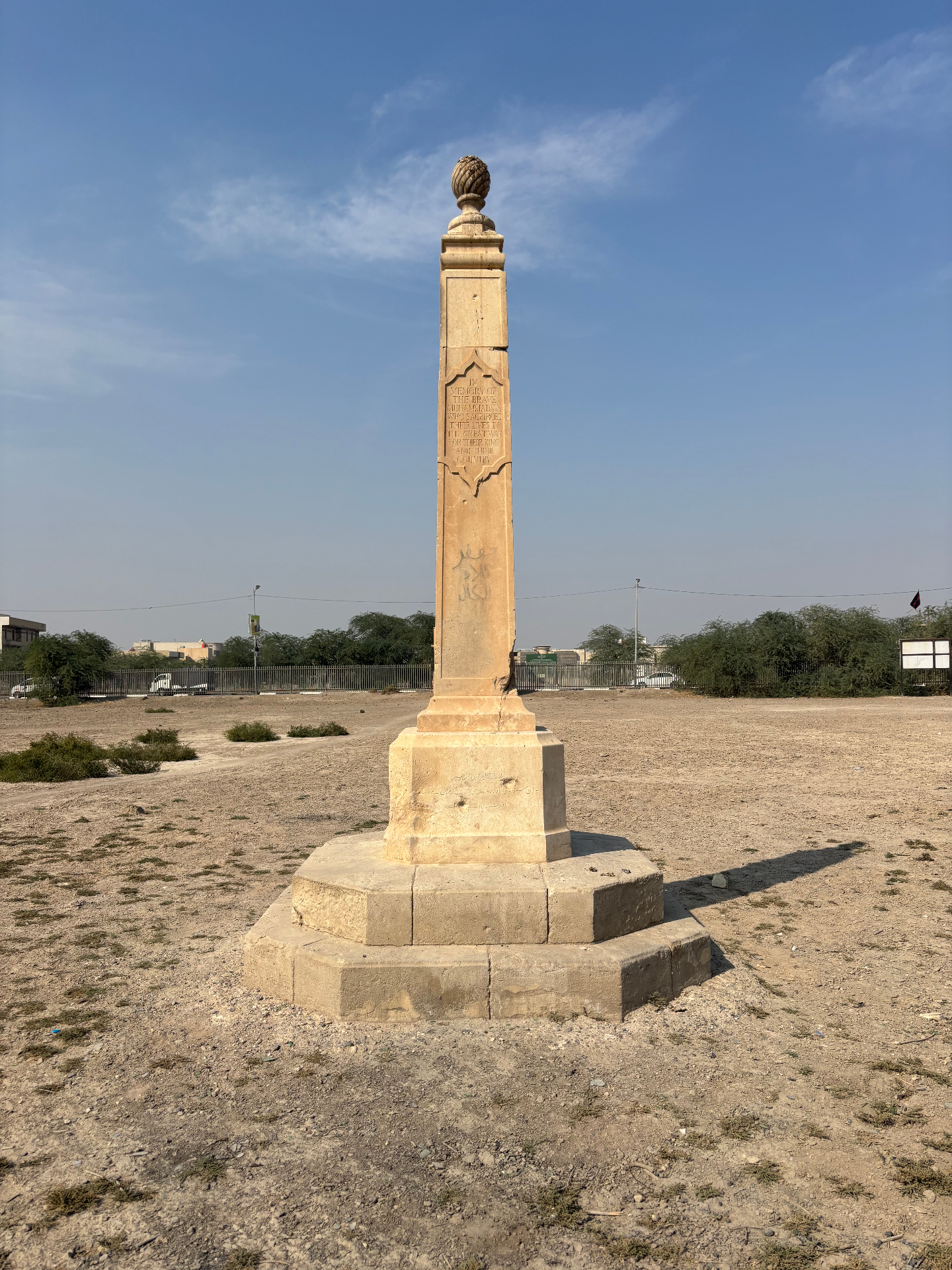
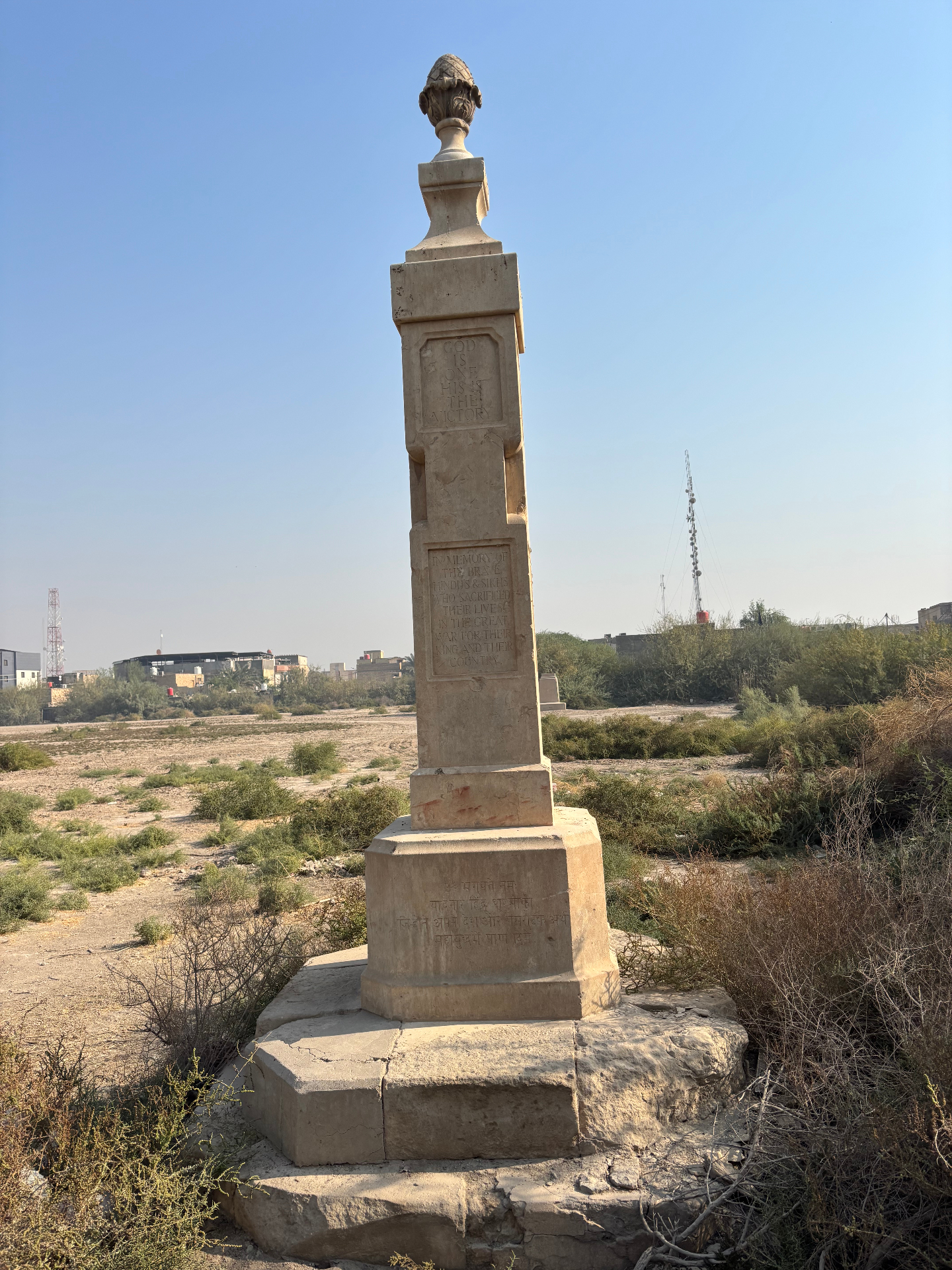
Current Condition
November 2025 Assessment: Cleared at the same time as the adjacent Basra cemetery with no remaining grave stones.
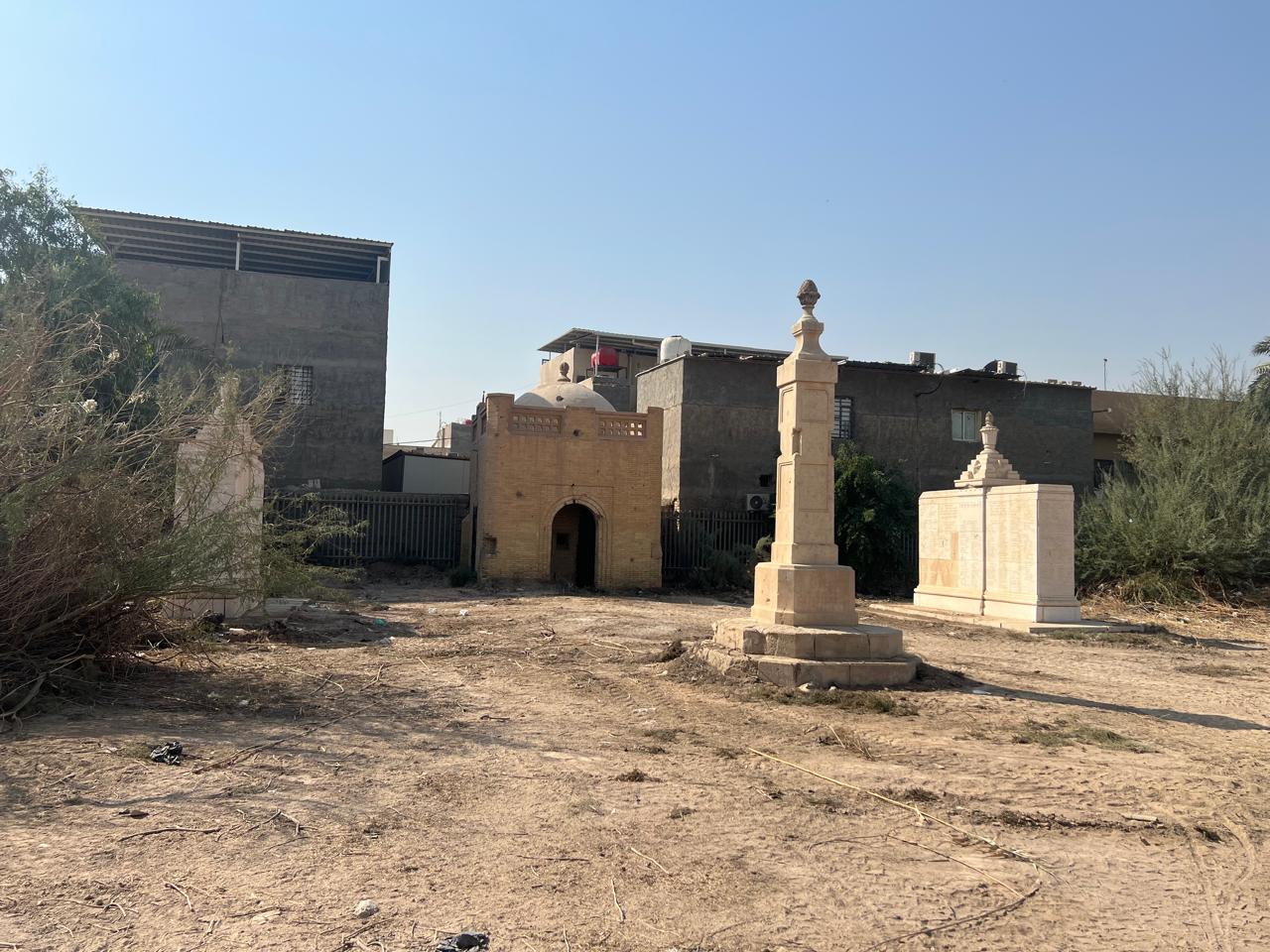
The main Gatehouse has a vertical crack above the entrance that should be fixed before it leads to the potential collapse of the structure. Otherwise it appears to be in reasonable state except for the smell of accumulated urine.
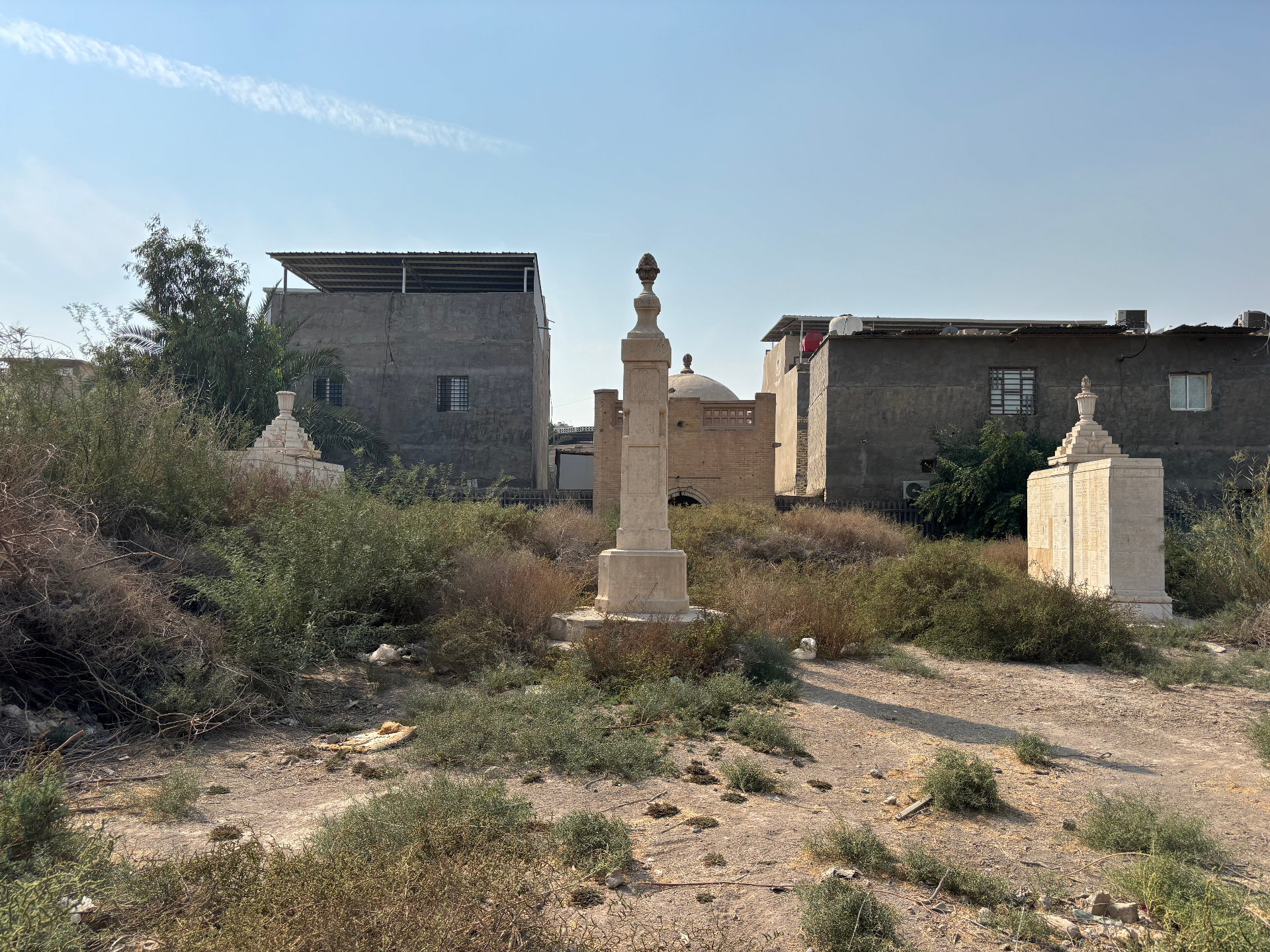
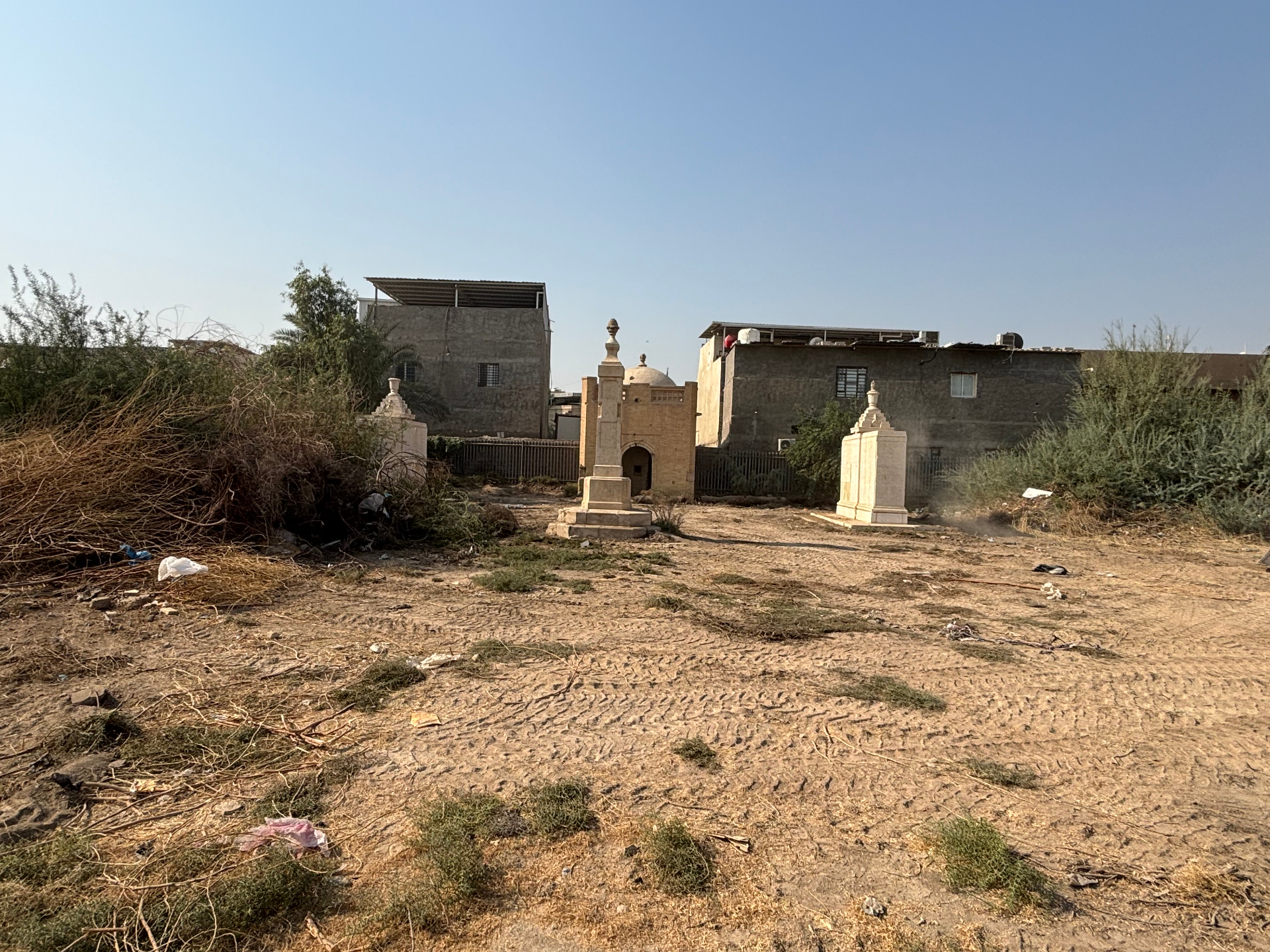
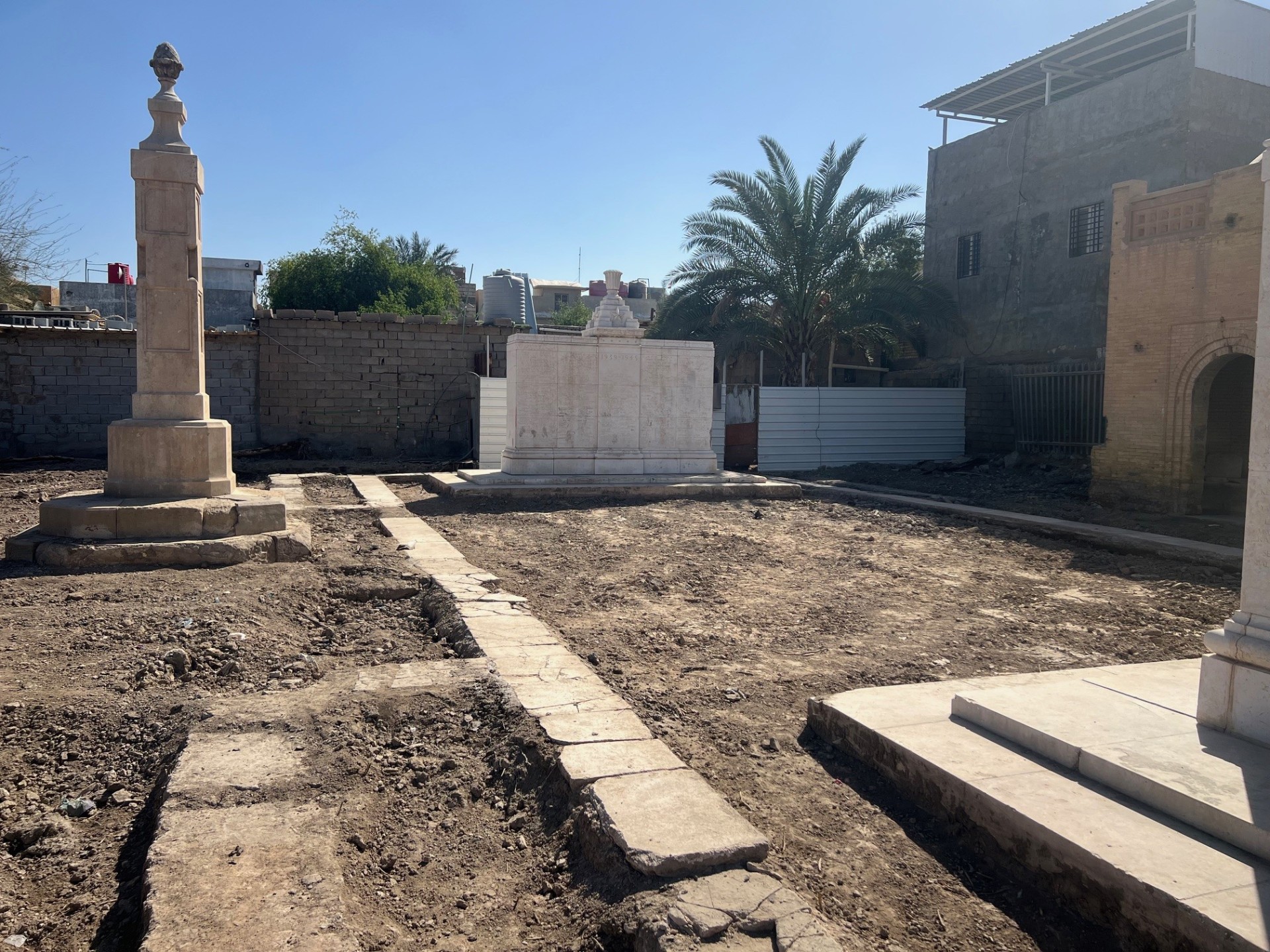
The site contains the standard Hindu/Sikh and Muslim memorials and they are complete and in relatively good condition. Most of the central part of the site is relatively clear just with domestic litter scattered across it and some minor brush growth.
There is a significant amount of overgrowth and tons of building rubble at the back of the site where the WW2 Indian memorial is to a depth of 50-75 feet from the boundary. This represents years of growth and dumping of construction and domestic waste that should presumably have been managed by the contractor paid to do so.
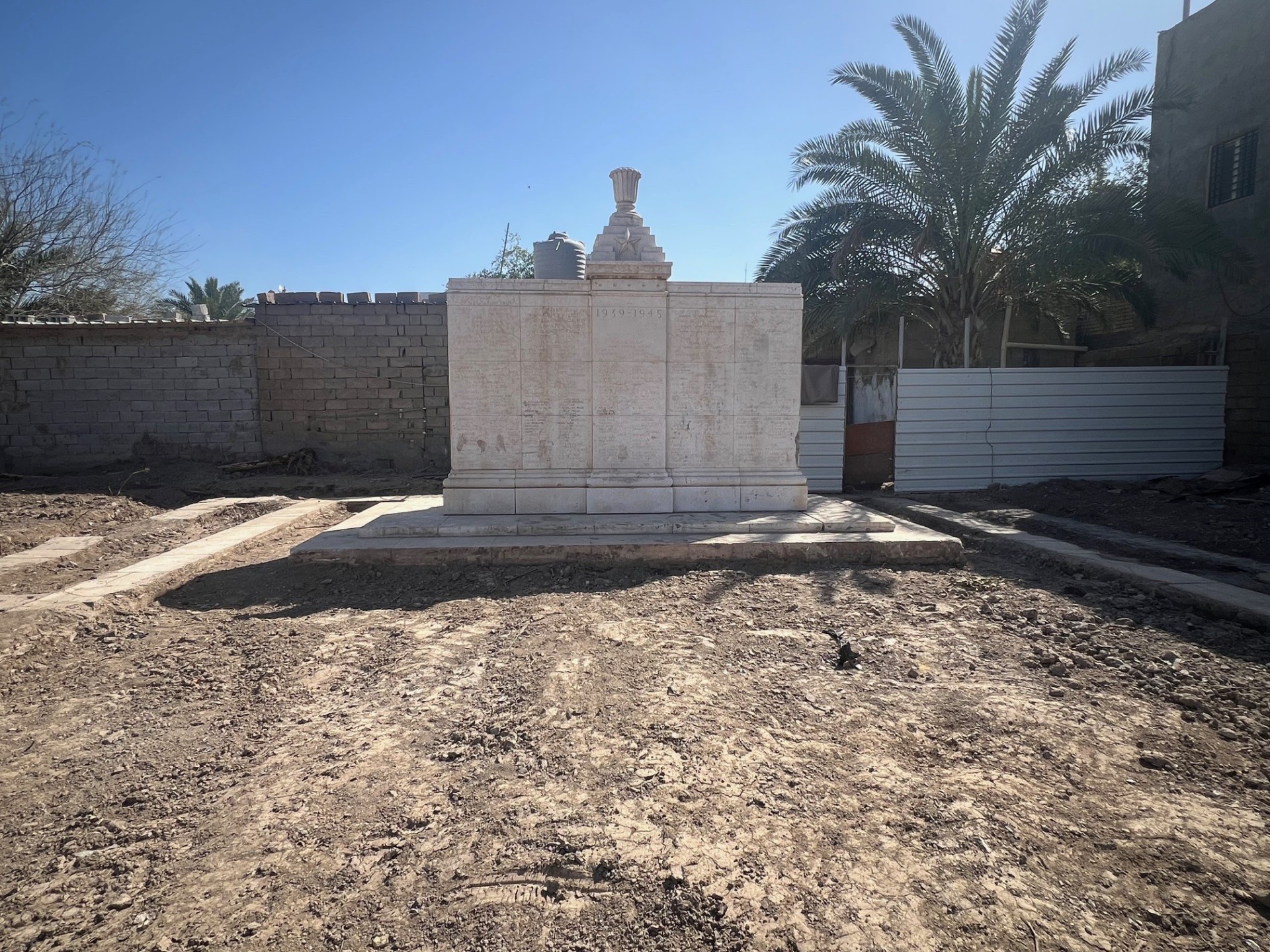
The back boundary fence has been completely removed and local houses are now built into the cemetery itself. Given the long standing presence of these buildings the CWGC must seek to negotiate their removal and compensate the occupiers to prevent ill feeling in the community.
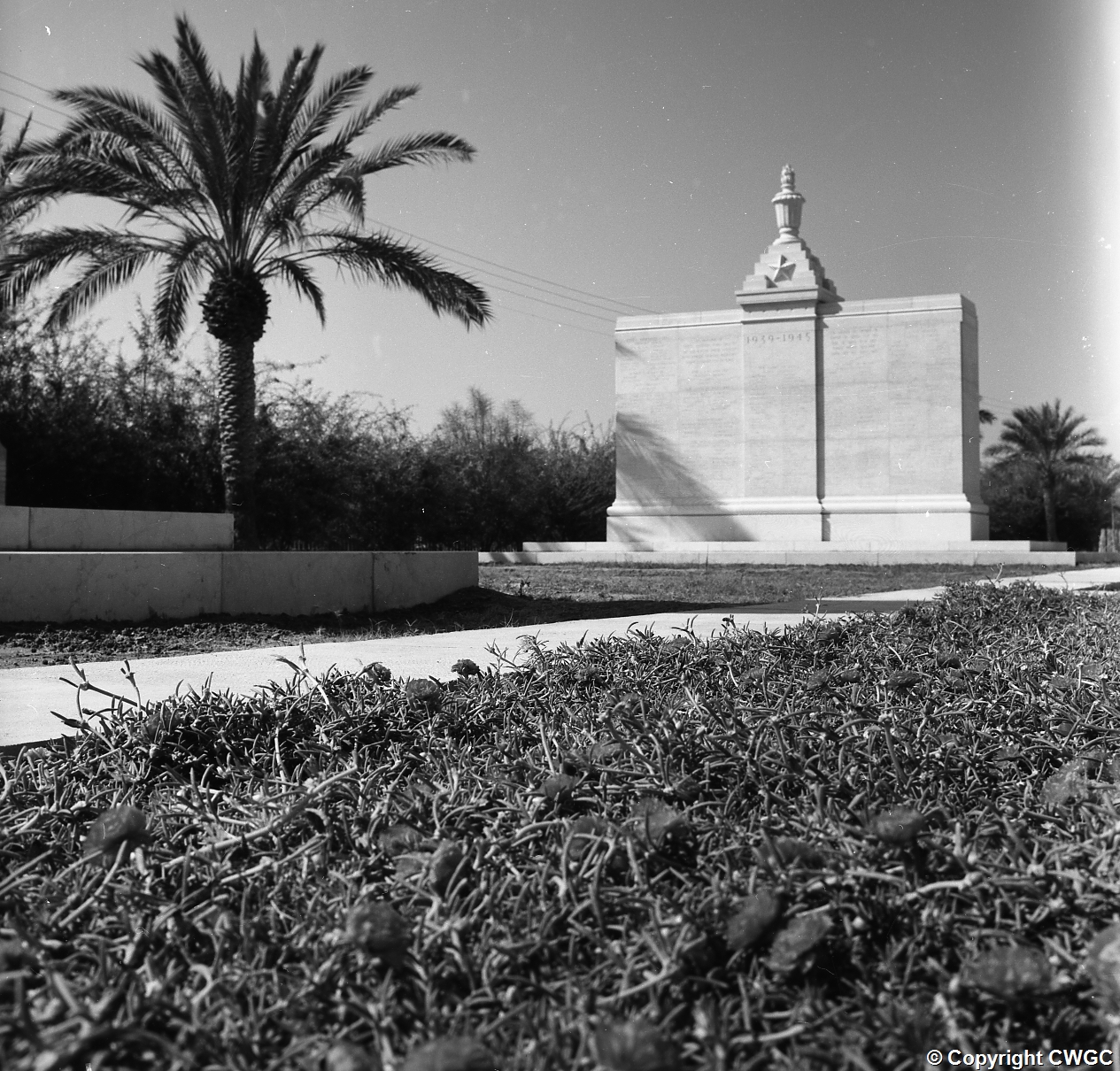
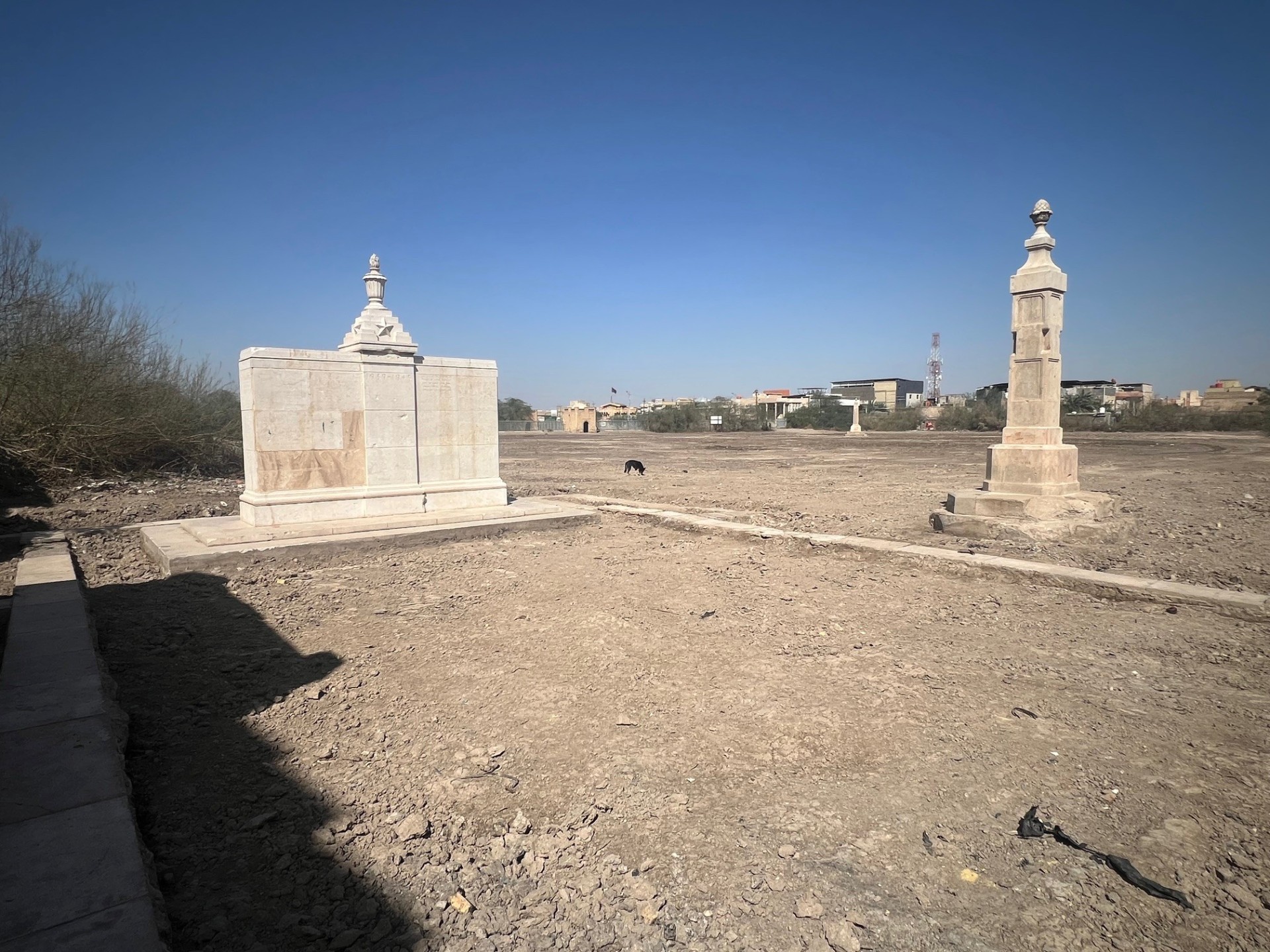
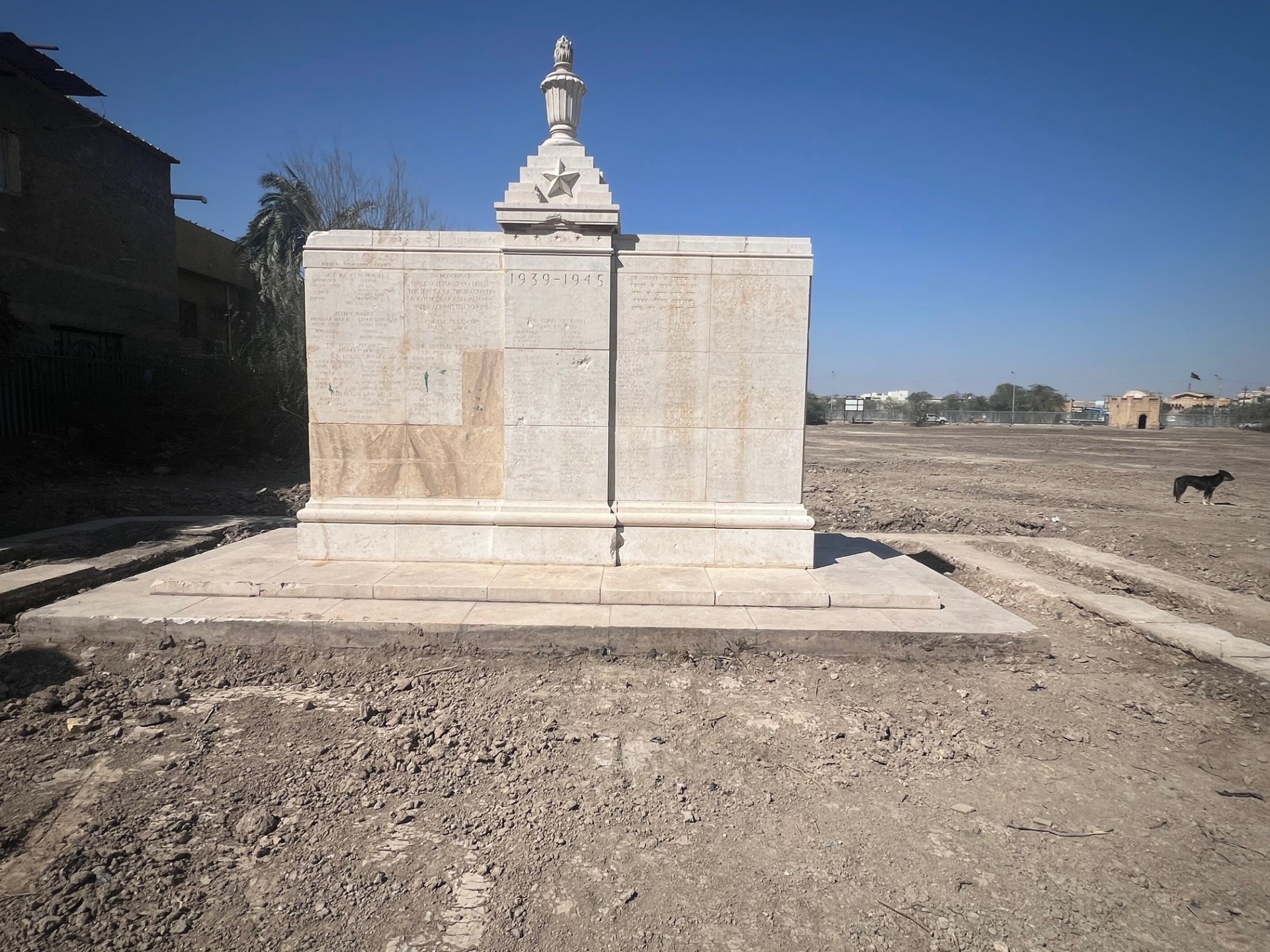
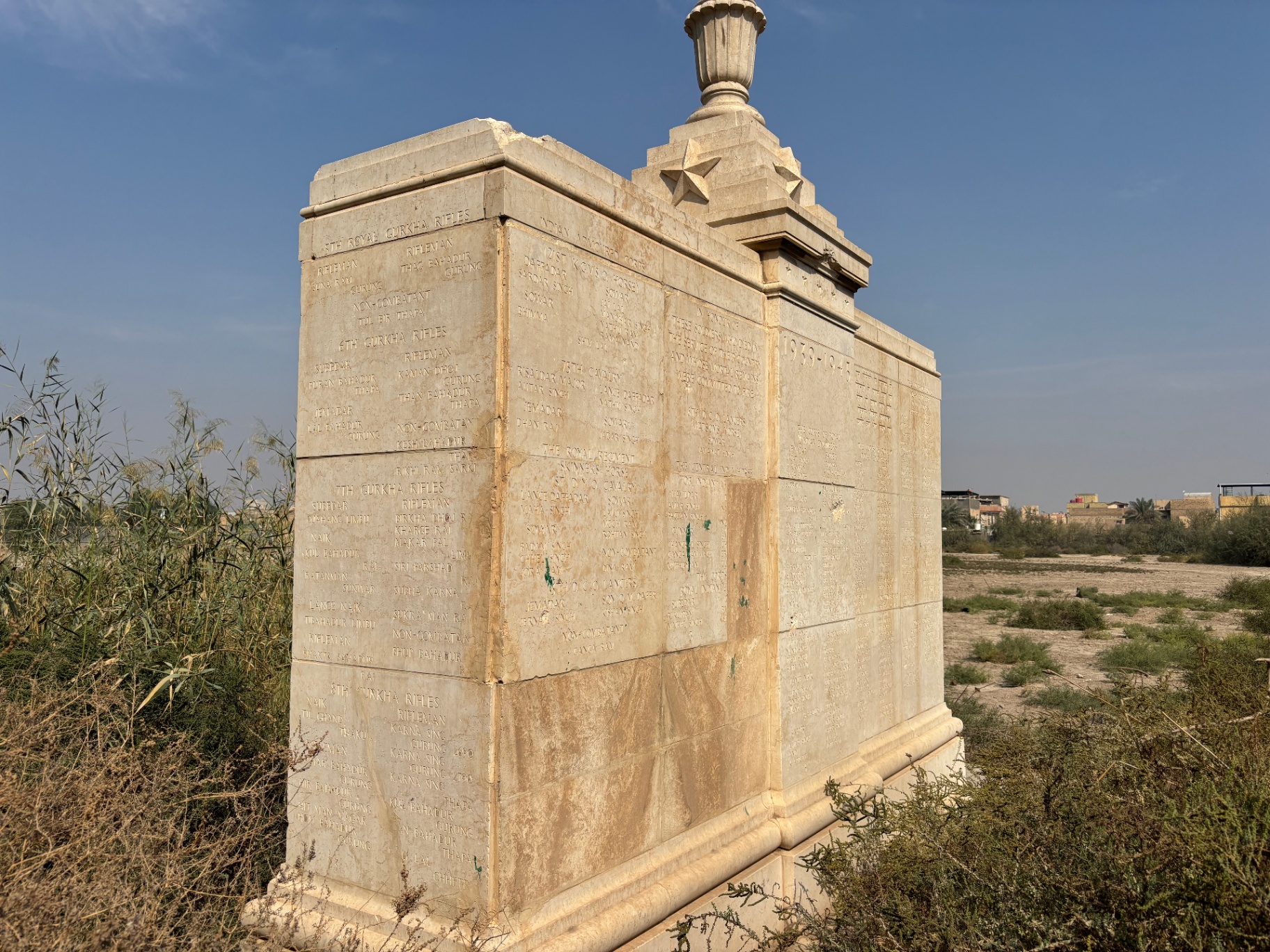
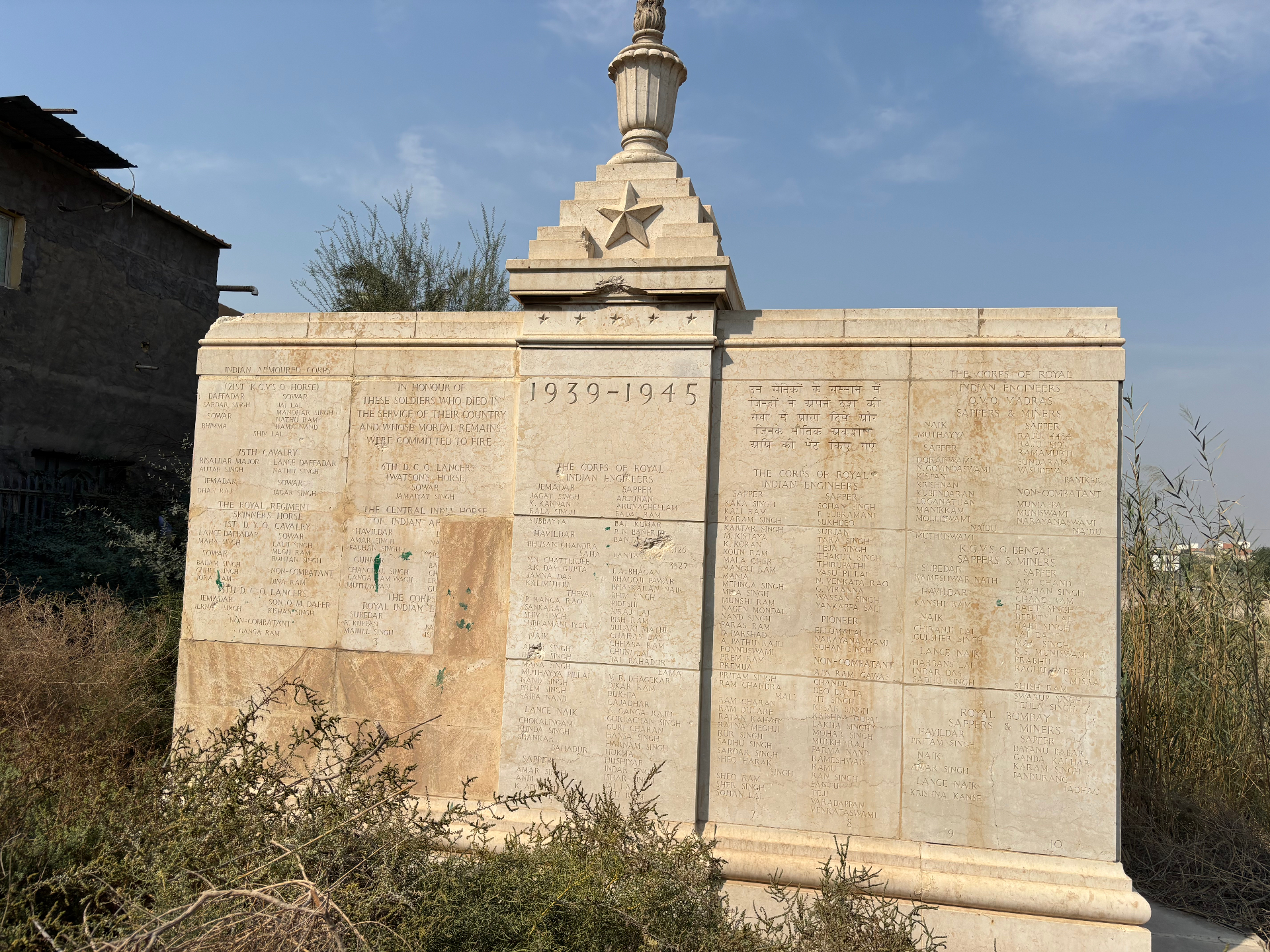
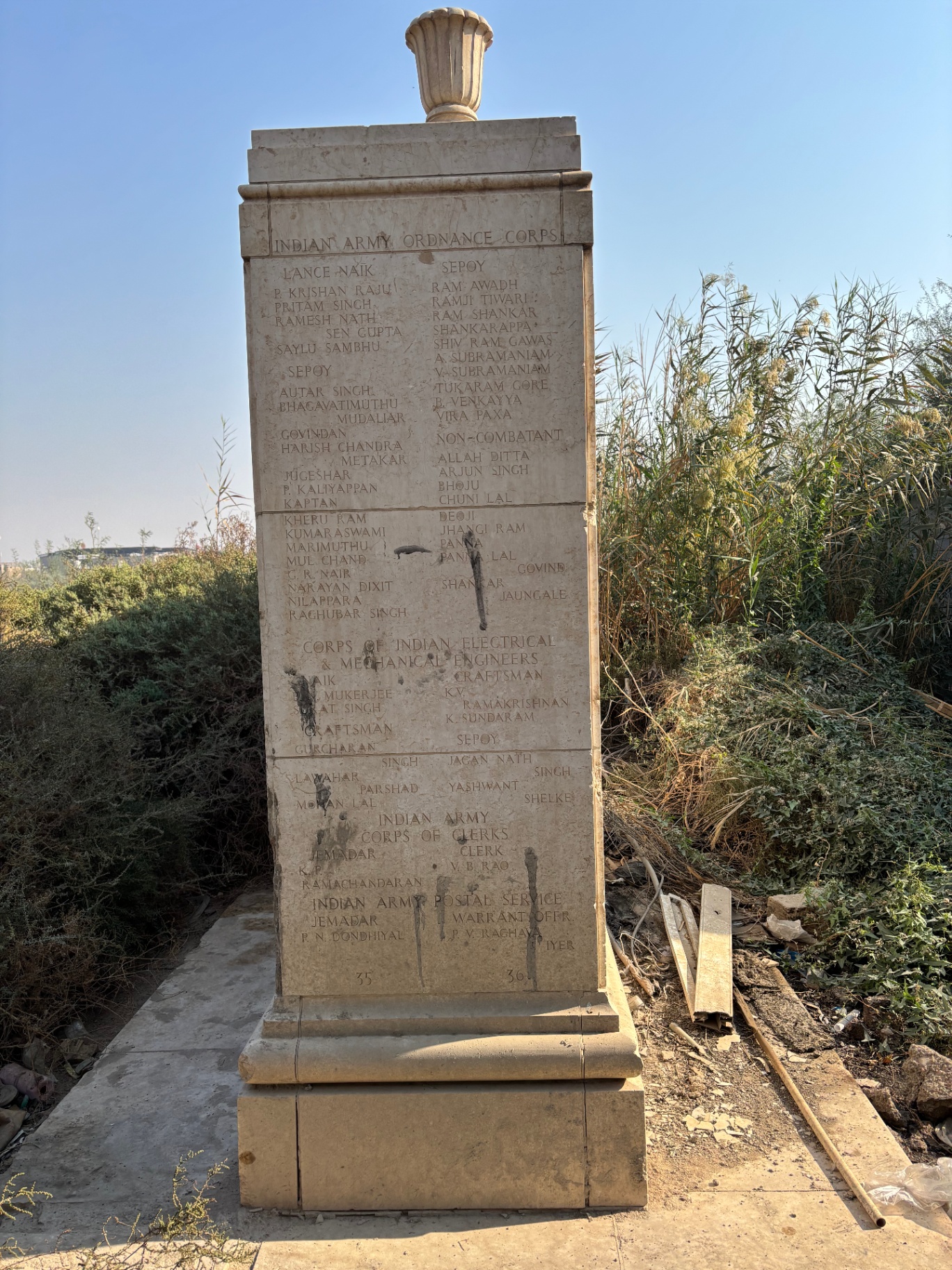
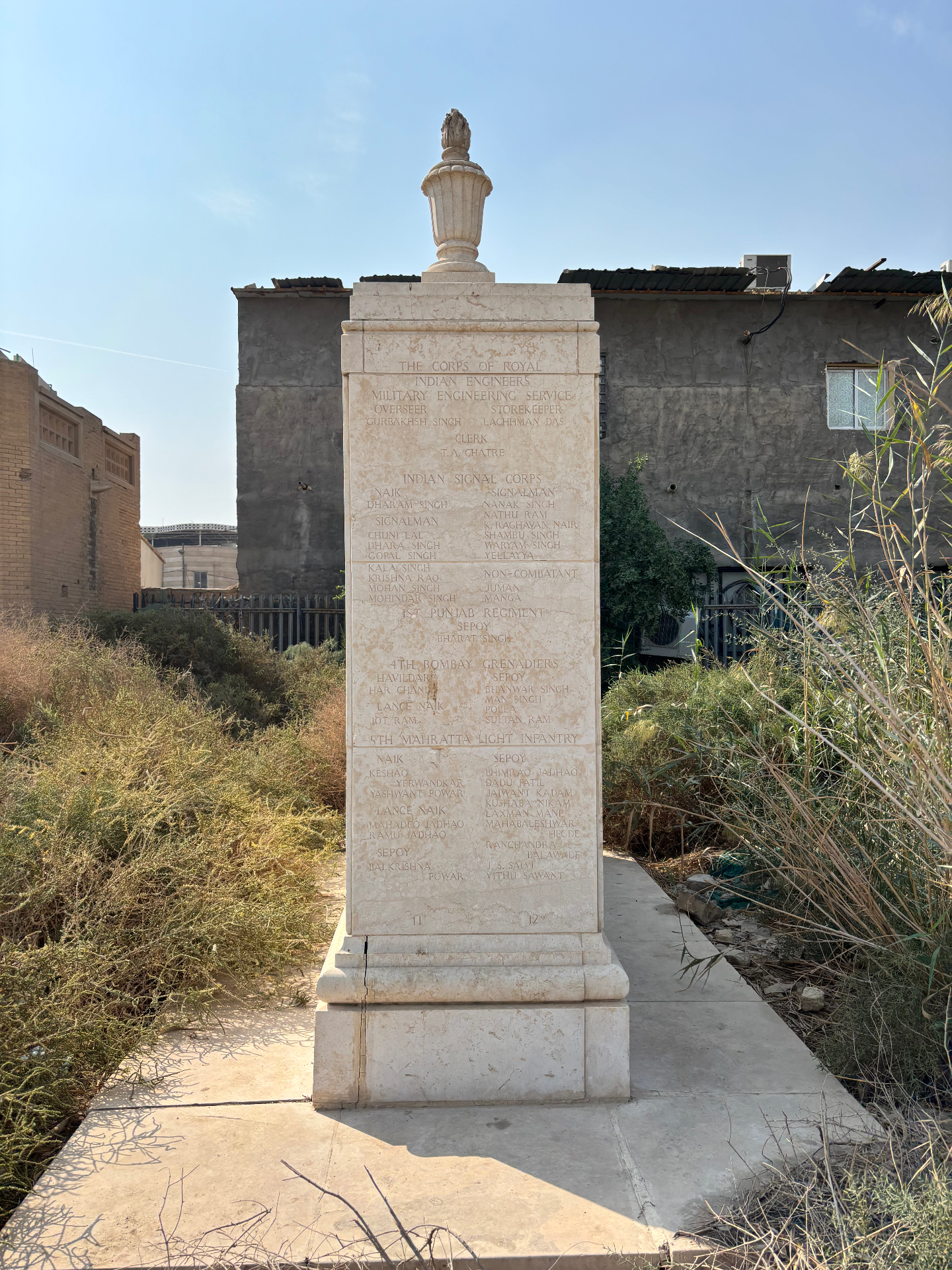
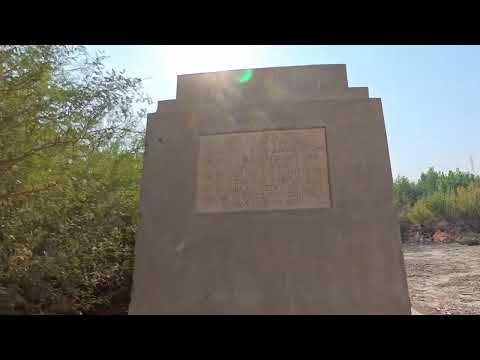
The WW2 Hindu Cremation Memorial is in remarkably good repair and represents probably the best preserved and most architecturally interesting memorial to WW2 Indian Army casualties in Iraq.
Visual Documentation
WW2 Cremation Memorial
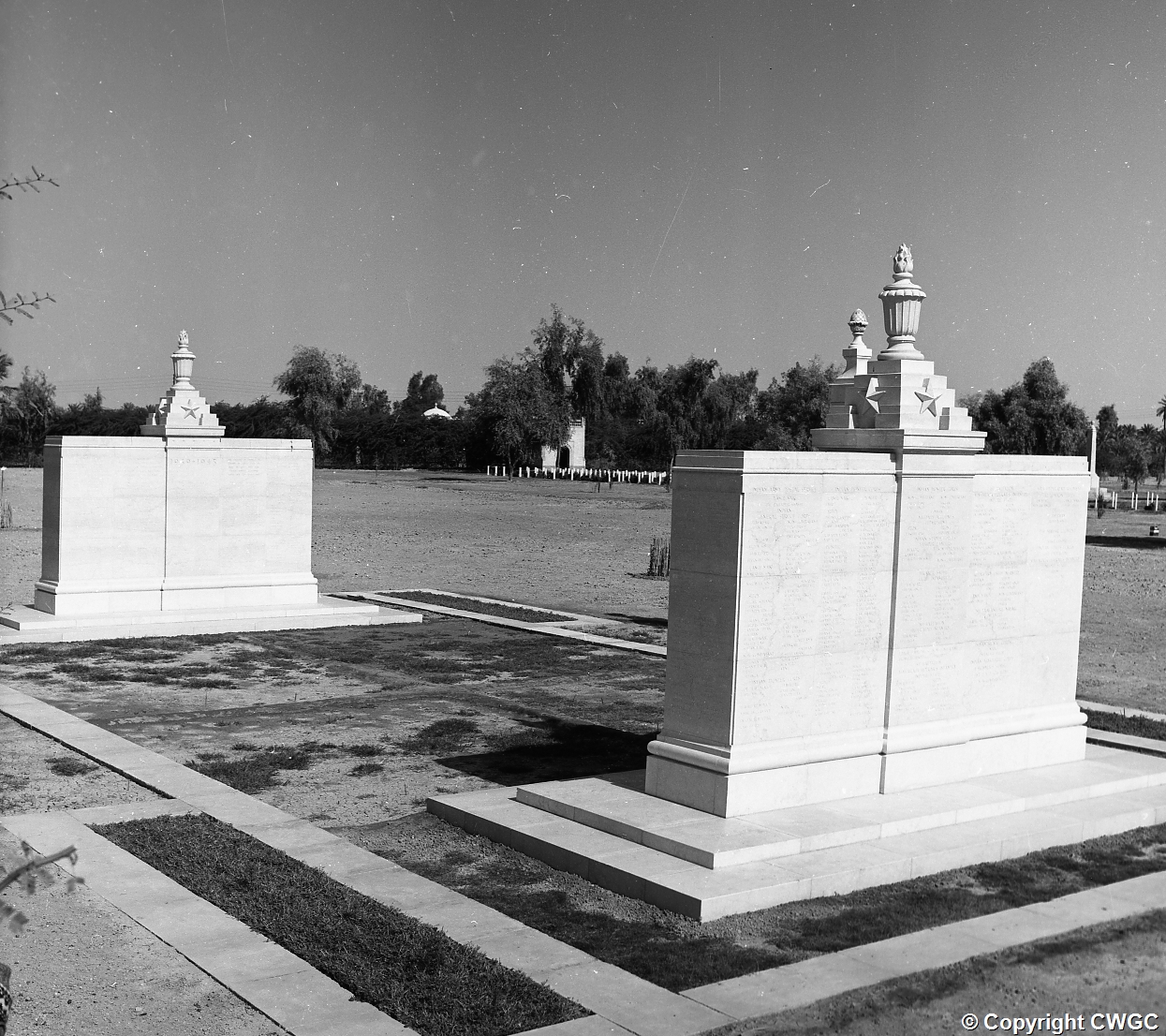
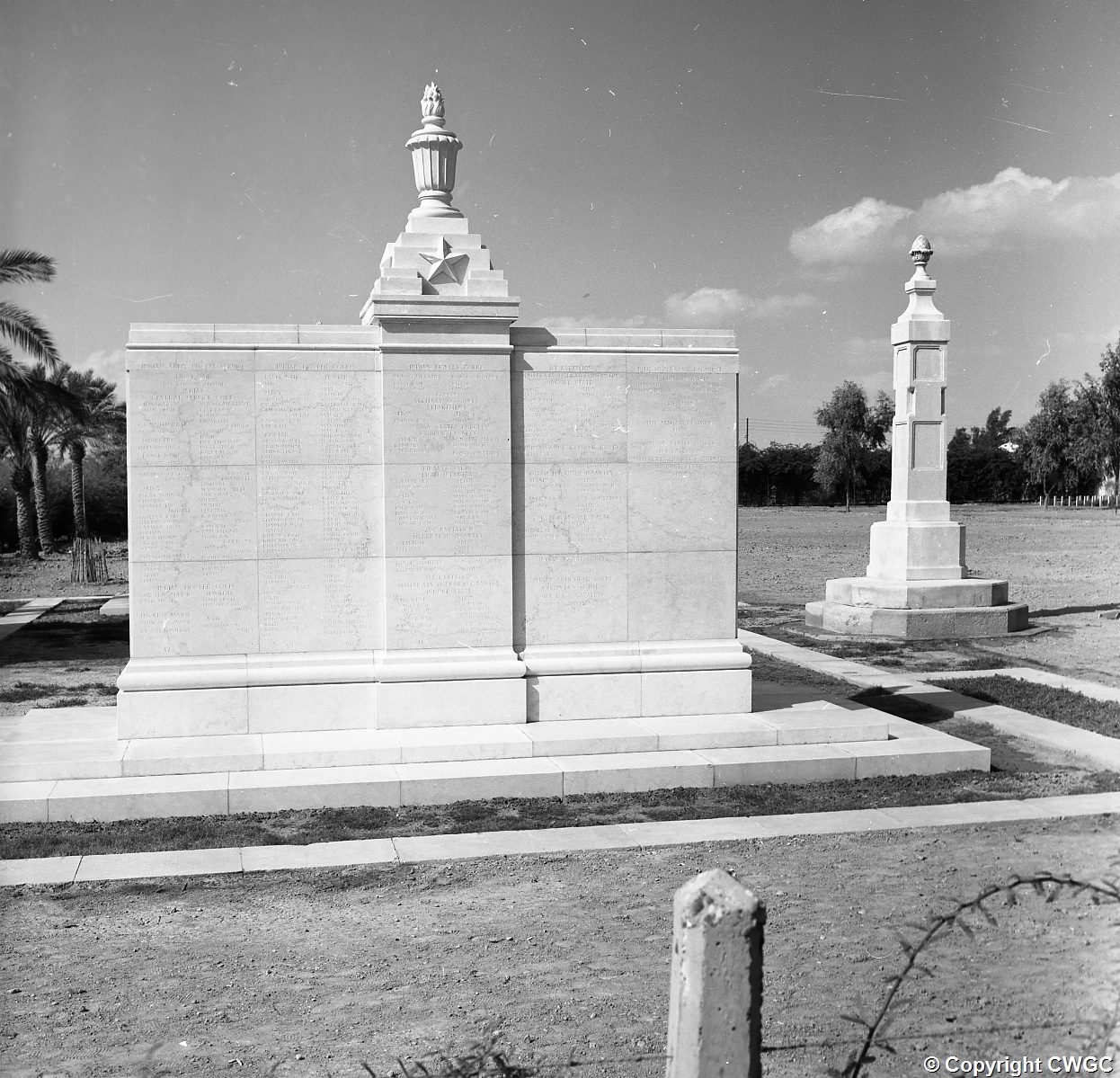
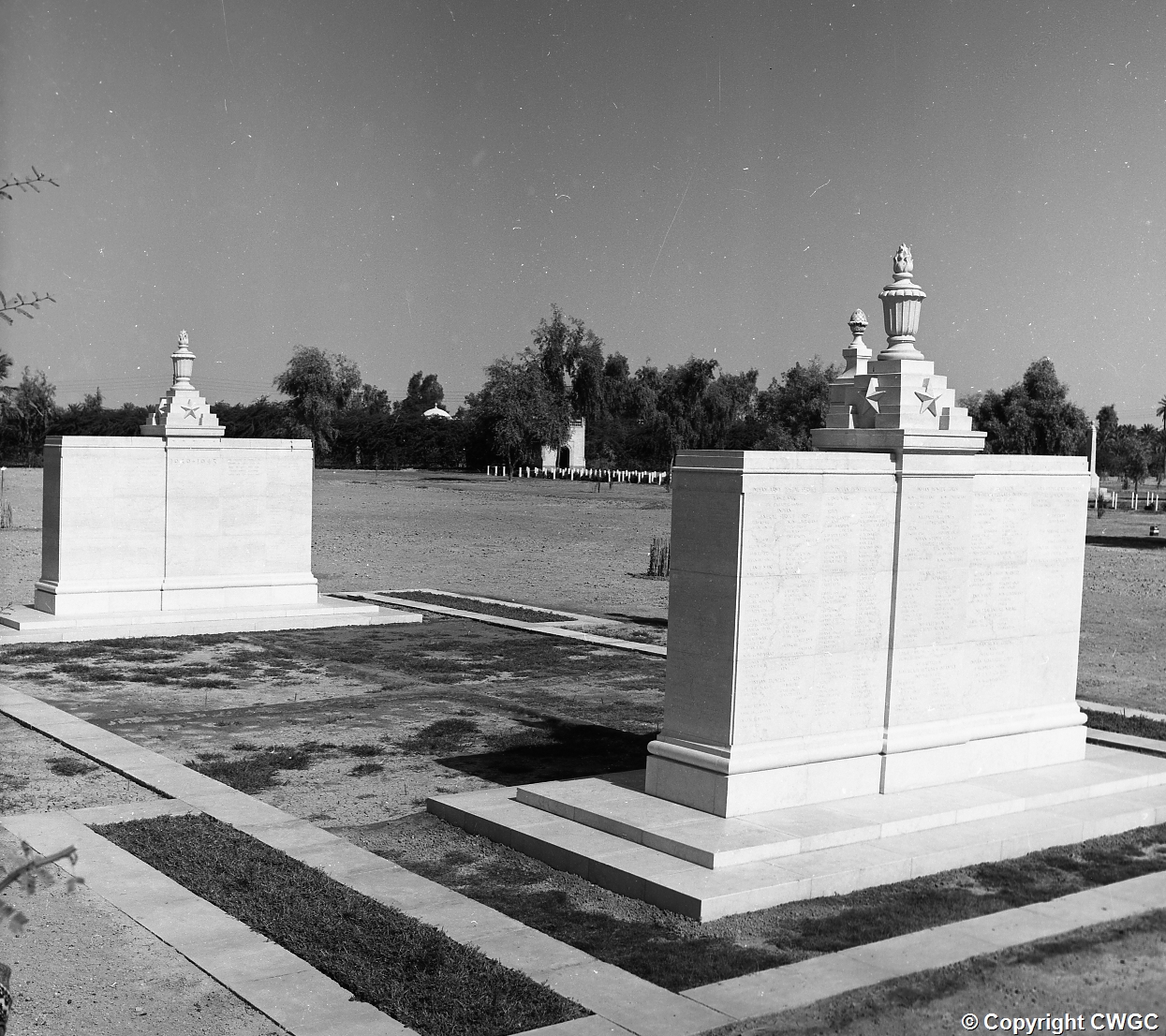
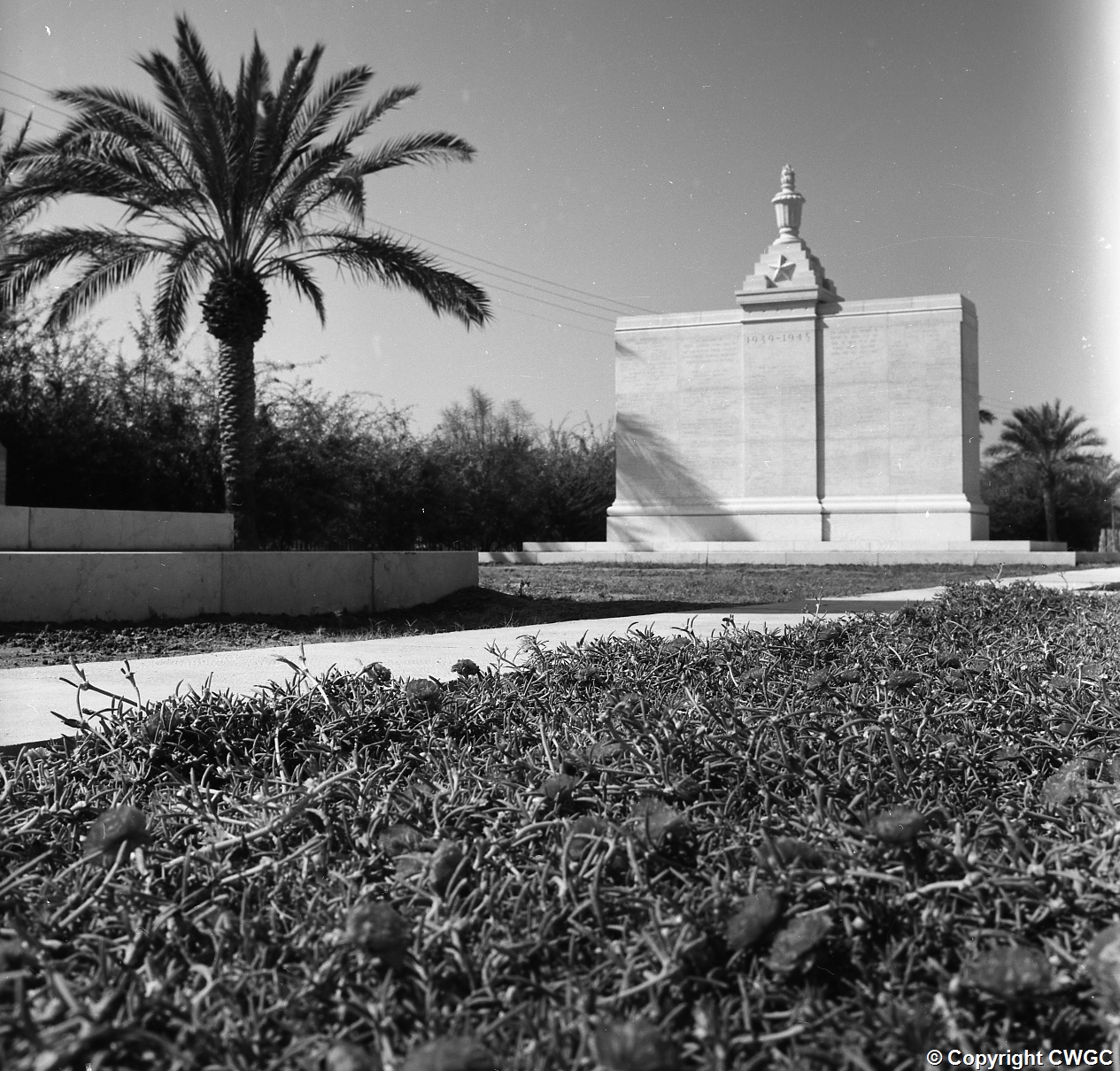
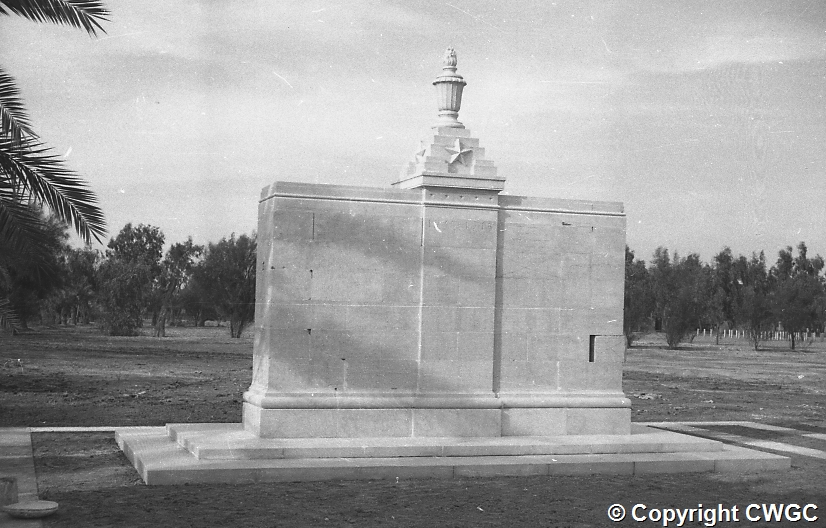
The Basra Cremation Memorial commemorates 1,032 soldiers of the army of undivided India who died in Iraq and Iran during the Second World War. Their remains were cremated in accordance with their faith.
Historical photographs of the Second World War Cremation Memorial on the Indian Forces side of Basra War Cemetery. Images © CWGC.
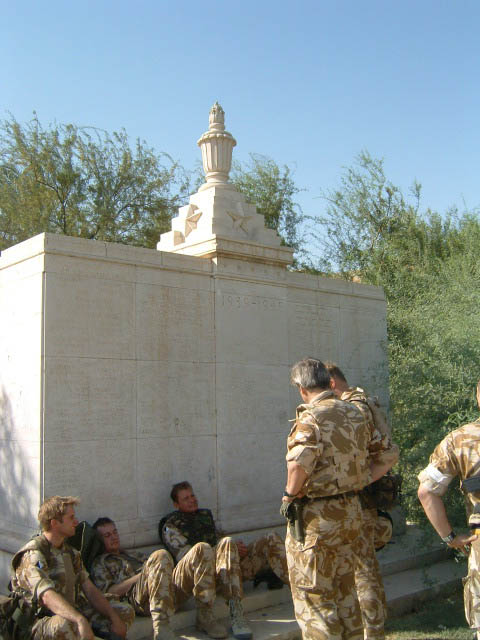
Clearing the Cremation Memorial, November 2025
The site of the Cremation memorial had been allowed to be overgrown and covered in decades of mud washed down during the rains. A local family has also extended their property boundary and encroached into the cemetery hard by the memorial. However in November the local contractor started to clear the site and exposed the full memorial for the first time since the 1960s.
Cemetery Plan
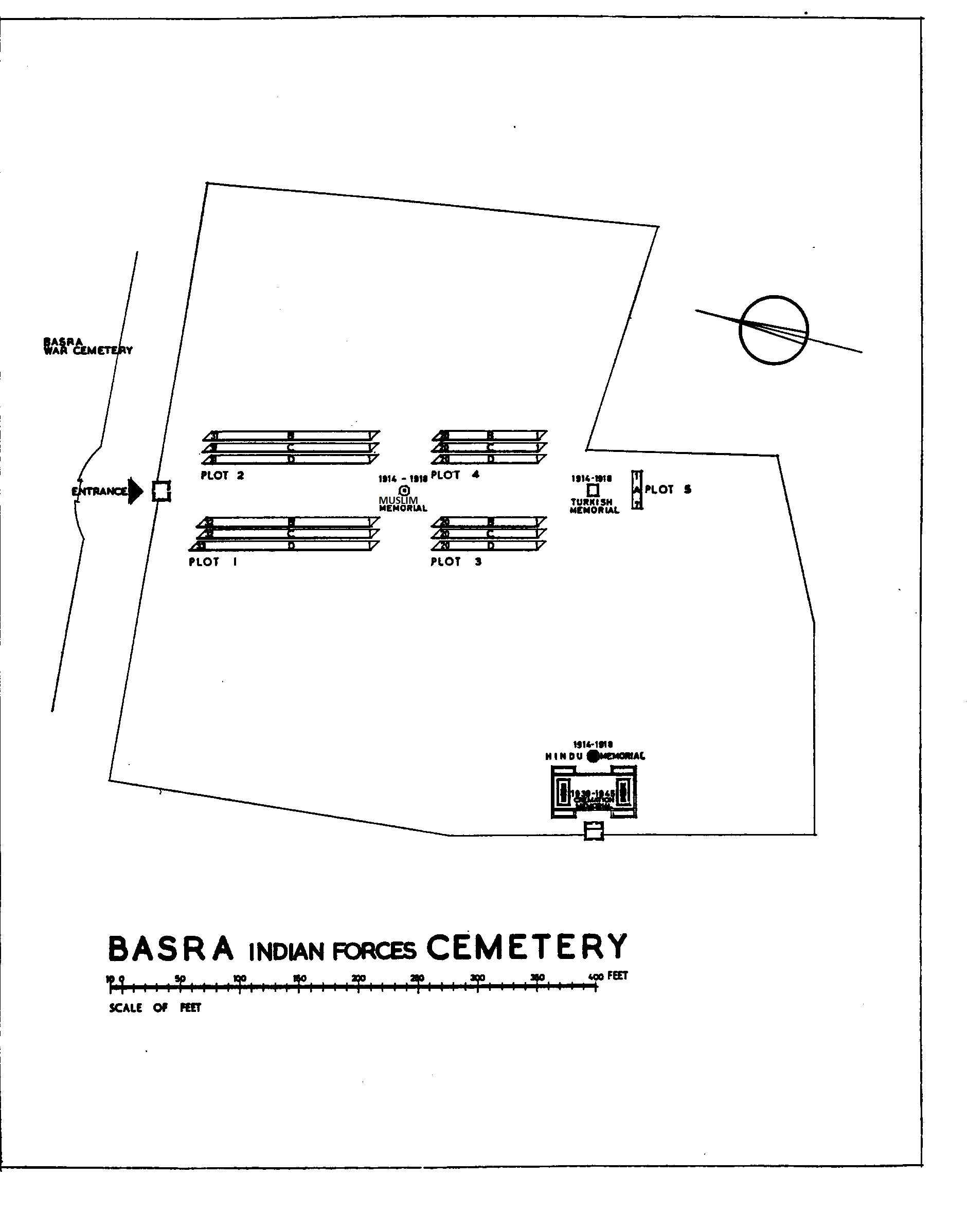
Historical cemetery plan showing the layout of the Basra Indian Forces Cemetery and Cremation Memorial.
Watch the films from this site
Each film recorded at this location has its own page with the full footage, background notes and links to the surrounding cemeteries.

Planning a visit: quick answers
- Can you visit Commonwealth war cemeteries in Iraq?
- Yes. Basra War Cemetery, the Basra Memorial to the Missing, Amara War Cemetery and Baghdad North Gate War Cemetery can all be visited, but access varies by site and usually needs advance arrangement, a local guide and, in some cases, permission from the authorities.
- Do I need a visa or permits to visit?
- Most visitors now travel on a visa on arrival or an e-visa, and some sites sit inside restricted or military-controlled areas where a separate permit or escort is required.
- Are the cemeteries maintained?
- Condition varies considerably. Some sites are cared for by local gardeners, while others remain damaged or overgrown, as documented in our field reporting.