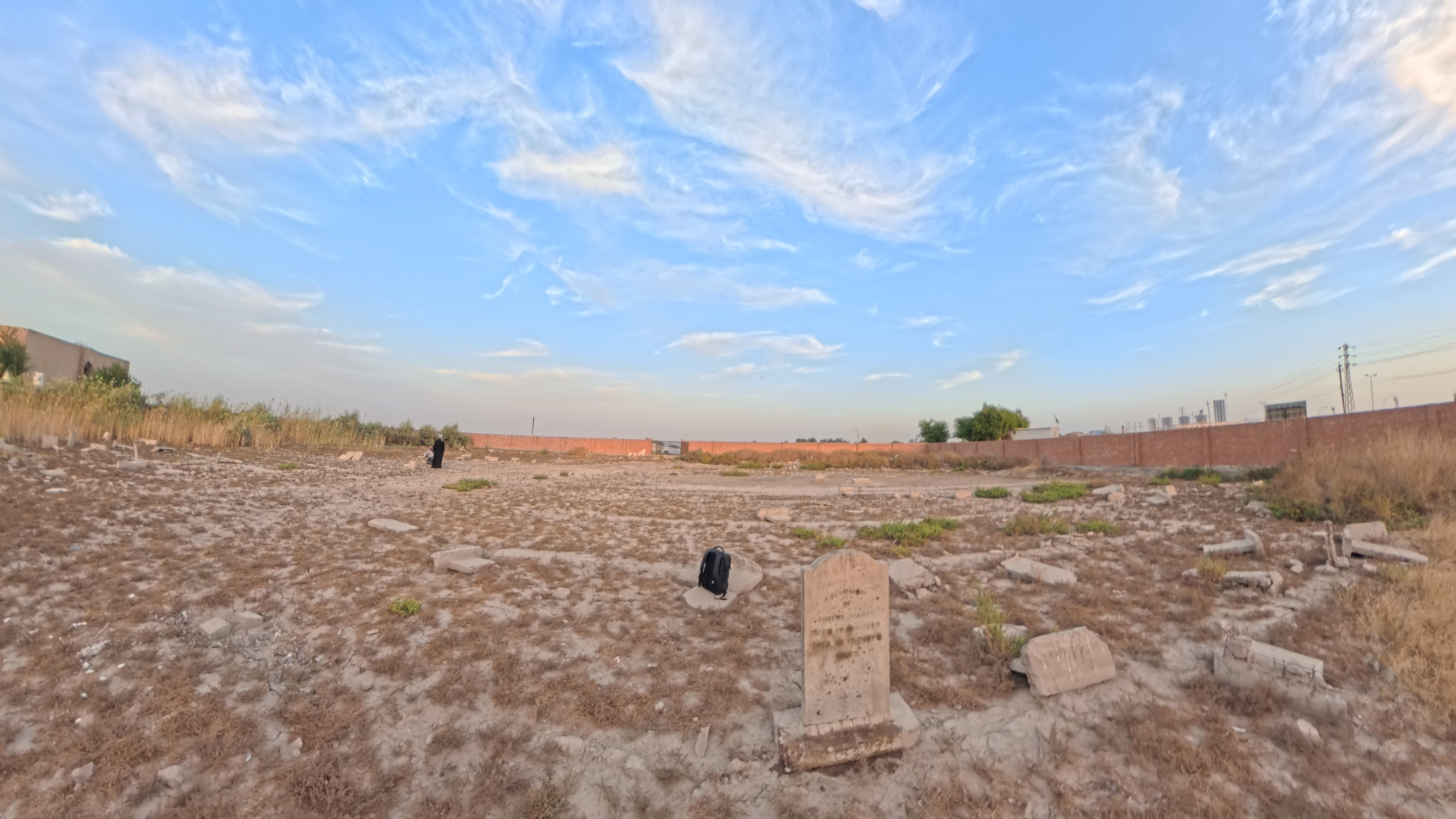
Ma'Asker Al Raschid (formerly Hinaidi RAF Cemetery)
Take a Virtual Reality Tour
Best viewed in the YouTube app on a mobile device with a VR headset (e.g. Google Cardboard). Drag to look around in your browser.
The Ma'Asker Al Rachid Cemetery (often referred to as Hinaidi or Rasheed) near Baghdad contains the graves of Commonwealth servicemen who died in Iraq during both World Wars, as well as during the interwar RAF presence in Mesopotamia. It reflects the evolution of British military and air power in Iraq from 1918 through to the mid-20th century.
Quick Information
Rasheed / Hinaidi barracks area, south-eastern outskirts of Baghdad. The cemetery sits right next to the busy Muasker Al Rashid Road and beside a large domestic rubbish tip. The area is undergoing rapid development, with a major medical centre being built opposite.
Commemorated
300 commemorated
WWI: 0 • WWII: 0
300 burials, First World War hospital deaths, inter-war RAF personnel and families, and Second World War RAF, Army and Indian Forces casualties
Status
Last Updated
25 October 2025
Key Takeaways
- • It is unclear what the CWGC role is here, the CWGC website states zero burials.
- • A boundary wall was implemented by the MOD in 2021 but was poorly built.
- • Plans were made to clear the site of gravestones as at Mosul, and as at Mosul there are no plans to replace them. What the point of doing this is not at all clear.
Further research on Ma'Asker al Raschid

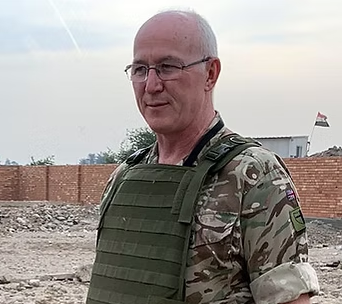
Ma'Asker has been researched to a very detailed degree by Steve Buster Johnson, who was also instrumental in working with the then Defence Attaché at the British Embassy in Baghdad, Adam McCrae, in getting the boundary wall built.
Ma'Asker Al Rachid Cemetery served as the principal burial ground for British military personnel in the Baghdad area from WWI through WWII. The cemetery evolved alongside RAF Hinaidi, which became the central British air base in Iraq during the interwar period. It contains burials from three distinct periods: WWI hospital deaths after 1917, interwar RAF personnel and their families, and WWII casualties from the 1941 Anglo-Iraqi War and PAIFORCE operations.
Current Condition
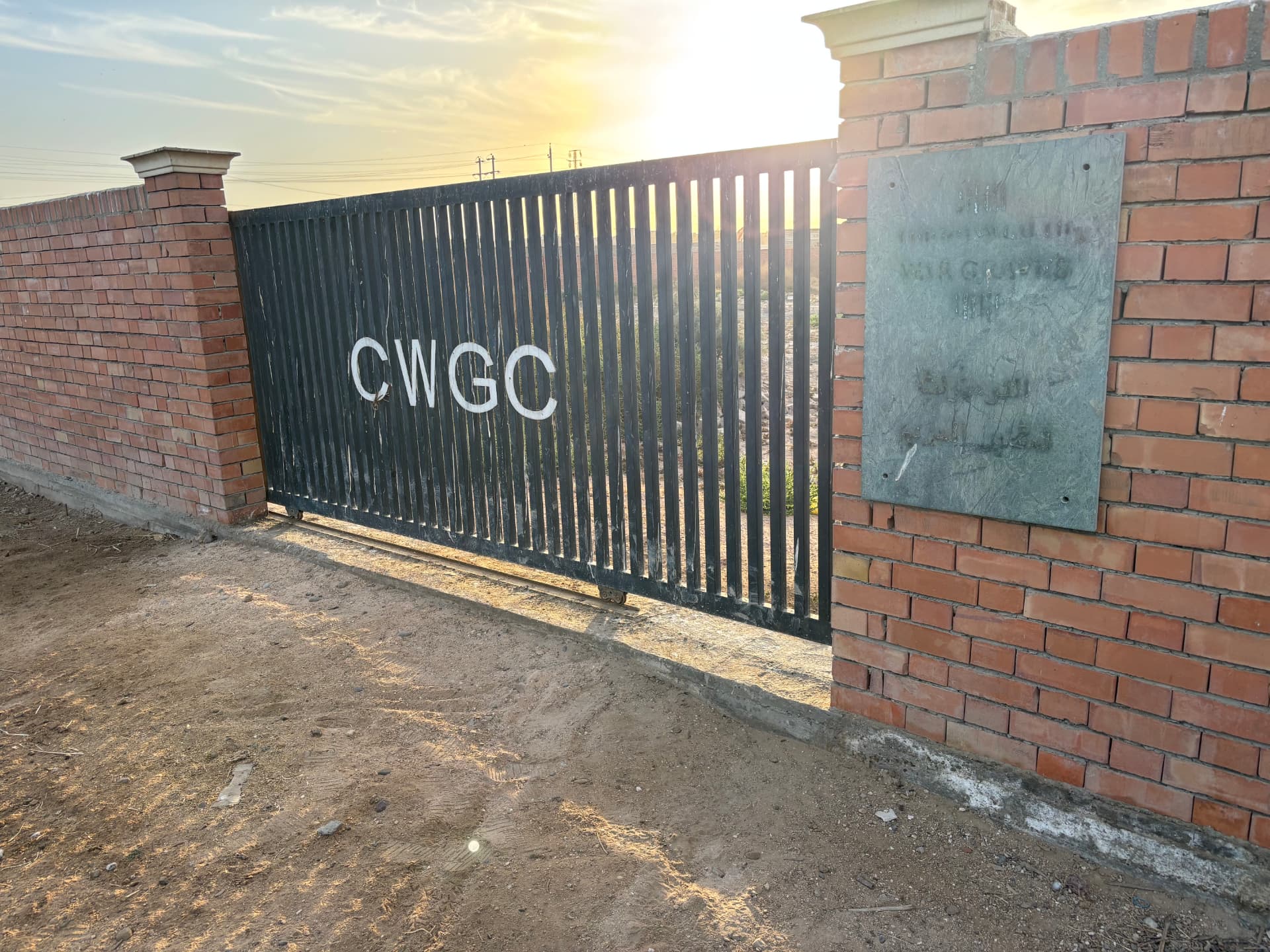
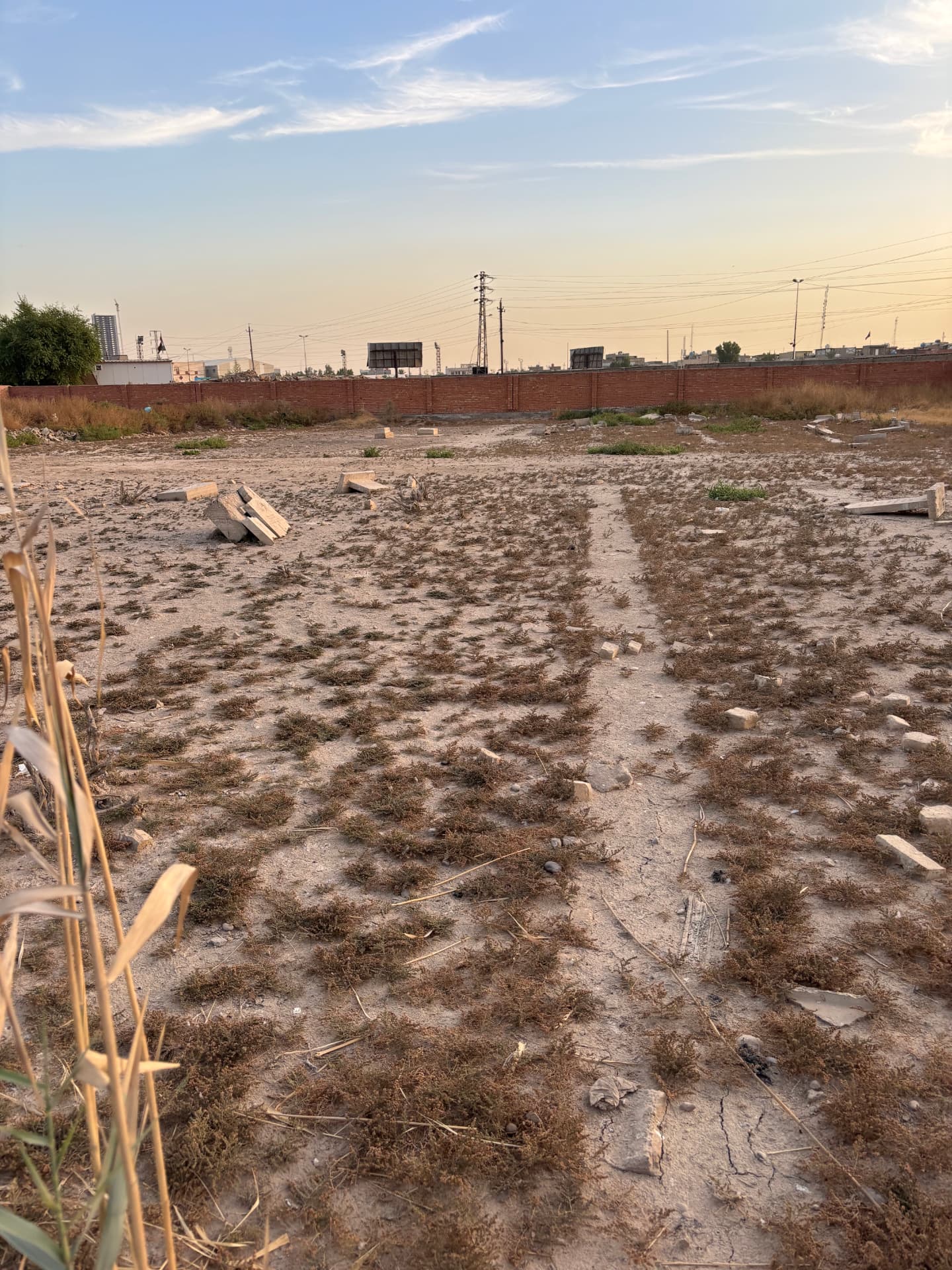
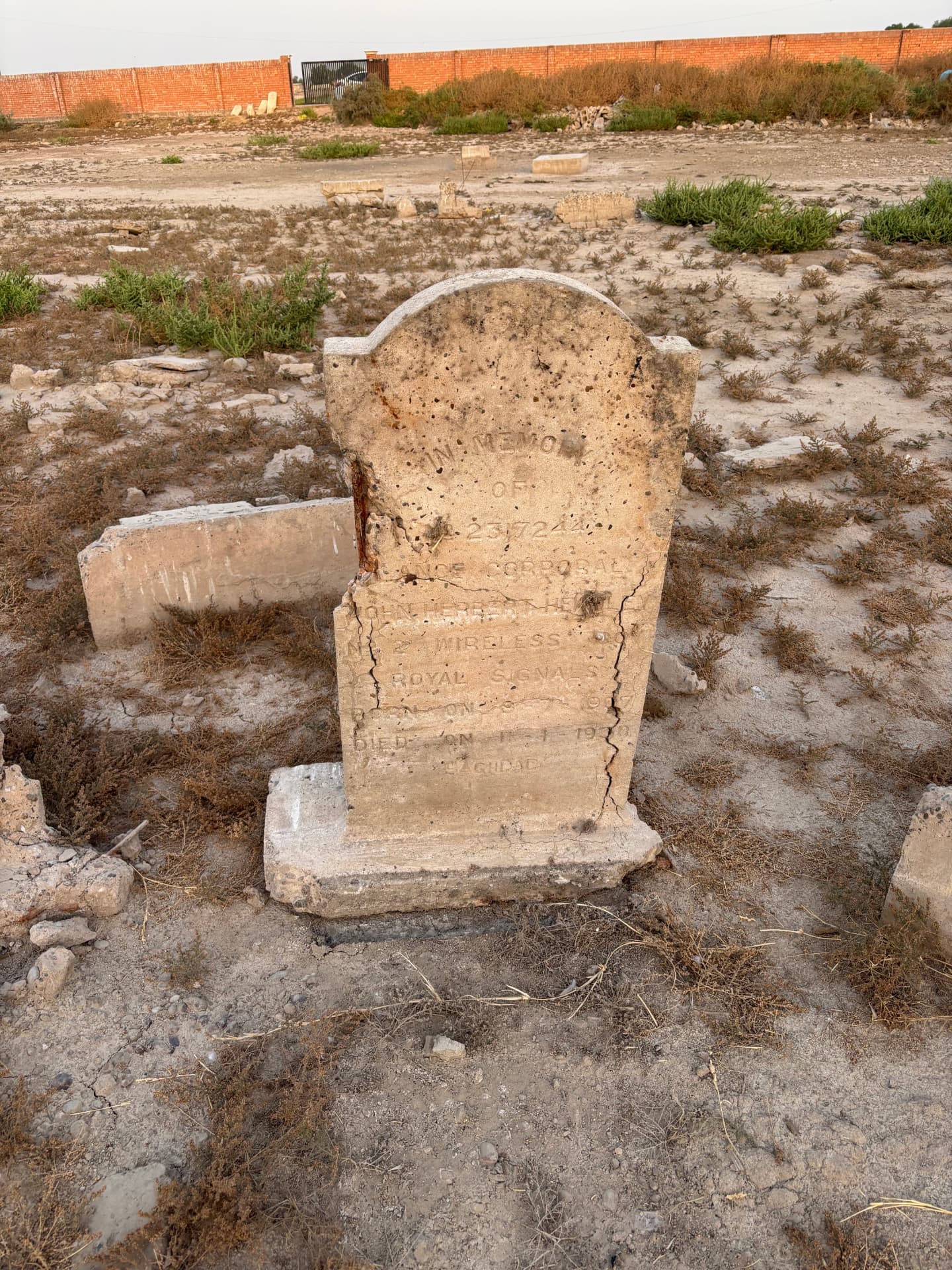
Current condition (October 2025): The site and its history are already very well documented on Steve Buster Johnson's website, and there is little change from the last work done on the site to add a wall in 2021. However, given the wall was only built four years ago, the poor quality of the construction is clear and it is already in danger of falling down in places, notably the right hand corner facing the gate, and the sign has been vandalised.
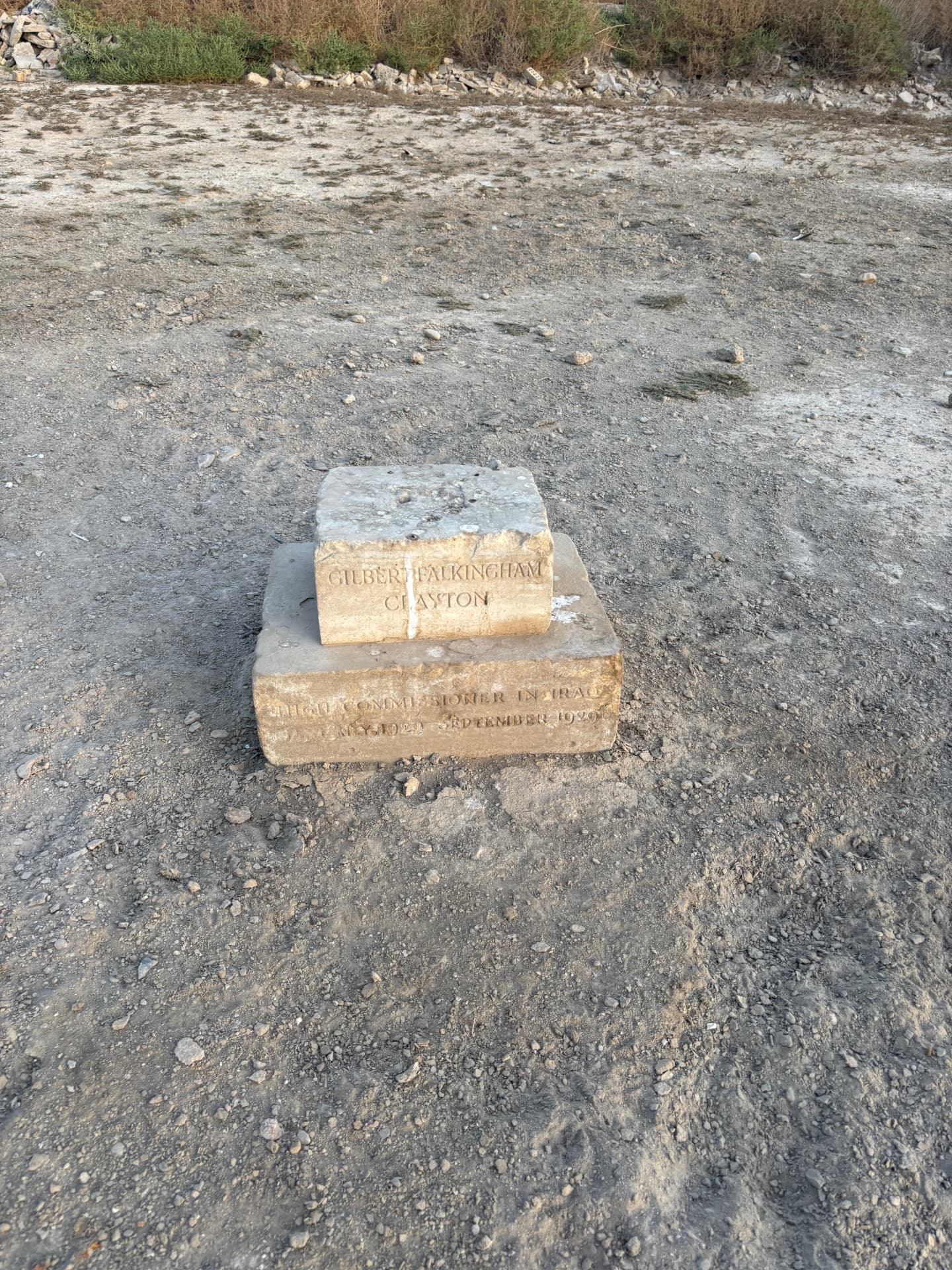
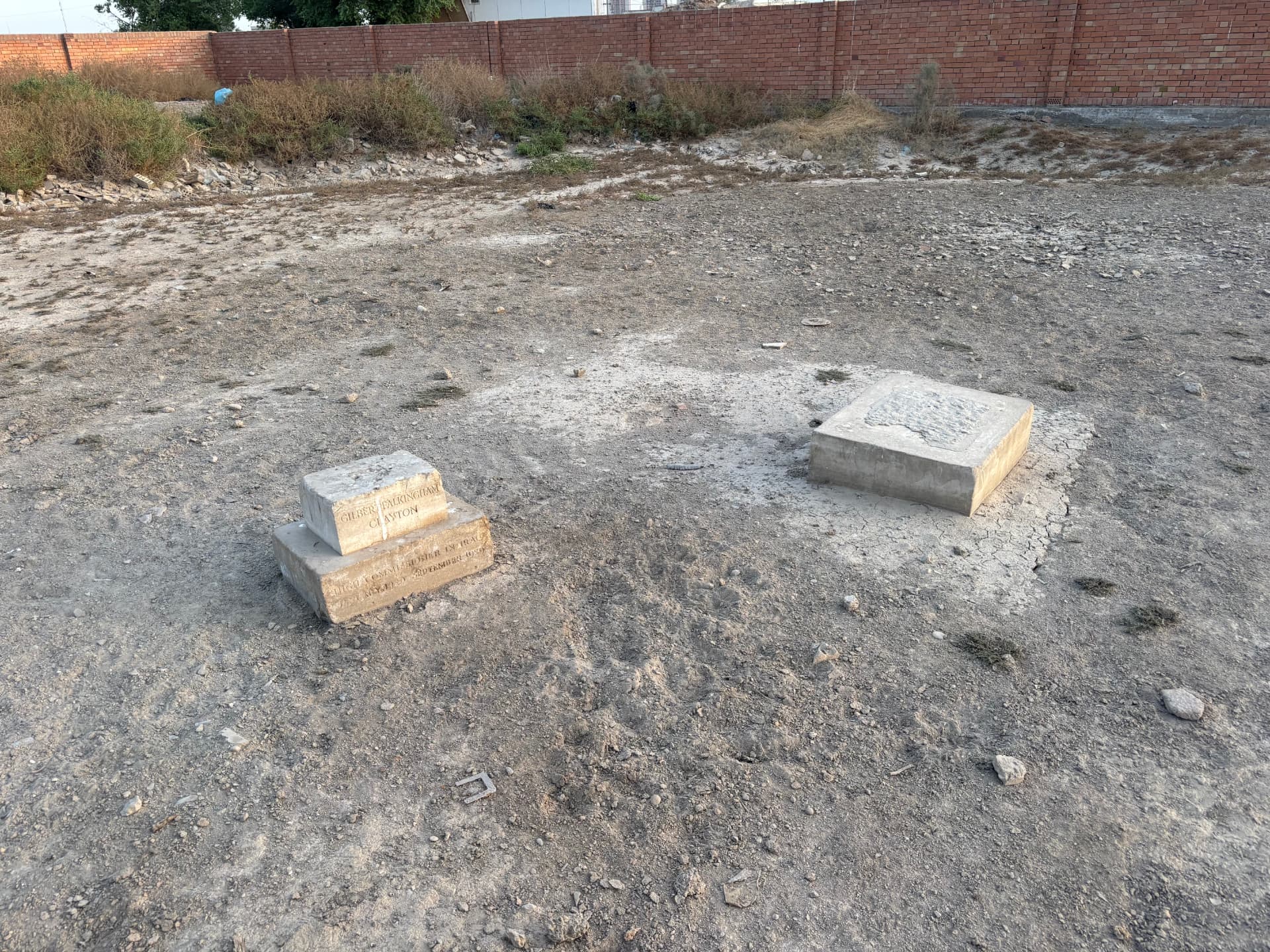
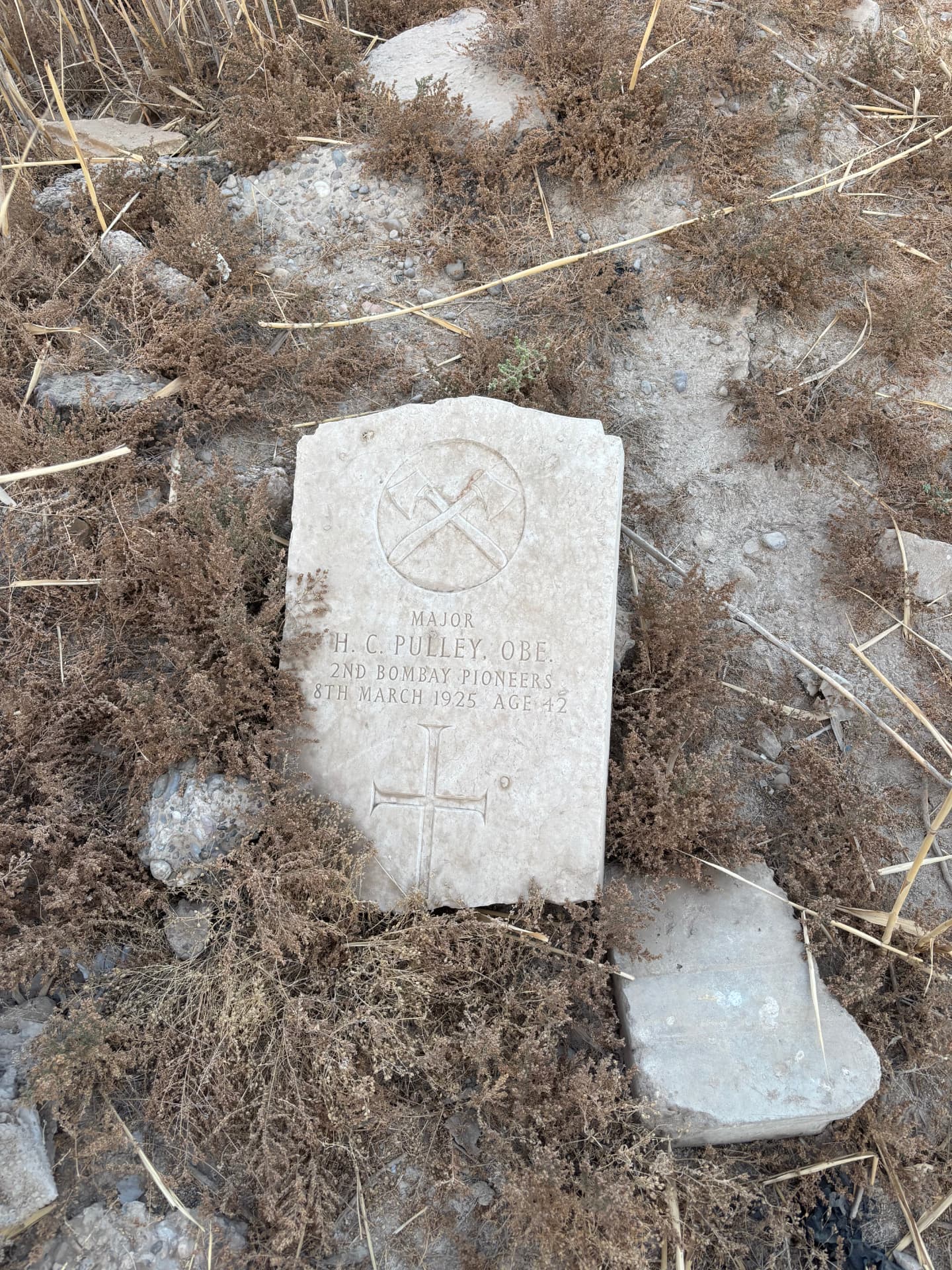
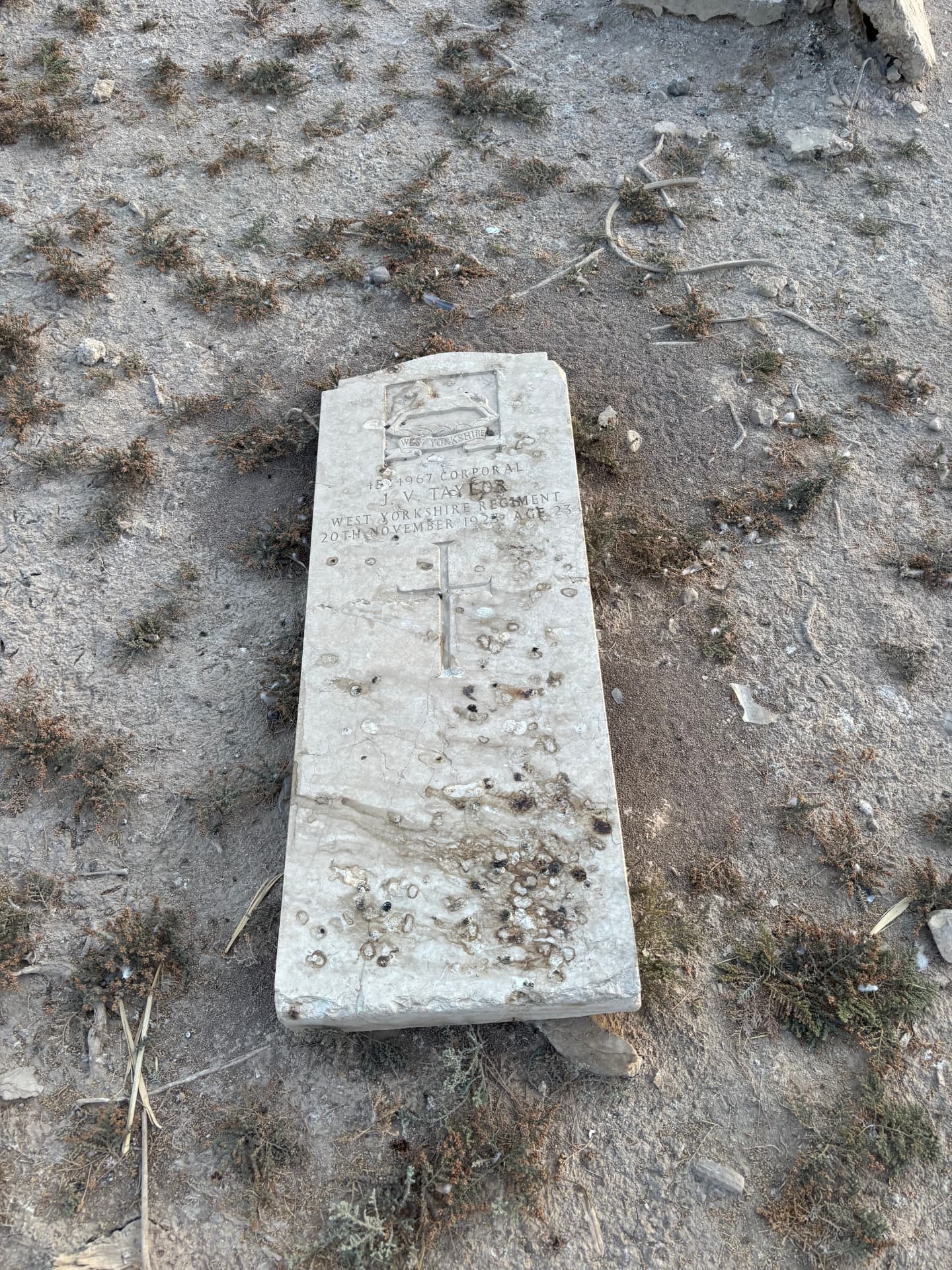
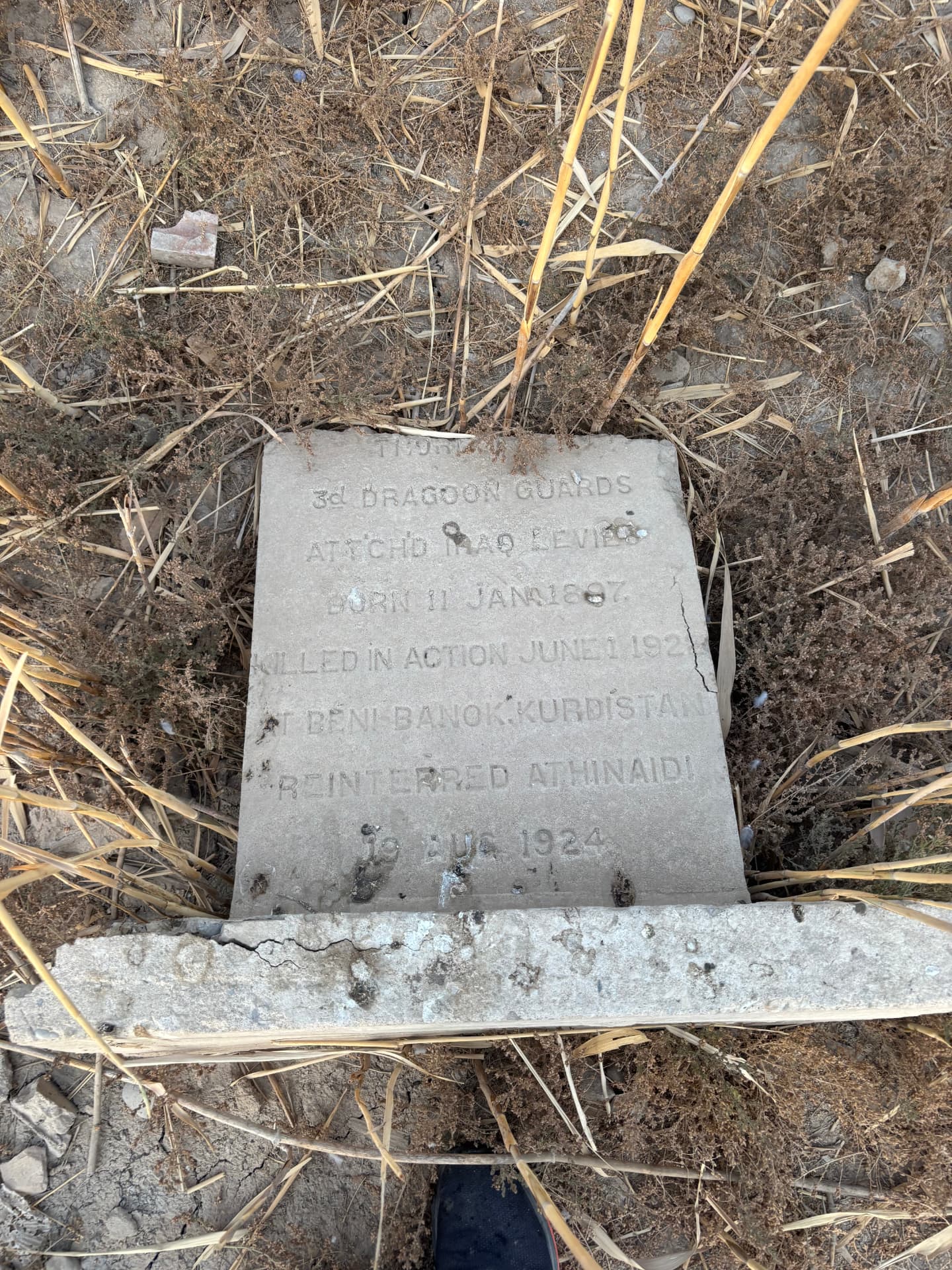
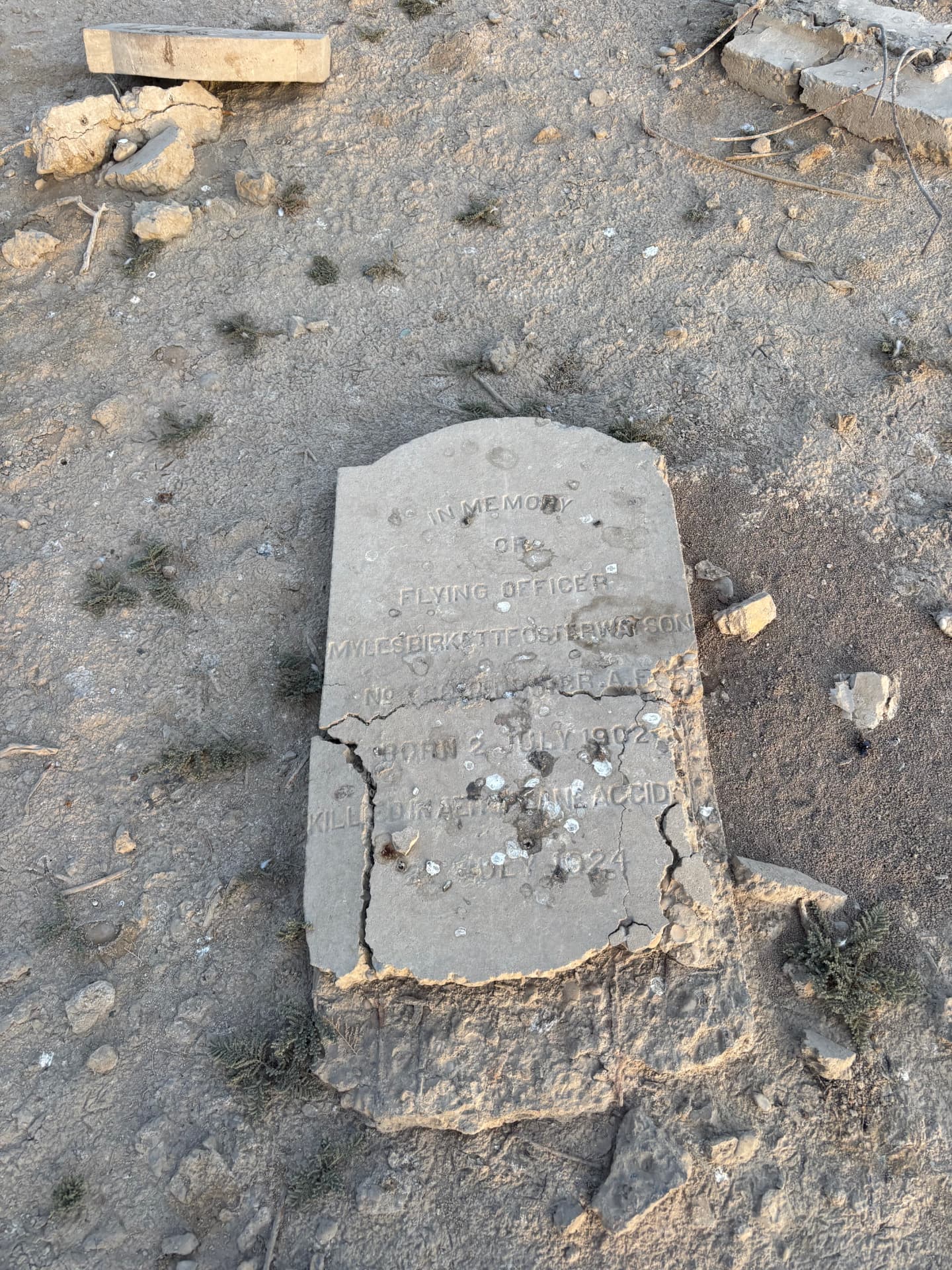
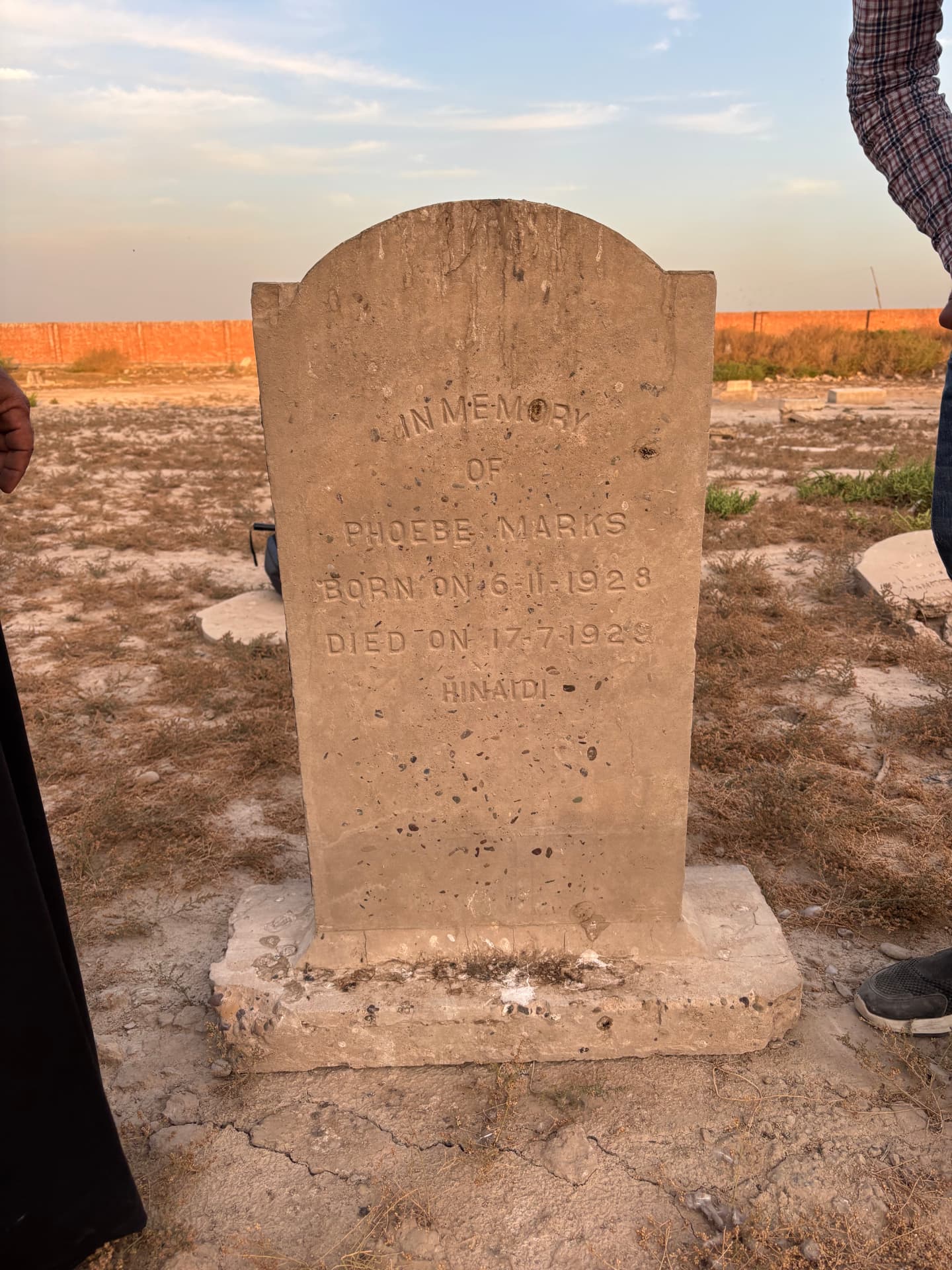
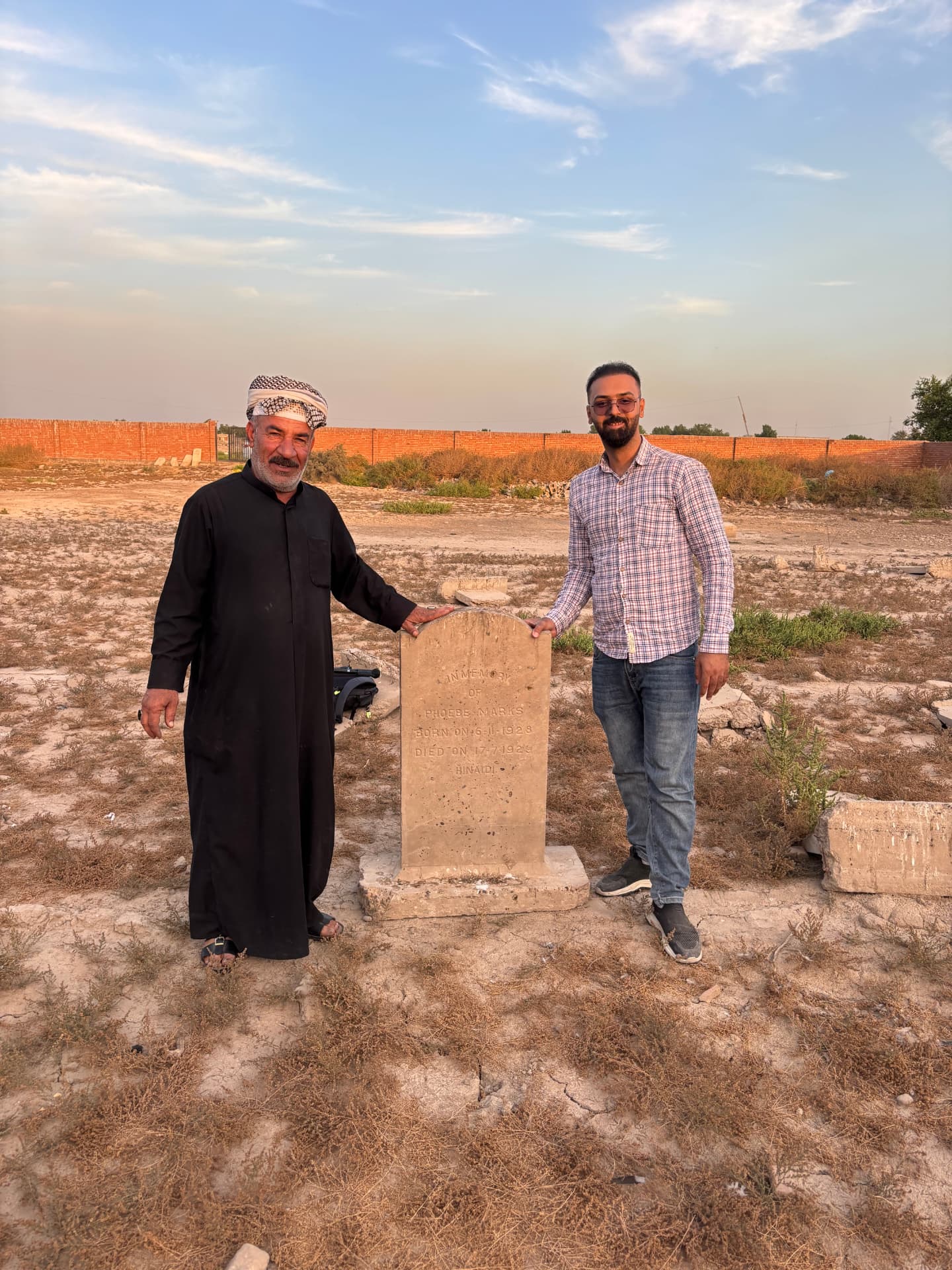
There are many graves remaining relatively intact although not in their original position and not upright, and many more fragments. The base of Sir Gilbert Clayton's grave is the only grave still in its original place, and Phoebe Marks' grave is the only one intact. It seems that even if honourable service to your country is insufficient to secure commemoration for your sacrifice, fame, rank and influence do not matter either.
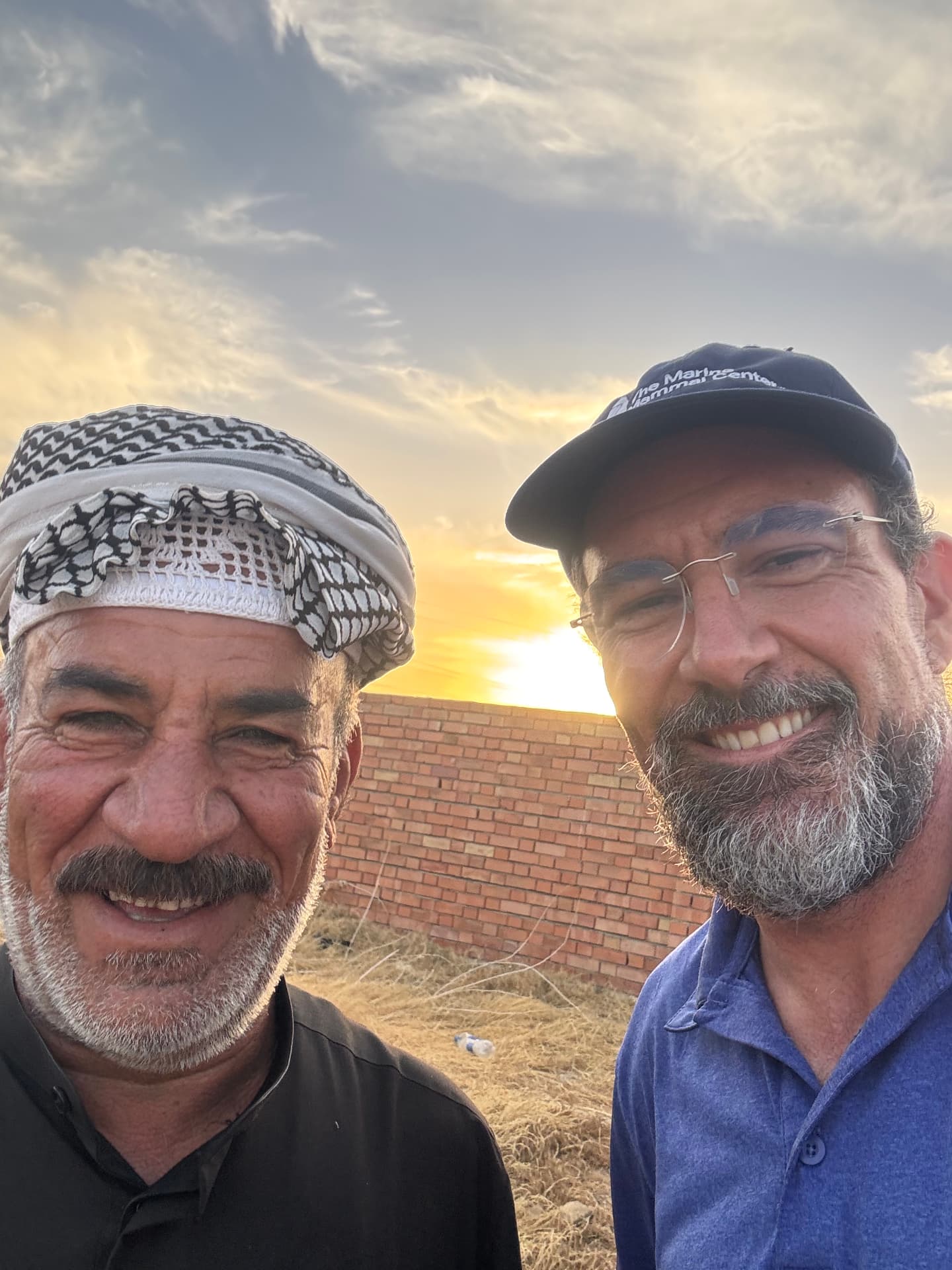
The guardian lives nearby and is a likeable and most helpful gentleman who appeared very quickly once we arrived on site. Despite the site being only six miles from the British Embassy in Baghdad it has been long abandoned, it is not marked on Google Maps (a correction has been submitted) and there is almost no information on the CWGC site. The work of Steve Buster Johnson in partnership with the former UK Defence Attaché to Iraq, Brigadier Adam McRae MBE, resulted in a perimeter wall being erected in 2021. A service was subsequently held, attended by Air Marshal Martin Sampson CBE, DSO, Defence Senior Advisor to the Middle East.
Notable Casualties
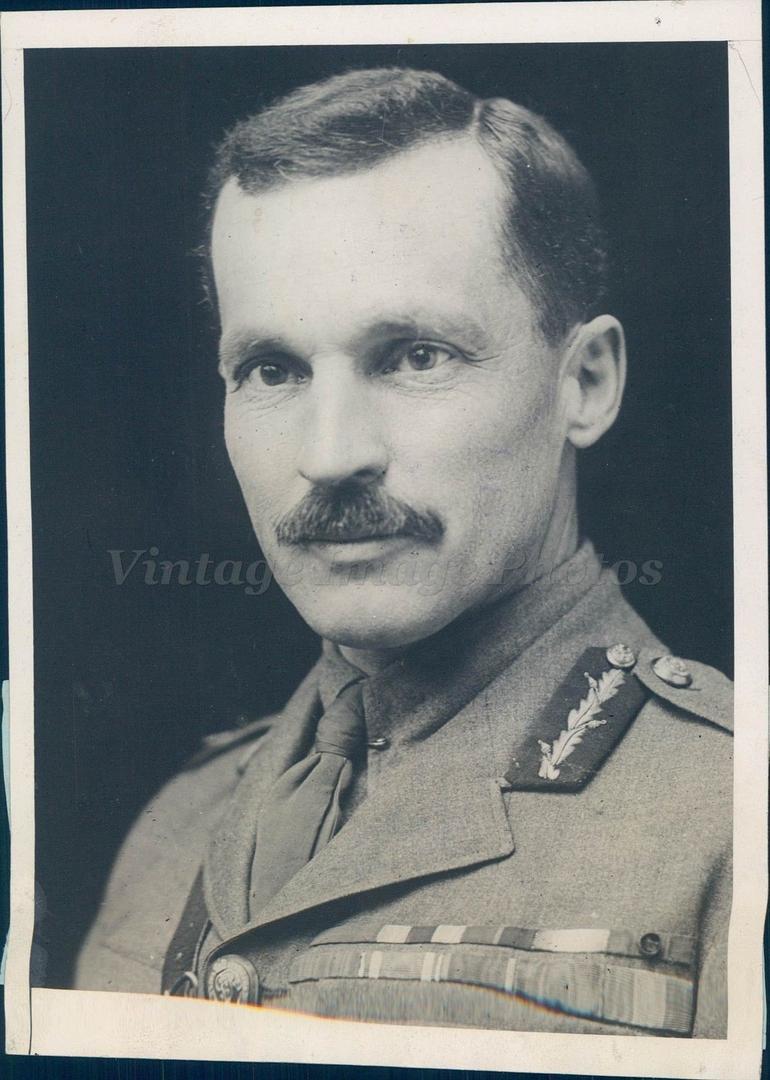
Brigadier-General Sir Gilbert Falkingham Clayton, KCMG, KBE, CB
Brigadier-General Sir Gilbert Falkingham Clayton (1875–1929) was a British soldier, diplomat, and colonial administrator whose career helped shape Britain's Middle Eastern policy after World War I. Born on the Isle of Wight, he was commissioned into the Royal Artillery in 1895 and served in Egypt and the Sudan before becoming a leading intelligence officer in Cairo during the war. As Director of Military Intelligence and later Chief Political Officer to the Egyptian Expeditionary Force, he played a key role in coordinating Arab affairs and post-Ottoman administration across Egypt, Palestine, and Arabia. After the war, Clayton served as Chief Secretary and Acting High Commissioner in Palestine and later negotiated on Britain's behalf with leaders such as Ibn Saud. In 1928 he was appointed High Commissioner for Iraq, where he worked to define the young nation's relationship with Britain. He died suddenly of a heart attack in Baghdad on 11 September 1929, aged 54, and was buried there. His career embodied the fusion of military strategy and diplomacy that defined British rule in the modern Middle East.
Died 11 September 1929, aged 54
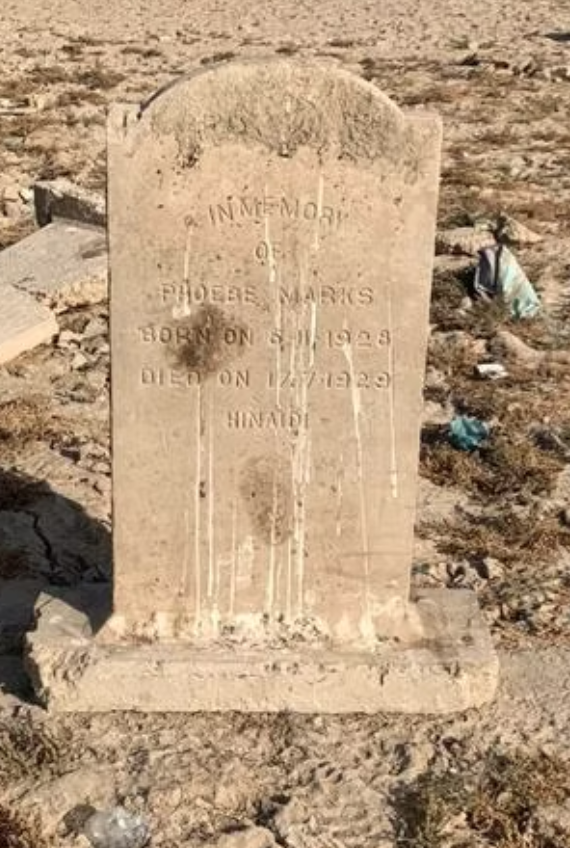
Phoebe Marks
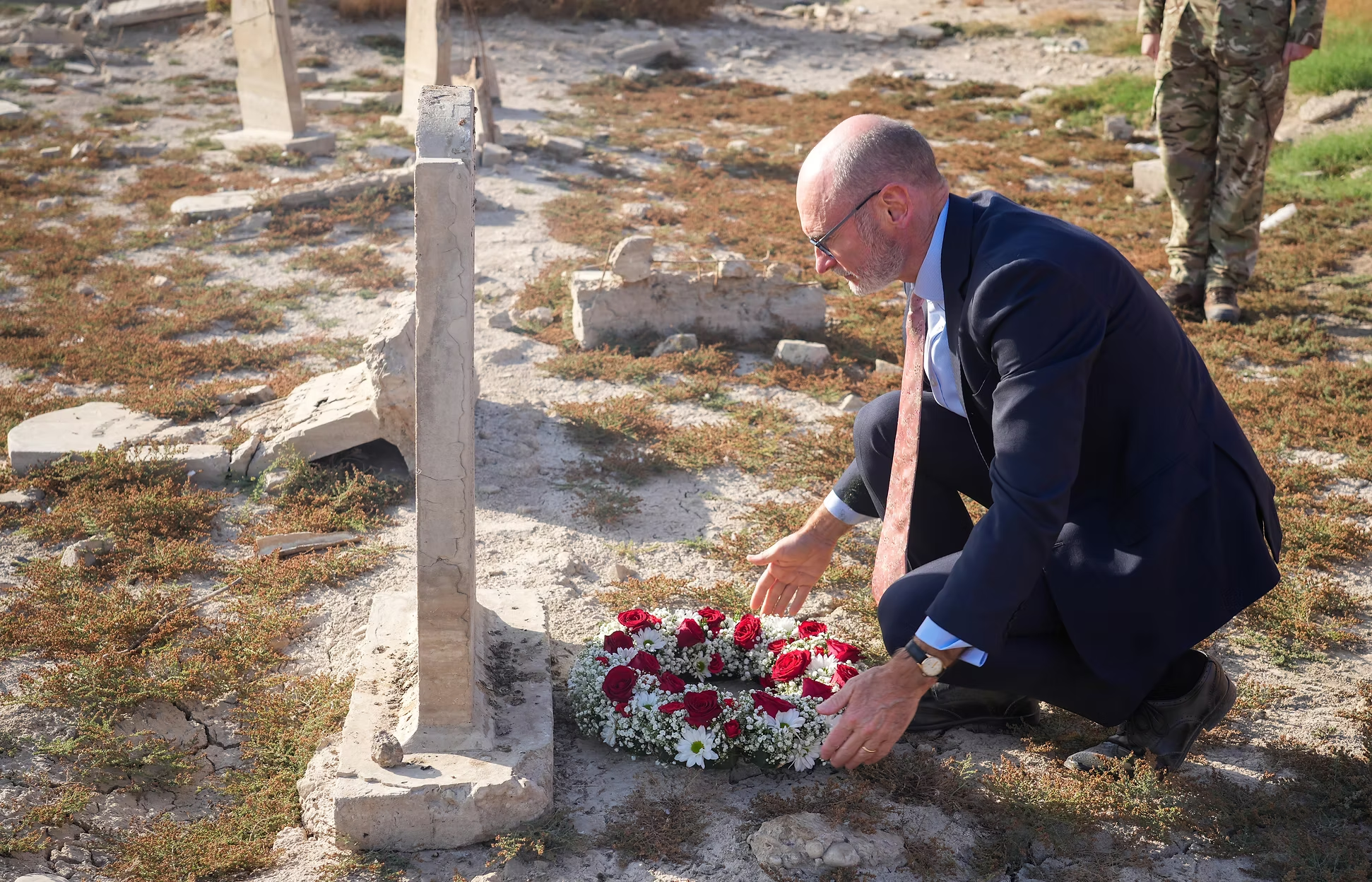
Phoebe Marks was born on the 6th November 1928 the daughter of a civilian electrician Leonard Marks and his wife Marie. Phoebe died at only eight months old on the 17th July 1929. Sadly her father was subsequently shot by a local employee and died 12th September 1934 and was buried 20 yards from his daughter. Her grave is of particular note to visitors, with the British Ambassador to Iraq laying a wreath there in 2023.
Died 17 July 1929, aged 8 months
Visual Documentation
Admin upload portal for panoramas, videos and photos.
Video Photography
Video Documentation Coming Soon
Comprehensive video documentation of the memorial is being prepared and will be added shortly.
360° Panoramic Views
360° Panoramas Coming Soon
We’re preparing immersive 360° views. Once your panoramic files are ready, we’ll publish them here.
Archive Photographs
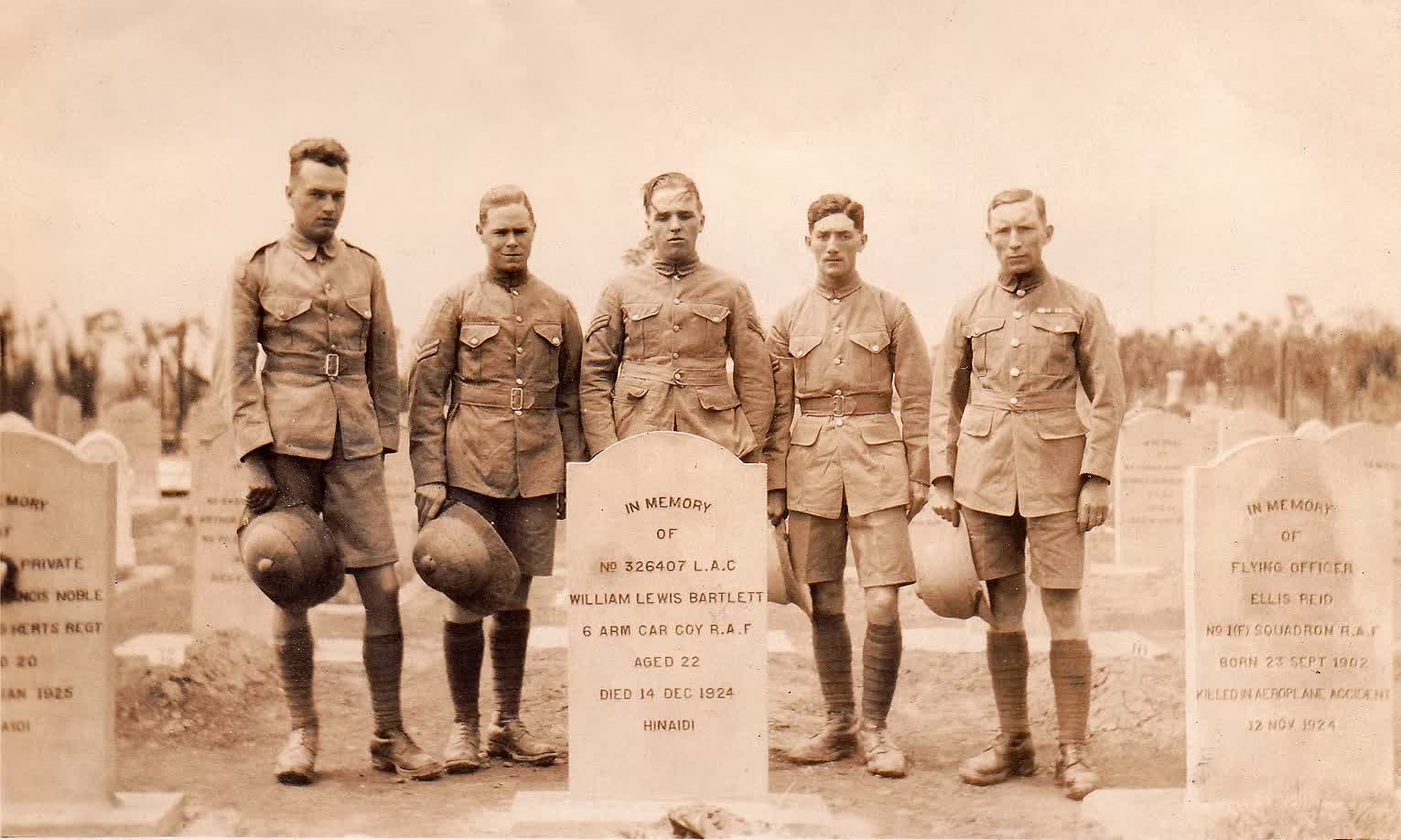
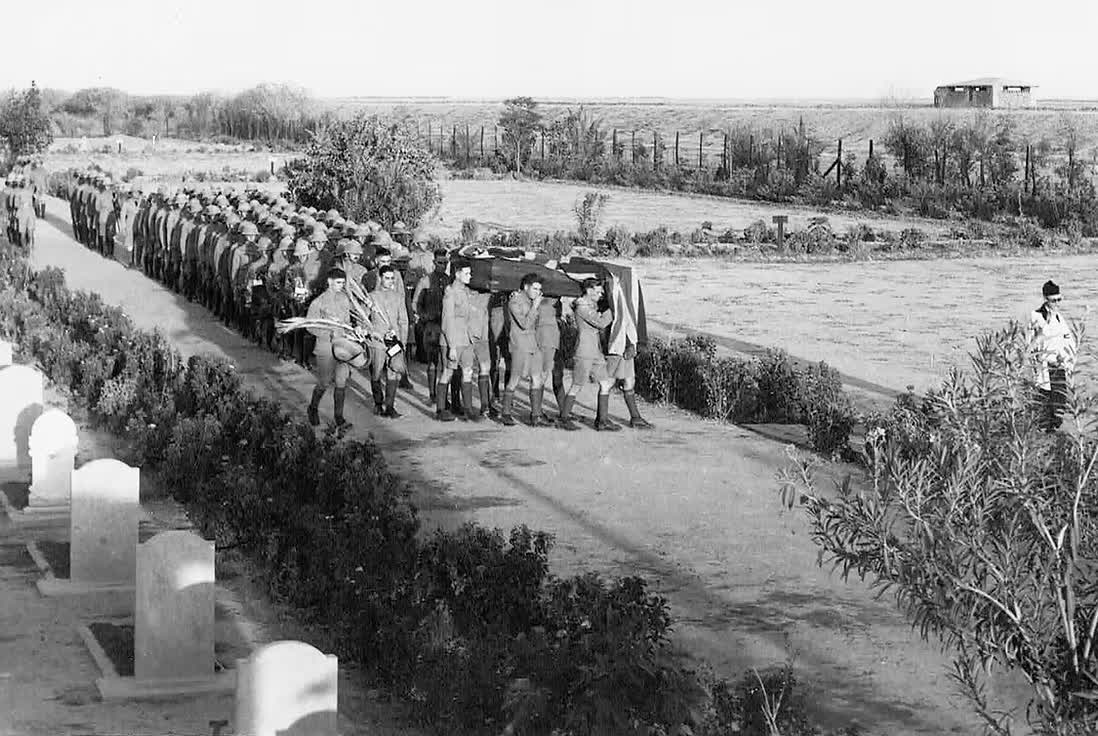
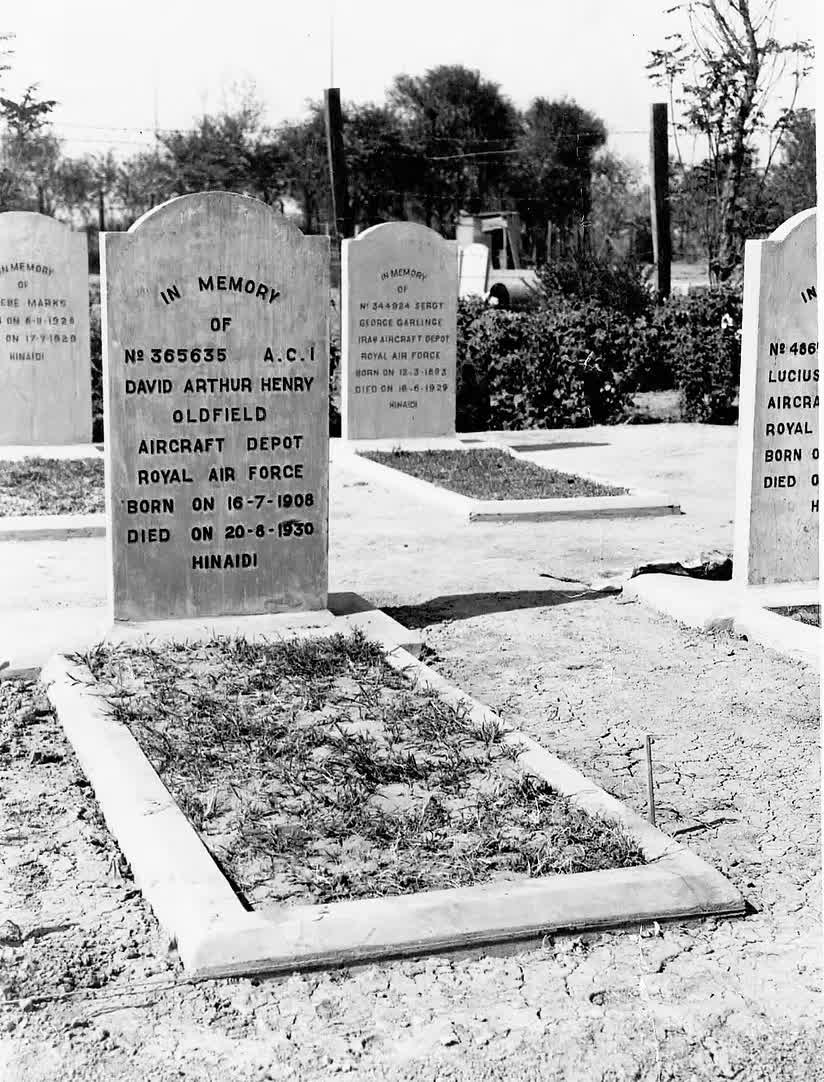
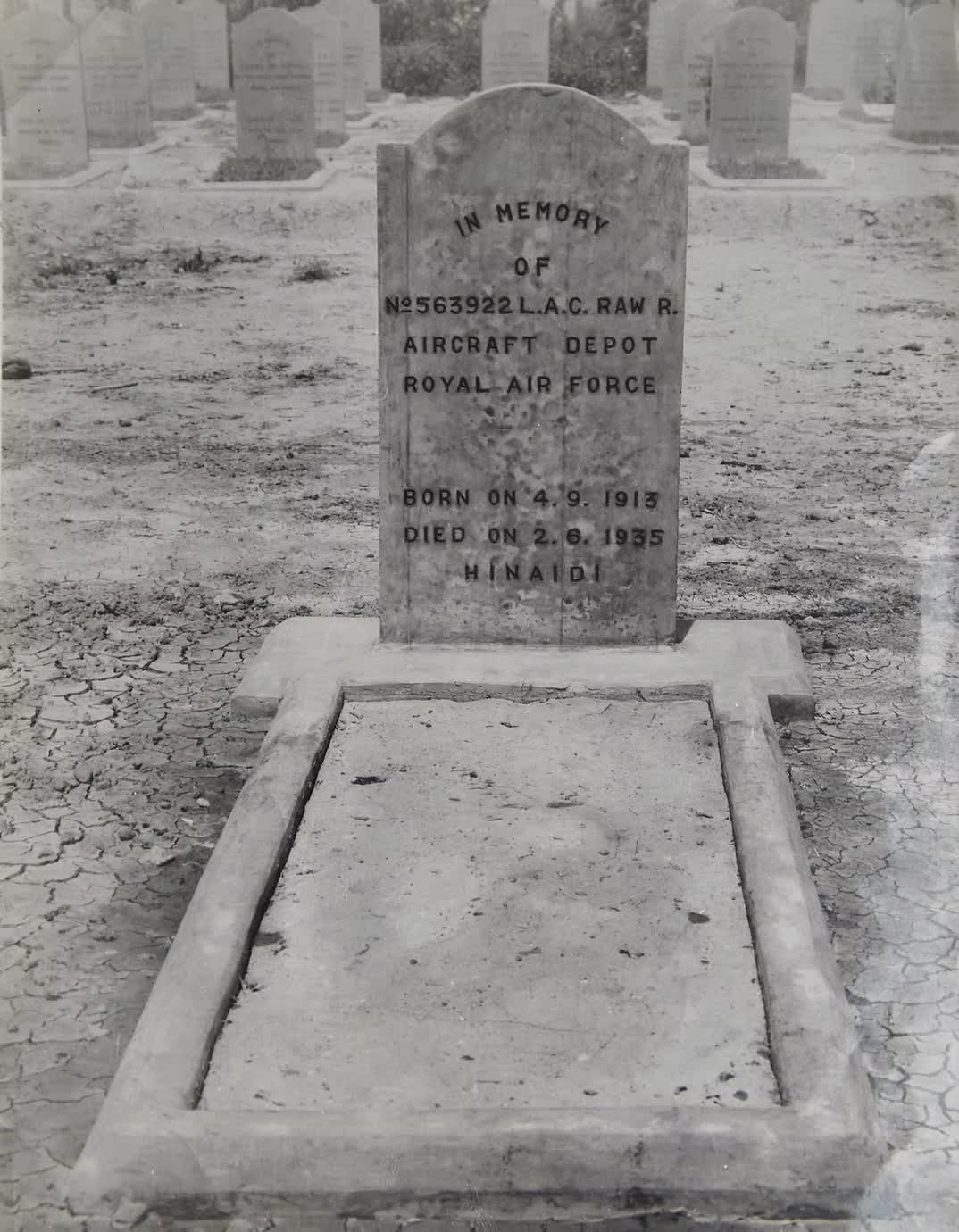
Historical photographs of Ma'asker al Raschid (Hinaidi) RAF Cemetery from the years when the site was still maintained, showing the headstones upright in ordered rows beneath the palms. Copyright CWGC.
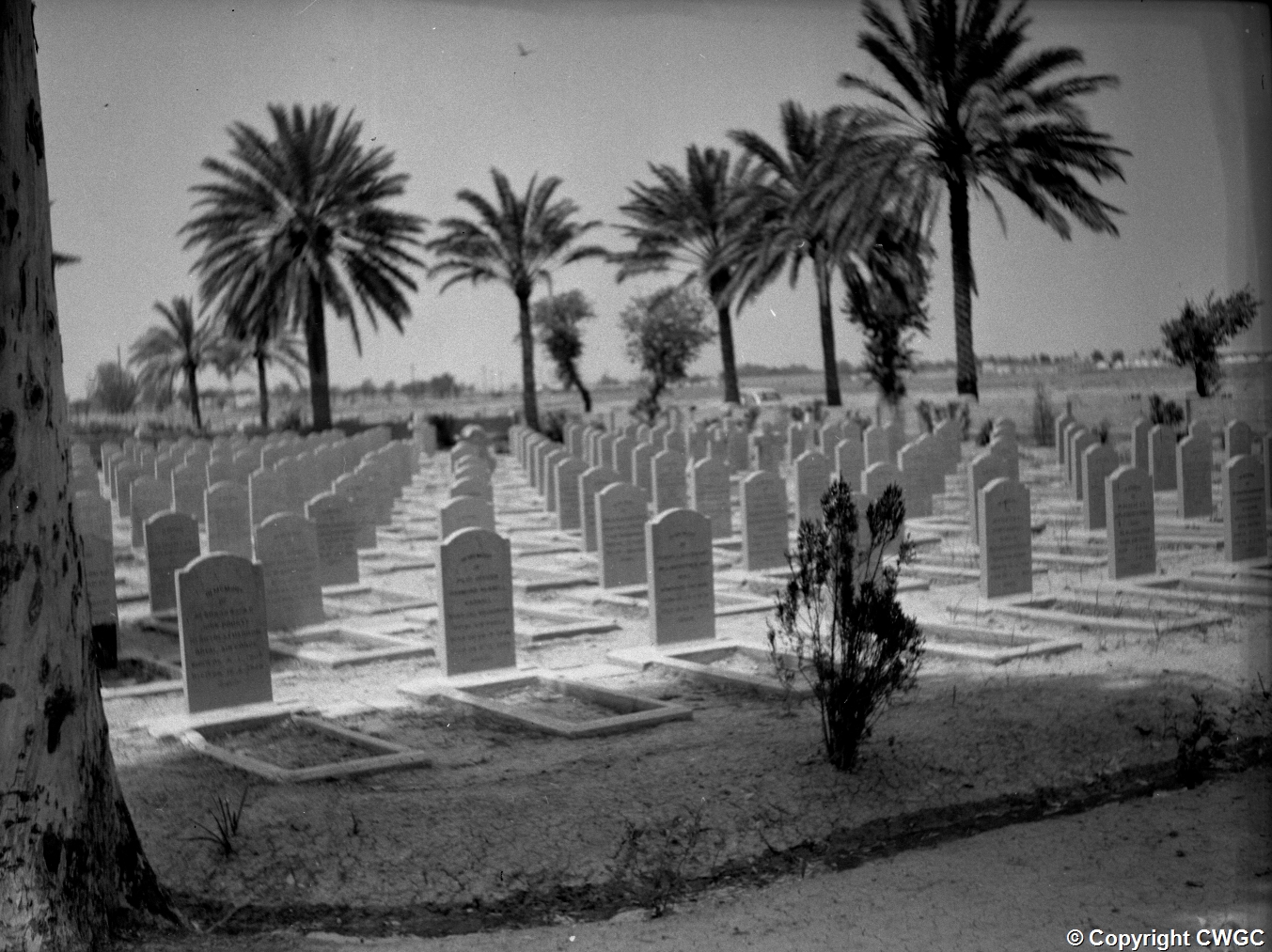
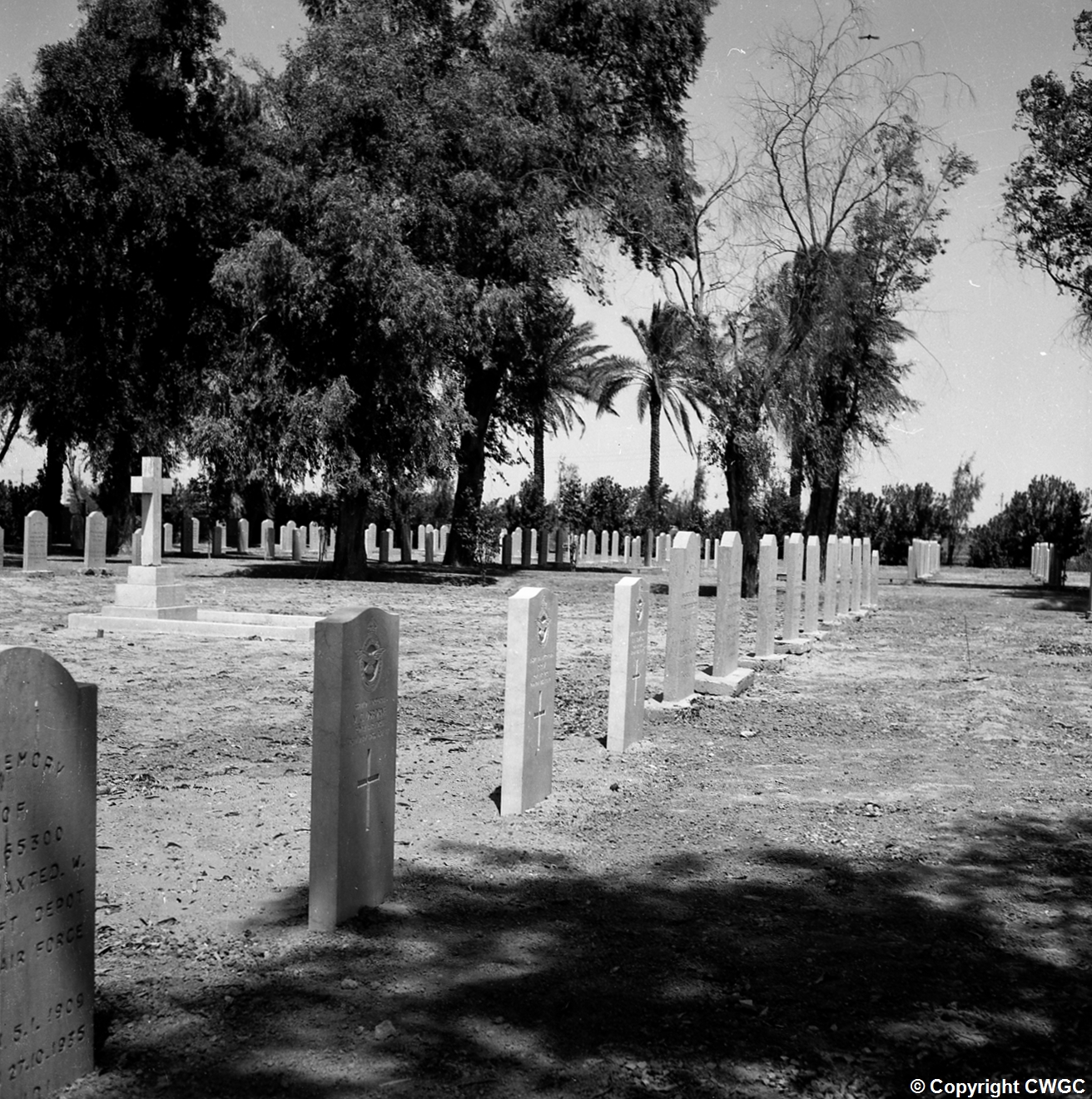
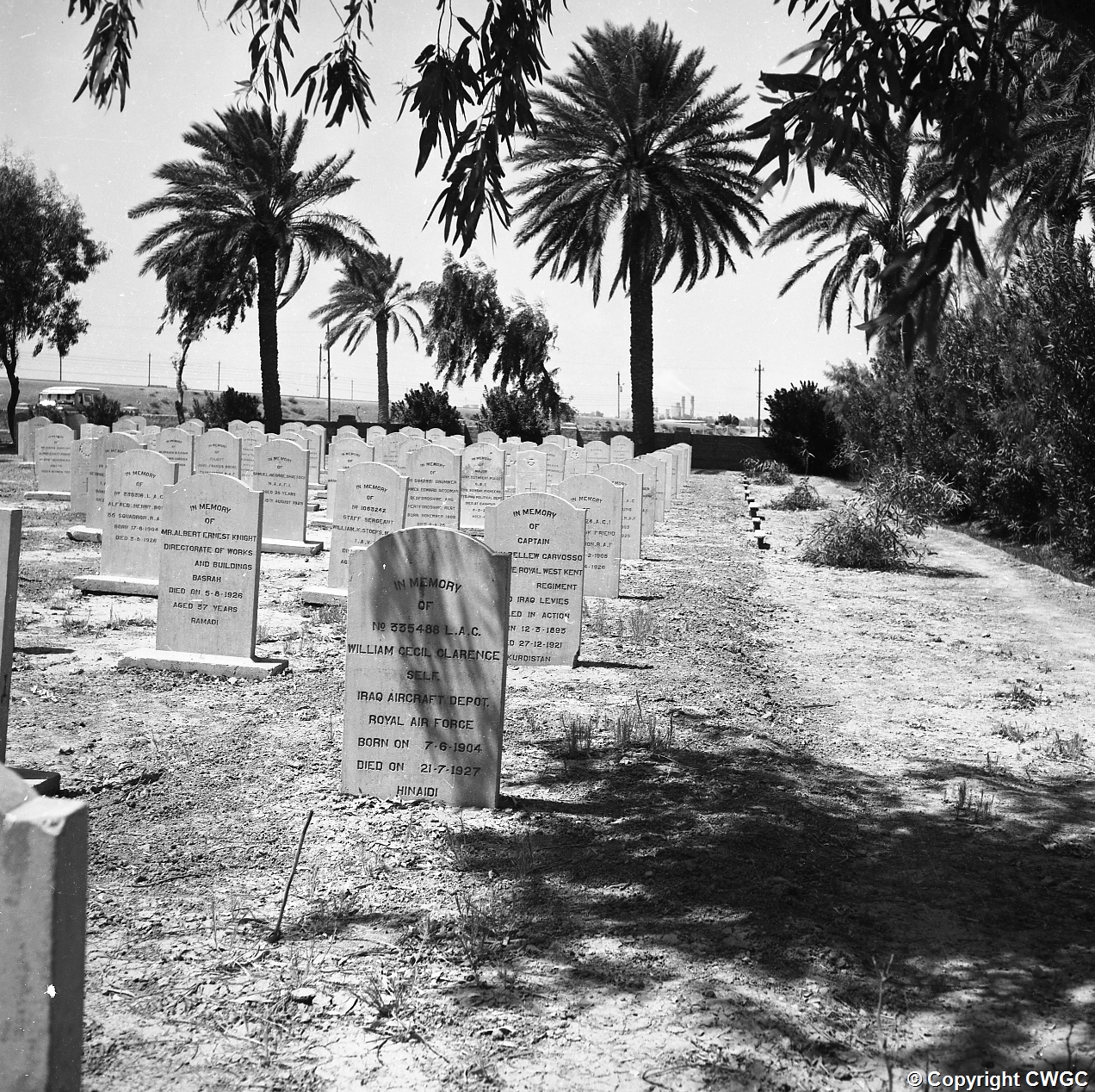
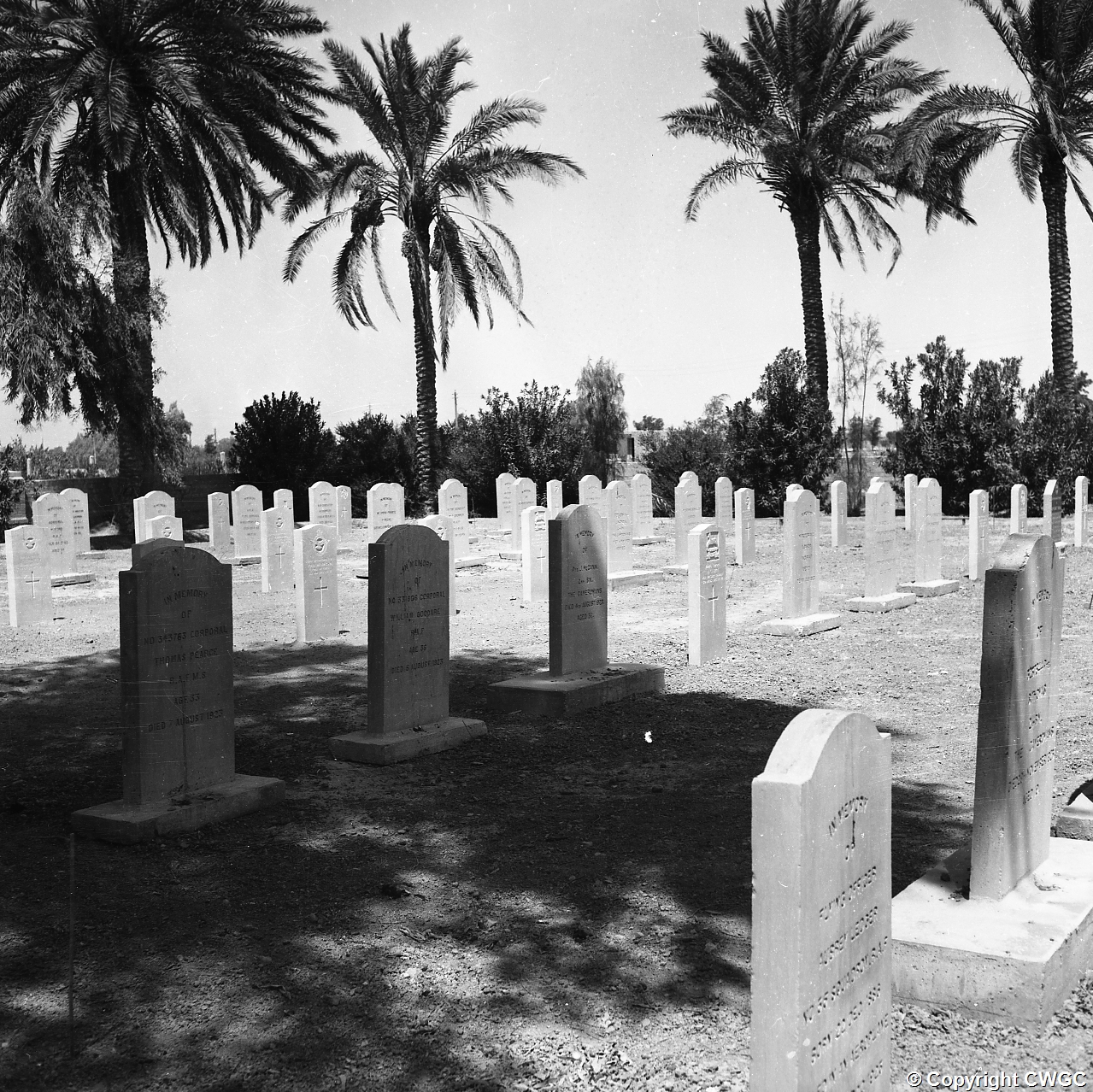
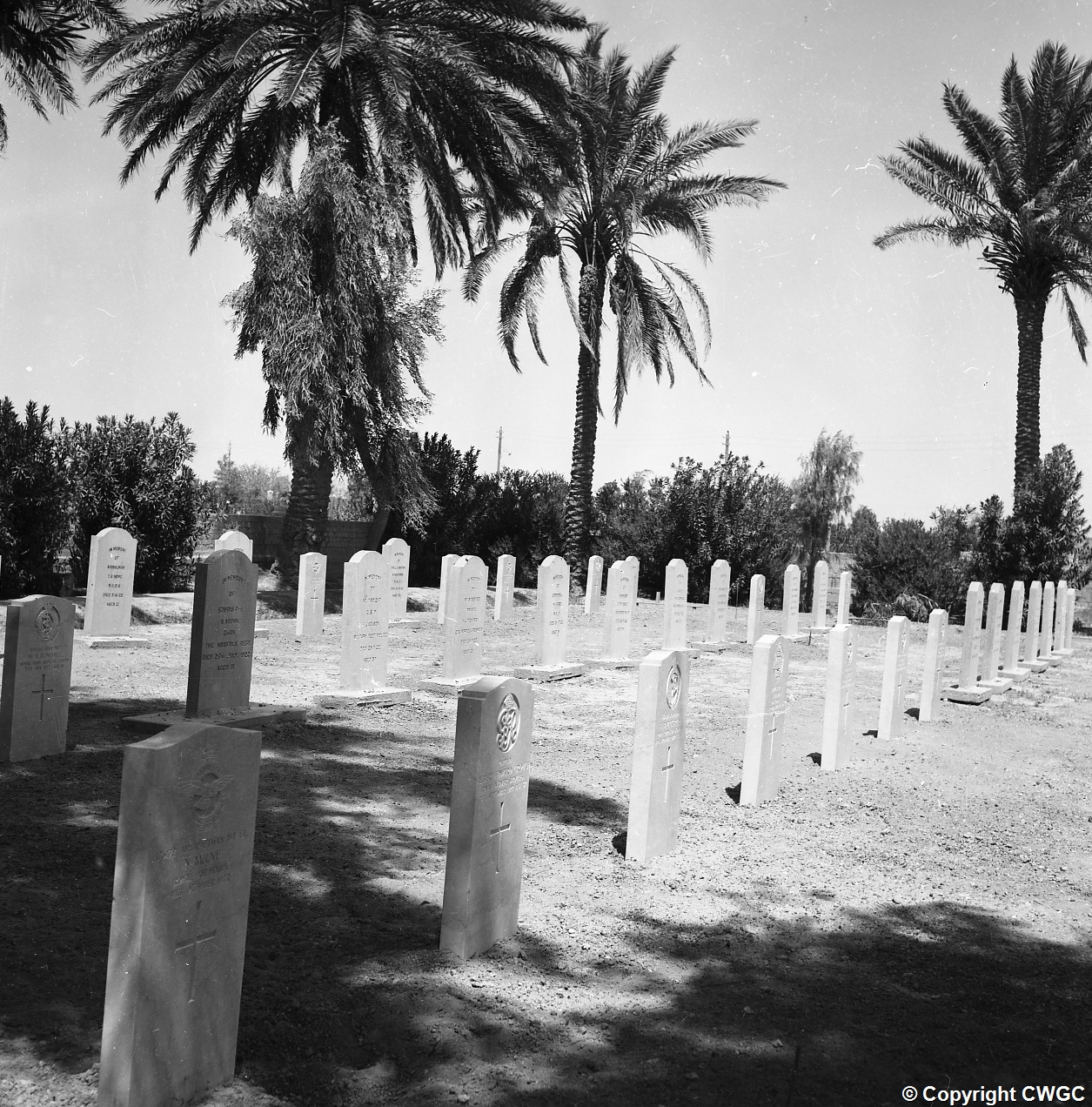
From the collection of Steve Buster Johnson
These photographs come from the website of Steve Buster Johnson and are but a small selection of the images he has collected on RAF Hinaidi and its cemetery. The full collection, together with his research on the station and the men and women buried here, can be seen at stevebusterjohnson.com/raf-hinaidi.
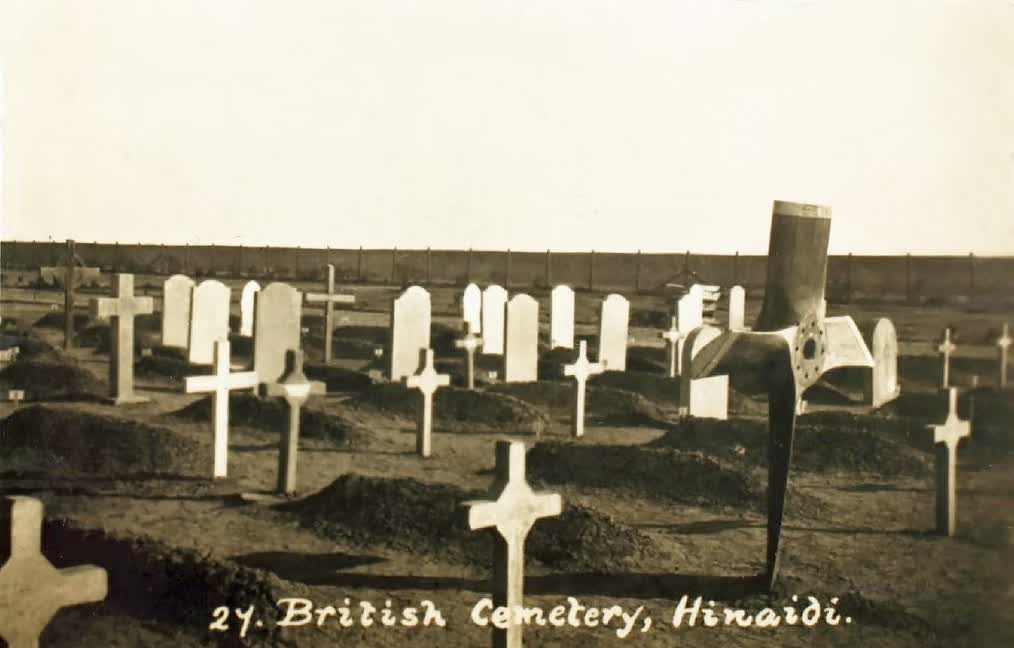
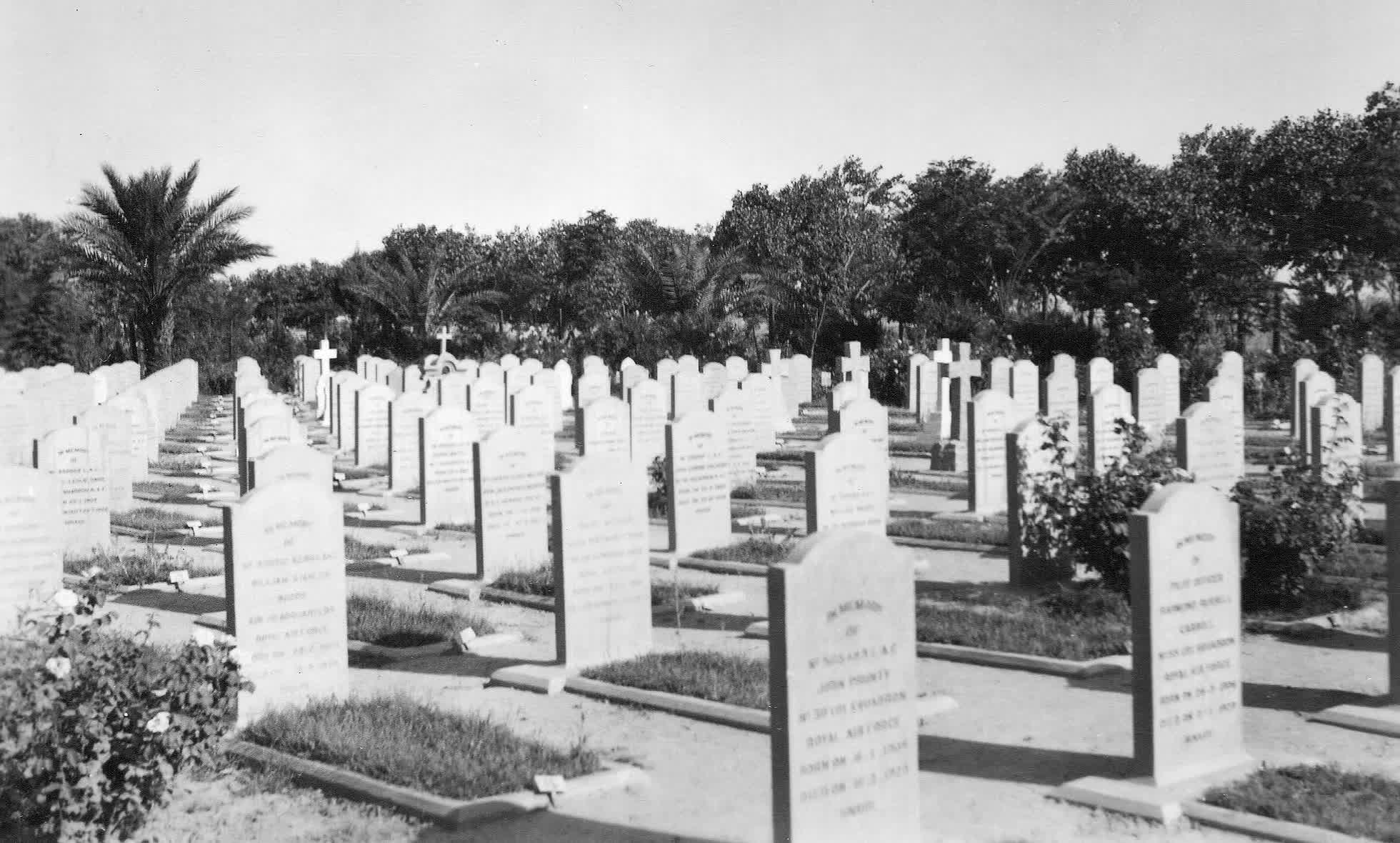
Photographic Record
Photographs taken at Ma'asker al Raschid (Hinaidi) Cemetery recording the surviving headstones and the condition of the site.
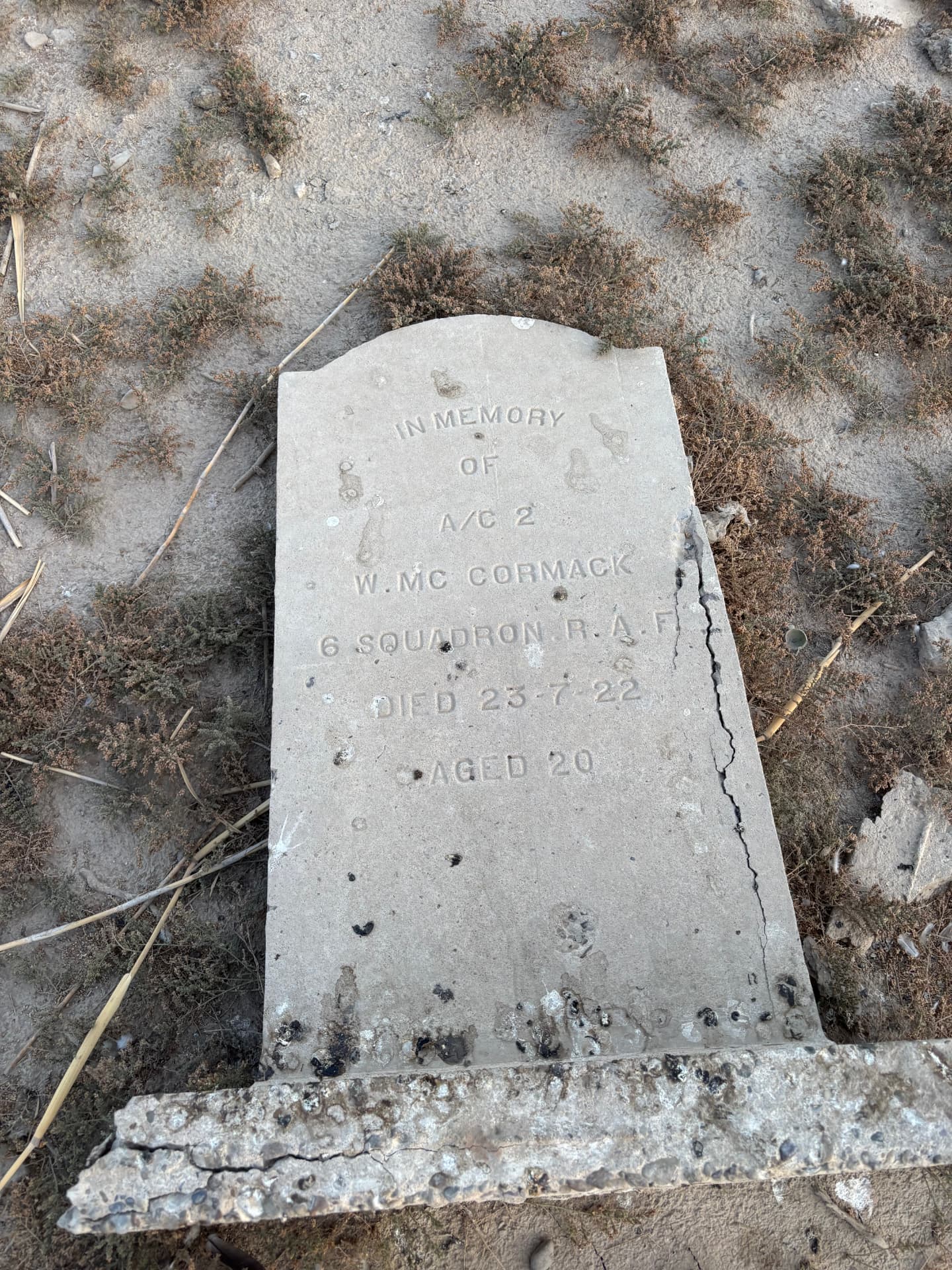
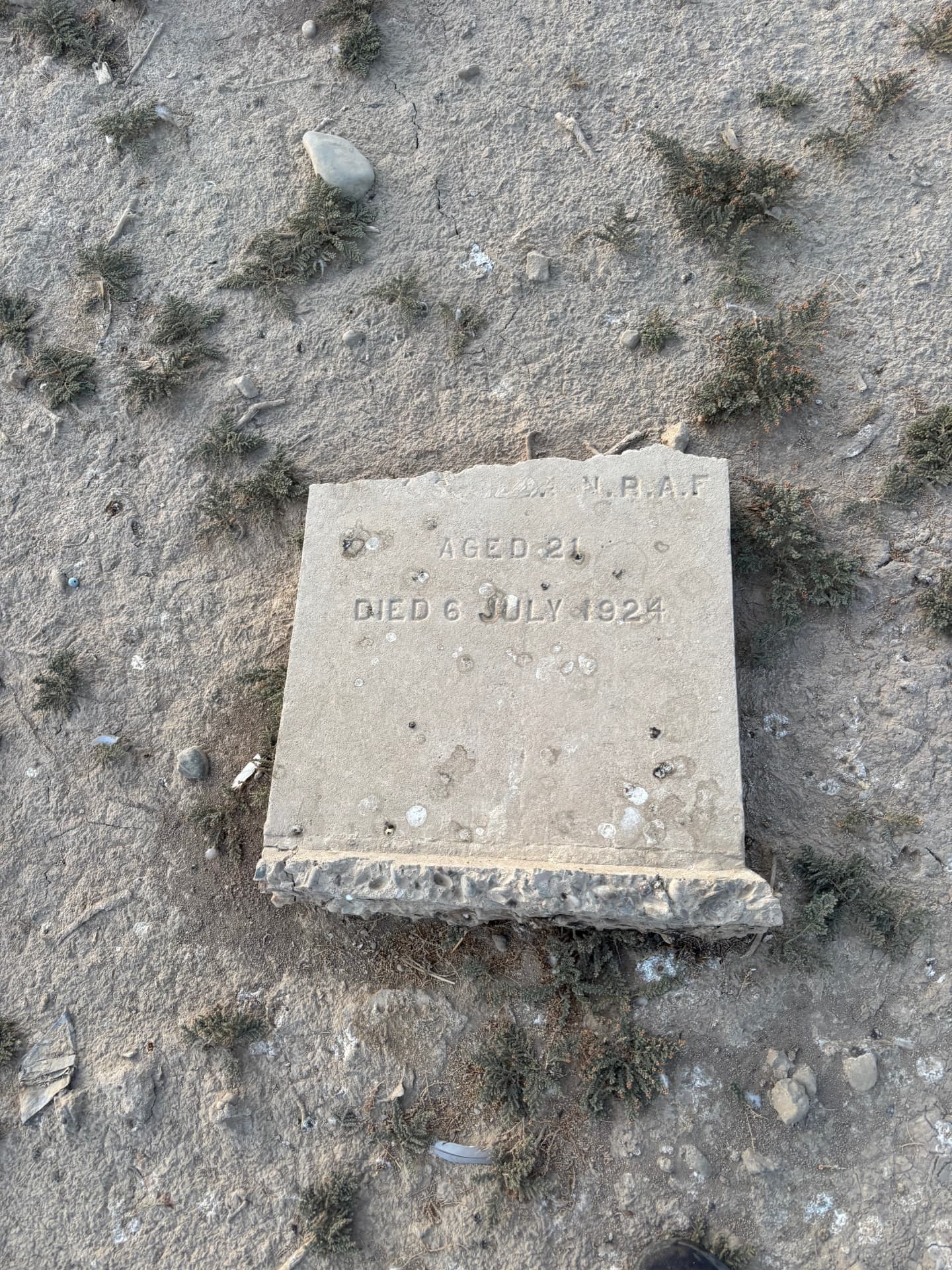
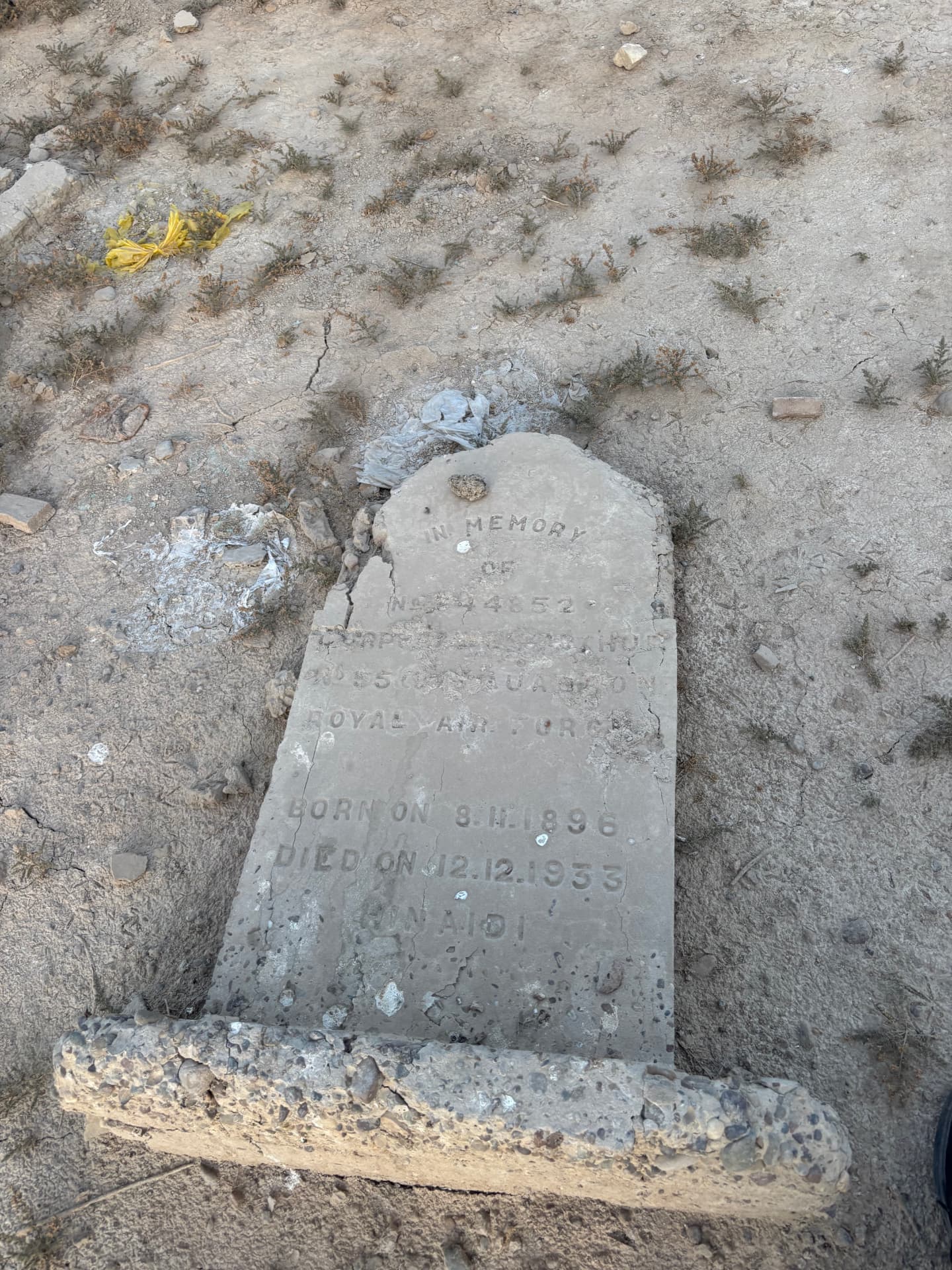
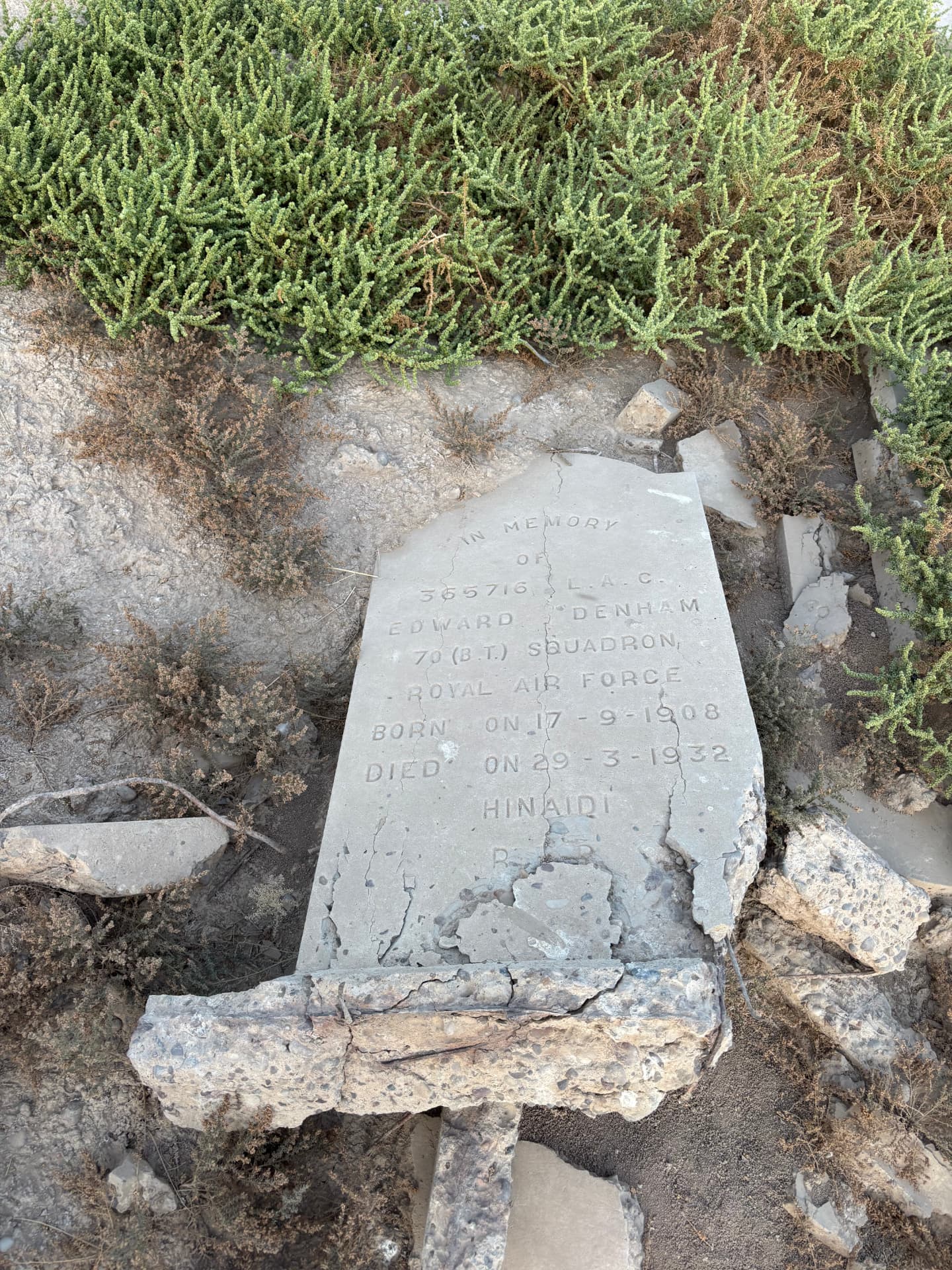
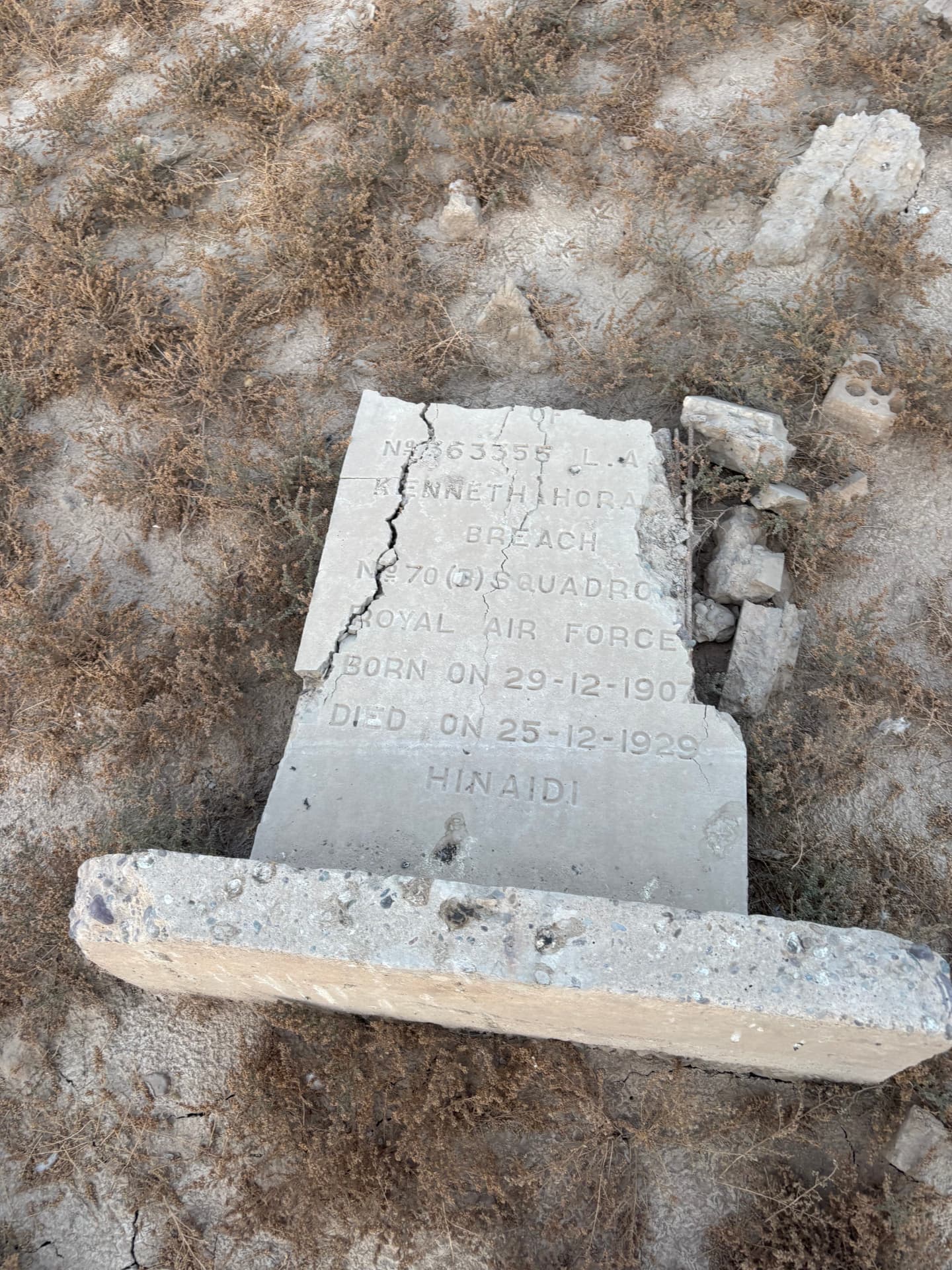
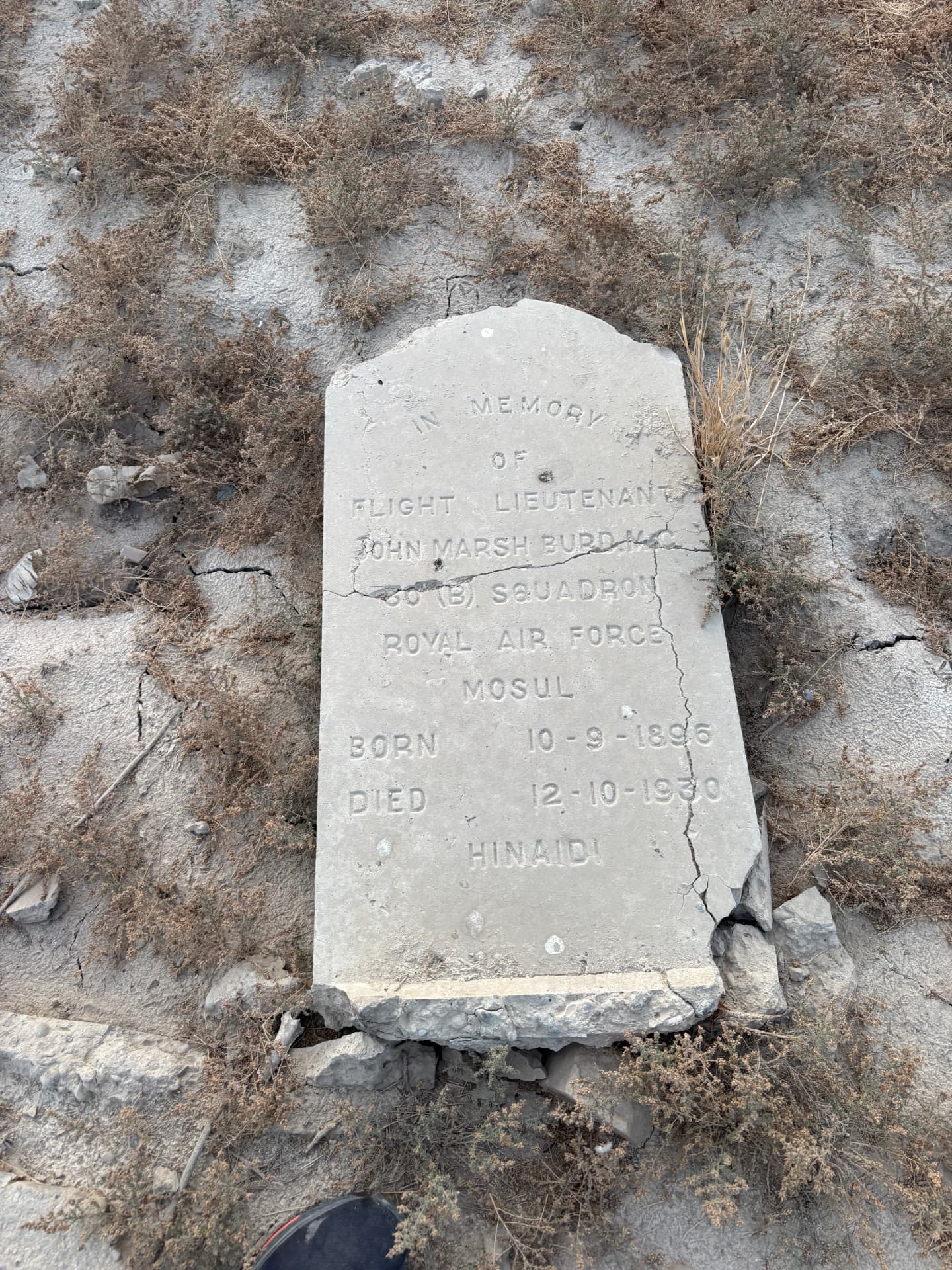
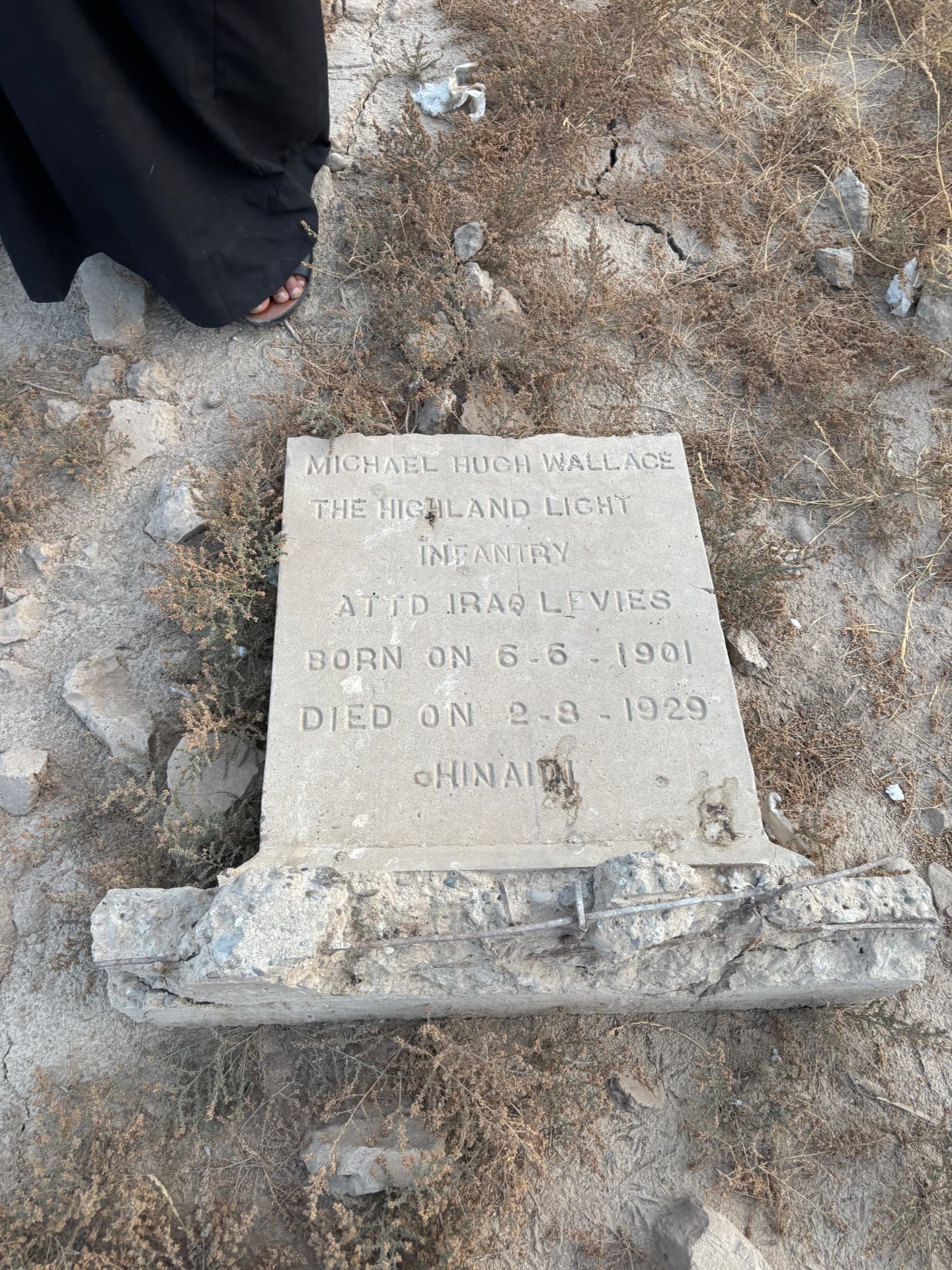
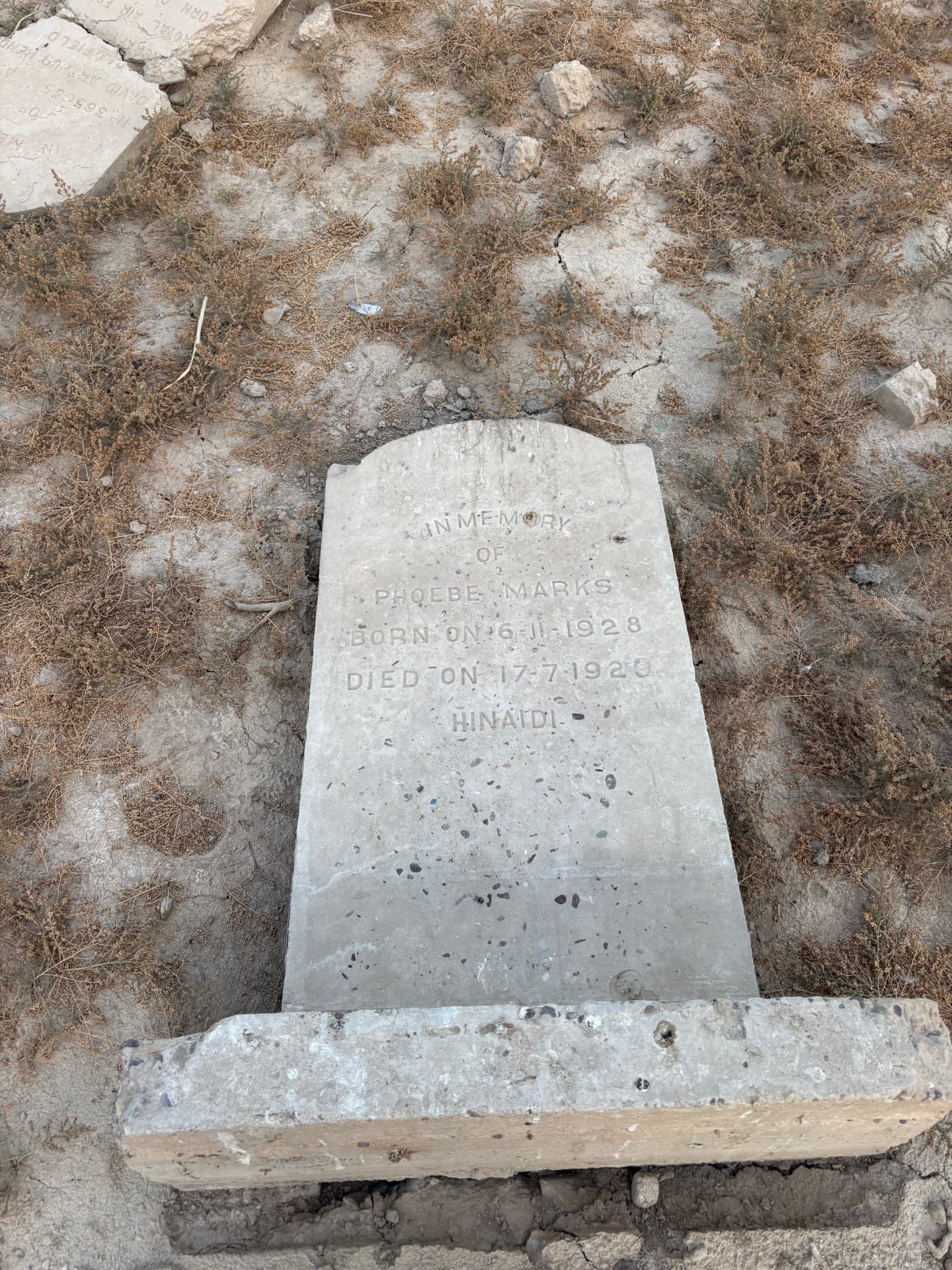
Cemetery Plan

Cemetery plan showing the layout of Ma'Asker Al Rachid (Hinaidi/Rasheed) Cemetery with burial plots organized in numbered and lettered sections. The plan includes the Gardener's Quarter and Cultiva area.
Watch the films from this site
Each film recorded at this location has its own page with the full footage, background notes and links to the surrounding cemeteries.

Special Note

Special mention must be made of the work of Steve Buster Johnson in researching and securing the Ma'Asker site. If it were not for his persistence and diligent work almost nothing would be known about this site and it would be at great risk of being completely lost. Steve has compiled a list of all the burials as well as historic and contemporary photographs of the site carefully referenced and annotated. Steve's work resulted in his discovering the missing 300th burial at Ma'asker - John Maxton Ramsay 6 Armoured Car Company RAF, a casualty missed by the CWGC. It is strongly advised to visit his website to learn more.
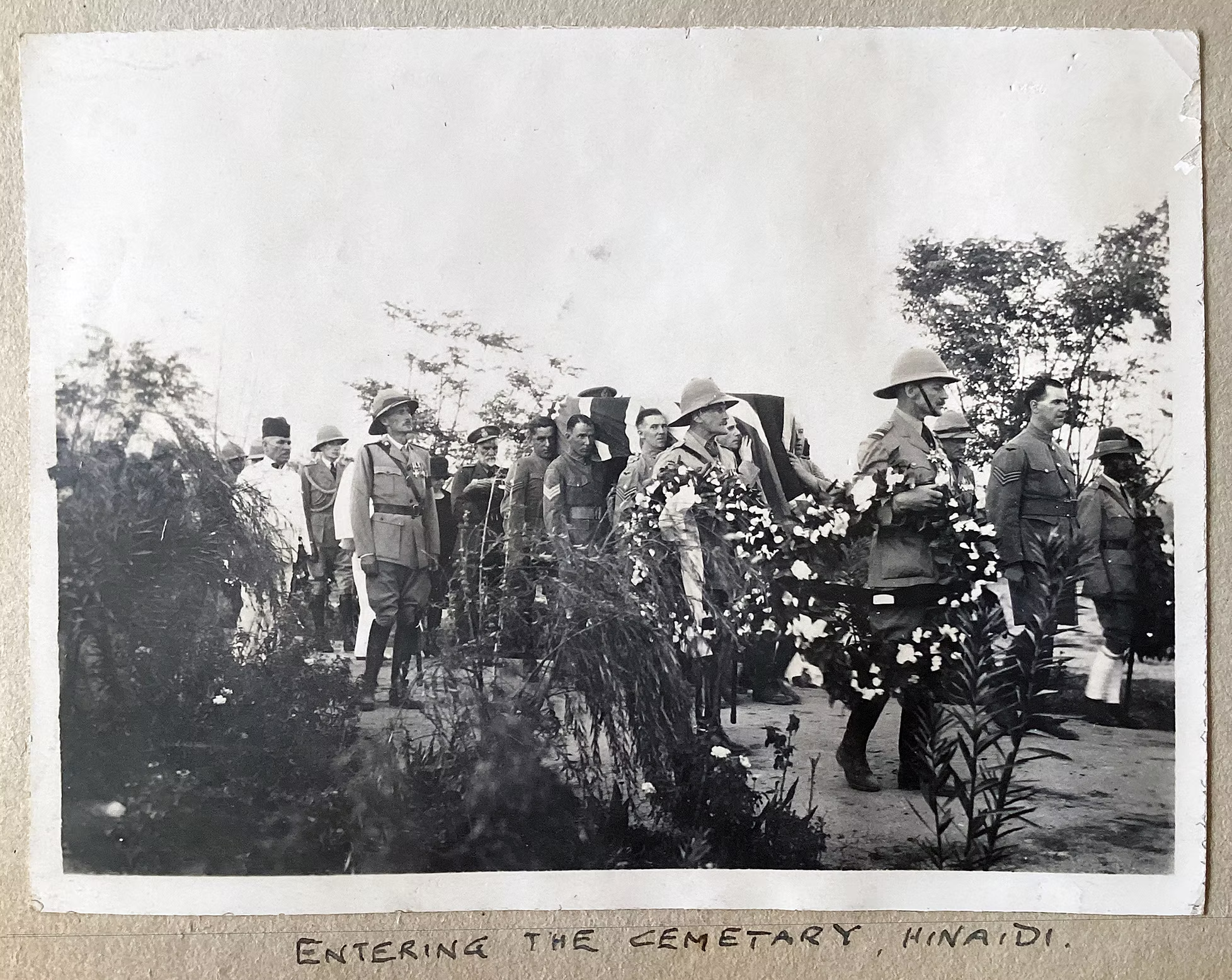
Funeral of Sir Gilbert Clayton - High Commissioner to Iraq in 1929 courtesy of Sian Sumners via Steve Buster Johnson website.
Planning a visit: quick answers
- Can you visit Commonwealth war cemeteries in Iraq?
- Yes. Basra War Cemetery, the Basra Memorial to the Missing, Amara War Cemetery and Baghdad North Gate War Cemetery can all be visited, but access varies by site and usually needs advance arrangement, a local guide and, in some cases, permission from the authorities.
- Do I need a visa or permits to visit?
- Most visitors now travel on a visa on arrival or an e-visa, and some sites sit inside restricted or military-controlled areas where a separate permit or escort is required.
- Are the cemeteries maintained?
- Condition varies considerably. Some sites are cared for by local gardeners, while others remain damaged or overgrown, as documented in our field reporting.