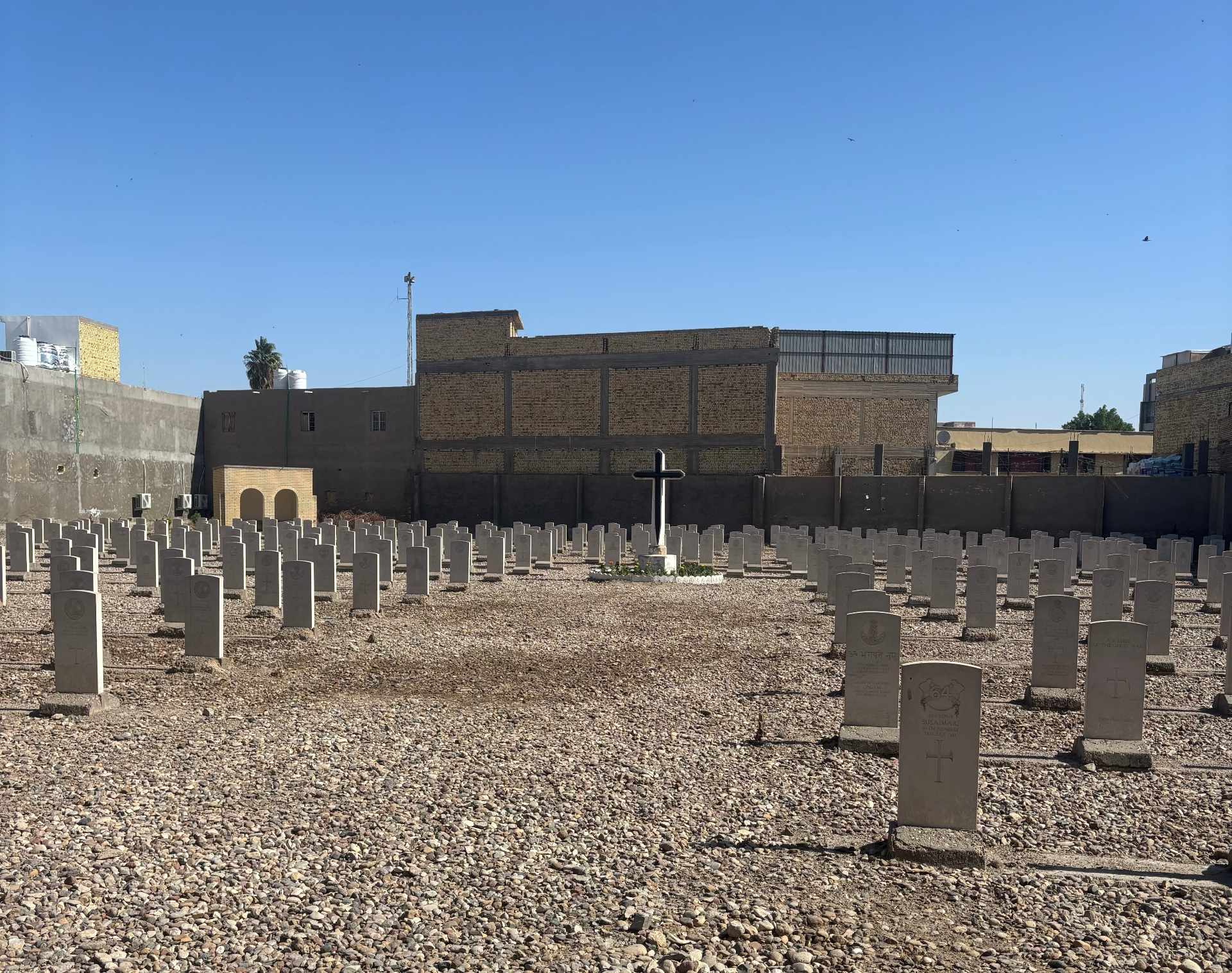
Kut War Cemetery
Kut War Cemetery lies at the heart of one of WWI's most grueling campaigns — the Siege and Fall of Kut-al-Amara (December 1915–April 1916). Though relatively small, it marks the location where nearly 13,000 British and Indian troops surrendered after a five-month siege, one of Britain's worst defeats of WWI.
Quick Information
Kut (Al-Kut), ~160-175 km southeast of Baghdad, on the Tigris River
Commemorated
410 commemorated
WWI: 410 • WWII: 0
Site of the famous Siege of Kut (1915-16). Many buried here died in captivity after surrender. Renovated 2014.
Status
Last Updated
25 October 2025
Key Takeaways
- • Renovation done poorly with inappropriate materials and corners cut (Cross of Sacrifice not properly replaced)
- • War Stone not replaced despite being shown on original cemetery map
- • Many replacement gravestone bases are crumbling due to poor quality cement
- • Lack of professional maintenance since 2012-14 renovation
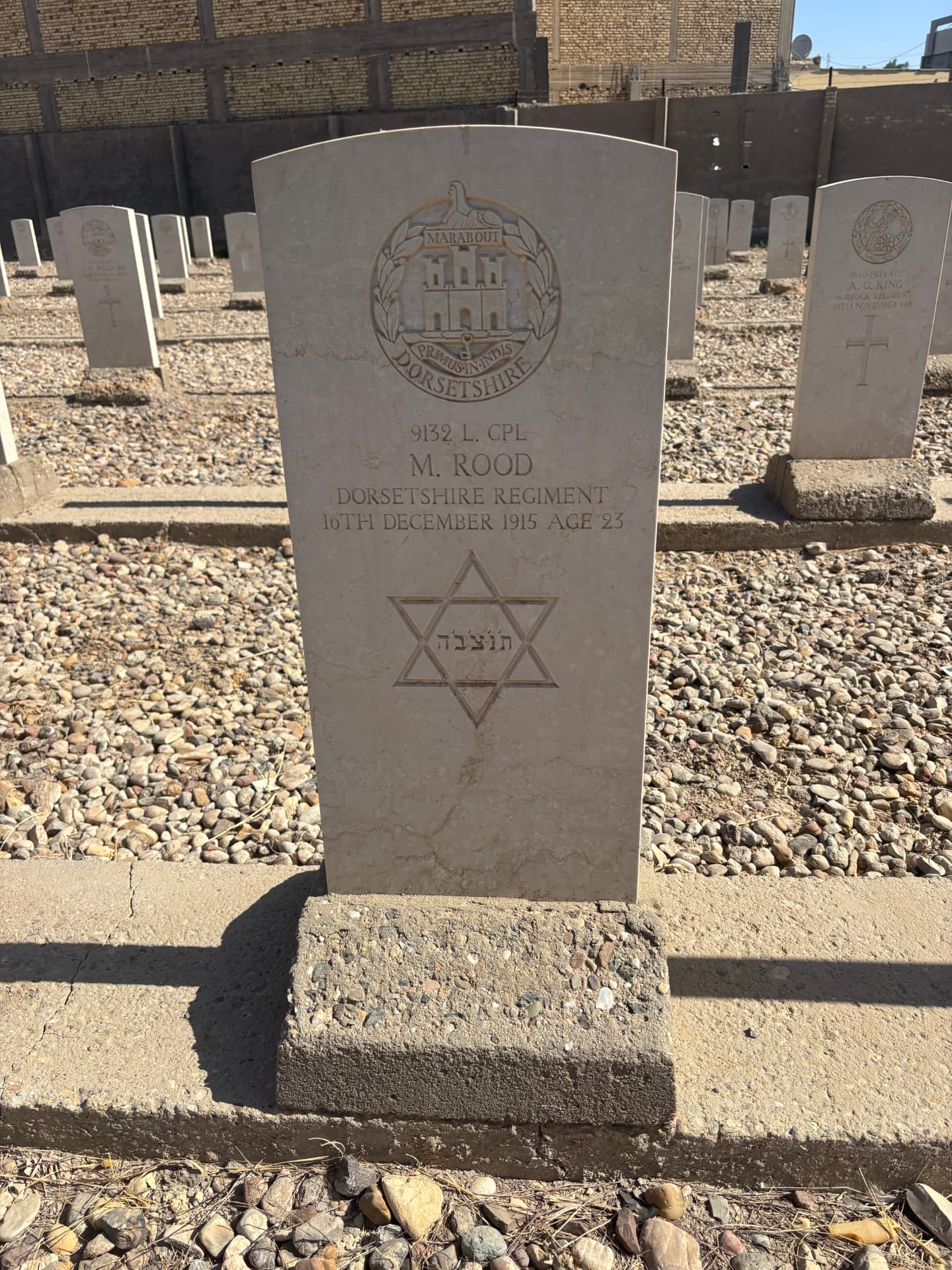
- • Only Jewish grave at Kut (L/Cpl Michael Rood) present in perfect condition
The Siege of Kut (December 1915 - April 1916) was a catastrophic defeat for British forces in Mesopotamia. After the disastrous Battle of Ctesiphon in November 1915, General Townshend's force retreated to Kut where they were besieged. Multiple relief attempts failed with enormous casualties. After the garrison surrendered on 29 April 1916, thousands perished in Turkish captivity.
Current Condition
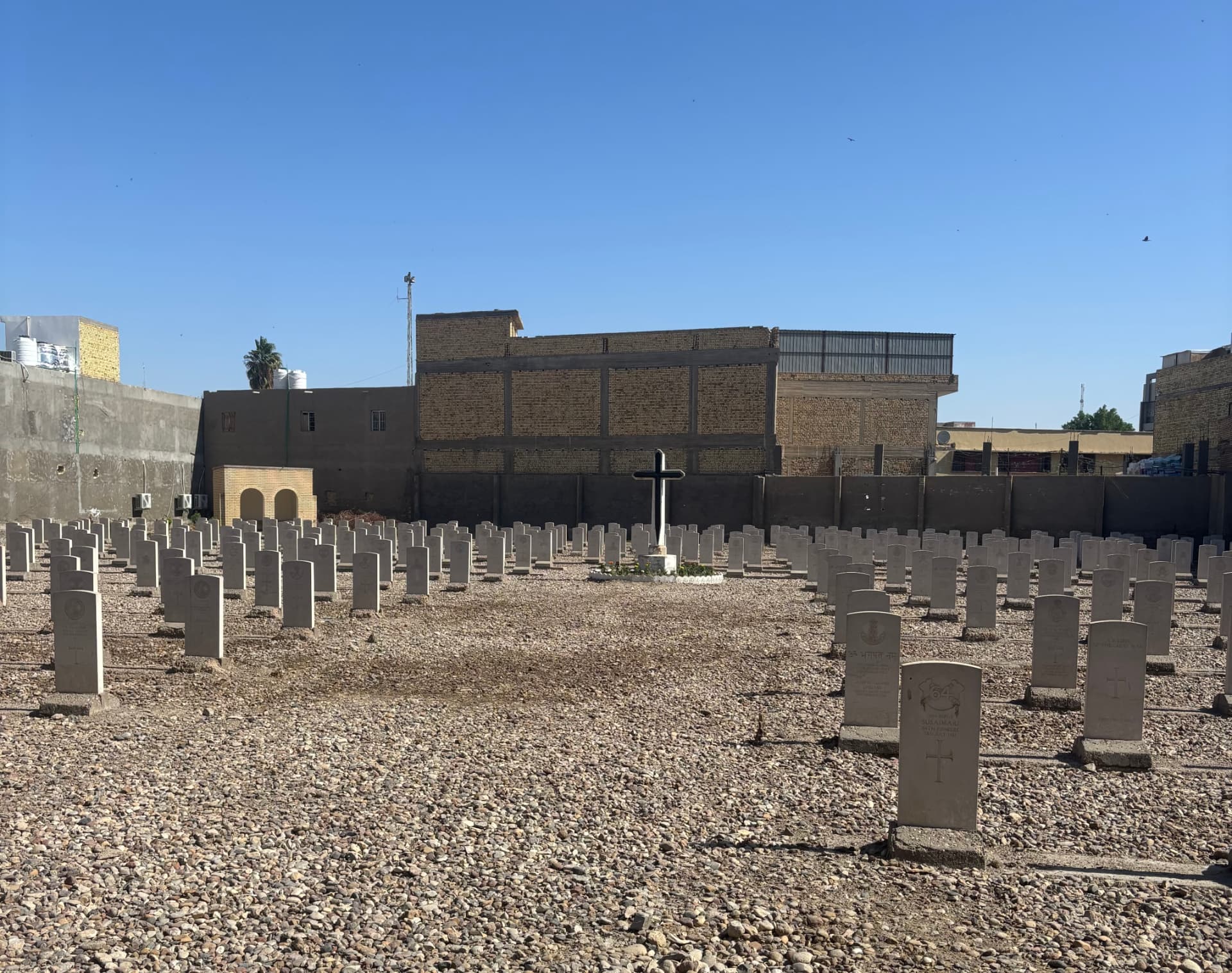
Current condition (October 2025): The cemetery is in relatively good order having been renovated in 2014 especially compared to the other cemeteries in the country. The guardian maintains some flower beds around the Cross of Sacrifice and the entrance and clearly takes care of the site to the best of his ability and the resources available to him. It was also good to see a Jewish grave stone present in perfect condition, a poignant counter point to the stereotypes referred to by CWGC in communication with me in the past that there is no point in renovating these sites as the locals would damage them regardless due to their apparent antipathy towards Commonwealth countries.
The renovation in 2012 was done to a poor standard and on the cheap. Rather than replace the Cross of Sacrifice the top half was merely bolted onto the bottom half and a cheap metal cross painted gloss black attached to it. This would be unacceptable in a cemetery in the UK or Europe or indeed anywhere else so why would it be acceptable here, especially given the cemetery was renovated. In addition the War Stone that was shown in the original cemetery map has not been replaced.
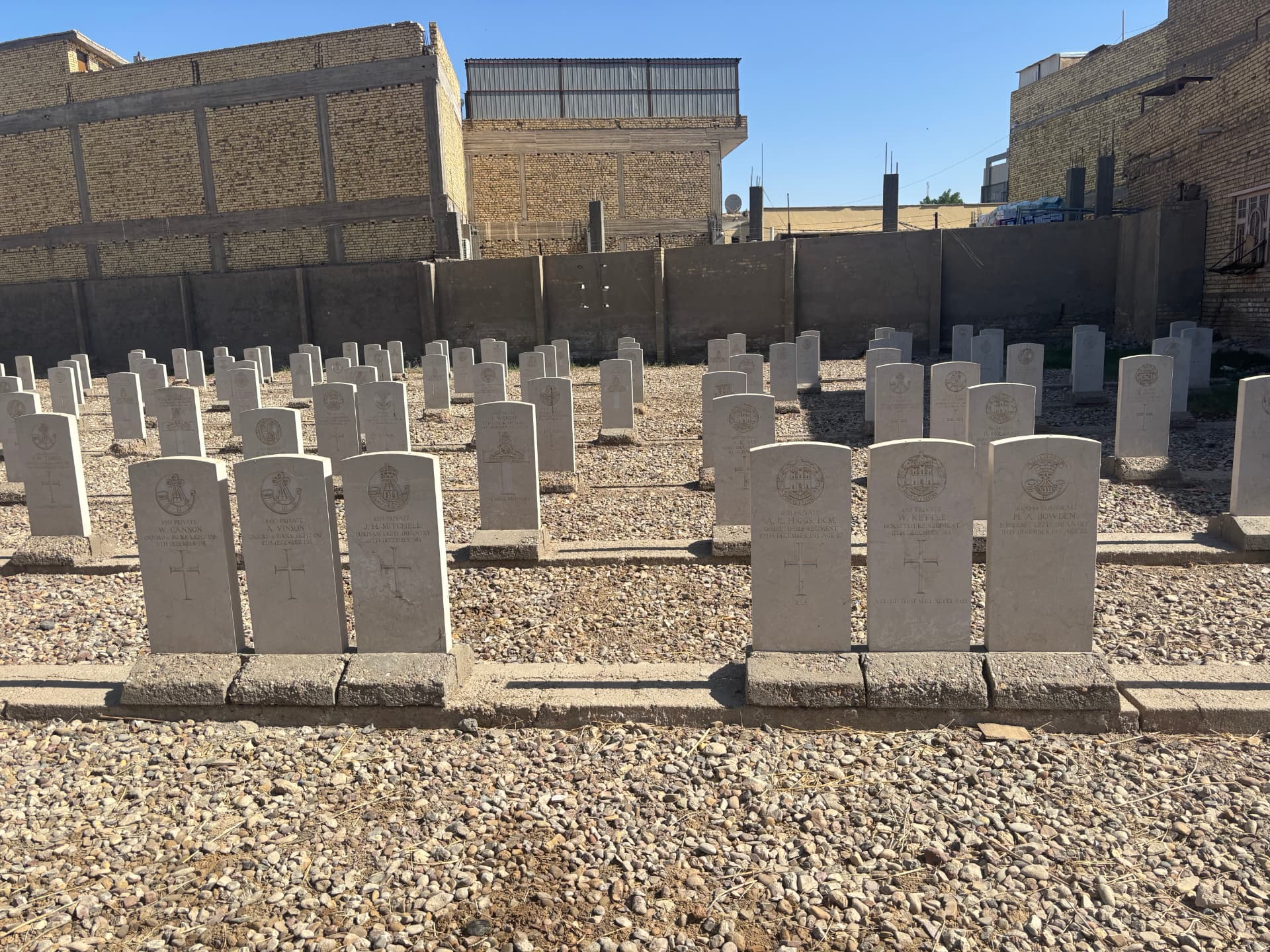
Many of the bases of the replacement gravestones are crumbling which look at first analysis as if poor quality or unsuitable cement was used. The CWGC claims this is due to salt in the soil which is certainly true, however:
1. Kut is in a low salt region.
2. The issue with salt degrading concrete is not new and has been known since the 1930s when the IWGC removed all WWI grave markers from Basra and Amara and replaced them with panels. However there are well established methods to make concrete resist salty soil: use sulfate-resistant cement (Type V/SRPC) with a low water to cement ratio (0.40 to 0.45), increase density with pozzolans like fly ash or slag, ensure proper curing, and avoid or protect steel reinforcement because chlorides accelerate corrosion. Combine this with good drainage, optional waterproofing admixtures or surface sealers, and a gravel base to keep it out of saturated saline contact, which together greatly slow chloride and sulfate attack and extend service life for decades versus the standard concrete service life of 5 to 7 years as at Kut. However this takes time and money and if no one is enforcing quality control on the contractor there is nothing to stop them cutting corners and maximising their profits, after all the results of their bodge will not be visible until years after they have been paid.
3. The same issue of new concrete bases has been seen with the replacement gravestones at Northgate where there is no salt.
4. Salty soil has not stopped massive construction in Basra, Amara and Kut, including a world class football stadium in Basra. It therefore seems unlikely that it would be an impediment to some simple grave stones. In fact there are several examples from the civilian cemetery in Basra that show that concrete is capable of weathering the soil conditions long term.
The cemetery has not been professionally maintained since the renovation as evidenced by the condition of the CWGC signage. The shrubs that were planted during the renovation and are shown in relative health in historical photos from 2019 are now all dead.
Maintaining the cemetery to any acceptable standard is far beyond the resources and ability of the local key holder so no criticism is meant towards him at all. Mr. Mohamed has been incredibly helpful both on site and since in providing images of relatives' graves for those who are unable to visit themselves. He also maintains flower beds around the cross and at the entrance.
Visual Documentation
Admin upload portal for panoramas, videos and photos.
Video Photography
Video Documentation Coming Soon
Comprehensive video documentation of the memorial is being prepared and will be added shortly.
360° Panoramic Views
360° Panoramas Coming Soon
We’re preparing immersive 360° views. Once your panoramic files are ready, we’ll publish them here.
Cemetery Plan
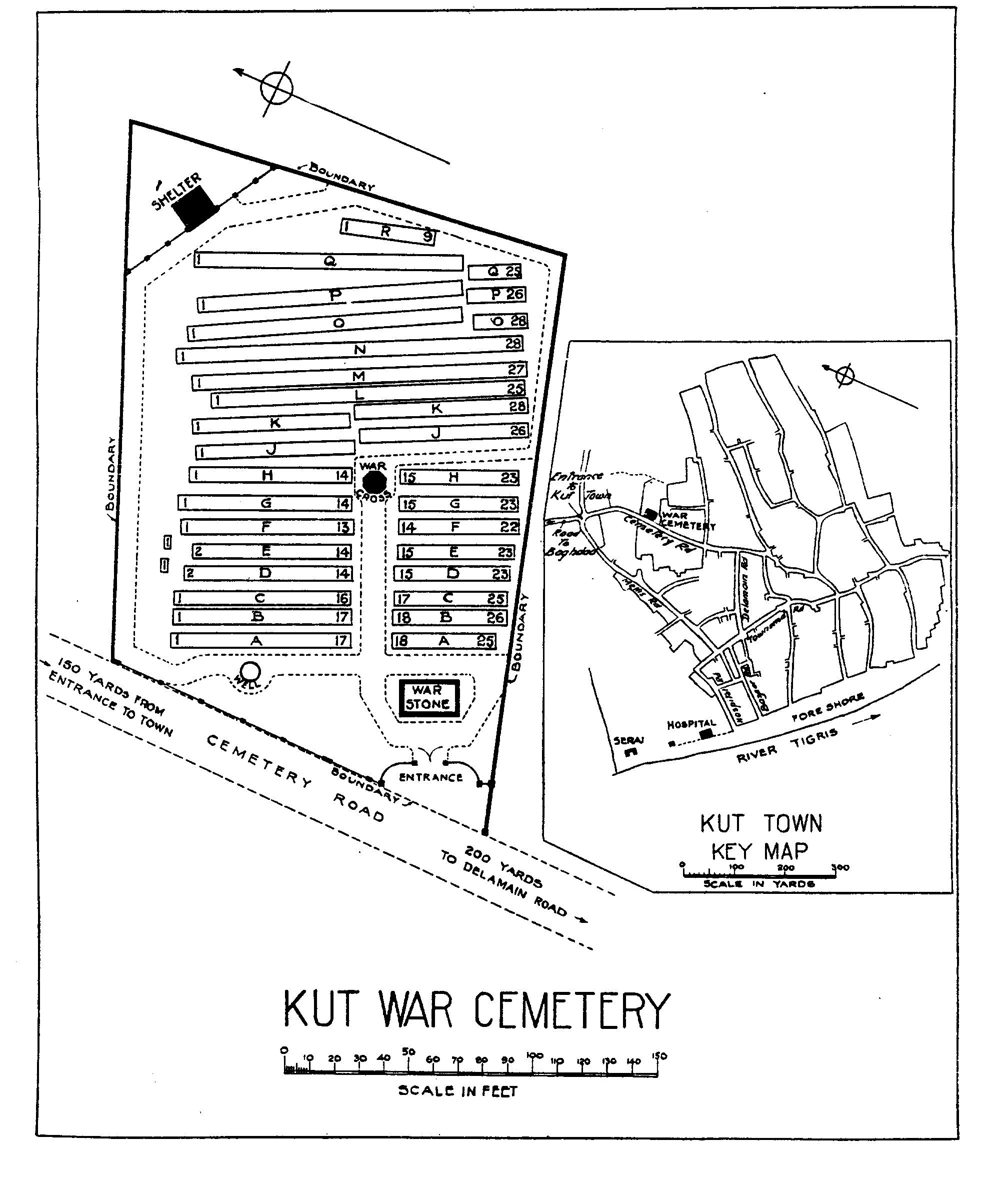
Historical cemetery plan showing the layout of Kut War Cemetery, site of the famous WWI siege.
Photographic Record
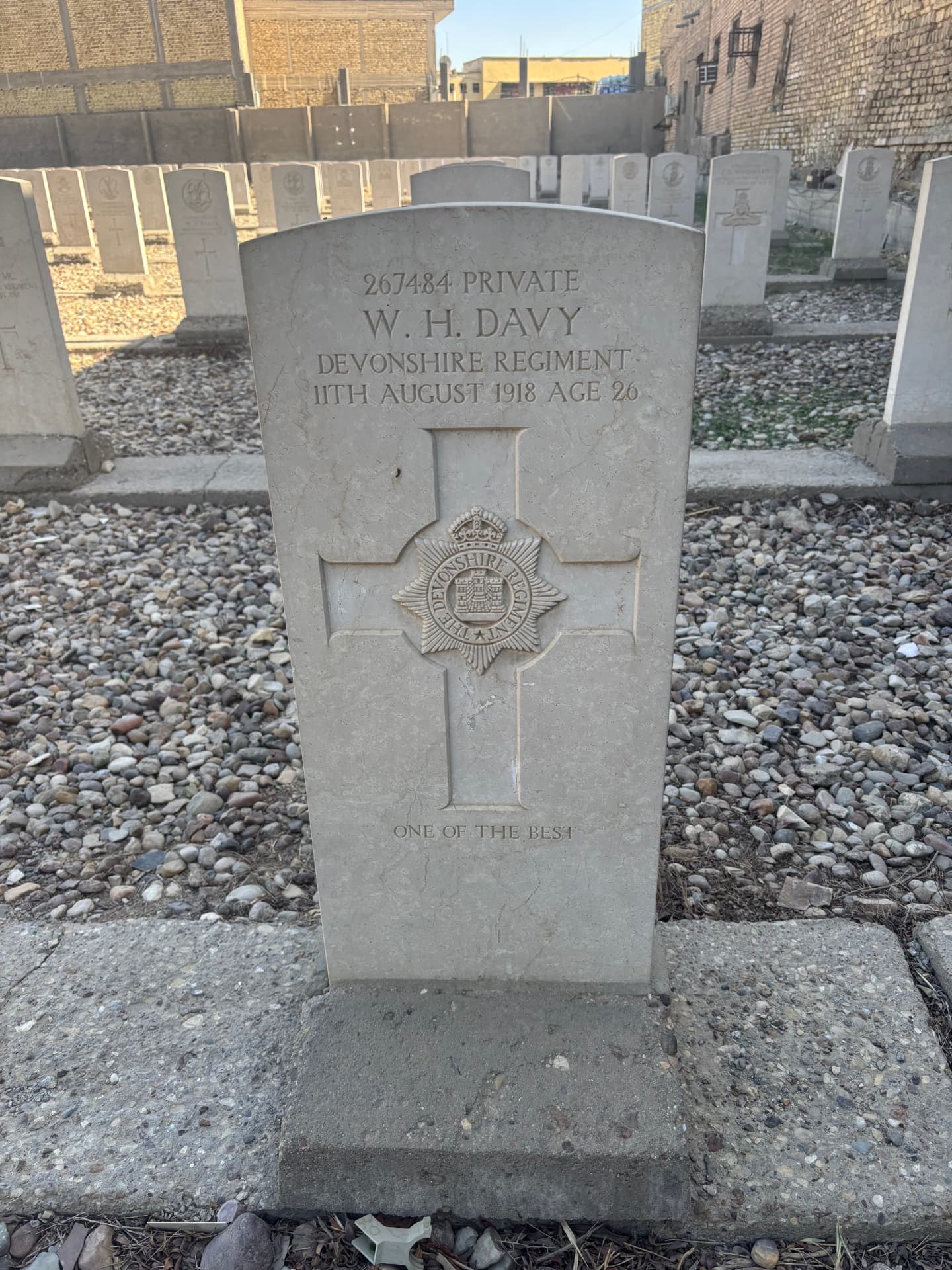
Photographs taken at Kut War Cemetery recording the headstones, the Cross of Sacrifice and the condition of the site following the renovation.
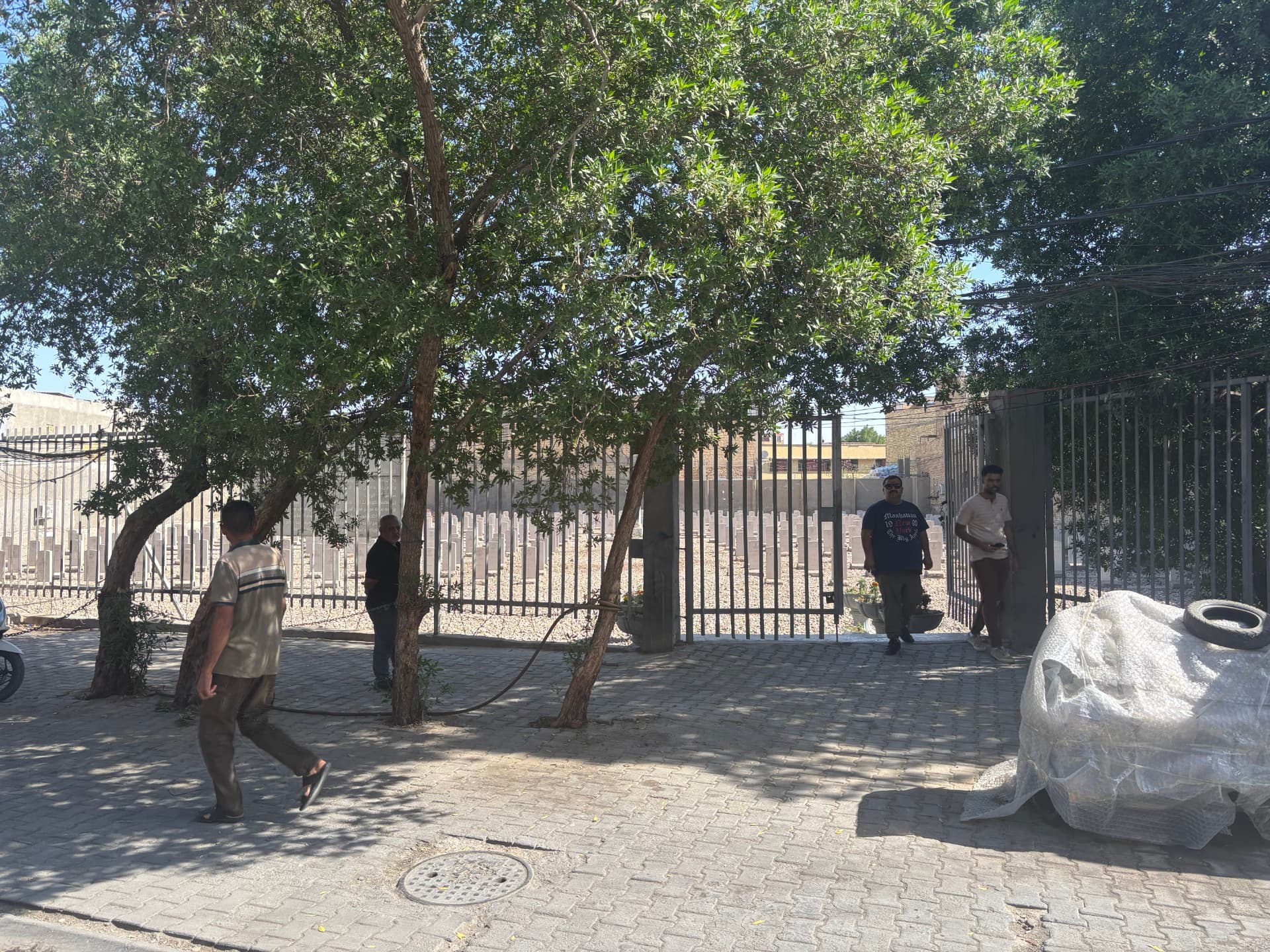
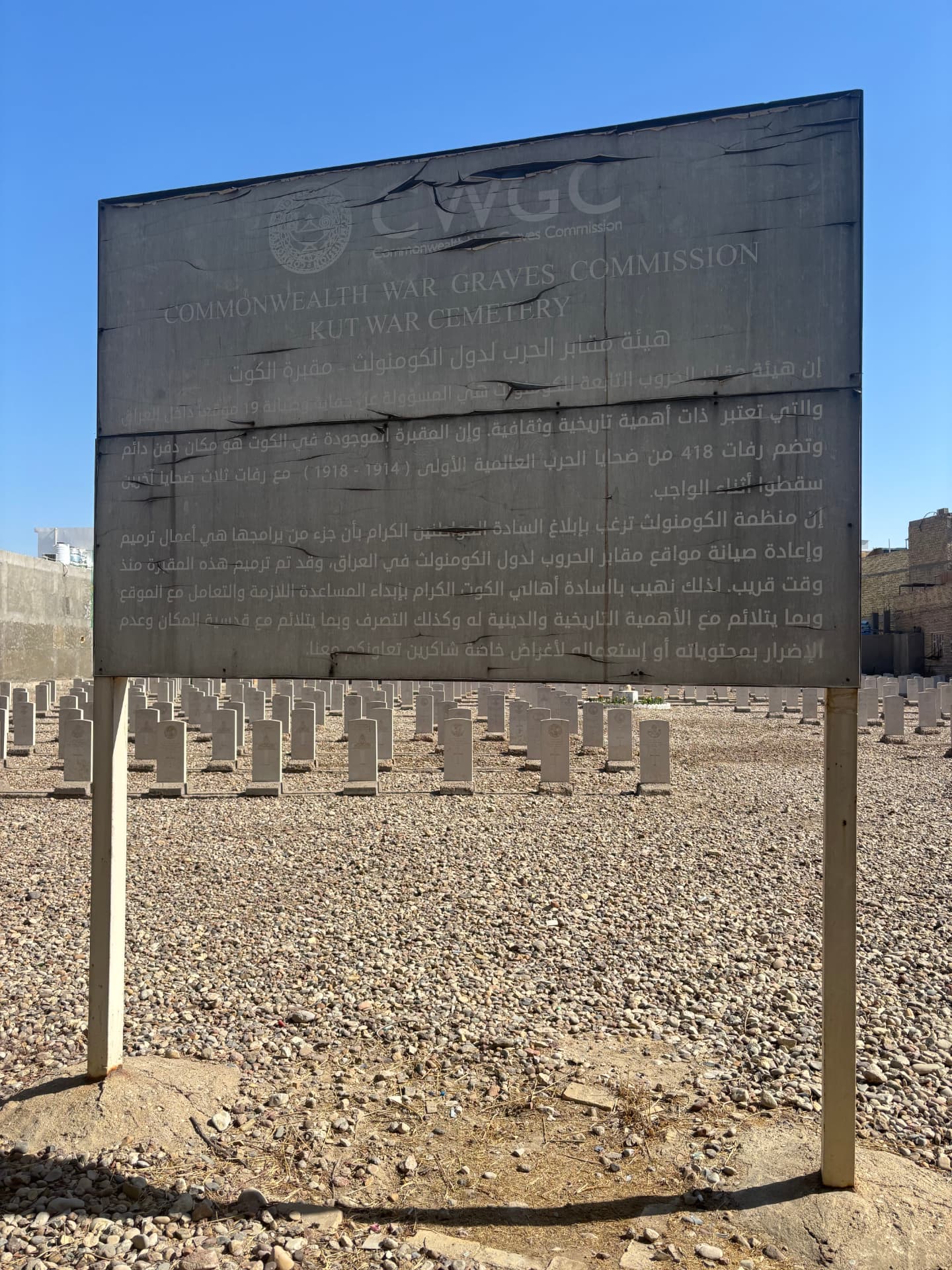
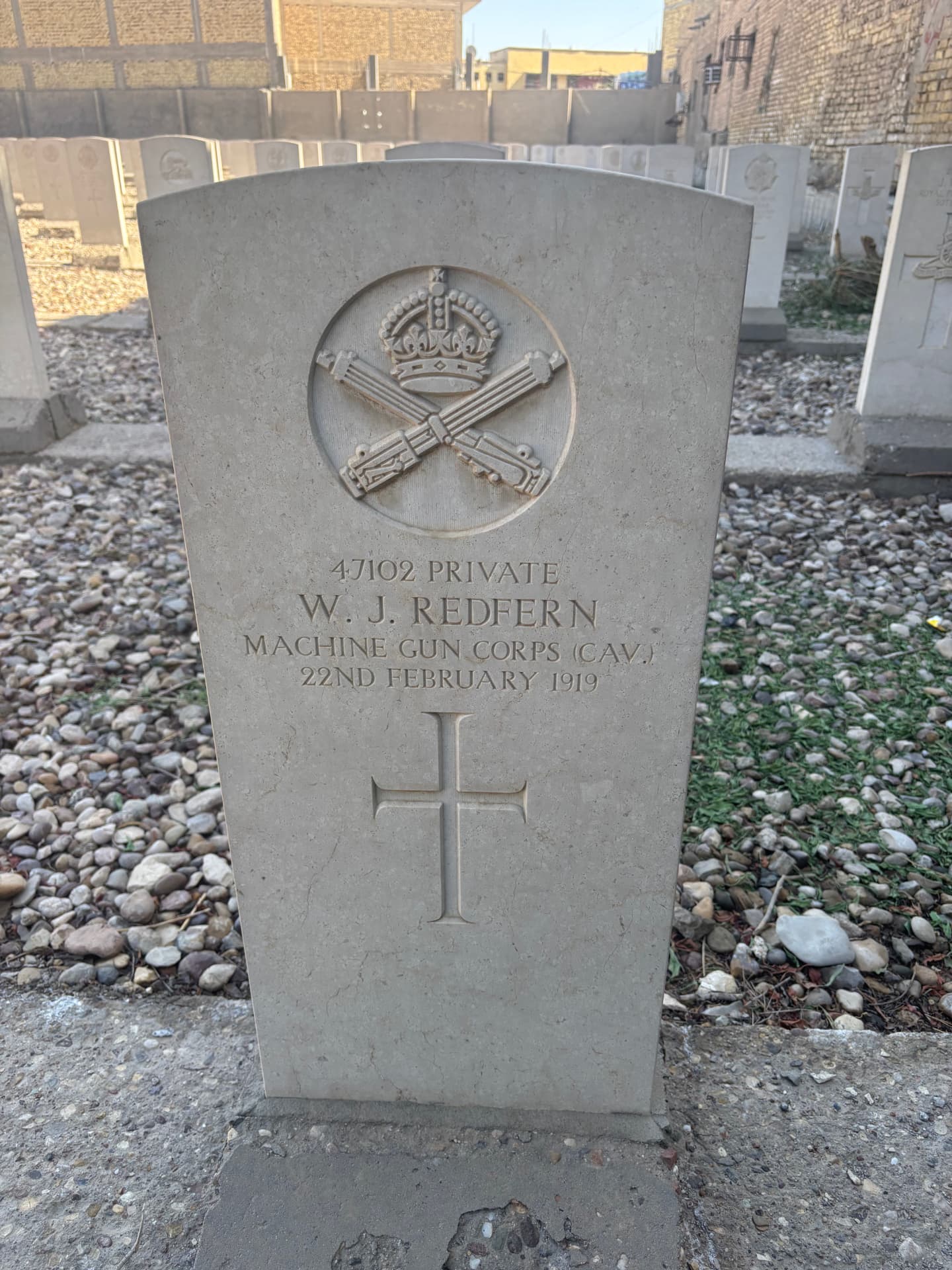
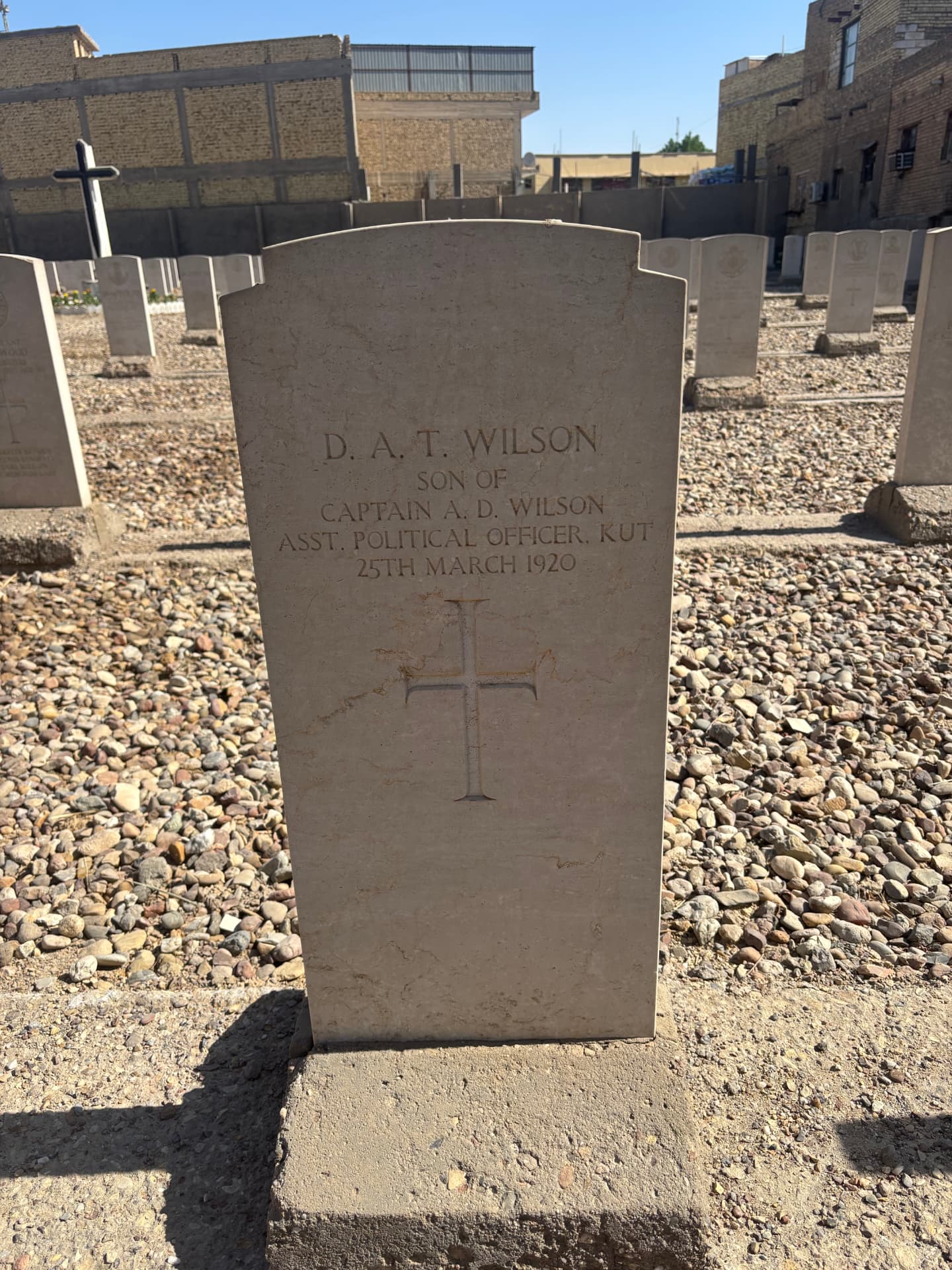
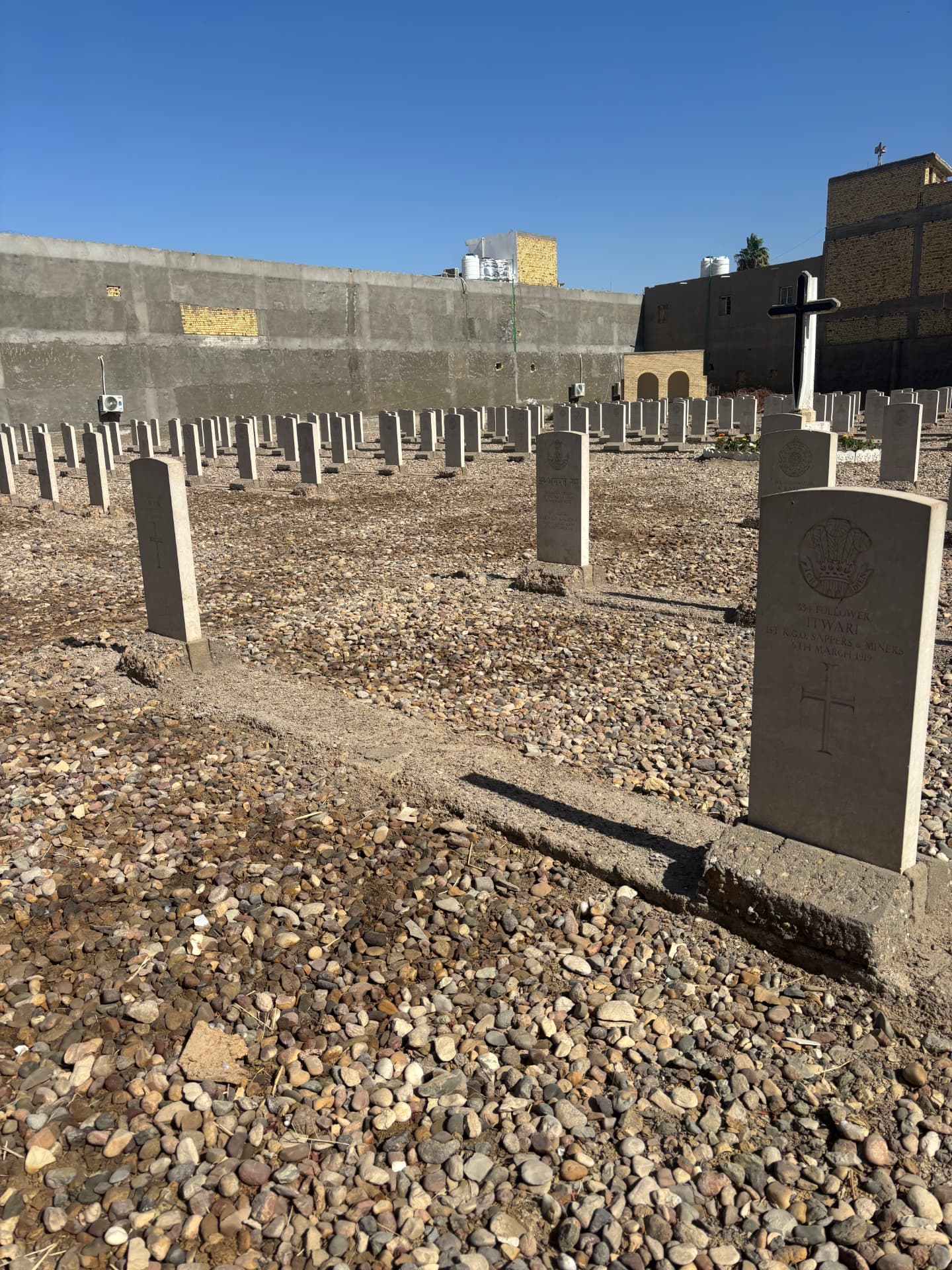
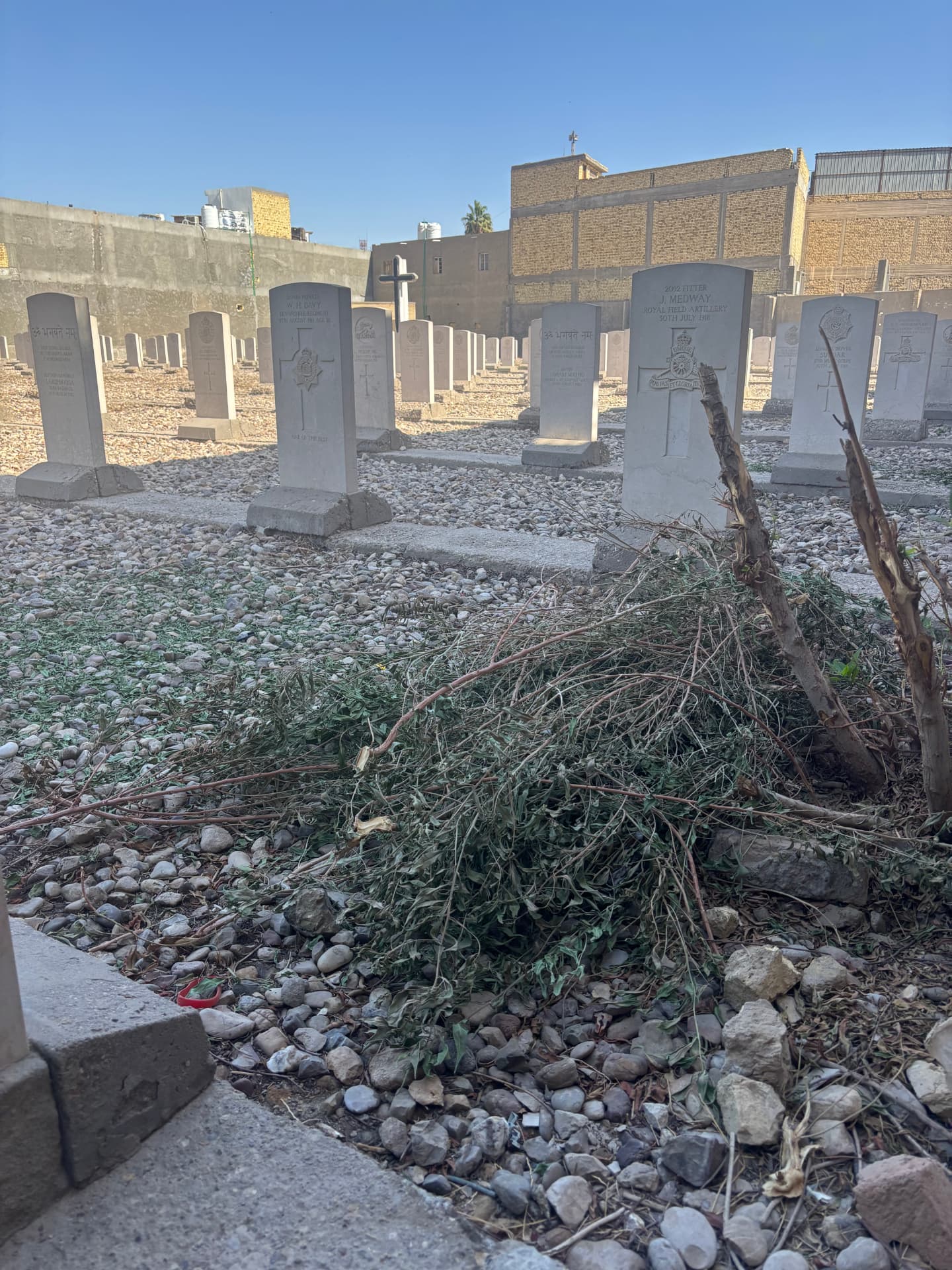
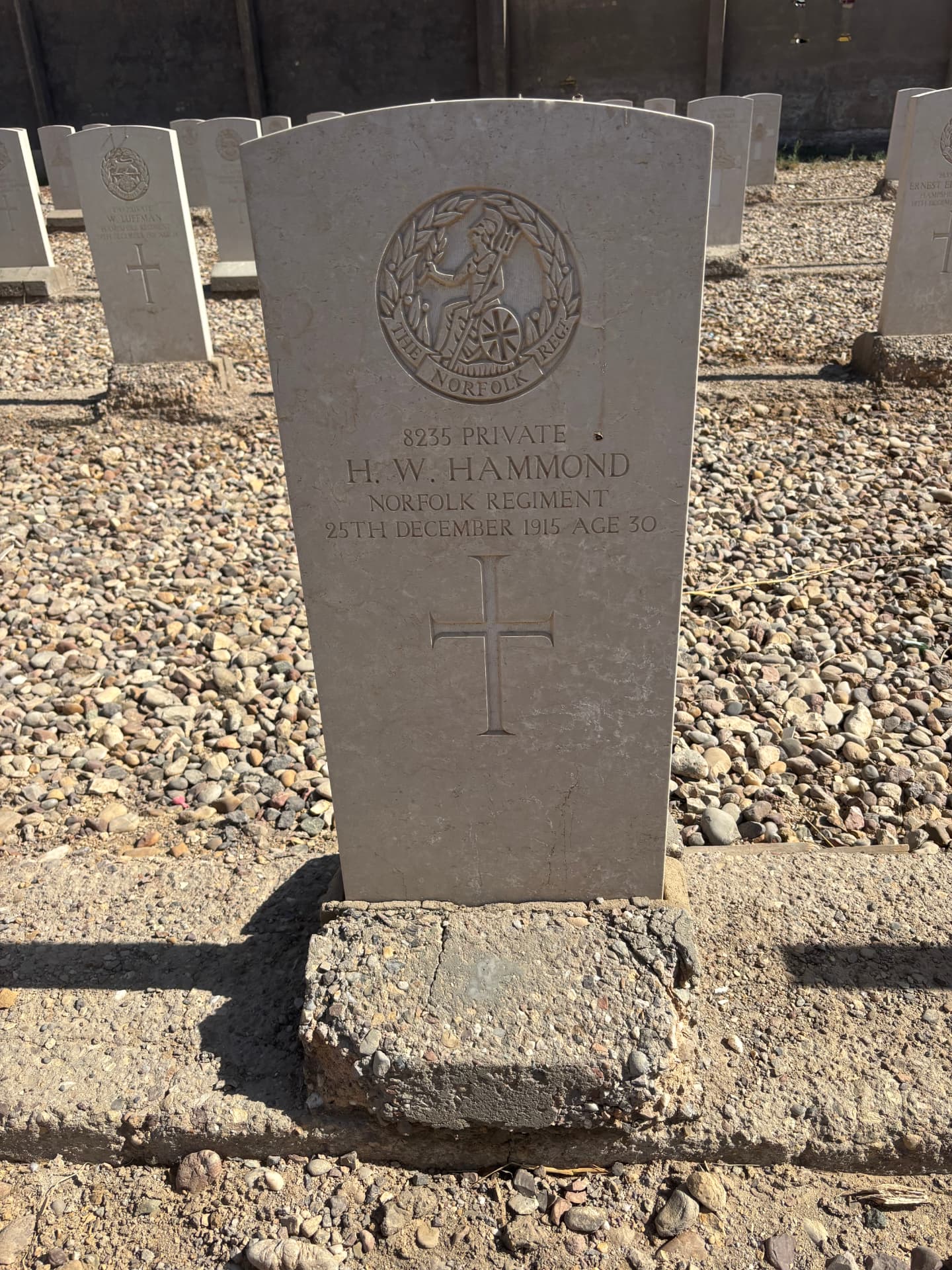
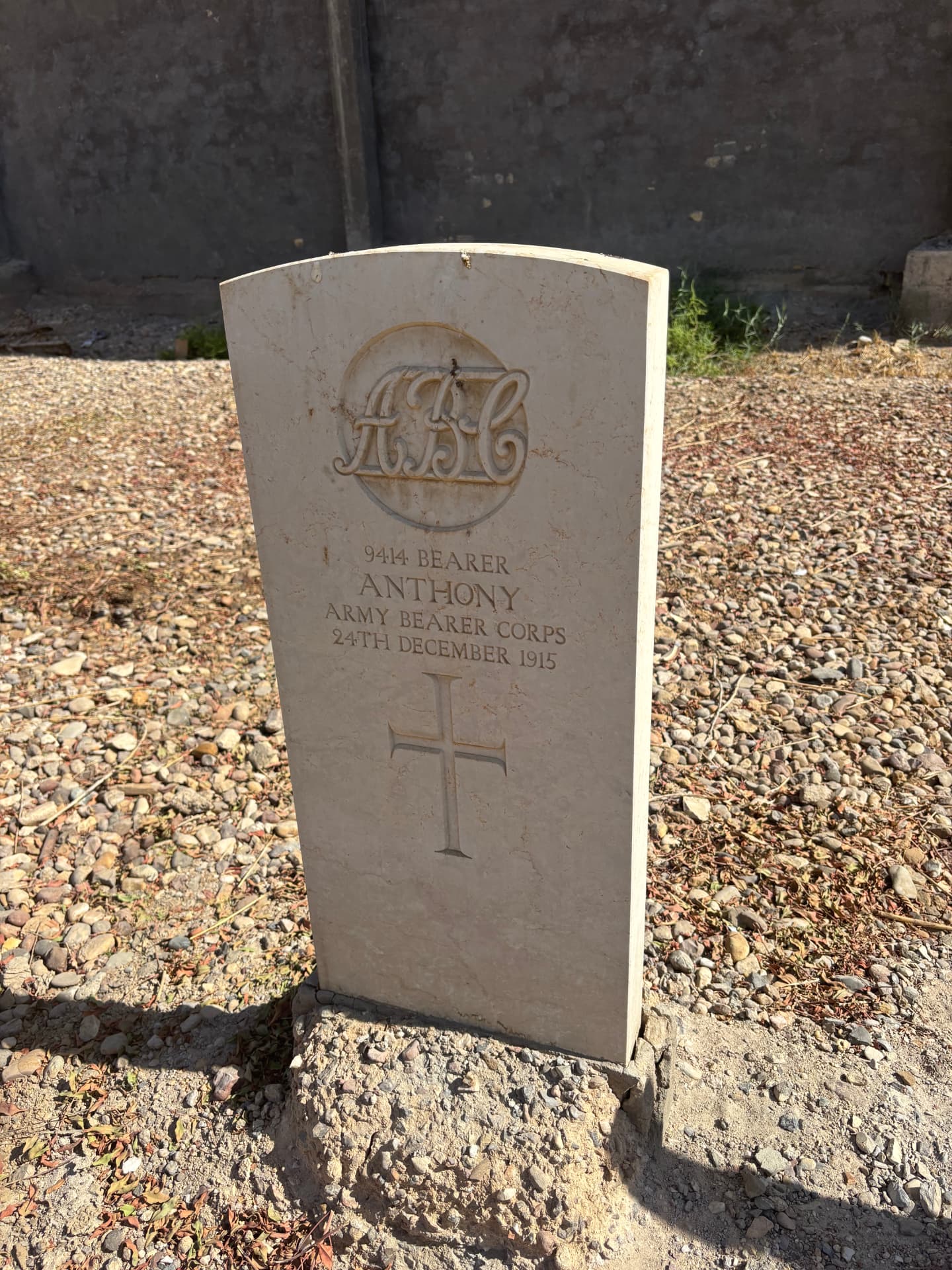
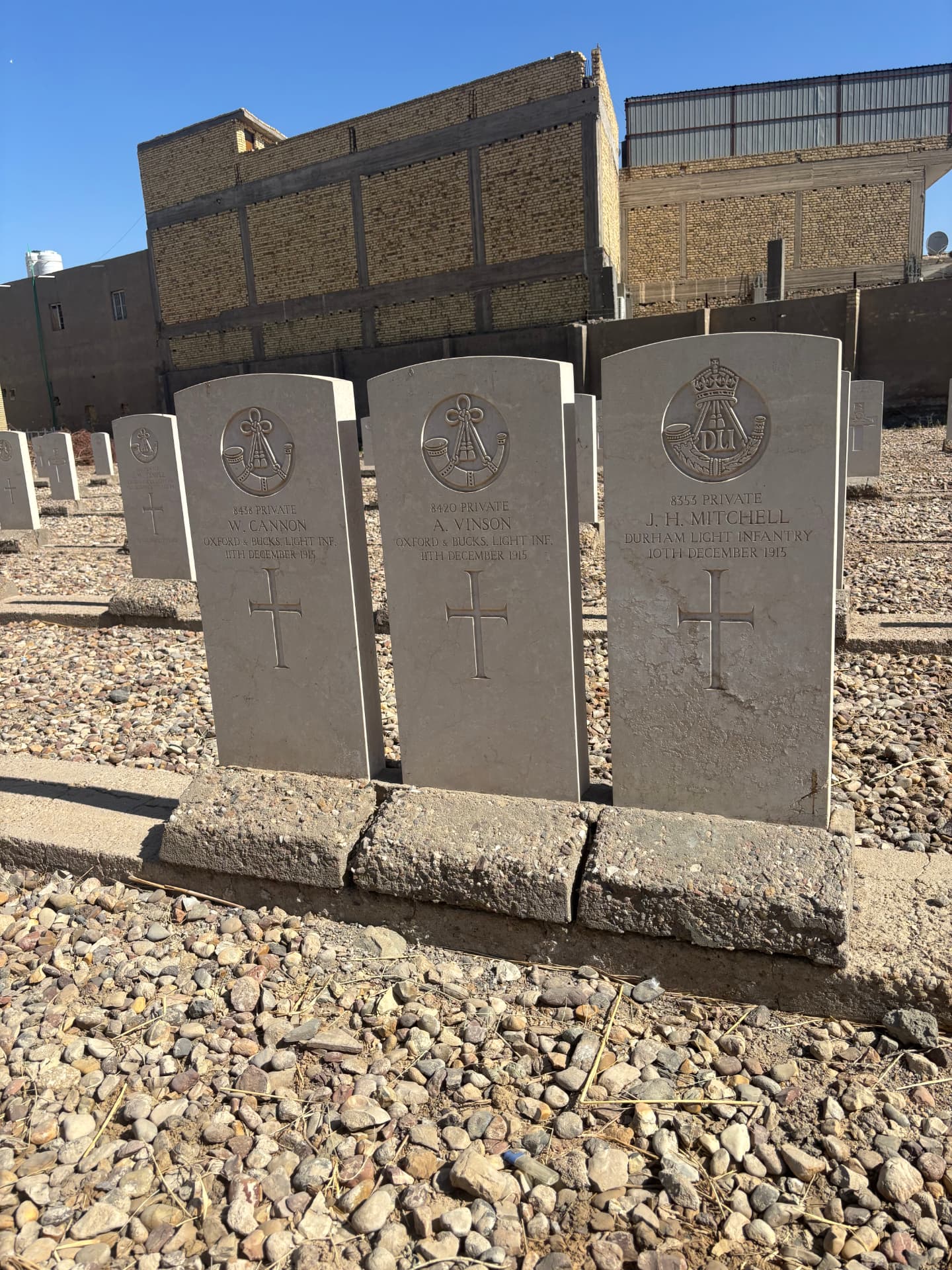
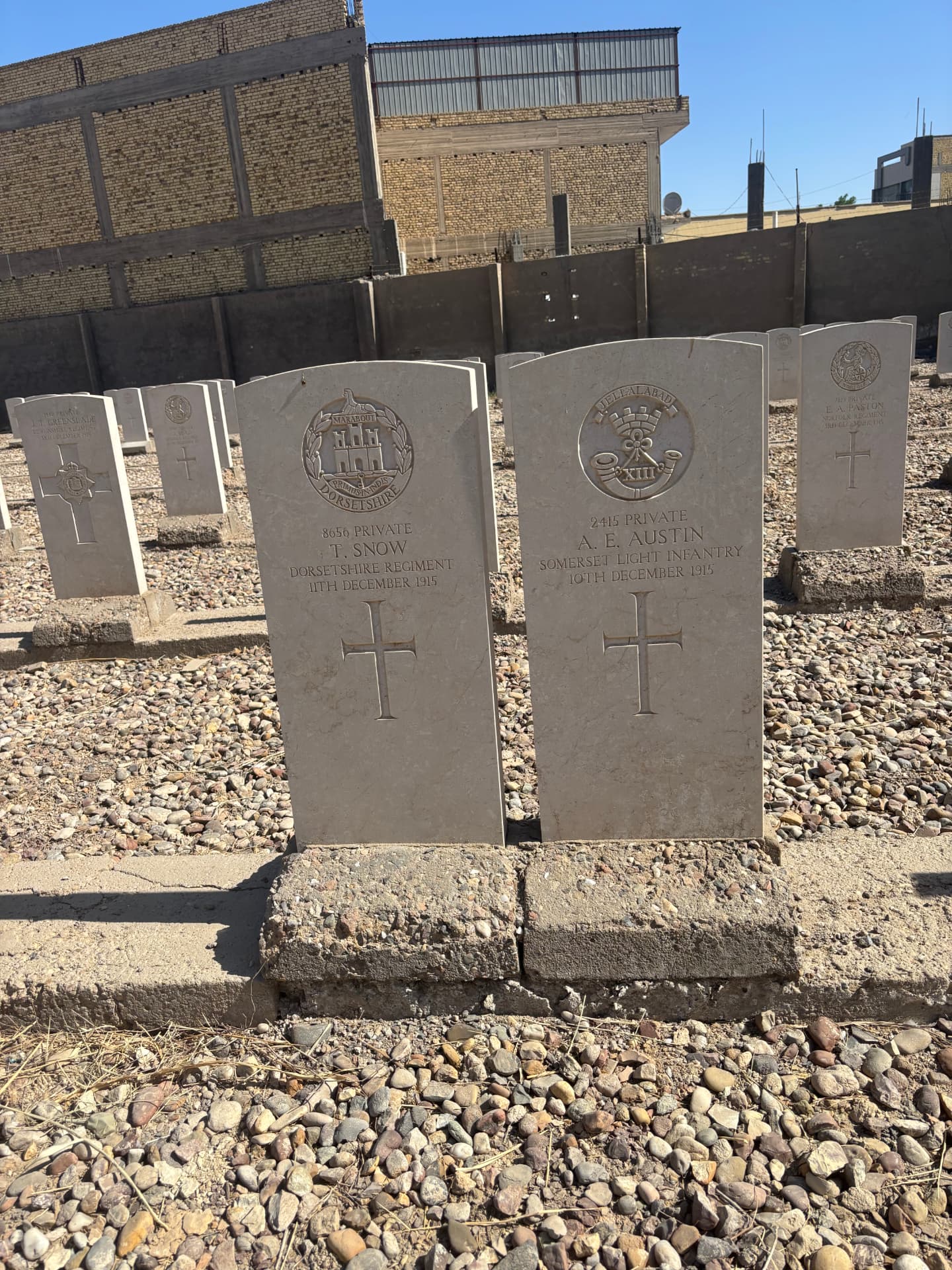
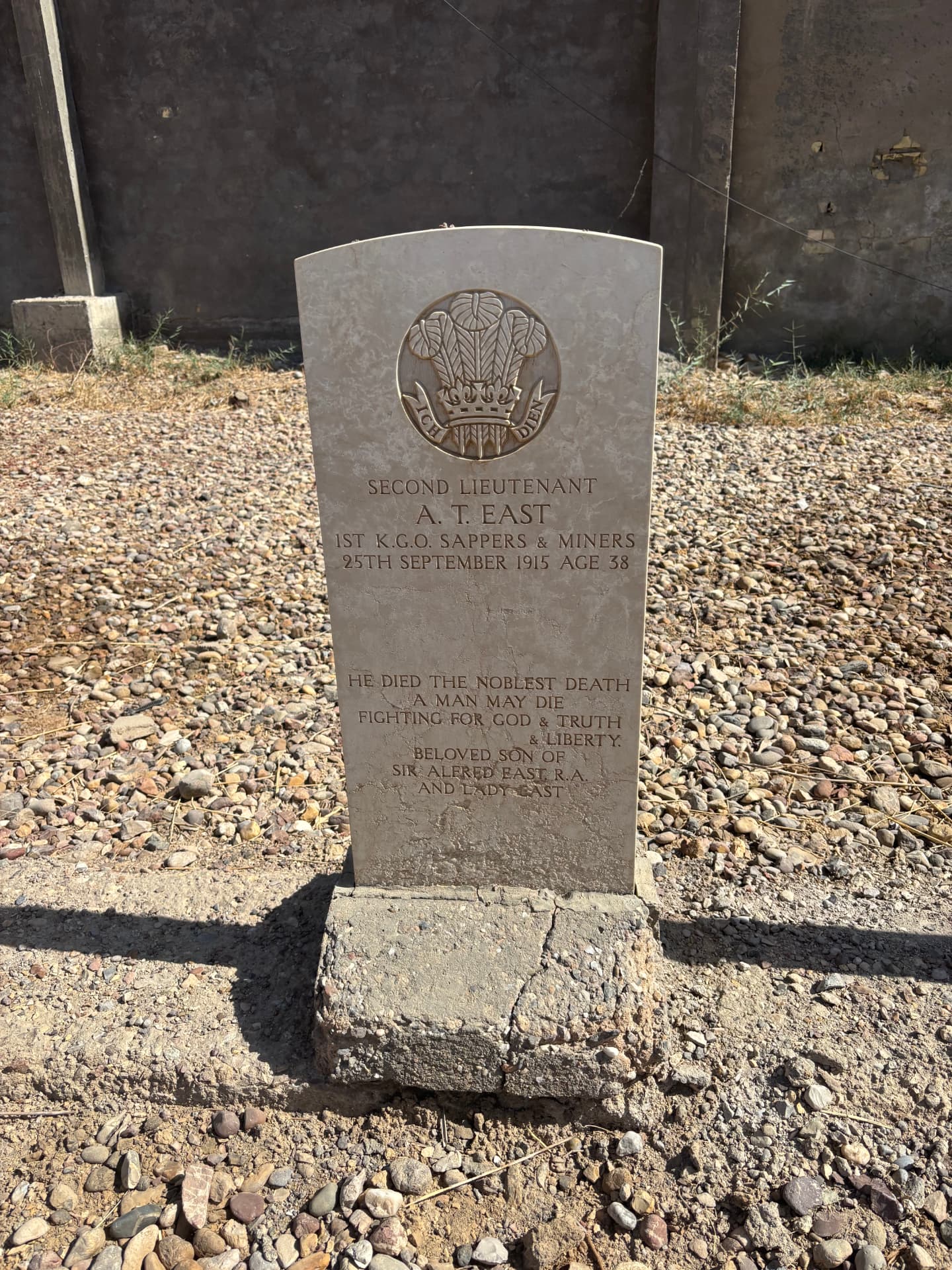
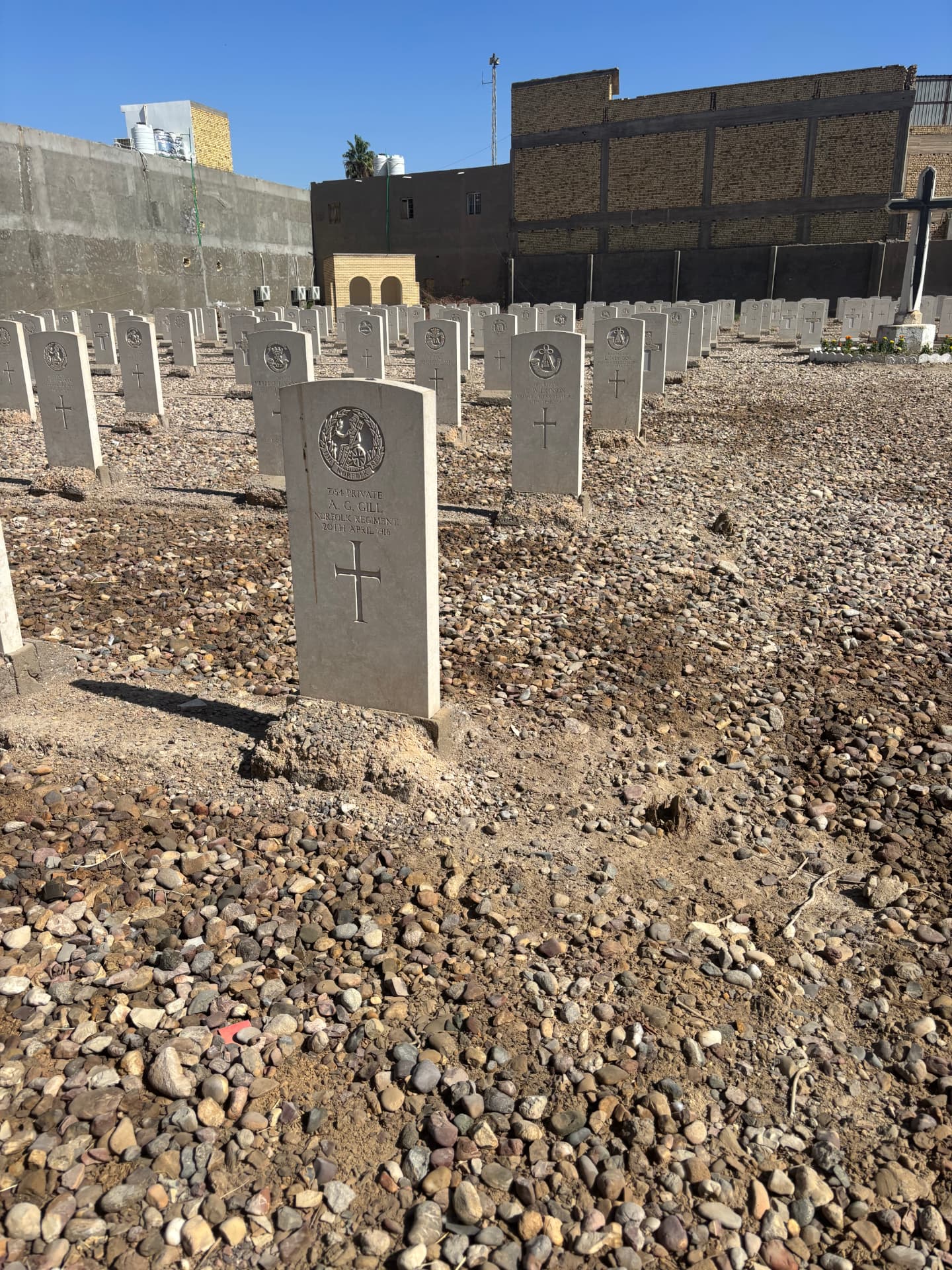
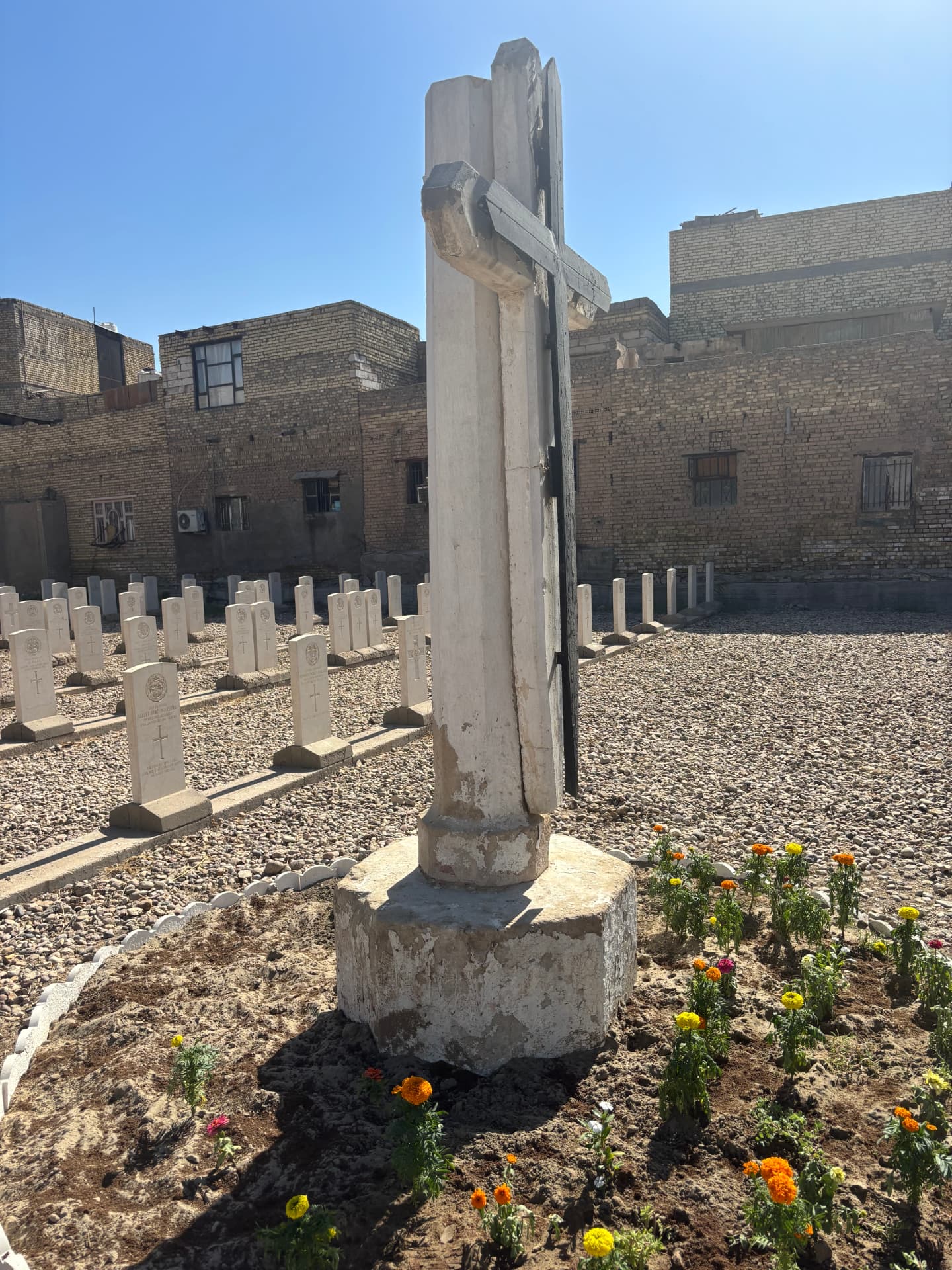
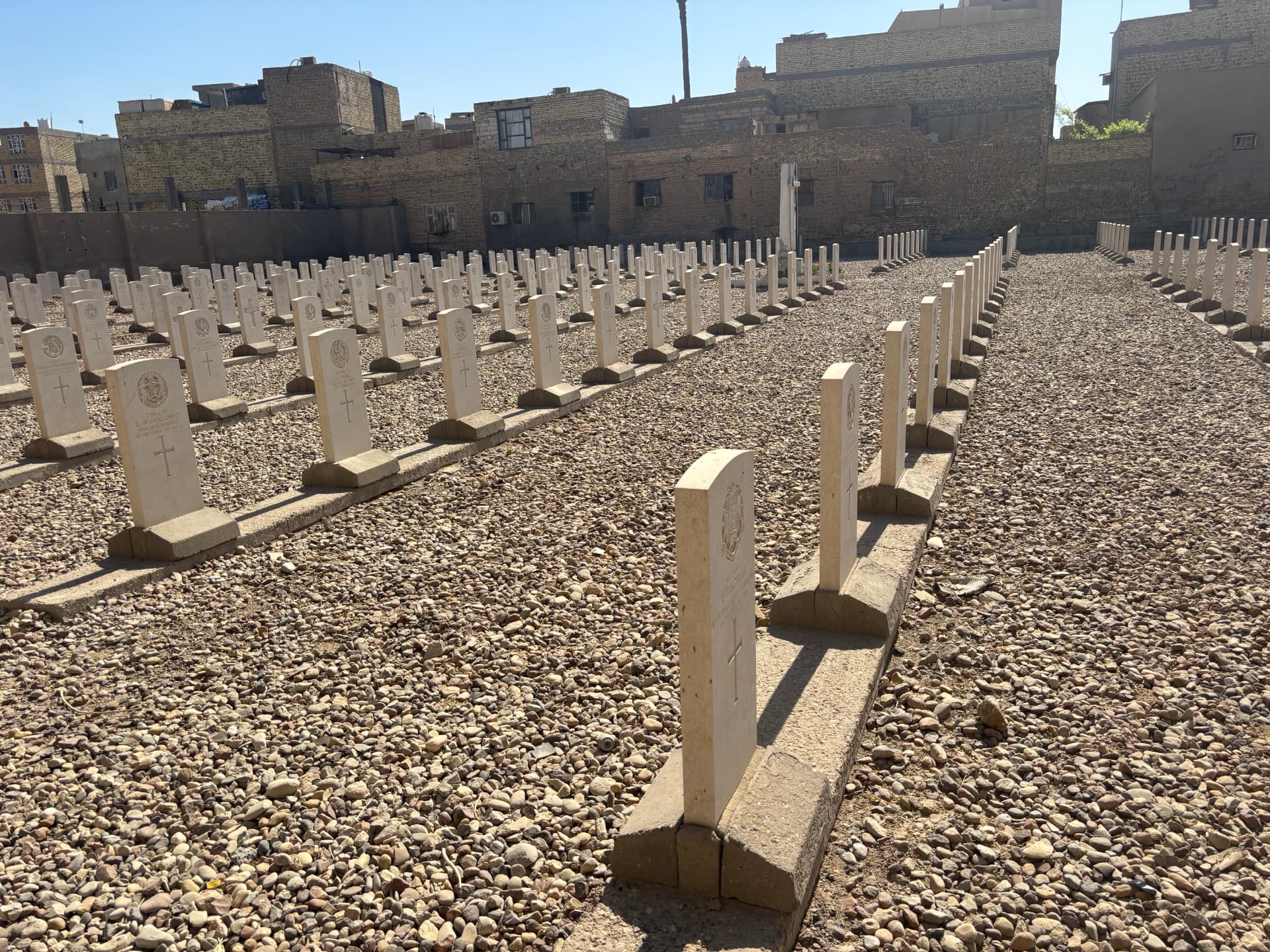
All of the photographs taken at Kut War Cemetery can be seen in the full album on Facebook. View the complete Kut photograph album
Related Articles & Content
The Siege of Kut - A Detailed Account
VisitComprehensive account of the 147-day Siege of Kut (December 1915-April 1916), one of Britain's worst defeats in WWI. Details the failed relief attempts at Hanna, Dujaila, and Sannaiyat that cost 23,000 casualties, and the subsequent death march of prisoners.
Source: The Long, Long Trail
Planning a visit: quick answers
- Can you visit Commonwealth war cemeteries in Iraq?
- Yes. Basra War Cemetery, the Basra Memorial to the Missing, Amara War Cemetery and Baghdad North Gate War Cemetery can all be visited, but access varies by site and usually needs advance arrangement, a local guide and, in some cases, permission from the authorities.
- Do I need a visa or permits to visit?
- Most visitors now travel on a visa on arrival or an e-visa, and some sites sit inside restricted or military-controlled areas where a separate permit or escort is required.
- Are the cemeteries maintained?
- Condition varies considerably. Some sites are cared for by local gardeners, while others remain damaged or overgrown, as documented in our field reporting.